
Active· since May 17, 2026
- 123
- days running
- 0
- relaunches
Ad copy
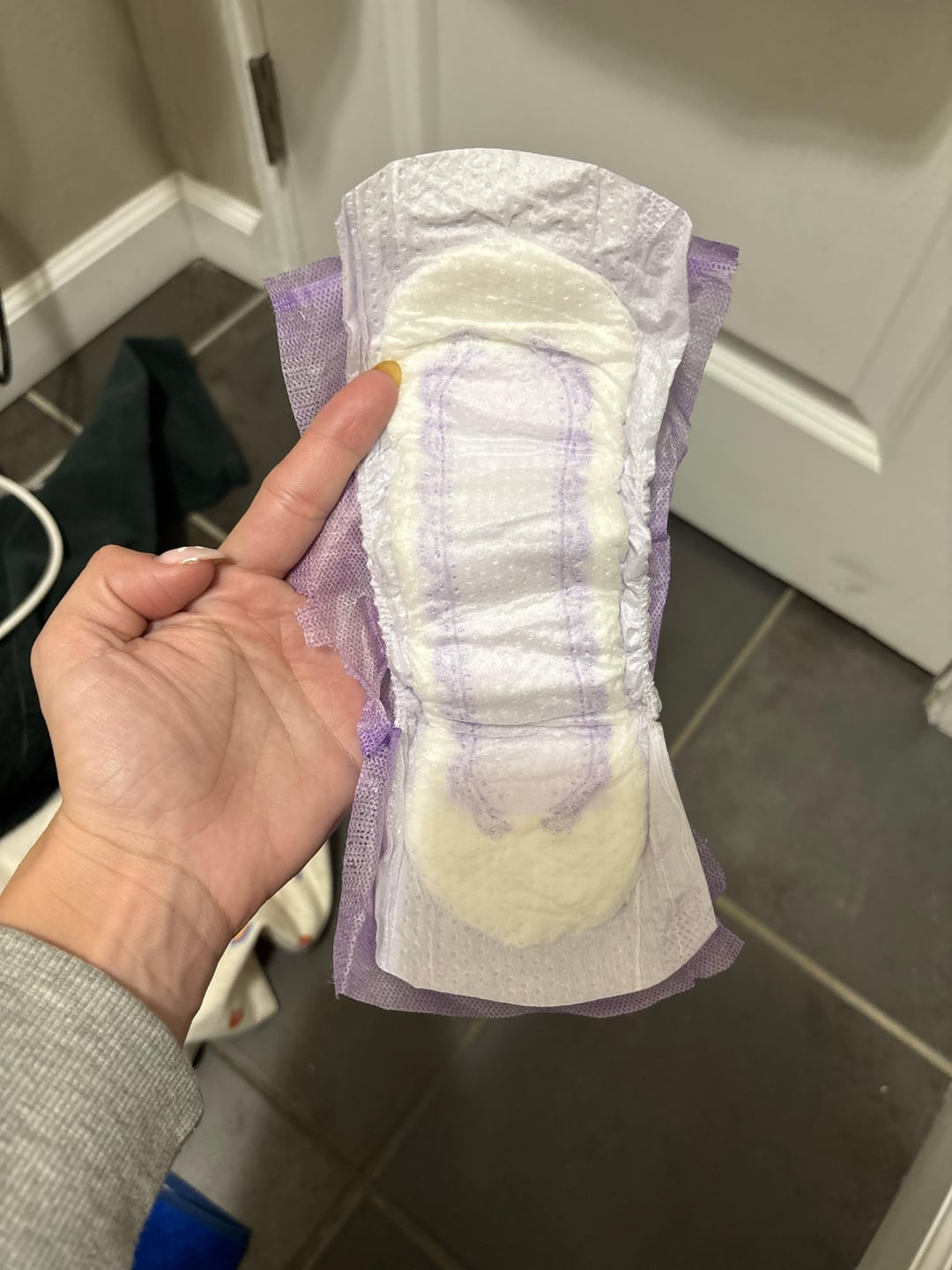
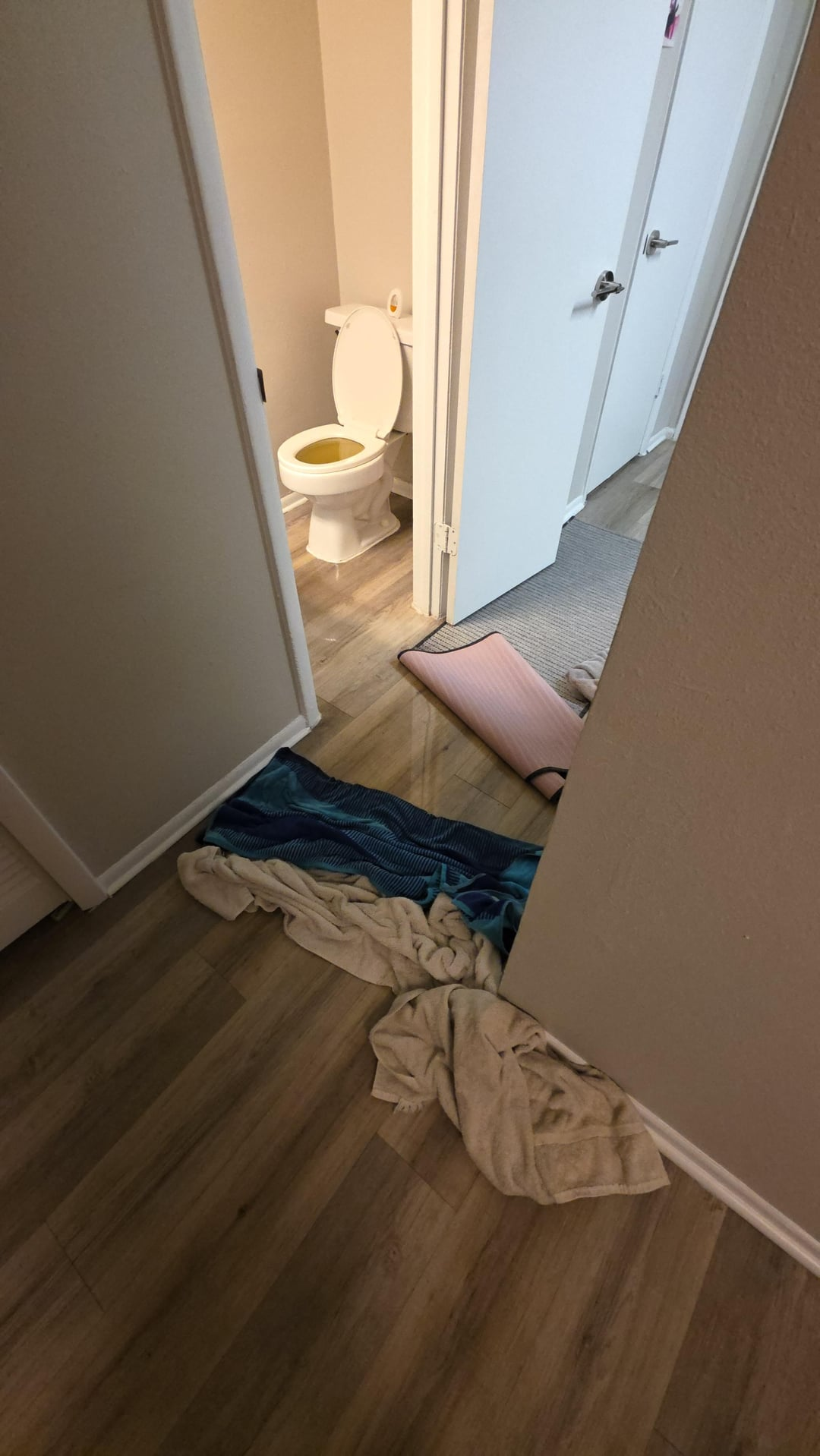
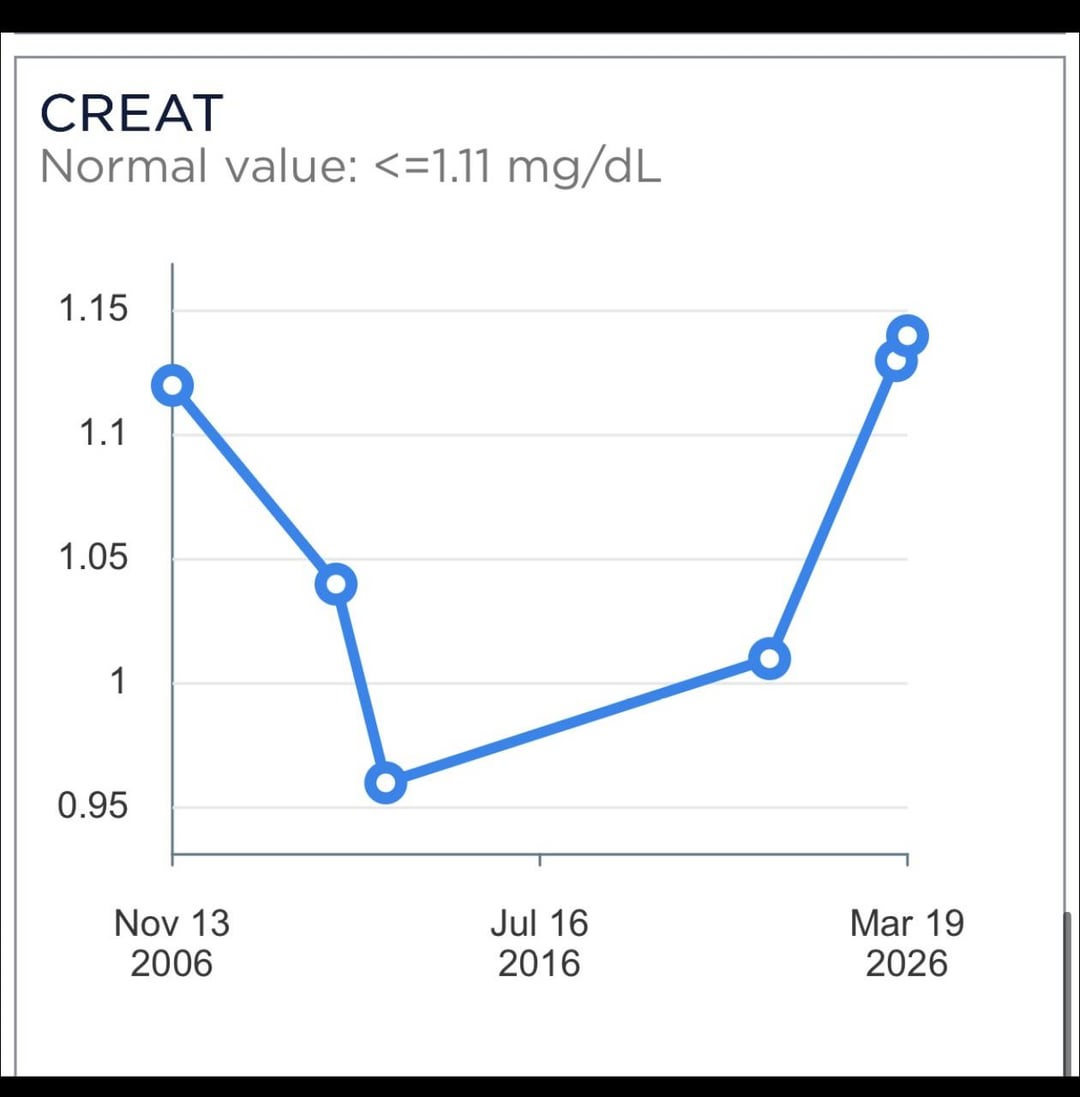
If your urine looks like someone squeezed dish soap into the toilet every single morning, your eGFR keeps dropping every time you get labs done, you're exhausted to the point where you can't make it past 6pm without collapsing, and your doctor keeps telling you to "cut protein and drink more water"... I'm about to tell you what they're not telling you and why the real answer has been sitting on a shelf for centuries. And by the end of this, you're going to be angry. Because three things are happening right now: One — Your kidneys are sending you a distress signal every time you look in that toilet bowl. Two — Your doctor is managing your decline instead of stopping it. And three — There's a single compound backed by peer-reviewed research that costs less than your monthly copay — and nobody in a white coat is going to mention it. So let me tell you what happened with my aunt Linda, because her story is the reason I'm writing this right now. --- For TWO AND A HALF YEARS, my aunt watched her body break down piece by piece. Her eGFR dropped from 52 to 37 in eighteen months. Creatinine climbing every single blood draw. Protein spilling into her urine that no medication could stop. Her nephrologist started using the word "prepare" — as in, "we need to prepare you for the possibility of dialysis." She's 61 years old. The foamy urine? Every single morning. Thick bubbles that sat on top of the water and wouldn't pop. Didn't matter how much water she drank the day before. She told me she'd flush three times before leaving the bathroom because she didn't want my uncle to see it. She was ashamed of her own body. The exhaustion was the worst part. She used to be the woman at every family event — cooking, laughing, organizing everything. Now she'd show up, sit in a chair, and be asleep within an hour. Her grandkids stopped asking her to play because they knew Grandma was always "too tired." That dull ache in her lower back — right where the kidneys sit — that never fully went away. Some mornings she couldn't straighten up for the first ten minutes after getting out of bed. She told me it felt like her kidneys were bruised from the inside. Her ankles swelled every evening. Her rings didn't fit. Her face looked puffy every morning. People at church started asking her if she was okay because she looked "different." Brain fog so thick she started losing words mid-sentence. Linda was a school administrator for 28 years. Sharp as anyone I've ever known. Now she was writing grocery lists and forgetting where she put the list. And the nighttime trips to the bathroom. Three, four, five times a night. Every single night. That weak, foamy stream. Never sleeping through. Always exhausted the next day. --- So obviously, she goes to every doctor they send her to. Right? Nephrologist. Urologist consult. Primary care. We're talking thousands in bloodwork, imaging, specialist copays. The whole medical carousel. And every single one of them said the same thing: "Drink more water." "Reduce your protein intake." "Watch your potassium and sodium." "Let's start you on an ACE inhibitor." "We might need to add a diuretic." A DIURETIC. Her kidneys can barely filter what's already coming through and they want to push MORE volume through damaged filters. One doctor — and I'll never forget this — told her to "try cranberry supplements." She took them for seven months. Her next labs came back WORSE. Creatinine went UP. Then someone in a Facebook kidney group told her to try a kidney cleanse tea. She drank it religiously for six weeks. Stomach cramps. Nausea. Running to the bathroom constantly. Next labs? Identical numbers. Not one thing changed. Then she went full Mediterranean diet. No processed food. No restaurant meals. Low sodium. Low protein. Followed it to the letter for eight months. Her foam continued. Her fatigue got worse. Her eGFR dropped another 3 points. She was doing EVERYTHING they told her. And she was getting worse. --- So at this point, I'm not frustrated anymore. I'm angry. Because I'm watching my aunt — a woman who raised three kids, ran a school, never complained about anything in her life — sit in her living room crying because her doctor used the word "fistula" at her last appointment. They were talking about surgically preparing her arm for dialysis access. At 61. And I started asking the questions that nobody in that medical office wants to hear: Why are they so quick to prescribe ACE inhibitors and diuretics that manage the symptoms but never address WHY the kidneys are failing? Why does every nephrologist act like kidney decline is just... inevitable? Like there's nothing to do but slow it down? Why does every kidney supplement on the market contain the same recycled ingredients — cranberry, astragalus, cordyceps — that clearly aren't working for millions of people? And why does NOBODY talk about what's actually causing the kidney filters to break down at the cellular level? --- So I started digging. Deep. Not blog posts. Not health influencer videos. I'm talking PubMed. Nephrology journals. Clinical trials. The actual research that your doctor reads but never translates into a treatment plan because there's no prescription pad involved. And I found something that changed everything I thought I knew about kidney disease. A compound that's been studied in peer-reviewed research for over two decades — and that directly targets the mechanism that's destroying kidney function in millions of people. Pumpkin seed oil. --- Now wait. Before you roll your eyes — because I almost did too — let me explain what I found. Because this isn't about eating pumpkin seeds from a bag at the grocery store. This is about a specific concentration of bioactive compounds that exist in cold-pressed pumpkin seed oil that target your kidneys at the cellular level. Here's what the research actually says: Your kidneys don't just "wear out" the way your doctor implies. What happens — especially after 40, and especially if you've spent decades eating processed food, taking NSAIDs like ibuprofen, managing blood pressure with medications that stress the renal system, or dealing with blood sugar issues — is something called glomerular oxidative damage. Your glomeruli are the tiny filter units inside your kidneys. You have about a million of them. And they're lined with a delicate membrane that separates what stays in your blood from what goes out as waste. When oxidative stress builds up — from inflammation, toxin exposure, metabolic waste, medication damage — that membrane starts to break down. Tiny holes form. And that's when protein starts leaking through into your urine. That's the foam you see every morning. That's not just "bubbles." That's albumin — your blood protein — pouring through damaged kidney filters that can't hold it back anymore. And here's what makes it worse: once that oxidative damage starts, it creates a cycle. Damaged filters leak protein. Leaked protein causes MORE inflammation in the kidney tissue. More inflammation creates MORE oxidative stress. Which damages MORE filters. That's why your numbers keep getting worse even when you "do everything right." You're not addressing the oxidative cycle that's eating your kidney filters alive. --- And this is exactly where pumpkin seed oil enters the picture. Pumpkin seed oil is one of the most concentrated natural sources of compounds that directly interrupt this cycle: 1. Beta-sitosterol and plant sterols — clinically documented to reduce kidney inflammation at the glomerular level. These compounds don't just reduce general inflammation — they specifically target the inflammatory pathways (NF-kB and COX-2) that are responsible for kidney filter degradation. Multiple studies show significant reduction in proteinuria — that's the protein in your urine causing the foam. 2. Zinc in its most bioavailable form — your kidneys require zinc for cellular repair. Most people over 50 are zinc-deficient and don't know it. And standard zinc supplements have terrible absorption. Pumpkin seed oil delivers zinc in a lipid matrix that your body actually absorbs. Research shows adequate zinc status is directly correlated with kidney function preservation. 3. Delta-7-sterols unique to Cucurbita pepo — these are compounds found almost exclusively in pumpkin seed oil. They've been shown in studies to reduce DHT-related tissue inflammation — the same mechanism that causes prostate swelling AND contributes to renal tubular damage. This is why the research on pumpkin seed oil for kidney health and prostate health overlaps so heavily. 4. Omega fatty acid profile (linoleic and oleic acid) — in the specific ratio found in cold-pressed pumpkin seed oil, these fatty acids have been documented to protect the renal endothelium — the lining of blood vessels inside your kidneys. When that lining is damaged, blood flow to your filters decreases, and filtration drops. That's your eGFR declining. 5. Squalene and tocopherols — powerful antioxidants that directly neutralize the oxidative free radicals accumulating in your kidney tissue. This is the compound that breaks the damage cycle. Neutralize the oxidative stress → stop the membrane damage → stop the protein leak → reduce the inflammation → let the filters start functioning again. --- And here's what REALLY made me angry: This isn't new research. Studies on pumpkin seed oil and renal protective effects go back YEARS. There are clinical trials. There are animal studies showing significant reversal of kidney damage markers. There are human studies showing improvements in creatinine, reductions in proteinuria, improvements in eGFR. But your nephrologist will never mention it. Because pumpkin seed oil is a natural compound. It can't be patented. There's no pharmaceutical company funding a sales rep to walk into your doctor's office with free samples and a pitch deck. There IS money in keeping you on ACE inhibitors at $60/month. Diuretics at $40/month. Specialist visits at $400 every six months. Blood panels at $200 each. Kidney supplements that use the same five cheap herbs at $40-90/month forever. And eventually? Dialysis. Three times a week. $300+ per session. The dialysis industry is worth over $100 billion. Every step of your decline is somebody's revenue stream. --- So here's what happened with my aunt Linda. I found all this research. I sat at her kitchen table with printed studies. I showed her the clinical data on pumpkin seed oil — the beta-sitosterols, the zinc bioavailability, the glomerular protection, the antioxidant profile. And she looked at me and said, "Why didn't my doctor tell me any of this?" I didn't have an answer for her. She started taking pumpkin seed oil softgels. Not the cheap capsules from the grocery store — those are often heat-extracted and the bioactive compounds are destroyed in processing. She needed cold-pressed, properly concentrated softgels. After about two weeks? The foam in her urine started thinning. Not gone — but for the first time in over two years, she looked in the toilet and it wasn't completely covered in thick bubbles. After three weeks? The exhaustion started lifting. She told me she made it to 8pm one night without falling asleep in her chair. She cried telling me that. Because she thought that part of her life was over. After six weeks? That dull ache in her lower back? Gone. She pressed on the spot where it always hurt and felt nothing. The swelling in her ankles was noticeably reduced. Her rings fit again. After eight weeks? Her nephrologist called her. Her creatinine had dropped. Her eGFR had improved by 11 points. The protein in her urine had decreased significantly. Her doctor said, "Whatever you're doing, keep doing it." Linda told her exactly what she was taking. You know what her nephrologist said? "Well, it can't hurt." CAN'T HURT. After telling her for two years that nothing would work. After managing her decline. After using the word DIALYSIS. "It can't hurt." --- That was ten months ago. Linda's eGFR is now stable in a range her doctor hasn't seen in three years. Her creatinine has held. The foamy urine is gone. Not reduced — GONE. Clear every morning. She's back at every family event. Cooking. Playing with her grandkids. Staying up past 9pm on a Saturday. Last Thanksgiving she pulled me aside and said, "I was planning my funeral, you know. Not out loud. But in my head, I was making lists. Who gets what. What songs I wanted." "I wasn't dying. My kidneys were being destroyed from the inside by something no one ever tested for and no one ever treated. And the answer was sitting in a research paper that my doctor never bothered to read." --- Now here's the thing that frustrated me the most at the beginning of all this: When I first started researching pumpkin seed oil, I realized most of what's on the market is garbage. Cheap heat-extracted oil that's been stripped of the bioactive compounds. Capsules filled with filler oils cut with sunflower or soybean oil. "Pumpkin seed oil" that's actually pumpkin seed powder in a capsule with almost no actual oil content. The supplement industry is a disaster when it comes to pumpkin seed oil specifically. Because the name sells — people know pumpkin seeds are "healthy" — so companies slap "Pumpkin Seed Oil" on a label and charge whatever they want without putting in the cold-pressed, concentrated formulation that the research is actually based on. My aunt went through three brands before we found one that actually worked. The first two? Nothing. No change. Probably because they were heat-extracted garbage with negligible beta-sitosterol content. --- That's when I found Everly. I was specifically looking for a pumpkin seed oil softgel that met the criteria from the clinical research: cold-pressed extraction, proper concentration, actual bioactive compound preservation, and legitimate third-party testing. And Everly checked every box. Cold-pressed pumpkin seed oil. Proper softgel delivery for maximum absorption. The full spectrum of beta-sitosterols, zinc, delta-7-sterols, squalene, and the omega fatty acid profile that the research is based on. Not powder in a capsule. Not heat-extracted oil cut with cheap fillers. The actual compound profile that matches what the clinical studies used. --- And here's what made the decision easy: My aunt was spending close to $90/month trying to piece together the right pumpkin seed oil from different brands, plus her other kidney supplements that weren't working. Everly had the formulation she needed. In one softgel. At a price that didn't require choosing between supplements and groceries. --- Linda has been on Everly for ten months now. Her nephrologist has pushed her next appointment out to six months instead of three. First time that's happened since her diagnosis. Because her numbers are stable enough that she doesn't need close monitoring anymore. She told her nephrologist, "I don't think we need to talk about that fistula anymore." Her doctor smiled and said, "No. I don't think we do." --- This is what they're not telling you. Because the second you address the oxidative damage at the glomerular level — the second you give your kidneys the compounds they need to break the inflammation cycle, repair the filter membranes, and restore proper function — you stop being a patient who needs to be "managed." You stop being a revenue stream. Your kidneys start doing what they were designed to do. --- Now here's what I need you to understand: Kidney decline doesn't pause while you think about it. Every month that oxidative damage continues unchecked is another month of filter degradation, protein loss, and creatinine buildup. Stage 3 becomes Stage 4. Stage 4 becomes Stage 5. Stage 5 is a fistula in your arm and a chair at a dialysis center three days a week for the rest of your life. Most people don't feel symptoms until they've already lost 60-70% of their kidney function. That's not a scare tactic. That's from the National Kidney Foundation. --- So if you're dealing with ANY of this — foamy urine that won't clear up, creatinine that keeps climbing, eGFR that drops every blood draw, that constant dull ache in your lower back, exhaustion that sleep doesn't fix, brain fog, swollen ankles, nighttime bathroom trips, bladder urgency — this is the time. Not after your next labs come back worse. Not after your nephrologist adds another medication. Not after they start talking about "preparing" you. Right now. --- I put the link right here. And even if you're skeptical — especially if you're skeptical — try one bottle. Give it 30 days. See if your body responds the way my aunt's did. The way the research says it should. Because your nephrologist isn't coming to save you. They're going to manage your decline all the way to a dialysis chair. You have to save your own kidneys. 👉 https://try.shopeverly.shop/esl
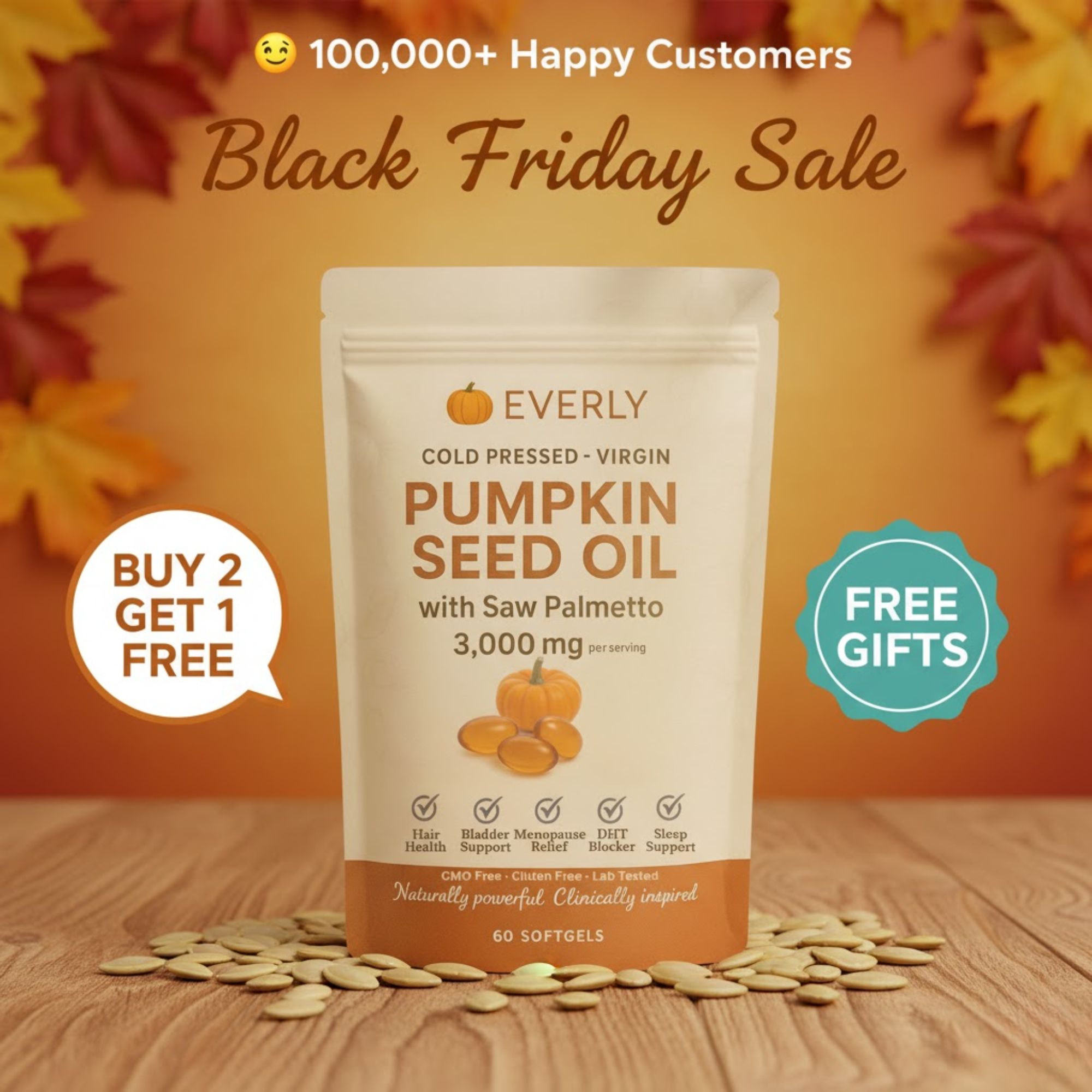
🎃 Natural Support for Your Daily Routine
“I’ve been feeling stronger and more balanced since taking Everly Pumpkin Seed Oil. My bladder feels so much calmer, I’m sleeping through the night again, and my hair feels thicker than it has in years. I love how natural it feels — just pure support for my body.”
LEARN MORELike this ad? Make it yours.
Crush rebuilds this exact creative around your product — your brand, your colors, your offer — in about a minute.