
Inactive· since Jul 14, 2026
- 32
- days it ran
- 0
- relaunches
Ad copy
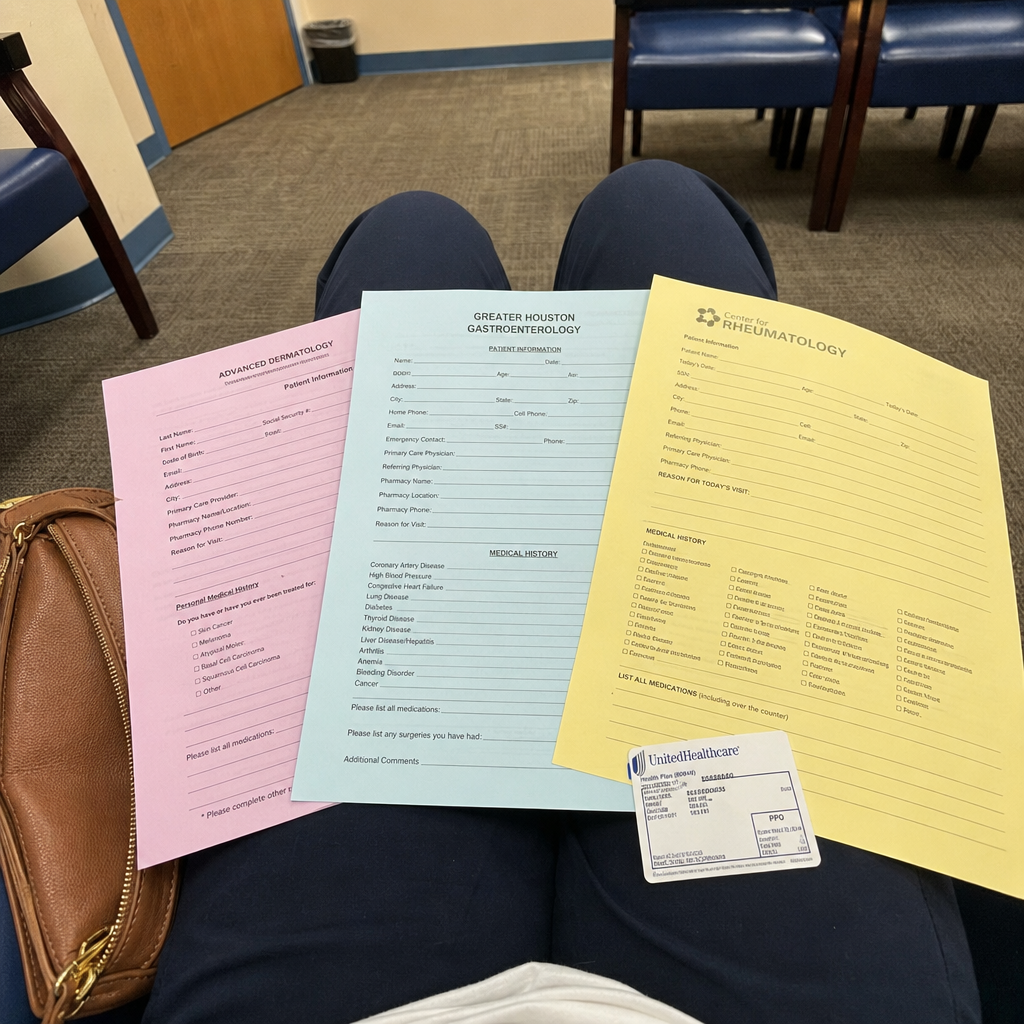
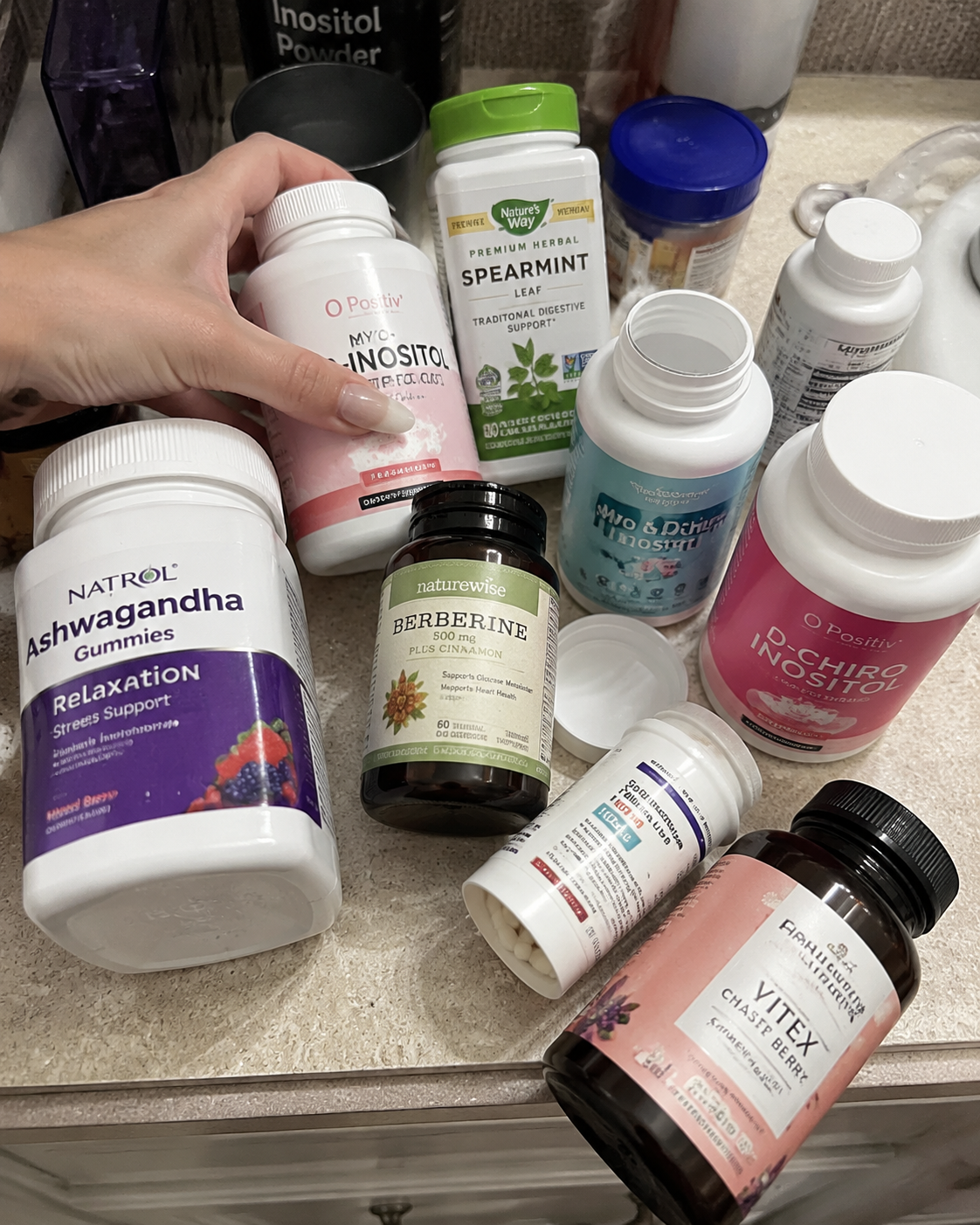
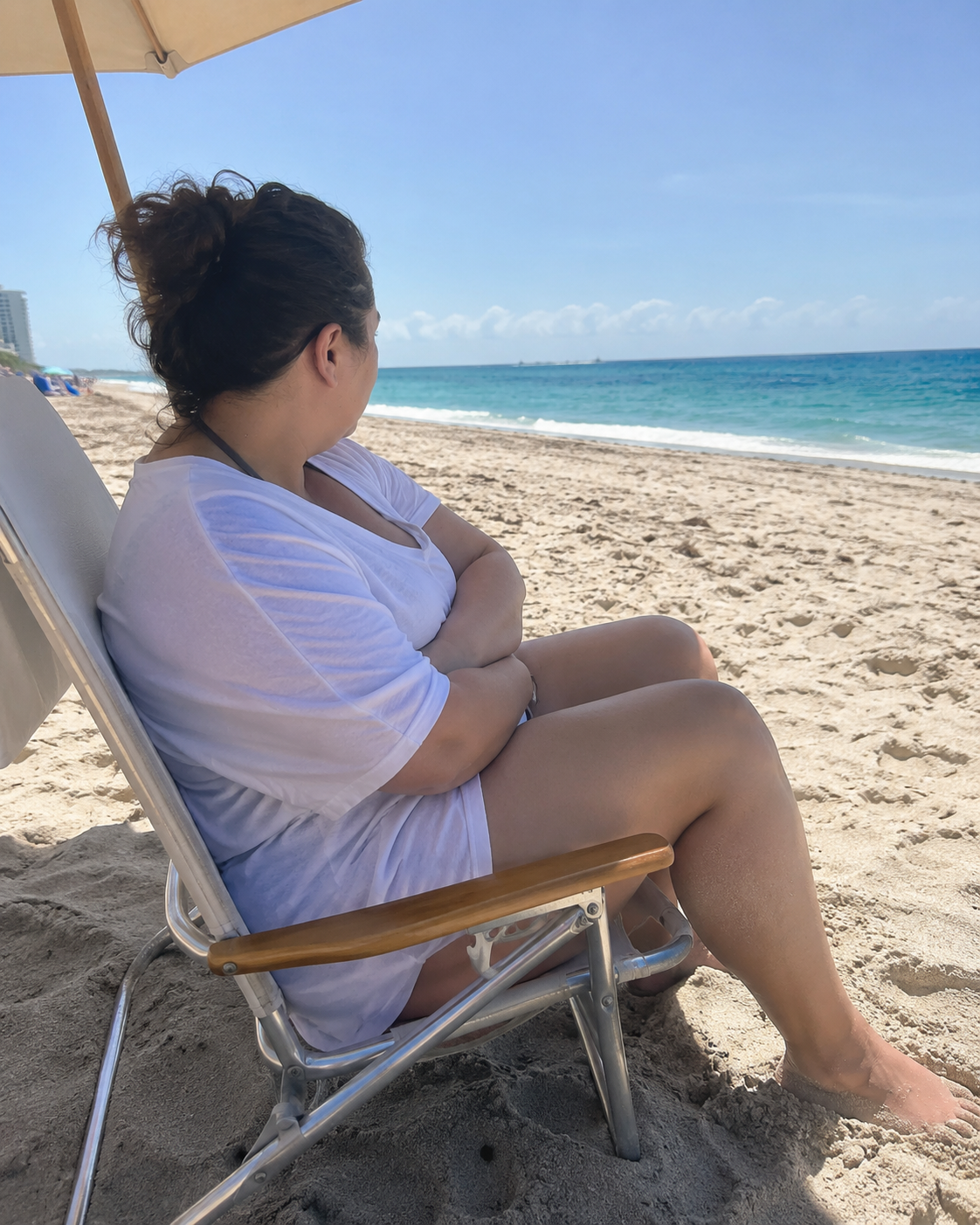
I was diagnosed with obesity at 42. I'm 51 now. Turns out I never had obesity at all. For nine years, I "managed" a condition I didn't actually have. Nine years of weight-loss drugs — Saxenda, then Wegovy, then Ozempic — that dropped fifteen pounds and then stalled, and handed every pound back the second I stopped. Nine years of phentermine my doctor prescribed "to jump-start things" — even though all it did was make my heart pound while the scale stayed put. Nine years of being handed a new plan and told to "just give it time." My name is Linda. I'm 51. Office manager in Indianapolis. Married 24 years. Two kids, both in college now. And I did everything they asked. Walking 30 minutes a day. Then a gym. Then a trainer. The weight came off for a few weeks, then stalled, then crept back up while I worked harder than ever. Three meals to two. Then to one. Then 16:8 fasting. Then 1,200 calories weighed on a kitchen scale. Weight Watchers. Noom. Whole30. Keto for three months — I felt like I had the flu the whole time and lost four pounds that came back in a week. Green tea extract. CLA. Garcinia cambogia. Berberine. Apple cider vinegar gummies. A medically supervised weight-loss clinic at $400 a month. Everything helped a little. For a while. Then nothing. Two endocrinologists. Six months of bloodwork. Thyroid normal. Insulin normal. A1C borderline but "nothing to worry about." Morning cortisol normal. Full metabolic panel perfect. "Everything looks fine. Your body just holds onto weight. It really is calories in, calories out." She handed me a printed food log and a 1,400-calorie target and told me to come back in three months. I felt like I was going crazy. Tests were normal. Doctors weren't worried. But I was eating less than everyone around me and getting bigger every single year. Every morning started the same. On the scale. Holding my breath. The number either hadn't moved or had gone up after a week of doing everything right. By mid-morning the hunger hit like a freight train. I'd white-knuckle through it. By 2pm I was exhausted, starving, foggy, doing the math on whether I'd "earned" anything to eat. By evening I'd be so depleted I'd eat standing at the counter and hate myself for it. The math never stopped. If I skip breakfast maybe the scale moves by Friday. If I eat the salad now I can have a few almonds later. If I have one glass of wine at dinner that's three days gone. My husband ate whatever he wanted. Pizza. Beer. Seconds. Went for a run and stayed exactly the same. I watched him from the kitchen. Weighing my chicken on a scale. I resented him for it. Then felt awful about that. Then went back to lying awake doing calorie math in my head. I stopped saying yes to things. Pool parties. Beach trips. Dress shopping with my sister. I skipped my daughter's recital because nothing in my closet fit and I couldn't bear to be in the photos. Last summer my family wanted to go to Kings Island. My son wanted to ride the wooden coaster — the one he'd been talking about since he was ten. I said I'd watch. He said "Mom, come on. Please." I got in line with him. Walked up the ramp. Got to the front. Sat down in the seat. The restraint didn't close. The attendant pushed it. It didn't click. He tried again. Looked at me. Looked at his coworker. "Ma'am, I'm sorry. We can't... the restraint has to lock." My son was already in the seat next to me. He didn't say anything. He just looked straight ahead. I got out. Walked back down the ramp past forty people who saw exactly what happened. Found a bench. Sat down. I didn't cry. I was past crying. I just sat there thinking: I've spent nine years and thousands of dollars trying to not be this person. And here I am. That was August. In October, my neighbor said something no doctor ever had. She's a functional medicine nurse practitioner. We were talking over the fence and I told her I'd been eating 1,200 calories a day for a month and gained two pounds. "Has anyone ever checked what your cortisol is doing throughout the day?" I almost laughed. "I've had my cortisol tested. Normal." She shook her head. "A single morning blood draw doesn't tell you what cortisol is doing at 2pm when you're crashing and starving. Or at midnight when your body is supposed to be burning fat." She explained it simply. Cortisol is supposed to peak in the morning and fall at night. That rhythm tells your body when to burn fuel and when to repair. But chronic stress — the kind you don't even feel, just the constant low-grade hum of modern life — can keep cortisol elevated around the clock. And when cortisol stays elevated, your body thinks it's in a permanent emergency. It stores fat. Especially around the middle. Where the receptors are most concentrated. "Here's what's going to make you angry," she said. "Every time you slashed your calories, your body read it as another threat. So it pumped out more cortisol. You were literally telling your body to store fat while you were trying to starve it off." I just stared at her. "That's why the dieting made it worse. Cut calories, spike cortisol, store fat. Over and over for nine years." "And the Ozempic?" I asked. "GLP-1 drugs suppress appetite. That works. But if the cortisol signal is still running underneath, your body is still being told to store fat 24/7. The drug forces you to eat less. The cortisol forces your body to hold the fat anyway. That's why you lost fifteen pounds and stalled. That's why it all came back when you stopped." "And the workouts?" "Hard exercise on a body already drowning in cortisol doesn't burn fat. It spikes cortisol higher. Your body holds the fat tighter and breaks down muscle instead. Metabolism gets slower, not faster." Nine years. Two endocrinologists. Ozempic. Wegovy. Saxenda. Phentermine. Every diet on earth. And nobody had checked my cortisol rhythm. She told me to get a four-point saliva test. Morning. Noon. Afternoon. Midnight. My results: high at 8AM. Still high at noon. Still high at 4PM. HIGHEST at midnight. My cortisol never turned off. My body had been in fight-or-flight around the clock for years. Every calorie I cut made it worse. Every hard workout made it worse. Every morning on the scale, hating myself — that stress made it worse too. I wasn't failing at weight loss. Weight loss was failing ME because nobody addressed the hormone driving the entire problem. She told me about ashwagandha. I said I'd tried it — bought some on Amazon two years ago. Nothing happened. "Which kind?" "KSM-66. The one everyone recommends." She shook her head again. "KSM-66 is root extract. 5% withanolides. It's the gentle version. Fine for mild everyday stress. But your HPA axis has been stuck for nine years. KSM-66 doesn't reach the feedback loop that's broken." She told me about Sensoril. Different extract. Root AND leaf. 10% withanolides — double. Targets the actual signaling between the brain and adrenal glands. The feedback loop itself. She put me on Sensoril 250mg with gynostemma and magnesium glycinate. Said this addresses the cortisol rhythm directly — not just the stress you feel on the surface. I started with zero expectations. After nine years, I had nothing left. Week 1: the scale didn't move. But my rings fit. The tight swollen feeling in my middle — that I'd had so long I forgot it wasn't normal — started going down. Day 5: the hunger went quiet. That constant food noise — the chatter in your head about the next meal that never shuts off — just turned off. I ate breakfast and didn't think about food again until lunch. No GLP-1 drug. No willpower. Just... quiet. I sat at the table not trusting it. Week 2: the scale moved. Down. For the first time in I couldn't remember how long. And I hadn't starved myself to do it. I sat on the edge of the bed and cried. Week 4: a pair of jeans from the back of my closet. The ones I'd kept for nine years. I didn't have to lie flat to button them. I just... buttoned them. Standing up. Week 8: down eleven pounds. Not from eating less — I was eating MORE than I had in years. My body was finally getting the signal that the emergency was over. That it was safe to let the fat go. The 2pm crash stopped. Brain fog lifted. I worked until 5pm without hitting that wall. Week 12: my daughter came home from college for Thanksgiving. She looked at me and said "Mom, you look different." I said "I stopped fighting my body and started supporting the thing that was making it hold on." She said "your what?" "Exactly." 3 months in. My neighbor ran the saliva test again. Cortisol rhythm: normal. Morning high. Evening low. The way it's supposed to work. She looked at the results and said "Linda, your body isn't fighting you anymore. It never was. It was protecting you from a threat that was never real. Once you brought the cortisol back, everything downstream followed." I'm 51 and I look better than I did at 44. Not because of a drug. Not because of a diet. Because one hormone got back in rhythm and my body stopped storing fat for an emergency that was never coming. I don't count calories anymore. I don't weigh chicken on a scale. I don't lie awake doing math. I eat when I'm hungry and stop when I'm not and my body does what it was always supposed to do. Last month I took my son back to Kings Island. We rode the wooden coaster. The restraint clicked on the first try. He looked at me and grinned. That was worth more than nine years of doctors and drugs and shame. If you've been diagnosed as overweight or obese. If you've tried the diets, the drugs, the programs. If Ozempic or Wegovy worked for a while and then stalled. If your bloodwork keeps coming back "normal" but the scale won't budge. If you've been doing everything right and your body still won't let go. It might not be a weight problem. It might be a cortisol rhythm that's been broken for years — and nobody ever checked. 🛡️ Buy 2 Get 1 Free — YOLO Healthy Cortisol Balance. 365-day money-back guarantee. If it doesn't work, every dollar back. P.S. — I'm not anti-Ozempic. It works for some people. But if it stalled on you, or if the weight came back when you stopped, ask yourself: was the drug suppressing your appetite while a broken cortisol rhythm was still telling your body to store fat underneath? That's what happened to me. The drug couldn't outrun the hormone. P.S.S. — If you tried ashwagandha before and nothing happened, check the label. KSM-66 is root extract only. 5% withanolides. It's the beginner version. Sensoril uses root AND leaf. 10% withanolides. Targets the HPA axis feedback loop directly. Different compound for a different level of damage. P.S.S.S. — 365-day guarantee. Not 30 days. A full year. Because the real shift takes 8-12 weeks and any company giving you 30 days knows you won't see enough change to keep it. YOLO gives you a year because the science supports the timeline.
She was diagnosed with obesity at 42. Nine years later she found out she never had it.
YOLO Healthy Cortisol Balance
LEARN MORELike this ad? Make it yours.
Crush rebuilds this exact creative around your product — your brand, your colors, your offer — in about a minute.