Nutragrace
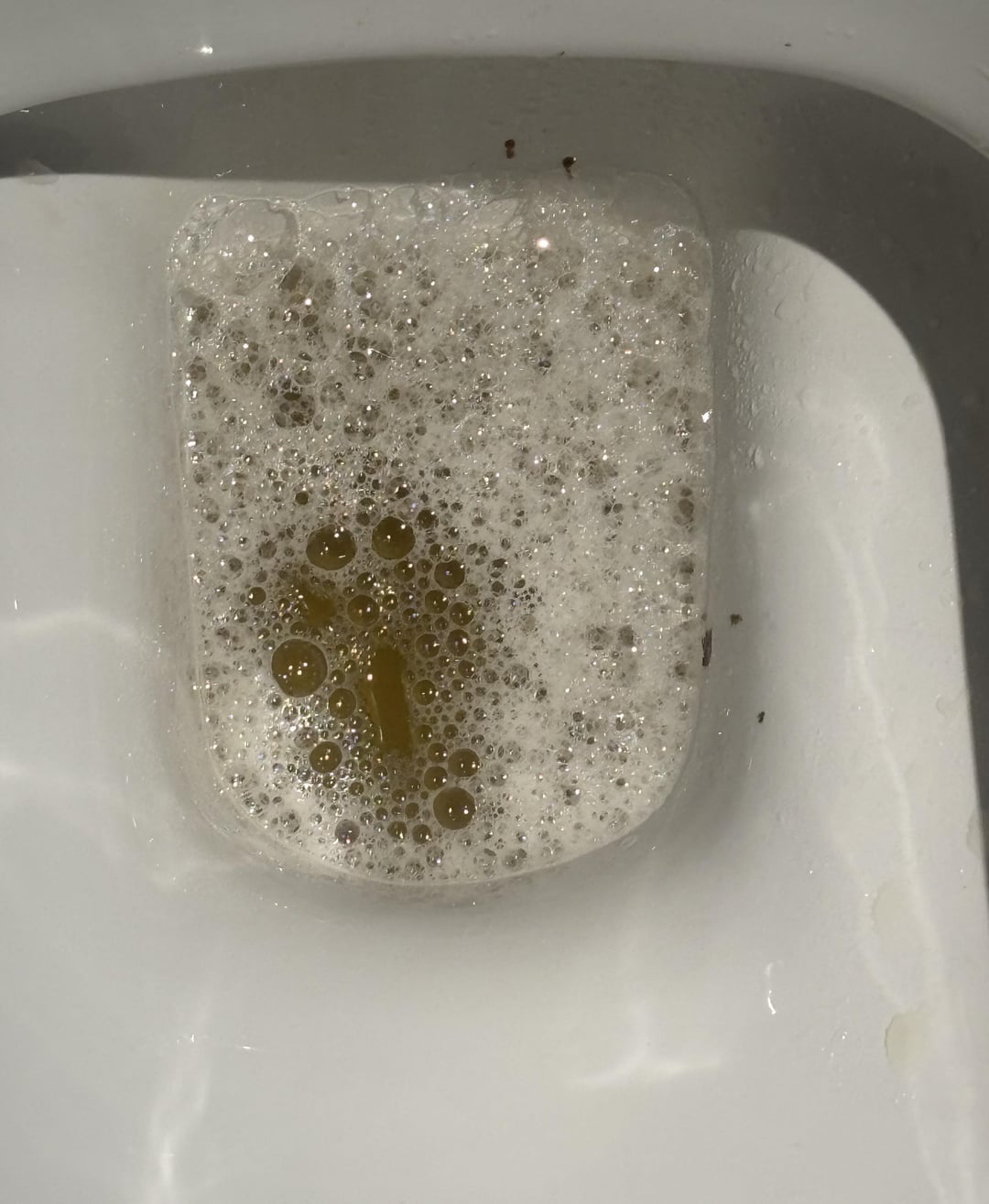
 Facebook ad: “The Triple Relief Solution No One Talks About”
Ran for 167 days, from May 15 to October 29, 2026, the last day Crush saw it.
Run by Nutragrace on Facebook. Crush is not the advertiser and does not verify its claims. See this ad in Meta's Ad Library(opens in a new tab)
Make your own version of this ad
Crush makes it, launches it in your own Meta ad account, scales the winners and pauses the losers.
About this ad
- Meta Ad Library ID
- 1314011344014765
- Platforms
- Facebook, Instagram, Audience Network, Messenger and Threads
- Relaunches
- 0
Ad text
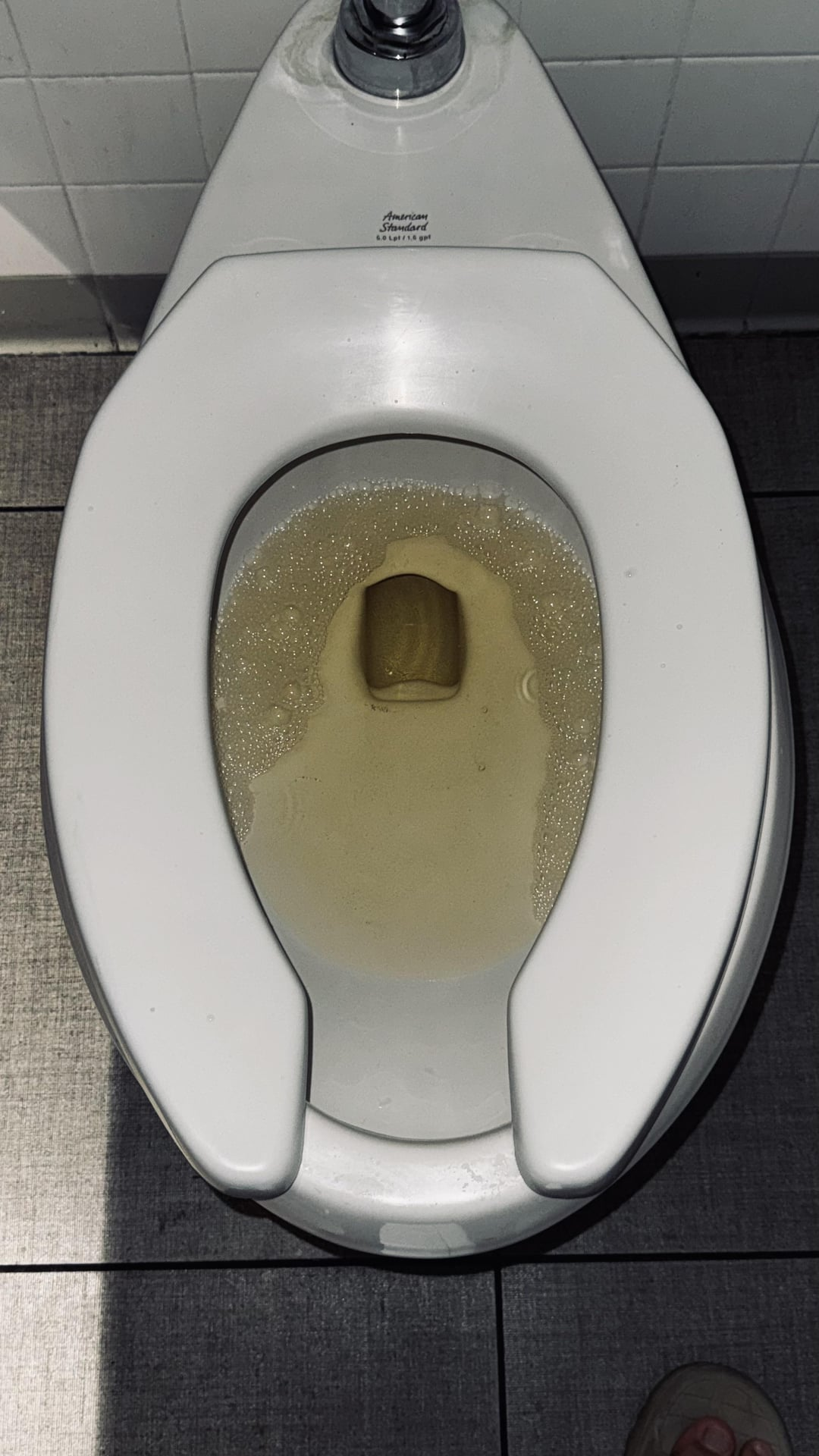
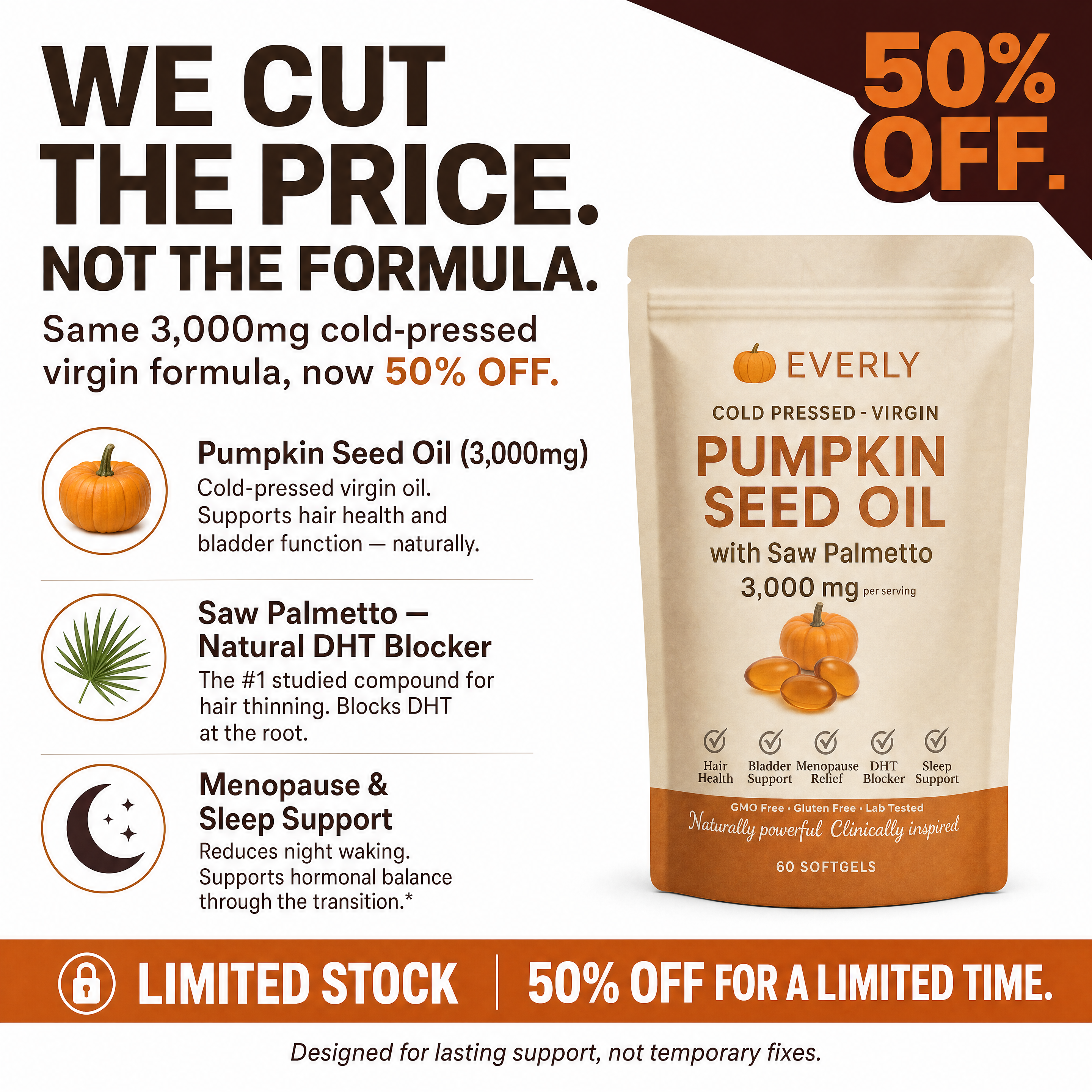
If you've noticed your urine looks foamy every single time you go — not just bubbles from the stream, actual foam that sits on top of the water and doesn't go away for minutes — and your doctor ran a basic metabolic panel, told you your kidneys are "fine for your age," and sent you home with instructions to drink more water... I'm about to tell you exactly what they're not telling you and why they'll NEVER give you the real answer. And by the end of this, you're gonna be furious. Because there are three things happening right now: One — Your kidneys are sending you a distress signal that something is actively breaking down. And it has NOTHING to do with hydration. Two — The medical system is gaslighting you into thinking foamy urine is normal, that your numbers are "borderline but fine," that this is just something you monitor while it gets worse. And three — There's a multi-billion-dollar kidney disease treatment industry that profits every single day your real problem stays hidden — because dialysis is a $90 billion industry and nobody makes money when you fix the upstream problem before you need their machines. So let me tell you what happened with my brother. Because his story is going to open your eyes to how broken this really is. --- For FOUR YEARS my brother Marcus was watching his body fall apart and every doctor he saw treated each piece in isolation while the whole thing crumbled. He was 52 when he first noticed the foam. Standing at the toilet on a Saturday morning. The urine hit the water and instead of the normal ripple and settle, it foamed. Like someone had squirted dish soap into the bowl. A thick white layer that sat there. He flushed. Came back twenty minutes later. The foam was still there. He thought it was a one-time thing. Dehydrated. Maybe something he ate. It wasn't a one-time thing. Within two weeks it was every time. Morning. Afternoon. Middle of the night. Every single time he stood over that bowl, the foam was there. Thick. Persistent. Refusing to dissolve. He mentioned it to his wife. She said drink more water. He started carrying a gallon jug. He was drinking so much water his coworkers joked about it. The foam: unchanged. If anything, worse — because now the urine was more diluted but the foam was exactly the same, which meant whatever was producing it wasn't a concentration issue. He went to his GP. Blood work came back. Creatinine: 1.4. GFR: 58. His doctor looked at the numbers and said: "You're in the early stages of reduced kidney function. It's common as we age. We'll monitor it every six months. Make sure you're staying hydrated, limiting sodium, and watching your blood pressure." That was it. No investigation into why a 52-year-old man's kidneys were filtering protein into his urine. No assessment of what was driving the nephron damage producing the foam he was seeing every day. No mention of the biological mechanism that was actively degrading his glomerular filtration membrane — the microscopic filter inside each kidney unit that's supposed to keep protein in your blood and out of your urine. "We'll monitor it." Monitor it getting worse. That was the plan. --- The fatigue came next. Not tiredness. Not the kind of exhaustion where you push through and recover. This was a bone-deep heaviness that started around 2pm every day and didn't lift. He'd been the guy who worked ten-hour days, came home, played with his grandkids, grilled dinner, watched the game. Now he was sitting in his truck in the driveway for fifteen minutes after pulling in because he didn't have the energy to walk to the front door. His wife noticed before he said anything. "You're different," she told him. "You sit down and you don't get back up." By month six: the swelling. His ankles. He'd pull his socks off after work and there would be deep indentations — the elastic lines pressed into puffy, waterlogged skin that held the impression for minutes. His wedding ring started getting tight in the afternoons. His face looked different in the morning — slightly bloated, like he'd been sleeping wrong, except it was every morning. By year one: the blood pressure. He'd never had blood pressure issues. Suddenly it was 148/92 at a routine check. His doctor added lisinopril. Didn't connect it to the kidneys. Didn't explain that the kidneys regulate blood pressure through the renin-angiotensin system and that when the nephrons are damaged, the pressure regulation fails — which drives MORE damage to the nephrons in a vicious cycle nobody told him he was trapped in. By year two: his GFR had dropped to 47. Stage 3b. His nephrologist — a new addition to his growing list of specialists — told him: "We want to keep you off dialysis for as long as possible. Let's be aggressive with the blood pressure management and start you on a renal diet." Off dialysis. For as long as possible. Like it was a countdown, not a condition to reverse. By year three: the brain fog. He was a site foreman — logistics, crew management, safety protocols, sixteen things at once. He started writing things down that he'd always kept in his head. He'd walk to the supply shed and forget why. His crew started covering for him — gently, the way people do when they can see someone slipping. His hair was thinning. Not male pattern — diffuse, all-over thinning, the kind that happens when the blood supply to the follicles is compromised by systemic inflammation. His skin had a gray cast to it that his wife said made him look ten years older than he was. He told me once, in his truck, staring at the steering wheel: "I feel like my body is shutting down and everyone keeps telling me to manage it. Nobody's asking why it's happening. Nobody's trying to fix it. They're all just watching." --- Here's what he tried. And I need you to pay attention because you've probably tried most of this too. Water — gallons of it. His nephrologist confirmed what should be obvious: water hydrates the body and supports general kidney function. It does absolutely nothing to repair damaged nephrons. It does nothing to stop the inflammatory cascade destroying the glomerular filtration membrane. It does nothing to address the oxidative stress that is chemically degrading the kidney tissue. His foam: unchanged. His GFR: still declining. He was the most hydrated man with progressively failing kidneys you've ever seen. Sodium restriction — cut to under 1,500mg daily. His wife overhauled their entire kitchen. The ankle swelling improved somewhat because sodium drives fluid retention. His GFR at the next check: dropped another point. Because sodium restriction manages a symptom of kidney damage. It doesn't address the damage. Blood pressure medication — lisinopril, then increased, then losartan added. ACE inhibitors and ARBs reduce pressure on the glomeruli, which slows the rate of damage. SLOWS. Not stops. Not reverses. Slows the rate at which his kidneys continued to deteriorate. His blood pressure improved on paper. His kidneys continued their decline on their own schedule. Fish oil — omega-3 supplements. His GP suggested them for inflammation. Generic fish oil from the pharmacy shelf. Six months. His inflammatory markers: unchanged. The omega-3 content was likely oxidized — rancid before it reached his bloodstream. The anti-inflammatory benefit that theoretically existed in the research never materialized in his body. Baking soda protocol — a nephrologist suggested sodium bicarbonate to manage metabolic acidosis, a condition where the kidneys can no longer properly regulate blood pH. It buffered his blood chemistry numbers. It did nothing to the nephron destruction driving the acidosis in the first place. CoQ10. Alpha lipoic acid. Turmeric capsules from the health food store — the ones with 95% curcuminoids on the label but no bioavailability enhancer, which means the curcumin passed through his gut largely unabsorbed. Five hundred dollars of supplements across two years that looked good on paper and changed nothing in his blood work. Between the nephrologist visits, the GP visits, the blood pressure medications, the renal diet overhaul, and the supplements — he'd spent over $6,000 across four years. GFR: 44. Still declining. Foam: every time. The countdown to dialysis: still running. --- At this point I'm not frustrated anymore. I'm angry. Because I'm watching my brother — who is doing everything right, following every protocol, spending thousands — get worse while his doctors manage his kidney destruction with one intervention layered on top of another, each addressing a downstream symptom while the upstream cause runs completely undisturbed. And that's when I started asking the questions nobody wants you to ask: Why is protein leaking through his glomerular filtration membrane? What is physically degrading the microscopic filter that's supposed to keep protein in his blood? Why is his GFR declining year over year despite blood pressure management, sodium restriction, and hydration — all of which are supposed to slow progression? Why does every intervention his doctors prescribe address what's happening AFTER the nephron is damaged — but not one of them addresses what's damaging the nephron? What is the actual biological mechanism destroying his kidney tissue? And why does NOBODY ever talk about it? --- So I went looking. Not wellness blogs. Not supplement company marketing. Peer-reviewed research on nephron degradation, glomerular basement membrane integrity, and the biochemical cascade driving chronic kidney deterioration. And I found something that made everything click. The kidneys filter approximately 180 liters of blood per day through roughly one million nephrons — each containing a glomerulus, which is a tiny knot of capillaries wrapped in a membrane so precise it allows water and small molecules through while holding back proteins, blood cells, and large molecules. When that membrane is intact, protein stays in the blood. No foam. When that membrane is damaged — when the microscopic pores widen, when the structural proteins that hold the filter together degrade — protein begins leaking through into the urine. That's the foam. That's what you're seeing every time you stand over that toilet. But here's what nobody tells you: The NUMBER ONE driver of glomerular membrane degradation is NOT blood pressure. NOT sodium. NOT dehydration. It's oxidative stress. Specifically: the accumulation of reactive oxygen species — ROS — inside the nephron tissue itself. Free radicals that are chemically attacking the structural proteins of the glomerular basement membrane, widening the filtration pores, destroying the charge barrier that repels albumin, and triggering a chronic inflammatory cascade that recruits immune cells which cause FURTHER damage as they attempt to clean up the oxidative wreckage. The nephrons are among the most metabolically active tissue in the body. They process enormous volumes of blood through tiny, delicate capillary structures 24 hours a day. This makes them extraordinarily vulnerable to oxidative damage — more so than almost any other tissue. As you age — as your antioxidant defenses naturally decline — the oxidative burden on the nephrons begins to exceed the body's ability to neutralize it. The membrane proteins oxidize. Cross-link. Lose their structural integrity. The filter widens. Protein leaks. Foam appears. And it accelerates. Because once the membrane is damaged, the inflammatory response it triggers produces MORE reactive oxygen species. Which cause MORE membrane damage. Which triggers MORE inflammation. A self-amplifying destruction cycle that runs inside every compromised nephron — getting worse month by month while your doctor measures the RESULT (declining GFR, increasing proteinuria) without addressing the CAUSE (oxidative degradation of the glomerular membrane). --- Let that land for a second. Water does nothing to neutralize reactive oxygen species attacking the glomerular membrane. It supports general kidney function. It does not address the oxidative cascade destroying the filter. That's why you can drink a gallon a day and the foam doesn't change. Sodium restriction reduces fluid retention and pressure on the glomeruli. It does not repair the membrane. It does not neutralize the free radicals degrading it. It manages a downstream symptom while the oxidative destruction continues. Blood pressure medications reduce the hemodynamic force pushing against damaged glomeruli, which slows the rate of protein leakage through already-damaged pores. They do nothing to the oxidative process that damaged those pores in the first place. That's why GFR still declines on medication — just more slowly. Every intervention he was given was downstream of the actual problem. The oxidative degradation of the glomerular basement membrane was also driving everything else. The fatigue? The kidneys produce erythropoietin — the hormone that tells bone marrow to make red blood cells. As nephron tissue is oxidatively degraded, erythropoietin production drops. Fewer red blood cells. Less oxygen delivery. Bone-deep exhaustion that no amount of sleep or caffeine can touch. The swelling? Damaged glomeruli leak albumin — the protein that maintains oncotic pressure in the blood, pulling fluid back out of tissues into the bloodstream. As albumin leaks out through damaged filtration pores, fluid accumulates in tissues. Ankles. Hands. Face. The blood pressure? The kidneys regulate blood pressure through the renin-angiotensin-aldosterone system. Oxidative damage to the juxtaglomerular apparatus — the pressure-sensing structure in each nephron — dysregulates this system. Blood pressure rises. Which increases pressure on already-damaged glomeruli. Which accelerates the destruction. A cycle within a cycle. The brain fog? Damaged kidneys can't adequately clear uremic toxins. These accumulate in the bloodstream and cross the blood-brain barrier, impairing cognitive function. Your brain is literally being poisoned by waste products your damaged kidneys can no longer filter. The hair thinning? Reduced erythropoietin means reduced oxygen delivery to hair follicles. Chronic inflammation diverts resources away from non-essential functions like hair growth. The systemic oxidative stress that's destroying the nephrons is simultaneously attacking the microcirculation feeding the scalp. He wasn't aging. He wasn't just unlucky. His nephrons were being oxidatively degraded — free radicals were chemically destroying the filtration membrane in a self-amplifying cascade that was leaking his protein, tanking his energy, swelling his body, fogging his brain, raising his blood pressure, thinning his hair, and marching him toward dialysis while every doctor he'd seen addressed the consequences without once measuring or targeting the oxidative stress driving them. --- And here's what made my blood boil. The connection between oxidative stress and chronic kidney deterioration is documented. The role of reactive oxygen species in glomerular basement membrane degradation is in the research literature. It's published. It's replicated. It's cited in nephrology journals. But the standard clinical protocol for declining kidney function doesn't include an oxidative stress assessment. Doesn't measure the specific biomarkers — 8-OHdG, F2-isoprostanes, malondialdehyde — that would reveal whether oxidative degradation is driving the nephron destruction. Doesn't ask whether the ROS cascade can be interrupted before dialysis becomes the only option. Because there's no pharmaceutical drug that normalizes oxidative stress in nephron tissue specifically. You can't patent a kidney-specific antioxidant protocol. There's no revenue in telling a man that his foamy urine and declining GFR are being driven by an oxidative cascade that a specific botanical compound can interrupt. There IS revenue in monitoring visits at $300 every six months. Blood pressure medications that slow progression without stopping it. Specialist referrals. And eventually — when the GFR drops below 15 — dialysis. Three times a week. $90,000 a year. For the rest of his life. See how that works? Manage each downstream symptom with a separate pharmaceutical. Never address the oxidative cascade degrading the glomerular membrane that is generating every symptom. Keep him declining. Keep him returning. Until the machine becomes necessary. --- So I kept digging. Research on nephroprotective compounds. Studies on glomerular oxidative stress reduction. Clinical evidence on what actually interrupts the ROS cascade in kidney tissue without pharmaceuticals. And one compound kept appearing. Not in wellness content. In peer-reviewed nephrology and nutrition research. Pumpkin seed oil. Not the cooking oil. Not raw seeds. The cold-pressed oil from Cucurbita pepo seeds — specifically because of what it contains that no other single botanical delivers in this combination. Delta-7-sterols — including Delta-7-stigmastenol — which are phytosterols unique to pumpkin seed oil that act directly on the inflammatory cascade in kidney tissue. They inhibit 5-alpha-reductase — the enzyme that converts testosterone to DHT — which is relevant not just for prostate health but because DHT-driven inflammation is a documented contributor to renal oxidative stress in men. Squalene — a powerful lipid-phase antioxidant that integrates directly into cell membranes. Not a water-soluble antioxidant that circulates and washes out. A fat-soluble protectant that embeds in the glomerular basement membrane itself — the exact tissue being oxidatively degraded — and neutralizes reactive oxygen species at the site of damage. Zinc — in its most bioavailable form, naturally chelated within the oil matrix. Zinc is a cofactor for superoxide dismutase — the body's primary endogenous antioxidant enzyme. Without adequate zinc, your own antioxidant defense system operates at reduced capacity. The nephrons lose their ability to neutralize the ROS they're continuously exposed to. Omega-6 and omega-9 fatty acids in specific ratios that modulate the NF-κB inflammatory signaling pathway — the master switch that amplifies the inflammatory cascade producing MORE reactive oxygen species within damaged kidney tissue. Interrupt NF-κB and you interrupt the self-amplifying destruction cycle. Tocopherols — vitamin E in its gamma and delta forms — which are preferentially taken up by kidney tissue and act as chain-breaking antioxidants, stopping the lipid peroxidation cascade that degrades the phospholipid structure of the glomerular membrane. Not one of these compounds alone. All of them. In a single oil. Working on different points of the same oxidative-inflammatory cascade simultaneously. Not sedating a symptom. Not slowing a decline. Interrupting the biochemical process that is actively destroying the kidney filter — and giving the nephron tissue the raw materials it needs to repair. --- My brother tried to find a pumpkin seed oil that matched what the research described. First: the bestselling one. Top of the Amazon results. Bulk pumpkin seed oil capsules. Three months. GFR: dropped another point. Foam: unchanged. Second: a health food store brand. Cold-pressed on the label. $28 for a bottle. Two months. Marginal improvement in his energy levels. GFR: unchanged. Foam: unchanged. Swelling: unchanged. He went back to the research. Read the extraction methodology. The studies showing nephroprotective benefits and glomerular oxidative stress reduction used cold-pressed oil from specific Cucurbita pepo cultivars processed at temperatures that preserve the squalene, the delta-7-sterols, and the full tocopherol profile. Most commercial pumpkin seed oils are heat-extracted or solvent-extracted — processes that destroy the thermally sensitive compounds that make the oil nephroprotective. He turned over both bottles. Neither specified extraction method. Neither guaranteed the sterol profile. Neither confirmed the squalene content. Just "pumpkin seed oil" — which could be any cultivar, any extraction, any processing temperature. Five months of capsules with no confirmation they contained the active compounds in the concentrations the research required. Then there was the dose. The clinical research used 1,000mg of properly extracted oil per day. Most commercial products contained 500mg or less per serving — half the dose at which kidney-tissue-level antioxidant effects were measured. And the delivery. Softgels that dissolve in the stomach and release the oil into a low-pH environment that degrades the squalene and oxidizes the tocopherols before they reach the small intestine for absorption. The active compounds were being destroyed in his own stomach acid before they could reach his bloodstream. He'd been taking the wrong product at the wrong dose with the wrong delivery for five months while his nephrons continued their decline. --- And I'm reading through a kidney health support group one night — he has another nephrologist appointment coming and his GFR has dropped to 42 — and I see a woman in the comments mention a company called Everly. So I went to the site. Expecting to be disappointed. And I nearly dropped my phone. Cold-pressed pumpkin seed oil from Styrian Cucurbita pepo — the specific cultivar with the highest documented delta-7-sterol, squalene, and tocopherol content in the research literature. At 1,000mg per serving. Full clinical dose. Not a trace amount for label decoration. The dose at which nephroprotective effects were actually measured. Softgel delivery designed for optimal absorption — the oil protected within the gelatin matrix, releasing in the small intestine where the fat-soluble actives can be absorbed intact without degradation from stomach acid. Third-party tested. Every batch verified for sterol profile, squalene content, and tocopherol levels. No proprietary blends. No mystery extraction. Every specification listed. Not a generic kidney supplement stacking cranberry and vitamin C at doses that don't reach the nephron tissue. A precision-extracted nephroprotective oil that delivers the specific compounds shown in research to interrupt the oxidative cascade degrading the glomerular filtration membrane — at the dose and in the delivery form that actually allows them to reach the kidney tissue. --- My brother started taking Everly. After two weeks? He texted me on a Thursday morning. "The foam is different. I know that sounds weird but it's thinner. Less of it. It used to be a full layer. This morning it was patches. I stood there staring at it." The first visible sign that protein leakage through the damaged membrane was reducing. After three weeks? "I made it to 5pm without sitting in the truck. I came in, played with the kids, ate dinner. I don't remember the last time I did that without the wall hitting me at 2." The squalene and tocopherols integrating into the nephron tissue — interrupting the ROS cascade — allowing erythropoietin production to begin recovering. More red blood cells. More oxygen delivery. The bone-deep fatigue beginning to lift. After four weeks? The ankle swelling. He pulled his socks off one evening and his wife noticed before he did. "Your ankles look normal," she said. He pressed his shin. No indentation. The albumin that had been leaking through damaged glomerular pores — staying in his blood where it belonged. Pulling fluid back into the bloodstream instead of letting it pool in his tissues. "My ring is loose again," he told me. "It's been tight for two years." After six weeks? His blood pressure reading at home: 132/84. Down from the 148/92 that had triggered the medication. Not from adding another drug. From the kidneys beginning to restore their regulation of the renin-angiotensin system as the nephron tissue recovered from oxidative damage. His doctor noticed and asked what changed. After eight weeks? "I read the safety report once this morning. Just once. I used to read it three times and still miss things. My guys noticed. Darnell said I seem like the old Marcus." The uremic toxins that had been accumulating because his damaged kidneys couldn't clear them — being filtered out as glomerular function improved. His brain emerging from the fog of waste products it had been marinating in. After ten weeks? He went in for his six-month labs. The ones that had been a countdown for four years. The ones where GFR dropped a point or two every time and his nephrologist's face got a little more serious. He sat in the office. The nephrologist pulled up the results. GFR: 52. He stared at the number. Then at my brother. Then back at the number. "Your GFR has improved by eight points." "Eight points?" "From 44 to 52. This is... this is not what I expected." Long pause. "Your proteinuria has also reduced significantly. The urine protein-to-creatinine ratio has dropped from 1.8 to 0.6. That's a major reduction in protein leakage." "What does that mean?" "It means whatever is happening to your glomerular filtration membrane — the protein isn't getting through the way it was. The filter is... tighter. More intact." Marcus explained. Oxidative stress as the primary driver of glomerular basement membrane degradation. The ROS cascade amplified by NF-κB inflammatory signaling. The delta-7-sterols interrupting the inflammatory pathway. The squalene and tocopherols integrating into the membrane tissue and neutralizing reactive oxygen species at the site of damage. The zinc restoring superoxide dismutase function. His nephrologist was quiet for a long time. "The role of oxidative stress in CKD progression is well-established in the literature. We don't have a pharmaceutical intervention that specifically targets it. We manage the downstream effects — blood pressure, proteinuria, acidosis." "There is an intervention," Marcus said. "It's just not pharmaceutical." Another long pause. "Your GFR improvement is clinically significant. I'd like to reduce the losartan and recheck in three months." Reduce. Not add another medication. Reduce. He walked to his truck. Called me from the parking lot. "GFR up eight points. Protein leakage down by two-thirds. He's reducing the blood pressure medication. Four years of decline and this is the first time — the first time — anything went in the other direction." I didn't say anything for a moment. "Four years," he said. "Three doctors. $6,000. Every single one of them was watching the filter break down. None of them tried to fix the filter." --- Total improvement at five months: GFR: improved from 44 to 56 — a twelve-point gain that moved him from Stage 3b to Stage 3a. Foam: resolved. Clear urine, no persistent foam, for the first time in over four years. Proteinuria: urine protein-to-creatinine ratio from 1.8 to 0.3 — near normal range. Ankle swelling: resolved. Blood pressure: stabilized at 128/80, losartan dose halved. Energy: described as returning to his pre-decline baseline. Brain fog: cleared. Hair: new growth visible along the hairline and crown — the microcirculation to the follicles recovering as systemic oxidative burden decreased. Blood pressure medication: reduced by 50% with no rebound elevation. Not from another pharmaceutical managing the downstream consequence of nephron destruction. From interrupting the oxidative cascade destroying the nephrons. Protecting the glomerular membrane with fat-soluble antioxidants that integrate directly into the tissue. Giving the kidneys the biochemical raw materials to repair what had been degrading for years while everyone watched. --- This is what they don't want you to know. The second you interrupt the oxidative cascade driving your glomerular membrane degradation, you don't need their progression management. You don't need their "we'll monitor it every six months" while the GFR drops point by point toward dialysis. You don't need their blood pressure medications fighting the downstream pressure effects of damaged nephrons that continue to degrade underneath. The oxidative attack stops. The membrane stabilizes. The protein stays in your blood where it belongs. The foam disappears. The kidneys recover function they'd been losing for years. The way they would have — years ago — if someone had looked upstream of the GFR number and asked what was chemically destroying the filter and why. --- Now here's what you need to understand. Nephron damage doesn't wait for you to figure this out. You don't regenerate nephrons. Once a nephron is oxidatively destroyed beyond repair, it's gone. The remaining nephrons compensate — working harder, filtering more — which exposes them to MORE oxidative stress, which destroys THEM faster. This is why kidney decline accelerates. It's not linear. It's exponential. And every month the oxidative cascade runs unchecked, you lose filtration capacity you cannot get back. The foam you're seeing isn't a cosmetic issue. It's a real-time readout of protein pouring through holes in your kidney filter that are getting bigger every day the oxidative process continues. The GFR number your doctor checks every six months isn't just declining. It's declining at an accelerating rate because each lost nephron increases the burden on the survivors. And every intervention aimed at managing the downstream consequences leaves the upstream oxidative destruction running. --- So if you're dealing with ANY of this — foam in your urine that won't go away no matter how much water you drink, a GFR number that drops every time they check it, ankles that swell by evening, blood pressure that keeps creeping up despite medication, fatigue so deep you've stopped doing the things that made you you, brain fog that's taken your sharpness from you, hair thinning that started when the kidney numbers started falling, a doctor who monitors your decline toward dialysis without ever trying to reverse it — this is the time. Not next year when the GFR drops below 30 and they start talking about access placement. Not when dialysis becomes "necessary." Not when the nephrons you could have saved are gone. Right now. Everly Pumpkin Seed Oil Softgels. Cold-pressed Styrian pumpkin seed oil. 1,000mg clinical dose. Full delta-7-sterol, squalene, and tocopherol profile preserved. Third-party tested. Every batch verified. No proprietary blends. Every specification listed. 90-day money-back guarantee. Use every softgel. If the foam doesn't clear, if the energy doesn't return, if you don't feel the difference in your body — full refund. No questions asked. Because your nephrologist isn't coming to investigate the oxidative cascade destroying your kidney filter. There's no protocol for it. There's no pharmaceutical for it. There's no revenue in it. You have to fix this yourself. 👉 try.shopeverly.shop/esl
Where the ad sends people
try.shopeverly.shop
The "Triple Relief" Solution No One Talks About
“I’ve been feeling stronger and more balanced since taking Everly Pumpkin Seed Oil. My bladder feels so much calmer, I’m sleeping through the night again, and my hair feels thicker than it has in years. I love how natural it feels — just pure support for my body.”
Learn more: try.shopeverly.shop(opens in a new tab)