
Inactive· since Jun 2, 2026
- 95
- days it ran
- 0
- relaunches
Ad copy
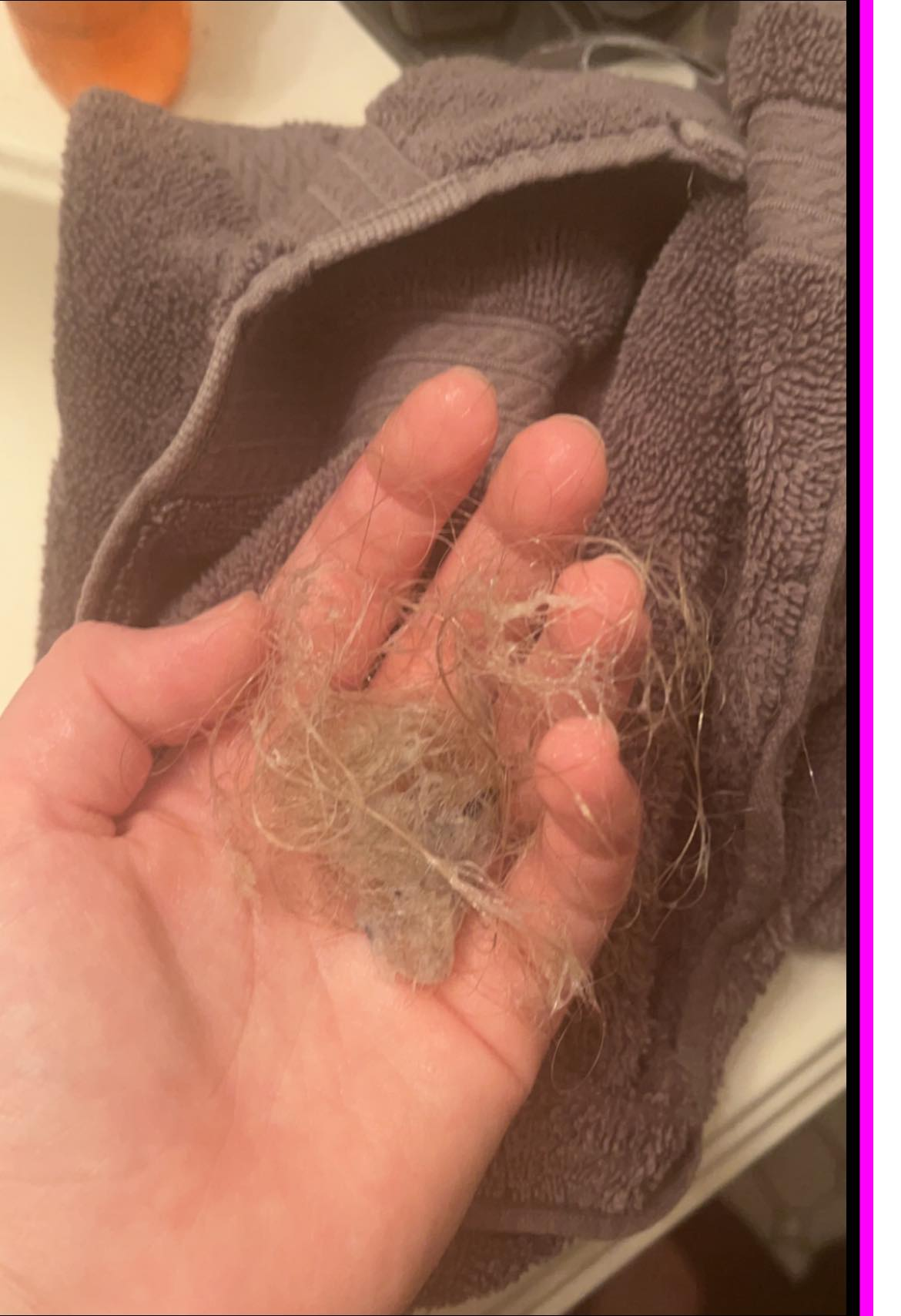
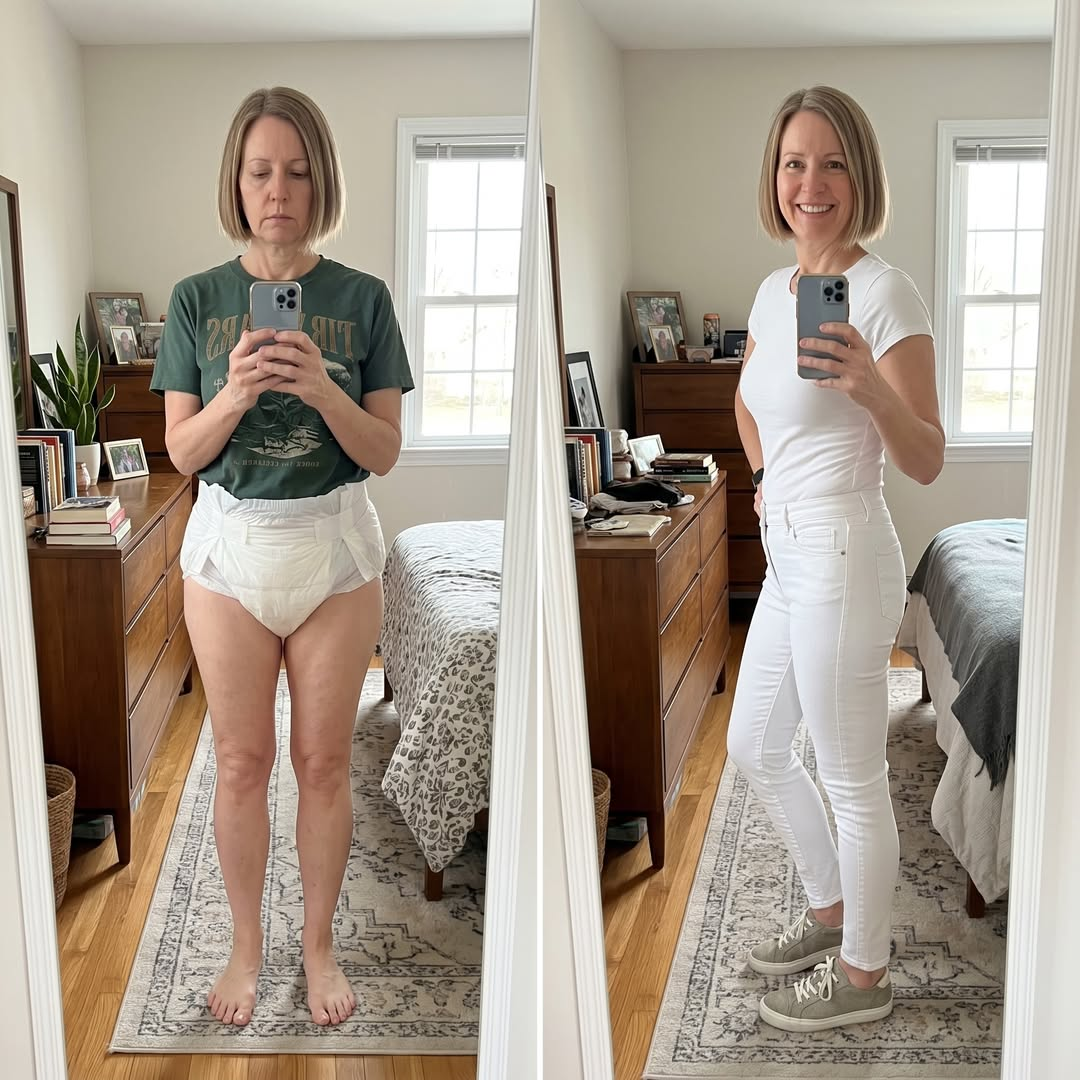
If you're a woman over 45 who's wearing a pad every single day — not for your period, for your BLADDER — and you've tried cranberry pills, Kegels until your pelvic floor wanted to quit, and every "bladder support" supplement on Amazon with 10,000 reviews... I'm about to tell you exactly what nobody in the medical system wants you to understand. And by the end of this, you're going to be furious. Because there are three things happening right now: One — Your bladder isn't "weak." Something specific is happening hormonally that is making the smooth muscle of your bladder wall contract when it shouldn't. And it has NOTHING to do with how many Kegels you do. Two — Your doctor is treating the symptom — the leaking — instead of investigating WHY the bladder muscle lost its ability to regulate contractions in the first place. And three — There is a multi-billion-dollar incontinence industry that sells you pads, liners, medications with brutal side effects, and eventually surgical consults... that PROFITS every single day the actual cause stays hidden. So let me tell you what happened with my mom, because her story is going to open your eyes to how broken this really is. --- For SIX YEARS my mom Karen was slowly losing control of her body. And I don't mean that in some metaphorical way. I mean she literally could not control when she urinated. It started at 49. A little leak when she sneezed. She laughed it off. "Getting older," she said. By 51, she was wearing panty liners every day. Not optional. Required. Because a cough, a laugh, picking up a grocery bag, standing up too fast — any of it could trigger a leak she couldn't stop. By 53, panty liners weren't enough. She switched to full incontinence pads. The ones in the aisle she used to walk past without looking. Now she was buying them in bulk from Amazon so nobody at the store would see. By 55, she was getting up FOUR TIMES a night to use the bathroom. Four times. Every single night. She hadn't slept more than two consecutive hours in over a year. And the hair. God, the hair. She used to have thick, full hair that she'd get compliments on at church. By 52, she was pulling clumps out of the shower drain every morning. Clumps. Not a few strands — clumps that made her stomach drop every time she looked down. She started parting her hair differently to hide where it was thinning at the crown. Then she started wearing hats. Then headbands. Then she just... stopped looking in mirrors from certain angles. Her husband never said anything about the pads. But she could feel the distance. The way he'd roll over when she got up for the third time at 2am. The way he stopped reaching for her at night. Not because he didn't want to — because she was terrified of leaking. She stopped going to her book club. Stopped going to the movies. Stopped going on walks with her friends. Because what if she couldn't find a bathroom? What if she leaked through? What if someone NOTICED? She carried a change of clothes in her purse. At 55 years old. A change of underwear and leggings in a ziplock bag in her handbag, everywhere she went, like a backup plan for humiliation. And every single doctor told her the same thing. --- "This is very common after menopause." "Have you been doing your Kegels?" "We can try an anticholinergic — it'll help reduce the urgency." "Some women find that bladder slings provide relief." One of them — and I still can't believe this happened — handed her a PAMPHLET for adult diapers. A branded pamphlet. From a company that sponsors the practice. Like it was a brochure for a vacation package, not a surrender document for a 55-year-old woman's dignity. The anticholinergic? She tried it. Oxybutynin. It gave her dry mouth so severe she couldn't eat without drinking water between every bite. Constipation that sent her to the ER once. Brain fog so thick she forgot her own phone number during a call to her insurance company. And the leaking? Reduced by maybe 30%. Still wearing pads every day. Still getting up three times a night instead of four. Still carrying that ziplock bag. Her doctor called that "significant improvement." She called it a life sentence with slightly better terms. --- So here's what she tried over six years. And I need you to pay attention because I guarantee you've done at least half of this: Kegel exercises. Twice a day for eight months. Her physical therapist said she was "doing great." The leaking continued. Cranberry supplements. Four different brands over two years. Did absolutely nothing for urgency or leakage. Nothing. "Bladder support" formula from a naturopath — $65 a month. Contained pumpkin seed extract (not oil — extract), marshmallow root, horsetail. Eight months. Maybe slightly less urgency. Maybe. Weight of evidence: nothing conclusive. Oxybutynin. Described above. Side effects worse than the condition. Myrbetriq. $400 a month after insurance. Reduced nighttime trips from four to three. Still leaked during the day. Still wore pads. Biotin supplements for the hair. $30/month for a year. Hair continued thinning. Zero change. Collagen powder. Added to coffee every morning for nine months. Hair kept falling out. Nails got slightly stronger. Bladder unchanged. A pelvic floor therapist. $150 per session. Twelve sessions. She learned she was doing Kegels correctly. The leaking continued. Between the medications, supplements, specialist visits, incontinence products, the pelvic floor therapy, and the hair products — she spent over $6,800 in six years. Still wearing pads. Still getting up three times a night. Still losing hair. Still carrying that ziplock bag. --- At this point I'm not sad for her anymore. I'm angry. Because I'm watching my mom — a woman who raised three kids, taught Sunday school for twenty years, who used to go dancing with my dad on Friday nights — refuse to leave her house because she's terrified of wetting herself in public. And her doctors? They're managing. They're prescribing. They're billing. And they're profiting from every stage of her decline. Not fixing it. Not reversing it. Not even trying to understand WHY a woman who was perfectly fine at 47 was wearing adult incontinence pads at 55. Just... managing her humiliation with incrementally better products. And that's when I started asking the questions nobody wants you to ask: Why are doctors so quick to prescribe anticholinergics with devastating cognitive side effects but never investigate WHY the detrusor muscle is contracting uncontrollably? Why do they act like postmenopausal incontinence is just... inevitable? Like it's a natural consequence of aging that you should just "manage"? Why does every bladder supplement on the market contain the same cranberry and marshmallow root that clearly don't work — and nobody questions it? And why does NOBODY ever talk about what's actually happening to the smooth muscle tissue of the bladder wall when estrogen declines and a specific fatty acid pathway collapses? --- So I went down a rabbit hole. A deep one. I started researching why a woman with no structural damage, no neurological condition, no history of bladder issues — would suddenly lose control of her bladder within five years of entering menopause. And every mainstream medical site gave me the same recycled answers. "Do Kegels. Try medication. Consider surgery. Manage with products." But then I found something in the urology research literature that nobody was talking about in the supplement world. Nobody was talking about it in the doctor's office. Nobody was connecting it to the real mechanism. The delta-7-sterol fatty acid pathway and its role in smooth muscle contractility regulation in the bladder wall. --- Now stop for a second. You know what's insane? Every bladder supplement on the market focuses on "soothing the urinary tract." Every doctor talks about strengthening the pelvic floor or suppressing nerve signals with drugs. Every protocol is about controlling the SYMPTOM — the contraction, the urgency, the leak. But nobody — and I mean NOBODY — talks about what's happening at the TISSUE LEVEL inside the bladder wall that's causing the smooth muscle to lose its ability to hold and release on command. And that's not an accident. Because once you understand what happens to the smooth muscle tissue of the bladder wall when a specific fatty acid becomes depleted — and what estrogen decline does to that depletion — you realize that everything my mom tried, and everything YOUR doctor has probably told you, is addressing the wrong layer of the problem entirely. --- Here's what I learned: Your bladder wall contains a layer of smooth muscle called the detrusor. This is the muscle that contracts to push urine out and relaxes to hold urine in. When it's healthy and functioning properly, you have full control. You decide when to go. You hold it when you need to. No leaking. No urgency. No waking up four times a night. The detrusor muscle's ability to contract AND relax properly depends on the integrity of the cell membranes in that smooth muscle tissue. Those cell membranes are built from specific fatty acids. When those fatty acids are abundant, the membranes are flexible, responsive, and functional. The muscle contracts when you tell it to and relaxes when you need it to. When those fatty acids become depleted? That's when everything falls apart. And here's what depletes them — the thing nobody is telling you: Estrogen is a key regulator of fatty acid metabolism in smooth muscle tissue throughout the female body. When estrogen declines during perimenopause and menopause, the entire fatty acid supply chain that feeds smooth muscle cell membranes begins to collapse. Specifically, a group of fatty acids called delta-7-sterols — which are critical for maintaining the structural integrity and contractile function of bladder smooth muscle — become severely depleted when estrogen drops. Without adequate delta-7-sterols, the smooth muscle cell membranes in the detrusor become rigid. Inflexible. They lose their ability to smoothly contract and relax. Instead, they spasm. They contract involuntarily. They can't hold. That's the urgency. That's the leaking. That's the 3am bathroom trip. That's the pad. It's not a "weak pelvic floor." It's not a "nervous bladder." It's not something you can Kegel your way out of. It's a fatty acid deficiency in the smooth muscle tissue of your bladder wall, driven by estrogen decline, that no amount of cranberry pills or pelvic floor exercises will ever address — because they're not operating at the tissue level where the problem exists. And here's where it gets worse. The SAME fatty acid depletion that's destroying your bladder control is simultaneously attacking your hair follicles. Delta-7-sterols regulate DHT — the androgen responsible for miniaturizing hair follicles and causing the thinning pattern that millions of women experience after menopause. When estrogen drops and delta-7-sterols deplete, DHT runs unopposed. Your follicles shrink. Your hair thins. Falls out. Doesn't grow back. Same root cause. Same fatty acid pathway. Two devastating symptoms that doctors treat as completely separate problems — prescribing one drug for your bladder and a different supplement for your hair — when they're BOTH being driven by the same depletion that nobody is investigating. My mom was taking oxybutynin for her bladder AND biotin for her hair. Two separate products for two symptoms of one problem. And neither product addressed the actual mechanism. Her bladder muscle was spasming because its cell membranes lacked the fatty acids to function properly. Her hair was thinning because DHT was running unchecked without the delta-7-sterols to regulate it. Same cause. Same deficiency. Two symptoms. Zero doctors connecting them. --- And here's the part that made my blood boil: The urology and dermatology literature KNOWS about the delta-7-sterol connection. The relationship between these specific plant sterols and smooth muscle function has been studied. The role of delta-7-sterols in DHT regulation is published and replicated. The connection between estrogen decline and fatty acid depletion in bladder tissue is documented. But the clinical protocol for postmenopausal urinary incontinence doesn't include a fatty acid assessment. Doesn't check delta-7-sterol levels. Doesn't ask whether the smooth muscle tissue is being starved of the building blocks it needs to function. Because there's no patentable pharmaceutical drug for delta-7-sterol depletion. You can't patent a plant-derived fatty acid. There's no money in telling someone their bladder muscle is spasming because it's starving for a specific nutrient that a plant provides for pennies. There IS money in keeping you on oxybutynin at $45 a month. Myrbetriq at $400. Incontinence products at $80 a month. Pelvic floor therapy at $150 per session. Specialist visits at $250. And eventually? Bladder sling surgery at $15,000. See how that works? Manage every stage of the incontinence. Sell increasingly expensive interventions. Never fix the fatty acid depletion that would let the smooth muscle function properly again. --- So I kept digging. Reading urology journals. Research on smooth muscle cell membrane composition. Studies on delta-7-sterols and detrusor function. Clinical evidence on plant sterols and DHT suppression. And I found one source of delta-7-sterols that kept appearing — not in wellness blogs, in peer-reviewed research — as the most concentrated natural source of the specific fatty acids that restore smooth muscle function and regulate DHT simultaneously. Pumpkin seed oil. Not pumpkin seeds. Not pumpkin seed extract. The cold-pressed OIL from the seed. Because the delta-7-sterols are fat-soluble compounds locked in the lipid matrix of the seed. You can eat a handful of pumpkin seeds and get fiber and magnesium. But the specific sterols that your bladder wall and hair follicles are starving for? They're concentrated in the oil. And they require the full lipid matrix to be absorbed. This is why every woman who tried eating pumpkin seeds or taking pumpkin seed extract and got nothing — got nothing. The active compounds weren't bioavailable in that form. It's like trying to absorb vitamin D without fat. The delivery mechanism matters as much as the ingredient. --- My mom tried to find a pumpkin seed oil supplement that matched the research. First: the best-selling one on Amazon. 1,000mg. Five stars. 15,000 reviews. Took it for ten weeks. Nothing. Bladder unchanged. Hair unchanged. Second: a health food store brand recommended by a naturopath. Twelve weeks. Maybe slightly less urgency at night. Maybe. Nothing conclusive. Hair still thinning. She went back to the research. Read the methodology closely. The studies showing bladder smooth muscle results used cold-pressed oil from Styrian pumpkin seeds — a specific cultivar with the highest delta-7-sterol concentration. Not any pumpkin seed. Not extract. Not heat-processed oil. Cold-pressed from Styrian seeds at a specific dosage. She flipped over both bottles she'd tried. One said "pumpkin seed oil" with no cultivar specified. The other listed "pumpkin seed extract" — not even oil. No sterol content standardized. No delta-7-sterol guarantee. She'd been taking generic plant material for twenty-two weeks. There was also the dosage problem. The studies showing smooth muscle restoration used 1,000mg of standardized oil per day minimum. Most commercial brands dilute with fillers, use non-Styrian seeds, or heat-process the oil — which destroys the sterols. The 1,000mg on the label wasn't delivering 1,000mg of active sterol-rich oil. Between the cranberry pills, the biotin, the collagen, the naturopath, the oxybutynin, the Myrbetriq, the pelvic floor therapy, and two rounds of wrong pumpkin seed products — she'd spent over $6,800 in six years. Still leaking. Still losing hair. Still carrying that ziplock bag. --- And I'm up at midnight one night — researching because her gynecologist had just mentioned "we should discuss surgical options" — and I see someone in a menopause support group mention a company called Everly. So I go to their site. Ready to be disappointed like I'd been with every other product I'd investigated for her. And I almost fell off my chair. Pumpkin seed oil softgels. Cold-pressed. From the specific seed cultivar with the highest delta-7-sterol concentration. Not extract — actual oil with the full lipid matrix intact for bioavailability. At clinical dose — not a trace amount padded with fillers to make a label look impressive. The dose at which smooth muscle restoration and DHT regulation were actually measured in human studies. No proprietary blends. Every amount listed on the label. Third-party tested. Made in the USA. Not a "bladder support" formula with cranberry and marshmallow root that doesn't operate at the tissue level. Not a "hair growth" supplement with biotin that doesn't touch DHT. A delta-7-sterol delivery system that addresses the ACTUAL fatty acid depletion driving BOTH the bladder dysfunction AND the hair loss — through the same mechanism, with the same compound, in one softgel. --- My mom started taking Everly. After one week? Subtle. She said she "felt different" but couldn't describe it. Looking back, she thinks her urgency was slightly less intense. But nothing dramatic. She almost stopped. I told her to keep going. The research said tissue-level changes take time. The fatty acids need to reintegrate into cell membranes. This isn't a drug that suppresses a nerve signal in 24 hours. This is a building block that has to physically rebuild smooth muscle tissue that's been depleted for years. After two weeks? She slept through from 11pm to 3:30am without getting up. She texted me at 4am. "I only got up once." She'd been getting up three to four times a night for over four years. That night she got up once. ONE TIME. After three weeks? The urgency — that panicked, can't-hold-it, need-a-bathroom-NOW feeling that had controlled her life — started softening. She described it as "the alarm goes off but it's not screaming anymore." She could feel the signal but she could hold it. Actually hold it. Walk to the bathroom normally instead of running. After four weeks? She went to book club. First time in over a year. Wore regular underwear. No pad. Sat for two hours. Laughed — LAUGHED — without leaking. She called me on the way home and she was crying. Not sad crying. The kind of crying you do when something you accepted as permanent turns out to be reversible. After six weeks? The nighttime trips dropped to zero most nights. ZERO. She was sleeping six to seven hours straight for the first time in five years. She said she forgot what it felt like to actually be rested. The exhaustion she'd attributed to "getting older" started lifting. She had energy at 7pm. She was staying up with my dad watching movies. She was present again. And the hair? She noticed it in the shower first. The drain wasn't clogging. She'd pull the strainer up expecting to see the usual clump — and it was barely anything. A few strands. Normal shedding. Not the fistfuls she'd been losing for four years. By week eight, her hairdresser noticed. "What are you doing? You have new growth coming in at the crown." The miniaturized follicles — the ones DHT had been shrinking for years — were recovering. The delta-7-sterols were suppressing DHT. The follicles were reopening. After ten weeks? She threw away the ziplock bag. The one she'd carried in her purse for three years. She told me she walked to the trash can, held it over the bin, and said out loud: "I don't need you anymore." After twelve weeks? She went to her gynecologist. Described the changes. The doctor ran a post-void residual test. "Your bladder is retaining and releasing normally," she said. "Whatever you changed, keep doing it." Same body. Same menopause. Same estrogen levels. The delta-7-sterol depletion that had been starving her bladder wall smooth muscle for six years was being corrected. The cell membranes were rebuilding. The detrusor was functioning again. No oxybutynin. No Myrbetriq. No surgery. No more side effects. Total change after five months? No pads. No leaking. Sleeping through the night. New hair growth at the crown. Went from carrying emergency underwear to wearing white pants on a Tuesday. From a softgel she takes once a day. --- So now I'm thinking: This works. It's reversing what six years of doctors and supplements couldn't touch. And it's one product. One softgel that addresses the actual mechanism. Not eight different bottles from eight different companies at $300 a month. Not a drug that dries out your mouth and fogs your brain. Not a $15,000 surgery that has a 30% failure rate. One softgel that restores the fatty acid your smooth muscle has been starving for since estrogen declined. --- This is what they don't want you to know. Because the second you restore the delta-7-sterol supply to your bladder wall, you don't need their anticholinergic medications anymore. You don't need their $400/month Myrbetriq. You don't need their pelvic floor therapy sessions. You don't need their $80/month pad subscription. Your smooth muscle rebuilds. Your bladder holds. Your hair grows. The urgency fades. The leaking stops. The way your body was always supposed to function — before estrogen decline created a fatty acid deficit that nobody told you existed and nobody was looking for. --- Now here's what I need you to understand. Delta-7-sterol depletion doesn't wait for you to figure this out. Every month the deficiency continues is another month of smooth muscle degradation. Another month of involuntary contractions. Another month of cell membranes losing integrity. The longer the bladder wall operates without the fatty acids it needs, the more the tissue deteriorates. The urgency gets worse. The leaking gets worse. The nighttime trips increase. The hair follicles miniaturize further. And every month, your doctor gets closer to a conversation about surgery for a woman whose problem was never structural. --- So if you're dealing with ANY of this — leaking when you cough or sneeze or laugh or stand up too fast, that urgency that makes you map every bathroom everywhere you go, getting up multiple times a night, the pads you hide in your purse, the hair coming out in clumps in the shower, the thinning at the crown that you cover with hats and headbands, the exhaustion from never sleeping through the night, the intimacy you've stopped having because you're terrified of an accident — this is the time. Not next month when the leaking gets worse. Not six months from now when your doctor suggests surgery. Not when you're sitting in a pre-op consultation for a bladder sling wondering how it got this far. Right now. Everly Pumpkin Seed Oil Softgels. Cold-pressed. Clinical dose. Highest delta-7-sterol concentration. Full lipid matrix for bioavailability. Third-party tested. Made in the USA. No fillers. No proprietary blends. Every amount listed. 90-day money-back guarantee. Use every softgel. If your bladder doesn't improve, if the nighttime trips don't reduce, if you don't feel the difference — full refund. No questions asked. They have nothing to hide. Because your gynecologist isn't coming to investigate your fatty acid deficiency. They profit too much from managing your symptoms while the depletion runs undisturbed. You have to fix this yourself. 👉 https://try.shopeverly.shop/esl
🎃 Natural Support for Your Daily Routine
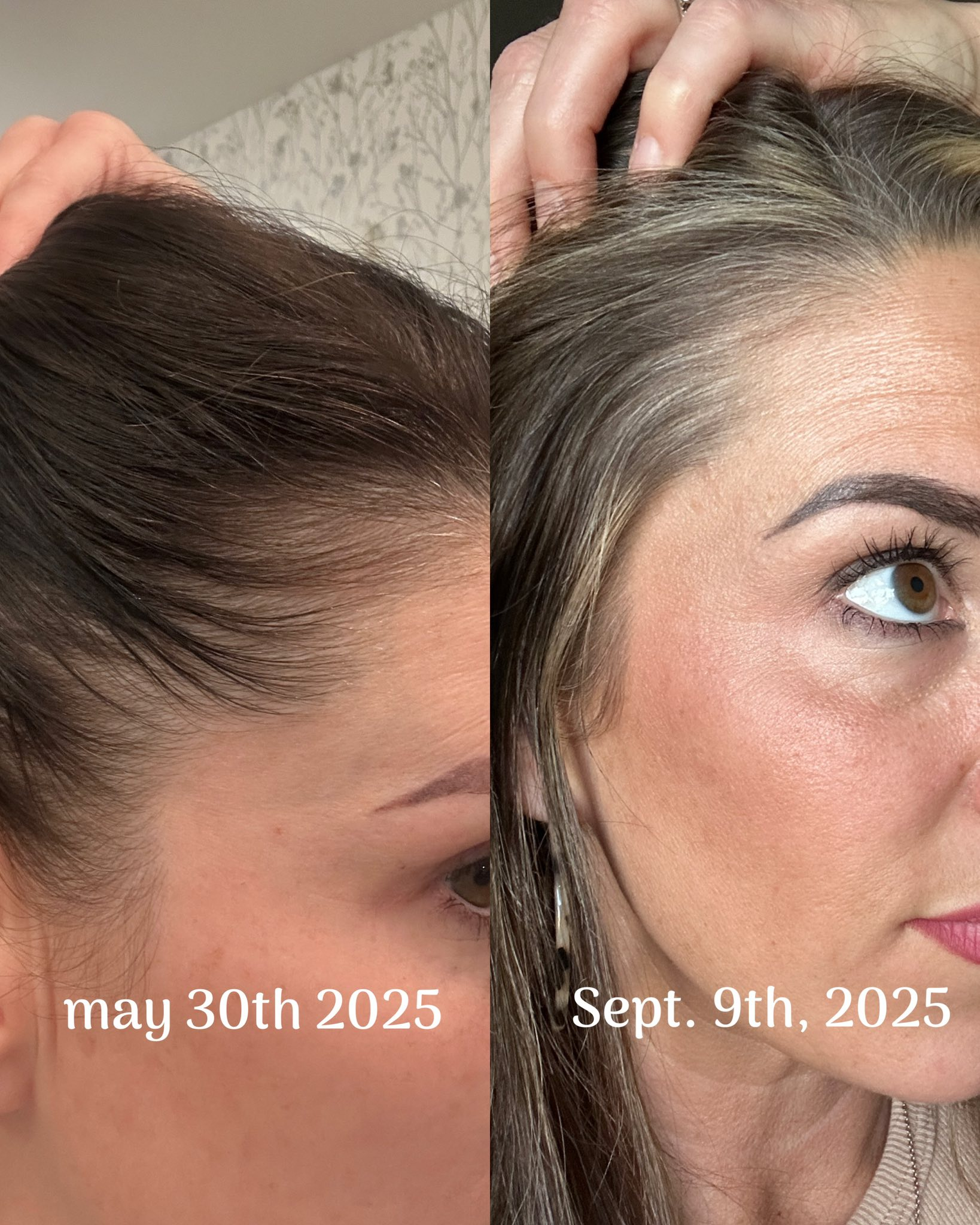
“I’ve been feeling stronger and more balanced since taking Everly Pumpkin Seed Oil. My bladder feels so much calmer, I’m sleeping through the night again, and my hair feels thicker than it has in years. I love how natural it feels — just pure support for my body.”
LEARN MORELike this ad? Make it yours.
Crush rebuilds this exact creative around your product — your brand, your colors, your offer — in about a minute.