Everly
 Facebook ad: “Support healthy hair and bladder control every day”
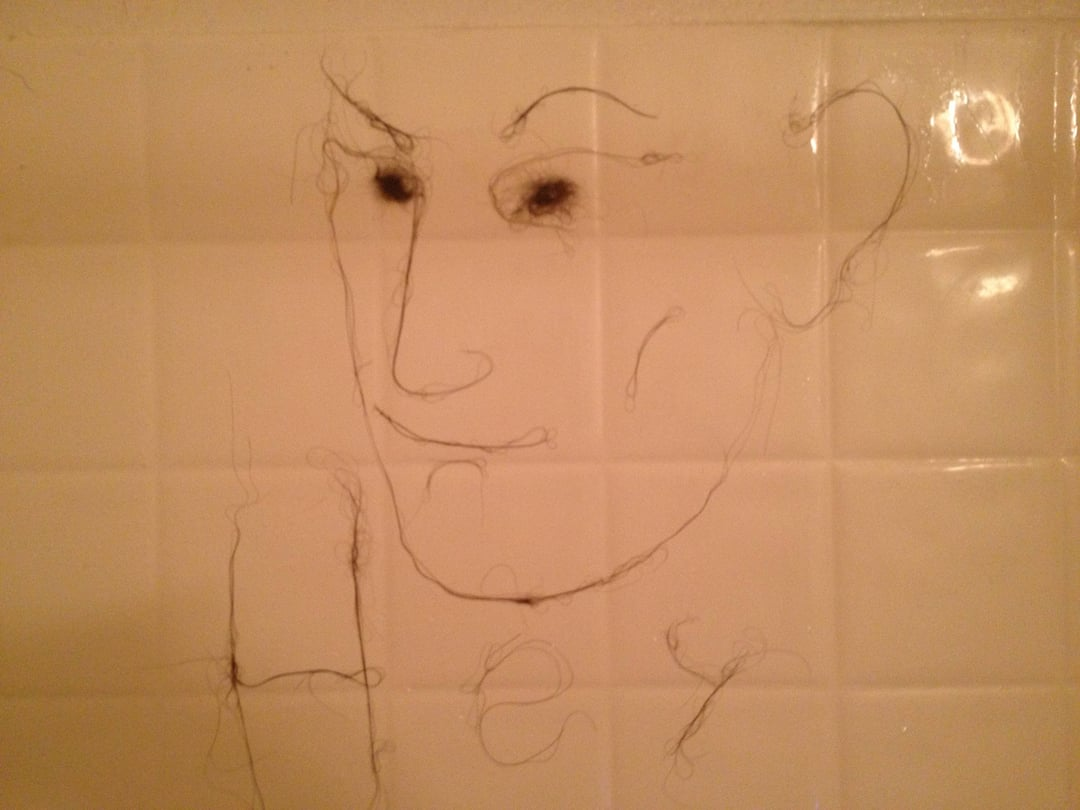
Running for 10 days since October 24, 2026. Crush last saw it on November 3, 2026.
Run by Everly on Facebook. Crush is not the advertiser and does not verify its claims. See this ad in Meta's Ad Library(opens in a new tab)
Make your own version of this ad
Crush makes it, launches it in your own Meta ad account, scales the winners and pauses the losers.
About this ad
- Meta Ad Library ID
- 2153531455237985
- Platforms
- Facebook, Instagram, Audience Network, WhatsApp and Threads
- Relaunches
- 0
- Niche
- Hair Care
Ad text
I used to have the thickest hair in my family. People commented on it. Stylists commented on it. I never once thought about it the way you think about something you are afraid of losing. Then I turned 43 and I started finding it on my pillowcase. Not a strand or two. Clusters. Dark against the white cotton every single morning like the evidence of something happening to me in my sleep. My name is Karen Moretti. I am 52 years old. I am a board-certified dermatologist with nineteen years of practice in women's skin and hair health. I have sat across from over four thousand women who came to me with the same thing I am about to describe to you. The same quiet horror. The same handful of hair pulled from the shower drain. The same slow realization that the person staring back at them in the mirror is becoming someone they do not recognize. I treated every one of them. I prescribed the shampoos. The topical minoxidil. The spironolactone. The PRP injections at four hundred dollars a session. I told them what every dermatologist tells them — this is manageable, we can slow it down, let us monitor it. And then it happened to me. If you are a woman over 35 and your hair is thinning — at the part, at the temples, in the shower drain, on the brush, on the bathroom floor — please read this. All of it. If you are on Ozempic or Mounjaro or any GLP-1 and your hair has started falling out in a way that makes your stomach drop every time you wash it — please read this. If your mother's hair thinned and you are watching the same thing begin in your own mirror — please read this. I know it is long. I know you are scrolling. I know you have somewhere to be. Two years ago I would have paid anything for a physician with my credential to sit down and explain what nobody had explained to me in nineteen years of medical training. Nobody did. It started in the shower. Not the normal shedding that happens to everyone. I had studied hair cycles. I knew what fifty to a hundred strands a day looked like. This was not that. This was handfuls. I would run my fingers through my hair while conditioning and pull away with a clump that made me hold my breath. I would look down at the drain and see a nest of dark hair sitting on the grate that had not been there six months earlier. I told myself it was stress. I was running a practice. My youngest had just started high school. I was not sleeping well. Stress hair loss is real — I had diagnosed it in hundreds of patients. Telogen effluvium. The hair sheds from a shock to the system, then it grows back in three to six months. Six months passed. It did not grow back. It got worse. By month nine I could see my scalp through my part line under the bathroom light. Not a subtle widening. A visible line of pale skin where there had once been nothing but hair. I stood in my own bathroom — the bathroom of a board-certified dermatologist who had spent nineteen years telling women that hair loss is manageable — and I did the thing I had watched four thousand patients do before me. I cried. Not because I was vain. Because I had spent my entire career promising women that I could help them. And when it came for me, I reached into the same toolbox I had handed every one of them, and the tools did not work. I went through the protocol. My own protocol. The one I had built over nineteen years. Minoxidil first. The gold standard. Applied it to my scalp twice daily for four months. The shedding slowed slightly during month two. By month four it was back to where it had started and my scalp was red and irritated from the solution. Spironolactone next. A blood-pressure medication repurposed off-label for hair loss. My blood pressure was already low. Within three weeks I was dizzy every time I stood up. I cut the dose in half. The dizziness eased. The hair kept falling. PRP injections. Platelet-rich plasma drawn from my own blood and injected into my scalp with a row of tiny needles. Sixteen hundred dollars over four sessions. Four months. I measured. I photographed. The thinning at my part line did not change by a single millimeter. Biotin. A supplement I had been recommending to patients for a decade. Six months at 10,000 mcg daily. My nails got harder. My hair did not come back. Collagen peptides. Viviscal. Nutrafol. Eighty-seven dollars a month for Nutrafol alone. I took it for five months with the same rigor I applied to every clinical protocol I had ever run. My part line was wider at the end of those five months than at the beginning. I stood in my office on a Tuesday night after my last patient left and I did something I had not done since my residency. I searched for the mechanism. Not the treatment protocols. Not the product studies funded by the companies selling the products. The mechanism. The thing that was actually doing this to my hair and to the hair of every woman who had ever sat across from me holding a clump of it in her palm. I read until two in the morning. What I found was not hidden. It was sitting in the Journal of Investigative Dermatology and the International Journal of Trichology and the Annals of Dermatology. Journals I had subscribed to for nineteen years. There is a hormone your body produces from testosterone. Every woman produces testosterone. Your ovaries make it. Your adrenal glands make it. And an enzyme in your body — 5-alpha reductase — converts a portion of that testosterone into something called DHT. Dihydrotestosterone. DHT is what is killing your hair. Not stress. Not bad shampoo. Not the water in your shower. Not your ponytail being too tight. Not the biotin you are missing. DHT. Here is what it does. And I want you to understand the mechanism the way I understood it that night at two AM because once you see it you cannot unsee it, and you will understand why every product you have tried has failed in exactly the same way. DHT binds to the receptor on your hair follicle. Not the hair itself — the follicle. The living root beneath the surface where the hair is manufactured. When it binds, it sends a signal. The signal says shrink. The follicle obeys. It gets smaller. The hair it produces gets thinner. Finer. Lighter. Shorter. Each cycle, the follicle produces a weaker version of the hair it produced the cycle before. This is called miniaturization. That is the clinical term. And it is the single process responsible for the pattern of thinning that I see in my office every day and that was happening on my own head while I prescribed shampoos and injections and eighty-seven-dollar supplements. The DHT does not stop. The enzyme that creates it does not stop. Every day, 5-alpha reductase converts testosterone into DHT, and every day that DHT binds to one more receptor on one more follicle and sends the same instruction: shrink. Your part line widens. Your ponytail gets thinner. You see your scalp under the light. You find it on the pillow, in the drain, in the brush, on your shirt, on the floor. And here is what broke my career in half. None of the treatments in my toolbox — not one, in nineteen years — had ever touched the DHT. Minoxidil does not reduce DHT. It increases blood flow to the scalp. It pushes more nutrients to the follicle. But the DHT is still sitting on the receptor telling the follicle to shrink. You are feeding a follicle that is under attack. The attack continues. Biotin does not reduce DHT. It provides a building block for keratin — the protein in hair. But the factory making the hair is getting smaller every month. You are sending raw materials to a factory that is shutting down. The factory keeps shrinking. Collagen. Viviscal. Nutrafol. All of them supply the follicle with nutrients, proteins, vitamins that support hair health. All of them do this while the DHT sits on the receptor sending the same signal — shrink — twenty-four hours a day, seven days a week, for every week you have been alive since the enzyme turned on. I sat at my desk at two AM with these papers fanned out in front of me and I did the arithmetic I should have done before I prescribed a single one of those treatments. The minoxidil was feeding the follicle. The biotin was supplying the keratin. The Nutrafol was sending vitamins. Not one of them had addressed the thing that was shrinking the follicle in the first place. Four treatments. Four ways to support a follicle under siege. Zero ways to lift the siege. It was like watching a house burn and handing the homeowner better furniture. The fire was DHT. And nobody in my training — not in medical school, not in my dermatology residency, not in nineteen years of continuing education — had ever taught me to put it out. Two weeks later I saw a patient in follow-up who should not have looked the way she looked. Her name is Linda. Fifty-seven years old. Three years in my practice. She had come to me with classic female pattern thinning — widening part, diffuse loss at the crown, visible scalp under overhead lighting. I had her on minoxidil and Nutrafol. I pulled her chart before I walked in. Her last visit showed modest stabilization. The thinning had not progressed, but it had not reversed. I was expecting the same conversation I had been having with her for three years. I walked in and stopped. Her hair was different. Not dramatically. Not the way it looks in a commercial. But I had been measuring this woman's hair density for three years and something had changed. The part line was narrower. There was coverage at the temples that had not been there four months earlier. The overall density — the weight and fall of the hair as it sat against her shoulders — was visibly fuller. "Linda. Your density score moved." "I know." "It moved a lot. This hasn't happened in three years." "I know that too." "Did you change the minoxidil? Start something new with another provider?" "No. Same minoxidil. But I stopped the Nutrafol three months ago." She opened her purse and set a bottle on my exam table. Everly Pumpkin Seed Oil. Softgels. Three daily. She said her daughter had sent them to her after reading about DHT blockers online. Her daughter had been terrified — terrified the way daughters get when they watch their mother lose something and they cannot stop it. "My daughter said the oil has to be cold-pressed. She said the dose has to be high enough. She said most pumpkin seed oil supplements are garbage — heated, diluted, filled with soybean oil so you are swallowing nothing. She said Everly was the one that matched what the study used." I held the bottle. I turned it in my hand. I read the label. Cold-pressed pumpkin seed oil. 1000 milligrams per softgel. Three softgels daily — 3,000 milligrams. No fillers. No soybean oil. No heat processing. I ordered four bottles that night from my own kitchen table. I want to be honest about what the first weeks felt like. Week one. I took three softgels every morning with breakfast. I noticed nothing. I expected nothing. I kept count of the hairs in my shower drain the way I had been counting for a year. Week two. The count in the drain dropped. Not by half. By maybe fifteen percent. I would not have noticed if I had not been measuring. Week three. I woke up and looked at my pillowcase. It was clean. Not a single strand on the white cotton. I lay there and stared at it because I could not remember the last morning that had happened. Week four. I ran my fingers through my hair in the shower and did not pull away a clump. I did it again. And again. I stood under the water running my hands through my hair like a woman who had forgotten what it felt like to not be afraid of touching her own head. Week six. I looked at my part line under the bathroom light. The line of pale scalp that had been widening for a year had not widened further. It was the same. That does not sound like progress. But for a woman who has watched that line grow wider every month for a year, the same is the first sign that something has changed. Week eight. I photographed my part line and compared it to the photo I had taken the day I started. The line was narrower. Not by a lot. But it was narrower. And there was something else — tiny hairs along the part. Short, fine, standing up like new grass. New growth. Week twelve. I sat in my own exam chair and had my partner do a density measurement. My hair count had increased 34% at the crown. In nineteen years of prescribing minoxidil, biotin, PRP, Nutrafol, Viviscal — I had never seen a density increase like that in twelve weeks. Not once. Because none of those tools had ever addressed the DHT. My partner Rebecca has been running it alongside standard treatment with twenty-three of her patients for four months. Nineteen have reported measurable reduction in shedding. Fourteen have shown visible density improvement. Seven have asked to stop their minoxidil. Not one of them reported the dizziness, the scalp irritation, the libido changes, the depression that the pharmaceutical options carry. Two weeks ago I stood in my bathroom and put my hair up in a ponytail for the first time in a year. Not because it looked the same as it did five years ago. Not yet. But because I was not afraid to pull my hair back anymore. If you are losing your hair — if you have tried the shampoos, the vitamins, the expensive supplements, the injections — I need you to hear the mechanism and not the marketing. DHT is what is shrinking your follicles. Every product that feeds the follicle without addressing the DHT is better furniture for a burning house. There is an oil in a seed that does the one thing none of those products have ever done. It slows the enzyme. It reduces the DHT. It lifts the siege. Everly Pumpkin Seed Oil Softgels. Cold-pressed. 1,000 milligrams per softgel. Three daily. No fillers. No soybean oil. No heat processing. Three softgels. One glass of water. Every morning. 90-day money-back guarantee. Ninety days because your hair grows in cycles. The follicle that has been under siege has to complete its cycle before a new one begins. Ninety days is the honest window. https://get.shopeverly.shop/pumpkin-seed-oil/subtxt/mm-sht-ps P.S. — My mother's hair thinned starting at 46. By 55 she wore it short because there was not enough left to wear it long. I watched it happen to her the way Linda's daughter watched it happen to Linda. I built my entire career on the promise that I would figure out what nobody had figured out for her. And then I spent nineteen years prescribing treatments that fed the follicle while the DHT burned it down from the inside. I did not know. Now I know. Everly Pumpkin Seed Oil — cold-pressed, 1,000mg per softgel, three daily, no fillers. 90-day money-back guarantee. Please do not watch it happen the way I watched it happen to her. P.P.S. — You will notice the shedding slow first. Not on day one. Not on day three. Somewhere around week two or three, you will run your fingers through your hair and realize you are not pulling away a clump. You will look at your pillowcase in the morning and it will be clean. That is not the regrowth — that comes later, around weeks eight to twelve, and it shows up as tiny short hairs along your part line like new grass. The shedding slowing IS the proof that the DHT is being reduced. It means the siege is lifting. P.P.P.S. — About Ozempic, Mounjaro, and the GLP-1 drugs. If your hair started falling out after you started one of those shots, you are not imagining it. Rapid weight loss depletes nutrients, stresses the follicle, and the hormonal shift from rapid fat loss can increase the conversion of testosterone to DHT. The same enzyme. The same mechanism. Everly does not interfere with your GLP-1. Take your shot. Take your three softgels. Let the oil do the one job the shot was never designed to do. P.P.P.P.S. — For the woman reading this whose hair is not the problem. Whose bladder is. Pumpkin seed oil has been studied for overactive bladder and urinary frequency — the same phytosterols that block DHT also support smooth muscle tone in the pelvic floor. If you are getting up two and three times a night, if you are planning your day around bathroom locations — the oil does more than one job. The same three softgels. Multiple mechanisms. One seed. P.P.P.P.P.S. — Everly is running a Buy 3, Get 3 Free offer right now. I keep four bottles in my house because I ran out once at week six and the shedding came back within ten days. DHT does not take a break. The enzyme does not stop converting. The oil has to be there every morning to keep the siege lifted. Check availability before the offer ends. https://get.shopeverly.shop/pumpkin-seed-oil/subtxt/mm-sht-ps ~ Karen Moretti, MD, FAAD, age 52, dermatology
Where the ad sends people
get.shopeverly.shop
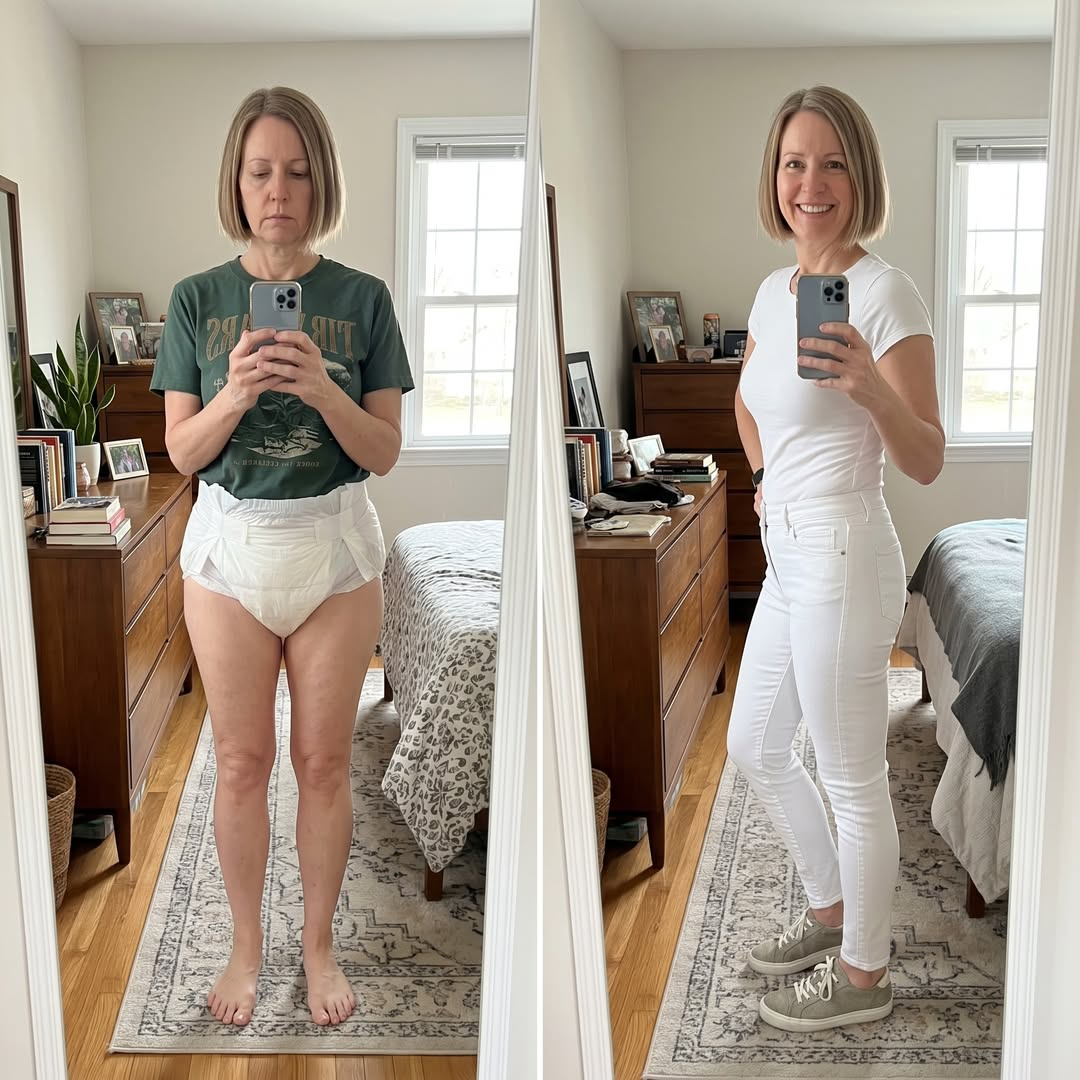
Support healthy hair and bladder control every day
"I've been taking this for three months. I used to pull out handfuls every time I washed my hair. Now I barely shed at all, and my stylist actually asked me what I changed. My part looks fuller than it has in years."
Learn more: get.shopeverly.shop(opens in a new tab)