
Stopped· since Nov 24, 2025
- 84
- days it ran
- 1
- relaunches
Ad copy
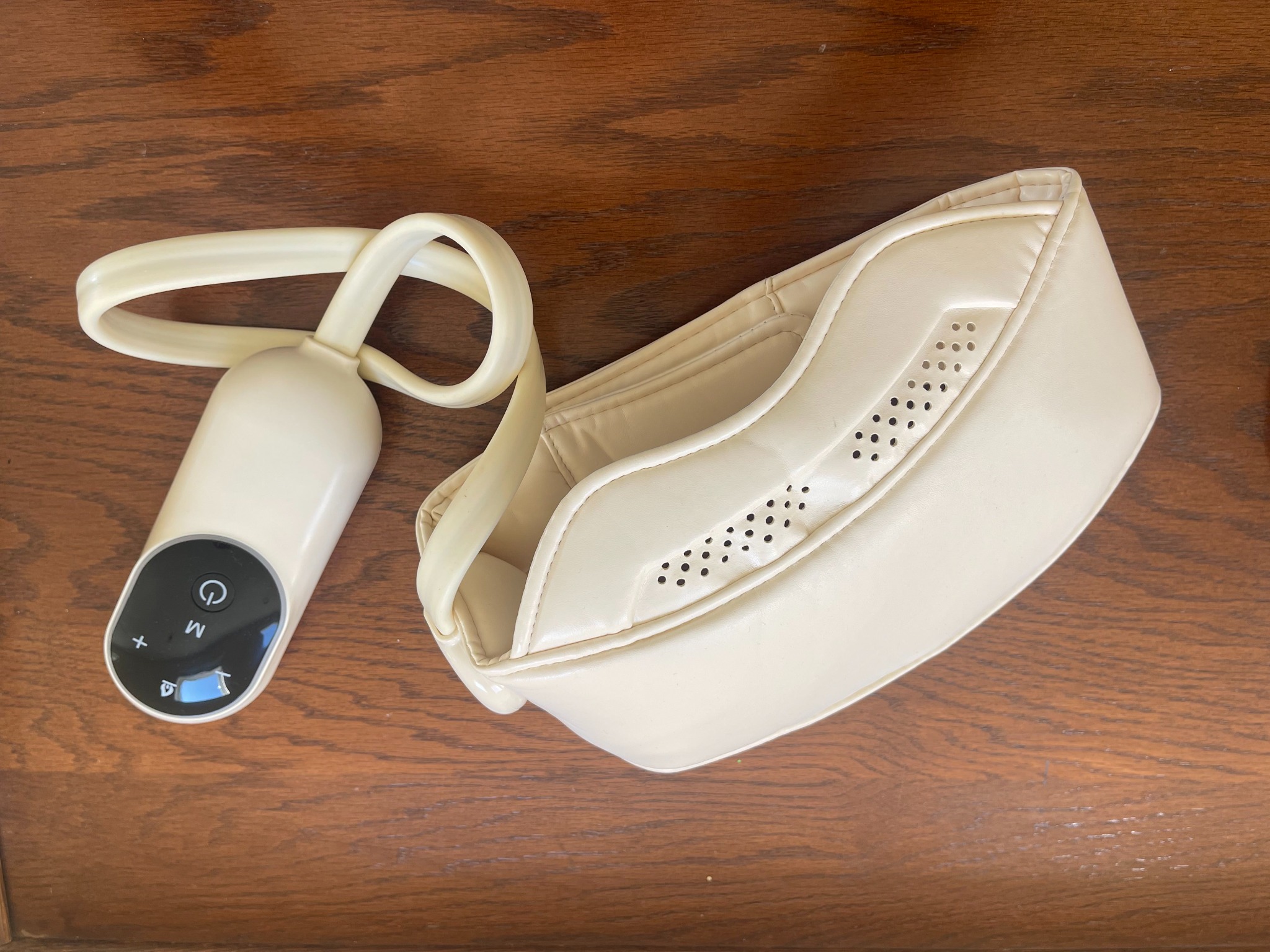
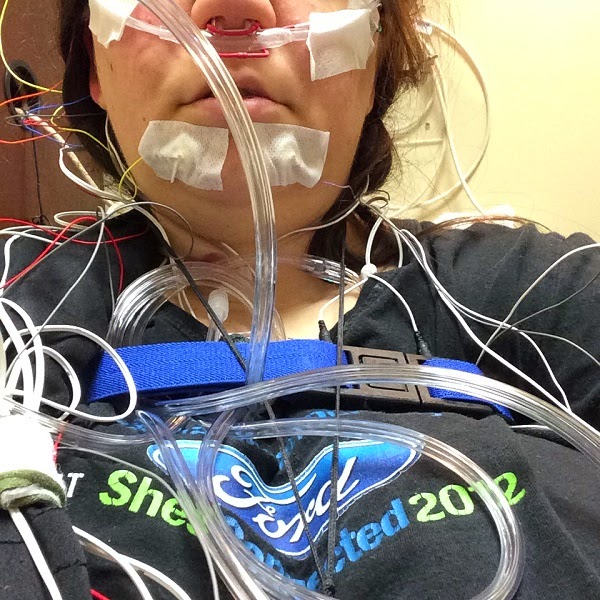
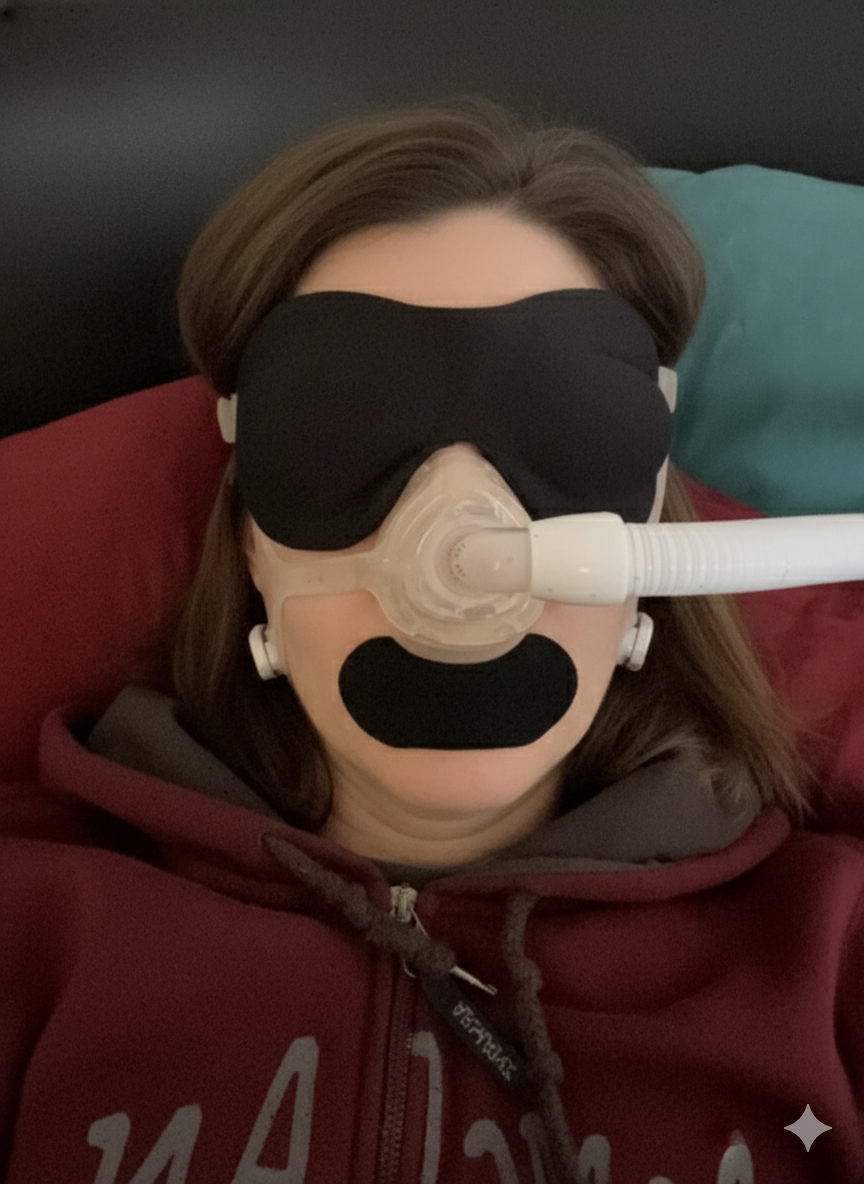
I paid $1,200 for a sleep specialist consultation. After 3 months of cognitive behavioral therapy for insomnia, I was still awake at 2 AM. Then I found a $99 sleep mask that did what a sleep specialist couldn't. Here's why CBT-I treats your thoughts but not your nervous system. I thought I was doing everything right. When my insomnia hit 18 months and nothing was working, I didn't just go to my regular doctor. I went to a sleep specialist. Dr. Roberts came highly recommended. Board certified in sleep medicine. Twenty years of experience. His practice had a six-week waiting list. I paid $400 for the initial consultation. Two hours of intake forms, questionnaires, and discussion about my sleep history. He ruled out sleep apnea. Ruled out restless leg syndrome. Ruled out any physical sleep disorders. His diagnosis: Chronic Insomnia with Psychophysiological Components. Basically, my body had learned to associate bed with wakefulness instead of sleep. His recommended treatment: Cognitive Behavioral Therapy for Insomnia. CBT-I. "It's the gold standard treatment," he said. "More effective than medication long-term. Seventy to eighty percent success rate." I was hopeful. Finally, a real expert with a proven treatment. The program cost $800 for eight sessions. Plus the initial $400 consultation. $1,200 total. But I didn't care about the cost. I just wanted to sleep. We started immediately. Session 1: Sleep restriction therapy. Dr. Roberts had me calculate my average sleep time—about 5 hours. Then he restricted my time in bed to only 5 hours. "If you're only sleeping 5 hours, you should only be in bed 5 hours," he explained. "This builds sleep pressure and reconsolidates your sleep." It sounded logical. So I did it. Stayed up until midnight even though I was exhausted. Set my alarm for 5 AM. The first week was brutal. I was getting even less sleep than before because now I was deliberately staying up late. "It gets worse before it gets better," Dr. Roberts assured me. Session 2: Stimulus control. No reading in bed. No TV in the bedroom. No phone. Bed is only for sleep and sex. If I couldn't fall asleep within 20 minutes, I had to get up and leave the bedroom. Only return when I felt sleepy. I followed every rule perfectly. But I was still lying awake. Getting up. Going to the living room. Waiting to feel "sleepy." Going back to bed. Still not sleeping. Getting up again. Some nights I got up four or five times. Session 3: Cognitive restructuring. Dr. Roberts taught me to identify and challenge my "unhelpful thoughts" about sleep. When I thought "I'll never fall asleep," I was supposed to replace it with "I've slept before and I'll sleep again." When I worried "I'm going to be exhausted tomorrow," I was supposed to remind myself "I've functioned on little sleep before." I understood the logic. But lying in bed at 2 AM, my thoughts racing, telling myself "I've functioned on little sleep before" didn't make me fall asleep. Session 4: Sleep hygiene refinement. We went through my entire routine. Temperature. Lighting. Noise. Bedding. Evening activities. I bought blackout curtains. A white noise machine. New pillows. I stopped drinking coffee after noon. I created an elaborate wind-down routine. Still not sleeping. By session 5, I was starting to lose hope. "These things take time," Dr. Roberts said. "You have to trust the process." But I'd been trusting the process for two months and I was still awake every night. My racing thoughts hadn't slowed down. My body was still tense and alert the moment I lay down. Nothing had changed except now I had a bunch of rules to follow that made bedtime even more stressful. Session 6: Relaxation techniques. Progressive muscle relaxation. Guided imagery. Diaphragmatic breathing. I practiced every night. I could recite the muscle relaxation script from memory. But none of it stopped my mind from racing or my body from feeling wired. I'd be lying there, breathing deeply, consciously relaxing each muscle group, and still wide awake. By session 7, I was starting to feel like a failure. "Maybe I'm not doing it right," I told Dr. Roberts. "You're doing everything correctly," he assured me. "Some people just need more time. We might need to extend treatment." More sessions. More money. More time. For something that clearly wasn't working. At session 8, our final session, Dr. Roberts reviewed my progress. I was sleeping slightly better—maybe 5.5 hours instead of 5. But I was still taking 1-2 hours to fall asleep every night. Still waking up multiple times. Still exhausted. "You've made progress," he said. "But we're not where we need to be yet. I'd recommend another 8-week course." Another $800. Another two months. I told him I needed to think about it. I left that appointment feeling defeated. I'd done everything right. Followed every instruction perfectly. Worked with the best specialist I could find. Done the gold standard treatment. And I was still not sleeping. That night, I fell down a research rabbit hole. I started reading about why CBT-I works for some people but not others. And I found something interesting. CBT-I is designed to address the cognitive and behavioral aspects of insomnia. The thoughts that keep you awake. The habits that reinforce wakefulness. The anxiety about sleep itself. It's incredibly effective for people whose insomnia is primarily psychological. But it doesn't address the physiological component. Specifically: a dysregulated nervous system. I kept reading. Article after article about how chronic stress rewires your autonomic nervous system. How your body can get stuck in fight-or-flight mode. How this creates a state of hyperarousal that no amount of cognitive reframing can fix. Because you can't think your way out of a nervous system response. Your nervous system operates below conscious control. It doesn't matter how much you understand about sleep. It doesn't matter how perfectly you follow sleep hygiene rules. If your nervous system is stuck in activation mode, your body won't let you rest. Everything clicked. That's why CBT-I wasn't working for me. My problem wasn't my thoughts about sleep. My problem wasn't my sleep habits. My problem was my nervous system wouldn't turn off. I'd spent three months learning to challenge my thoughts and control my behaviors. But my autonomic nervous system was still activated. Still releasing stress hormones. Still treating bedtime as a threat. And no amount of cognitive restructuring could override that. I needed something that could physically interrupt the stress response. That's when I found research about vagus nerve stimulation. The vagus nerve is the main nerve that controls your parasympathetic nervous system—your body's "rest and digest" mode. When it's activated, it overrides the fight-or-flight response. It tells your body: You're safe. You can power down. I found studies showing that stimulating specific pressure points around your temples and scalp could activate the vagus nerve. And I found a sleep mask designed to do exactly that. It cost $79. After spending $1,200 on a sleep specialist, $79 seemed like nothing. I ordered it with zero expectations. When it arrived, I used it that night. Put it on at 11 PM. Turned on the gentle vibration setting. And within about two minutes, I felt something I hadn't felt in three months of CBT-I. My body actually relaxed. Not because I was telling it to relax. Not because I was challenging my thoughts about sleep. But because something physical was happening. My shoulders dropped. My breathing slowed. My jaw unclenched. The racing thoughts didn't stop completely. But they quieted. Faded into the background. And I fell asleep. Woke up seven hours later. I couldn't believe it. Three months of CBT-I with a sleep specialist: Still awake at 2 AM. One night with a $79 mask: Seven hours of sleep. The second night, same result. Third night, same. By the end of the first week, I was consistently sleeping 7-8 hours. Falling asleep within 15-20 minutes. Not because I'd finally mastered cognitive restructuring. But because I'd finally addressed what was actually keeping me awake: A nervous system stuck in fight-or-flight mode. The mask was giving my body a physical signal—through vagus nerve stimulation—that it was safe to rest. That's what three months of CBT-I couldn't do. Not because CBT-I is bad. It's excellent for what it's designed to do: address the cognitive and behavioral aspects of insomnia. But it doesn't address the physiological nervous system component. And for people like me, whose insomnia is rooted in nervous system dysregulation, cognitive work alone isn't enough. You need a physical intervention. It's been two months now. I'm still sleeping 7-8 hours every night. I still use the mask every night before bed. And I'm honestly angry. Angry that I spent $1,200 and three months on treatment that didn't address the root cause. Angry that Dr. Roberts never once mentioned nervous system dysregulation. Never suggested vagus nerve stimulation. Never considered that my problem might be physiological, not just psychological. He kept saying "trust the process." But the process was incomplete. I mentioned this to my primary care doctor at my annual physical last week. "I'm not surprised CBT-I didn't work," she said. "Sleep specialists are trained in sleep medicine—behaviors, thoughts, sleep architecture. Most of them don't focus on autonomic nervous system regulation." "That's a different specialty. Functional medicine. Integrative medicine. Some therapists who work with trauma and the nervous system." "But sleep medicine as a field has been slow to incorporate that understanding." She told me she's started recommending vagus nerve stimulation to patients before referring them to sleep specialists. "For about thirty to forty percent of insomnia patients, the issue is nervous system activation, not sleep behaviors," she explained. "Those patients can do CBT-I perfectly and still not sleep because they're addressing the wrong system." I wish someone had told me that three months and $1,200 ago. I wish Dr. Roberts had said: "Let's rule out nervous system dysregulation before we invest in an 8-week CBT program." I wish I'd known that cognitive work can't override autonomic nervous system responses. I would have saved three months of frustration. Three months of following rules perfectly and still not sleeping. Three months of feeling like I was failing when the treatment just wasn't designed for my type of insomnia. I'm sharing this because if you've tried CBT-I and it didn't work, you're not broken. If you followed every sleep hygiene rule perfectly and you're still not sleeping. If you've mastered cognitive restructuring but your body still won't relax at night. If you understand everything intellectually but your nervous system won't cooperate. Your problem might not be cognitive or behavioral. It might be physiological. A nervous system stuck in fight-or-flight mode. And if that's the case, CBT-I alone won't fix it. Not because you're doing it wrong. But because you need something that addresses the nervous system directly. A physical intervention that can activate your vagus nerve and override the stress response. That's what I needed. That's what a $79 mask gave me in three days. After a $1,200 sleep specialist couldn't help in three months. Not because the mask is magic. But because it addressed what was actually keeping me awake. Not my thoughts. My nervous system. Once I had a tool that could physically reset it, everything else fell into place. And I finally started sleeping. --- ## WORD COUNT: 1,398 words ---
Like this ad? Make it yours.
Crush rebuilds this exact creative around your product — your brand, your colors, your offer — in about a minute.