
Stopped· since Nov 1, 2025
- 147
- days it ran
- 3
- relaunches
Ad copy
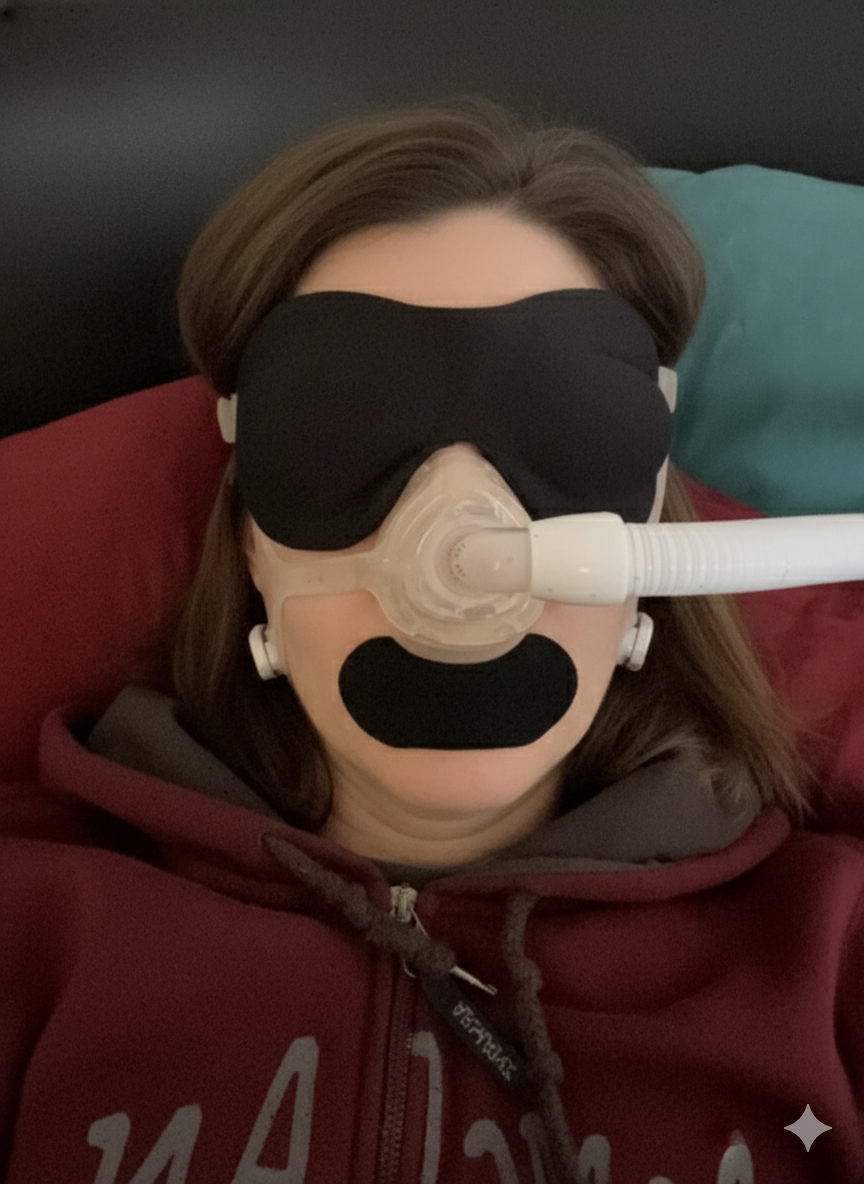
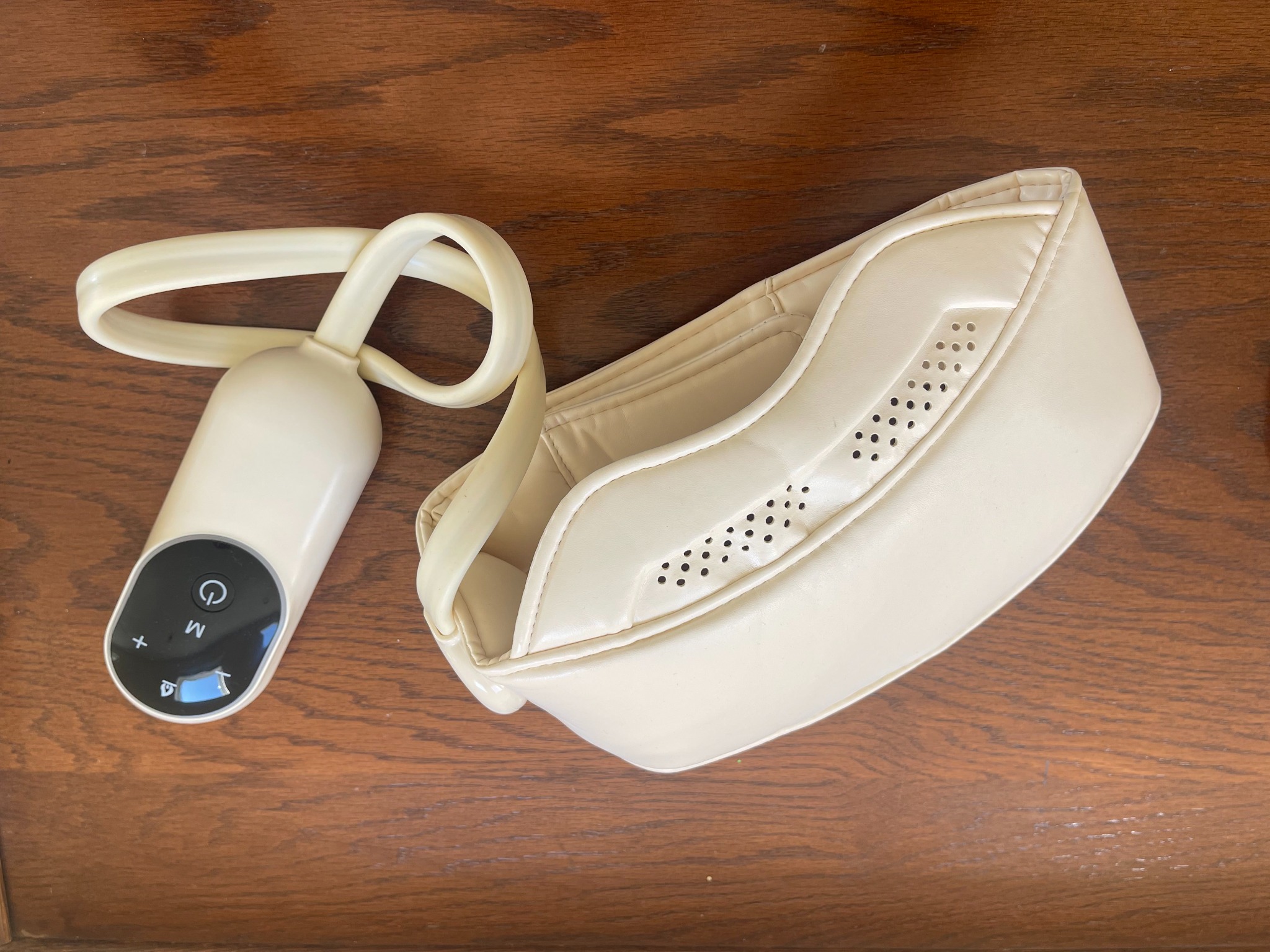
I bought this sleep mask for a flight. Three nights later, it had solved my 18-month insomnia problem. Let me explain. I travel for work about once a month. Usually, I don't sleep on planes. I just close my eyes and suffer through the five hours hoping to doze off for maybe 20 minutes. But this time, I had a morning meeting in Boston the second I landed. I couldn't afford to show up looking like a zombie. So I went to the airport shop and bought what looked like a fancy sleep mask. It was more expensive than the basic ones—around $80—but it had good reviews and something about "gentle massage" and "pressure points." I figured it was worth a shot if it meant I could actually sleep on the flight. I put it on after takeoff. Turned on the gentle vibration setting. And something happened that hadn't happened in months. My shoulders dropped. Not because I told them to. They just... released. The gentle pressure around my temples felt like someone was holding my head. Grounding me. My breathing slowed without me trying to do breathing exercises. The usual racing thoughts about my presentation, my inbox, everything I needed to do when I landed? Still there. But distant. Like background noise instead of a screaming alarm. I don't remember falling asleep. One moment I was noticing how different my body felt. The next moment, the flight attendant was telling me to put my seat up for landing. I'd slept for four hours straight. On a plane. Something I hadn't done in years. I thought it was a fluke. Maybe I was just that exhausted. But the next night, back home in my own bed, I put the mask on again. Same thing. Asleep in less than ten minutes. Seven hours straight. The third night, same result. That's when I started researching what was actually happening. Because for the past 18 months, I'd been trying everything to fix my insomnia. Magnesium that gave me vivid nightmares. Melatonin that worked for two weeks, then stopped. L-theanine, GABA, CBD oil, ashwagandha. Sleep hygiene rules that turned bedtime into an anxiety-inducing checklist. Meditation apps that just made me more aware of how NOT relaxed I was. Nothing worked. And now, accidentally, a sleep mask I bought for a flight was working better than everything I'd tried for 18 months. I needed to understand why. That's when I found the research about how chronic stress rewires your nervous system. When you're chronically stressed—and chronic insomnia IS chronic stress—your body gets stuck in fight-or-flight mode. Even when there's no threat. Even when you desperately need rest. Your nervous system starts treating bedtime like a crisis situation. Your brain thinks it's protecting you by staying alert. That's why telling yourself to "just relax" doesn't work. You can't logic your way out of a nervous system response. And here's what finally made sense: All those supplements I'd tried? They work on brain chemistry. Magnesium might relax your muscles. Melatonin might make you drowsy. But they don't interrupt the nervous system signal telling your body you're in danger. Your muscles might be relaxed, but your autonomic nervous system—the part you can't control—is still activated. Still releasing stress hormones. Still keeping you alert. Still treating bedtime as a crisis. That's why the supplements failed. I was trying to chemically override a biological survival response. But this sleep mask was doing something different. The research explained that specific acupressure points around your temples and scalp are directly connected to your parasympathetic nervous system. The part that controls your "rest and digest" mode. When these points receive gentle, sustained pressure—like what the mask was providing—they activate your parasympathetic nervous system. They send a physical signal to your body that it's safe. That it's okay to power down. It wasn't about blocking light. It was about the pressure. The gentle vibration hitting the exact points that tell my nervous system to switch from "danger mode" to "rest mode." I'd accidentally bought a mask that was doing what 18 months of supplements couldn't: Interrupting the stress response at its source. Not trying to chemically override it. Not trying to force my body to relax. Just giving it the physical signal it had been desperately waiting for. I kept using it every night. By week two, my husband noticed. "You're not tossing and turning anymore," he said one morning. By week three, I walked into my therapist's office looking different. She noticed immediately. "You look rested," she said, studying my face. "Are you on something new? Ambien?" I actually laughed. I told her about accidentally buying a sleep mask for a flight. About discovering it worked better than 18 months of supplements. About learning that my problem wasn't chemistry—it was my nervous system stuck in crisis mode. And that gentle pressure on specific points was giving my body the signal to finally let go. She pulled out her prescription pad. Not to write me a script. But to write down the brand of the mask. "I'm going to start suggesting this before medication," she said. "Especially for patients who've tried supplements and they're not working." I wish I'd known 18 months ago that you can't supplement your way out of a nervous system problem. I wish I'd understood that my racing thoughts weren't something I needed to fight. They were just the symptom of a body stuck in fight-or-flight mode. I wish someone had told me that what I needed wasn't another chemical. It was a physical signal. The ironic thing is, I wasn't even looking for a solution when I found it. I just wanted to sleep on a plane. But that $80 purchase at an airport shop ended up solving a problem that 18 months and hundreds of dollars in supplements couldn't touch. Because it addressed what was actually keeping me awake. Not my brain chemistry. My nervous system. I'm sharing this because if you're reading this surrounded by supplement bottles that didn't work, I need you to know something. It's not your fault they failed. You weren't taking the wrong dose or the wrong combination. They failed because they were solving the wrong problem. Your problem isn't low magnesium or low melatonin. Your problem is a nervous system stuck in fight-or-flight mode at bedtime. And you can't supplement your way out of that. But you can interrupt it. With the right physical signal. I discovered this completely by accident on a red-eye flight. You don't have to wait for a random airport purchase. You can give your nervous system the signal it needs tonight. The same signal that finally ended my 18 months of insomnia. Not through another supplement. Through sustained pressure on the points that tell your body it's safe to rest. That's what worked when nothing else did. And it might be exactly what you've been missing.
Like this ad? Make it yours.
Crush rebuilds this exact creative around your product — your brand, your colors, your offer — in about a minute.