
Inactive· since Jul 15, 2026
- 5
- days it ran
- 0
- relaunches
Ad copy
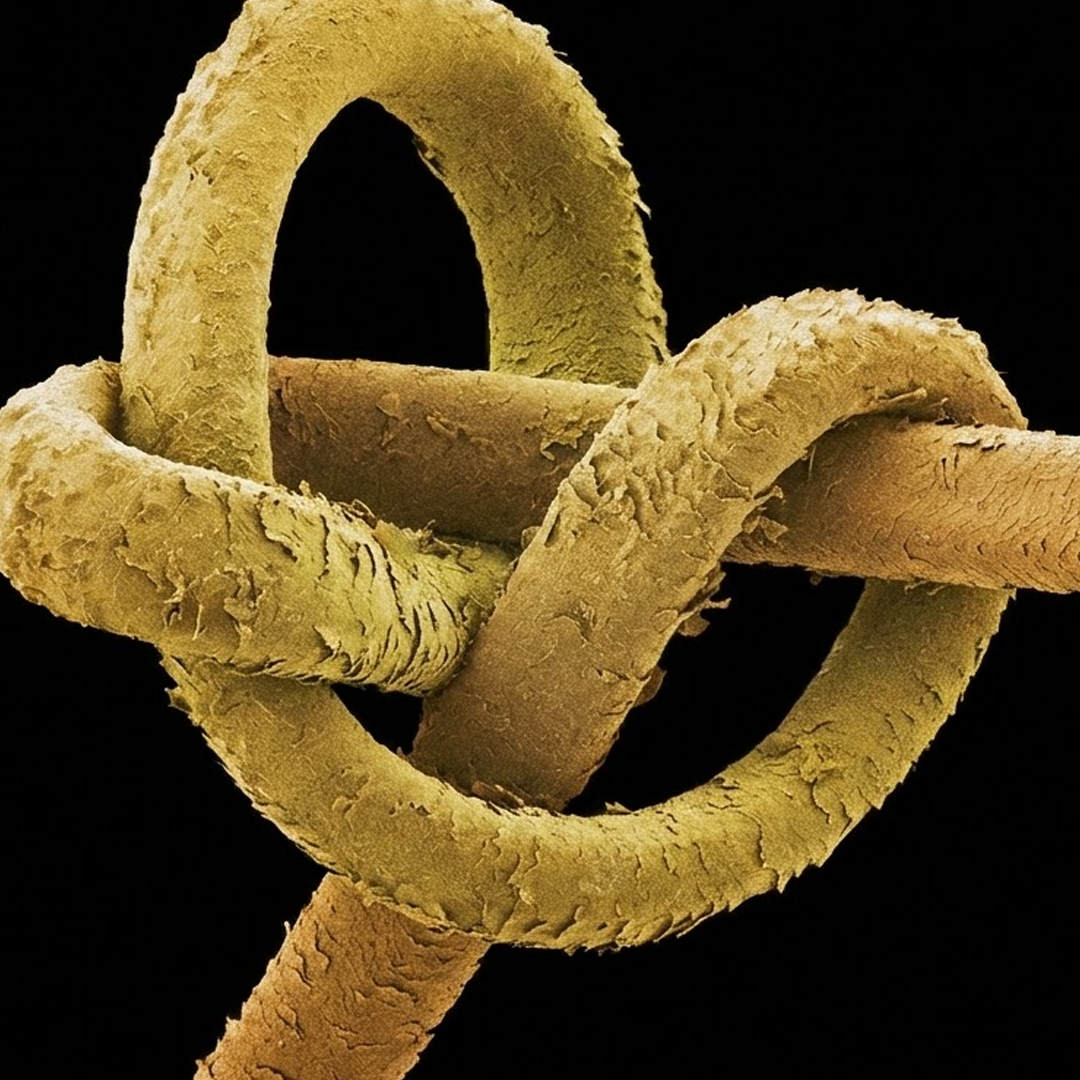
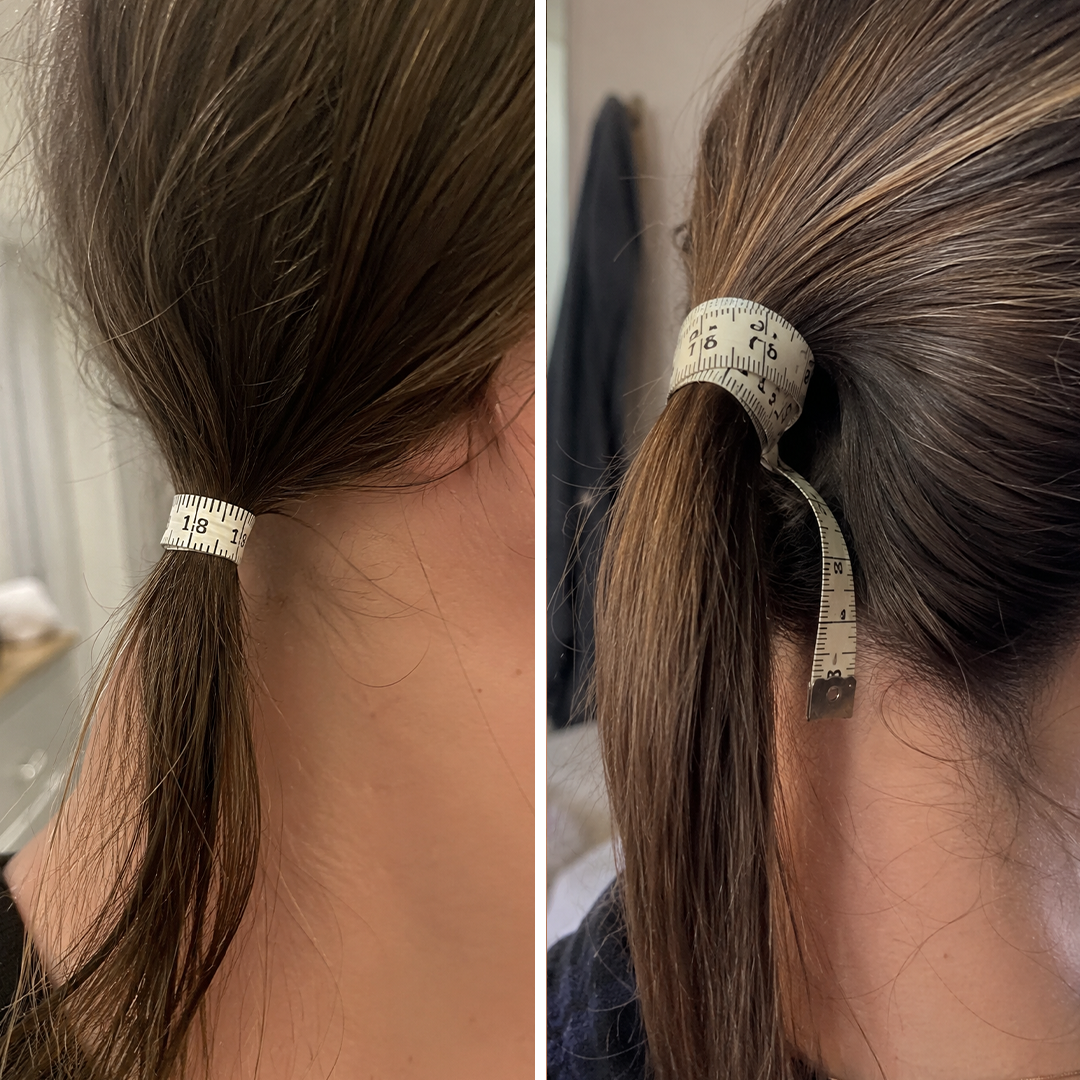
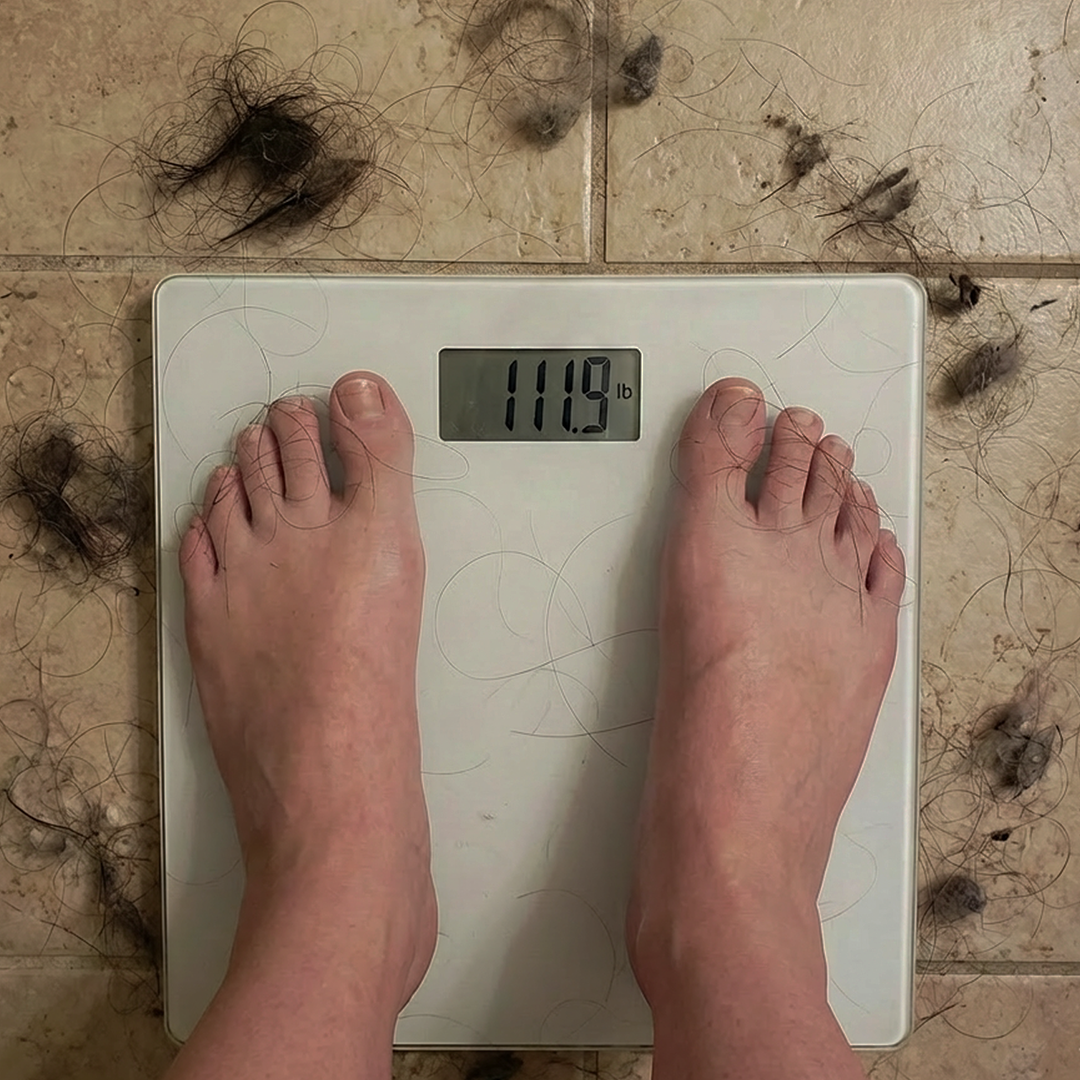
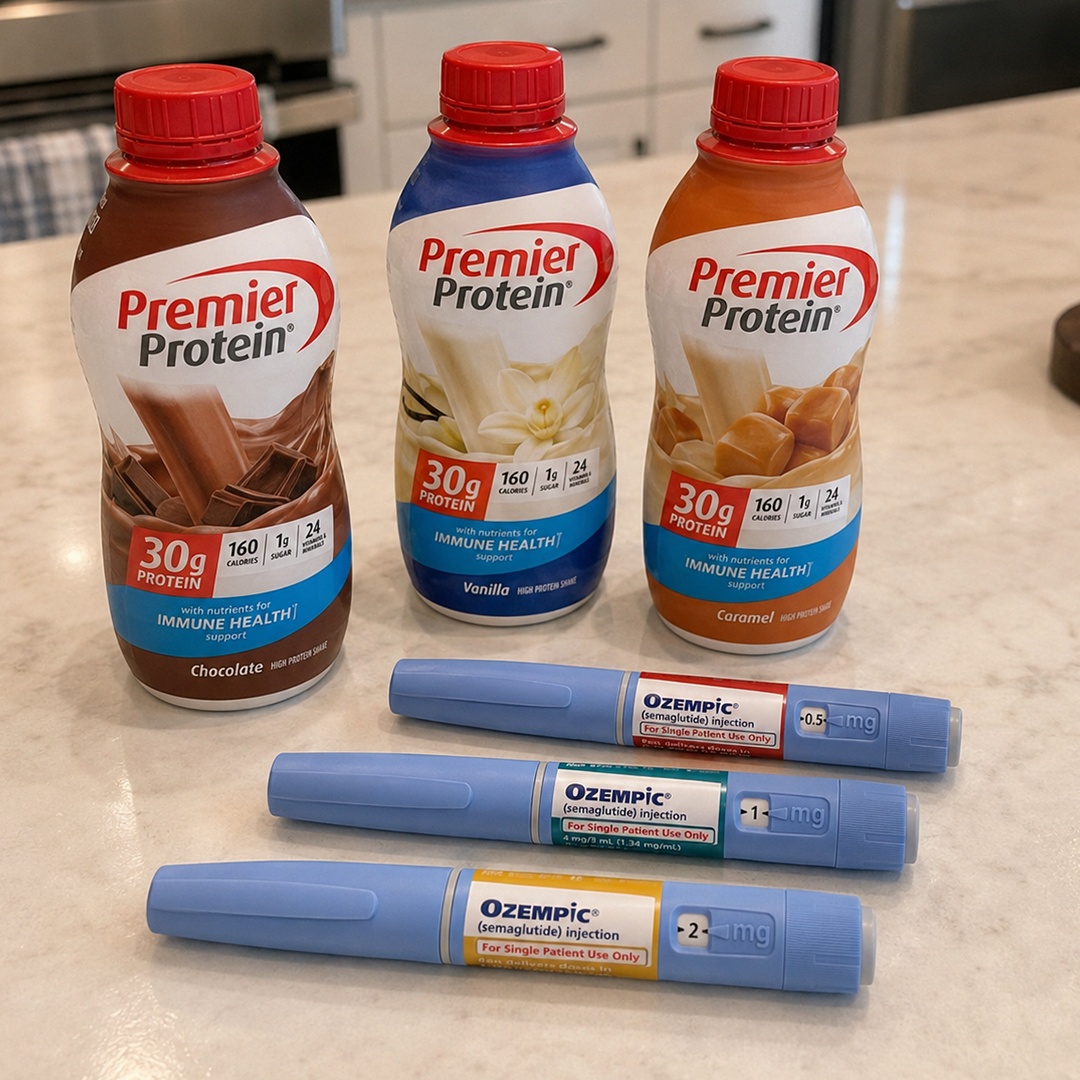
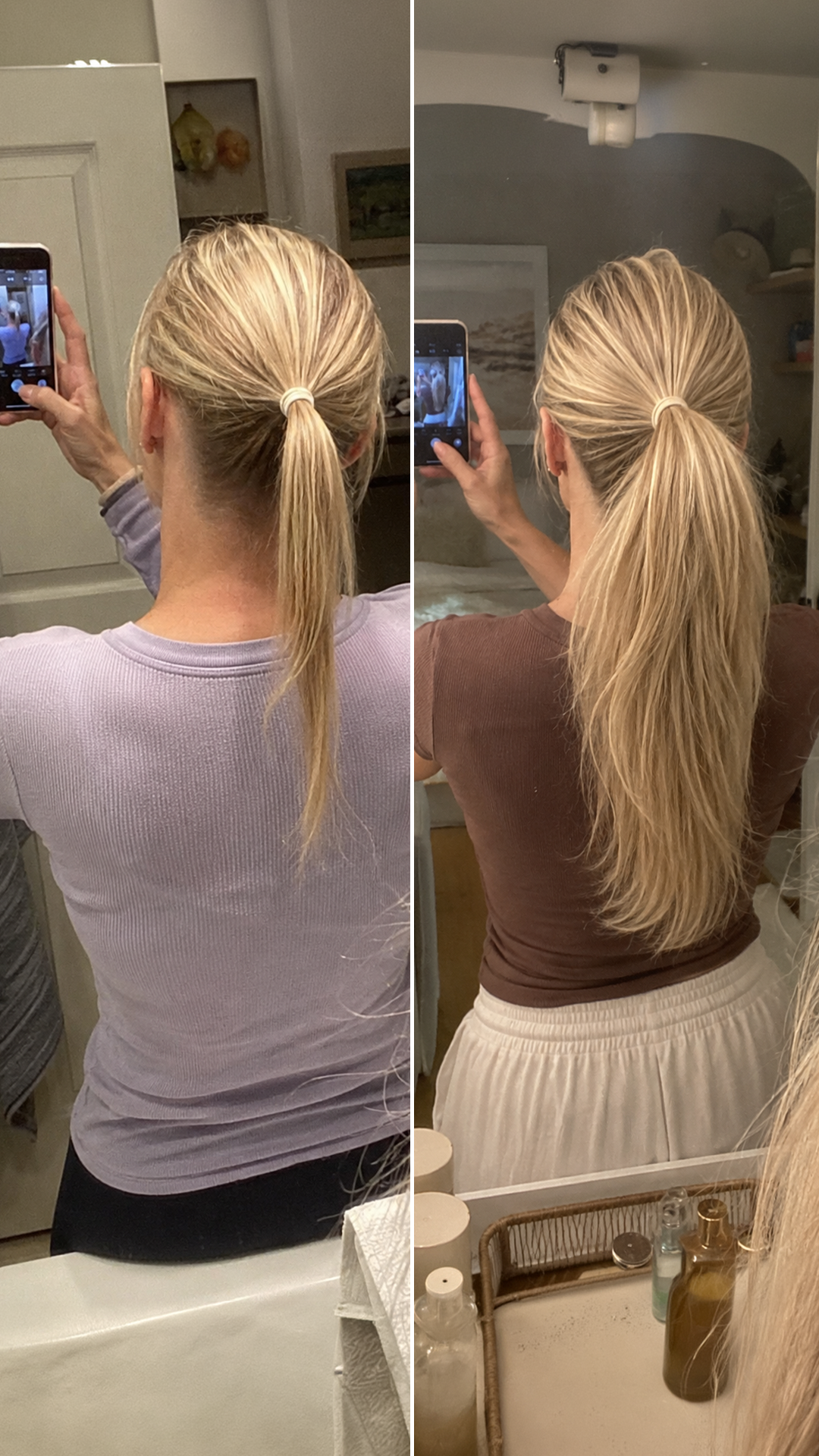
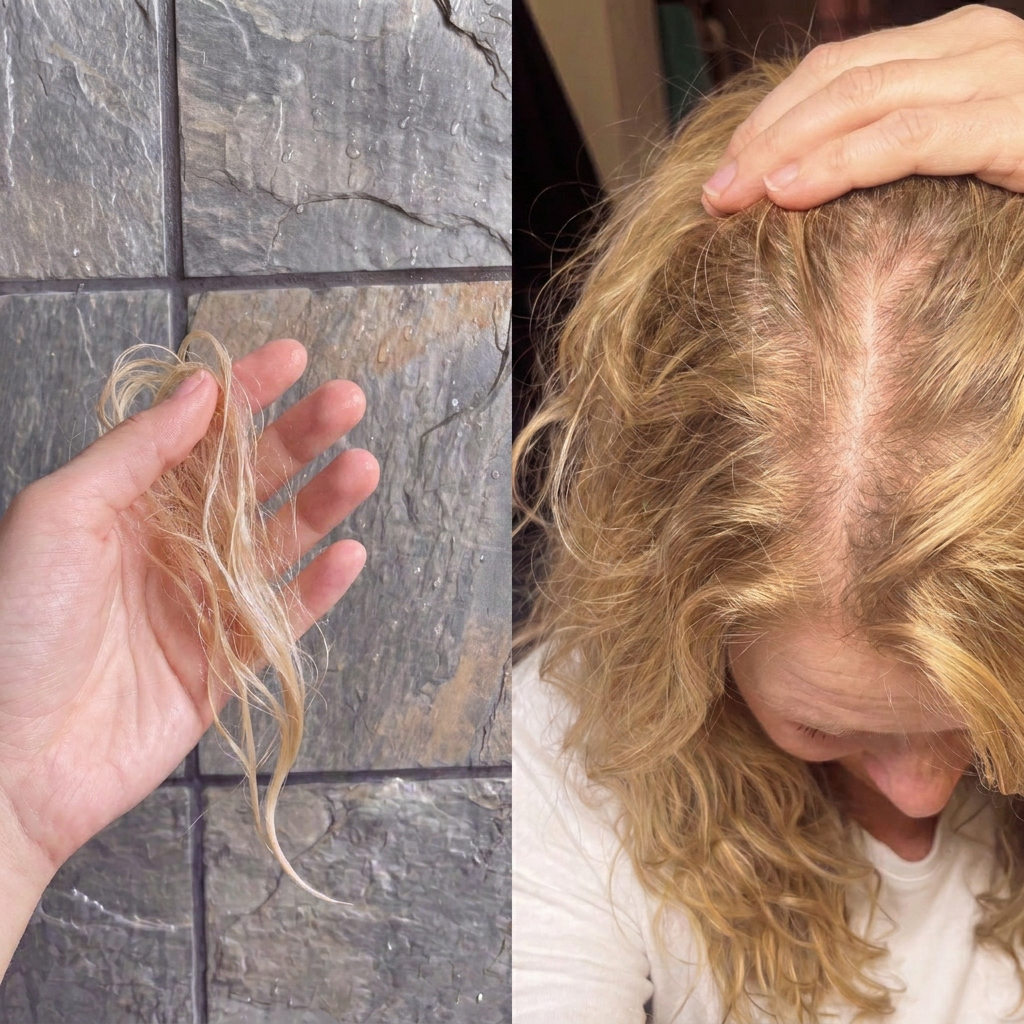
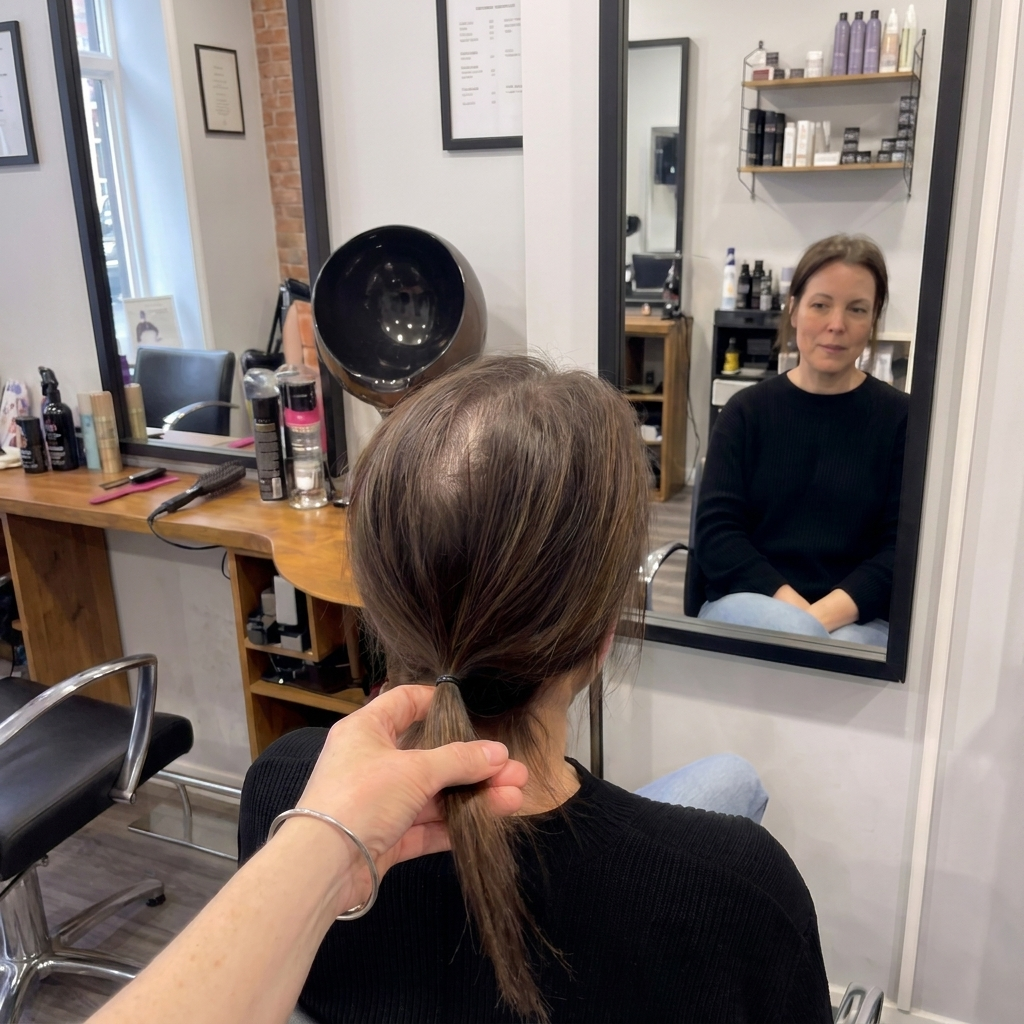
A study of 547,993 women on GLP-1 medications found they had a 62% higher chance of developing permanent hair loss by month six. Let my story be your warning. I fit the exact profile of those half a million women. And I came within a few months of becoming the permanent kind, the kind that doesn't come back, before I understood what was actually happening to me. I want to tell you what that six months looked like. Because if you're on one of these shots and your hair is going, you have a window, and I almost missed mine. Let me back up. The year before this was the best year of my adult life. I'd fought the same fifty pounds for two decades. Every diet, every program, the shame of gaining it all back. Then I started the medication, and for the first time the weight just came off. Fifty-one pounds. My A1C into the normal range. Off two other prescriptions. I loved what I saw in the mirror again. Then, a few months in, I started to lose my hair. Not a little. Handfuls, in the shower, every single wash. My part got wider. The ponytail got lighter in my hand every week. Until one morning I could see my own scalp through my hair. It wasn't vanity. It was grief. I was watching a piece of myself disappear and I couldn't stop it. And everyone had the same comforting answer. It's the rapid weight loss. Make sure you're getting enough protein. Give it time. So I did what you're supposed to do. The hair gummies. The $47 collagen that made me gag. 130 grams of protein a day forced down with no appetite. Months, and more money than I want to admit, on the expensive supplement everyone recommends. And it got worse. Not better. Here's the part nobody warned me about. "Give it time" was the single most dangerous thing I could have done. Because for a lot of women, time is exactly what runs out. That's when I stopped taking advice and started reading. Actual research, not blog posts. And the first thing I found was the study above, the 547,993 women, the 62%, the word permanent. My hands went cold. This fueled me to dig deeper, and after a week or so, I uncovered the fact that explained it, straight out of the drugmaker's own trials. Women lost hair at roughly fourteen times the rate men did. Same drug. Same dose. Fourteen to one. And women lose weight slower on these drugs, not faster. So if it were the calorie deficit, men should be losing more hair, not less. It's flipped. It was never the food. Here's what's actually happening, the way I wish someone had explained it. Your hair follicles don't run on protein. They run on a signal. Deep at the root of every hair, there's a little control center called the papilla, and its whole job is to send a "keep growing" signal that tells the follicle to hold its hair and build the next one. A GLP-1 turns that signal down. Not because the drug is bad, but because of how it works. It changes how your body rations energy, and one of the quiet places it pulls back from is that little signal factory at the root. The message gets fainter and fainter. So the follicle lets go of the hair it was holding. That's your shower drain. And then, without the signal, it doesn't build the next one. It just goes quiet. Dormant. Paused at a switch that's been turned off. Here's the part that matters most, so I'll say it plainly. Your follicles did not die. They went to sleep. The hair you've lost since you started the shot? Those follicles are almost all still there. Still alive. Just paused, waiting for a signal that stopped coming. And now you understand why nothing I tried could have worked. Protein is good advice, it's just not hair advice. A pill you swallow can't reach into a single follicle and flip a switch back on. It's aimed at a different layer of the problem entirely. But this is where the warning becomes urgent. A resting follicle you reach in time wakes up. One you leave too long doesn't. Every month those follicles sit silent, a few more slip from the sleeping kind that can be woken to the lasting kind that can't. That's what "permanent" in that study meant. The 62% wasn't a scare number. It was a clock. The follicles on your head right now are still wakeable. The only question is for how much longer. So when I found the thing that could actually send that signal back, I didn't wait another day. It was built by a dermatologist. Dr. James Kilgour, board-certified, Stanford-trained, who spent eighteen months building a protocol for exactly this, women losing their hair on a GLP-1 and being told to quit the drug or take more biotin. And he didn't run a survey. He sent his protocol to an independent lab, Dermaclaim, and had them count the shedding by hand. Every strand off a clinical brush. Every strand off a clinical wash. Before and after. Wash count down 68%. Brush count down 60%. And 95% of the women had stopped shedding by week six. Peer-reviewed and published in the Journal of Drugs in Dermatology. Counted hairs, an outside lab, in print. Not a survey. One serum. Sixty seconds before bed. Topical, no interaction with the medication. It's called KilgourMD. Here's what happened to me. Week one, nothing, and I want you to expect that. Week three, the wad of hair I'd peel off the shower wall was smaller, then one morning there was almost nothing in my hand. Week six, the part stopped widening, and there were tiny baby hairs along my hairline, standing up when I pulled it back. By week twelve, the ponytail had weight in my hand again. A rope instead of a paintbrush. I'm still on my medication. I never gained back a pound. I got to mine in time. That's the whole reason I'm telling you this. The women in that 62% didn't get a warning. You just did. You've got two roads. Change nothing, and the signal stays off, and the part that's widening keeps widening, month three to month six to the one-year mark, until the resting follicles slip past the point where they can be woken. That's the road where "permanent" stops being a word in a study and becomes the top of your own head. Or give the signal back. Keep your shot, keep every pound you lost, and hand your follicles the one thing they've been missing, a minute a night, while the window is still open. And you don't have to take my word for it. Dr. Kilgour gives you 90 days. Use it every night, and if your part isn't filling in, one email gets every penny back. You keep the bottle. That's his risk, not yours. The follicles are still wakeable. For how much longer, I can't tell you. That's why I stopped being quiet. Don't give it time. Give it the signal. Start tonight. I've linked it below. Just click Learn More. P.S. Yes, you keep the weight. This has nothing to do with your medication and it won't touch your results on the shot. Quitting a medication that fixed your health to save your hair is, in the words of the experts, the single biggest mistake a woman in your position can make. The weight comes back. The hair doesn't. You don't have to choose.
Your hair might not grow back
Dermatologist-developed, the best hair growth products for thinning hair. Reduce hair fall by 30% in two months, and stimulate hair follicle growth by 200%. No known side effects.
LEARN MORELike this ad? Make it yours.
Crush rebuilds this exact creative around your product — your brand, your colors, your offer — in about a minute.