
Inactive· since Jun 18, 2026
- 10
- days it ran
- 1
- relaunches
Ad copy
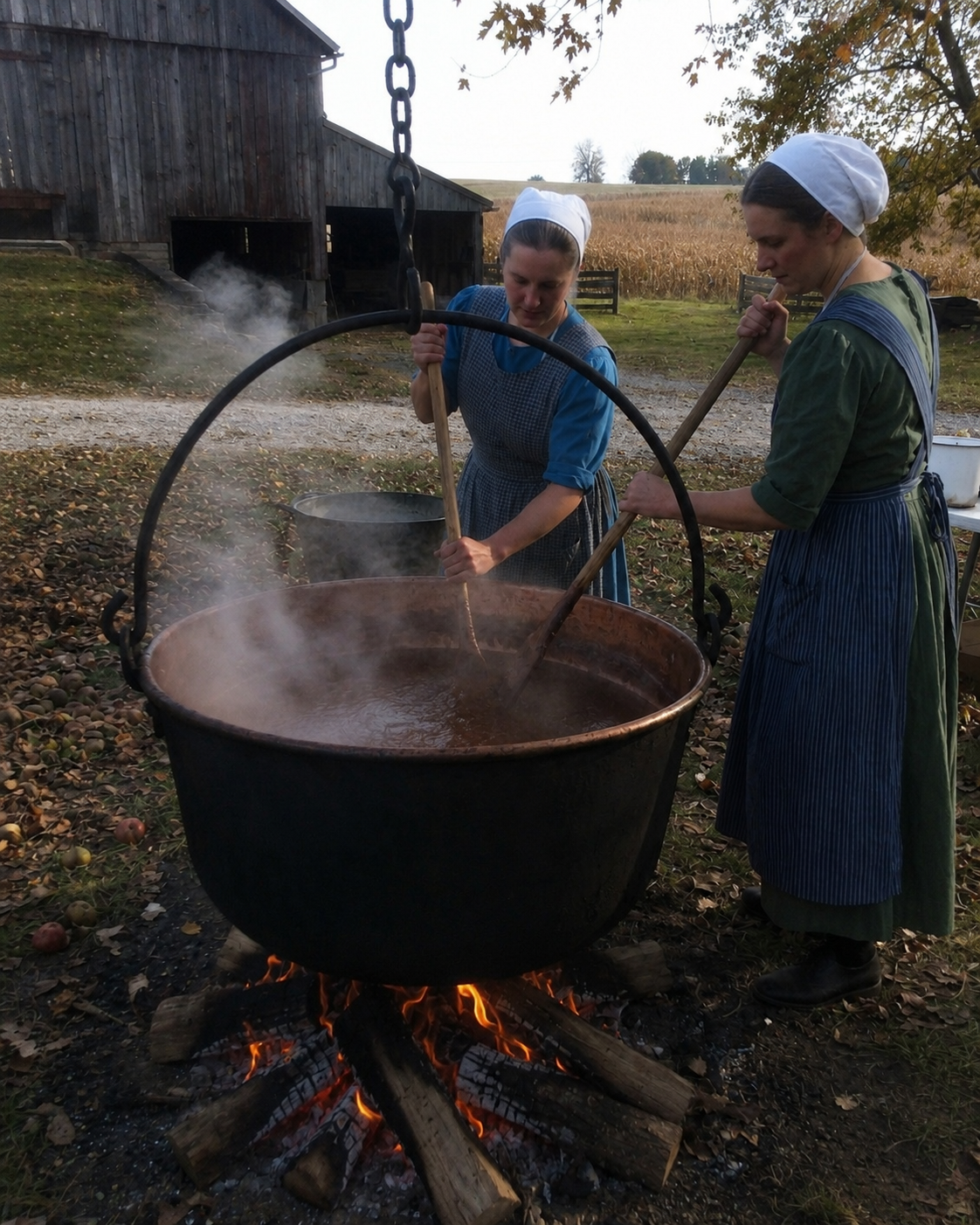
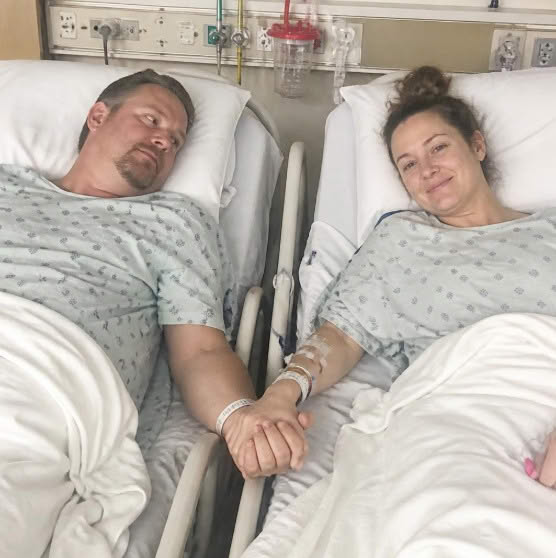
You can divorce a husband who cheats. You can walk away from one who lies. You can't divorce a man who betrays you after you've given him your kidney. I need to tell this in order because if I skip ahead I'll lose my nerve. I met David when I was 29. Married him at 32. Had Ella at 35, Max at 38. Normal life. Happy — or what I thought happy looked like. David was diagnosed with chronic kidney disease four years ago. Stage 4. His kidneys were failing and without a transplant, he was looking at dialysis for the rest of his life. I got tested. Perfect match. I didn't hesitate. Not for a second. That's what you do when you love someone. You don't weigh the risks. You don't calculate. You just say yes. The night before surgery, I lay next to him in our bed. He was already asleep. I ran my hand over my left side — over the skin that would be opened in twelve hours. The kidney underneath it had been filtering my blood since before I was born. It had been mine my entire life. And tomorrow I was giving it away. I wasn't scared. Not at all. I was certain — the way you're certain about feeding your children, or locking the door at night. It wasn't bravery. It was just what needed to happen. The surgery was eight hours. Recovery was something nobody prepares you for. Not the pain — I expected that. It was the helplessness. The absolute dependence on other people in your own home. Max was four. He didn't understand why I couldn't pick him up. He'd stand at the side of my bed with his arms raised, fingers opening and closing, making that sound — not crying exactly, more like a whimper that builds into a wail when you don't respond. I'd look at David's mother and she'd scoop him up and carry him out of the room while I pressed my face into the pillow so he wouldn't hear me. Six weeks before I could lift my own son. Ella was seven. Old enough to understand that mommy had surgery. She started bringing me glasses of water without being asked. Setting her stuffed animals on my nightstand. Standing in the doorway checking on me the way I used to check on her. My seven-year-old was mothering me because I'd chosen to save her father. Then David's body started showing rejection signs. Fever spikes at 2 AM. I'd hear the alarm on his medication timer — I'd set it myself, programmed into my phone because he'd sleep through his own — and I'd get up, still sore from the incision, still moving like my body was held together with tape. Walk to the kitchen. Count out the pills. Bring them to him with water. Check his temperature. Write it in the log the transplant team required. His body. My organ. My alarm. My log. For eleven months, I managed his recovery like a second job. His medication schedule. His dietary restrictions. His follow-up appointments — I drove him to every single one because the anesthesia had done something to his confidence behind the wheel and he wasn't ready. I reorganized my work schedule three times. My manager stopped asking why and started approving the requests with a look that said she felt sorry for me. For eleven months, my life was his body. And then his follow-ups started coming back good. Great, actually. GFR holding strong. The kidney was thriving. My kidney, inside him, doing exactly what it was supposed to do. I thought the worst was behind us. That was the part I held onto. He'd come through it. The kidney was thriving. We'd survived the thing that was supposed to take him from me. I thought the danger was behind us. I had it exactly backwards. The disease wasn't finished with him. It had just stopped going after the kidney and started going after the rest of him — and it moved so slowly that for almost a year I kept giving it other names. I called it tired. He'd come home from work and lower himself into the same chair and not get up — not to eat, not to help with the kids, not for anything. The man I married used to come through that door loud, hauling Max off the couch by his ankles, asking Ella to show him what she'd built that day. Now the house just went quiet around him. I'd be talking and look over and find him staring at a spot on the wall. I called it a phase. The fishing rods that had ridden in the bed of his truck every summer since Max could walk went out to the garage one spring and never came back in. The first time he said "maybe next weekend," I believed him. By the third time, we both knew it was a thing that was never going to happen — and neither of us said so. I called it stress. He stopped calling his brother. He stopped fixing things — and you have to understand who David was: he fixed everything, it was how he said I love you. He'd find a loose cabinet hinge under his hand and it would be tight by morning, before I even knew it was broken. That year a hinge came loose in the kitchen and it stayed loose. He walked past it every day like he couldn't see it. I kept waiting for him to come back around. He didn't come back around. He just got quieter, and grayer, and further away, month after month, until I was sharing a bed with a man who felt like a photograph of himself. I thought I was losing him to something in his head. It never once occurred to me to look at his blood. And then I came home early on a Thursday. I'd stopped at the store on the way — the things on his renal diet, a bottle of the sparkling water he liked. I had it in my head that I'd cook the dinner he was allowed, sit him down, and reach him one more time. Find whatever was left of the man in there and pull it back up to the surface. He was standing at the kitchen counter with a glass of whiskey in his hand. He wasn't allowed whiskey. Not with a transplant. And it wasn't his first — I could see it in the loose way he stood. Behind him, his pill organizer sat open on the windowsill. Monday. Tuesday. Wednesday. Thursday. Every slot still full. Four days of the one pill that kept his body from rejecting the kidney — my kidney — sitting there untouched while he drank. He looked up. He watched me see the glass, then the pills, then put it together. And he didn't flinch. He didn't set the glass down. He didn't reach for the pills. He looked at me with about as much feeling as a man watching rain through a window. "It's handled," he said. "Numbers are fine. Doctor said so." And he turned back to the window and took another sip. I stood in my own kitchen with a grocery bag cutting into each hand, and the thing I'd spent a whole year refusing to see finally came clear. He wasn't a man being careless with something precious. That I could have fought. A careless man you can shake awake. He was a man who had stopped wanting things. The disease hadn't only gone after his kidney — it had gone after him, the part of him that fished and fixed and laughed and reached for me in the dark, and the medication had managed the number on the chart while that man quietly drained out of his own body. He didn't fight to protect the kidney because he wasn't fighting to protect anything. There was no one in there left to fight. And here is the thing I have never said out loud until now. I didn't care about the kidney. I know how that sounds, after everything. But it was never the organ. The organ was just the clearest proof of how far gone he was — that a man could be handed a piece of his wife's body to keep him alive and not even reach out a hand to hold onto it. That's not about a kidney. That's a man who has left while his heart is still beating. I wasn't grieving an organ. I was grieving my husband, sitting four feet away from me, gone. That kidney loved him more than he could feel anymore. So did I. One night, after the kids were asleep, I sat on the edge of our bed and let myself feel the whole size of it. I'd already lived the end of this once — the hospital smell, the gray, slipping man he'd been before the transplant. I knew exactly what was coming, because I'd already nursed him to the edge of it. And I knew who'd be nursing him through it again. Three sessions a week. Four hours each. A man tethered to a machine while his blood ran outside his body, for the rest of our lives. But even that wasn't the part that frightened me most. Dialysis would just be the body finally catching up to where the rest of him had already gone. I'd watched the husband leave a long time before any machine could. That was the thing I couldn't accept. Not the dialysis. The disappearing. The kids growing up with a father who was technically in the room. Me growing old next to a man I'd already lost while he was still breathing. So I stopped just watching. I wasn't trying to save a kidney. I was trying to get my husband back — and the kidney, the numbers, the doctor, all of it, was just the path back to him. I made an appointment with his transplant nephrologist. I made it. He didn't argue — he didn't have the fight in him to argue. Dr. Navarro pulled up his labs and I watched her face change. "GFR 51. Down from 55 six months ago. Down from 62 the year before that." She turned the screen toward us. I could see the line on the chart — each dot lower than the last. A downward slope with no sign of leveling off. "David, the transplanted kidney is under strain. It's still working — but the hyperfiltration is causing damage to the tissue faster than I'd like." "What kind of damage?" I asked. He wasn't asking. He was looking at his hands. She leaned forward. Drew a small circle on her notepad. "The kidney has millions of tiny filtration units called glomeruli. Think of them like a water filter — like a Brita filter, but microscopic. Millions of them, inside the kidney, constantly filtering waste from the blood." She tapped the circle. "When those filters are under strain, the body produces more free radicals — the most destructive ones we know of." "What do they do?" "Think of them as bleach running through your water filter. They corrode the mesh. They eat tiny holes in the filtration membrane. At first you don't notice — the kidney still works. But the holes get bigger. More waste slips through. The GFR drops. And the damage accelerates, because the more damaged the filters get, the harder the rest have to work, which produces more of the corrosion, which—" "Which corrodes more," I said. "Exactly. It's a cycle. And once it's accelerating, it's very difficult to slow down." I sat with that for a moment. "The tiredness. The puffiness. The way he's breathing. Is that—" "Yes. That's the kidney struggling to filter properly. The waste that should be getting cleared is building up. Not at a dangerous level yet. But enough that he's feeling it — whether he admits it or not." The exhaustion. The fog. The grayness I'd been blaming on him — on his giving up, on the drinking — was the waste his own body could no longer clear, building up and weighing him down. The thing I'd been treating as a character flaw was a kidney drowning. And the drinking, the skipped pills, the not-caring — those weren't the cause. They were just what a man does when he's slowly being poisoned by his own blood and nobody can tell him why. "So what do we do?" I asked. She exhaled. "I can manage the pressure with an ACE inhibitor. That reduces the workload on the filters — turns down the water pressure, essentially. And I can monitor his GFR every six months." "But?" "But I don't have anything in my toolkit that stops the corrosion itself. The oxidative damage is happening at a level my medications can't reach. I can turn down the pressure. I can't neutralize the bleach." I drove us home. He was quiet in the passenger seat — the same seat I'd driven him to a hundred appointments in. I sat in the driveway after he went inside, engine off, hands on the wheel. She'd told me exactly what was killing the kidney. Named it. Drew a picture. And then told me she couldn't stop it. That night I sat at the kitchen table. The same table where I'd organized his medication schedule after the transplant. Where I'd spent hours researching kidney disease when it was his diagnosis the first time. Where I'd printed out dietary protocols and post-surgery care plans — all for him. Now I was sitting there with a napkin. Doing math. GFR dropping 4 to 5 points every six months. Stage 3b in a year. Stage 4 in two and a half. Dialysis in three. Max would be ten. Ella would be thirteen. I pressed my palms flat on the table and stared at those numbers until they blurred. There was a date on a chart now for the day the machine took over. But all I could see behind the numbers was the man in the recliner who didn't fish anymore, didn't fix anything, didn't reach for me — and how little time was left before even that hollow version of him was gone too. The next morning I did what I'd done for eleven months when it was his body failing the first time. I researched. But first I started with what I could control. I cut the alcohol out of the house. Quietly. I put his pills back on the schedule and I stopped asking and started handing them to him. I pulled up the same renal diet I'd built for him two years earlier — the same bookmarks, the same meal-planning spreadsheets — and started cooking from it again. That felt like something. But none of it could touch what Dr. Navarro had described — the corrosion at the cellular level, the bleach eating through the mesh. I could turn down his drinking. I couldn't stop the damage. So I researched. I joined three Facebook groups for people with chronic kidney disease and transplant recipients. I scrolled through them late at night after the kids were asleep — hundreds of posts about GFR numbers, medication side effects, dialysis logistics, transplant waitlists. Most of it was people in the same situation we were in, asking the same questions nobody was answering. Then one night I saw a post that stopped me. A woman wrote that her husband's GFR had stabilized after fourteen months of steady decline. She posted his labs. Before and after. The decline had stopped and reversed by three points. She said the only thing they'd changed was adding a specific kind of beetroot. I almost scrolled past it. I'd seen supplement claims in these groups before. Somebody's always pushing something — kidney detox tea, alkaline water, turmeric, cranberry capsules. None of it ever came with a mechanism that made sense. It was always just "this worked for us" with no explanation for why. But her numbers were specific. Her timeline was specific. And her situation — a transplanted kidney under strain, GFR in the fifties and dropping — mirrored ours too closely to ignore. I started reading. Not the wellness blogs. The actual studies. What I found was that the body has its own defense against that corrosion — a class of antioxidants powerful enough to neutralize those exact free radicals. And one of the richest sources of them in the entire food supply is the deep purple-red pigment in beets. It's called betalains. Betalains neutralize the corrosive free radicals — the bleach Dr. Navarro told me she couldn't stop. They reach the damage at the level her medications couldn't. But there was a second piece, and this was the part that made me sit up. Beets are also the richest dietary source of nitrates, which the body converts into something called nitric oxide. Nitric oxide relaxes the blood vessels and turns down the pressure — the exact same job the ACE inhibitor does. The same job. I read that three times. One thing — the right beet — did both. It neutralized the corrosion Dr. Navarro said she couldn't touch. And it turned down the pressure her drug was for. One did what her medication did, and the one thing her medication couldn't. I printed out the studies and brought them to David's next appointment. Dr. Navarro read through them at her desk. Turned pages. Went back to the first one. Read a section again. I sat in the chair and waited. She looked up. "The mechanism is sound. Betalains are one of the most studied antioxidant compounds there are — and yes, they target the kind of oxidative damage we're seeing. There's good data on the dietary nitrates and vascular pressure as well." She paused. "And there's recent kidney-specific work. A large trial — over six hundred patients with reduced kidney function — found that dietary nitrate, the compound beetroot delivers, cut kidney injury by about seventy percent and major kidney events by sixty-two percent over the following year." She set the papers down. "There are no contraindications with his current medications. No interaction with the ACE inhibitor. I can't prescribe this — it's not a pharmaceutical. But the research is compelling, and I don't see a downside." "If I find the right one — what should I look for?" "Concentration. The studies used real doses. Most of what's on the shelf is barely beetroot at all. If you find something that matches what's in this research, I want to see his labs in six weeks." That night I had my laptop open at the kitchen table. The same thoroughness I'd once poured into saving David's life, I was now pouring into it again. The same late nights. The same tabs open until 1 AM. The same obsessive need to understand every piece before trusting it. The first product I found was on Amazon. Top-selling beetroot supplement. Over four thousand reviews. 4.6 stars. Clean packaging. The label said "high potency beetroot." I added it to my cart. Then I did what most people don't. I searched the brand name plus "independent lab test." Three pages into the results, I found a forum where someone had actually sent a sealed bottle to a third-party lab. The active compounds at the point of absorption were a fraction of what the label claimed. Not even close. The reviews were real — people genuinely believed it was working. But they were swallowing a trace amount of the actual compound and attributing every good day to it. That's when I learned why. Most beetroot you can buy is red dust. Modern beets have been bred for sugar content for over a century — bred to be sweeter, redder, to last longer on a shelf. Nobody was measuring the betalains or the nitrates. The thing that was once medicine got bred into candy. Some grocery beets are ten percent sugar now. Bright red on the outside. Hollow on the inside. And the few supplements that start with a real beet ruin it anyway — they spray-dry it at high heat, and heat destroys both the betalains and the nitrates. What comes out the other side is red dust that says "beetroot" on the label and does nothing in the bloodstream. I closed the tab. Removed it from my cart. There was a kidney inside my husband that I had grown in my own body. I was not going to throw a trace amount of anything at the corrosion destroying it and hope for the best. I kept looking. And I found that there's one strain that was never part of any of that. An heirloom seed line — never hybridized, never bred for sugar — grown by an Amish farming community in Lancaster County, Pennsylvania. Six generations on the same fields. Same seeds. Same soil. No chemicals. They harvest after the first frost, when the plant pulls everything down into the root, and the beets come out dense and almost black on the inside. Around ten times the betalains and nitrates of a grocery beet. Lancaster County. Cardiovascular death rate seventy-four percent lower than the rest of the state. There's one company that works with those farmers and that seed line. They cold-extract — no heat, so the compounds survive. 1,300 milligrams of organic beetroot per capsule, standardized to clinical levels. Third-party tested, with the certificate of analysis published. One in the morning. One at night. Rosabella. I ordered it that night. Same kitchen table where I'd done the math on the napkin. Same seat. Different math. The bottle arrived on a Tuesday. I set a glass of water on the table next to his dinner that evening and put one capsule beside it. "What's this?" he said. "Something new. Just take it." "What is it?" "David. Just take it. For me." He looked at me. Looked at the capsule. Picked it up and swallowed it with the water. The kids were finishing their food. The house was normal. I didn't expect anything. I'd been disappointed too many times — by his choices, by the doctors, by watching the numbers fall. Expecting nothing was safer. About seventeen minutes later, he set down his fork. "Huh," he said. "What?" "Nothing. My head just — I don't know. It's a little clearer. Like someone cleaned a window." He went back to his plate. I sat very still, waiting for it to fade. It didn't. He slept through the night. He'd been getting up three, four times — none of it real rest. That night, nothing. He slept straight through. The next morning he was at the breakfast table before me. Not dragging himself there. Up, clear-eyed, talking. I made that the day I stopped waiting and started tracking. The first week, the exhaustion changed. Not gone — two years of this don't lift in a week. But the gray, heavy fog he moved through every morning thinned. He was tired at the end of the day instead of drained at the start of it. Then the man started coming back. He finished a story at dinner — the whole thing, start to end, the way he used to before they all began trailing off into nothing. A few nights later he laughed at something Max said. An actual laugh, from the chest. I'd forgotten the sound of it. I had to look down at my plate. The swelling took longer. About two weeks before his face looked like his face again — the puffiness around his eyes gone in the mornings. His wedding ring, the one he'd had to leave on because his fingers had swelled around it, started turning loose on his hand again. But I didn't trust any of it. Not yet. I'd watched his numbers look good before, right after the transplant, in the months before the disease started pulling him under. I knew bodies can lie. That good days don't mean good trends. The numbers were what mattered. Everything else was anecdotal. Six weeks. Follow-up labs. I sat in Dr. Navarro's waiting room and counted the tiles on the floor. My hands were cold. I'd been here before — the waiting room, the anticipation, the fear of a number on a screen. The nurse called him back. Drew blood. We waited. Forty minutes. Dr. Navarro came in with her laptop. Pulled up his chart. "GFR: 51." The same as last time. Not higher. But not lower. She scrolled back through his history. The downward slope. Each dot lower than the last. Eighteen months of steady decline. And then — a flat line. A hold. "For the first time since the transplant started slipping, the decline has stopped." I nodded. My throat was too tight to speak. "His creatinine has stabilized. The oxidative markers are trending down. The hyperfiltration stress appears to be reducing." She looked at us. "This is encouraging. I want to see him again in six weeks." I made it to the parking lot before I cried. Not relief. Not exactly. More like setting down something unbearably heavy you've carried so long you forgot it had weight. The number didn't go up. But it stopped going down. And after eighteen months of watching him slip — the chart and the man both — a plateau felt like a miracle. He kept taking it. Morning and night. I didn't have to hand them to him anymore — he reached for them himself. And as the fog kept lifting, the rest of it came back without a fight. The drink on the counter just stopped appearing. The anti-rejection pills got taken without me counting the organizer. Not because I'd nagged him into it. Because a man who can feel his own life again starts wanting to keep it. That was the whole thing, in the end. He'd stopped protecting the kidney because he'd stopped wanting anything. Give him back the wanting, and he protected it himself. Three months from the first dose. Follow-up labs. This time I read a magazine in the waiting room. An actual magazine. My hands weren't shaking. Dr. Navarro pulled up the chart. Stared at it. Scrolled back through the eighteen months of decline, the plateau at six weeks, and then— "GFR: 54." She blinked. Clicked something. Scrolled again. "That's a three-point increase." She ran the test again. Left the room. Came back twenty minutes later. "54. Confirmed." She sat down and pulled the laptop onto her knee. I watched her scroll through the whole timeline — the baseline, the decline, the acceleration, the plateau, and now an upward turn. "The oxidative markers are down significantly. Creatinine is improving. The filtration is trending the right direction." She looked at us. Not with enthusiasm. With the careful, measured expression of a doctor seeing something she didn't predict and doesn't want to overstate. "Whatever you're doing — keep doing it." She didn't name a supplement. She didn't endorse anything. She looked at the chart and told him to keep going. That was enough. I'm not writing this because of a kidney. I'm writing this because I spent two years watching my husband disappear inside his own body — and I almost let myself believe there was nothing I could do but watch. That the doctor's "we'll monitor it" was the end of the road. That the quiet, gray, given-up man in the recliner was just who David was now, and I'd better get used to him. I sat at that kitchen table and calculated the date he'd be on dialysis. But the date that scared me wasn't on any chart. It was the day I'd stop being able to remember what he was like before — back when he fished, and fixed things, and reached for me in the dark. And then I found a way to bring him back. The same fierceness that made me say yes when he needed a kidney — the refusal to give up on him — I turned it on the thing that had taken him. I couldn't reach him through the fog myself. But this could. And once he could feel his own life again, he wanted it back. He started protecting the kidney not because I asked him to, but because a man who wants to live takes his pills. Last Saturday, Ella had a soccer game. Early morning. Cold. Six months ago David would have stayed home — too tired, too foggy, too gray. Or he'd have come and sat in the car with the heater running, present in body and absent in everything else. Last Saturday he stood on the sideline the entire game. Yelled when she made a breakaway. Picked up Max and held him on his hip so he could see over the other parents. Ella looked over at him after the final whistle. Smiled. The kind of smile a kid gives her dad when her dad is standing where he's supposed to be. That night he read Max three chapters of his book. Not one. Three. Because Max asked, and because he wasn't too exhausted to say yes. Max fell asleep with his head on his arm. The fishing rods came back in from the garage last month. He took Max to the lake twice, no talking-himself-out-of-it, no "maybe next weekend." And the cabinet hinge that had hung loose for two years — the one he used to have fixed before I noticed it was broken — I came down one morning and it was tight. He hadn't mentioned it. He'd just noticed it again. That was the moment I knew he was all the way back. Not the labs. The hinge. Max will be ten in three years. And his father will be there. Not on a machine. Not gray and slipping. Here. If you're reading this and someone you love has kidneys under stress — whether it's a transplant, or medication, or high blood pressure, or diabetes, or just the wear of decades — I need you to understand something. Kidneys don't scream. They don't send pain signals. They just quietly work harder and harder until one day they can't. And by then the damage is done. The mesh is corroded. The holes are too big. And the person doesn't scream either. You blame the exhaustion on age. The fog on stress. The drinking, the giving-up, the absence, on the man himself — on him changing, on him not trying anymore. I did. For two years I thought I was watching my husband choose to disappear. I wasn't. I was watching a disease pull him out of himself one piece at a time while a medication kept the chart looking fine. He wasn't a man who'd stopped caring. He was a man being hollowed out, and the difference is everything — because one you have to mourn, and the other you can fight. You don't feel it until it's too late. I almost waited too long. — Meredith P.S. — The one I give David is called Rosabella. It's a beetroot capsule — two a day, one in the morning and one at night. That's it. No powder, no mixing, no routine to keep up. 1,300 milligrams of real, organic, heirloom beetroot — the kind the Amish in Lancaster County have grown from the same seed line for six generations, cold-extracted so the compounds actually survive. That matters, because there are two things going wrong in a struggling kidney at once: the corrosion eating the filter mesh, and the pressure pounding it. The betalains in a real beet neutralize the corrosion — the exact thing Dr. Navarro told me her medications couldn't reach. And the nitrates turn down the pressure — the same job the ACE inhibitor does. One capsule does what the drug does, and the one thing the drug can't. Most beetroot on the shelf is red dust — modern beets bred into candy, then cooked at high heat until whatever was left is gone. That's not what this is. P.P.S. — Rosabella has a 90-day money-back guarantee. If his numbers don't improve, every penny back. No questions. If you want to try it, here's what I'd do: have him take one capsule, set a timer for seventeen minutes, and watch his face. Most people feel something shift in that window — a lift, a clarity, the fog thinning. David did. That's the corrosion being neutralized in real time. Then go get his GFR tested in 90 days and let the numbers decide. Compare that to the drug on the nightstand, which comes with a lifetime commitment and no refund. P.P.P.S. — I know this reads like a wife's story. It isn't. The damage I described — the free radicals corroding the filter, the bleach eating through the mesh — has nothing to do with who it's happening to. Kidneys are kidneys. The corrosion doesn't care whose body it's in. If your GFR is trending the wrong way, or you've been told your kidneys are "under strain," or you're on a medication that lists kidney decline as a side effect — the damage is happening whether you feel it or not. Men are actually at higher risk, because they're statistically less likely to get tested until something is already failing. My husband is proof of that. He'd have driven that kidney into the ground and called it aging the whole way down. P.P.P.P.S. — I do something now I never did before. Every morning, while I get the kids ready, David takes his morning capsule with his coffee and we stand at the kitchen window and watch Max's school bus come around the corner. Max waves from the window every single morning. Looking for both of us. For two years I stood at windows like that one alone, with a husband in the next room who wasn't really there. I gave a piece of my body to keep him alive — but it was this that gave him back to me. He's standing at that window now, coffee in hand, telling me some story about work, present, here. I plan for us to be standing there a very long time. https://track.tryrosabella.com/cdc16426-3e48-40a7-9fad-21098084f6cf
Support stamina and heart health every day
LEARN MORELike this ad? Make it yours.
Crush rebuilds this exact creative around your product — your brand, your colors, your offer — in about a minute.