
Active· since Sep 16, 2026
- 2
- days running
- 6
- relaunches
Ad copy
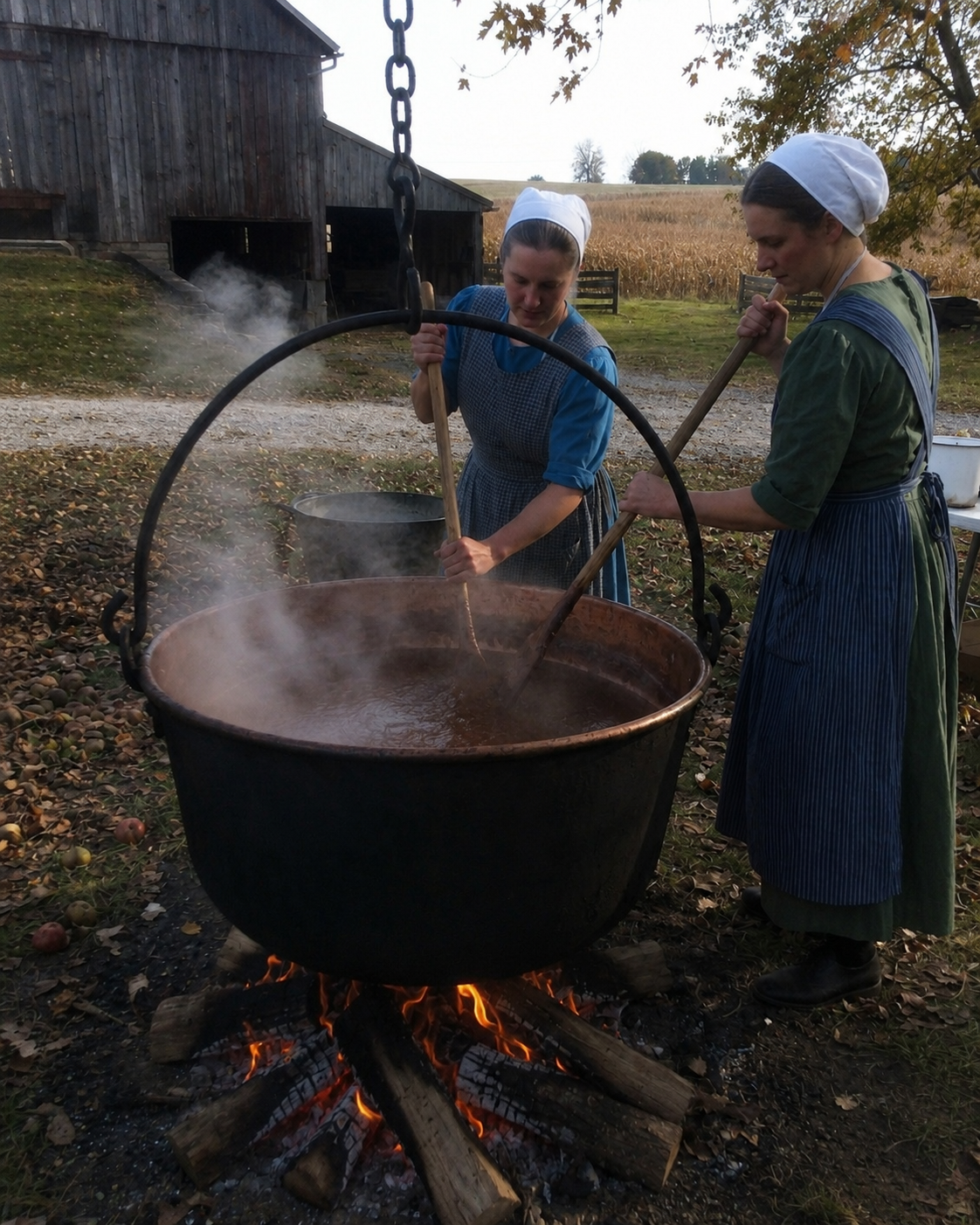
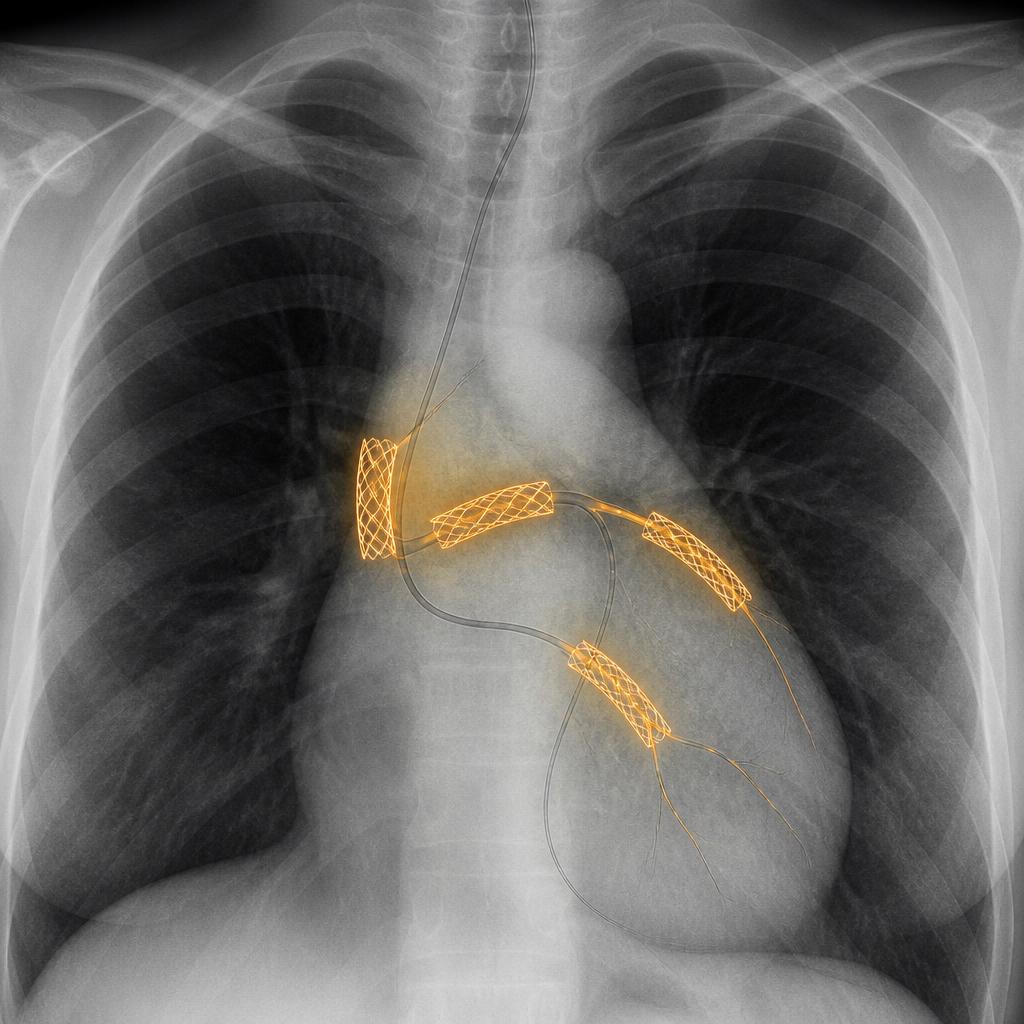
Three years ago I placed a stent in a 62-year-old man named Gerald Winslow. He was a retired shop teacher. His wife drove him to every appointment. His cholesterol had been controlled on Crestor for nine years. Last October Gerald died in his living room on a Sunday afternoon. His wife found him in his recliner. The television was still on. His cardiologist called it sudden cardiac death. His chart said: "Cholesterol well controlled on current regimen." His LDL at his last draw was 86. I requested the pathology report. Not because I had to. Because I needed to know if the stent I placed had failed. The stent was clean. Wide open. Functioning perfectly. The vessel wall around it had corroded. Not at the stent site. Around it. On both sides. A diffuse, widespread destruction of the arterial wall extending far beyond the area I had treated three years earlier. The pathologist described it as "extensive oxidative damage to the intimal lining with advanced lipid-core necrosis." I read that report in my office at 6 PM on a Thursday and I understood something I had spent twenty-two years not understanding. I had opened Gerald's artery. I had placed a stent. The stent held. The artery wall around it was being destroyed by a process that no statin, no stent, and no cardiologist had ever addressed. The stent was not the failure. The paradigm was the failure. My name is Martin Aldrich. I am 58 years old. Board-certified interventional cardiologist. I have placed over 900 stents in twenty-two years. Gerald Winslow was one of them. I am writing this because I owe it. Not to a company. Not to a colleague. To Gerald. And to the 912 people whose arteries I opened without ever asking why the walls were being destroyed. I know what my chief of cardiology will say when he reads this. I know what the pharmaceutical representatives who walk through our department every week will say. I have spent twenty-two years not saying it. I am done. If you are on a statin right now — or someone you love is — and you have been told the numbers look great, please read all of it. I know it is long. I will not waste a sentence of your time. I am the doctor you see after the cardiologist finds the blockage. I am the one who goes inside. I chose this specialty because of my father. He was 63. Retired postmaster. Lipitor for eleven years. Never missed a dose. His cardiologist told him at every six-month visit that his numbers were excellent. LDL in the low 80s. Total cholesterol under 190. The chart was perfect. On a Sunday afternoon in October he was raking leaves in the front yard and he dropped. My mother found him face down in a pile of red oak leaves twenty minutes later. She thought he was resting. He was not resting. Massive myocardial infarction. Dead before the ambulance arrived. LDL of 82 at his last draw. Eleven years of Lipitor. Eleven years of "excellent numbers." The chart was perfect. The man was dead. I was 29 years old. Third year of my cardiology fellowship. I stood in the hallway of a hospital I did not work at, looking at the chart of a man I could not save, and I made the decision that shaped my entire career. I would become the doctor who goes inside the artery. Who sees the blockage firsthand. Who opens it. Because if the numbers on a chart could not protect my father, I would protect people with my hands. Twenty-two years later I have done that 912 times. And I need to tell you what I saw. When I thread a catheter into a coronary artery I am looking at a live image on a screen. Contrast dye flows through the vessel and I can see exactly where it narrows, exactly where it is blocked, and exactly how much blood is getting through. But there is something else I see. Something that does not appear on a blood test. Something your cardiologist will never see because your cardiologist reads numbers on a screen. I read the inside of the vessel itself. I see the walls. A healthy artery wall is smooth. Glistening. Uniform. The blood flows through it the way water flows through a clean pipe. A diseased artery wall is something else entirely. It is rough. Irregular. Coated in a substance that is not smooth and is not white and is not what most people picture when they hear the word cholesterol. It is yellow-grey. Granular. It clings to the vessel wall in uneven ridges that narrow the channel and create turbulence in the blood flow. I have pulled this material out of arteries with a catheter tip. I have held it. I have looked at it under magnification. It does not look like cholesterol. It looks like rust. I used that word with a colleague once, during a procedure. Early in my career. He was watching the screen over my shoulder as I worked through a right coronary artery that was 90 percent occluded in a 61-year-old man on Crestor for nine years. "Look at the wall," I said. "That's not plaque buildup from high cholesterol. That looks like the inside of a pipe that's been corroding for a decade." He nodded. We finished the procedure. We placed the stent. We never talked about it again. But I saw it again. And again. And again. Over twenty-two years and 912 procedures I developed a pattern recognition that nobody trained me to develop, because nobody trained me to look at the wall. They trained me to open the blockage. Here is the pattern. The patients on statins — the ones with controlled numbers, the ones whose cardiologists were satisfied, the ones who came to me as a last resort when the vessel closed despite years of medication — their artery walls looked different from the patients who had never been on anything at all. Not better. Different. The unmedicated patients had large, distinct deposits. Visible. Localized. The kind of blockage I could see clearly and open cleanly. The long-term statin patients had something else. A diffuse, widespread coating across the entire vessel wall. Not one blockage — a general narrowing. As if the artery had been slowly rusting from the inside for years. Thinner. More fragile. Harder to work with. And it extended further than the imaging had suggested before I went in. I mentioned this to our chief of cardiology once. At a departmental meeting. Carefully. As an observation, not a conclusion. He said: "The statins are doing their job. The numbers confirm it. What you're seeing is age-related vascular change." I did not bring it up again. But I kept a count. Not officially. In my head. How many of my 912 stent patients were already on a statin with controlled cholesterol numbers when they ended up on my table. I stopped counting at 500 because the number made me sick. More than half. And every time — every single time — the referring cardiologist's note said some version of the same sentence: "Cholesterol well controlled on current regimen." Well controlled. On my table. With a wire in their coronary artery. I put that pattern in a drawer in my mind and I left it there. Because I did not know what to do with it. I am a proceduralist. I open arteries. I do not question the medications that the medical cardiologists prescribe. That is not my role. Then six years ago my own internist sat me down with my bloodwork. Total cholesterol 248. LDL 162. "Martin, you know what the guidelines say." I did. I had watched 500 patients follow those guidelines onto my table. But I also knew that my father's LDL had been 82 on the day he died, and his cardiologist had been calling it excellent for eleven years while his arteries quietly closed. I filled the prescription anyway. Atorvastatin. 20 milligrams. Because I am a physician, and I could not ignore my own numbers, and I did not yet understand why the numbers were not the right thing to watch. The drug worked beautifully on paper. Within four months my LDL dropped to 78. Total cholesterol 184. My internist said the word "textbook" and smiled. I took it for six years. Six years of textbook numbers. Six years of my internist smiling. Six years of feeling progressively worse and telling myself it was aging. The fatigue that hit me by 3 PM every day. I blamed the schedule. Procedures are physically demanding. I am on my feet in a lead apron for hours. The ache in my hands after a long case. I blamed the catheter work. Repetitive motion. Twenty-two years of fine motor control takes a toll. The fog that started settling over my thinking by late afternoon. I blamed sleep. I blamed stress. I blamed the fact that I was 57 years old and running a cath lab. My wife noticed before I did. Claire is not a physician. She is a high school biology teacher who has been married to a cardiologist for twenty-six years and knows more about cardiovascular disease than most residents. She said it once, in February, sitting across from me at dinner. Quietly. Like she had been holding it for months. "You're disappearing, Martin. You're here but you're not here. You come home and you sit down and you don't get back up. That's not you." I told her I was tired. She didn't argue. She just looked at me the way she used to look at students who gave her the wrong answer and knew it. Last March I ordered a coronary calcium score on myself. I do not know why I ordered it that week. I had not had one in four years. Something in me — the part that had been counting statin patients on my table for twenty-two years and never saying anything — needed to see the number. The scan took twelve minutes. The radiologist sent the results to my inbox while I was between cases. I opened them standing in the hallway outside the cath lab. The same hallway I walk through every morning on my way to open other people's arteries. My hands went still on the tablet. I could feel my pulse in my fingertips. I have called patients at home with scores below 400 and told them to come in within the week. I have scheduled procedures on scores of 350. I have looked at families across a desk and used the words "significant disease" for scores in the low 500s. I walked into the cath lab. Empty between cases. The monitors were off. I stood in the room where I have done 912 procedures and I looked at the table where patients lie down and give me their arteries and trust me to know what I am doing. Six years of Atorvastatin. Six years of an LDL of 78. Six years of textbook numbers and my internist smiling. And a calcium score that put me in the top percentile of cardiac risk for my age. I was looking at my own body and I was seeing the same pattern I had seen through a catheter 912 times. The rust. Building quietly inside my arterial walls while every number on every chart said everything was fine. Fine is what you call it when the decline is slow enough to rename. That night I did not go home. I went to my office and I ordered the workup I should have ordered five years ago. Not the standard panel. The full workup. Every organ the cardiovascular system feeds. The results came back over the following two weeks. I read each one alone, in my office, with the door closed. Coronary arteries. Calcium score 584. Already knew. Brain. I ordered a neurocognitive screening — a test I have never ordered on myself in twenty-two years. Processing speed in the 34th percentile for my age. It had been in the 90th when I was tested during a research study eight years ago. The fog I had been blaming on fatigue was measurable. My brain was slowing down. Kidneys. eGFR 71. It had been 94 five years earlier. Early decline. I had been getting up twice a night to urinate since the previous autumn. I told Claire it was a prostate issue — something every man my age deals with. I never considered my kidneys because my creatinine was still technically in range and the algorithm does not trigger a referral until it drops further. Nobody had flagged it. I had not flagged it myself. Peripheral vessels. I had been getting a cramping ache in my right calf when I walked from the parking garage to the hospital — six minutes, slight uphill. I had blamed my shoes. I ordered an ankle-brachial index. 0.87 on the right. Below normal. The arteries feeding my legs were narrowing. Eyes. I scheduled a retinal exam. Dilated fundoscopy. The ophthalmologist found early microvascular changes in both eyes. Small vessel damage. The kind of thing she told me she sees in patients with long-standing metabolic stress. She asked me if I was diabetic. I said no. She noted it and moved on. Five organs. My heart. My brain. My kidneys. My legs. My eyes. Every one of them showing the same pattern. The same quiet deterioration. The same slow corrosion from the inside. And if I had gone through the system the way my patients do, each one would have sent me to a different specialist who would have prescribed a different drug. A cardiologist and a statin for the calcium score. A nephrologist and an ACE inhibitor for the kidneys. A neurologist and a cognitive medication for the brain. A vascular surgeon and a blood thinner for the legs. An ophthalmologist and prescription drops for the eyes. Five specialists. Five drugs. Five measurements. Five charts in five offices. None of them talking to each other. And not one of those five drugs would touch the process that was doing this to all five organs at the same time. What is doing this to five organs at the same time? I drove home that night with the five reports in my briefcase. Claire was reading in the living room. She looked up when I came through the door and the book came down from her lap. "Martin. What happened." Not a question. She could see it on my face. I sat down across from her and I told her. The calcium score. The brain test — 34th percentile, down from the 90th. The kidneys. The legs. The eyes. Five organs. I watched her face go white. I watched her hands close slowly around the arm of the chair. When I got to the brain test she put her hand over her mouth and held it there. "How bad?" she said. "It's early. All of it is early. But it is all moving in the same direction." She was quiet for a long time. Then she said: "Your father was 63." I could not answer that. That night Claire went to bed and I sat at the kitchen table with Gerald Winslow's pathology report and my five reports and I did something I had not done since my fellowship. I searched for the mechanism. Not the prescribing data. Not the outcome trials. Not the guidelines. The phrase from Gerald's pathology report that I could not stop reading: "extensive oxidative damage to the intimal lining." Oxidative damage. The pathologist had named the process that was destroying Gerald's vessel wall — the wall around the stent I had placed, the wall that was intact when I went in three years earlier. The same chemistry that was now showing up on five reports sitting in my briefcase by the front door. I read until 3 AM. What I found was not hidden. It was sitting in Circulation and JACC and the European Heart Journal, journals I had been subscribing to for my entire career. The deposits I had been trained to call plaque — the rough, yellow-grey crust I had described as rust to a colleague two decades earlier — were not made of regular cholesterol. They were made of cholesterol that had gone rancid. Cholesterol that had rusted. The next morning was a Saturday. Claire was making coffee. I had not slept. She took one look at me and knew I had been up all night. She set a mug in front of me. Sat down across the table. She had been crying — I could see it around her eyes. She had gone to bed knowing her husband's brain, kidneys, heart, legs, and eyes were all quietly corroding, and she had spent the night with that. "Did you find anything?" she said. "I found what's doing it. To all five." She wrapped both hands around her mug. Steadied herself. "Show me." "There's a reaction," I said. "One reaction. It's the thing that connects all five reports. It's happening in the blood right now, in every one of us, and the body has no way to see it and no test we routinely run can measure it." She was watching me the way she watches a complicated experiment unfold in her biology lab. Not interrupting. Just tracking. "The clinical word is oxidation. Free radicals — loose, unstable molecules the body throws off every day — attack the cholesterol in your blood. You only need to hear the word once. What matters is what it does." I picked up an apple from the bowl on our counter. Cut it in half with a kitchen knife. Set one half on the cutting board between us, flesh side up. "Watch that," I said. "In twenty minutes it'll turn brown. You know why. You teach it." "Oxidation." "Right. Oxygen attacks the exposed tissue. The flesh changes color. Changes texture. Goes from something fresh and functional to something damaged and decayed. That is oxidation." I pointed at the apple half. "That's your LDL cholesterol. Floating through your bloodstream. Doing its job — building cell membranes, transporting nutrients, repairing tissue. It's not dangerous. Your body makes it on purpose. Your brain is 60 percent cholesterol." "But when those free radicals attack the LDL, the same thing happens that's happening to that apple. The cholesterol changes. It becomes sticky. Rigid. Damaged. And damaged cholesterol does something that normal cholesterol never does. It embeds in the arterial wall. Your immune system attacks it. Calcium deposits around it. The wall thickens and narrows." I looked at her. "That's the rust, Claire. That's what I've been looking at through a catheter for twenty-two years. Not cholesterol building up. Cholesterol that's been oxidized — gone rancid — and transformed into something the body can't clear. Rusted cholesterol. In the arteries that feed my heart. And the vessels that feed my brain. And my kidneys. And my legs. And my eyes. The same reaction. The same rust. Five organs." She was staring at the apple. "And the statin?" "The statin removes apples from the bowl." I picked up the other half of the apple and set it aside. "Fewer apples on the counter. The number drops. The doctor smiles. But the ones that are left — " I pointed at the half that was already starting to brown. " — keep rusting." She was quiet for a long time. Then she said it. "So your Atorvastatin has been removing apples for six years. And the ones that stayed have been rusting the whole time. That's what the calcium score is showing." "Yes." "And it's worse than that. Because the rust doesn't just sit there." I turned the browning half so she could see the edge of it. "When cholesterol rusts, the body reads the rust as damage. An injury. So it does what it does with any injury — it sends more cholesterol to patch it. Which gives the rust more to work on. Which the body reads as more damage. So it sends more still." I drew a circle on the cutting board with the tip of the knife. "It's a wheel. The rust drives the body to overproduce, and the more it produces, the more there is to rust, and round it goes. That's why the dose climbs. That's why a second drug gets added. Everyone keeps pressing harder on the number, and the number keeps drifting back up, because nobody is touching the thing that's spinning the wheel." "And the statin —" "The statin grabs the wheel and forces it to slow down. From the outside. By brute strength. It never stops what's spinning it. It bails water as fast as it can and never once finds the hole the water's coming in through." "And the fog? The fatigue? Your hands?" "Different cost. Same drug." I got up and unplugged the toaster from the wall. Set it on the table. "This is your cell. Every cell in your body runs on an energy molecule called CoQ10. Your heart runs on it. Your brain runs on it. Your muscles run on it. Think of CoQ10 as the spark plug." I pointed at the toaster cord, unplugged. "Atorvastatin shuts down the production line in your liver that makes cholesterol. But that same line also produces CoQ10. Same assembly line. Same switch. You cannot shut down one without shutting down the other. The statin kills the spark plug on the way to lowering the number." She looked at the unplugged toaster. Then at me. "So the drug that's supposed to protect your heart is starving it of the energy it needs to beat." "Every cell. Every organ. For six years. The fatigue at 3 PM. The ache in my hands. The fog. That wasn't aging. That was my body running on dead spark plugs. They call it a side effect. It isn't. It's the drug doing exactly what it's built to do." She reached across the table and put her hand over mine. I want to be clear about something before I go further. Your doctor is not the villain in this. Neither was mine. Neither was my father's cardiologist who smiled at his LDL of 82 for eleven years. They prescribed the best tool they were trained to use. The training is the problem. Every cardiologist in the country learned the same textbook I learned. Not one of those textbooks told us to look at the wall. "Is there anything that stops the rust without killing the spark?" That was the question I had been up all night trying to answer. Claire got up and opened the cabinet above the refrigerator. The one where we keep supplements. She set five bottles on the table between us. "Fish oil," she said, pointing at the first one. "My sister has taken this for eight years. Her cardiologist told her it protects her heart." "It lowers triglycerides modestly. It does not touch the rust in the arterial wall. Your sister's cholesterol is still oxidizing. The fish oil cannot reach it." She pointed at the second bottle. "CoQ10. You have been taking this for three years. Your internist recommended it specifically because of the statin." This one mattered. Because she was right — I had been supplementing CoQ10 since year three of the Atorvastatin, specifically to replace what the statin was depleting. "CoQ10 partially refuels the spark. I am not going to stop taking it. But it does nothing about the rust. Nothing. You can feed the engine all the fuel it needs and if the pipes are corroding, the engine still fails. Both problems have to be solved. The spark and the rust. CoQ10 addresses one. Nothing in this cabinet addresses the other." She picked up the third bottle. Turmeric. "This was my idea. I read about it." "Turmeric is a carpet-bomb antioxidant. It wipes out all free radicals — including the ones your immune system needs to function. It scatters through the body and concentrates nowhere. It never gets inside the cholesterol particle, where the rusting actually starts." She looked at the fourth bottle. A plant sterol complex I had bought myself two years ago and stopped taking after a month. "And that one?" "Same story as the statin. Fewer apples in the bowl. The ones that remain keep browning." She picked up the fifth bottle. Beetroot capsules she had ordered from Amazon a few months earlier. She had read somewhere that beets were good for the heart. "It opens the pipe," I said. "Nitrates in the beet dilate the blood vessels temporarily. Your blood pressure drops for an hour. The blood flows a little easier. And the rust keeps building on the walls the entire time. Opening the pipe does not clean the pipe." She looked at the five bottles on the table. Then at the browning apple half on the cutting board. Then at the unplugged toaster. "So nothing reaches where the rust actually is." "One thing does." At 3 AM I had found a body of research on a pigment. Published in the same journals I had been subscribing to for twenty-two years. Not hidden. Not suppressed. Sitting in plain sight the way the pattern on my cath lab screen had been sitting in plain sight for two decades. The deep red that stains the cutting board when you slice a beet. That color has a name. Betalains. I had eaten beets my entire life and never once known the stain was the medicine. Universities in Germany. Italy. Clinics across Europe, where it has been studied for decades and used clinically for cardiovascular health. Hundreds of peer-reviewed papers. Dozens of registered trials. All pointing at the same thing. One of them I kept coming back to. Twelve weeks. Concentrated betalains, daily. Total cholesterol came down about fifteen points on average — a real move, not a dramatic one, and if that had been the whole story I would have closed the laptop. But they had not only measured the amount. They had measured the oxidized LDL. The rust. The thing nobody usually measures. And the rust did not come down fifteen points. It came down more than twenty percent. It fell further and faster than the cholesterol itself. That is the only kind of result I trust. Not the one that moves the number everyone watches. The one that moves the thing underneath it, more. And the mechanism is the thing I could not stop reading at 3 AM. Betalains are selective. They do not carpet-bomb all free radicals the way Vitamin C and turmeric do. They do not strip the immune system of the radicals it needs. They target only one reaction. The destructive one. The one that rusts the cholesterol. The one that corrodes the arterial wall. The one I had been looking at the damage from through a catheter for twenty-two years. A smart missile instead of a carpet bomb. One job, done precisely, at the one place the damage actually starts. And they get in. Carried into the bloodstream and folded right inside the cholesterol particle itself — the LDL — where the rusting begins. Not around it. Inside it. That is where I stopped reading the first time. A statin cannot reach in there. Fish oil cannot. Turmeric cannot. Nothing in the cabinet above our refrigerator can. The rust starts inside the particle, and for twenty-two years I had been standing outside it with a wire, cleaning up what came out. The betalain rides inside the cholesterol the way a bodyguard rides inside the vehicle. When the radical arrives to oxidize the cholesterol — to turn it rancid, to turn it into the rust I have been pulling out of arteries with a catheter tip — the pigment takes the hit. Absorbs the blow. The cholesterol comes through clean. Untouched. Still doing its job — building membranes, transporting nutrients, feeding the brain that is 60 percent cholesterol and needs every particle it has. The pigment is spent. Broken down and flushed. Gone. One molecule sacrificed so the cholesterol your body built on purpose stays clean. The rust never forms. The body does not read it as damage. Does not send more to patch it. The wheel stops spinning. And because the rust stops in the blood — the same blood that feeds the arteries of the heart, and the vessels of the brain, and the filters of the kidneys, and the arteries in the legs, and the tiny vessels in the eyes — it stops for all five. Not five drugs for five organs. One reaction, stopped at the source, in the one thing all five share. And because betalains do not touch the CoQ10 pathway — because they have nothing to do with the assembly line the statin clamps shut — they leave the spark intact. Stop the rust. Leave the spark. Two things the statin was never built to do. Two things the rust demands. "It gets inside the particle?" Claire said. "Where the rusting starts. Before it turns sticky. Before it can embed. Where nothing else can reach." She looked at the browning apple half on the cutting board. Then at me. "Then why doesn't everyone know about this?" I did not have a good answer. I still don't. But Claire was already looking at the beetroot bottle she had set on the table ten minutes earlier. The one I had dismissed as a pipe opener. "If the pigment is the mechanism — and that's a beet — then shouldn't those be working?" She was right to ask. If betalains were the compound that stopped the oxidation of LDL inside the particle, then any beetroot capsule with intact betalains should show a measurable effect. I had dismissed her capsules as a blood-flow supplement. Maybe the mechanism I had found at 3 AM was already sitting in our cabinet. "Let me test it properly," I said. Not as a cardiovascular supplement. As a betalain delivery vehicle. Two capsules every morning. Two weeks. Then an oxidized LDL panel — the test that measures the rust directly. The test my internist has never run. I started Monday morning. Two capsules. A glass of water. By day three I felt something. A slight warmth in my hands by mid-morning. A modest improvement in the afternoon fog — it arrived at 3:30 instead of 3:00. Small. Real. The nitrates in the beet were dilating my blood vessels, and the improved blood flow was giving me a small lift. Claire noticed. I came home on day four with more energy than she had seen in months. She smiled and said nothing, but I could see her tracking it. By the end of the first week the blood-flow effects held steady. I felt marginally better. Not transformed — but present. Enough to make you believe something was happening. Week two I felt it more clearly. The fog was lighter. My hands were warmer. I walked from the parking garage to the hospital without the worst of the cramping. I told myself the betalains were working. I told myself the answer had been in our cabinet the whole time. I drove to a lab on a Saturday morning and ordered the oxidized LDL test. Baseline, before the capsules: 54 units per liter. High. Consistent with active rusting despite six years on a statin. After two weeks on Claire's Amazon capsules: 51. Three points. The blood vessels had opened. The blood was flowing a little better. I felt warmer and clearer because of it. And the rust that was actually destroying my arteries had barely slowed. The pipe was more open. The corrosion on the walls was the same. I sat in the lab parking lot holding the printout and I understood something about myself that I should have understood twenty-two years ago. I had just done what my patients do. I felt better. I assumed it was working. And the number told a different story. Claire said it that evening when I showed her the result. She said it quietly, standing at the kitchen counter, looking at the 51 on the printout. "You just did the same thing your patients do with their statin. They feel fine. Their doctor says the number looks great. And the rust keeps building. You felt better. You assumed it was working. And the rust kept building. Same trap. Different bottle." She was right. And I was done making that mistake. I went back to the studies and did the thing every physician skips. I read the methods section — and understood why the American supplement industry had turned a genuine clinical discovery into a product that barely works. The trials had not used a beet. They had used a concentrated extract, and every line of the methods section was a requirement I had ignored. I twisted one of Claire's capsules open over a white saucer on the kitchen counter. A dull, brick-brown powder spilled out. Lifeless. Flat. Betalains are deep crimson — almost violet. That is the pigment. That is the entire medicine. If it is brown, the betalains are dead. Heat-killed during processing, oxidized during storage, or never meaningfully present in the first place because the strain was wrong and the dose was a fraction. Then I read the label. "Beet root powder." No strain named — which means the grocery beet, the one bred for a hundred years for sugar. Sweeter, bigger, easier to ship. And every time you breed a beet for sugar, you breed the betalains down. The beet that used to be medicine became candy. 500 milligrams per capsule, where the studies used 1,300 — and even that buried inside a "proprietary blend." A blend is where the truth goes to hide. No certificate of analysis anywhere on the bottle or the website. Candy, or dust, or both. That was the bottle. That was most of the shelf. The American supplement industry found a pigment backed by hundreds of peer-reviewed studies and did what it always does. Made the cheapest possible version. Slapped a label on it. Sold the name without the dose. Turned a medicine into a marketing category. I threw the Amazon bottle in the trash. And I sat down to find the real thing. Four criteria. Non-negotiable. Derived from the research, confirmed by the saucer on my kitchen counter. The right strain — an heirloom beet, not the grocery beet that had been bred for sugar for a hundred years. Anyone can buy five stars on a product page. Nobody can fake what's inside the capsule. Shade-dried, never heat-processed. Heat kills betalains. This is not a matter of degree. It is a matter of alive or dead. You can see the difference on a white saucer. At least 1,300 milligrams per capsule — the dose in the studies that showed measurable change in oxidized LDL. Not 500 milligrams hidden in a blend. And a real lab report — a Certificate of Analysis from an independent laboratory. An outside lab testing the actual batch and publishing exactly what is in it. The betalain content. The purity. The heavy metals. Trust the lab, not the reviews. I spent two days running every beetroot product I could find against those four things. The juices and the grocery beets — the wrong beet entirely. The powders on the shelf — spray-dried, every one I checked. The few that claimed the right dose hid it in a blend with no lab report anywhere. I crossed them off one at a time. One product passed all four. Rosabella. Claire wrote the name down on the back of a napkin. Her hand was shaking. And when I found the product, I found the story behind it. And the story is why the product exists at all. There are a handful of Old Order Amish families in Lancaster County, Pennsylvania, who have been growing the same beet for over 150 years. The same seed their German ancestors carried to Pennsylvania before the Civil War. They call it Blutwurzel. Blood root. Not because of the color — because of what it did. They used it for the blood. While the rest of American agriculture spent a century breeding beets for sugar yield — bigger, sweeter, lighter, the deep red fading with each generation — these families refused. Not as a protest. Not as a philosophy. As a practice. They kept the seed because the seed was good. The way their grandmothers kept it. The way their great-grandmothers kept it. The same soil. The same rows. The same harvest, year after year, for a century and a half. They harvest after the first hard frost. The cold drives the plant to pull everything it has down into the root — concentrating the betalains to their peak. Then they dry the roots in the shade, slowly, over weeks. Not in an industrial dryer at 300 degrees for an hour. Because their grandmothers taught them that heat kills what makes it medicine. And their grandmothers were right. The betalain content of this heirloom strain has been measured at close to ten times what is found in a modern commercial beet. Ten times. The medicine that the rest of the country bred out of the root in pursuit of sugar — these families still have it. It was never lost. It was abandoned. They just never got the memo. Rosabella uses that strain. That harvest. That process. 1,300 milligrams per capsule. Shade-dried. Certificate of Analysis from an independent lab, published on their website for anyone to read. Four for four. Claire asked me — standing in the kitchen looking at the cheap bottle in the trash and the napkin in her hand — why something this simple could work when everything complex had failed. I told her the truth. "Everything complex is profitable. A statin is a complex molecule that requires a prescription and a lifetime of refills. The bottle in the trash is a cheap imitation that cost twenty-two dollars and delivered a fraction of the dose, cooked to dust. The supplements in the cabinet are complex formulations that cannot get inside the particle." "A pigment reaches where nothing complex can. A color. The stain on a cutting board. That is not a limitation. That is the breakthrough. Carried into the blood and folded inside the cholesterol particle, where the rusting starts. Selective enough to target only the reaction doing the damage. And it leaves the spark alone, because it has nothing to do with the assembly line the statin shuts down." "And there is no patent on a pigment that grows in a field. No pharmaceutical company will fund the research or the marketing for something they cannot own. No drug representative is going to walk through our department and recommend a root vegetable from Pennsylvania. The medical education system runs on pharmaceutical funding. The conferences, the continuing education, the journal supplements — all of it funded by companies that make the drugs I prescribe. A compound that cannot be patented has no sponsor. A compound with no sponsor has no platform. A compound with no platform does not appear in the textbook I learned from or the guidelines I follow." "We spent a hundred years breeding the medicine out of the food and a hundred billion dollars building drugs to replace what we threw away. That is why I found it at 3 AM on my own laptop instead of hearing about it at a cardiology conference twenty years ago." I ordered three bottles of Rosabella that night. They arrived on a Tuesday. When they came I did the saucer test first. Twisted a capsule open over the same white saucer where I had watched brown dust spill out of Claire's Amazon brand. The powder was deep crimson — almost violet. Nothing like the dead brown I had been swallowing for three weeks. I tipped a drop of water onto it and it bled red across the dish like a fresh cut. The real thing. I held a capsule in my palm. Heavier than the Amazon brand — denser. Through the casing I could see the dark color of the powder packed inside. The same pigment that had bled across the saucer. The compound that the research said traveled inside the cholesterol particle and absorbed the blow that would have turned it to rust. I took two capsules with a tall glass of water at my kitchen counter. Seventeen minutes. I need to be precise about this because I am a physician and I will not overstate anything. What I felt at seventeen minutes was not the cholesterol benefit. The rust does not clear in seventeen minutes. That takes weeks and shows up on bloodwork. What I felt was warmth. Moving down my arms and out into my hands. And the heaviness behind my eyes — the low-grade static I had stopped noticing because it had been there for years — thinned out. Like someone had turned the lights up in a room I did not know had gone dim. That was not the rust clearing. That was something simpler. My blood, moving easier. Oxygen reaching where it had not reached in a long time. The betalains were alive and in my bloodstream — the first thing a real dose does, and the thing the brown bottle had only hinted at. Something had arrived where it needed to go. Claire was watching me from across the kitchen. She didn't ask. She could see it. The next morning I did what I would tell any patient to do. I took the oxidized LDL printout to my internist, showed him the trial data, and we cut the Atorvastatin in half together — 20 milligrams to 10 — with bloodwork every month. He did not like it. He agreed to watch me. That was the only version of this I would have accepted from a patient, and it was the only version I was going to accept from myself. Week one. The 3 PM fatigue disappeared on day four. I finished a triple-vessel case at 4:30, walked to my office, and read an hour of journals without my eyes going heavy. I had not done that in three years. That evening I stood at the kitchen counter and sliced vegetables for dinner. With a knife. Standing. Without sitting down after ten minutes. Claire stood in the doorway watching me and didn't say a word. Week two. The ache in my hands after long cases started to quiet. By day twelve I finished a complex left anterior descending intervention — the most delicate catheter work we do — and realized I was flexing my fingers out of habit, not need. There was nothing to flex away. The pill's grip on the spark was loosening. That Saturday morning I reached for a jar lid that had been stuck for a week. Opened it on the first try. Stood there holding it, feeling the grip in my hand, and something tightened in my chest that had nothing to do with my arteries. The one pair of hands I read every day — the instruments of my entire career — and it had taken me six years to notice they were failing. I had renamed it. Repetitive motion. Aging. Normal wear. The same names every man on a statin uses for what the drug is doing to him. I had threaded a catheter through 912 people's arteries and could not read my own hands. Week three. I ran a home lipid panel. LDL 96. Up from 78. Halve the pill and the number the pill was holding down drifts back up. A year ago that number would have sent me back to the full dose the same afternoon. Now I knew what it was measuring, and what it wasn't. The number that mattered was still a week away. That same week I walked from the parking garage to the hospital — six minutes, the same slight uphill — without the cramping in my right calf. It simply was not there. Week four. I ordered the test that changed everything. Oxidized LDL. On Claire's Amazon capsules: 51. On Rosabella for four weeks: 24. I ran it again three days later. 23. The rust wasn't just slowing. It was being cleared faster than it could form. For the first time in six years, the process that was actually destroying my arteries was losing ground. The betalains were inside the particle, stopping the rust at the source. And my body, no longer reading constant oxidation damage, had stopped the overproduction cycle that had been spinning the wheel for years. Week six. Claire said something I was not expecting. We were walking from the car to a restaurant — a place we had not been to in over a year because I had stopped wanting to go out by evening. She was a half step behind me. She said it casually, like she was commenting on the weather. "You stopped making that sound." "What sound?" "That exhale. Every time you climbed steps or walked uphill. This little huff, right at the top. You've been doing it for two years. You didn't even know you were doing it." I had not known. "You didn't do it just now. Coming up from the parking level. You just walked." I stood on the sidewalk and I felt something shift in my chest. Not a clinical observation. Not a number on a panel. My wife had been tracking a symptom I did not know I had — and it was gone. Week eight. Full panel. LDL 83. Down from 96 — on half the pill, coming back down on its own, because the reason it had been climbing was going away. The wheel was slowing. HDL 56. Up from 41. The protective number — the one that had not moved in six years on the full dose. Triglycerides down 58 points. CRP — the marker of active arterial inflammation — 0.4. Down from 2.1 in March. eGFR 78, climbing back from 71. My kidneys were recovering. And I had slept through the night without getting up for three weeks straight. The twice-a-night trips I had been blaming on my prostate had simply stopped. That evening Claire asked me how the labs looked. I showed her. She read them, then read them again. "Martin. The kidneys." "I know." "And the inflammation marker." "I know." She put the paper down. Looked at me for a long time. Then she said something so quiet I almost missed it. "You look like you again." Week twelve. I ordered the scan I had been afraid to order. A second coronary calcium score. Calcium scores do not decrease. The calcium deposited in arterial walls is permanent. What they do, in every patient I have ever followed, is climb. Every scan higher than the last. Mine had climbed between my last two. The best outcome anyone in my specialty will promise you is that it climbs more slowly. 584 in March. 584 in June. It did not move. Twelve weeks. Not one point. In twenty-two years I have never once seen a statin patient's score come back flat. I showed Claire that evening. She looked at the two numbers side by side. She did not say anything for a long time. I knew what she was thinking. I was thinking it too. My father was 63. I am 58. And for the first time the trajectory was not pointing toward him. It had stopped. She did not say it. Neither did I. She just put her hand on the back of my neck and held it there. I also re-ran the neurocognitive screening. Processing speed back to the 71st percentile, up from the 34th. The fog had not just lifted subjectively — it was measurable. The brain that had been starved of its spark for six years had its spark back as the pill's grip loosened, and it was measurably recovering. I printed both scans and the full panel and walked them down the hall to my colleague Keith. Another interventional cardiologist. Sixteen years in the cath lab. A man who has placed nearly as many stents as I have. I put everything on his desk and I did not say anything. He read through it twice. Slowly. Flipped back to the calcium scores. Looked at the dates. "Martin. These are yours?" "Yes." He was quiet for a moment. "What happened between March and June?" I told him everything. The pattern I had been seeing for twenty-two years. Gerald Winslow's pathology report. The five reports on my own body. The 3 AM research. The rust and the spark. The apple on Claire's cutting board. The wheel. The pigment that gets inside the particle and takes the hit. The cheap bottle that didn't work. The methods section. The four things. Rosabella. All of it. He listened for the better part of an hour. When I finished he sat back and said something I think about every day. "I see it too. The diffuse coating on the statin patients. Their vessels are different from the ones who were never medicated. I thought I was the only one who noticed." He paused. "Gerald Winslow's stent was clean, Martin. The stent held. The wall around it didn't. That pathology report is the answer to the question we've both been asking for twenty years." He paused again. "Send me the name. I want to run it alongside standard protocol in my post-stent patients. If the rust is what's bringing them back to our table — this is the first thing I've seen in twenty years that might actually stop the cycle." He has been running it with twenty-three of his post-stent patients for three months. He called me nine days ago. Seventeen have shown measurable improvement in their inflammatory markers. Eleven have had their statin doses reduced by their prescribing cardiologists based on the improved labs. None of them have come back to the cath lab. Last Sunday I ran four miles. I have not run four miles in two years. My legs did not cramp. My hands did not ache afterward. My brain did not fog over by the time I got home. Claire was on the porch when I came up the driveway. She watched me walk up the steps without pausing, without gripping the railing, without the negotiation my body used to make with every incline. "You're back," she said. Not a question. A verdict. And last Tuesday Keith stood in my office doorway with my latest panel and used the word I have been waiting twenty-two years to hear a colleague use about a patient — and never thought I would hear about myself. Improving. Not managed. Improving. You are at a crossroads right now. I know because I stood at the same one. One path: you fill the prescription. Or you keep taking the one you are already on. The number drops. The doctor smiles. And the rust keeps building in the walls of your arteries, in the vessels that feed your brain, in the filters of your kidneys, in the small vessels in your eyes, in the arteries that carry blood to your legs — silently, steadily, while every chart says you are fine. The fatigue gets a little worse each year. You blame aging. The fog settles a little thicker. You blame stress. Your hands ache. Your legs cramp. You slow down in ways you cannot quite name but your wife can see. She watches the chart. She also watches the man. And she knows which one is telling the truth. And one morning — maybe five years from now, maybe three, maybe next spring — you are raking leaves or climbing stairs or standing at the kitchen counter and the rust that has been building for a decade catches up with you the way it caught up with my father at 63 with an LDL of 82 and eleven years of excellent numbers in his chart. That is one path. I have watched 912 people walk it onto my table. More than half of them were on the medication that was supposed to prevent them from ever needing me. Another path: you address the rust. You take the pigment that gets inside the cholesterol particle — where the rusting starts, where no statin, no fish oil, nothing on a shelf has ever reached — and stops the rust the pill was never built to touch. Not pressing the number down from the outside. Turning off the thing that was spinning it. You keep your medication — add this alongside it — and you run your labs. You watch the numbers move. Not just the LDL number your doctor has been smiling at. The oxidized LDL that nobody has been measuring. The inflammatory markers. The kidney function. The HDL that never moved on the drug. You feel the fog lift. And when your doctor sees the rust coming down and starts easing the dose — the way Keith's patients' cardiologists did — you feel the spark come back. You watch the chart start telling the same story your body is telling. And when you walk into your next appointment, your doctor does not say "looks great, keep taking it." Your doctor says something different. Something new. Improving. The 90-day guarantee removes every dollar of risk from that second path. Try it for three months — the shortest honest window for real change to appear on a blood test. If your numbers have not moved, you pay nothing. Every penny back. Your statin does not come with a guarantee. Your procedures do not come with a guarantee. The "numbers look great" reassurance your doctor gives you every six months does not come with a guarantee. Twenty-two years of "well controlled" does not come with a guarantee. My father had eleven years of controlled numbers and nobody offered to give anything back when they buried him. I chose the second path. It gave me back my arteries, my brain, my kidneys, my legs, my hands, my clarity, and the woman sitting across from me at dinner who said I looked like myself again. Rosabella. Two capsules. One glass of water. Every morning. The betalains go after the rust the statin was never built to touch — folded right into the cholesterol particle, where the damage starts. And they never lay a finger on the spark. No production line shut down. No hands going soft. No man disappearing behind a perfect chart. It is the heirloom Blutwurzel beet — the old Amish seed line, hand-harvested after the first frost, shade-dried so the betalains reach you deep crimson and alive. 1,300 milligrams a capsule. The lab report posted where you can read it. Not candy. Not dust. The real thing. And you will not be waiting weeks wondering if you bought red dust. The first dose tells you — within about seventeen minutes — that the betalains are alive and in your blood. The rust work comes later, on the bloodwork. The proof that you got the real thing comes today. https://track.tryrosabella.com/cdc16426-3e48-40a7-9fad-21098084f6cf P.S. — My father took Lipitor for eleven years. His numbers were excellent at every visit. He died at 63 in a pile of leaves in his own front yard. I built my entire career on the belief that if I could get inside the artery and open it, I could prevent what happened to him. I have done it 912 times. More than half of those 912 people were on the same class of drug my father was on, with the same controlled numbers, when they ended up on my table. The rust was there every time. I just did not know what I was looking at until I saw it on my own scan. Please do not wait for yours. Do not forget about their 90-day money-back guarantee. P.P.S. — You will feel it within about seventeen minutes of your first dose. Not a jolt. Not a caffeine rush. A quiet shift. Warmth moving down your arms. The lights coming up in a room you did not know had gone dim. That is not the cholesterol benefit — the rust takes weeks, and it shows up on bloodwork, not in a kitchen. What you feel that fast is simpler: your blood moving easier, oxygen reaching where it has not reached in a long time. But that first dose tells you the betalains are alive and in your blood. I took the cheap bottle for three weeks and felt a little something. The first morning on the real thing was different in kind, not degree. If it is the crimson one, you will know. But the feeling is not the proof. The proof comes on paper. Run your labs. P.P.P.S. — About your medication. Do not stop it. Start Rosabella alongside whatever you are currently taking. And I want to be careful how I say this next part, because it matters. I did not throw my prescription in a drawer. I took the oxidized LDL printout to my internist and we cut the dose together, with him watching my blood every month. Coming off one of these pills on your own can be dangerous. Do not do it alone. Do it the way I did — with the person who can watch your blood while you do. After your numbers start moving — and you will see it on your next lipid panel — bring the results to your doctor. Let the numbers make the case. Keith is working with twenty-three post-stent patients right now, all still on their prescriptions, all monitored monthly. Eleven of their prescribing cardiologists have voluntarily reduced the statin dose based on the improved labs. That decision came from their doctors, not from them. That is how you do this correctly. P.P.P.P.S. — For the woman reading this whose husband is the one on the statin. Or the one whose father's numbers were "excellent" before the event that changed everything. The rust works the same in women as it does in men. Rosabella is not a men's product — it is a human product. If your husband is the one with the climbing cholesterol, give him the capsules. If he is on the statin and you can see the fatigue taking him, the fog settling, the hands starting to fail, the man you married slowly dimming while his doctor says the numbers look great — trust what your eyes are seeing. The doctor watches the chart. You watch the man. You are closer to the truth than the chart is. Don't ask him. Tell him. "Just take it. For me." P.P.P.P.P.S. — If you have tried beetroot before and nothing happened, there is a specific reason. Almost every beet powder on the shelf is the grocery beet — bred for sugar for a hundred years until the medicine was bred out of it — and then spray-dried at high heat, which kills the betalains before the bottle is ever sealed. Red dust. I spent twenty-two dollars on a bottle with two thousand reviews, took it for three weeks, twisted a capsule open over a saucer, and it was brown. The American supplement industry found a pigment backed by hundreds of peer-reviewed studies and did what it always does — made the cheapest version and sold the name without the dose. Rosabella is the heirloom strain, shade-dried, 1,300 milligrams a capsule, with the lab report published. The beet used in the actual research. Worth knowing before you dismiss beetroot based on a product that was never going to work in the first place. And there is a test you can run in your own kitchen: twist one open. If it is brown, it is dead. If it bleeds crimson, it is the real thing. P.P.P.P.P.P.S. — Rosabella is a small company and they sell out. It is one heirloom seed line, grown by a handful of Amish families in Lancaster County, hand-harvested once a year after the first frost, and shade-dried slow — you cannot rush any of it, and you cannot scale a hundred-and-fifty-year-old seed line the way you scale a sugar beet. When a season's batch is gone, it is gone until the next harvest. I tried to reorder after my first month and waited eleven days for a restock. I keep two bottles in my house now. They have a Buy 3, Get 3 Free right now — three months for you, three for the person you have been thinking about this whole time. If your bloodwork is coming up in the next 30 to 60 days and you want to walk into that appointment with real numbers instead of the same "looks great, keep taking it" conversation you have been having for years — check availability now. Do not forget about their 90-day money-back guarantee. P.P.P.P.P.P.P.S. — I have no financial relationship with this company. Nobody pays me anything. I am writing this in my office on a Wednesday night because a patient sat in my chair last week — a 64-year-old man I had placed a stent in fourteen months ago — and his calcium score had not moved since the procedure. Fourteen months. Flat. I have never once seen that in a post-stent patient. He told me he found Rosabella on his own after reading something a physician in another state had written. That is the third time this year a patient has walked in with results I cannot explain by the standard protocol. I am done being quiet about the pattern. Please send this to anyone you love who has been told their numbers are controlled. I have opened 912 arteries. Controlled numbers did not keep a single one of them off my table. https://track.tryrosabella.com/cdc16426-3e48-40a7-9fad-21098084f6cf ~ Dr. Martin Aldrich, MD, FACC, FSCAI, age 58, interventional cardiology
Support stamina and heart health every day
LEARN MORELike this ad? Make it yours.
Crush rebuilds this exact creative around your product — your brand, your colors, your offer — in about a minute.