
Active· since Aug 19, 2026
- 26
- days running
- 5
- relaunches
Ad copy
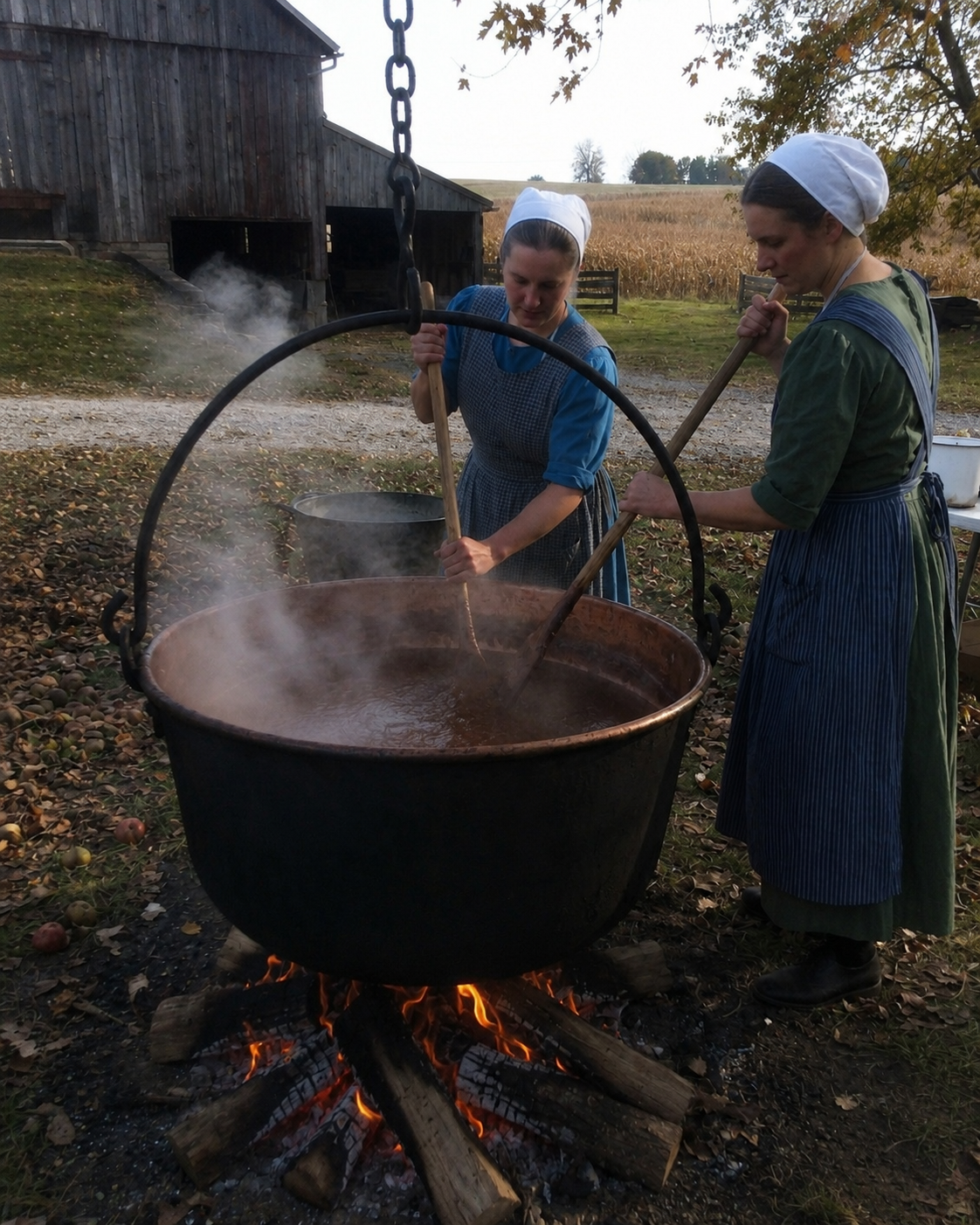
I spent 41 years as a county coroner. I opened over 4,000 chests with my own two hands. And I'm about to tell you something I should have said 30 years ago. My family told me to let it go. I'm retired now. Nobody's career is on the line anymore — not mine, not the cardiologists', not the hospital's. But I'm 68 years old, and I held too many hearts in my hands knowing the truth and saying nothing. So here it is. When you open a chest, you don't just see it. You handle what's inside. You feel the difference between a heart that was healthy and a heart that had been starving from the inside while its owner was still walking around, still going to work, still telling his wife his cholesterol numbers looked great. And in 41 years, in body after body that came across my table, I found the same thing. Arteries that had been packed with yellow-gray waxy plaque, hard as candle wax, hard enough you could set the cast on the table and it would hold its shape. Coronary channels narrowed to the width of a coffee stirrer. Fibrous caps torn open where the wall had finally ruptured. Hearts that had been running on empty for years underneath a chart that said everything was fine. I found it in men who walked three miles every morning. I found it in women who cooked from scratch. I found it in the ones who'd been on their statin for a decade and the ones who'd never been offered one. I found it in the golfers and the church deacons and the grandfathers whose grandchildren were still in car seats. I found it in people whose families stood in my office and told me, "but his cholesterol was fine. His doctor said the numbers looked great. He was doing everything right." Everything right. I want to tell you about the first two times I almost said something. And why I didn't. It was 1993. A man named Daniel. 53 years old. He coached Little League. His wife found him slumped at the kitchen table on a Saturday morning. The death certificate said acute myocardial infarction. Daniel had been sitting in his doctor's office six months earlier looking at bloodwork that had come back with his cholesterol up. His doctor told him what doctors told men in 1993 — lose the weight, cut the red meat, walk every day. Daniel did it. He lost 22 pounds. He walked three miles every morning before work. He hadn't touched a steak since March. His follow-up panel had come back down 40 points. His doctor told him he was doing everything right. When I opened him, his left anterior descending artery — the widowmaker — was packed with yellow-gray waxy buildup I'd come to know better than the back of my own hand. The wall had thickened for twenty years underneath a number that had just come down. The rupture site was the size of a pencil eraser. Daniel's wife sat in my office three days later and asked me, quietly, if I had any idea why a man who'd just lost the weight and eaten right for six months had died on a Saturday morning at 53. And I almost told her what I'd seen. The artery packed like a candle. The rupture. The wall that had been building for two decades underneath a chart the doctor was calling a success. But I didn't have an explanation that fit on a form, and it wasn't my place to offer one. I was 37. I had two kids and a mortgage and a job in a small county where the hospitals sent me my work. I'd been told — not in writing, never in writing, just understood — that a coroner's job is to find the cause of death, not to second-guess the treatment that led to it. So I told Daniel's wife I was sorry for her loss. And I signed the certificate as written and carried a question I couldn't shake. I went home that night and started a notebook. Not for anyone. Not for court. Just for me, because I couldn't carry it in my head anymore. Every body. The date. The age. What the certificate said. What the artery said. What the man had been told to do. Fourteen years later, I opened another chest that made me want to walk out of the room. His name was Robert. It was 2007. 56 years old. Retired firefighter, ran a small hardware store outside town. His wife found him in the garage on a Sunday morning next to a lawn mower he'd been about to service. Robert was not Daniel. Robert had been on his atorvastatin for five years. His LDL had come down from 178 to 92. His cardiologist had shown him the graph at his last appointment and told him — his wife told me this in my office, still holding the graph in her purse — that his numbers were "the kind of numbers that used to be reserved for professional athletes." He was going to be fine. When I opened him, his left anterior descending was worse than Daniel's had been. Not a little worse. The wall was thicker. The plaque was harder. The channel had narrowed to something you couldn't have threaded a coffee stirrer through. He'd had a full rupture and a second, older one his cardiologist had never picked up on any test. I stood at that table for a long time. Because the certificate had changed. The medication had changed. The number on Robert's chart looked better than Daniel's ever had. And the artery — the artery was the same. It was worse. Fourteen years of the profession's best answer, and the man on the table was in worse shape than a man who'd never gotten the answer at all. That was the moment I understood the pill had never been aimed at what was actually killing him. The number came down. The disease kept building. And nobody was watching for the disease. They were all watching the number. I added a new column to the notebook that night. Whether he'd been on the statin. And what his last panel had said. By the time I retired, that notebook had 2,347 entries. 2,347 families who shook my hand and thanked me for my care and never once heard what I was really thinking. That's what I carried for 41 years. Here's where it stopped being something I carried and became something I could not live with. My wife. Carol. We've been married 39 years. Sharpest, steadiest woman I've ever known. Raised three kids, ran the church food drive for two decades, never sick a day she'd admit to. Two years ago, Carol went for her annual physical and her cholesterol came back at 232. Not dangerous. Not the kind of number that would have made me flinch when I was reading a chart at work. But her doctor said it was "creeping" and recommended she start a low-dose statin. Ten milligrams of atorvastatin, once a day, with breakfast. Carol asked me what I thought. I looked at the number. I thought about the two rows in my notebook that had numbers just like hers. I thought about Daniel's follow-up panel coming down 40 points. I thought about Robert's coming down 86. I told her to take it. I want you to sit with that. Because it is the single decision in 41 years of this work that I would give anything to have back. I had 2,347 entries in a drawer telling me the number wasn't the disease. And when my own wife was standing in the kitchen asking me what to do, I told her to trust the number. She took it faithfully. Ten milligrams every morning with her coffee. Six months in, it started. She started saying her legs felt heavy in the mornings. She'd sit on the edge of the bed rubbing her calves before she stood up. She'd never done that. She'd been up at six every morning of her adult life without so much as stretching. Then the grip. She handed me a pickle jar one night without looking up. Carol has opened every jar in this house for 39 years, because I have arthritis in my right thumb and she doesn't like to make a thing of it. She handed me the jar. I opened it. Neither of us said anything. Then the stairs. Our staircase has 14 steps. Carol used to two-at-a-time carrying laundry. She started resting her hand on the banister at the landing and taking them one at a time. She was 59 years old. Then the tiredness. Carol has never sat still in her life. Suddenly she was asleep in her chair by eight, and waking up like she hadn't slept at all. Then she started losing words. Calling our son by our grandson's name. Forgetting why she'd walked into a room. She'd shake her head and say her brain was "going." Then the pressure. She started putting her hand flat on her sternum sometimes when she was watching TV. She never said anything about it. She just did it. I saw her do it three or four times before I understood what I was looking at. Then the 3am wake-ups. I'd feel the bed shift. She'd be lying there in the dark, eyes open, hand on her chest. Night after night. I knew what I was looking at. God help me, I knew. I knew because everything Carol was showing me was the front end of what I'd been pulling out of chests for forty years. The soft leg muscles I'd found at autopsy in men on statins. The pale, underpowered hearts. The narrowed arteries in men whose widows told me, when they finally could, "he'd been so tired the last few months." "He'd stopped taking the stairs." "He'd been putting his hand on his chest and not saying why." Carol was starting the story. I'd only ever seen the end of it. Carol went back to her doctor. Bloodwork. EKG. Stress test. He walked her through the results in his office and told her the numbers looked "great." Her cholesterol had come down 34 points on the statin. Her EKG was normal. She'd made it through the stress test. He told her she was doing everything right. He told her the muscle aches were probably her age. He told her the tiredness was probably stress. He told her the chest pressure was probably reflux and gave her a sample of an acid blocker. Of course he did. I'd signed 2,347 certificates for people whose last panel had looked "great." Here's what no one tells you: the standard lipid panel only measures one thing. The amount of cholesterol floating in the blood. It cannot see the cholesterol that's already turned rancid and buried itself in the wall of the artery. That's the cholesterol that kills you. And the test was never built to find it. I sat across from my wife that night while she tried to remember the name of a movie we'd watched two days before, and I felt forty years of silence sitting on my chest. I was not going to watch my own wife handed the same "keep taking your statin, see you at your next physical" for the rest of her life. Not Carol. Not after everything I'd seen. Not after I was the one who told her to start the pill in the first place. I did what any husband would do when his wife was disappearing in front of him. I tried the two things I'd heard of. CoQ10, because I'd heard cardiologists mention it my whole career. If the statin was draining something the heart needed, I figured putting it back was a reasonable place to start. 200 milligrams a day. And a fish oil, because every cardiologist I'd ever worked with had a bottle of it on his desk. Carol took both of them faithfully every morning with her coffee, alongside the statin she was still on. She trusted me. I told her I was figuring it out. Six weeks. Her legs still ached in the mornings. She still handed me the pickle jar. Her cholesterol came down another 8 points and her chest pressure was the same. She was still waking up at 3am with her hand on her chest. I sat at the kitchen table one morning with those two bottles on the windowsill above the sink and I understood I was guessing. I had spent 41 years around the exact damage those two bottles were supposed to prevent, and I had no idea if either one of them was capable of reaching it. I was the right man to catch this. I was not the right man to fix it. I needed help. Then I called the one man in the profession who'd understand. His name was Ray. He'd run the medical examiner's office two counties over for 44 years before he retired. Old school. The only pathologist I'd ever known who would sit at the bar after a conference and actually talk about what we saw on our tables — not the cases, but the patterns. The way certain deaths kept showing up wearing the same shape. I told him about Carol. The numbers. The muscle aches. The stairs. The pressure in her chest. The two bottles on my windowsill. The six weeks that hadn't moved a thing. He was quiet for a long moment. Then he said, "You've been thinking about this wrong your whole career." "Come on, Ray." "I'm serious. You keep looking at the number. You of all people know the number isn't the disease. You've had your hands on the disease. You've been pulling it out of chests for forty years." "So what am I missing?" "Everything the pill was never built to reach. Grab a pen." I grabbed a pen. "Cholesterol isn't the enemy, Frank. It never was. Your body makes it on purpose. Builds cells, hormones, the sheathing on your nerves. Take it away and you die. It was never the villain." "Then what is." "When it goes rancid." I stopped writing. "Say that again." "Rusts. Oxidizes. Same thing that turns a cut apple brown on the counter. Some of the cholesterol in the bloodstream rides along fine. Some of it turns. And rancid cholesterol turns sticky. Embeds in the wall of the artery. Layer over layer, year over year. Hardens." The pen was still in my hand and I wasn't writing. "Ray." "What." "That waxy yellow-gray cast." "Yeah." "That I've been pulling out of chests for four decades." "Yeah." "That's rust." "That's rust." I sat back in my chair. "Then what the hell is the standard cholesterol panel measuring?" "How much cholesterol is in the blood. The headcount. Not how much of it has already turned. So you and your wife and every cardiologist in this country have been staring at a number that answers a completely different question than the one your life depends on." "That's why Robert." "Say more." "Robert. 2007. On his statin four years. LDL down from 178 to 92. His cardiologist showed him a graph. And when I opened him his artery was worse than Daniel's — Daniel who never got the pill. I stood at that table for a long time and I couldn't explain it." "You can now." "The number came down. The rust never stopped." "The rust never stopped." I was quiet for a while. Ray let me be quiet. That's how you know a man is a peer. "Ray. Then how has this pill been on the market for thirty years." "Because the pill does exactly what it was built to do. It lowers the number. Very good at that one job. And here's the part that I need you to sit with, because I sat with it for two years before I accepted it." "Go." "That assembly line the statin shuts down to lower the number. It doesn't only make cholesterol. It also makes CoQ10 — the spark every muscle in the body runs on. Especially the heart. Shut the line down to force the number lower, you throttle the spark at the same time. You cannot do the one without the other. They come off the same switch." I stopped writing again. "Ray." "I know." "Her legs. The stairs. The grip." "I know. I saw it in my wife. That's how I found this." I sat with the phone in my hand and thought about every statin patient whose chest I'd opened whose leg muscles had been softer than they should have been. Whose heart had been paler than it should have been. Whose entire body had looked, quietly, underpowered. I had been signing the certificates and never once connecting the pill to what I was seeing. "Ray. The CoQ10 I've been giving her." He laughed, but it wasn't a cruel laugh. "Absorbs at maybe ten percent in a capsule. Most of what you gave her never reached the muscle where she needs it. If she was ever going to feel it, it wasn't from what you bought at CVS." "And the fish oil?" "Floats in the bloodstream. Doesn't cross into the wall of the artery where the rust is embedding. It's not a bad compound. It's aimed at the wrong place." "So what does reach it? And don't tell me another capsule." "I'm not telling you another capsule. I'm telling you what took me two years to accept, and I want you to hear me out before you laugh, because I know how it sounds." "Ray. My wife is upstairs waking up at 3am with her hand on her chest. I'm not laughing at anything." "Alright. The answer is two things, at the same time, from one source. Every cabinet full of bottles you saw at CVS fails because each one does one thing or the other, and usually in the wrong form. First thing you need: an antioxidant that specifically goes after the reaction that turns cholesterol rancid. Not the broad-spectrum kind that scatters through the body like buckshot. A targeted one that gets into the LDL particle itself and into the wall of the artery where the damage is happening." "How does a supplement get into the wall of an artery." "That's the whole question, Frank. Most of them don't. That's why they don't work. The one class that does gets absorbed in the bloodstream intact and has been measured inside the LDL particle and inside the wall. Betalains." "Betalains." "The pigment that makes a beet bleed that deep red onto a cutting board." I did not say anything. "I told you I knew how it sounded." "You told me the fix for what's been killing my patients for forty years is a beet." "A specific one. And it does the second thing too — the same root carries dietary nitrates the body converts into nitric oxide, which restarts the CoQ10 pathway the statin shut down. Refills the spark. In a form the body actually uses. Not a capsule that passes through at ninety percent." "Two variables. One root." "Two variables. One root. From the inside." "Ray. Is any of this in a journal." "The Dutch have been publishing on it for over a decade. The Japanese longer. It's not in the American cardiology textbook because the American cardiology textbook was written around a pill." "How long have you been on this." "Fourteen years. My wife too. She's 77 and her cardiologist's got nothing to do with her but check her rhythm." "You never told me." "Would you have listened? Five years ago, if I'd called you and told you the fix for what was killing your patients was a fistful of beets, what would you have said?" He was right. Five years ago I'd have hung up on him. I wasn't hanging up. My wife was upstairs waking at 3am with her hand on her chest and every symptom she had lined up with what Ray had just told me, and for the first time in six months I was looking at something that connected. I got off the phone with Ray and I did the obvious thing. I drove back to CVS. I went to the same aisle I'd stood in six weeks earlier. This time I knew what I was looking for. Beetroot. Betalains. Nitrates. Two variables in one root. There were four brands of beetroot capsules on the shelf. I stood there and read every label. I picked the two that looked the most serious — a bigger dose, a "high-potency" claim, an organic seal — and I brought them home. Carol was skeptical this time. She had been swallowing bottles for two months and her chest still felt heavy at 3am. I told her Ray had explained the mechanism and this was different. Six weeks. Nothing changed. Her legs still ached in the mornings. She was still resting her hand on the banister at the landing. She was still waking up at 3am with her hand on her chest. I called Ray back. "You bought commercial beet, didn't you." "I bought the two most serious-looking bottles on the shelf." "Doesn't matter. Serious-looking doesn't mean live." He said if I was going to give Carol a beet that actually did the two jobs, four things had to be true, and almost nothing on an American supplement shelf hits all of them. One. It had to be the right strain. The beet in the grocery aisle and on almost every supplement shelf has been bred for a hundred years for sugar and shelf life. They bred the betalains down on purpose because the compound tastes earthy and the market wants sweet. What most bottles contain is a modern sugar-beet cultivar with maybe a fraction of the pigment the studies were built on. The label says beetroot. The medicine is gone. Two. It had to be a heritage strain — one of the older European lines that were never crossbred with the sugar variety. Small. Dense. So dark red it stains everything it touches. The pigment content in those lines is many times higher than in the commercial beet, and the nitrate content higher still. That's the actual root the Dutch studies were measuring. Not the one at CVS. Three. It had to be harvested after the first frost. Cold stress pulls the compounds down into the root and concentrates them. A summer-harvested beet, no matter the strain, is a fraction of what it could be. Four. It had to be cold-pressed, not heat-dried. Betalains are fragile. Heat destroys them. Almost every beetroot supplement on the shelf is dried fast and hot because it's cheaper, which cooks the pigment out before the capsule is ever sealed. Live betalains are deep crimson, almost violet. Dead ones are dull brown. If the powder in the capsule is brown, the medicine is gone. "So how do I find one that hits all four?" "There's a company that does. Only one I've found. My wife's been on theirs for eleven of her fourteen years." He told me the name. Rosabella. I ordered it that afternoon. When it arrived a week later I opened the bottle and tapped some of the powder onto a saucer. Deep crimson. Almost violet. I read the paperwork that came with it. Heritage strain, grown by four Amish families in Lancaster County from seed lines their great-grandparents brought over from Bavaria in the 1890s. Harvested after the first frost. Cold-pressed. 1,300 milligrams per serving. Two capsules a day, morning, with water. Before Carol went to bed that night I called Ray one more time and asked him how long it took to know. "Give it 8 to 12 weeks," he said. "The muscle stuff usually turns first — a few weeks in. The bloodwork moves next. If you don't see meaningful changes by 12 weeks, something else is going on." I put the two capsules on Carol's placemat the next morning next to her coffee, and I told her what Ray had told me. All of it. The rust. The spark. The pill. The four things a real beet had to be. The 8 to 12 weeks. She looked at me for a long moment. Then she picked up the two capsules and swallowed them with her coffee. Carol took Rosabella the way you're supposed to. Two capsules every morning with her coffee, and gave it the full 12 weeks. Week 3: She woke up one Tuesday morning and her legs didn't ache. She sat on the edge of the bed and rubbed them out of habit and then stopped, because there was nothing to rub. She didn't say anything about it at breakfast. I noticed because she stood up from her chair without gripping the arm. Week 5: The stairs. She was carrying a basket of laundry up from the basement and she got to the top and turned around and stood at the landing looking down at me with the basket still in her hands. "Did you see that?" "See what?" "I didn't stop." She'd taken all 14 steps without her hand on the banister. She hadn't done that in a year and a half. I set my coffee down. Week 8: The 3am wake-ups had stopped. Clean through the night. I'd wake at 3 out of forty years of habit and look over and she'd just be sleeping. Breathing slow. Still. I cannot describe to you what that silence meant after the two years we'd had. That same week her cardiologist ran her panel. Her LDL had come down from 190 to 118 — a 72-point drop she had never seen on the statin, the CoQ10, or the fish oil combined. He asked her what she'd changed. She told him she'd added a beetroot supplement Ray had recommended. He decided to step her off the atorvastatin over the next four weeks and see whether the numbers held on their own. Week 12: Her sister came by, stopped in the doorway when Carol came in from the garden, and said, "Carol. What have you done? You look ten years younger." Carol just smiled at me. The fog lifted. The energy came back. The chest pressure that had been waking her at 3am was gone. She told me she felt like herself for the first time in two years. Because she was herself. She'd just been carrying two things that had been quietly taking her apart at the same time — a pill that was starving her heart, and a disease the pill was never built to reach. I take it now too. My grip has come back. I'm 68 and I sleep like I did at 40. We both check in with Ray every few months. Keeping it that way. I don't open chests anymore. I don't sign certificates. I don't sit across from widows in my office and say "I'm sorry, ma'am" and keep what I saw to myself. But I think about Daniel. And Robert. And their wives sitting in my office with the same question and me giving them the same silence. The notebook in my desk drawer with 2,347 names in it. The families I sent home without ever telling them what I'd seen, because I was told that was my place. And I think about Carol. How close she came to being entry 2,348. How her symptoms lined up, line for line, with what I'd been finding on my table for forty years. How her tests came back "great" while a heart she and I both loved was quietly being taken apart at the same time from two different directions. The only difference was that I finally spoke up. To Ray. And then to her. And then to her cardiologist through her. That's why I'm telling you now. Because I finally can. The heaviness in your legs when you climb the stairs. The grip that isn't what it was. The fatigue no sleep touches. The word you couldn't find in the middle of a sentence. The pressure in your chest you don't mention to anyone. The waking at 3am with your hand on your sternum and a dread you can't name. Those aren't separate problems. They're connected — and I spent forty years wishing someone had connected them sooner. Your heart is being starved. And your arteries are being packed with the exact damage the pill was supposed to prevent. Your tests will come back normal. Your doctor will say your numbers look great. I spent forty years around people whose charts said exactly that. The standard cholesterol panel was never built to measure the rust. It counts what's floating in your blood. It cannot see what's already turned and embedded in the wall of your artery. That's the cholesterol that kills you. And the pill lowering your number is draining the compound your heart runs on to keep beating. Two variables. Neither one on the chart. Both of them, right now, inside you. What reaches it is one root. Not one supplement layered on top of another the way I did it. Not a capsule of the compound your body needs that never makes it past your stomach lining. Not a beet bred for sugar and shelf life and cooked down to brown dust before it hit the shelf. I know that because I tried every wrong version of it before Ray finally walked me to the right one. The right one is a heritage strain. Four Amish families in Lancaster County have been growing it from seed lines their great-grandparents brought over from Bavaria in the 1890s. Never crossbred with the modern sugar beet. Small. Dense. So dark red it stains everything it touches. They harvest it after the first frost, because the cold pulls the compounds down into the root and concentrates them. They cold-press it instead of heat-drying it, because heat destroys the pigment the whole thing depends on. When you open the bottle the powder is deep crimson, almost violet. Live. I did the color test on my kitchen counter the day it arrived. The pigment is what goes after the rust in the wall of your artery. The nitrates in the same root are what refill the spark the statin has been draining. Two variables. One root. From the inside. That is exactly what Ray told me a real beet had to do and it is the only formula I could find that does all of it. The name is Rosabella. Ray's been on it fourteen years. His wife eleven. Carol since the day it arrived. I started the week after her first bloodwork moved. Two capsules a day in the morning. If your numbers don't move and your symptoms don't lift in 90 days, you send the bottles back — empty or full — and every penny comes back with them. They're a small company. The harvest is limited to what those four Amish families in Lancaster County can grow in a season, and when a batch runs out it's out until the next one. If you click the link and they're between harvests, sign up for the restock. It's worth the wait. Every day you wait is another day the rust keeps building. Another day the pill keeps draining the spark. Another day your cardiologist looks at a number that was never the disease and tells you you're doing everything right. I spent 41 years around people who were told they were doing everything right. I wrote 2,347 of them down in a notebook nobody was ever meant to read. I'm not carrying it anymore. The heaviness won't lift on its own. The stairs won't get easier. The 3am wake-ups won't stop. Not until you reach what the pill was never built to touch, and refill what it's been draining out of you. Stop measuring the wrong number. Stop starving the muscle that keeps you alive. There is a drawer in my desk with a notebook in it. 2,347 names. I am not adding another one. She is the reason I broke 41 years of silence. You are the reason I am not stopping now. https://track.tryrosabella.com/bfcb877b-9f52-4175-9be6-9bc1a89ce3a8 — Frank Delaney, retired county coroner, 41 years on the job P.S. I need to say this as plainly as I can, because Carol came off her statin in this story and I do not want you doing the same thing on your own. She came off it because her cardiologist looked at her bloodwork at Week 8 — a 72-point drop she had never seen on the atorvastatin alone — and made that call himself. That is the only version of coming off a statin I would ever defend. If you're on one now and your numbers move on Rosabella, bring the numbers to your doctor and let your doctor decide. The point is not to fight your cardiologist. The point is to put the thing on the table that the prescription pad wasn't allowed to. P.P.S. Do not quit early on this. The first few weeks are quiet. What Rosabella does in those weeks happens at the level of the particle, where you can't feel anything — the reaction that turns cholesterol rancid getting stopped before it forms. Ray told me at the start what to expect and it landed exactly the way he said it would. The muscle stuff usually turns first, a few weeks in — the aches soften, the stairs get easier, the energy comes back. The bloodwork moves next. The oxidation itself takes the longest, because arterial tissue is some of the slowest-healing tissue in the body. Give it the full 12 weeks. That is exactly what the guarantee window covers. P.P.P.S. The guarantee is the part I keep coming back to. A small company selling a heritage-strain beetroot will bet its own money that this helps you. If your numbers don't move and your symptoms don't lift in 90 days, you send the bottles back — empty or full — and every penny comes back with them. The atorvastatin Carol took every morning for two years never came with a promise like that. Nobody ever offered her a refund on the pill that was starving her heart. You can decide for yourself what that tells you. I've decided what it tells me. P.P.P.P.S. Rosabella is not on Amazon. It's not in stores. The heritage Blutwurzel supply is limited to what four Amish families in Lancaster County can grow and process each season, which is why the company sells it direct from the site and nowhere else. If you see a "Rosabella" listing on Amazon or eBay, it is not the real product. The strain is the whole point. The link below is the only place the actual product is available. https://track.tryrosabella.com/bfcb877b-9f52-4175-9be6-9bc1a89ce3a8
Support Stamina And Blood Flow Every Day
LEARN MORELike this ad? Make it yours.
Crush rebuilds this exact creative around your product — your brand, your colors, your offer — in about a minute.