Willis Judd
Willis Judd Facebook ad: “I sat in my pickup truck and watched my best friend's…”
Ran for 93 days, from June 22 to September 23, 2026, the last day Crush saw it.
Run by Willis Judd on Facebook. Crush is not the advertiser and does not verify its claims. See this ad in Meta's Ad Library(opens in a new tab)
Want an ad like this for your product?
Crush makes new ad images for your product from this ad: your logo, your product photo, your offer.
Trials from $19.95 USD, then $79.95 USD a month. Cancel anytime.
About this ad
- Meta Ad Library ID
- 1327795528842715
- Platforms
- Facebook, Instagram, Audience Network, Messenger and Threads
- Relaunches
- 0
- Niche
- Jewelry & Watches
Ad text
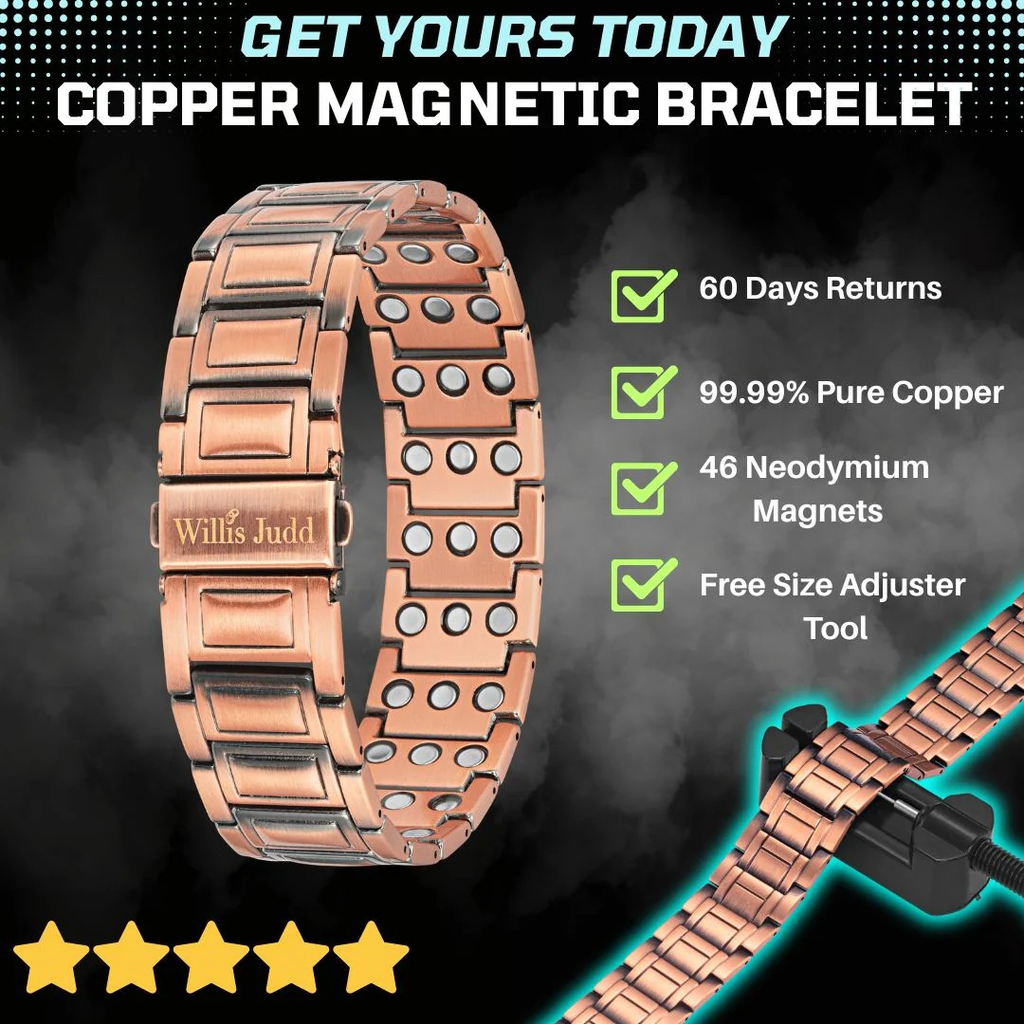
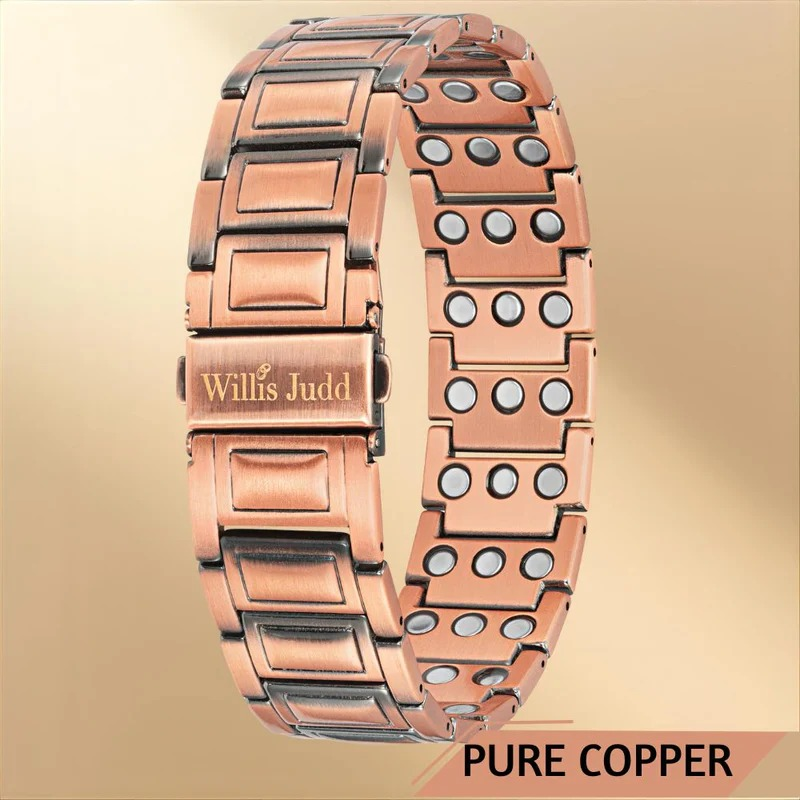
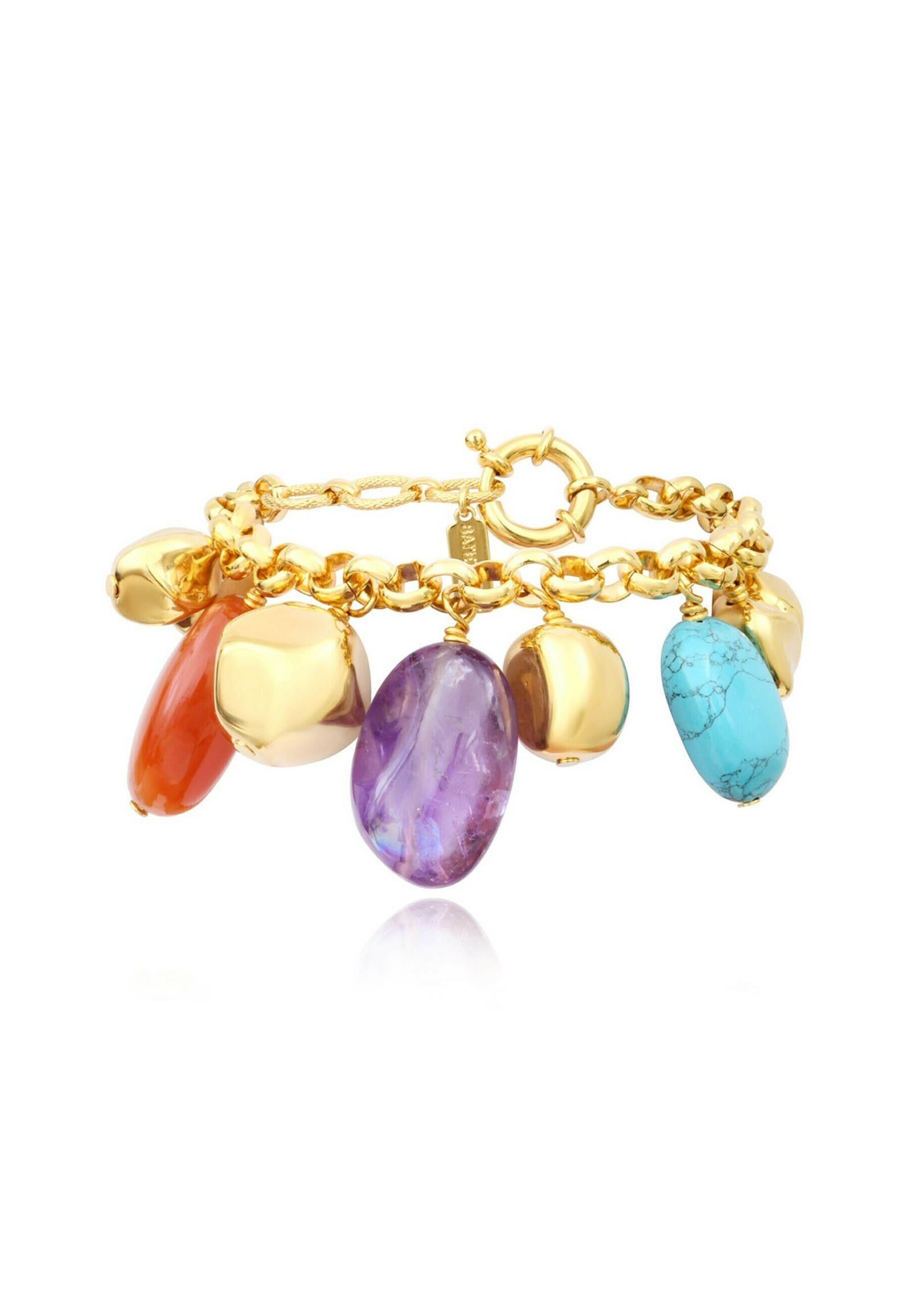
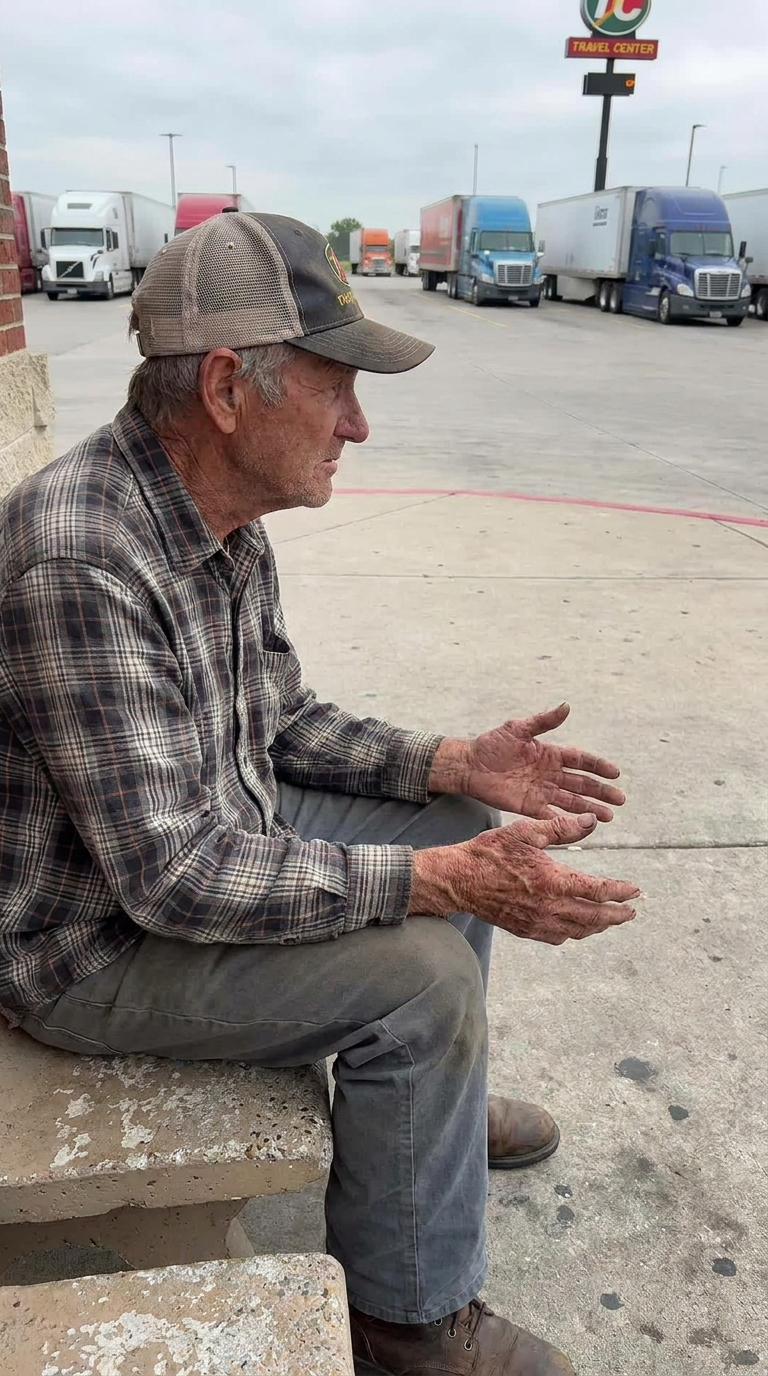
My wife stopped me at the door last Tuesday morning. She asked me a question she hadn't asked in 34 years of marriage. "Are you sure you should be driving today?" I've been on the road since 1992. Atlanta to Dallas mostly. Sometimes up to Chicago when the freight pays right. I run a '98 Peterbilt 379 that I bought used twelve years ago. I named her Ruth. I know it's stupid to name a truck. But I've spent more time in that cab than I've spent in my own bed. So she gets a name. Linda is my wife. She's not the type to ask a question like that. She's the type to pack a thermos and a sandwich and hand it to me at the door and tell me to drive safe. She's been doing that since the Clinton administration. So when she stopped me on Tuesday and asked me if I should really be driving — I knew something was off. I just didn't know what. She'd been watching me at breakfast. I'd reached for my coffee. The mug slipped right through my fingers. It hit the table and rolled and the coffee went everywhere — across the placemat, into my eggs, down onto the floor where Buddy our old Lab licked it up before I could grab the towel. I laughed it off. I said something about needing more sleep. Linda didn't laugh. She just looked at me. She watched me try to wipe up the coffee. And she saw my hand wouldn't close all the way around the towel. I hadn't seen it. I'd been not seeing it for a while. There were other things. I just hadn't let myself add them up. The buttons on my work shirt — the cuffs especially — I'd been having Linda do them in the dark before she went back to sleep when I left at four AM. I told her my fingers were just cold. In July. There was the climb into the cab. The grab handle on Ruth has been there since 1998. I've grabbed it ten thousand times. Lately it'd been hurting. A burning, grinding hurt at the base of my thumb that I hadn't had a name for. I started using my left hand to pull up. Then both hands. Then I started planning my pull so I could lead with my forearm against the doorframe. I'd built a whole little system for getting into my own truck. And I hadn't even noticed I'd built it. There was the thermos thing. My daughter Megan gave me a thermos for my 58th birthday. A nice one — stainless steel, vacuum-sealed, the kind that keeps coffee hot from Atlanta to the Tennessee state line. It had a screw cap. The first morning I had it, I sat in Ruth in the loading yard and tried to open it. I couldn't. I tried again. I couldn't. I sat there in the dark with my own daughter's birthday present in my lap and I couldn't open it. I ended up drinking truck stop coffee that whole run. I never told Megan. I never told Linda either. There was the night outside Knoxville. I'd been on the road eleven hours. My right hand fell asleep on the wheel. Not pins-and-needles asleep. Dead asleep. I had to pull over at a rest stop and shake it out for fifteen minutes before I could feel my fingers again. I sat there in the cab with the engine running and I looked at my own hand like it belonged to somebody else. Then I started Ruth back up and finished the run. I didn't write it down in the logbook. I didn't tell dispatch. I didn't tell Linda. I just kept driving. There were the small things at home. I couldn't open the pickle jar at Thanksgiving. I handed it to my son-in-law. He's an accountant. He's got soft hands and he opened that jar like it was nothing. I laughed and called him strong. But I went into the bathroom afterwards and I stood at the sink and I tried to make a fist. I couldn't. Not all the way. There was a gap between my fingers and my palm and it wouldn't close. I built my daughter a treehouse when she was nine. Two stories. A rope ladder and a real roof and a window with a hinge. The grandkids play in it now. Last spring the rope ladder needed replacing. I drove out to the house and I climbed up to take it down and my hand wouldn't grip the rope. I had to come back the next weekend with my son-in-law. The accountant. He climbed the ladder. I held the bottom. I held the bottom of my own ladder on my own daughter's treehouse that I built with my own hands. I drove home that night and I didn't say anything to Linda for two hours. She knew not to ask. So when she stopped me at the door on Tuesday — after the coffee mug — and asked me if I should really be driving today — I knew. I knew she'd been adding them up. Even if I hadn't. I said something dumb. I said "I'm fine, honey." She just stood there. She had her arms crossed. She had her hair still wet from the shower. She had that look she gets when she's already decided something and she's just waiting for you to catch up. "Tomorrow," she said. "Tomorrow you're going to Dr. Patel." Dr. Patel is the occupational health doctor for the trucking company. She does the CDL physicals. I wasn't due for mine for another seven months. But Linda had already called. I drove that day. I made the Atlanta-Birmingham run with my hand shaking on the wheel through Alabama and a knot in my gut I couldn't name. I came home that night. I didn't sleep. The next morning I drove to Dr. Patel's office. She had me sit on the table. She had me hold out my hands palms-up. She watched them tremble. She didn't say anything. She pulled out the grip strength tester. It's a little dynamometer. You squeeze it as hard as you can and a needle shows what you produced. For my CDL — for a guy my age, my size — I need to hit about 75 pounds of force in each hand. I squeezed it with my right hand. The needle moved to 31. I squeezed harder. It moved to 33. She nodded. She didn't react. She had me do the left hand. Left hand made it to 38. She wrote the numbers down on a chart and she set the dynamometer on the counter and she pulled up a chair and she sat down in front of me. "Mr. Healy," she said. "You wouldn't pass your CDL physical today." I want to tell you what that did to me. Driving is what I do. Driving is who I am. I've been driving longer than my daughter has been alive. I've put more miles on Ruth than most people put on three cars. Linda's mortgage is paid for because of Ruth. Megan went to college because of Ruth. The grandkids' Christmas presents come from Ruth. If I don't have a CDL — I don't have anything. I'm a 58-year-old man with a high school diploma and thirty-four years of one job. I'm not retraining. I'm not going to drive a forklift in a warehouse for eighteen dollars an hour. I'm a trucker. I sat there on the exam table in Dr. Patel's office and I felt the floor go out from under me. She let me sit with it for a minute. Then she leaned forward. She put her elbows on her knees. She looked me in the eye. "This isn't what you think it is," she said. "You're not done driving." "Not yet." "But we have to talk." She started with a question. She asked me about the steering wheel. How long had I been driving? How many hours a day? What kind of wheel — power-assisted, manual? I told her. I told her about Ruth. She asked about vibration. "All day," I said. "Cab vibration, engine vibration, road vibration." "My hands have been on that wheel six to ten hours a day for thirty-four years." She nodded. She wrote something down. Then she pulled out her tablet and turned it toward me. It was a diagram of a hand. The joints at the base of the fingers — the joints at the base of the thumb — the wrist. Little red dots where the cartilage was. "Bear with me," she said. "This is going to sound technical for a minute." "But I want you to understand exactly what's happening in your hands." "Because if you understand it, you can do something about it." "And if you don't, you're going to be off the road by Christmas." I leaned in. I'd never had a doctor talk to me like that before. She wasn't selling me anything. She wasn't reading from a script. She was telling me what she saw. "There are three things happening at once in your hands," she said. "And no single treatment fixes all three at the same time." "That's why nothing has worked for you so far." "That's why the Aleve doesn't work." "That's why the heating pad doesn't work." "That's why the grip strengthener you bought after Thanksgiving doesn't work." I hadn't told her about the grip strengthener. Linda must have called ahead. "First," she said. "Vibration." "Thirty-four years of cab vibration is thirty-four years of micro-trauma to the cartilage at every joint your hand makes contact with the wheel." "It's not arthritis like your mother had — overnight, suddenly stiff." "It's wear." "Same as a tire." "Same as a bearing." "Drive a million miles on a tire and the tread is gone." "You've driven the equivalent of a million miles on the cartilage in your hands." She held up one finger. "That's one." "Two — circulation." "When you grip a wheel for six to ten hours a day, you're compressing the blood vessels in your hand and wrist." "Not enough to numb them — your body adapts." "But enough to reduce circulation to the joints by maybe twenty, thirty percent." "Year after year after year." "Joints need blood flow to heal." "Less blood flow means less healing." "So the micro-trauma from the vibration stacks up faster than the body can repair it." "By the time you're fifty-eight, the repair budget is empty." She held up a second finger. "Three — inflammation." "Wherever you've got chronic micro-trauma and reduced circulation, you get chronic inflammation." "Your immune system shows up to fix the damage." "But because the damage never stops — because you keep gripping that wheel every day — the inflammation never resolves." "It just sits there." "All day, every day." "In every joint in your hand and wrist." "That's the burning." "That's the swelling." "That's why your hands hurt worse in the cold." "That's why your morning stiffness is so bad — overnight your circulation slowed, the inflammation built up, and when you woke up your hands had basically seized." I looked at the diagram on her tablet. I looked at the red dots. I thought about thirty-four years of Ruth's steering wheel under my hands. I thought about the cab vibration through the bones of my forearm at 65 miles an hour for ten hours a stretch. I felt sick. "So why doesn't the Aleve work," I said. She nodded like she'd been waiting for me to ask. "Aleve is a systemic anti-inflammatory." "You take it as a pill." "It enters your bloodstream." "It gets distributed throughout your entire body." "By the time it reaches the joints in your hand, the concentration is — maybe — five percent of what you took." "That's enough to take the edge off the pain." "That's not enough to stop the inflammation cycle." "And the half-life is four to six hours." "So even that five percent isn't there all the time." "It's there for a few hours." "Then it's gone." "And the inflammation comes right back." "Plus — Aleve every day for years destroys your stomach lining and stresses your kidneys." "You can't take it forever." "What about heating pads?" "Heating pads help circulation." "For ten minutes." "Then they're off and your blood flow goes back to baseline." "You're not going to drive eight hours with a heating pad on your hand." "Glucosamine?" She smiled a sad smile. "Glucosamine has a tiny effect on cartilage repair — assuming it gets to the cartilage." "Most of it doesn't." "And it doesn't address inflammation or circulation." "It's one piece of a three-piece problem." "Compression gloves?" "Help a little with circulation when you wear them." "Useless when you don't." "And you can't grip a steering wheel safely in compression gloves all day." "Cortisone shot?" "Knocks the inflammation down for six to twelve weeks." "Comes back the second the shot wears off." "And your insurance won't cover them indefinitely." "And every shot weakens the joint a little more." "Surgery?" She gave me a hard look. "Mr. Healy, you're not a surgery candidate." "Not yet." "And if you became one — that's six weeks off the road minimum, per hand." "You'd lose your job." I sat there. I felt small. I felt sixty years old and shrinking. I asked her — what about quitting driving? What about retiring? She tilted her head. "You could do that," she said. "Or you could do what my father did." Her father, she said, was an ironworker. Thirty-eight years. Bridges, mostly. He used to grip rebar all day. Vibrating tools, cold steel, vibration through his arms, the works. By the time he was sixty he couldn't make a fist. He couldn't hold a coffee cup. He was getting ready to retire — and he didn't want to. He'd retire on Friday and be in the ground by Monday — that's the kind of man he was. She told him about a guy in her residency who'd treated retired tradesmen with chronic hand pain. Old-school approach. Older than old-school. "I told my dad about it," she said. "He laughed at me." "He worked steel for thirty-eight years." "He didn't believe in much." "But he tried it because his other option was retiring." "And four months later he was working part-time again." "At sixty-two." "His hands came back." "Not all the way." "But enough that he could grip a wrench again." "Enough that he didn't have to retire." "Enough." I asked her what it was. She told me. A copper bracelet. Solid copper. With magnets in it. I laughed. I think I actually laughed. I said "You're a doctor and you're telling me to wear a copper bracelet?" She smiled. She didn't get defensive. She said "I knew you were going to say that." "My dad said it too." "Here's what I tell people." She leaned back. She told me about copper. Trace mineral, absorbed through the skin in tiny amounts over time. Copper is involved in the body's natural anti-inflammatory pathways. Not a drug. Not a cure. Just a steady, low-dose, continuous supply of a mineral that the body uses to manage inflammation. Steady is the word. All day. Every day. While you're gripping the wheel. While you're sleeping. While you're driving Ruth from Atlanta to Dallas. Not a pill that wears off in six hours. A steady delivery. In the place where the damage is happening. Then the magnets. She said the research is debated. She wasn't going to oversell it. But what's well-established is that magnetic fields, applied locally, appear to support local microcirculation in the tissue underneath. Not a lot. Just a little. But — and this was the key — applied for hours and hours and hours every day, that small increase in circulation stacks up. Over time, it gives the joints what they've been starving for. Blood flow. Healing. "Look," she said. "It's not a miracle." "It's not magic." "It's a way of giving the joints in your hand what they need — every minute of every day." "Anti-inflammatory mineral support." "Plus continuous, gentle support for circulation." "In the exact place where the damage is." "Without pills." "Without surgery." "Without you having to remember to do anything." "You put it on and you forget about it." "And six weeks from now you come back here and you squeeze the dynamometer again." "And we see what happened." I asked her how much. She told me — eighty bucks. She said her dad's wife had bought it on a website. She said it came with a sixty-day money-back guarantee. "If it doesn't work, send it back." "You lose nothing." "You're already losing your hands." "You don't have much more to lose." I drove home that day with the prescription pad in my pocket. She'd written down the brand on the back of it. Willis Judd. I'd never heard of them. I gave it to Linda when I walked in the door. She didn't say anything. She just took the paper and went into the bedroom and I heard her open her laptop. The bracelet came in the mail four days later. Week one, I felt nothing. I'll be honest with you. I felt nothing. I almost took it off. I almost sent it back. I told Linda "this is a waste of eighty dollars." She said "wear it for a month." So I wore it for a month. Week two — something. I woke up on a Wednesday morning. I rolled over. I reached for the alarm clock. My hand closed around it. It just — closed. I lay there in the dark for ten minutes trying to figure out what was different. Then I realized I'd made a fist. I'd made a fist without thinking about it. For the first time in I don't know how long. I didn't tell Linda. I didn't want to jinx it. Week three. I climbed into Ruth. I grabbed the grab handle with my right hand. I pulled myself up. Nothing burned. Nothing ground. I sat down in the seat and I looked at my hand for a long time. Then I started the truck and I drove to Birmingham. Week four I opened the thermos. It was a Tuesday morning. I was in the truck stop outside Macon. I'd had the thermos in my bag for the whole month. I'd been drinking truck stop coffee out of habit. But I pulled it out that morning and I screwed the cap. It opened. It just opened. I poured the coffee from the thermos into the cup and I sat there in the cab in the dark and I drank coffee my daughter had bought me a thermos to drink. I cried a little bit. I'm not going to pretend I didn't. Week six. I went back to Dr. Patel. I sat on the table. She had me hold out my hands. She watched them. She pulled out the dynamometer. I squeezed. The needle went to 68. She made me do it again. It went to 71. The left hand went to 78. She set the dynamometer down. She looked at me. She didn't say anything for a long time. Then she said — "I think we'll renew your CDL." I called Linda from the parking lot. I sat in the car and I told her what the doctor had said. She was quiet for a minute. Then she said "I knew the second you walked back from her office last month." "I just didn't want to say it." "In case I was wrong." I've been wearing the Willis Judd for nine months now. I haven't taken it off. It's there when I climb into the cab. It's there when I grip the wheel from Atlanta to Dallas. It's there at night when I sleep. I had the cuffs of my own work shirt buttoned this morning before Linda was awake. I opened the pickle jar at Easter dinner. I opened it in front of my son-in-law. The accountant. I climbed the rope ladder on the treehouse two weekends ago and replaced it myself. The grandkids cheered. Linda was on the ground holding the bottom. I'm 58 years old. I drive a 1998 Peterbilt 379 named Ruth. I run Atlanta to Dallas mostly. Sometimes Chicago. My grip strength last month was 74 pounds in my right hand and 81 in my left. I'm going to drive until I'm 70 if Ruth holds up. The bracelet doesn't come off. I won't let it. If you're a man my age — if your hands are starting to do things you don't talk about — if you've been buttoning your cuffs in the dark — if you've been planning how you grab the truck handle — if you've been laughing about pickle jars to cover something else — You know what I'm talking about. You know. I didn't. I do now. It's eighty dollars. It's a sixty-day money-back guarantee. If it doesn't do anything, send it back. If it does what it did for me — you'll know in week three. You'll know in week four. You'll know when you make a fist in the dark and your hand closes all the way. Linda doesn't ask me anymore if I should be driving. She just packs the thermos. She hands it to me at the door. She tells me to drive safe. And she watches me grab the keys with a hand that works.
Where the ad sends people
willis-judd.com
I sat in my pickup truck and watched my best friend's funeral procession ride past me.
That strange tingling feeling in your hands… ever looked it up? A lot of people notice their hands feel different as they get older. Sometimes it’s stiffness after working, that random tingling feeling after a long day, or the occasional pins and needles from typing, lifting or even scrolling o...
Learn more: willis-judd.com(opens in a new tab)