Dr. Josh Redd
Dr. Josh Redd Facebook ad: “If Hashimoto’s is treated like just a thyroid…”
Ran for 220 days, from February 7 to September 15, 2026, the last day Crush saw it.
Run by Dr. Josh Redd on Instagram. Crush is not the advertiser and does not verify its claims. See this ad in Meta's Ad Library(opens in a new tab)
Want an ad like this for your product?
Crush makes new ad images for your product from this ad: your logo, your product photo, your offer.
Trials from $19.95 USD, then $79.95 USD a month. Cancel anytime.
About this ad
- Meta Ad Library ID
- 1328174052381456
- Platforms
- Relaunches
- 0
- EU reach
- 1
Ad text
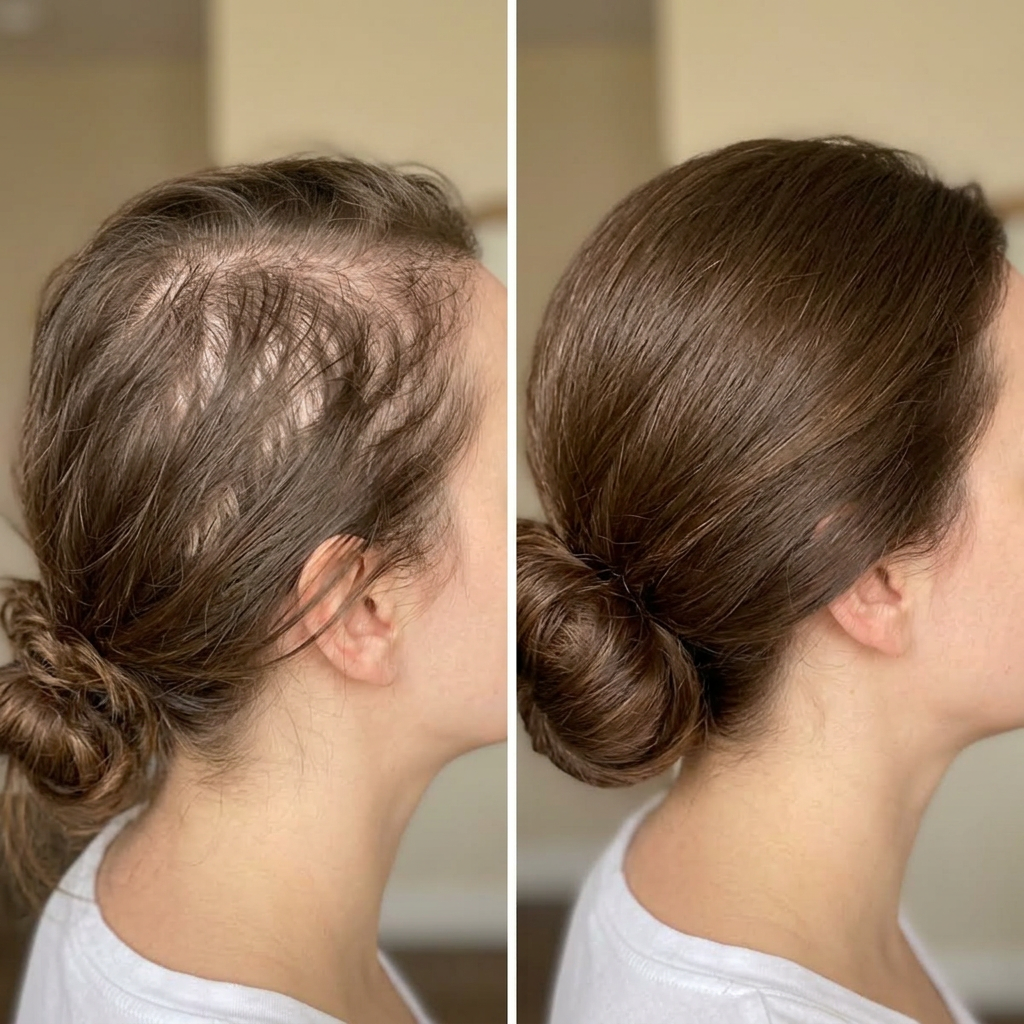
If Hashimoto’s is treated like “just a thyroid problem,” we miss the bigger picture: it’s an autoimmune process that often clusters with other autoimmune diseases (aka polyautoimmunity). One large UK study found that 14.3% of people with Hashimoto’s thyroiditis had at least one additional autoimmune disorder, with rheumatoid arthritis among the most common coexisting conditions.  What this tells us clinically: • Hashimoto’s isn’t isolated, it’s a sign your immune system has developed a pattern of mis-targeting tissues.  • The “systemic” part isn’t just symptoms—shared genetics + immune signaling (Th1/Th17 cytokines, chemokines, etc.) can overlap across thyroid + gut + skin + joints + nervous system.  • And beyond hormones, Hashimoto’s is increasingly recognized for extra-thyroid manifestations (fatigue, mood/cognition, musculoskeletal complaints, skin/hair changes, etc.).  Important nuance: “Unmanaged” Hashimoto’s doesn’t guarantee you’ll develop another autoimmune disease—but untreated/undertreated hypothyroidism + ongoing autoimmunity can amplify inflammation, symptom burden, and downstream complications, and it should raise your index of suspicion for other autoimmune issues. If you have Hashimoto’s, consider screening when symptoms fit: ✅ celiac / gluten sensitivity pattern ✅ pernicious anemia / B12 issues ✅ vitiligo / alopecia areata ✅ RA / joint pain + morning stiffness ✅ type 1 diabetes markers (if clinically indicated) @alexandra_lourdes Sources: Boelaert et al., Am J Med (2010).  | Mikosch et al. (2021)  | Kotak et al. (2024)  | Wrońska et al. (2024)  Educational only; not medical advice.