
Inactive· since Jun 10, 2026
- 94
- days it ran
- 0
- relaunches
Ad copy
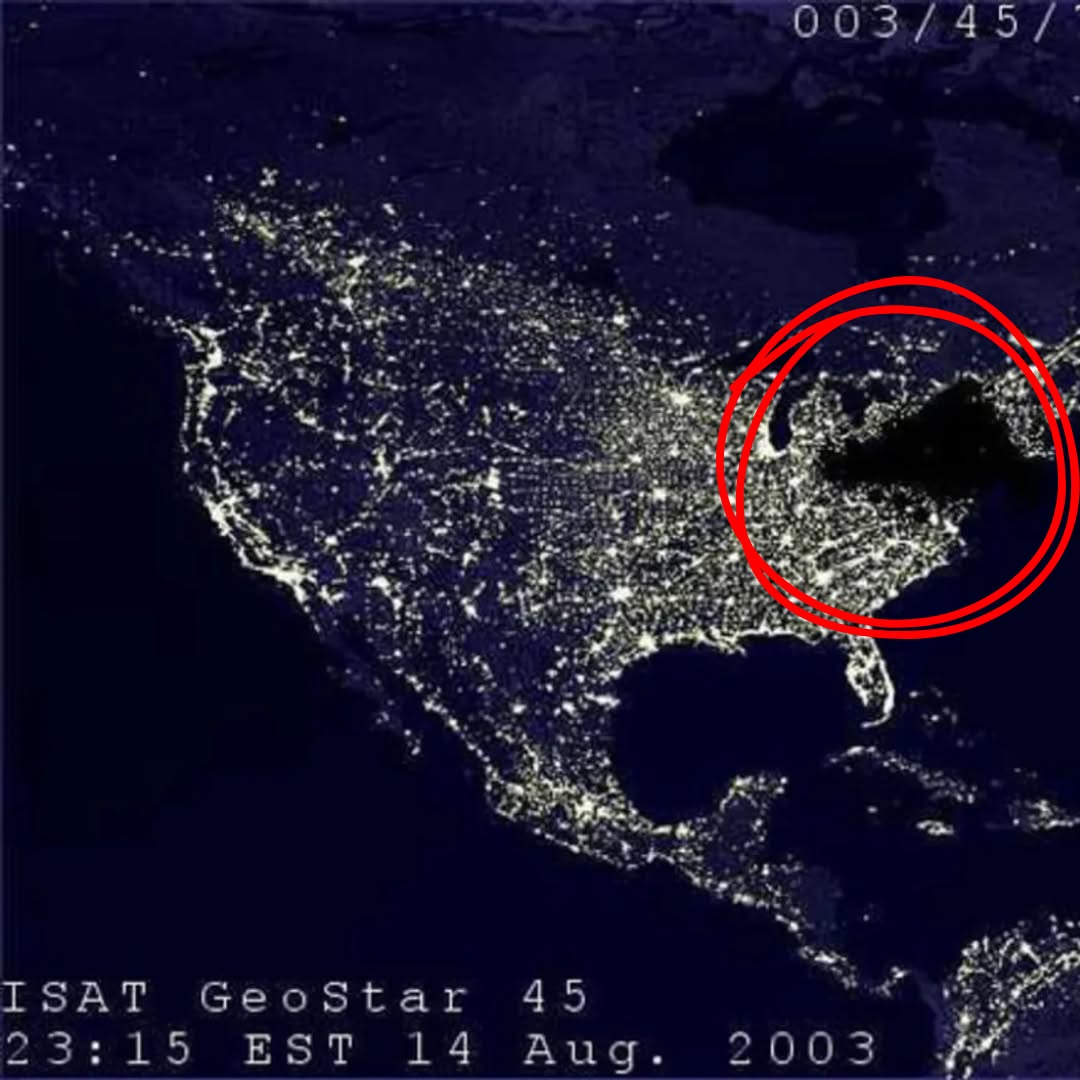
I kept my mouth shut in 2020 and watched everything I'd heard planned in a closed room play out on the news exactly on schedule — same words, same order, same countries — while my five-year-old ate breakfast. The men in those rooms aren't the ones you see on TV — they're the ones the ones on TV answer to, from countries that are supposed to be enemies, and in nine years of translating for them I never once heard them argue because there are no sides, just plans. In those rooms 2020 was always called the test run — because everything you're seeing right now — the Strait of Hormuz shut down, gas at prices we've never seen, refineries getting hit, entire airlines disappearing overnight — is leading to something so much bigger. And in the last six months, every person I've ever worked with in those rooms has gone quiet, pulled their kids close, and started preparing their families like they know exactly what's coming. This post will probably get taken down because I'm breaking my contracts to say this… but every American needs to read this before it's too late. My name is Daniel. I'm 38. I live outside Charlotte. I have a wife named Sarah, a daughter who's eleven, and a son who just turned seven. I speak six languages. My mom was Lebanese. My dad was a math teacher who thought languages were the only useful thing a kid could do with his free time. For nine years my job was to sit in a chair in rooms with no cameras and translate for men whose countries are supposed to be enemies. They never argued. Not once. In nine years. I need to tell you about those rooms. The first one was Geneva. I was twenty-six. Six months earlier I'd been teaching high school Spanish for $41,000 a year. A woman I'd never met called me on a Tuesday and said there was contract work — government-adjacent, required a clearance, paid four times what I was making. The clearance form was forty-seven pages long. I wish I'd never filled it out. They took my phone at the door. Put it in a small gray bag with a drawstring on top — not a basket, a bag, like something from another century. Twelfth floor. No sign on the building. No label on a single water bottle inside the room. Glass, not plastic. Heavy. The chairs were set up in a V shape — never across from each other. I asked a handler about it later and she said "they don't sit across. That's for people who disagree." These men did not disagree. My job was simple. Sit in a chair six feet behind the man I was assigned to. One earpiece. A notepad I wasn't allowed to take out of the room. Listen in one language, speak in another, quiet enough that only the person next to me could hear. The rest of the time I was supposed to be invisible. That first meeting I translated for a man from Riyadh. Along the V sat a man from Tehran. Their countries hadn't had ties in years. On the news they were one bad week from a war. In that room they talked about shipping schedules. Not threats. Not sanctions. Shipping. Routes. Timing. They talked the way two managers at the same company talk about hitting a deadline. When they were done, the man from Tehran leaned over and said something to the man from Riyadh — in Arabic, not Farsi, which meant he didn't need me — and they both laughed. I flew home the next day and watched those same two countries threaten each other on my kitchen TV. That was the first time. It wasn't the last. Over nine years I sat in maybe sixty or seventy of those meetings. Different cities — Geneva, Vienna, Doha, Kuala Lumpur, a few I was told not to name. Same setup every time. Same gray bags. Same water bottles. Same V-shaped chairs. Always the same feel — quiet, calm, like a Monday morning staff meeting. Men from Iran, Saudi Arabia, Russia, China, the US, a few European countries. In public they gave speeches about each other's threats. In that room they passed papers to each other without looking up. I never once translated a threat. Not once in nine years. I translated scheduling changes. Dinner plans for working meals. Worries about whether a timeline was moving too fast. Once I translated a ten-minute conversation about a man's daughter's wedding — the kind of small talk coworkers make before a meeting starts. That's what enemies sound like when there's no camera in the room. I told myself it wasn't my job to have opinions about what I heard. I translated. I went home. I deposited the check. I took my daughter to swim lessons on Saturdays and never once talked about the rooms. Not to Sarah — my wife. Not to my friends. Not to anyone. The papers I signed said I couldn't. But the truth is I didn't want to. I didn't know what I'd even say. Then came late 2019. November. A meeting in a city I won't name. Smaller room than usual — maybe eight principals, four translators. I was assigned to a European I'd worked with before. Calm guy. Never talked to me outside the sessions. They put a screen up. I hadn't seen that before. Usually it was just quiet voices, papers, handshakes. This time there was something on the wall. Charts. Timelines. Country names down the left side. Dates next to them. Numbers I didn't understand at first. Then I did. They were talking about how fast people in each country would go along with a lockdown. How quickly they'd stop leaving the house. How long before they'd push back. Which countries would fall in line first. Which ones would need more pressure. The phrase I translated that day — the one I've never been able to get out of my head — was something close to "public health compliance framework." It sounded like a business plan. Three months later — March 2020 — I watched ninety percent of the countries on earth lock down inside thirty days. Same words. Same rules. Same order. I sat on my couch and watched it play out on TV. Same phrases. Same framing. Same sequence I'd seen on that screen. Sarah was pregnant with Eli. She was scared about the virus like everyone else. I was scared about something else. I was scared because what I'd just watched on the news wasn't a reaction. It was a rollout. And the people rolling it out weren't the governors and prime ministers saying the words on camera. Those people were reading from a script. I'd translated the draft. The meetings kept going through 2020. Not about the virus — never about the virus. About what came next. About what they'd learned. About how fast people gave up their normal lives. About which levers worked and which ones didn't. I remember one phrase — and I'm going to write it here even though I know what it sounds like. A man I'd translated for many times — someone whose title I was never told, but whose chair was always at the point of the V — said something I put into English as: "The health lever proved the model. The energy lever will be the real one." He said it the way you'd say "the pilot went well, now we go full scale." That was 2021. Since then I have watched every single thing discussed in those rooms show up in the real world. The Strait of Hormuz. They talked about it as a "pressure point." Not the way the news talks about it — like it's some crisis nobody saw coming. In that room it was a line on a timeline. A date range. A phase. On March 4, 2026, Iran closed it. Twenty percent of the world's oil — shut off. 2,000 ships sitting in the water. Two days before that, drones hit Aramco's biggest refinery — Ras Tanura, Saudi Arabia's largest. Operations shut down. Exports stopped for weeks. And nobody in that room was surprised. I know because I was in the last meeting I'll ever attend — eight months before the strait closed — and the timeline on the screen matched what's happened since almost to the week. Now watch what happened next. Pay attention to the speed. Pay attention to the language. Because that's how you know it's not random. Spirit Airlines — gone. May 2nd. 17,000 jobs. Overnight. Every flight cancelled. First American airline to shut down in twenty-five years. Jet fuel went from $99 a barrel to $209. Philippines — national energy emergency. They get 98% of their oil from the Gulf. Four-day work week. Their president said "nothing is off the table." Sri Lanka — fuel rations on a QR code. Fifteen liters a week for cars. Five for motorcycles. They did this before in 2022 — twenty people died waiting in line. Now it's back. Pakistan — closed schools for two weeks. Moved work online. Bangladesh — pushed holidays forward to keep people home. Thailand — telling people to take off their jackets to use less air conditioning. Australia — thirty days of diesel left. Below the safety line. National emergency fuel plan. China — banned all fuel exports. Gasoline. Diesel. Jet fuel. Everything. Keeping it for themselves. Philippine Airlines — their own president said they have fuel through the end of June. After that — his exact words — "no visibility." The head of the International Energy Agency said this is the "biggest energy security threat in history." Europe has maybe six weeks of jet fuel left. Thirteen countries. Same sixty days. Same words — "temporary energy conservation measures." "Emergency protocols." "Short-term rationing." Like somebody sent them all the same email. Somebody did. I translated it. And I need to tell you something that's going to be hard to hear. Everyone right now is picking sides. Blaming Iran. Blaming Russia. Blaming China. Blaming whoever the news tells them to blame. I'm telling you — as someone who sat in those rooms for nine years — there are no sides. There haven't been for a long time. The arguing you see on TV is the show. The room is the truth. And in the room they're not fighting over oil. They're managing a schedule. The schedule has a word for what comes after fuel rationing. They call it "controlled energy access." That means the power doesn't go off because of a storm or a broken line or a war. It goes off because someone decided it goes off. And it comes back on when they decide it comes back on. Not when you call the power company. Not when you vote. Not when you protest. It comes back on when the schedule says so. In 2020 you could argue. You could refuse the mask. You could yell at a school board. You could hold a sign. There was a debate. Energy doesn't have a debate. You can't argue with an empty gas pump. You can't protest a grid that turned off. You can't yell at the faucet when it stops running. You just stand there. I almost didn't write this. I stopped three times. Closed the laptop. Walked into my daughter's room and watched her sleep. Told myself this wasn't my job. I'm a translator. I sat in a chair. I repeated words. That's all I did. But my son is seven. And I keep thinking about what day four looks like in my house with no water coming out of the tap. Maya asking me why nothing comes out of the faucet. Eli asking me when we're going home while I stand in a FEMA line holding a number. So I'm going to say it. When the power goes out — and I don't mean a storm, I don't mean a brownout, I mean a controlled shutdown — the first thing you lose is water. Not food. Not heat. Not internet. Water. Your city water runs on electric pumps. Those pumps need the grid. When the grid goes down, the pumps stop. Your faucet stops. Not in a week. Not in a few days. Hours. Look at Texas, February 2021. Three days. Fifteen million people lost clean water. That was weather. An accident. Nobody planned it. Now look at Cuba. Their grid has collapsed four times since 2024. Eighteen hours a day without power. A woman on the news said "if the power doesn't come back by morning I won't be able to get water for my children." That wasn't a war. That wasn't an attack. That was the grid going down and the water going with it. Now think about what I just told you. The men in those rooms aren't reacting to a crisis. They're managing a schedule. And the schedule says "controlled energy access." Follow the chain. Four steps. Strait closes. Fuel can't get here. Power plants can't run. Pumps stop. Tap goes dry. Start to finish — hours. And here's the part that should scare you the most. America has more fresh water than almost any country on earth. Rivers. Creeks. Lakes. Ponds. You probably drive past one every single day. You've probably never looked at it twice. But you can't drink from it. Bacteria. Parasites. You'd be in a hospital bed in twenty-four hours — if the hospital was still running. The water is right there. You can see it. You can touch it. You just can't use it. They don't need to pass a law to take your water. They just turn the power off and wait. Three weeks ago I got a text from a number I didn't know. No name. No message. Just a link. I almost deleted it. Then I looked at the area code — it was from a city where I'd had my last meeting. I clicked it. It was a water filter. I stared at it for a while. Didn't make sense. Then I thought about who sent it. There was only one other translator who lasted more than two years in those rooms. I'll call him Marc. Quiet. Professional. We never talked about what we heard — we both knew better. But there was a moment after one of the last meetings. In a hallway, outside the elevator. He looked at me and said something I didn't fully get at the time. He said, "When they move to energy, it's water first. That's the pressure nobody sees coming." I hadn't heard from Marc in over a year. He'd gone quiet like everyone else. Changed his number. No social media. Gone. And then this text. Just a link. A water filter from a small company I'd never heard of — Primitive Labs. I looked at the site. Military-grade. 0.1-micron hollow fiber membrane. Four-stage filtration. Filters bacteria and parasites from any freshwater source — rivers, creeks, lakes, ponds, rainwater. Not tap water. Not pool water. Real water. The kind sitting thirty feet from the playground where my daughter used to have swim practice. Four hundred gallons per filter. One person, one year of drinking water. Size of a thick marker. Lighter than my phone. No power. No batteries. No chemicals. Nothing to plug in. You put one end in a creek and drink from the other end. Marc — the guy who sat in the same rooms as me, heard the same plans, translated the same timelines — went dark, cut off everyone, and the one thing he sent before disappearing was a link to a water filter. I know what he was telling me. Sarah saw me staring at my phone that night. She asked what I was looking at. I turned the screen toward her. She didn't say anything. She looked at it. Looked at me. Gave my phone back. Went to bed. The next morning there were two boxes on the porch. She'd ordered ten. Didn't tell me. Didn't ask. Stayed up after I went to sleep and ordered ten — five for the house, five for the cars. When I asked her why ten she said "your parents. My parents. The kids." That was it. No discussion. She'd done the math in her head while I was still staring at a screen. I didn't believe it would really work. That Saturday I drove to Reedy Creek — the little brown creek that runs behind the Food Lion on Route 51, the one I've driven past every single day for six years and never thought twice about. I brought one of the filters and an empty bottle. The water was brown. Leaves floating. Stuff at the bottom I didn't want to think about. I put the filter in, squeezed, and watched clean water come out the other end. I just stood there. Stood in a parking lot I'd been to a thousand times, looking at water I'd driven past a thousand times, holding something smaller than a flashlight that turns that water into a year of drinking water for one of my kids. There are three hundred families within a mile of that creek. Their kids go to the school up the road. Not one of them has ever looked at that ditch and thought "that's my emergency water supply." But it is. I ordered twenty more that night. For my brother. For Sarah's sister. For my neighbor with three kids under five. Two per person. One at home, one in the car. That's what Marc had. That's what everyone from those rooms had. The whole thing cost less than what I spend on groceries in a week. Lifetime warranty. Sixty-day money-back guarantee. Free shipping. You can't buy it on Amazon. You can't find it at Walmart. Small operation — military spec, small batches. Here's the site: https://primitivelabsresearch.com/products/hydra-x1-portable-filtration-unit I don't know who's reading this. I don't know if you have kids or parents or anyone you're responsible for. But I know what's on that schedule. And I know that every person who was ever in those rooms — every translator, every handler, every aide who carried coffee and pretended not to listen — has already done what I just did. The ones who know are not talking about it. They're just preparing. Quietly. For their families. You can live without cheap gas. You can live without flights. You can live eating rice and beans for a month. But your body shuts down in three days without water. There is no backup plan for that. There's no government line for that. There's no app for that. There's a creek behind your grocery store and a filter that fits in your pocket. Two per person. One where you live. One where you go. https://primitivelabsresearch.com/products/hydra-x1-portable-filtration-unit I wasn't going to post this. Sarah told me not to. She said the contracts I signed would come after me. She's probably right. But I have an eleven-year-old daughter and a seven-year-old son and I already stayed quiet once and I watched what happened and I'm not doing it again. Share this with your family. Share it with the people you'd call if the lights went out. Because by the time this is on the news it'll be too late to order anything. EDIT: It's been four days since I posted this. In those four days — Pakistan extended school closures another two weeks. India started rationing cooking gas in three states. Gas in California hit $7.40. And this morning I saw a headline that said a major US utility company is "exploring controlled rolling blackouts as a precautionary measure." Precautionary. That word was on the timeline I translated. Same word. I can't make you believe me but I can tell you the next thing on that timeline after "precautionary" is "mandatory." Please take this seriously. Link below. https://primitivelabsresearch.com/products/hydra-x1-portable-filtration-unit EDIT 2: This post has been shared more times than I ever expected. I've gotten messages from people I haven't talked to in years — people from my old life, people who knew what I did — and every one of them said the same thing: "It's about time someone said it." Two of them told me they've had filters for over a year. A power company lineman from Ohio messaged me and said "I've been telling my family for months and nobody listens." I don't know how long this post stays up. I don't know what happens to me for writing it. But I know that Primitive Labs is a small company and they make these in small batches at military spec and that takes time. If you're reading this and you haven't ordered yet — do it now. Not for me. For your family. https://primitivelabsresearch.com/products/hydra-x1-portable-filtration-unit P.S. — Sarah took one of the filters to the creek last weekend without telling me. I found it in her purse when I was looking for the car keys. Wet. She'd already tested it herself. When I asked her she said "I needed to see it for myself." Each filter does 400 gallons — over a year of drinking water per person. 0.1-micron hollow fiber membrane. Removes 99.999999% of bacteria and 99.999% of parasites. Lifetime warranty. 60-day money-back guarantee. Free shipping. Fits in your pocket. You can survive the dark. You can survive the cold. You cannot survive three days without water and no backup plan. P.P.S. — Do the math on bottled water. A case of water is about three gallons. A family of four goes through that in less than a day. To match what one HYDRA-X1 filter gives you — 400 gallons — you'd need over 130 cases. That's a garage full of plastic just to cover one person for one year. One filter does the same thing and weighs less than your phone. P.P.P.S. — Primitive Labs makes a few other things for families — an emergency bivvy that holds your body heat without power, a solar-powered generator and radio that charges off sunlight. I ordered those too. But if you only get one thing — get the filter. Everything else is about comfort. Water is about survival. P.P.P.P.S. — My brother ordered the same day I told him. Sarah's parents ordered that night. My neighbor — the one with three kids — drove to that same creek and tested it herself before she ordered. We don't talk about it. Nobody in my circle talks about it. They just order quietly and keep going. That's how you know it's real — the people who understand don't argue about it. They just act. I don't know how long this post stays up. I don't know if Primitive Labs can keep up with orders if this keeps getting shared. These are military spec — they take time to make. Share this with every American you know. Order before the next phase hits. Two per person. One where you live. One where you go. https://primitivelabsresearch.com/products/hydra-x1-portable-filtration-unit
If you're a parent or grandparent, please read this👆
Lightweight portable emergency water filter removes 99.99% of contaminants. Perfect for evacuations, disasters, and family emergency preparedness. Free shipping.
SHOP NOWLike this ad? Make it yours.
Crush rebuilds this exact creative around your product — your brand, your colors, your offer — in about a minute.