Foot Health News
Foot Health News Facebook ad: “5 things podiatrists wish bunion patients heard sooner”
Ran for 41 days, from June 25 to August 5, 2026, the last day Crush saw it.
Run by Foot Health News on Facebook. Crush is not the advertiser and does not verify its claims. See this ad in Meta's Ad Library(opens in a new tab)
Want an ad like this for your product?
Crush makes new ad images for your product from this ad: your logo, your product photo, your offer.
Trials from $19.95 USD, then $79.95 USD a month. Cancel anytime.
About this ad
- Meta Ad Library ID
- 1330102698670074
- Platforms
- Relaunches
- 5
Ad text
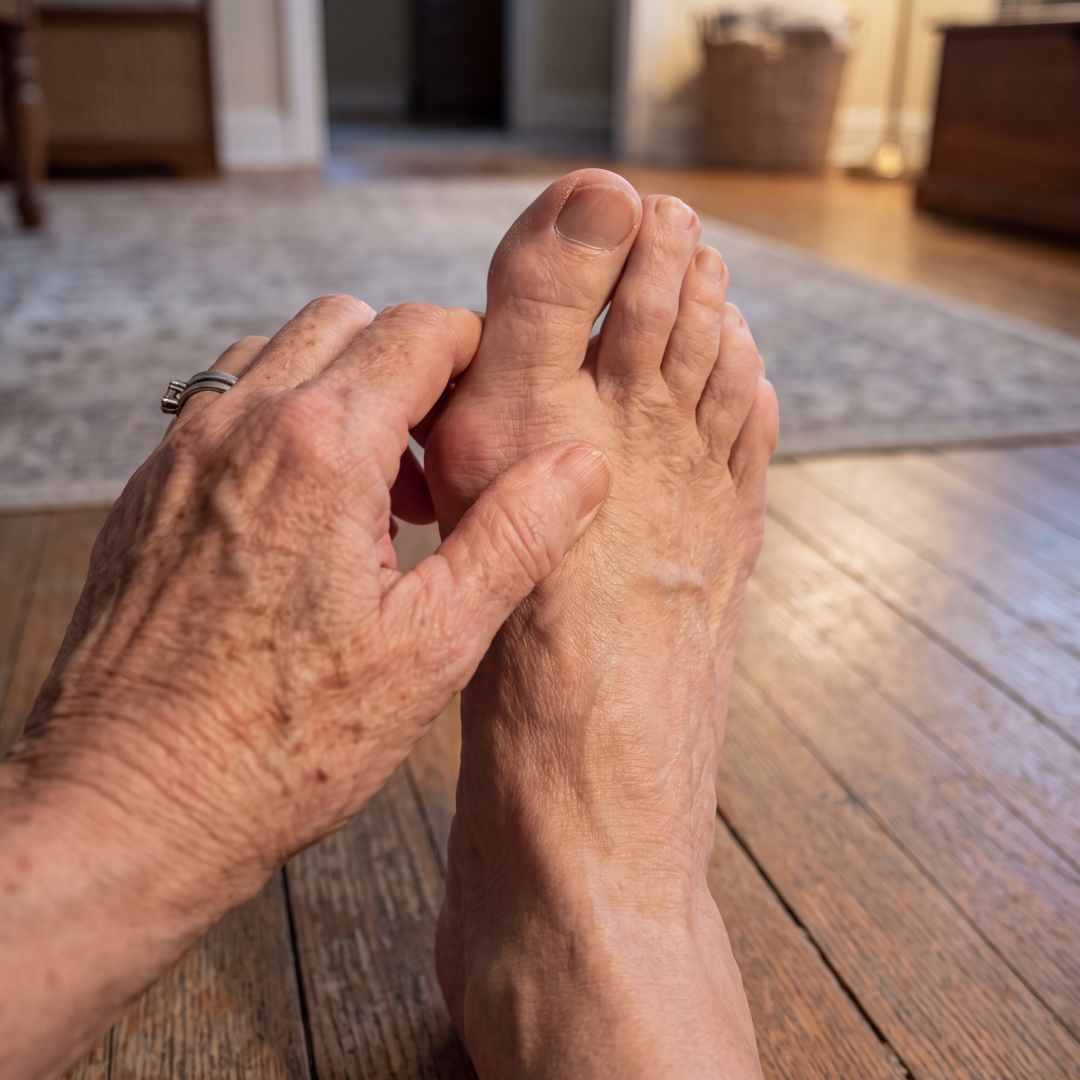
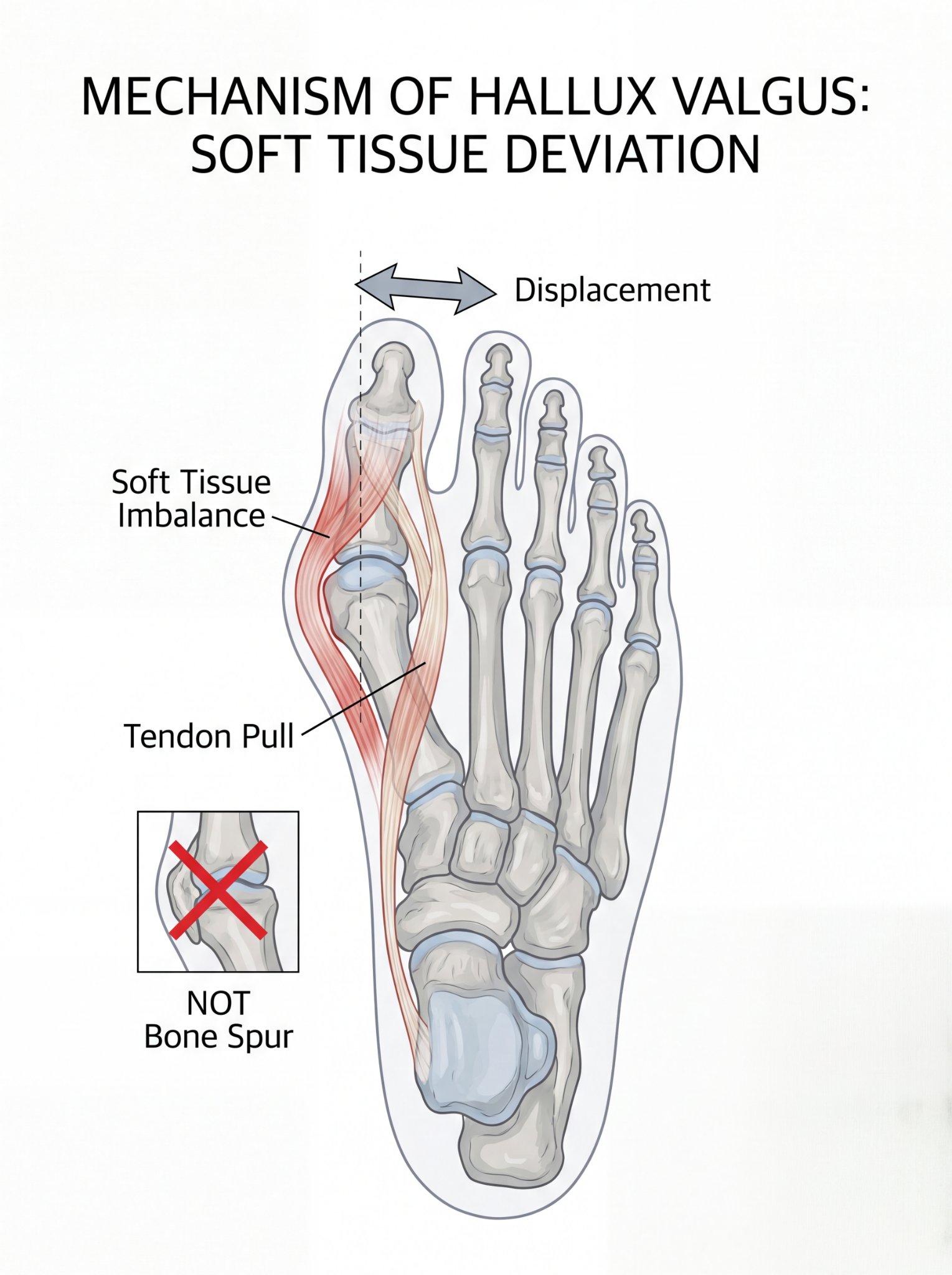
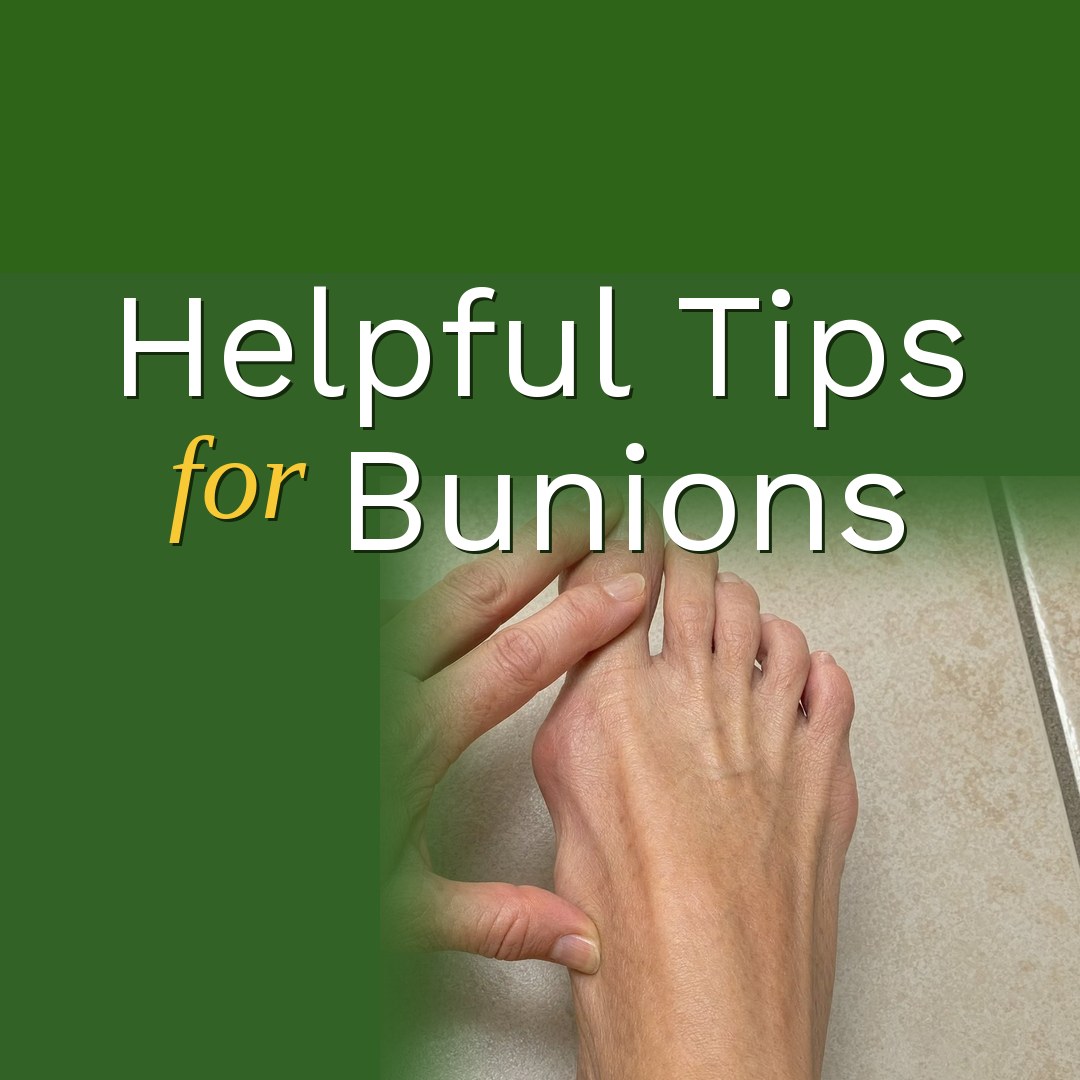
1. Check whether your big toe still moves. Press it gently back toward straight. If the joint still gives, you are in the window where non-surgical correction can still work. If it is rigid and won't move, the conversation changes. 2. The bump is not new bone. It is your own bone being pulled sideways. This is the part most people never hear. The bump on the side of your foot is the head of a bone you were born with, dragged out of line by the soft tissue around the joint that has slowly tightened on one side over years. The tissue pulls. The bone follows. Treat it as a bone problem and the only tool left is a scalpel. Treat the tissue and it is a different conversation. 3. A night splint alone won't fix it. Eight hours of passive correction cannot undo sixteen hours of weight-bearing pressure pushing the toe the other way. The splint works while you sleep. Your shoes and your steps redo it all day. Correction during the hours you are actually on your feet is what changes the tissue. 4. Wider shoes reduce pain. They don't correct the drift. A wider toe box is always better than a narrow one, and it takes pressure off the bump. But it accommodates the bunion rather than reversing it. Both matter. They are different tools for different jobs. 5. The earlier you act, the more options you have. A moderate, still-flexible bunion responds to sustained mechanical correction. A rigid one responds far less. The window closes slowly and quietly, and most people don't notice it has closed until a doctor tells them surgery is the only thing left. Even then, about one in four of those surgeries sees the bunion come back. Most advice on bunions covers the same ground: wider shoes, toe spacers, ice, wait and see. What it skips is the part that decides everything. A corrector only works during the hours it is actually on your foot, and for most people that is not the eight hours they are asleep. It is the day. The bunion is under load in your shoes, on your feet, every step you take. A spacer that slides out in your sock, or one you can only stand to wear barefoot on the couch, is off your foot at exactly the wrong time. So the real question is whether you have something that anchors instead of floating loose, stays put inside an ordinary shoe, and is comfortable enough to leave in all day without thinking about it. Made well enough that it still holds its shape months later, not stretched out after a week. That is the point Askelo was built around. It is a soft two-point sleeve that holds the big toe in line and stays anchored inside an ordinary shoe, light enough that you stop noticing it by mid-morning. More than 22,000 people have reviewed it. If your toe still moves when you press it back, this is the window to put something to work during the hours that actually count. See it here -> https://getaskelo.com/pages/all-day-corrector
Where the ad sends people
getaskelo.com
5 things podiatrists wish bunion patients heard sooner
Askelo
See details: getaskelo.com(opens in a new tab)