Foot Health News
Foot Health News Facebook ad: “They are not telling you this.”
Ran for 13 days, from July 16 to July 29, 2026, the last day Crush saw it.
Run by Foot Health News on Facebook. Crush is not the advertiser and does not verify its claims. See this ad in Meta's Ad Library(opens in a new tab)
Want an ad like this for your product?
Crush makes new ad images for your product from this ad: your logo, your product photo, your offer.
Trials from $19.95 USD, then $79.95 USD a month. Cancel anytime.
About this ad
- Meta Ad Library ID
- 27745775308367285
- Platforms
- Facebook, Instagram, Audience Network, Messenger and Threads
- Relaunches
- 0
Ad text
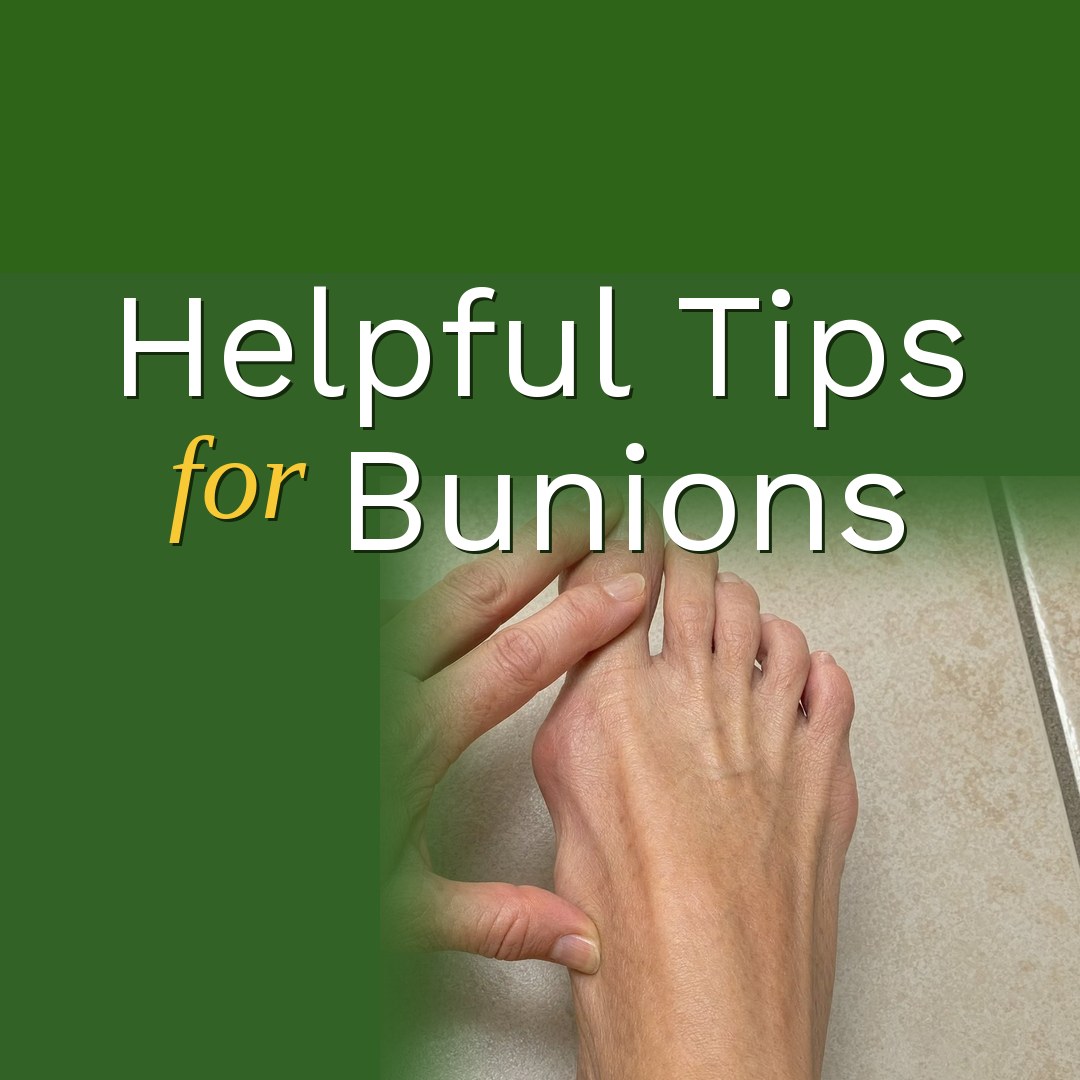
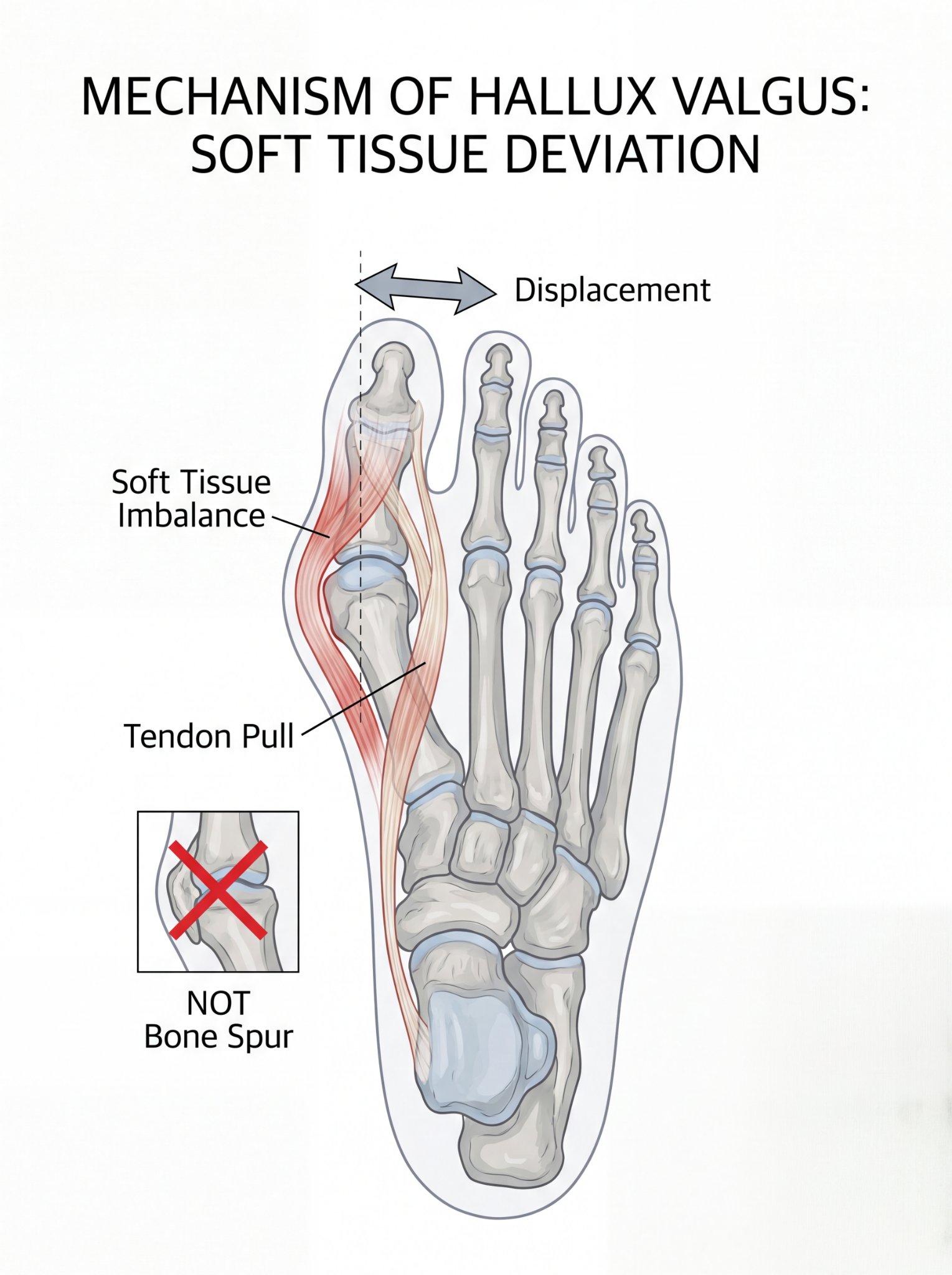
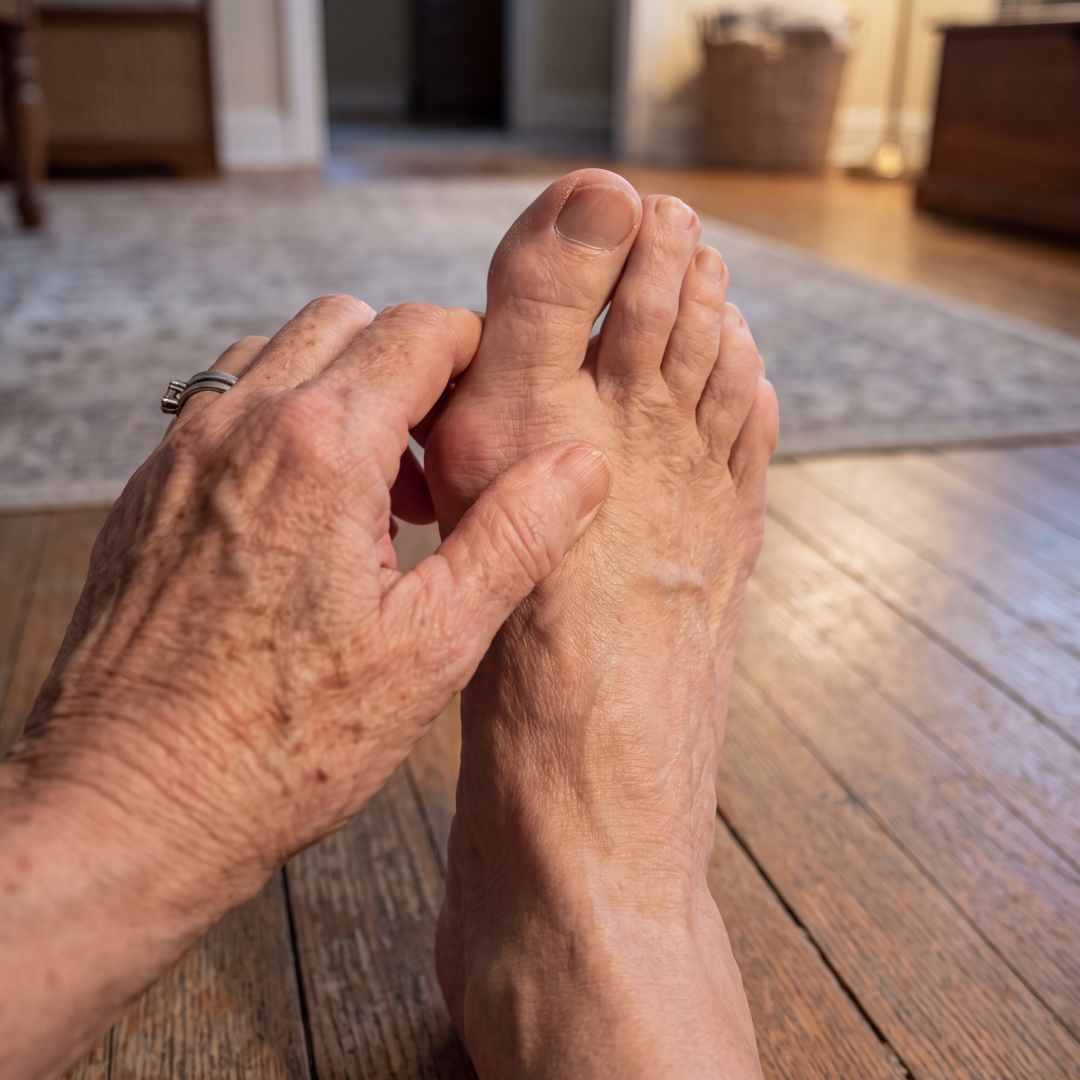
A physical therapist recently explained why night splints produce so little measurable change even when people use them faithfully for months. The answer comes down to two numbers. Here is the problem most bunion advice ignores. The average person wears shoes for roughly 16 hours a day. Standard footwear not orthopedic shoes, the kind most people actually wear pushes the big toe inward for those 16 hours, compressing the soft tissue around the joint in exactly the direction a bunion forms. A night splint works for 8 hours while the person lies still. Sixteen hours of compression against 8 hours of passive resistance. For every hour the splint is correcting, the shoes are undoing that work twice over. The net movement: almost nothing. Which is what most people report after months of faithful nighttime use. This isn't a failure of willpower or consistency. It is arithmetic. Why daytime matters Bunions are primarily a soft tissue condition not a bone problem. The tendons and ligaments around the big toe joint have gradually pulled the toe off its line, and the bone follows. This is the framework supported by research from the Framingham Foot Study and cited in multiple conservative bunion management reviews. Soft tissue responds to mechanical input while it is under load. The key word is while meaning during the hours the foot is actually moving and bearing weight, not while it is lying still. Three controlled studies on conservative bunion correction published between 2008 and 2022 share a common design detail: daytime wear. Not nighttime splinting. The measurable outcomes those studies recorded, including both pain reduction and modest angle change, were produced during the hours the foot was active. This is why physical therapists who specialize in conservative bunion management increasingly distinguish between passive nighttime correction and active daytime correction. The tissue that created the bunion over years of loading responds to sustained input during the same kind of loading. The second problem: devices that move A corrector worn during walking has one additional requirement: it has to stay where it is placed. Loose gel spacers migrate within minutes of normal movement which means the corrective pressure disappears almost immediately after the person starts walking. A device that anchors at two points soft gel between the toes and a fabric sleeve securing the position against the midfoot maintains consistent pressure through normal daily activity. That is the design detail physical therapists most commonly point to when patients ask why previous products produced different results. Read the full thing down below.
Where the ad sends people
getaskelo.com
They are not telling you this....
Askelo
See details: getaskelo.com(opens in a new tab)