
Inactive· since Jun 2, 2026
- 2
- days it ran
- 1
- relaunches
- 11,301
- EU reach
Ad copy
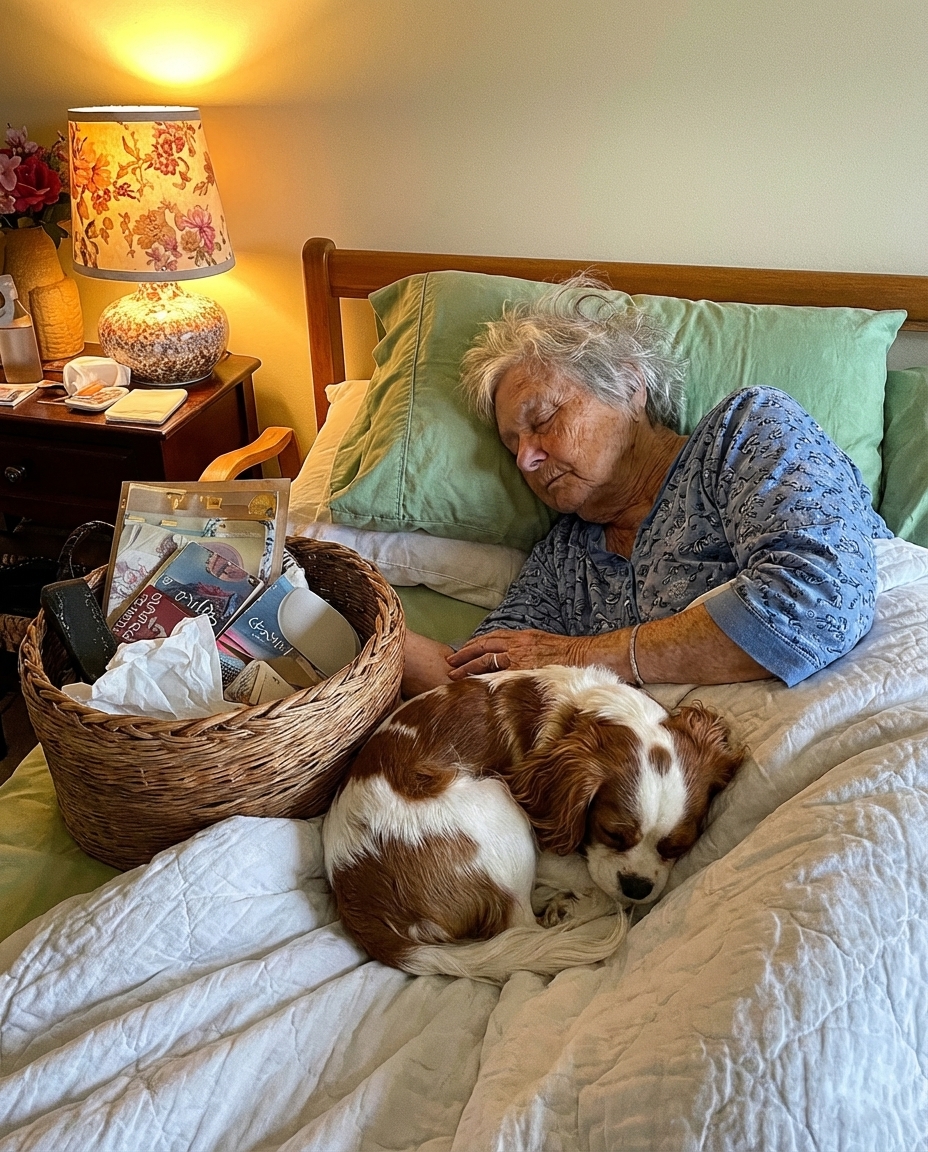
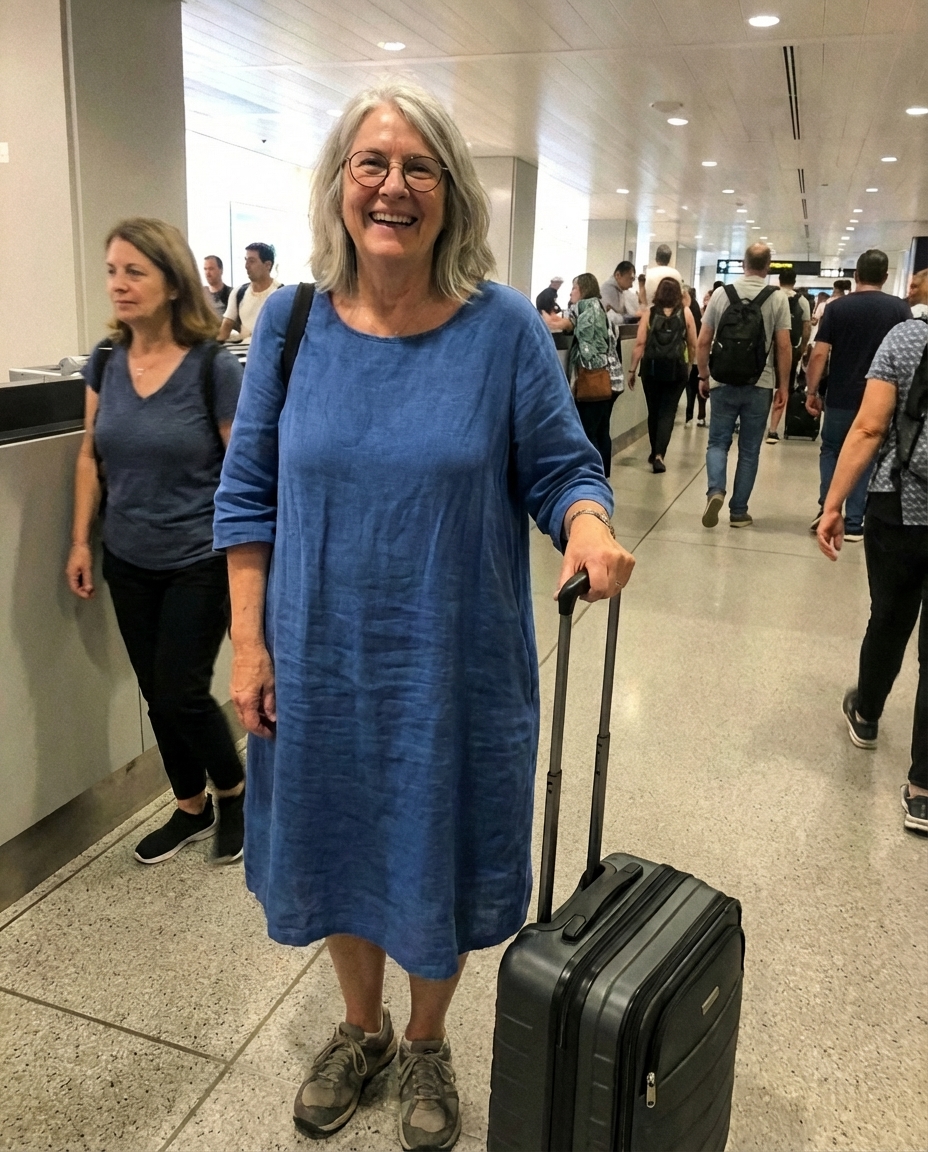
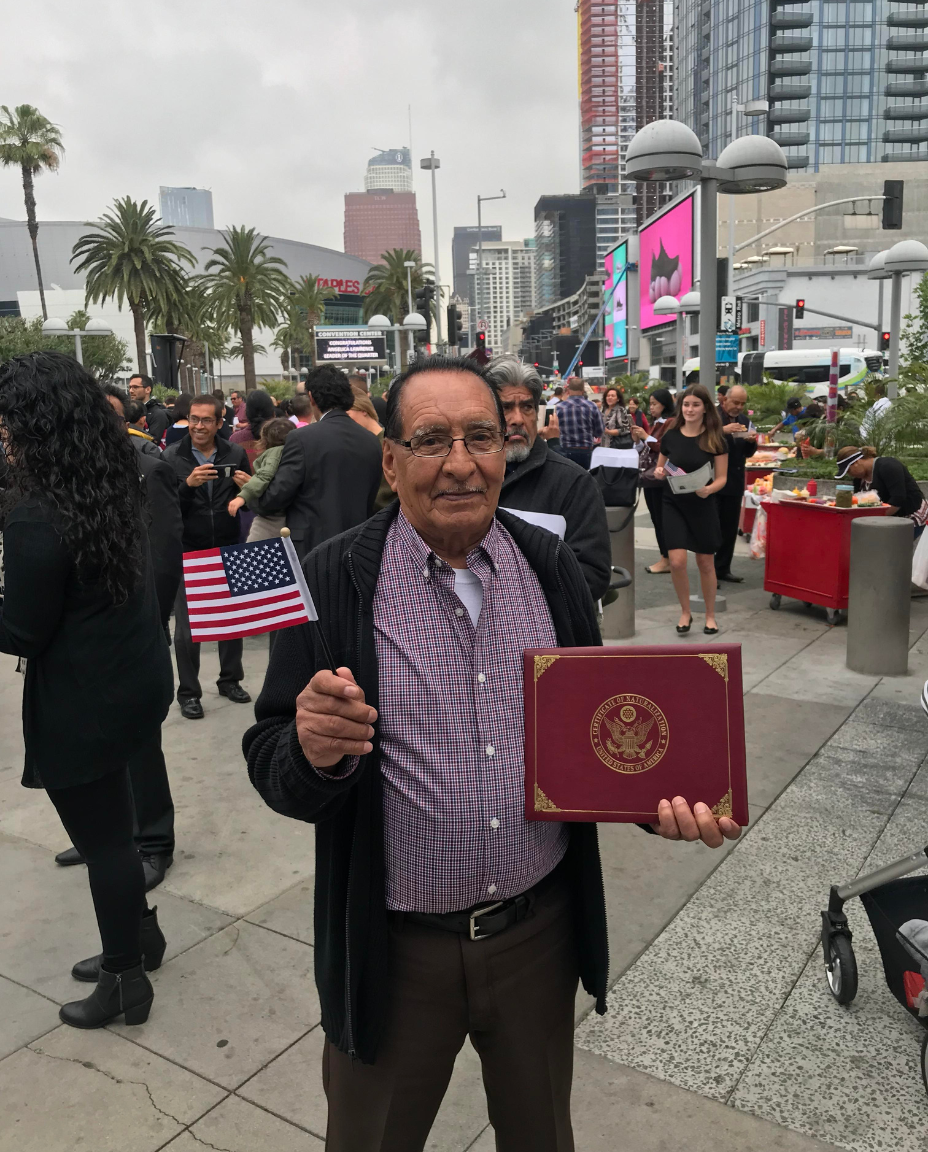
At 60 I was the woman who held the family together. At 68 I'm the woman holding a hardcover book with my name on the cover. Same family. Same kitchen table. Same woman. My daughter called it a memoir. I spent four years calling it ridiculous. Four years and stories I almost took with me. It wasn't that my life wasn't a book. Let me tell you what those four years looked like. At 61, she started asking. Not pushing. Just asking. "Mom, you should write your stories down." I told her memoirs are for people who did something. Famous people. Not women who filed insurance claims for thirty-one years and packed school lunches for twenty-two. I figured she'd drop it. She didn't. At 62, she gave me a leather notebook for my birthday. Cream pages, gold edges. The kind that makes you feel like you should be a writer. I sat at this same kitchen table and stared at the first page for forty-five minutes. Then I wrote one sentence. "I was born in March of 1957 in a small town in Pennsylvania." Then I closed it. That sentence sat there for eight months. The word "born" felt like a demotion of my own life. At 63, I tried again. Told my daughter I'd give it a real shot. That I'd write a little every Sunday. That I'd finally do this thing she kept asking for. She looked at me, looked at her notes, and said the words I'd hear a dozen times after: "Mom, just start anywhere. Tell me about your childhood. That's normal for a memoir. Just write what you remember." So I did what you do. I tried harder. I bought another notebook. Felt blank. I tried recording myself. Sounded ridiculous. I downloaded a memoir-writing app. Used it twice. I started waking up at 6 AM to "get my thoughts down." Wrote nothing. Every Sunday was a fresh start. Every Sunday by noon I was watching TV with the notebook closed. Every month, my excuses got smaller and the certainty that I had nothing to say got bigger. My daughter's advice? "Maybe try just talking to me, Mom." I tried. Three afternoons at her kitchen table. She'd ask how I felt about growing up. I said fine. She said, "But how did it feel?" I didn't know how to answer that. I genuinely didn't know. I was a 63-year-old woman who'd lived a whole life and couldn't remember any of it on command. I was sitting in front of a blank page and feeling stupider than I'd ever felt in school. I was doing everything my daughter and the internet told me to do. And I was still failing. Do you know what that does to a woman? When you're supposed to be the keeper of the family stories, and you sit down to tell them, and nothing comes out? When you go to bed feeling forgotten, wake up feeling forgotten, get through the day feeling forgotten, and nobody around you understands because you look fine? I started to think something was actually wrong with me. Was my memory going? I asked my doctor. "Normal for your age." Was I depressed? "You seem fine." Was this just what happened to women in their 60s? Everything was "normal for your age." I wanted to scream every time I heard that phrase. I didn't. I didn't have the words. At 64, I stopped trying. Not dramatically. Just quietly. Stopped buying notebooks. Stopped pretending I was going to "do it next year." Started accepting that the sharp, present version of me who remembered everything was gone, and this vague, foggy version who couldn't even describe her own childhood was permanent. My daughter said she was worried. "Mom, I just don't want to lose you twice." I told her I was fine. She stopped asking after a while. Not because she stopped caring — because she got tired of hearing "I'll do it soon" from a woman who clearly wouldn't. She told me later that she'd started writing things down herself. The little stories I'd mention at dinner. The names of cousins I'd reference offhand. She was building her own scraps of me because she'd given up on me building them. She said it was like watching a library close one shelf at a time — same building, lights going out. That conversation should have gutted me. It didn't. I heard the words and felt almost nothing. And the fact that I felt nothing about my daughter telling me she'd been quietly archiving me for years — that scared me more than anything had in four years. Then one night — and this is the part that changed everything — I was awake at 2 AM doing that thing where you stare at the ceiling and your brain runs a highlight reel of every way you're failing the people who love you. I picked up my phone. Not to do anything useful. Just to stop the reel. I saw a post in a Facebook group I'd joined months ago and never read. A woman about my age wrote: "I spent four years telling my kids I wasn't interesting enough for a memoir. Turns out I wasn't the problem. The question was." I almost kept scrolling. But something about that line — "the question was" — landed differently than anything else I'd read. She explained that when someone asks you to "write your life story," your brain freezes. It's too big. Too vague. You sit down to write and nothing comes, and you decide you must be boring. But that's not what's happening. The question is wrong. Nobody can answer "tell me about your life." But anyone can answer "what did your childhood bedroom look like." And one specific question pulls out memories you didn't know you still had. It doesn't matter how good a writer you are. It doesn't matter how interesting your life was. If the question is too big, your memory will stay locked and you'll keep believing the lie that you have nothing to say. She said the experience looks exactly like having no stories. Blank pages. Empty notebooks. Foggy memory. Women in their 60s and 70s telling their kids "I don't remember much" — when really, it's all in there, just waiting for the right door to open it. She mentioned something called Memowrite. Not a notebook. Not another app. A service that sends you 50 specific questions, one at a time, and turns your answers into a real printed hardcover book — they handle the editing and the formatting, and you add your own photos along the way wherever you want them. I found their page that night. It didn't ask me to write my life story. It showed me the kinds of questions they ask. What did your kitchen smell like on Sunday mornings? What was your mother's voice like when she was happy? What did you wear on your first date and where did he take you? I said yes to almost every one before I even started. Not because I was excited. Because I realized — for the first time in four years — that I actually did remember. I'd just been asked the wrong way for sixty-eight years. I ordered it that night. Figured I had nothing to lose. Everything else had failed. Week 1: Nothing dramatic. I answered two questions. Wrote longer than I expected. Closed the laptop feeling something I hadn't felt in years — curious. Week 2: I noticed I was thinking about questions during the day. Driving to the store, I remembered the dress I wore to my first dance. The boy whose name I hadn't said in fifty years. I came home and wrote for ninety minutes. Hadn't sat at a keyboard that long in my life. Week 3: My husband walked past while I was answering a question about our first apartment. He stopped and said, "You forgot about the radiator that banged all night." We sat on the couch and talked for two hours about 1978. He'd been quiet for years too. I hadn't noticed how quiet. Week 4: My son called from California on a regular Tuesday — not a birthday, not a holiday. I'd sent him eight pages about his grandfather the week before. He said, "Mom, I had no idea." We talked for an hour. He hasn't called me on a Tuesday in fifteen years. Week 6: My granddaughter came over and asked what I was working on. I read her the part about my yellow wallpaper and the radio my sister played late at night. She climbed onto the chair next to me and said, "Grandma, what was your sister's favorite song?" I told her. She said, "Put that in too." Week 8: The book arrived. Hardcover. 312 pages. My name in gold on the spine. The photos I'd dug out of shoeboxes and uploaded along the way were tucked into the pages exactly where they belonged. My daughter read three pages standing in my kitchen and started crying. She said, "Mom, this is the most important thing anyone has ever given me." I didn't know what to say. So I just held her. It's been four months now. I'm not the woman I was at 60 — I might never be exactly that version again. But I'm not closed anymore. I'm not the library with the lights going out. I'm here. Page by page. Story by story. But here's what matters more than the book: I remember things now. Real things. Not the foggy, "I don't really recall" version I'd been giving for years. My granddaughter asks me a question and the answer is right there. My son asks about his grandfather and I can tell him something true. My husband and I sit on the porch and talk about 1978 like it was last summer. I'm not locked anymore. My memory isn't broken. It never was. It just needed the right key. Four years I lost to the wrong belief. Four years of telling my daughter I wasn't interesting enough, because every time I sat down with a blank page I confused "I can't start" with "I have nothing to say." It wasn't that my life wasn't a book. It was that nobody had ever asked me the right questions. And once they did — once I stopped trying to write a memoir and started just answering — the stories came back like they'd been waiting the whole time. If you've been told you should write your stories and you keep saying you're not interesting enough... If every blank notebook makes you feel emptier... If you're staring at the page doing everything right and nothing is coming... It might not be what you think. It might be that the question is wrong, not you. Memowrite has a free 1-minute quiz that gets you ready for what comes next. A few short questions about you, and the right ones start coming. I wish I'd found it at 61. Would've saved me four years and a notebook full of one sentence. Link is right below.
Alive at 60. Forgotten at 68
Memowrite is an easy-to-use platform designed to help individuals capture their personal or family stories and turn them into beautiful, professionally crafted memoirs
LEARN MORELike this ad? Make it yours.
Crush rebuilds this exact creative around your product — your brand, your colors, your offer — in about a minute.