
Active· since May 9, 2026
- 79
- days running
- 0
- relaunches
Ad copy
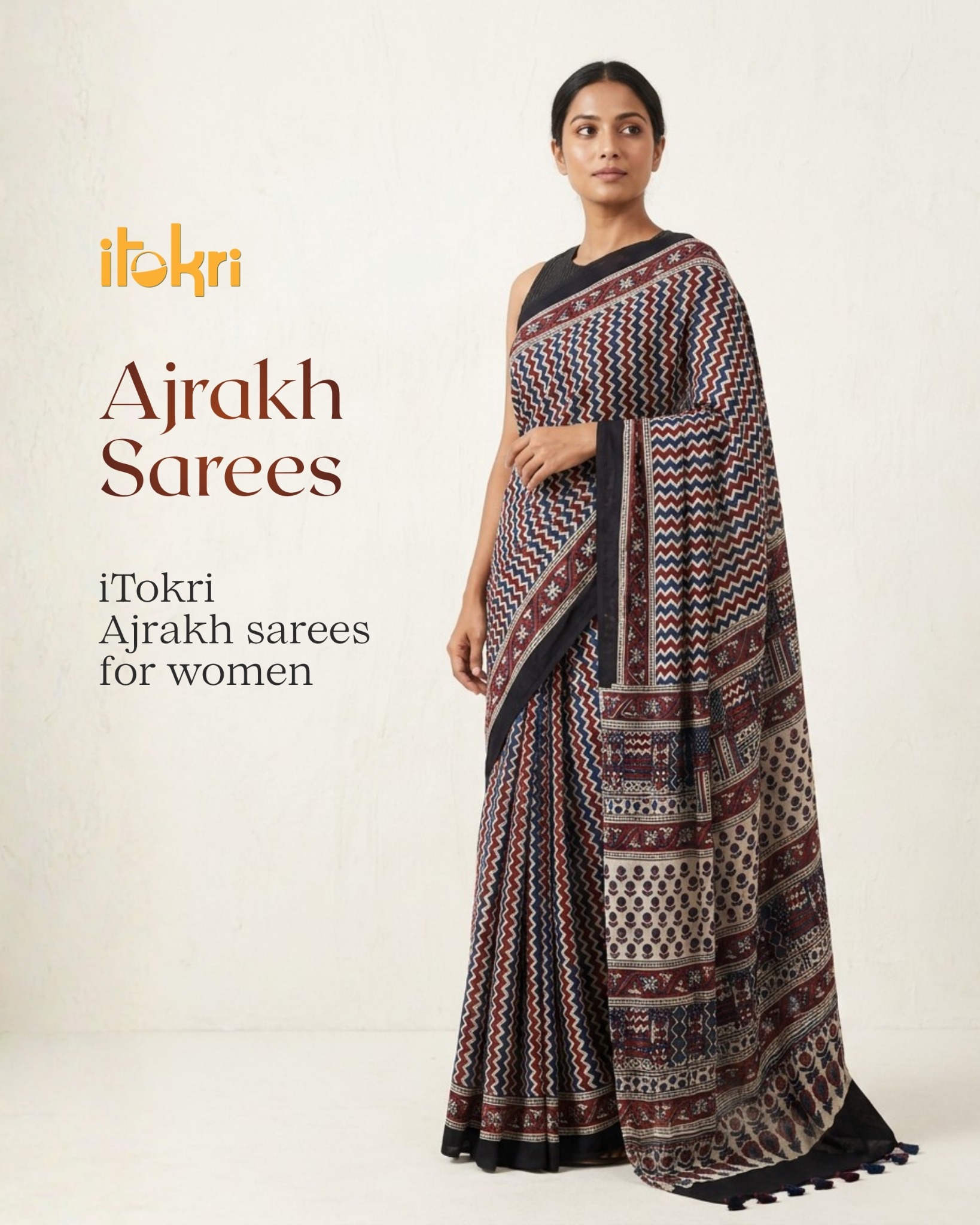
Ajrakh is a 4,000-year-old block-printing technique from Kutch, Gujarat. It takes 14–16 steps over 3–4 weeks to make one piece of fabric. The name comes from "Azrak" — Arabic for blue, the color created by multiple indigo dye baths. ...... Real Ajrakh uses only natural dyes: indigo for blue, madder root for red, turmeric and pomegranate for yellow, iron for black. Each color requires separate dyeing, drying, washing, and sun-fixing. Hand-carved wooden blocks print each layer. When blocks overlap, you see slight misalignment — that's how you know it's handmade, not machine-printed. ...... Here's the problem: 90% of "Ajrakh" sold online isn't real. ...... It's screen-printed fabric with synthetic dyes, made on powerlooms, labelled handloom. It costs 60% less to produce. It looks similar in photos. But it's not Ajrakh. ...... Screen-printed "Ajrakh" has perfect alignment. Colors are flat, uniform, chemical-bright. Fabric is thin. It fades after 3–4 washes. ...... Real Ajrakh has imperfect block alignment. Colors have depth and variation. Fabric has weight. Natural dyes settle and deepen with every wash — they don't fade, they mature. ...... We've worked directly with Ajrakh artisan families in Ajrakhpur, Dhamadka, and Khavda since 2012. Not through middlemen. We visit the clusters. We see the process. We pay artisans fair advance payments so they can afford natural dyes and the 3–4 week production timeline. ...... When you buy from iTokri, you're buying fabric that was actually made the way Ajrakh has been made for 4,000 years. ...... Your questions, answered: ...... "Is the fabric thick enough?" — Real handwoven cotton. You'll feel the weight. Not factory-thin. 120–150 GSM for cotton, 180+ for silk blends. ...... "Will colors bleed?" — Natural dyes release slight excess color in the first cold wash. This is normal. Wash separately once, then they're colorfast for life. Synthetic dyes don't bleed — but they fade. Natural dyes settle deeper. ...... "Will it look like the photo?" — Colors may vary 5–10% from screen. Natural indigo batches vary. Madder red depends on root harvest season. This isn't a defect — it's proof the dyes are real. Your saree will be one of a kind. ...... "Why is it priced higher than other 'Ajrakh' I see online?" — Because real Ajrakh costs more to make. 14–16 steps. Natural dyes cost 3–4x more than synthetic. Artisans are paid fairly, not exploited. If you see "Ajrakh" for ₹1,500, it's screen-printed powerloom. If the price feels low, the process was skipped. ...... 100% returnable. No questions asked. ...... If it doesn't feel right when you open the package — if the fabric is thinner than expected, if the colors don't work for you — return it. We handle the logistics. No drama. ...... Every order arrives with a handwritten note and a surprise gift. 11,187 customers have reviewed us. 4.67/5 average rating. The handwritten note is mentioned in 2,881 five-star reviews — more than any product feature. ...... Small batches. No restocks. ...... Ajrakh production follows natural dye seasons. Once a batch sells, it's gone until the next production cycle. We don't manufacture on demand — we work with artisan timelines. ...... New collections of Sarees every week. India's largest collection of authentic handcrafted sets only on iTokri.com
Handprinted in Tradition. Worn with Pride.
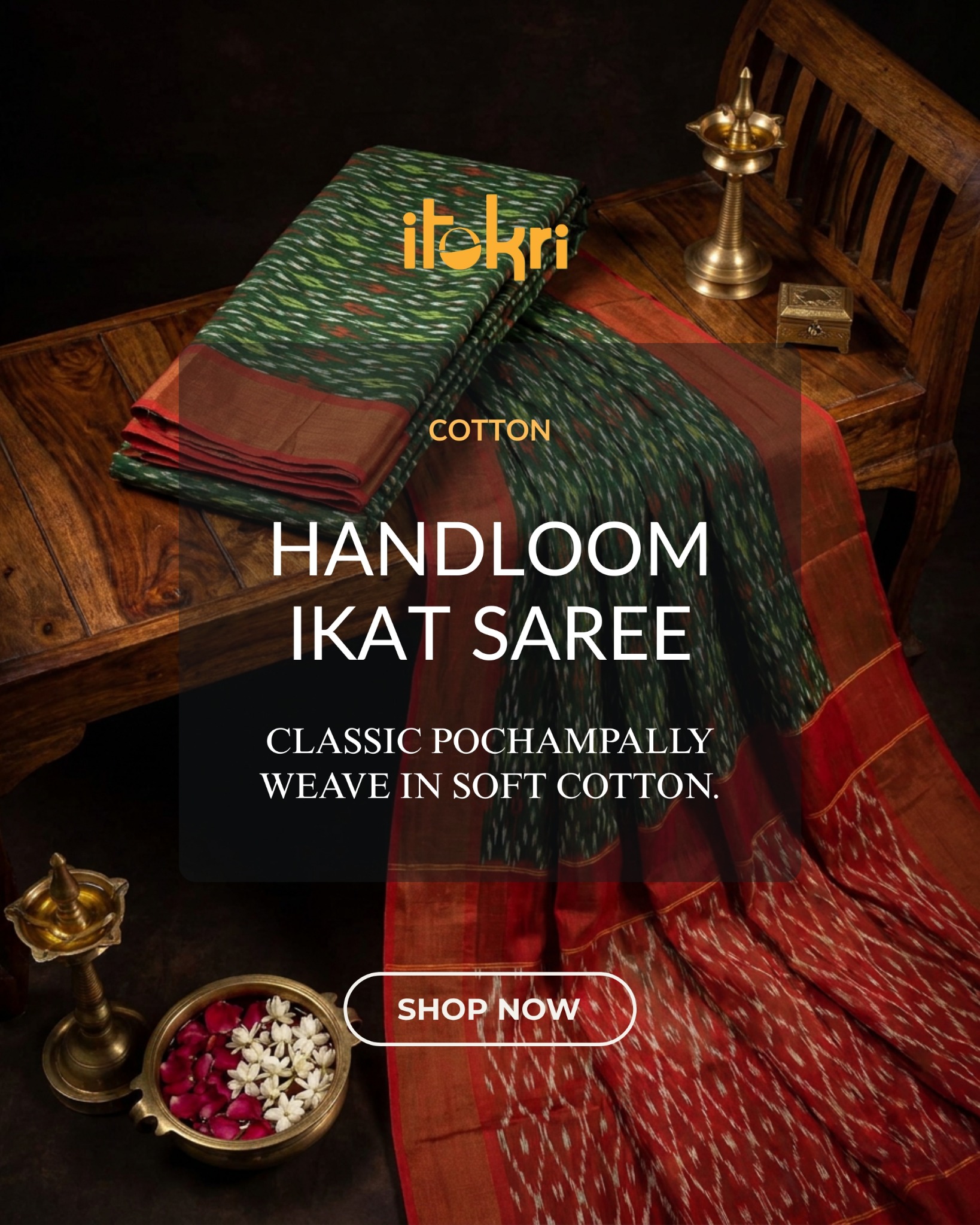
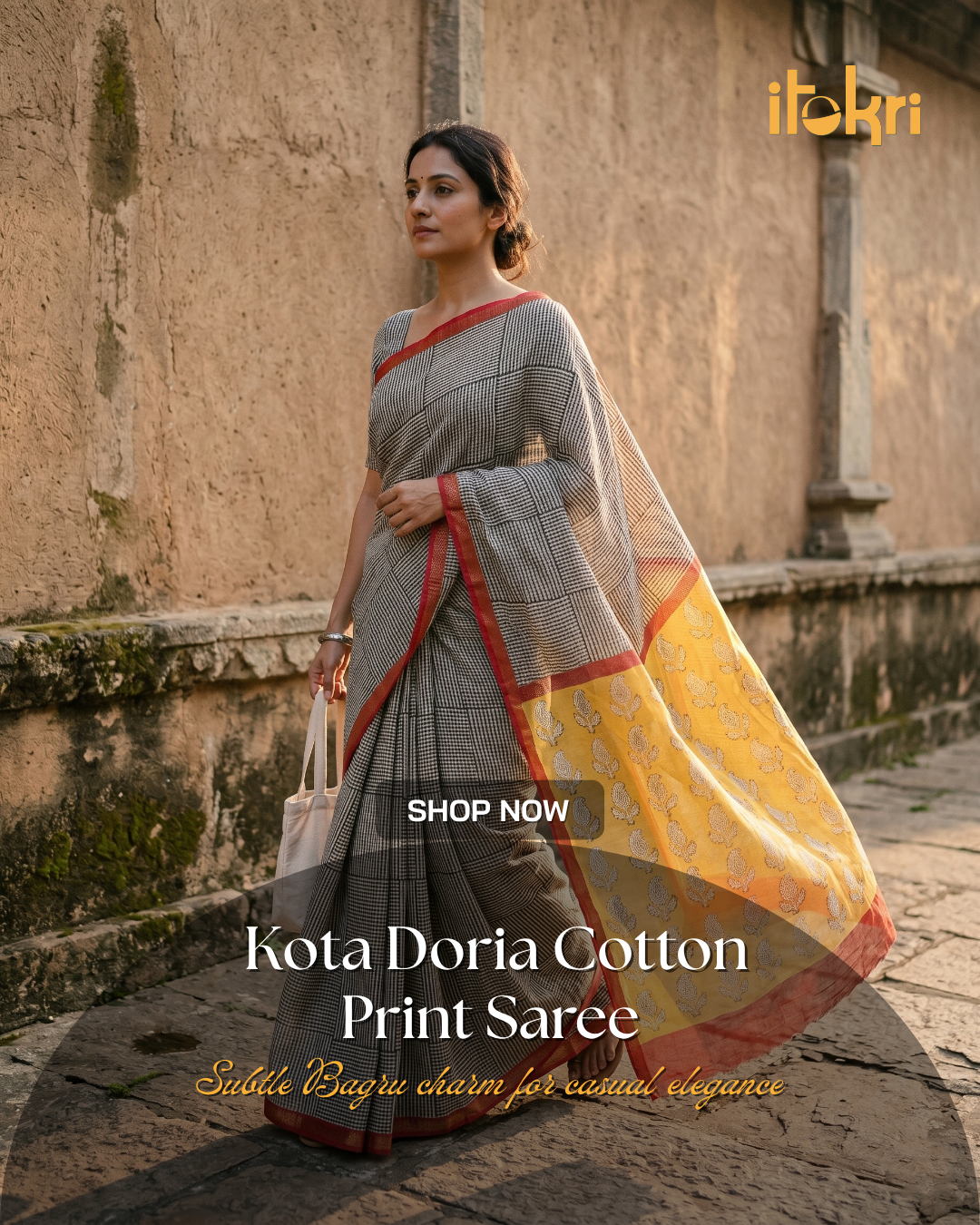
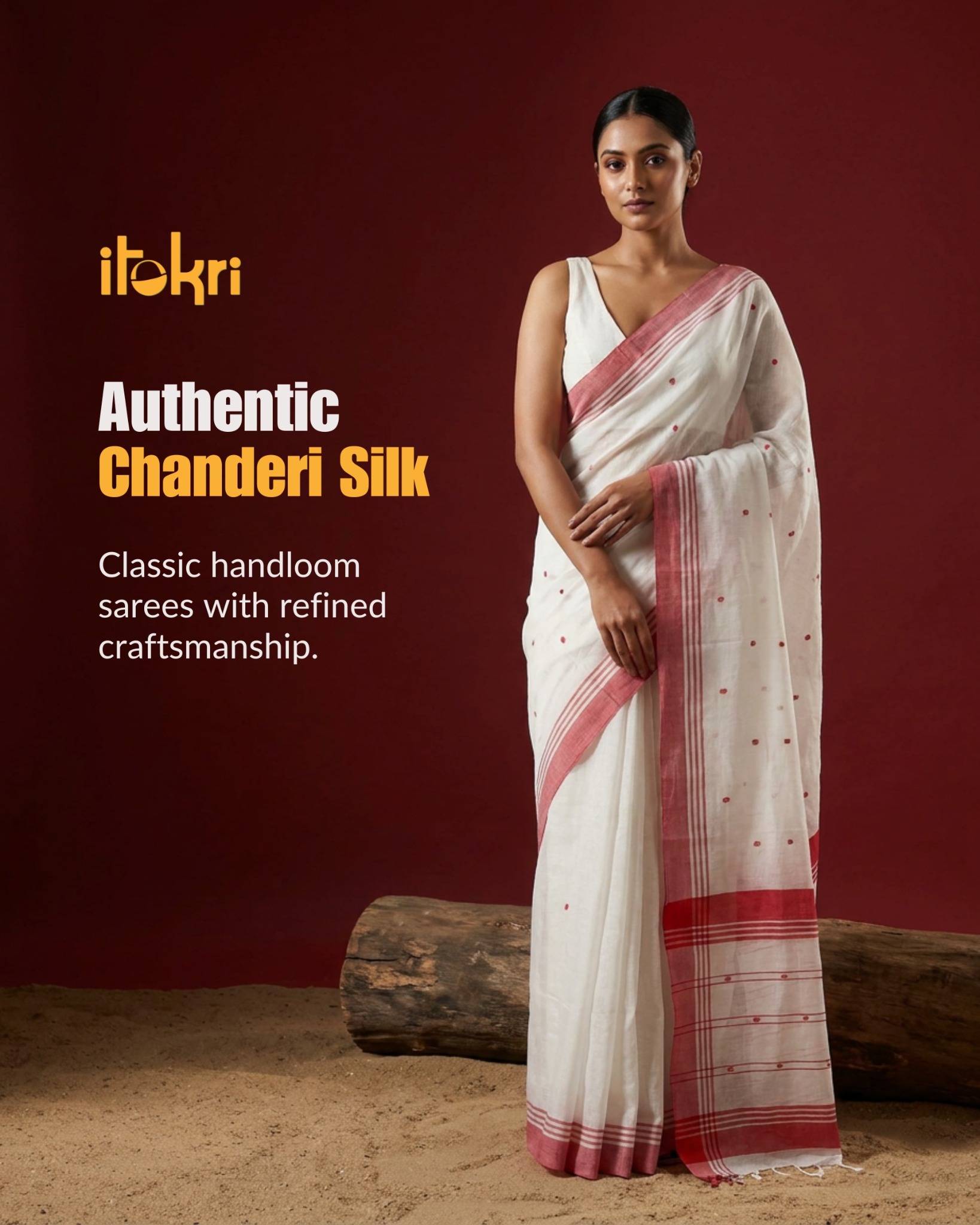
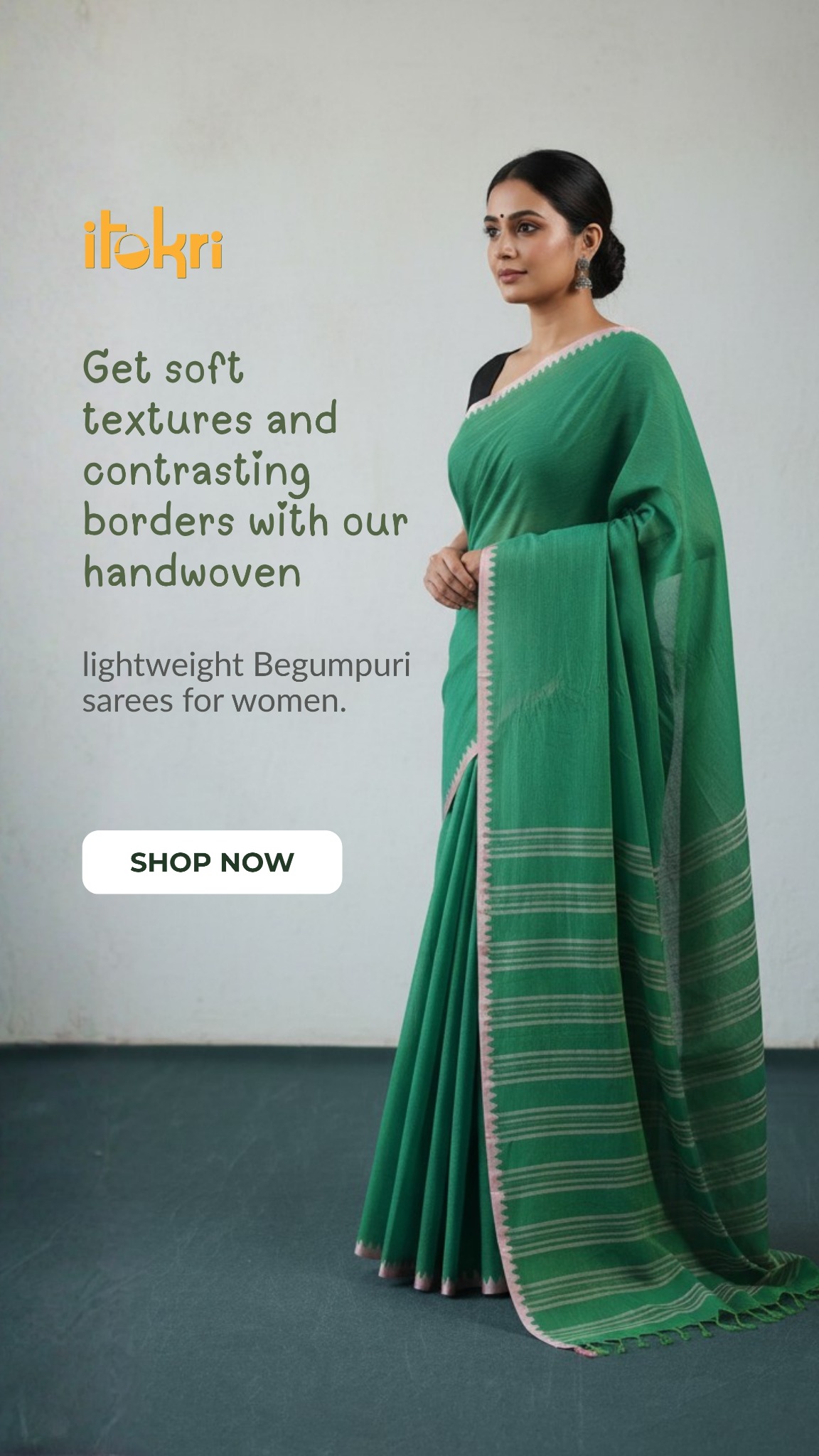
Shop Ajrakh modal silk sarees crafted for a soft, breathable summer drape. Naturally dyed and hand block-printed for elegant warm-weather wear.
SHOP NOWLike this ad? Make it yours.
Crush rebuilds this exact creative around your product — your brand, your colors, your offer — in about a minute.