Sarah Bennett
Sarah Bennett Facebook ad: “read this before you consider hearing aids”
Ran for 35 days, from July 11 to August 15, 2026, the last day Crush saw it.
Run by Sarah Bennett on Facebook. Crush is not the advertiser and does not verify its claims. See this ad in Meta's Ad Library(opens in a new tab)
Want an ad like this for your product?
Crush makes new ad images for your product from this ad: your logo, your product photo, your offer.
Trials from $19.95 USD, then $79.95 USD a month. Cancel anytime.
About this ad
- Meta Ad Library ID
- 1334735465525842
- Platforms
- Facebook, Instagram, Audience Network, Messenger and Threads
- Relaunches
- 0
- Niche
- Marketing & Agencies
Ad text
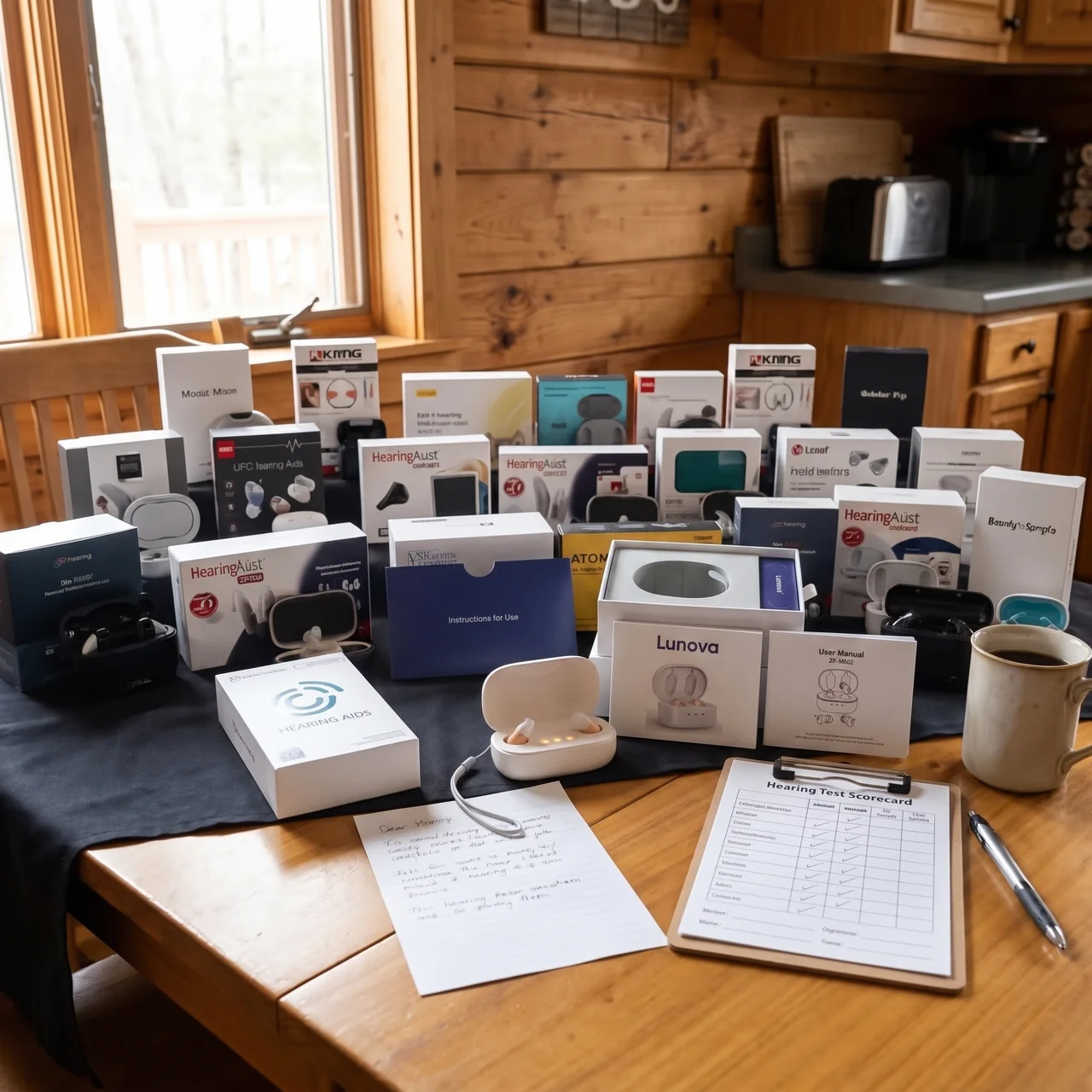
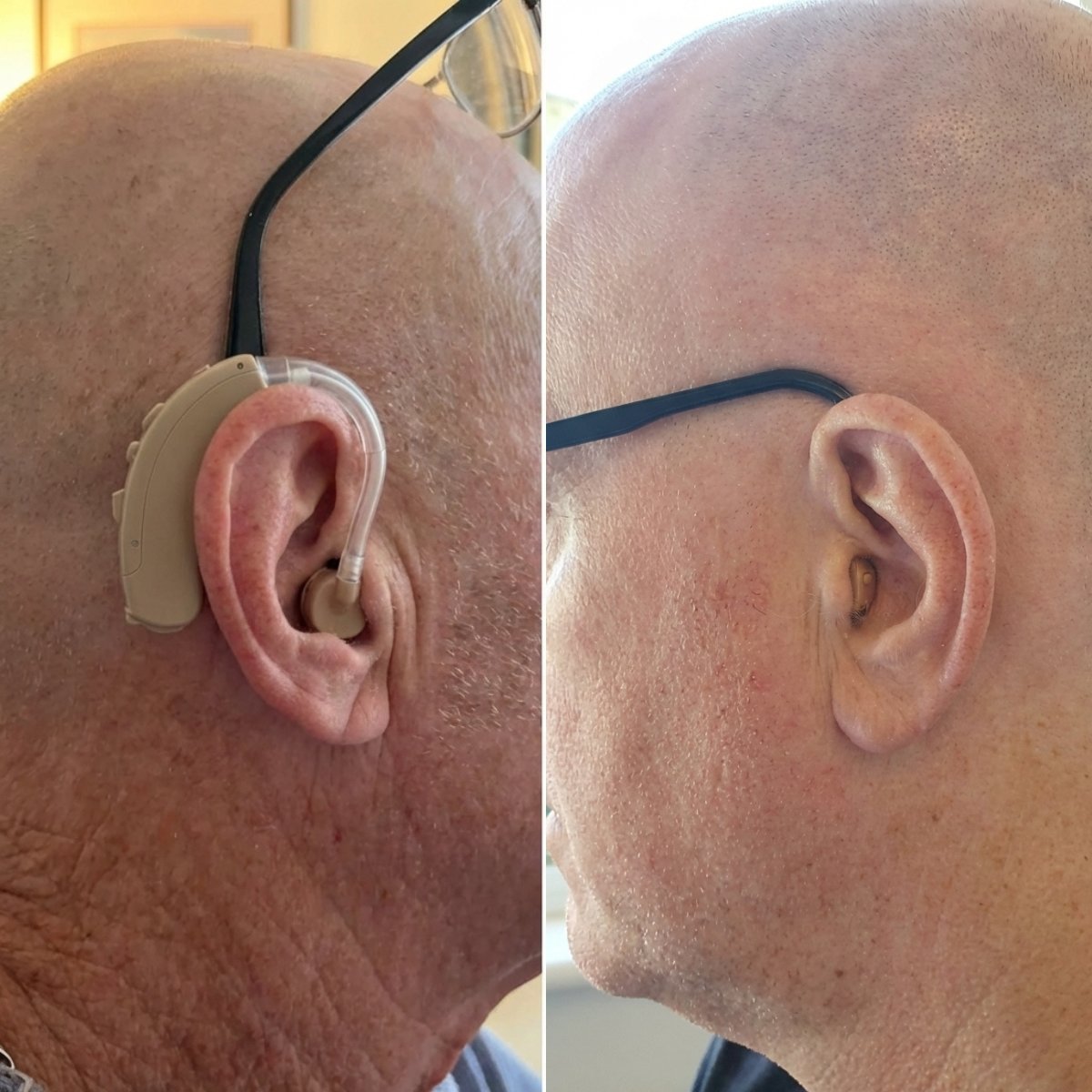
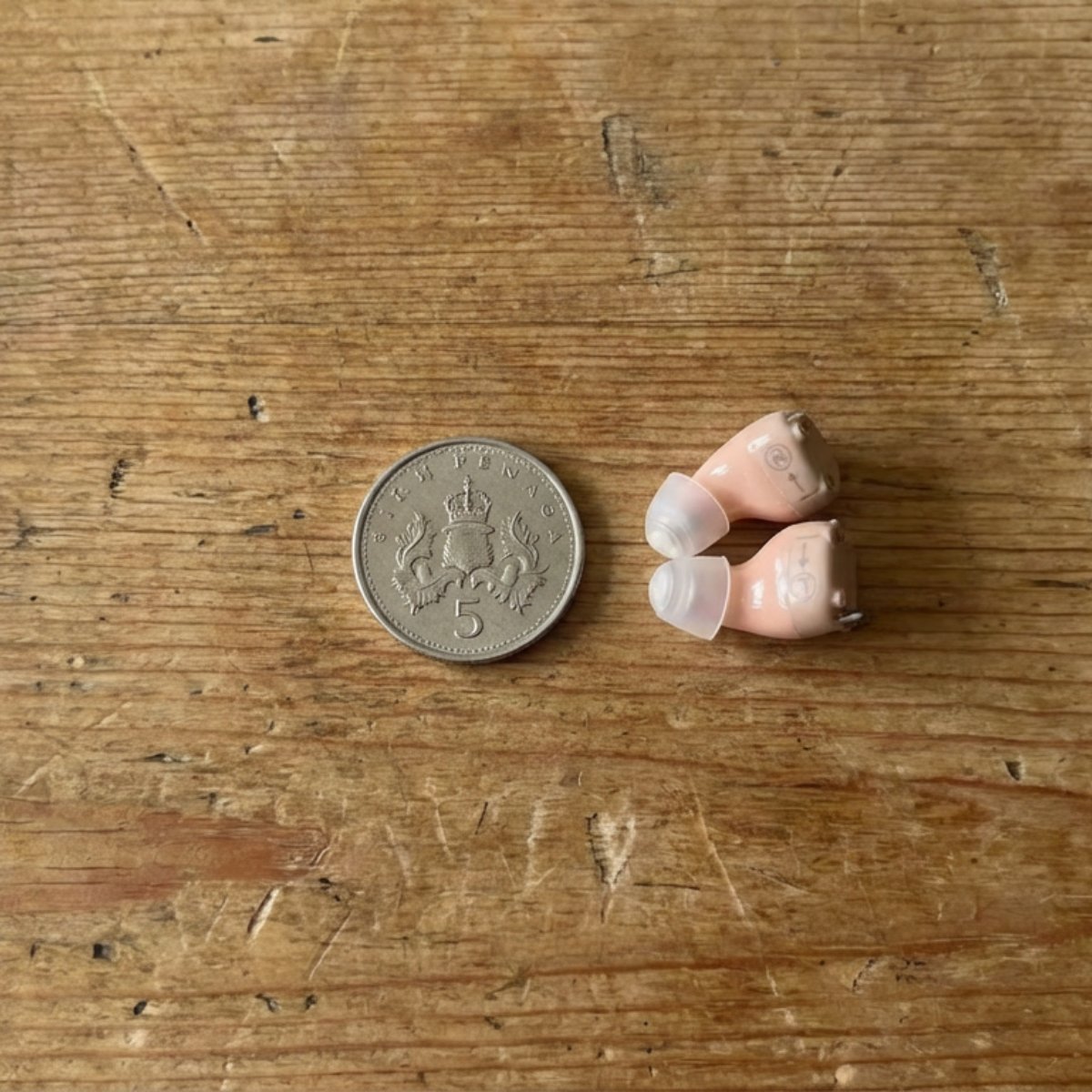
My dad showed me the Costco invoice last Tuesday. $4,995 for two hearing aids. He'd been saving for eight months. I'm an electrical engineer. I took the device apart that weekend. What I found is why I'm writing this. ⠀ My name is Sarah. I'm 41. I design medical devices for a living in Mississauga, Ontario. I have spent fifteen years reverse-engineering circuit boards for a regulatory firm. I know exactly what a digital signal processing chip costs because I source them every week. ⠀ My father is 71. Retired postal worker. Lost most of his hearing in his right ear three years ago. Stopped going to family dinners because he couldn't follow the conversation. Stopped calling me on Sundays. Started saying "never mind" instead of asking us to repeat ourselves. ⠀ Last spring my mom finally convinced him to go to Costco. ⠀ $4,995. ⠀ He didn't tell me until after he'd paid. He knew I'd ask questions. He was right. ⠀ The Tuesday after he got fitted, I went to their house for dinner. He had them in. He was hearing. He was laughing at my son's jokes for the first time in years. He looked ten years younger. ⠀ And I sat there watching him and thinking: there is no way that device cost what they charged him. ⠀ So I asked to borrow one for the weekend. Told him I wanted to "see how it worked." He thought I was being a nerd. He was right about that too. ⠀ I took it back to my workshop on Saturday morning. ⠀ Opened the casing. ⠀ Here is what was inside. ⠀ One Knowles digital signal processing chip. Standard 16-channel architecture. I have ordered this exact component for prototyping. Bulk price from the manufacturer: between $32 and $41 USD depending on volume. ⠀ One Knowles balanced armature receiver. The speaker. Industry standard. $18 to $24 wholesale. ⠀ One MEMS microphone. Same component used in mid-range smartphones. $4 to $7. ⠀ A rechargeable lithium-polymer cell, a small antenna for the Bluetooth pairing, a circuit board, the moulded plastic shell, and the silicone ear tips. ⠀ Total component cost, sourced at retail-level quantities — not even bulk: approximately $110 to $140 CAD. ⠀ My father paid $4,995. ⠀ The markup is not 100%. It is not 500%. It is approximately 3,400%. ⠀ I want to be precise about what that number means and what it doesn't mean. ⠀ It does not mean Costco is cheating anyone. The components are legitimately good. The audiologist is legitimately qualified. The fitting service has real value. What that markup represents is the cost of the distribution model — the retail footprint, the commissioned sales structure, the regional management, the head office, the advertising budget, the membership warehouse infrastructure. All of that sits between a $110 chip and a $4,995 invoice. ⠀ That is not a scandal. That is a business model. ⠀ What is a scandal is that nobody told my dad there was another way. ⠀ I went home that Saturday and I started searching. Three different search engines. Industry databases I have access to through work. Trade publications. I wanted to find out who was selling hearing aids with the same components without the retail markup. ⠀ There are eleven companies doing it. I tested four. Three were rubbish — different chips, smaller batteries, no real channel processing. Marketing claims that didn't match the hardware. ⠀ The fourth was different. ⠀ Lunova. Based in Canada. Shipped from a warehouse in Ontario. I ordered a pair on Sunday evening. They arrived Wednesday morning. I took them apart Wednesday afternoon. ⠀ Same Knowles chip. Same balanced armature receiver. Same MEMS microphone. Same lithium-polymer cell. Different shell, different charging case, no Bluetooth chip — but for a 71-year-old man who wants to hear his grandchildren, the Bluetooth is not what matters. The processing chip is what matters. The receiver quality is what matters. ⠀ $300. ⠀ I tested them against my dad's Costco pair using a calibrated audio bench I have at work. Speech-in-noise performance. Signal-to-noise ratio across frequency bands. Distortion at peak output. Battery cycle life. ⠀ The Costco pair was marginally better on two metrics. Marginally. The kind of difference you can measure on an oscilloscope but not hear in a restaurant. The Lunova was actually better on battery cycle life — newer cells, manufactured this year. ⠀ I drove back to my parents' house on Sunday. ⠀ I gave my dad the Lunova pair and asked him to wear them for a week without telling him which was which. He wore the Lunova Monday through Friday. I asked him on Saturday morning which pair he'd been wearing. ⠀ He said: "The new ones. They're a bit lighter. Otherwise I can't tell the difference." ⠀ He's wearing the Lunova full-time now. The Costco pair is in the drawer. He's returning them within the 90-day Costco satisfaction window. He'll get every dollar back. ⠀ He saved $4,695. ⠀ That money is going to my mom's hip replacement physio that the provincial plan won't fully cover. ⠀ I am writing this because my dad asked me to. He said: "If you'd told me about this six months ago I'd have called you a fool. Now I want every man my age to know." ⠀ So here is what every man your age — or every daughter watching her dad save up for this — needs to know. ⠀ The chip inside a $4,995 Costco hearing aid is approximately $40. The full bill of materials is approximately $110 to $140. Every dollar above that is retail distribution, not device quality. Lunova sells the same component architecture for $300 because it ships direct from Ontario without the high street footprint, the commissioned salesforce, or the membership warehouse overhead. ⠀ I am not paid by Lunova. I am an engineer who took the device apart, tested it against the premium brand on calibrated equipment, gave it to my dad for a blind trial, and watched him choose it on its own merits. ⠀ The audiologist's full comparative report — five brands tested, every price listed, no brand paid for placement — is here: ⠀ https://www.getlunova.com/pages/canadian-hearing-report ⠀ If you want to skip the report and go straight to the product my dad now wears: ⠀ www.getlunova.com/products/smart-hearing-comfort-hearing-aids ⠀ $300. 45-day trial. Ship them back if they don't work for you. ⠀ Sarah Chen Electrical Engineer, Medical Device Sector Mississauga, Ontario ⠀ P.S. My dad called me on Sunday for the first time in two years. Not because he needed anything. Just to talk. He stayed on the phone for forty-six minutes. That call is what $4,695 was buying — and what $300 finally bought back.
Where the ad sends people
getlunova.com
read this before you consider hearing aids
Lunova hearing aids deliver clear, natural sound at a fraction of clinic prices. Lightweight, rechargeable, 30+ hour battery. Try Lunova risk-free.
See details: getlunova.com(opens in a new tab)