Sarah Bennett
Sarah Bennett Facebook ad: “read this before you consider hearing aids”
Ran for 21 days, from August 15 to September 5, 2026, the last day Crush saw it.
Run by Sarah Bennett on Facebook. Crush is not the advertiser and does not verify its claims. See this ad in Meta's Ad Library(opens in a new tab)
Want an ad like this for your product?
Crush makes new ad images for your product from this ad: your logo, your product photo, your offer.
Trials from $19.95 USD, then $79.95 USD a month. Cancel anytime.
About this ad
- Meta Ad Library ID
- 4624440944458793
- Platforms
- Facebook, Instagram, Audience Network, Messenger and Threads
- Relaunches
- 0
- Niche
- Food & Beverage
Ad text
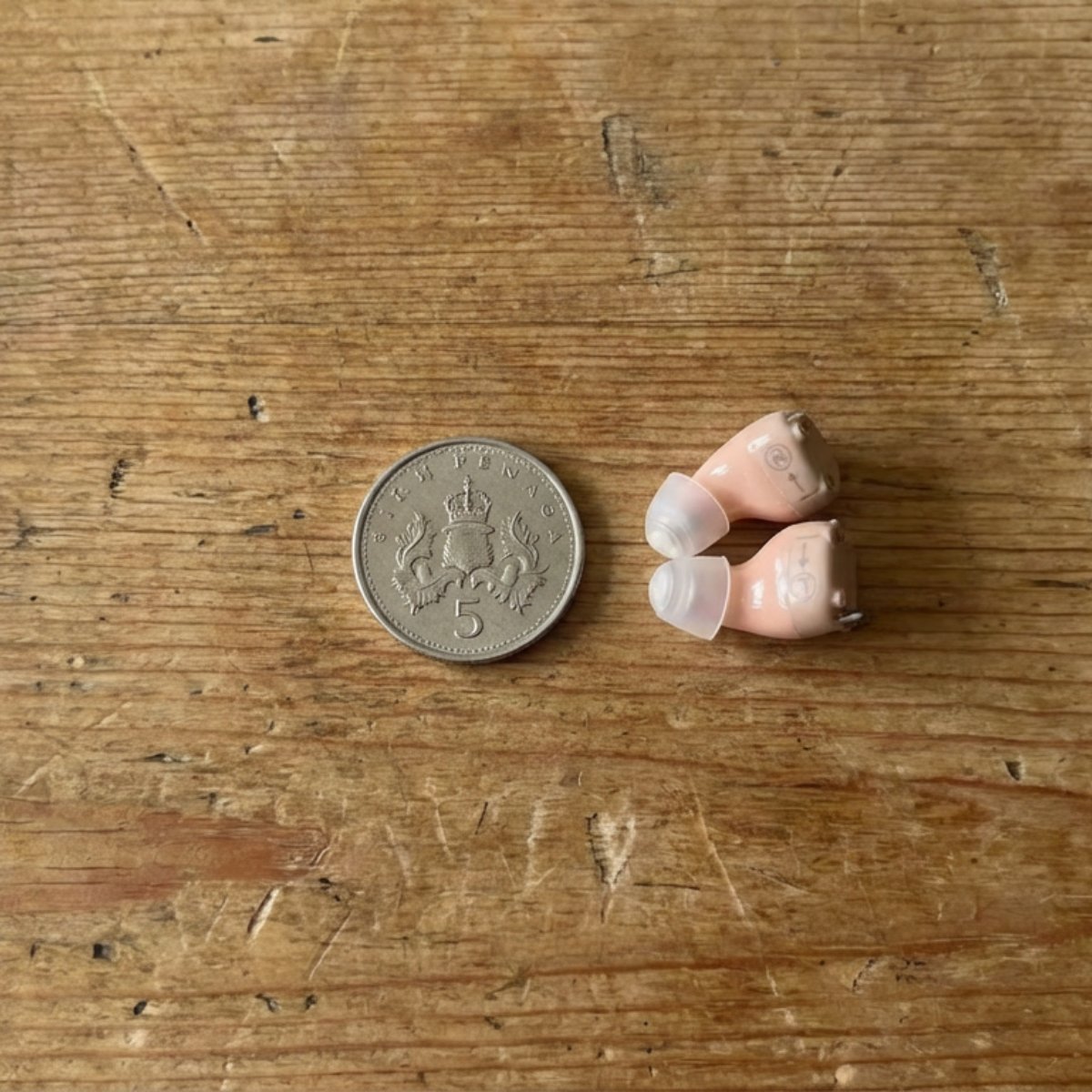
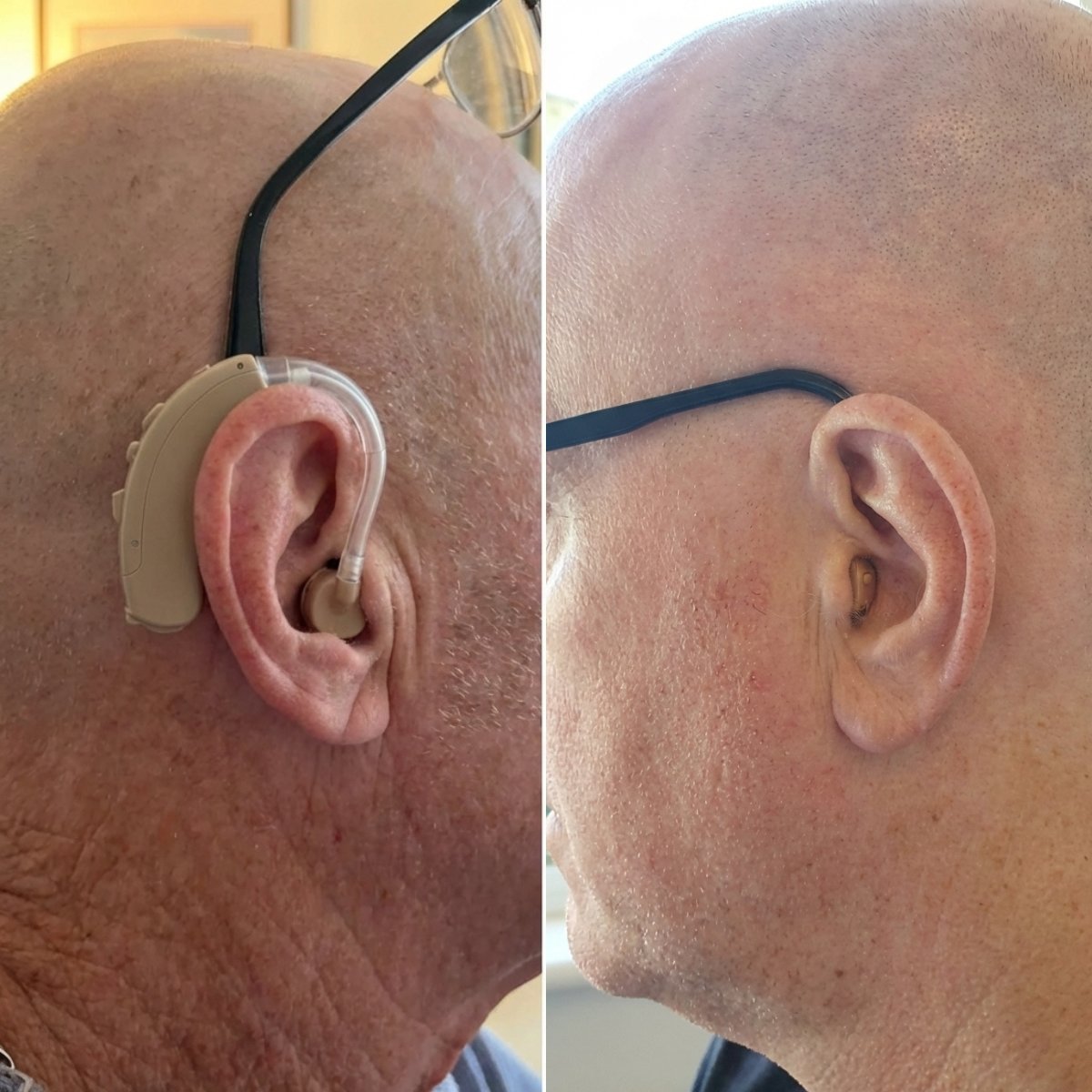
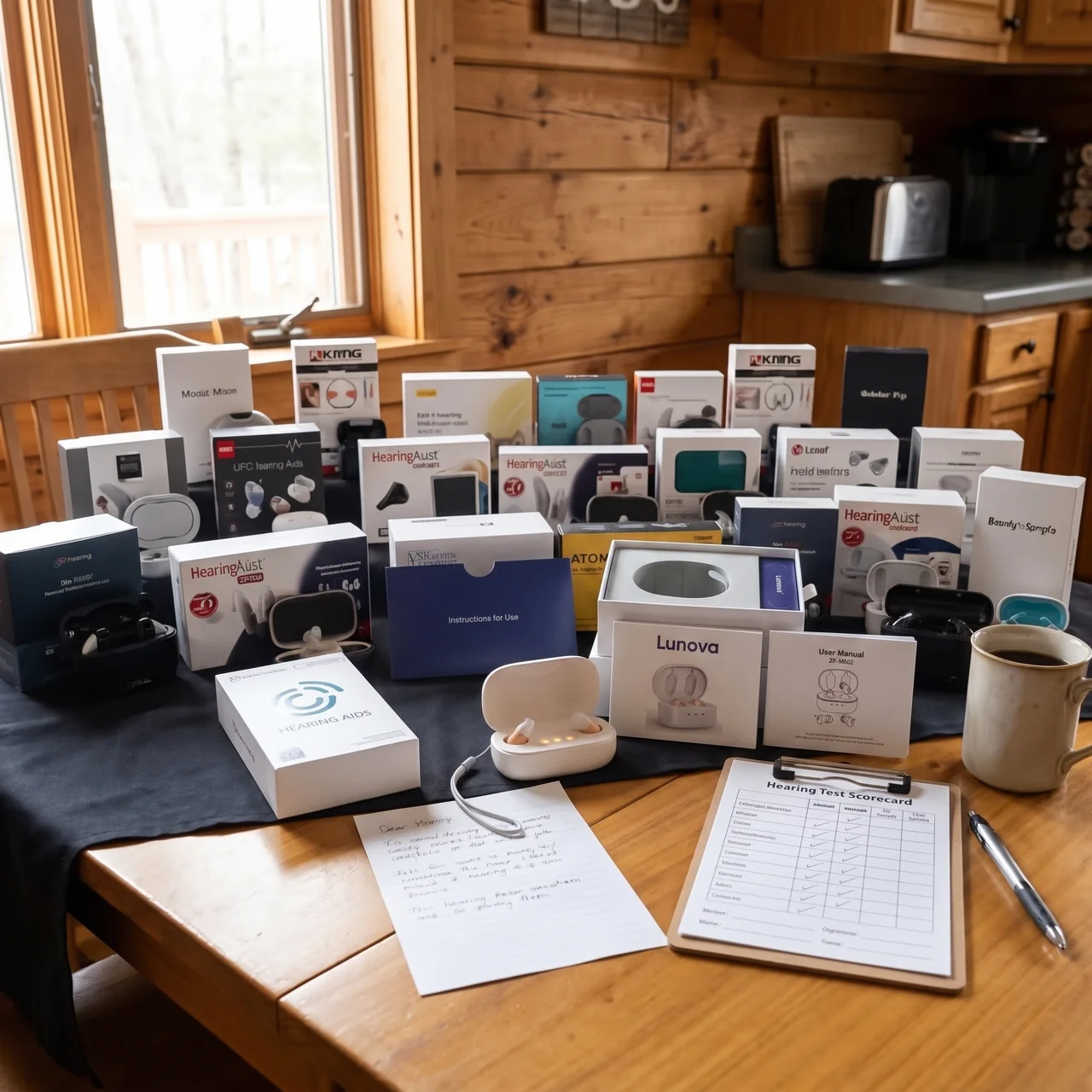
I wasted money on two cheap hearing aids and $1,499 at Costco before I found out why none of them really worked. It made me angry enough to investigate the whole rotten industry. I'm Jim. 73. Retired newspaper journalist from Hamilton, Ontario. 40 years chasing down stories, and most of them taught me the same lesson. The official version is almost never the whole version. So when HearingLife quoted me $4,995 for two devices the size of coffee beans, the old reporter in me sat up. This is the story of how I ended up with a kitchen table covered in hearing aids. And why the one I actually wear cost less than the sales tax on the pair the clinic tried to sell me. I'd been losing my hearing for years before I did anything. You tell yourself it's the room. The mumbling. The bad phone line. You turn the TV up two notches and pretend nobody noticed. Then one day your daughter says "Dad, you've asked me that three times," and you stop pretending. Like most stubborn men, I tried to fix it on the cheap first. I bought a pair off Amazon. $49. Junk. Whistled like a kettle. I figured I'd bought the wrong brand, so I ordered another. Also junk. Then a third, a "best seller" with thousands of reviews. Same story. Everything louder, nothing clearer. Margaret's voice drowning in the same noise as the refrigerator. Three times I fell for the same trap, because I didn't understand what I was actually buying. Here's what nobody told me. Almost none of those cheap online ones are Health Canada registered as medical devices. They aren't hearing aids. They're amplifiers in a costume. A microphone, a speaker, and a volume dial in a plastic shell. They turn everything up at once and can't tell a human voice from a dishwasher. That is why they whistle. That is why they never worked. I hadn't been buying bad hearing aids. I'd been buying toys and blaming my own ears. So when the clinic slid that $4,995 quote across the desk, I felt cornered. Thousands at the clinic I couldn't justify, or another drawer full of junk I'd already proven didn't work. In the end I caved. I drove to Costco and bought their pair for around $1,499. Middle of the road. A real step up from the Amazon stuff. But four channels, maybe eight. Enough to take the edge off. Nowhere near enough to follow your own grandkids across a noisy dinner table. And it nagged at me. $1,499 for "better than nothing" did not sit right. A reporter knows that feeling in his gut. The story isn't finished. There's a piece missing. So I did the last big investigation of my career. Right there at my own kitchen table. I ordered them by the boxful. Every brand online. The pharmacy names. The ones advertised between the daytime game shows. The direct-to-consumer ones nobody's heard of. I priced out the clinics, HearingLife, Connect Hearing, Costco. I read the Health Canada filings, the ones that tell you which of these things are actually registered medical devices and which are just plastic. For the better part of a year my kitchen table disappeared under hearing aid boxes. Margaret thought I'd finally lost my mind. And then I found the article that pulled it all together. It was written by an audiologist. Dr. Janet Morris. 30 years fitting hearing aids in hospitals and private clinics. She had walked away from the whole profession, because she couldn't stomach what she'd watched it do to people my age. She had done, with 30 years of clinical evidence, exactly what I'd been doing with a credit card and a kitchen table. She tested five options on fifty of her own former patients, over six months, and published all of it. Every price. Every result. No brand paid for its place in the test. And she put hard numbers to the thing I'd been smelling the entire time. The parts inside a hearing aid that actually do the work, the chip, the microphone, the receiver, cost about $130 to make. That's on a clinic pair that sells for $4,995. The other ninety-odd percent of your money is not the device. It's the shop on Main Street. The salesman's commission. The area manager. The head office. The TV campaign that made you trust the name enough to walk in. And yes, clinic staff are paid a percentage. Which is exactly why the most expensive pair always comes out of the cabinet first. 40 years as a reporter, I know when the numbers don't add up. This was a markup of well over 3,000% on the only part that does any hearing. Then she walked through every option I'd been buying blind, and confirmed each one. The Amazon devices, $39 to $119. Now I finally understood my own drawer of junk. If the real parts cost $130, and the whole thing sells for $49, those parts are simply not inside it. It is not a budget hearing aid. It's a different and worse product wearing the same word on the box. Not Health Canada registered, because it isn't a medical device at all. The pharmacy pair I'd settled for. Real, registered, but basic. A box off a shelf and you're on your own with it. Costco, around $1,499. Better hardware, genuinely. But they lock you into their own system, and every adjustment is a 45 minute drive each way. The clinics, $4,200 to $4,995. Good technology, she admitted, buried inside that obscene markup. And then the one I'd never have taken seriously on my own. The one her six months of testing put right at the top. Lunova. $300. I almost laughed out loud at the price. $300 sounded like the exact Amazon trap that had already burned me three times. My first instinct was scam. But it was her number one pick, ahead of devices costing sixteen times as much. And a reporter checks the source before he calls it a fake. So I checked it. The same class of components as the premium clinic brands. 16-channel processing, the real kind. The kind that pulls one voice forward out of a noisy room instead of just turning the whole world up. Rechargeable, so there's no fumbling with batteries over the sink. It sits in the ear. And the one thing every piece of junk in my drawer had been missing. It is Health Canada registered as a genuine medical device. The same registration the $4,995 clinic brands carry. In her testing she measured a 78% hearing improvement. Most of her fifty patients could not tell Lunova apart from the aids costing thousands. She explained the whole racket in one line I won't forget. It's like aspirin, she said. The store brand and the famous brand have the same 325mg inside. One's $2, one's $12. You're paying for the box. I looked into the company too, the way I'd vet any source. Sold direct from a warehouse in Ontario. Started by a man named David Taylor, after his own father couldn't afford clinic prices on his pension. No shop. No commissioned salesman. No area manager. No head office taking its cut. That, and only that, is why it's $300 and not $4,995. Same device. They stripped out everyone standing between it and you. And here's the part that finally got a stubborn man to click the button. 45 days, at home, in your own house. Not in a showroom with a salesman watching you. You wear them at your own kitchen table, through your own week. If they're not right, you send them back. The risk wasn't mine anymore. It was theirs. So after a year, a kitchen table full of plastic, and the better part of $1,500 already wasted, I ordered the $300 ones that night. Three days later they arrived. A charging case, a few sizes of ear tip, and a manual that actually made sense. I put them in right there at the kitchen table. Margaret was out in the yard. "Any good?" she called through the window. I heard every word. Not louder. Clearer. After a year of testing the difference, I knew exactly what I was hearing. The chip pulls her voice forward and lets the yard noise fall away behind it. "Say something else," I called out. "You're a stubborn old fool and I love you." Crystal clear. A table full of junk, $1,499 thrown away at Costco, one $4,995 quote I nearly signed, and the answer cost $300. That was two months ago. Last Saturday my grandson Charlie stayed over. At bedtime he whispered something to me, so quietly that a year ago I'd have lost it completely. "Grandpa, I'm glad you can hear me now. I thought you didn't like my stories." Three years. He had spent three years of his short life thinking I wasn't interested in him. I'd just been nodding along to a happy blur. That's the part no investigation prepares you for. The markup costs you money. The waiting costs you the things you can't get back. At curling that Thursday they all noticed I was keeping up with the table for once. "Finally went to HearingLife then, Jim?" "No," I said. "Lunova. $300. I tested every one of them first. Read this." And I handed over the article. Malcolm went quiet. He'd paid $4,200 at HearingLife six months earlier. The same class of chip inside, sold to him for over 16 times the price. He did the math at the bar and didn't say much the rest of the afternoon. Terry ordered his that same day. Dave ordered on the spot, phone out before he'd finished his drink. Malcolm ordered a pair for his father the next morning. 40 years I chased down stories for other people. This is the last one I'll ever file. And it turned out to be the one that mattered most, because it's the one that got me my grandson back. So I'll tell you what I'd tell anyone who's where I was. You don't have to take my word for it. And you don't have to spend a year and a tabletop full of money to find out, the way I did. Read the audiologist's report. She has no reason to lie and no brand paid her: https://www.getlunova.com/pages/canadian-hearing-report 30 years in audiology. Five options, fifty patients, every price on the page. And if you want to go straight to the ones I ended up wearing: https://www.getlunova.com/products/smart-hearing-comfort-hearing-aids $300. 45-day trial at home. Wear them at your own kitchen table for a few weeks. If they're not right, just send them back. The only thing you're risking is the chance that they work. But feel free to do whatever you want, I just wanted to share this on Facebook for people lost out there, just like I was a few months ago. Jim Henderson, 73 Retired Journalist Hamilton, Ontario P.S. Malcolm sold his old clinic aids on Kijiji for $1,200. He's still bitter about the difference. But he can hear his grandchildren now, and he says that's the only number that ever mattered. He's right about that too.
Where the ad sends people
getlunova.com
read this before you consider hearing aids
Lunova hearing aids deliver clear, natural sound at a fraction of clinic prices. Lightweight, rechargeable, 30+ hour battery. Try Lunova risk-free.
See details: getlunova.com(opens in a new tab)