
Inactive· since May 6, 2026
- 38
- days it ran
- 0
- relaunches
Ad copy
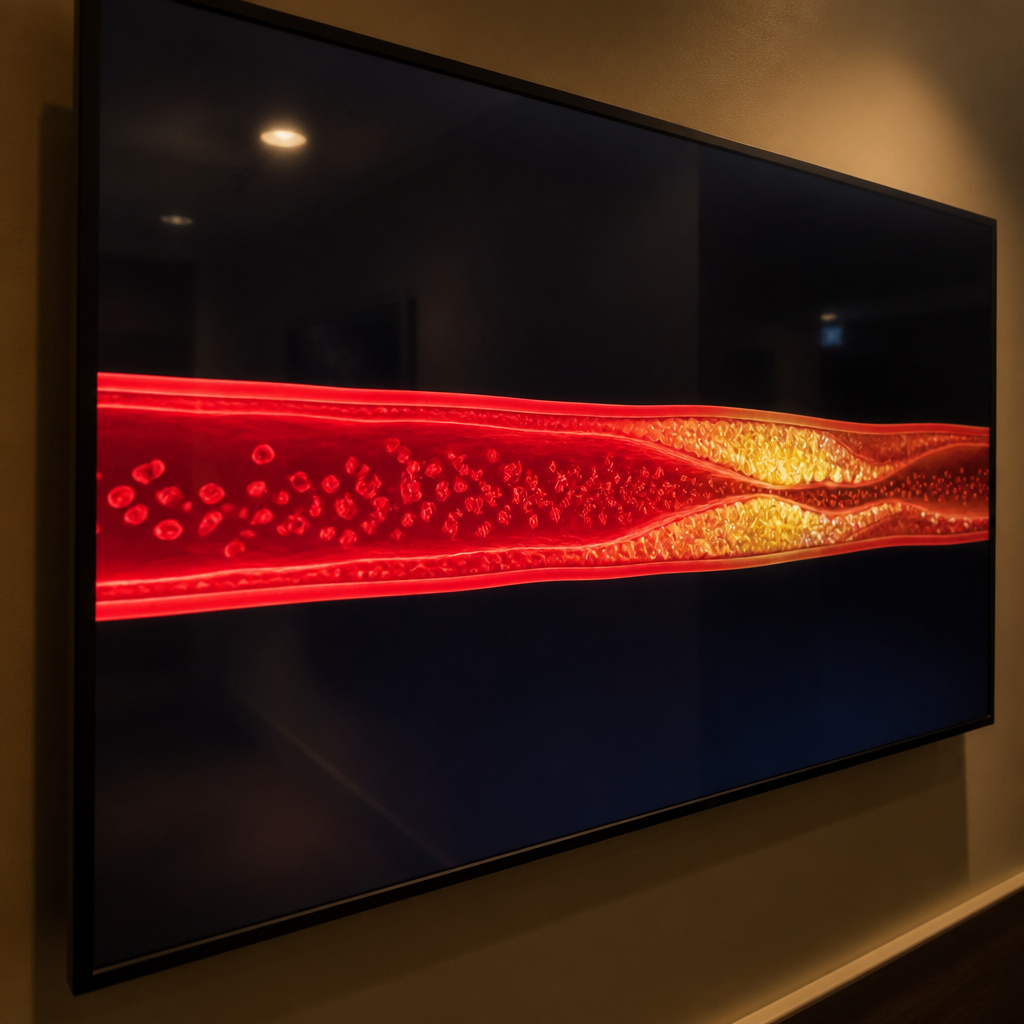
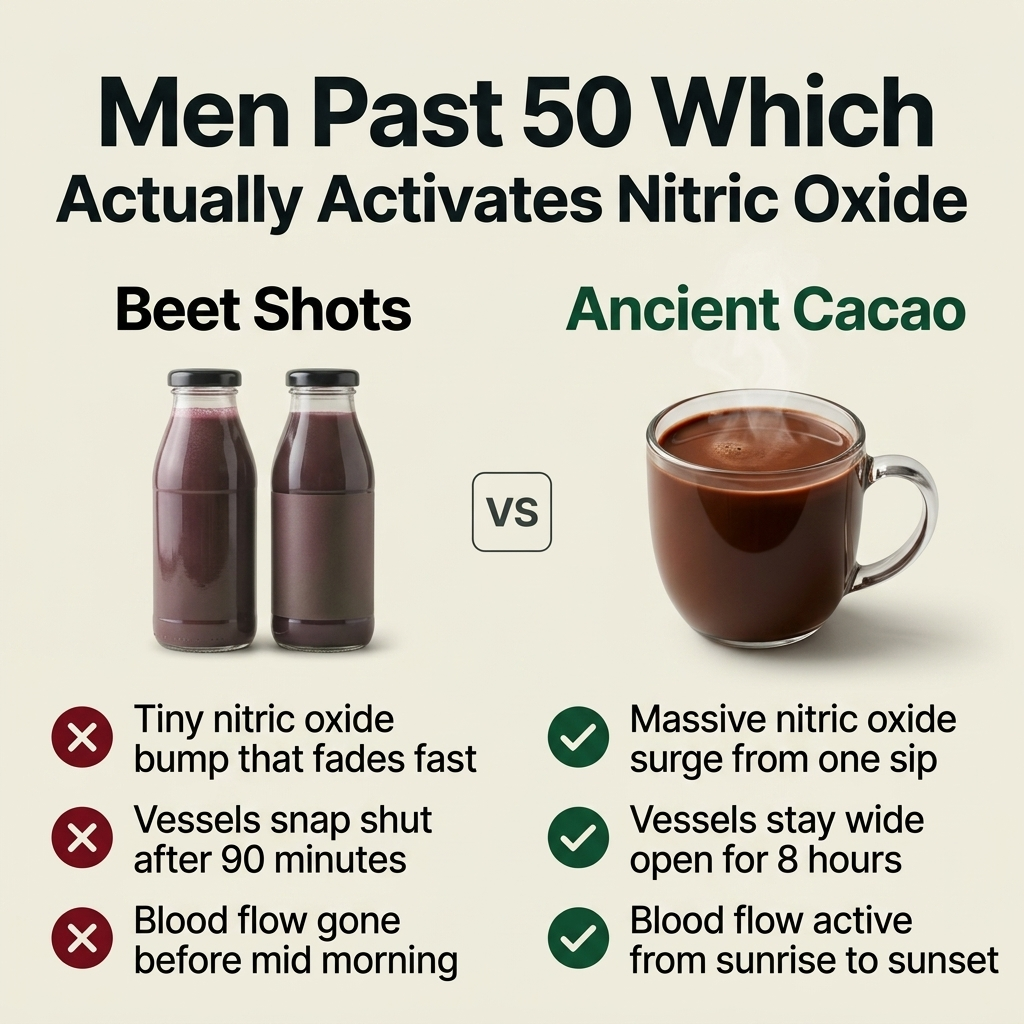
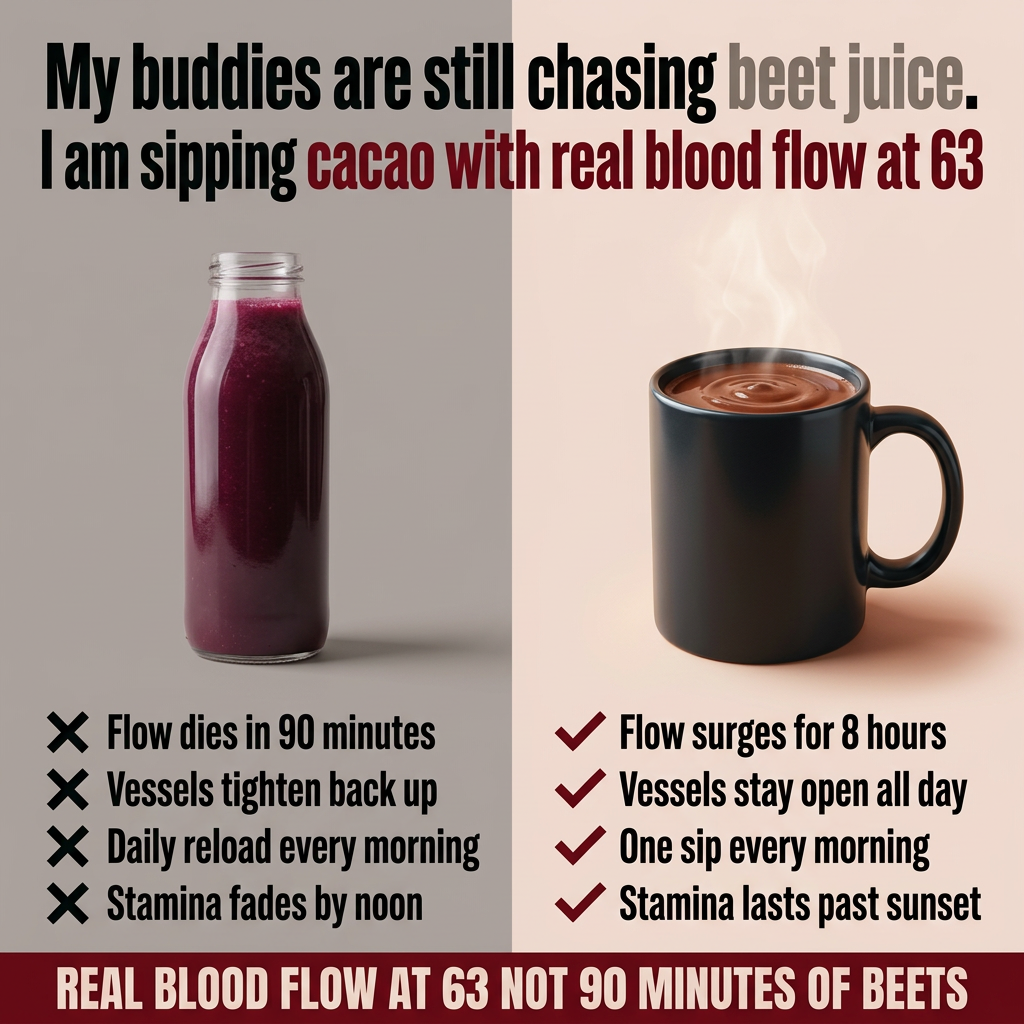
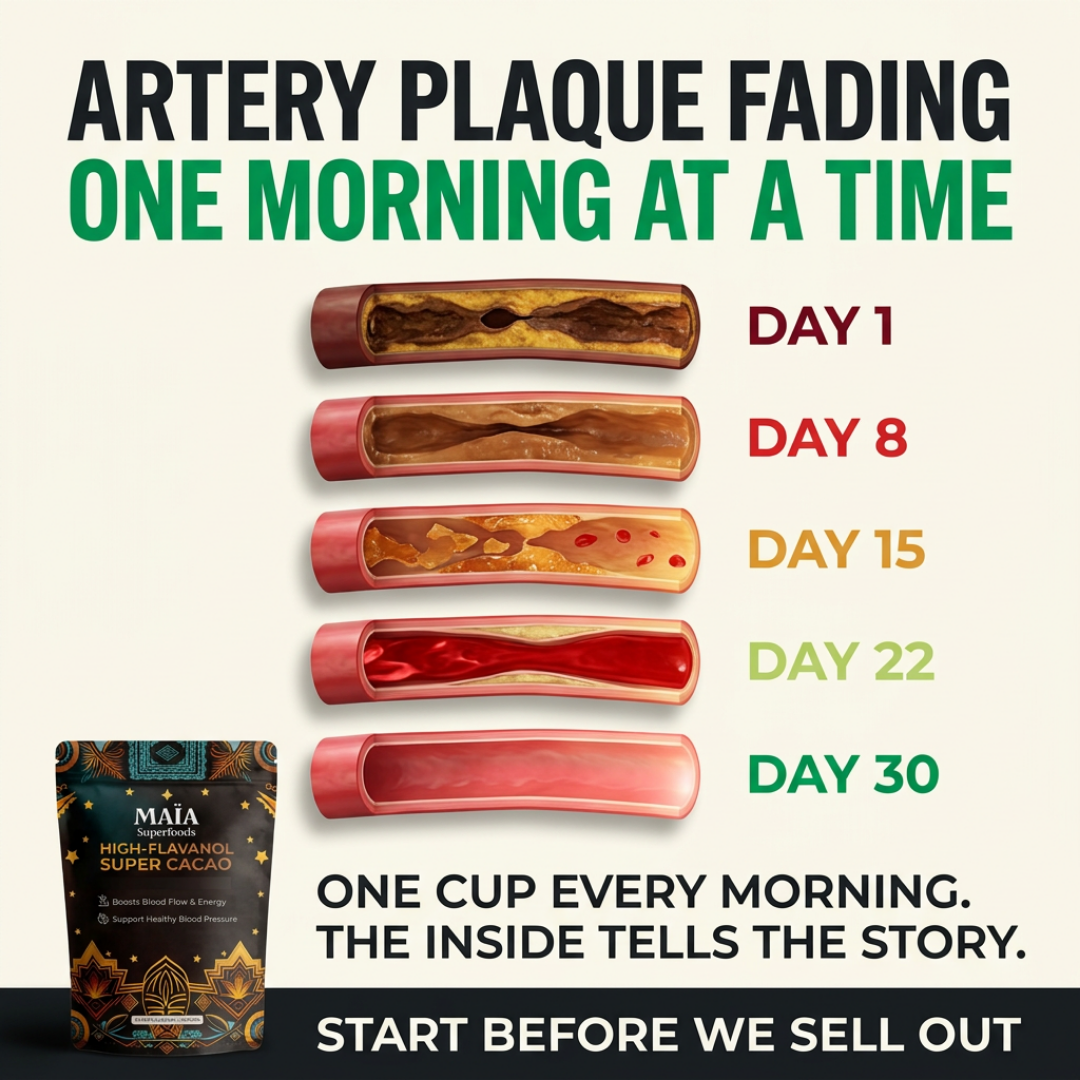
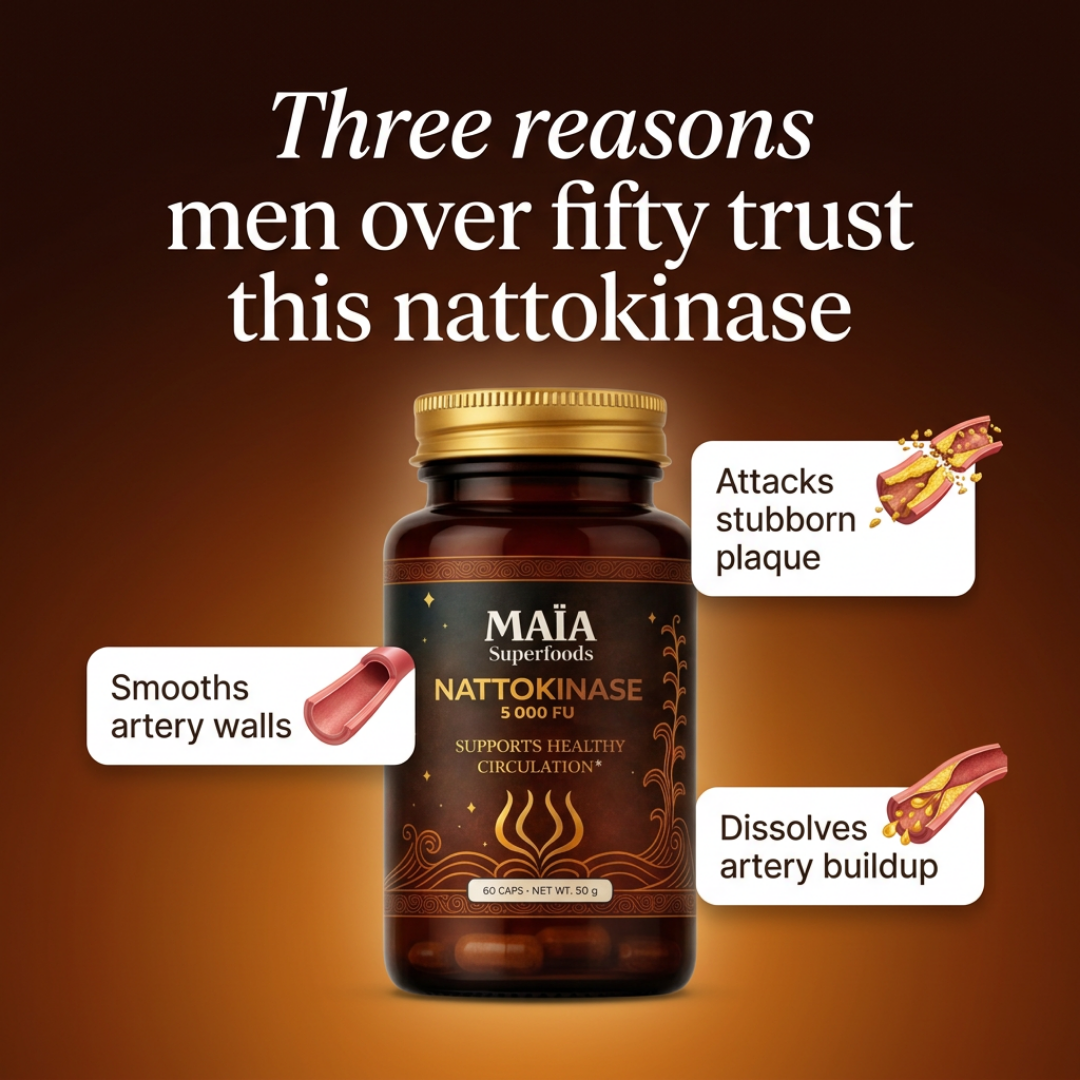
I've spent 22 years working with adults over 50 who were concerned about their arterial health. And the question I heard most often wasn't asked in my office. It was asked at 2am. Lying in the dark. Staring at the ceiling. Wondering what was quietly building inside their arteries. Whether the plaque their results had flagged was still accumulating. Whether anything they were taking was actually reaching the place that needed reaching. Read More: https://www.buymaia.com/shocking-discovery-nattokinase-plaque They'd come in for their follow-up. Sit across from me. Tell me they'd been taking their supplements faithfully. And I'd look at their results and tell them to keep doing what they were doing. What I didn't say — because I didn't understand the mechanism clearly enough to say it — was this. Most of what we recommend for arterial health support isn't aimed at where plaque accumulation actually originates. It's aimed around it. And the distance between aimed at and aimed around is exactly the distance between a 2am question that finally gets answered and one that keeps coming back. Here is what most people are never told about how arterial plaque actually develops. It doesn't accumulate simply because of what you eat or how you exercise. It accelerates when the enzymatic environment inside your artery walls stops being adequately supported. There is a specific enzyme — a fibrinolytic enzyme — that governs whether the material circulating in your blood adheres to your artery walls and accumulates, or gets broken down before it has the chance to anchor. When that enzyme is active and properly supported, your artery walls maintain resistance to the buildup that plaque is made of. Read More: https://www.buymaia.com/shocking-discovery-nattokinase-plaque When its activity declines — which it does in virtually every adult after 50 — the arterial environment changes. The walls become more permissive. The conditions that allow plaque to accumulate become more favorable. And the accumulation accelerates. Not because of what arrived at the artery wall. Because the enzyme that was supposed to keep the wall resistant to that accumulation has stopped being supported the way it needs to be. That is the origin. That is what beet juice and arginine and standard cardiovascular supplements were never specifically designed to reach. I want to be precise about why those other approaches fall short. Because I've watched people take them faithfully and come back with arterial wellness markers that hadn't shifted the way they hoped. And I owe them a clearer explanation than I was giving them. Beet juice delivers nitric oxide from outside the arterial cell. It creates a temporary elevation that peaks within 90 minutes and is largely gone within two to three hours. The fibrinolytic environment at the artery wall doesn't change. The enzyme that governs accumulation continues operating at the same compromised level. You borrowed an external effect. You didn't support the internal mechanism. Read More: https://www.buymaia.com/shocking-discovery-nattokinase-plaque Arginine supplements try something similar — providing an external precursor for nitric oxide production. But in adults over 50, a compound called ADMA progressively blocks this conversion pathway. The older you are, the less arginine can achieve. The pathway it depends on is the pathway your biology has been quietly closing for years. Standard cardiovascular blends address blood viscosity, cholesterol markers, and general circulation. None of them deliver nattokinase — the specific fibrinolytic enzyme that governs whether the structural protein holding plaque together gets broken down or left to accumulate. All of these approaches are working around the mechanism. Not at it. What works at the mechanism directly is nattokinase. A fibrinolytic enzyme derived from natto — fermented soybeans — consumed in traditional Japanese medicine for over 1,000 years specifically for arterial wellness support. Not as a general supplement. As the specific enzyme that supports healthy fibrin levels. Fibrin is the structural protein that gives arterial plaque its architecture and anchors it to the wall. Nattokinase supports the enzymatic process that keeps fibrin from accumulating in the arterial environment the way an aging and unsupported fibrinolytic system allows it to. And because nattokinase works at the fibrinolytic mechanism directly — rather than supplementing around its decline — the support it provides is categorically different from beet-based nitric oxide spikes or arginine conversion attempts. Read More: https://www.buymaia.com/shocking-discovery-nattokinase-plaque The research bears this out. A 16-year population study following over 30,000 Japanese adults found those who consumed nattokinase regularly showed arterial wellness markers 25% better than comparable populations who did not. Clinical trials involving over 1,000 participants documented significant improvements in arterial wellness measures with nattokinase supplementation at 5,000 FU of activity per serving. 5,000 FU. That is the specific fibrinolytic activity concentration the research was conducted on. Not a range. Not a label claim. The concentration that the studies actually used and the outcomes actually reflected. Most nattokinase supplements don't deliver it. Cheap sourcing. Low-grade extraction. The active enzyme concentration gets diluted before it ever reaches your system. Same capsule. A fraction of the fibrinolytic activity the research documented. I want to tell you about a symptom cluster that people come to me with and have been told is simply the cost of getting older. Cold hands and feet that haven't been properly warm in years. Energy that collapses in the early afternoon regardless of how well they slept or how carefully they ate. Read More: https://www.buymaia.com/shocking-discovery-nattokinase-plaque The feeling that circulation simply isn't moving the way it used to. That something is subtly different about the way the body delivers blood to its periphery. Most people accept this. They've been told it's aging. They believe it because the alternative — that something targeted and specific could actually be done about it — is a door most practitioners have never opened for them. What these symptoms describe is an arterial system not delivering blood flow with the efficiency it was designed to. A fibrinolytic environment that is not maintaining arterial resistance the way it once did. A buildup not dramatic enough to produce acute events but significant enough to change the quality of daily circulation in every peripheral vessel and every afternoon and every night of sleep. This is the 2am question made physical. Not a number on a chart. A body indicating that something is happening that hasn't been properly addressed. MAÏA Nattokinase delivers 5,000 FU of pharmaceutical-grade fibrinolytic enzyme activity per serving. Read More: https://www.buymaia.com/shocking-discovery-nattokinase-plaque Japanese-sourced. Traditionally validated. Third-party tested for potency. The exact concentration the clinical research used. Not a fraction of it. One capsule every morning. Within the first weeks, the circulation that had felt sluggish begins to shift. The afternoon energy that had been collapsing begins to hold. Within months, people describe walking into their next wellness checkup with a confidence they haven't felt in years. The 2am question doesn't disappear overnight. But it changes character. From dread about something accumulating with nothing properly aimed at it. To the quiet confidence of someone who finally found something aimed at the right mechanism. I recommend MAÏA Nattokinase because the mechanism is correct. Read More: https://www.buymaia.com/shocking-discovery-nattokinase-plaque Not because it comes in a clean capsule, though it does. Not because it has a thousand years of traditional use behind it, though it does. Because nattokinase directly supports the fibrinolytic environment that governs whether your artery walls resist plaque accumulation or allow it. Because 5,000 FU per serving is the concentration the research was actually conducted on. Because pharmaceutical-grade Japanese sourcing preserves what cheap extraction destroys. After 22 years of watching people take interventions aimed around the enzyme that actually governs arterial accumulation — and watching their 2am questions remain unanswered — finding something aimed directly at the mechanism is not something I take lightly. If you've been doing the right things and still not sure anything is reaching the right place, this is what was missing. Not another beet-based nitric oxide spike. Not another arginine pathway your aging biology has been closing. Direct fibrinolytic support. At the concentration that has 1,000 years of traditional validation and modern clinical research behind it. That is the difference. 👉 Read the full story and see what adults over 50 are experiencing when their arterial fibrinolytic system finally gets what it needs: https://www.buymaia.com/shocking-discovery-nattokinase-plaque On availability. MAÏA sources pharmaceutical-grade nattokinase from Japan in small batches to ensure the 5,000 FU potency that makes the product what it is. Demand has consistently outpaced supply. If stock is available when you click, that is today's window. The 2am question has waited long enough.
Like this ad? Make it yours.
Crush rebuilds this exact creative around your product — your brand, your colors, your offer — in about a minute.