
Inactive· since Jul 18, 2026
- 49
- days it ran
- 0
- relaunches
- 5
- EU reach
Ad copy
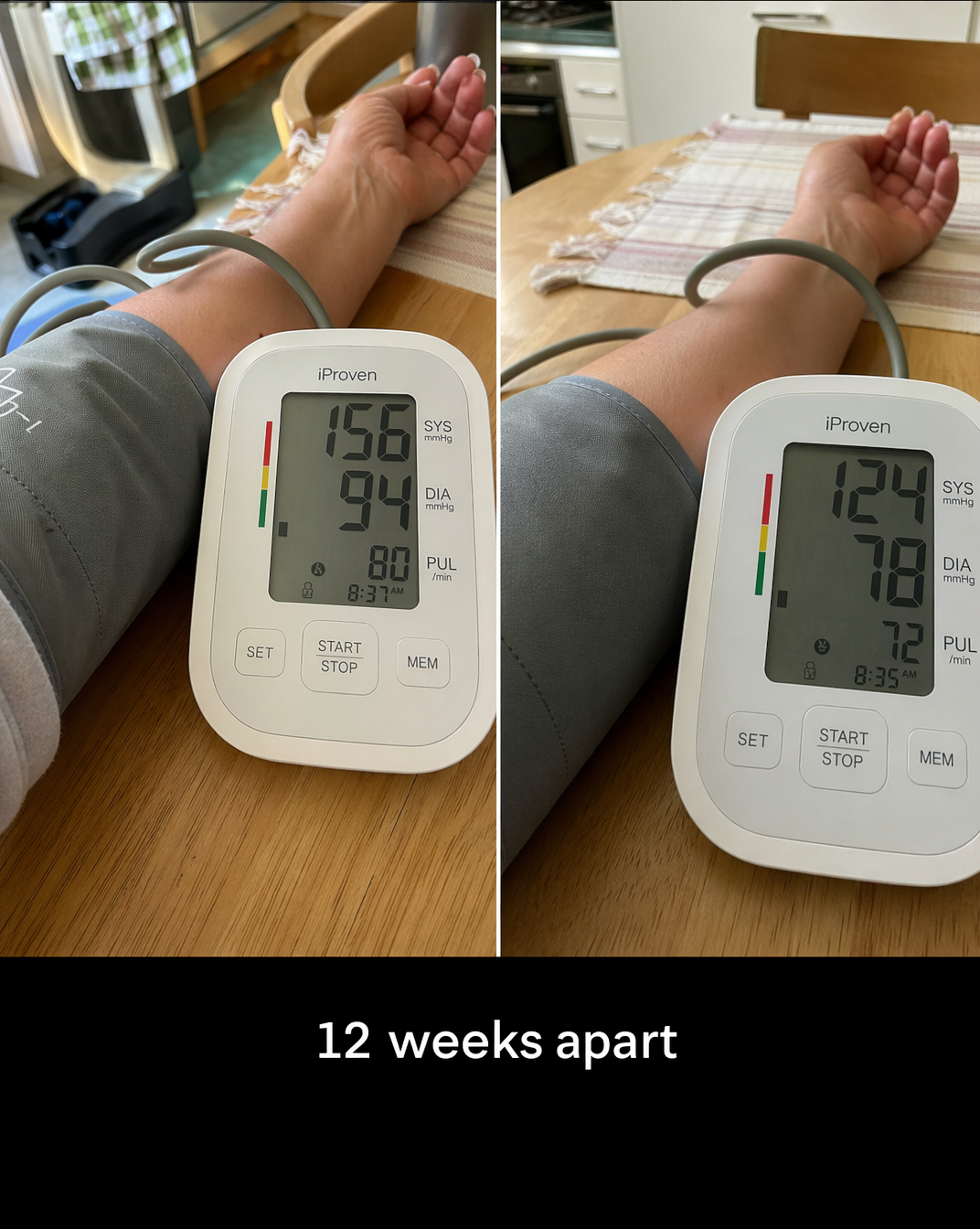
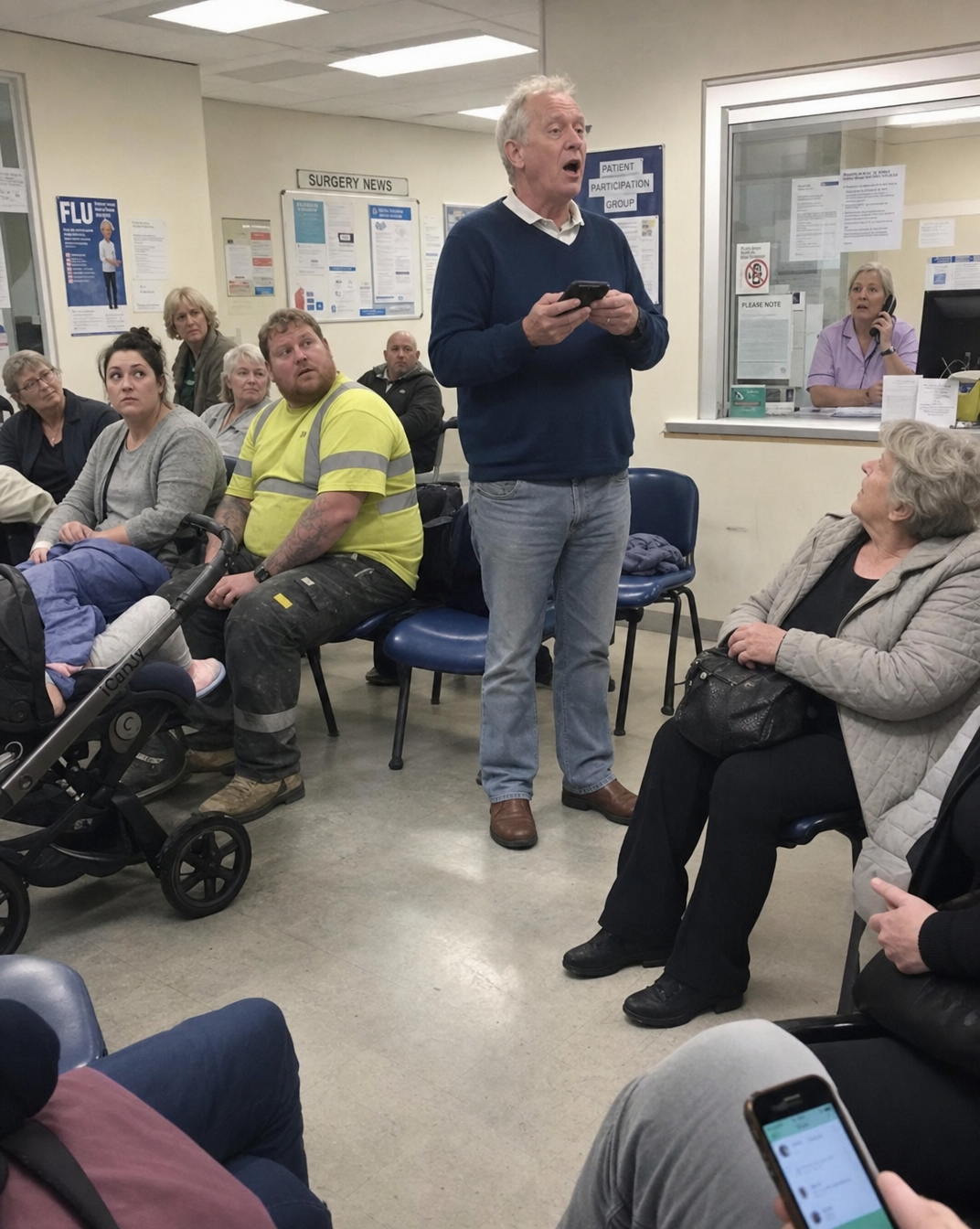
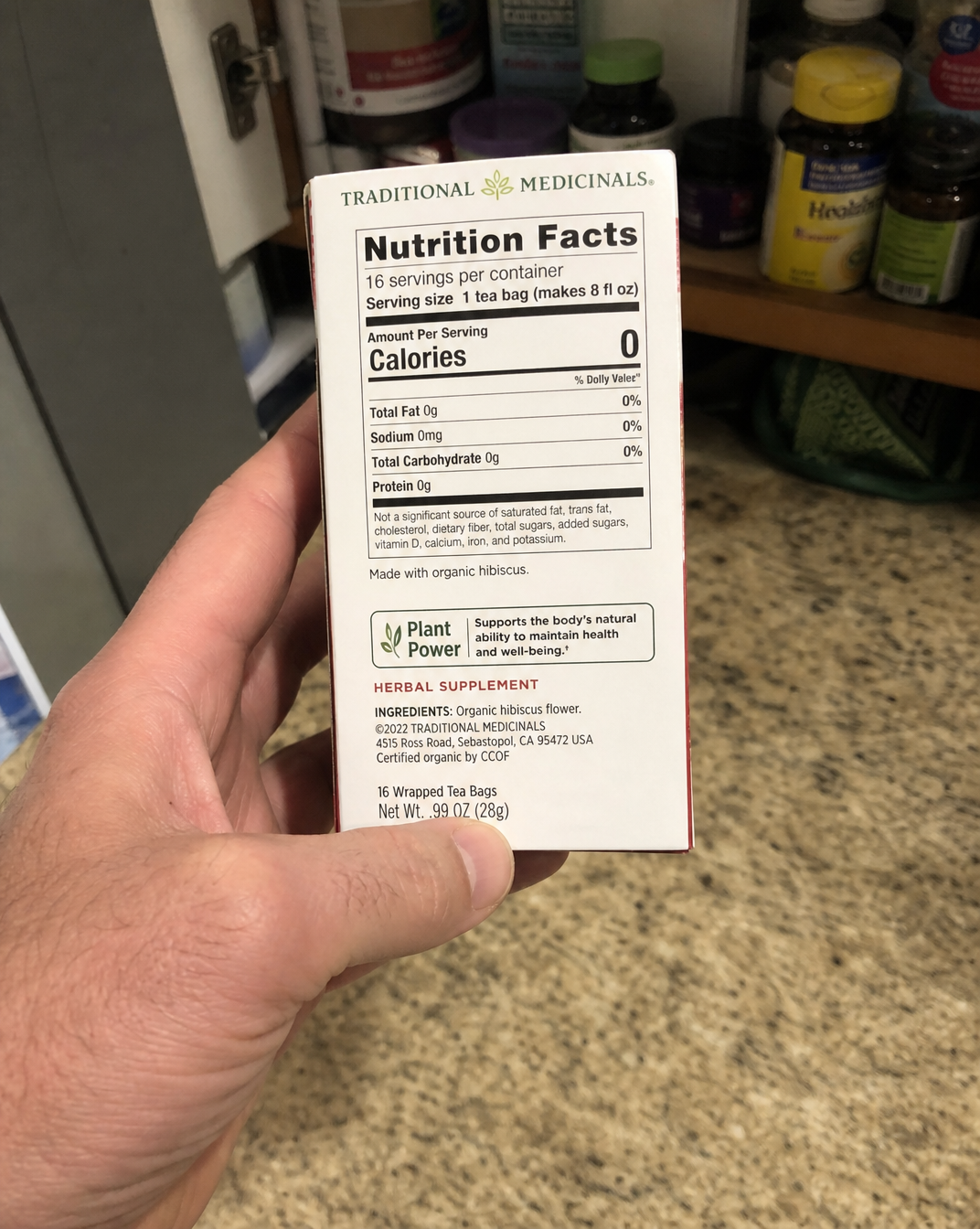
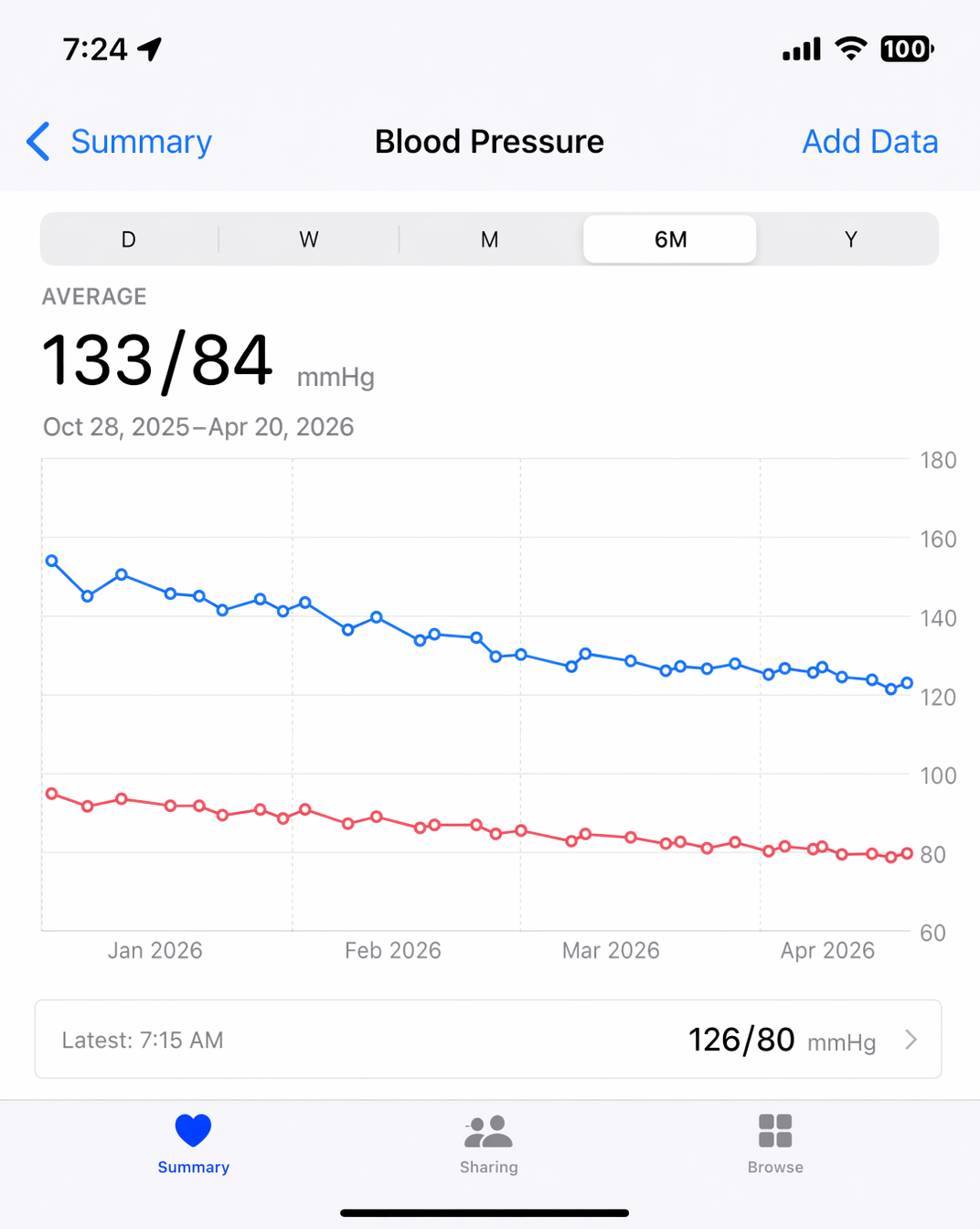
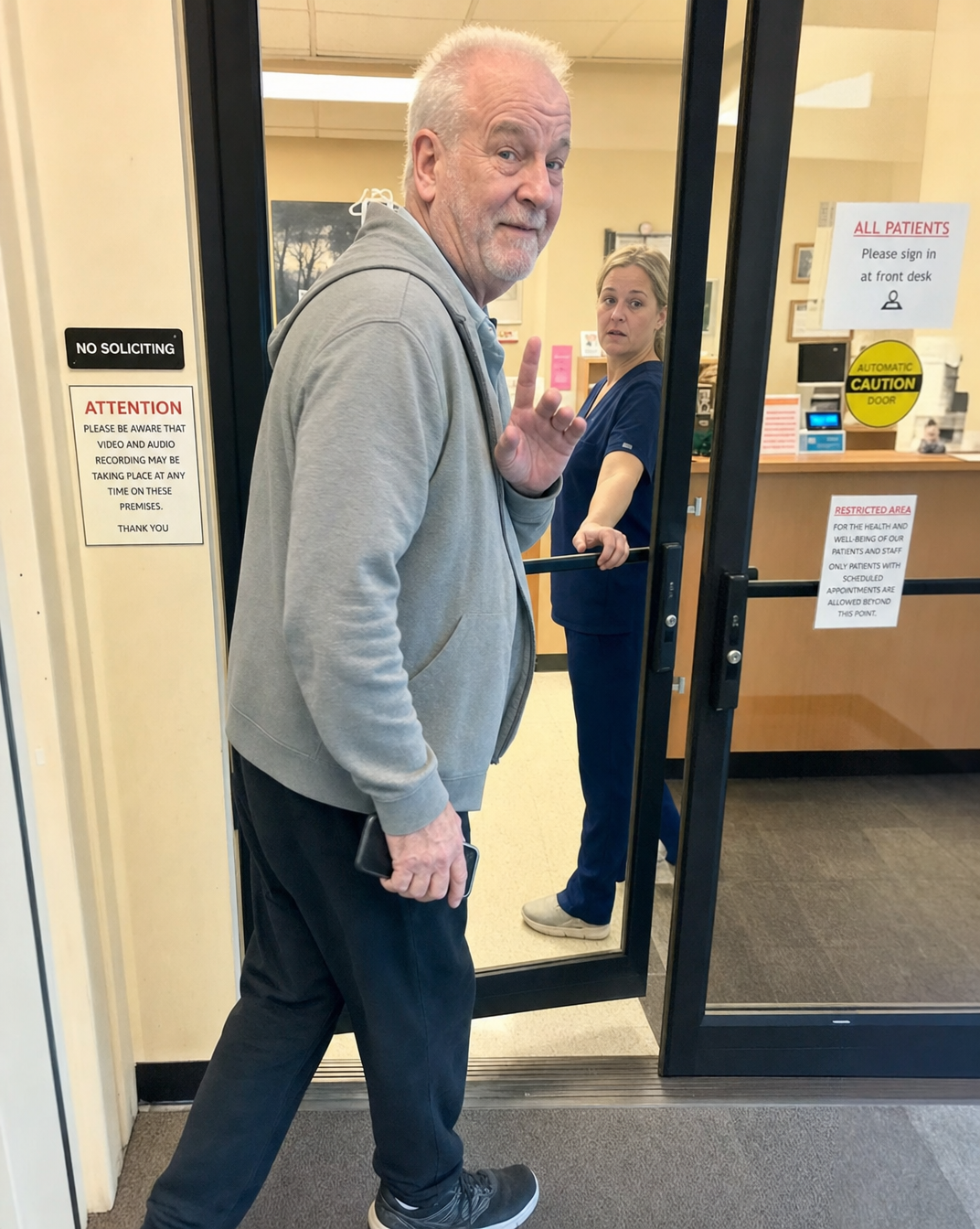
A man just stood up in a PACKED waiting room and read his ENTIRE ChatGPT conversation OUT LOUD!! Row by row, people stopped scrolling. The receptionist didn't know WHERE to look. I have never clapped in a doctor's office before!! He was maybe mid-sixties. Windbreaker folded neat on his lap. He pushed himself up out of one of those hard plastic chairs, slow, both knees popping, and held his phone flat in both hands. Like a hymn book. Like he was about to read a lesson at a wedding. Then he cleared his throat and started. My name is Dave. I'm 58, I've been a plumber for 34 years, and I was only in that waiting room because my wife nagged me into a checkup I'd skipped for two years. So understand, I am not the sort of man who claps at anything. I fix leaks. I go home. But here's the thing I need you to hold onto while you read this. Gordon, that was his name, he wasn't ranting. He wasn't one of those angry old fellows who corner you about the state of the world. He was reading. Calm. Steady. And the thing he read wasn't a rant either. He hadn't quit anything. He hadn't refused his medicine or thrown out a prescription or told anyone off. He'd done nothing dramatic at all. He'd just found out something nobody had ever told him. And I'm going to give you every single line he read out that morning. All of it. His clumsy typed questions and everything he got back. Because eight weeks later I sat at my own kitchen table and typed the exact same question. But first, let me tell you what Gordon said before he opened that phone. He held the phone against his chest for a second, and he told us how it started. Eighteen months back, he said. A checkup much like the one half of us were sitting there waiting for. He was a retired postal worker, thirty-one years walking a route, and he told us he still walked most mornings out of habit. The nurse put the cuff on him and it read 146 over 90. The doctor was kind about it. Watch the salt, cut back a bit, come back in a few months. Nothing to panic over. So Gordon didn't panic. He went home and put it out of his head. Except he's a careful man, Gordon. He started keeping a little notebook of his readings, out in the glovebox of his truck, next to the insurance papers. Date, the top number, the bottom number, in tidy little rows. He read one row out to us and his voice caught for just a second. I remember thinking, this is a man who did his homework. Second visit, months later, the number hadn't budged. Doctor said a prescription was "probably next." Probably next. Gordon told us he went out to the truck after that one and just sat there. Now here's the part that got me. Because before he ever got to the phone, he listed off everything he'd tried on his own. He'd gone down the internet rabbit hole like the rest of us do. First it was a beetroot shot every single morning, this dark red stuff that stained the sink. He did it for weeks. He said, and I'm quoting the man, "It was like pouring one glass of water into a bucket with a hole in the bottom." Number didn't move. Then garlic capsules. His whole truck smelled of it, he said, and one of the old ladies near me actually laughed out loud. His wife made him crack the windows. Number didn't move. Then a magnesium powder his neighbour swore by, mixed into orange juice, tasted like chalk, he said. Number didn't move. And his wife, Marjorie, she stopped salting his food. Stopped it completely. Gordon said dinner just went quiet after that. Not quiet like arguing. Quiet like nobody enjoying it. He'd sit there with a plate of something grey and correct and think, is this it now. Is this the rest of it. The number crept anyway. 148 over 92. And here's where I need you to understand what he said next, because he said it slow and he said it twice. Nobody was lying to him. The readings were real. The doctors weren't wrong. The salt advice, the come-back-in-a-few-months, all of it was fine, standard, correct. But in eighteen months, appointment after appointment, notebook page after notebook page, not one single person had ever mentioned that a natural option with actual evidence behind it even existed. Not to say do it instead. Just to say it was there. Nobody had ever told him. And I'm sitting there in that plastic chair, and I'm doing the math on my own two skipped years. My own excuses. My wife nagging me in. The way I'd waved off my last reading like it was somebody else's problem. I was Gordon eighteen months ago and I didn't even know it. Then he said the part that made the whole room lean in. He said, "So one night I sat in my truck in the pharmacy lot, engine off, and I pulled up a photo on my phone." The photo was of the paper the doctor had handed him. He'd snapped a picture of it on his way out. The proposed prescription. He said he sat there in the dark with the engine ticking as it cooled and just stared at it. And he wanted us to hear this clearly. He wasn't against the pills. He said his own brother takes them, has for years, and they're right for him, they keep him well. Gordon said it plain. There's no shame in that road. What broke him, he said, was the feeling of standing at a fork with no map. Like someone had walked him to a crossroads in the pitch dark, pointed down one way, and never once mentioned there was a second road there at all. He'd have to just take it on faith that the one path was the only path. He said he sat there and out loud, to nobody, to the empty cab, he asked, "Is that really all there is?" The old lady two seats down from me put her hand over her mouth. Just held it there. And that was the moment it landed for me, in that stuffy little room. It wasn't the number that scared Gordon. 148 over 92, he'd made his peace with the number. What scared him was that in eighteen months nobody had ever told him there was even a question worth asking. Then Gordon told us what he did when he got home that night. He said his grandson had put some app on his phone a while back, one of those chatbot things, ChatGPT, "for recipes," Gordon said, and he'd never once opened it. But that night he sat at his kitchen table with the light over the stove still on and he opened it. Just him and the hum of the fridge. And he read us what he'd typed. He held the phone up and read it word for word, typos and all. "Is their anything naturel with actual reserch that lowers blood presure or is it all snake oil." The whole room laughed. Gordon laughed too. He waited for it, let it die down, then he went quiet. He said he asked a machine on purpose. Because a machine, he said, doesn't have a thing to sell you. It's got no supplement on the shelf, no appointment to book, no reason to leave anything out. Dave, that's me, I actually leaned forward in my chair. Not a doctor. Not a salesman. Just a nervous man at a kitchen table, typing a plain question. Then Gordon scrolled down to the answer, and he started to read. "It said, and I quote," Gordon told us, and he cleared his throat like he was reading from scripture, "'One of the most studied options is hibiscus tea, specifically the flower Hibiscus sabdariffa.'" He looked up. "That's the sour red one. Not the pretty garden kind. A specific flower." He kept reading. "It said the flower does three things at once, which is the interesting part. First, it acts like a natural ACE inhibitor. That's a fancy way of saying it helps relax and loosen the walls of your blood vessels so they're not clenched so tight." He held up one finger. Then a second. "Second, it supports something called nitric oxide, which keeps your arteries flexible instead of stiff. It said to picture an old garden hose that's gone hard versus a new soft one. That one I understood." Third finger. "And third, it's a gentle diuretic. Helps your body let go of a bit of extra fluid. But," and Gordon stopped and tapped the phone, "it said this specific one doesn't strip out your potassium the way some of the harsher ones do. It said that mattered and to remember it." He scrolled. "It said there are more than sixty-five clinical studies on this flower. Actual research, not somebody's cousin's testimony. And it gave me a range. It said people with genuinely raised readings tend to see the top number come down somewhere between seven and twenty-three points." Now here's where the room went from amused to dead silent. Because Gordon read the honest part. And you could tell it wasn't skipping anything. "It said, and I'm reading this straight, 'This works best when your readings are truly elevated. It is not a cure. It is not right for everyone. And you should tell your doctor, especially if you are already on medication, because it works on some of the same pathways.'" He looked at the frozen receptionist when he read that last bit. Almost like he wanted her to know he wasn't playing doctor. Then he read his own next question. "'ok but how MUCH, and is the stuff in the shop the same.'" More typos. Nobody laughed this time. "And it told me no. It said most of the tea in the shops is about a gram of flavoured dust. Prettied up, weak. It said the studies used around three grams of whole dried flowers. Real ones. It said that part isn't a detail, that's the whole thing, and it warned me twice." Gordon lowered the phone. "Then it said one more line. It said, 'Talk to your doctor, and you can track it appointment by appointment.'" He stood there a second. "Everything that machine told me in about ninety seconds," he said. "Nobody had ever TOLD me." "So that's what I did," Gordon said. "I didn't go behind anybody's back. I printed those studies off, the whole stack, and I put them on my own doctor's desk. And I said, I want to try this, with you watching, appointment by appointment. And he said fine. He wasn't offended. He said let's see." He held up a small notebook then, the kind that lives in a glovebox. "Weeks one and two, nothing. I'll be honest with you. Don't sit there expecting fireworks. Still 148. I wrote it down every time." He tapped the pages. "But something changed anyway, and it wasn't in my arteries. Marjorie started making the tea of an evening, this deep red cup, and we'd sit with it. And for the first time in a year and a half I stopped lying awake at two in the morning doing sums about my own heart." He turned a page. "Around week five it started sliding. And at the eight-week measure, my doctor holding the cuff himself, it read 132 over 84." The room was very quiet. "He read it. Then he read it again. And he said, deadpan, keep doing whatever you're doing." Somebody clapped. I'll admit it. It was me. I clapped first, in a doctor's office, at a stranger. Then the whole room went. The nurse came over then, kind about it, one hand out like she was steering a slow car. Gordon let himself be steered. But he held the phone up one more time at the door. "Since some of you are going to go look this up," he said, "let me save you eighteen months. The machine warned me twice. Not all hibiscus is the same. So I checked mine. Correct flower, the sabdariffa, not some fruit blend with three names on the box. Whole dried flowers, not ground dust. Organic. Tested for the heavy metals and the pesticides. In the little pyramid bags so the thing actually opens up in the water. And the full three grams a bag, not the gram of flavoured nothing the shops hide behind." He tapped the phone. "The dose is the whole thing, not a detail. That's the part." He was almost out now. He turned and thanked them, the receptionist by name, the nurse holding the door, a woman with a pram, like he'd just finished a wedding speech. Then a little wave. And the door clicked shut. If you're reading this and you've sat in a chair like mine, watching a number climb while nobody hands you a single other thing to even ASK about, you're not imagining it. I felt it right there in that room. Eighteen months, and nobody had ever TOLD him. I went home that evening. Sat at my own kitchen table, opened the same app, and typed the same clumsy question Gordon typed. There was a cup of deep red tea beside me by the time I hit send. Here's the thing. The number will still be there next appointment. The only thing you can't get back is the months of not knowing you could ask. See the same flower Gordon read out loud: https://calhealing.com/products/natural-hibiscus-vitality-herbal-tea And yes, tell your doctor. Gordon did. P.S. Do not sit there expecting fireworks in week one. Gordon didn't. Nothing for two whole weeks, still 148, he wrote it down every time. Around week five is when it started to move, and the eight-week measure is when it landed. It's a ritual, not a magic trick. If you quit at day ten you'll never meet week five. P.P.S. If there's a voice in you right now saying you're being dramatic for even wanting to ASK, Gordon obeyed that voice for eighteen months. Asking a question changes nothing you're already doing with your doctor. P.P.P.S. There's a 90-day money-back guarantee, no return needed. Nobody ever offered Gordon his eighteen months back. P.P.P.P.S. Word around town now is Gordon got a standing ovation and a lifetime ban from the good chairs. I'm apparently the man who claps in doctors' offices. Next checkup, I'm bringing my own phone.
The Man Who Stood Up And Read His ChatGPT Out Loud In A Packed Waiting Room
I have never clapped in a doctor's office before. A plumber's account of what one man read off his phone.
LEARN MORELike this ad? Make it yours.
Crush rebuilds this exact creative around your product — your brand, your colors, your offer — in about a minute.