
Inactive· since Jul 22, 2026
- 20
- days it ran
- 0
- relaunches
Ad copy
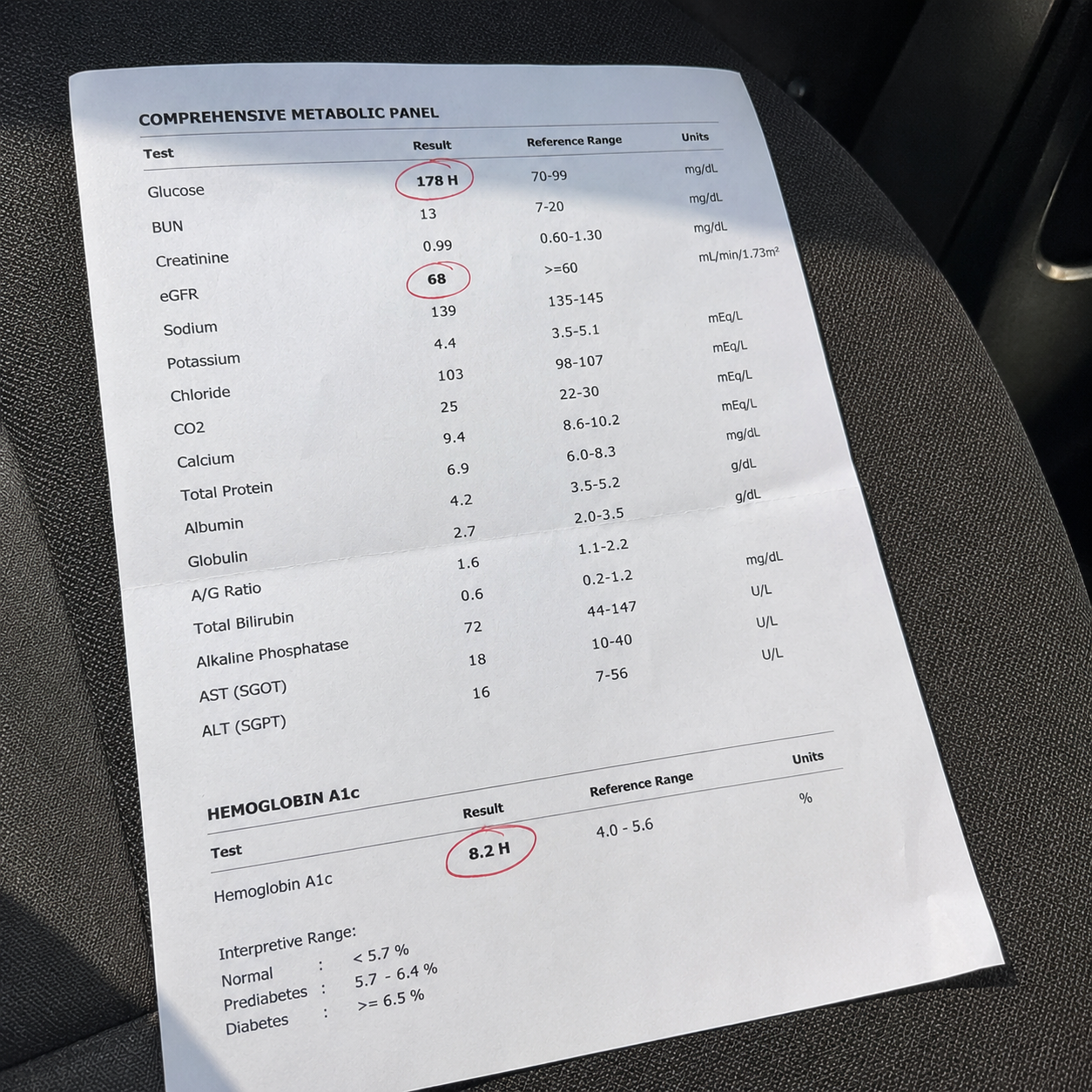
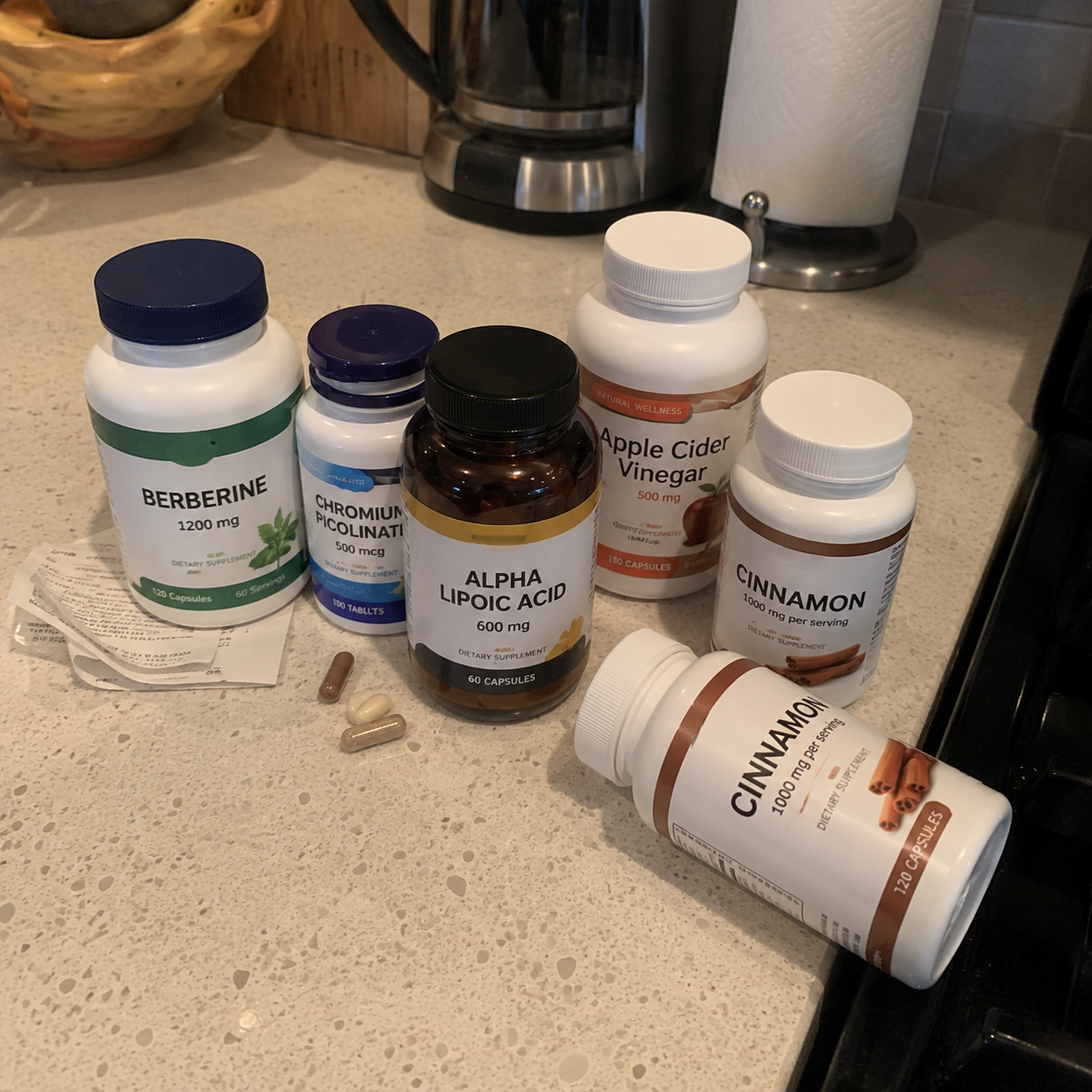
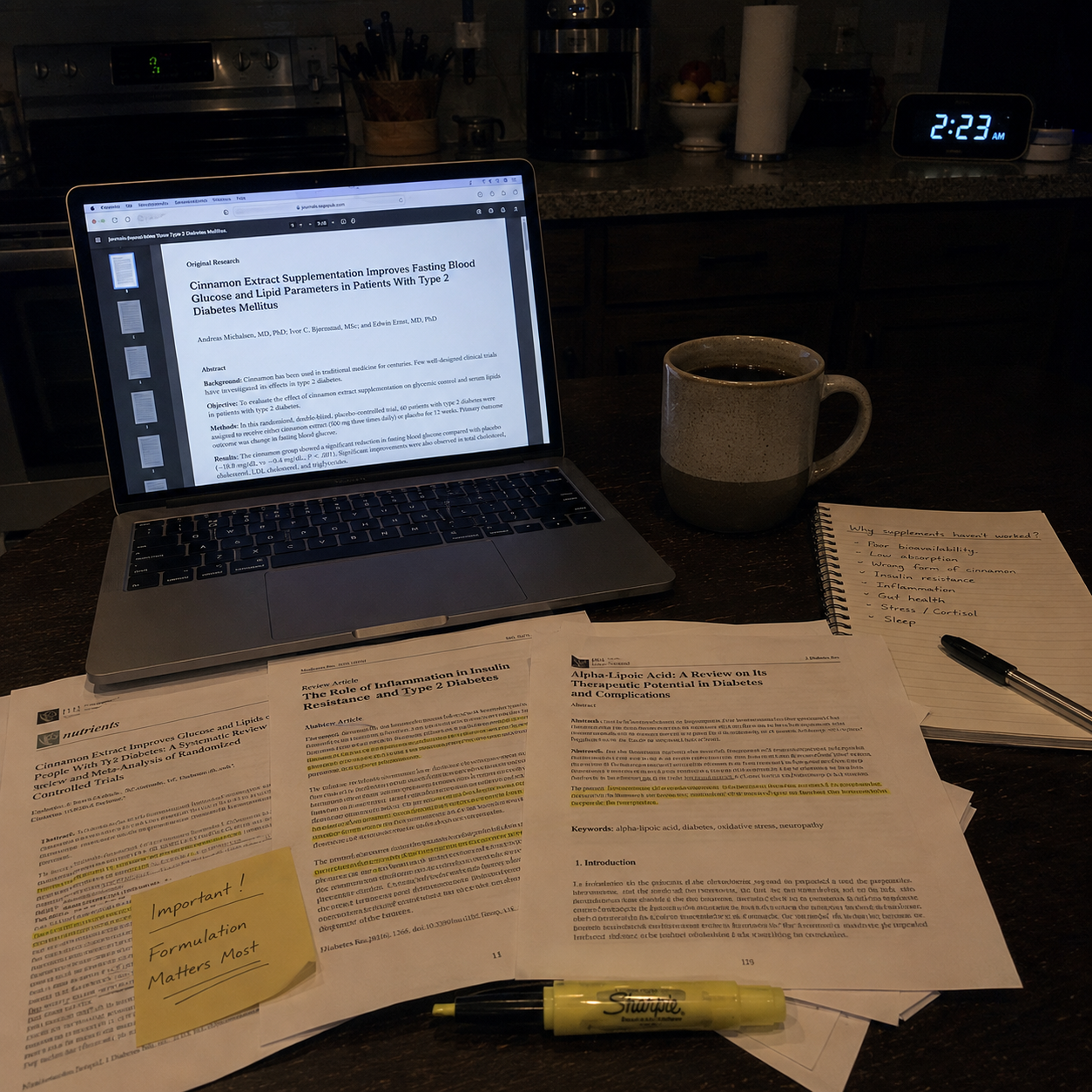
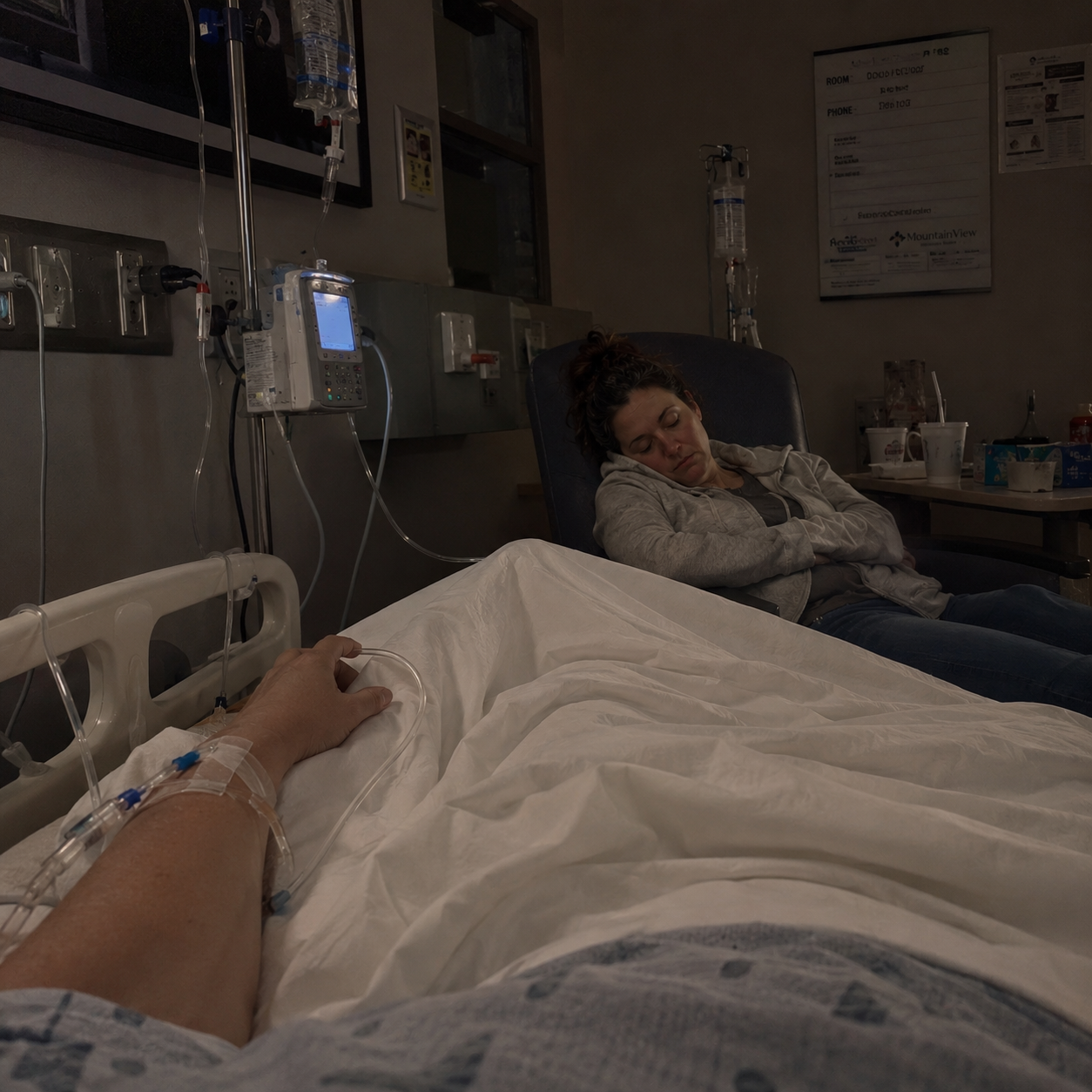
I drove myself to the emergency room at five in the morning because I hadn’t been able to go to the bathroom in nine days. I was alone in the car. I’m alone in the house, too. My husband Bill passed six years ago. So when the cramping got so bad in that hospital parking lot that I couldn’t breathe through it, and the edges of everything started to go gray, the thought I had wasn’t “help me.” It was: Nobody even knows I’m here. Nobody would know for hours. I’m 64 years old. And I almost ended up in surgery over something I’d been told for years was just “part of getting older.” Constipation. I’m writing this tonight because three days later, lying in a hospital bed with an IV in my arm and my daughter asleep in the chair beside me, a doctor finally told me the truth about my own body. A truth that nine years of metformin, fiber powders, laxatives, diabetes forums, and three different doctors never once explained. If you’re over 50, diabetic or prediabetic, and you need Miralax, Senna, Dulcolax, magnesium, stool softeners, or anything just to go to the bathroom... I am begging you to read this before your body does to you what mine did to me. Let me start at the beginning. My name is Karen Mitchell. I live alone in a small town outside Cleveland. I’ve had blood sugar problems since I was 53. It started the way it does for so many of us. Annual bloodwork. A doctor frowning at the chart. “Your blood sugar is high.” At first, it didn’t feel real. I didn’t feel sick. I wasn’t in the hospital. I wasn’t fainting. I was just tired. A little overweight. A little foggy after meals. Waking up at 3am sometimes. Getting up to pee more than I used to. But nothing dramatic. So when my doctor put me on metformin and said, “This is very common, we’ll manage it,” I believed her. For a while, I thought we were managing it. Metformin every day. Less bread. Less pasta. Walking after dinner. Reading labels at the grocery store like my life depended on it. And for the first couple years, the numbers looked better. Not perfect. But better. Then came the stomach issues. At first, I blamed the metformin. Loose stools some weeks. Constipation the next. Cramps. Bloating. Bathroom urgency when I least expected it. Then over time, it changed. I wasn’t running to the bathroom anymore. I was sitting there. Waiting. Pushing. Nothing. By 58, I kept Miralax in the bathroom cabinet. By 60, I had magnesium in the pantry. By 61, Senna in the nightstand. By 63, Dulcolax in my purse. I was 64 years old, and I could not remember the last time my body had gone to the bathroom normally on its own. Every morning I’d sit there for thirty minutes. Sometimes forty. Sometimes an hour. Pushing. Straining. Gripping the sink. Sweating through my nightgown. And after all of that, after everything I’d swallowed the night before, what came out wasn’t anything you’d call normal. Dry little pellets. Hard as gravel. Or those packed clumps that drop into the bowl with a sound you never forget. A clunk. The kind that leave nothing on the paper because there’s not a drop of moisture left in them. Sometimes one would claw its way out so painfully I’d grab the counter and go white. Any woman who has lived this knows I am not being dramatic. And the cruelest part was this: I never felt empty. Not once. I’d stand up off that toilet feeling just as full and clogged as when I sat down. I could press low on the left side of my belly and feel it. A hard lump that wouldn’t move. Like something packed inside me had turned to cement. And the gas. God, the gas. All day. Every day. A smell that mortified me. Pain that would fold me in half in the middle of the afternoon until I had to sit down and wait for it to pass. I stopped going to church regularly because I couldn’t sit through service without clenching the whole time. I stopped volunteering at the thrift shop on Tuesdays because I never knew when the laxatives would decide to hit. I stopped driving to see my grandson’s basketball games because two hours in the car with no bathroom I trusted was more than I could face. My whole world shrank down to my house and the one bathroom in it. That’s the part nobody warns you about. It isn’t just the pain. It’s the shame. I never told a soul the full truth. Not my daughter. Not my friends. Not even the doctors I was paying to help me. I’d say “I’m a little constipated.” A little. As if I wasn’t organizing my entire life around whether my body would do one basic thing. I felt gross. I felt anxious every morning there was nothing. I felt old in a way that had nothing to do with age. Mostly, I felt defeated. I used to be somebody. By 64, I was a woman with a glucose meter on the counter, laxatives in every drawer, and a private fear that my body was slowly shutting down while everyone kept telling me I was fine. And I figured, like everyone told me, that my colon had simply gone lazy. Slow bowel, one doctor said. IBS-C, said another. Age, said all of them. Metformin side effects, maybe. Drink more water. Eat more fiber. Try a probiotic. Try magnesium. Try Miralax. Try walking. I tried everything. Metamucil every day for a year. It made the gas worse. Four different probiotics. Nothing. Warm prune juice. Smooth Move tea. Digestive enzymes. Aloe juice. Magnesium citrate. A $79 gut reset from some doctor on the internet. Nothing ever fixed it. And the whole time, my blood sugar numbers were still not where they needed to be. My fasting glucose kept creeping. My A1C would improve, then stall, then climb again. I was taking the medication. I was watching the carbs. I was doing what I was told. And still, every year, my body felt less like mine. Until the week it nearly killed me. It started on a Sunday. I realized late in the afternoon I hadn’t gone since Friday. Two days. So I did what I always did. Extra Miralax that night. Senna at bedtime. By Tuesday it was four days. Magnesium citrate. A Dulcolax. By Friday it was seven days, and the cramping had started. By Sunday — nine days with nothing — I was doubled over in my own kitchen, holding the counter, unable to stand up straight. I kept telling myself it would break loose eventually. That’s what always happened. Eventually, after enough powders and pills, something would move. This time it didn’t. By eleven that night, I started throwing up. I couldn’t lie down. The cramping got worse when I was flat. So I sat in Bill’s old recliner in the dark, breathing through the waves of it. At quarter to five, I tried one more time. Nothing. And the cramping was so bad I couldn’t catch my breath between waves. I knew something was wrong. I pulled a sweater on over my nightgown. I picked up the keys. I sat in the car in the dark garage for two full minutes telling myself I should call 911 instead. I didn’t. I’m the kind of woman who drives herself. So I drove, at five in the morning, with my hands shaking on the wheel, to the same hospital where Bill spent his last week. The emergency room was nearly empty. I told the nurse I hadn’t gone in nine days and I couldn’t breathe through the cramping anymore. She put me in a wheelchair and took me straight back. By half past five, I had an IV in my arm. By half past six, a CT scan. By eight, a doctor was standing at the foot of my bed telling me I had a partial bowel obstruction. The good news was it wasn’t complete. The bad news was they had to admit me. If it didn’t clear, they might need surgery. Surgery. Because I couldn’t go to the bathroom. I called my daughter from the hospital phone. She lives seventy minutes away. Two kids. A job. Her own life. She was there before noon. And the whole time, all I could think about was Bill. Bill would have known what to say to the nurse. Bill would have brought my robe from home. Bill would have driven me, so I didn’t have to drive myself. I missed him more in those three days than I had in years. Those were the worst three days of my life. No food. Only ice chips. Pain coming in waves. Nurses asking about bowel sounds like my whole life had been reduced to whether my intestines made noise. On the third day, when the obstruction had finally cleared, the hospitalist pulled a chair beside my bed. Her name was Dr. Elizabeth Langford. Late fifties. Calm voice. Sharp eyes. The kind of doctor who makes you feel like she has no interest in rushing out of the room. She said: “Mrs. Mitchell, I want to talk to you about what put you here.” I asked if I was going to be okay. She said yes. Then she said: “But if you go home and keep doing exactly what you’ve been doing, you may end up back here. And next time it may not be partial.” My daughter’s hand tightened around mine. Dr. Langford asked: “How long have you had diabetes?” Eleven years, I told her. “How long have you had constipation?” I opened my mouth. Then stopped. Because I had never connected those two things. I told her maybe nine years. She nodded slowly. “That’s what I thought.” Then she took out a notepad. “Let me show you what may actually be happening inside you.” She drew a little line of dots. “These are nerves.” Then she drew a long tube. “This is your intestine.” She looked at me and said: “Your gut does not move by accident. It moves because nerves tell the muscles when to squeeze, when to relax, when to push waste forward.” Then she tapped the page. “Long-term high blood sugar can damage those nerves.” I stared at her. She kept going. “The same way diabetes can damage nerves in the feet, it can damage the autonomic nerves that control digestion, bladder emptying, sweating, heart rate, and other automatic functions.” My daughter looked at me. I looked at the drawing. Dr. Langford said: “When those nerves stop signaling properly, the gut slows down. Waste sits too long. The colon keeps pulling water out. What should pass easily dries out and packs down.” She tapped the paper again. “That’s your pellets. That’s the hard lump. That’s the dry clumps. That’s why more fiber made you worse. You were adding bulk to a system that wasn’t moving.” I felt sick. Not from pain this time. From recognition. Because every word matched my life. She continued: “And when high glucose keeps damaging the nerves, the problem can become more than constipation. It can become severe slow transit. It can become urinary retention. It can become the kind of gut shutdown that sends someone to the hospital.” I asked her why no one had told me. She sighed. “Because we separate the body into boxes. Diabetes over here. Constipation over there. Bladder problems somewhere else. But the nerves don’t live in separate boxes.” Then she said the sentence I have replayed a hundred times since: “Your colon was not lazy. It was not old. It was not weak. It was under-signaled by nerves that had been exposed to high glucose for years.” I started crying. Because for almost a decade, I had thought this was my fault. That I was old. That I had ruined my gut with laxatives. That I had let myself become dependent. That I had failed at something every healthy body does without thinking. And in one sentence, she gave me a different explanation. Not an excuse. An explanation. Then she said: “But I have to tell you the rest, because this is the part most people miss.” She drew a cell. Then a door on the cell. “Insulin is supposed to signal your cells to open and pull glucose out of the bloodstream.” “In a healthy body, insulin knocks, the cells open, glucose leaves the blood and becomes fuel.” “But in insulin resistance, the cells stop responding properly. Insulin knocks, the doors don’t open, and glucose stays in the blood longer than it should.” She looked at me. “That glucose doesn’t just sit there harmlessly. It damages tiny blood vessels. It damages nerves. It creates inflammation. It slowly injures the systems that make your body move, feel, filter, and function.” I thought about my feet tingling at night. The blurry vision. The dry mouth. The 3am wakeups. The constipation. The bladder pressure I had never mentioned to anyone. All of it suddenly felt connected. I had spent years treating separate problems. Metformin for blood sugar. Miralax for constipation. Magnesium for the gut. Cream for the itching. Socks for the cold feet. Eye drops for blurry vision. But Dr. Langford was telling me they were not separate. They were all warnings from the same system. High blood sugar was damaging the signaling network. And nobody had explained it clearly. I asked her what I was supposed to do. She said: “First, you do not stop your medication. You do not stop monitoring. You do not experiment with diabetes.” I nodded. Because I needed to hear that. Then she said: “But you also need to support the mechanism your current routine has not been addressing.” “What mechanism?” “The cell-door mechanism.” She tapped the little door she had drawn. “If glucose is staying in the bloodstream because the cells aren’t responding properly, then your goal is not only to put less glucose in. It is to help the body move glucose out.” That sentence changed everything. Because for years, all I had heard was: Eat fewer carbs. Take the medication. Use fiber. Use laxatives. Walk more. But nobody had explained that my nerves, my gut, my kidneys, my eyes, and my feet were all paying the price because glucose was staying in the bloodstream too long. Then she asked me: “Have you ever tried Ceylon cinnamon?” I almost laughed. Cinnamon? I’m in a hospital bed after a bowel obstruction and this doctor is asking me about cinnamon? I told her I had tried cinnamon capsules years ago. They did nothing. She nodded like she expected that. Then she explained the part almost nobody knows. Most cinnamon is Cassia. The cheap grocery-store kind. The kind most supplements use. Cassia is not the same as Ceylon. It is harsher, cheaper, and much higher in coumarin, which is not what you want if you are taking cinnamon every day. True Ceylon is Cinnamomum verum. Lower coumarin. Softer. Better for daily use. And it contains compounds studied for supporting healthy glucose metabolism and insulin sensitivity. In plain English, it supports the signal. The cell-door response. The same mechanism that helps glucose leave the bloodstream and enter the cells where it belongs. But then she said most Ceylon products still disappoint people. Because they are dry powders. Dry capsules. Weak blends. Pretty labels. And the active compounds have to survive digestion, dilute through the gut, and somehow reach the cellular environment where insulin receptors sit. “Your cell membranes are fat-based,” she said. “Delivery matters.” She wrote four things on the notepad: True Ceylon. Low coumarin. Third-party tested. Oil-based delivery. Then she said: “If you are going to use Ceylon as daily glucose support, look for all four. Otherwise you may just repeat what already failed you.” I wrote it down on the back of my discharge papers. True Ceylon. Low coumarin. Third-party tested. Oil-based delivery. My daughter drove me home that afternoon. She stayed two nights before she had to get back to her family. I sat on the couch that first night, sore and exhausted, and started searching. Most of what I found was exactly what Dr. Langford warned me about. Cassia capsules pretending to be blood sugar support. Cinnamon gummies with sweeteners. Dry Ceylon capsules with no delivery system. Amazon powders with no species verification. “Organic” labels that said nothing about coumarin. Then I found LivingCore. True Ceylon cinnamon. Not Cassia. Sourced from Costa Rica. Low coumarin. Third-party tested. And suspended in MCT oil. That last part is what made me stop. MCT oil is not a random filler. It is the delivery system. It helps carry the fat-soluble compounds so your body can absorb and use them. It matched everything Dr. Langford told me to look for. Not a laxative. Not a gut cleanse. Not another bottle to force my colon into moving. Daily glucose metabolism support. One teaspoon in coffee every morning. I ordered it that night with my daughter sitting beside me. It came in three days. I opened it like it was something fragile. One teaspoon. No harsh taste. No capsules. No garlic breath. No bathroom panic. Just soft, warm cinnamon in my morning coffee. And I want to be honest about what happened. Week one: nothing dramatic. I kept my medication. I kept the stool softener my doctor told me to use after the hospital. I kept drinking water. I kept walking around the house slowly. The only thing I noticed was that my afternoon crash wasn’t as heavy. Week two: my 3am wake-ups got quieter. Not gone. But quieter. I wasn’t waking up with my heart pounding and my mouth dry every single night. My stomach also felt less hard by evening. Not normal yet. But less like cement. Week three: I went in the morning without taking anything the night before. Not a perfect bowel movement. Not the kind you brag about. But my body moved on its own. For the first time in longer than I could remember. I sat there afterward and cried. Then I called my daughter. She picked up on the second ring, scared something was wrong. I told her what happened. She went quiet. Then she said: “Mom. I haven’t heard relief in your voice like that in years.” Week four: my glucose readings were steadier. That was the word. Steadier. Less chaos. Less morning panic. And with that, my gut seemed calmer too. Not fixed overnight. Not magical. But like my body was not fighting itself every hour of the day. By week six, I had not taken Dulcolax once. I still kept Miralax nearby because after what happened, I was afraid to let it go completely. But I wasn’t reaching for it the same way. My body was starting to tell me when it needed help instead of me forcing it every morning out of fear. By month three, I was going most mornings. On my own. No straining until I went white. No rabbit pellets. No clunk. No hour on the toilet. No hard lump sitting low in my belly all day. The gas was almost gone. The shame started leaving too. I drove to my grandson’s basketball game. Two hours in the car. I sat through the whole thing. I did not think about the bathroom once. After the game, my daughter hugged me in the parking lot and said: “You look like yourself again.” That is when I cried. Because I had not realized how long I had been gone. — If you have stayed with me through all of this, you are probably the woman I wrote this for. You know the thirty minutes on the toilet. You know gripping the sink. You know the dry little rocks. You know the gas you are terrified someone will smell. You know never feeling empty. You know pressing on the hard lump in your belly and wondering if something inside you is broken. You know keeping laxatives in every drawer like emergency supplies. You know the fear of leaving the house. You know what it is to live alone and wonder what would happen if one morning it got bad and nobody knew. And if you are diabetic or prediabetic, I need you to hear me: Your gut may not be lazy. Your bladder may not be weak. Your body may not just be old. High blood sugar can damage the nerves that tell your gut and bladder what to do. And if glucose stays in the blood because your cells are not responding properly to insulin, those nerves can keep taking the hit. This does not mean LivingCore is a constipation cure. It is not. This does not mean you should stop medication. Do not. This does not mean you should ignore severe constipation. If you have not gone in days, if you are vomiting, if you have severe pain, if you cannot pass gas, get medical help. I wish I had gone sooner. But if you are dealing with the long, slow version of this... The blood sugar problems. The constipation. The 3am wakeups. The tingling feet. The brain fog. The dry mouth. The bladder pressure. The feeling that every system in your body is getting less reliable... Please start asking better questions. Ask whether diabetes could be affecting your autonomic nerves. Ask whether your constipation or bladder symptoms could be connected to blood sugar. Ask whether your glucose is staying high because your cells are not responding to insulin properly. Ask about the cell-door problem. And before you buy another cinnamon product, understand this: Most cinnamon products are not built for this. Cassia is not Ceylon. Dry powder is not oil-suspended delivery. Organic does not mean low coumarin. A pretty label does not mean third-party tested. LivingCore checked the boxes Dr. Langford told me to look for. True Ceylon. Not Cassia. Costa Rica sourced. Low coumarin. Third-party tested. Suspended in MCT oil to support absorption. One teaspoon in coffee every morning. Simple enough to stay consistent. They also have a 90-day money-back guarantee. If your numbers do not move, if you do not feel a real difference, you can get your money back. But please. Do not wait until you are the one driving yourself to the ER at five in the morning with your hands shaking on the wheel. Do not wait until a doctor is sitting beside your hospital bed telling you that your gut and bladder nerves may have been taking damage for years. Do not wait until “just constipation” becomes something that almost puts you in surgery. You already know what this is costing you. You have known for years. Here is the link: https://www.trylivingcore.com/pages/address-insulin-resistance One thing to know: This is not a one-week fix. Blood sugar damage does not happen in a week. The cell-door problem does not appear overnight. Give your body consistent support. One teaspoon every morning. For 90 days. Watch your glucose. Work with your doctor. Pay attention to your gut, your sleep, your cravings, your feet, your bladder, your energy. Three months ago, I drove myself to the emergency room alone at five in the morning because my body had stopped doing what it was supposed to do. Today, I go most mornings. On my own. Like a normal woman. And I am not building my life around laxatives and fear anymore. It can start changing for you too. https://www.trylivingcore.com/pages/address-insulin-resistance — Karen Mitchell P.S. I threw out the Dulcolax from my purse last week. Then the bottle in the bathroom. Then the backup in the kitchen drawer. I kept one stool softener bottle because I’m still human and still scared. But I don’t live by that shelf anymore. For the first time in years, my bathroom cabinet does not feel like it owns me. Please don’t wait until your body screams. Listen while it’s still whispering.
Blood Sugar Support That Actually Works—Or You Pay Nothing
Support healthy glucose metabolism with LivingCore Organic Ceylon Cinnamon — pure, organic, and easy to add to your daily routine
LEARN MORELike this ad? Make it yours.
Crush rebuilds this exact creative around your product — your brand, your colors, your offer — in about a minute.