
Inactive· since Jul 16, 2026
- 26
- days it ran
- 0
- relaunches
Ad copy
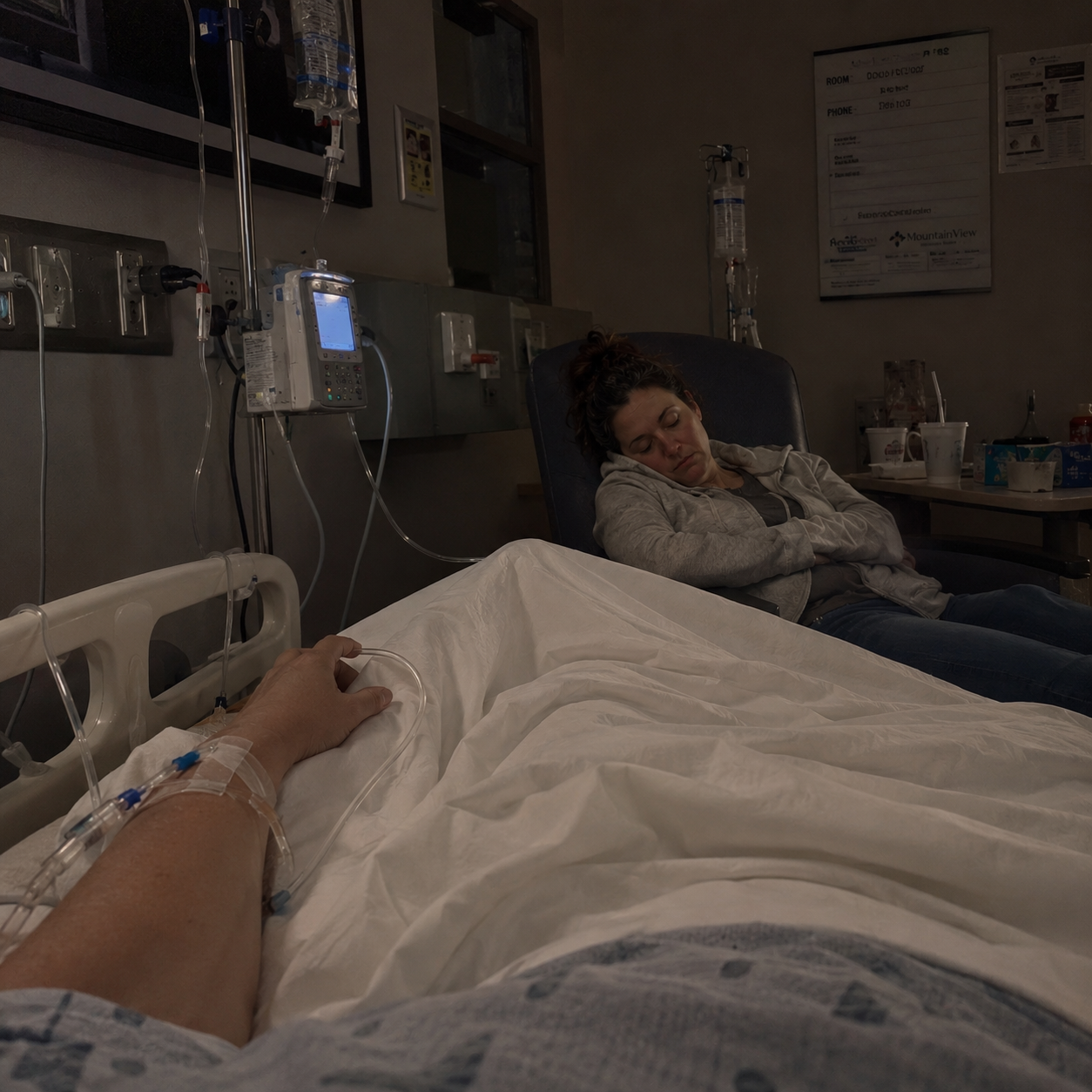
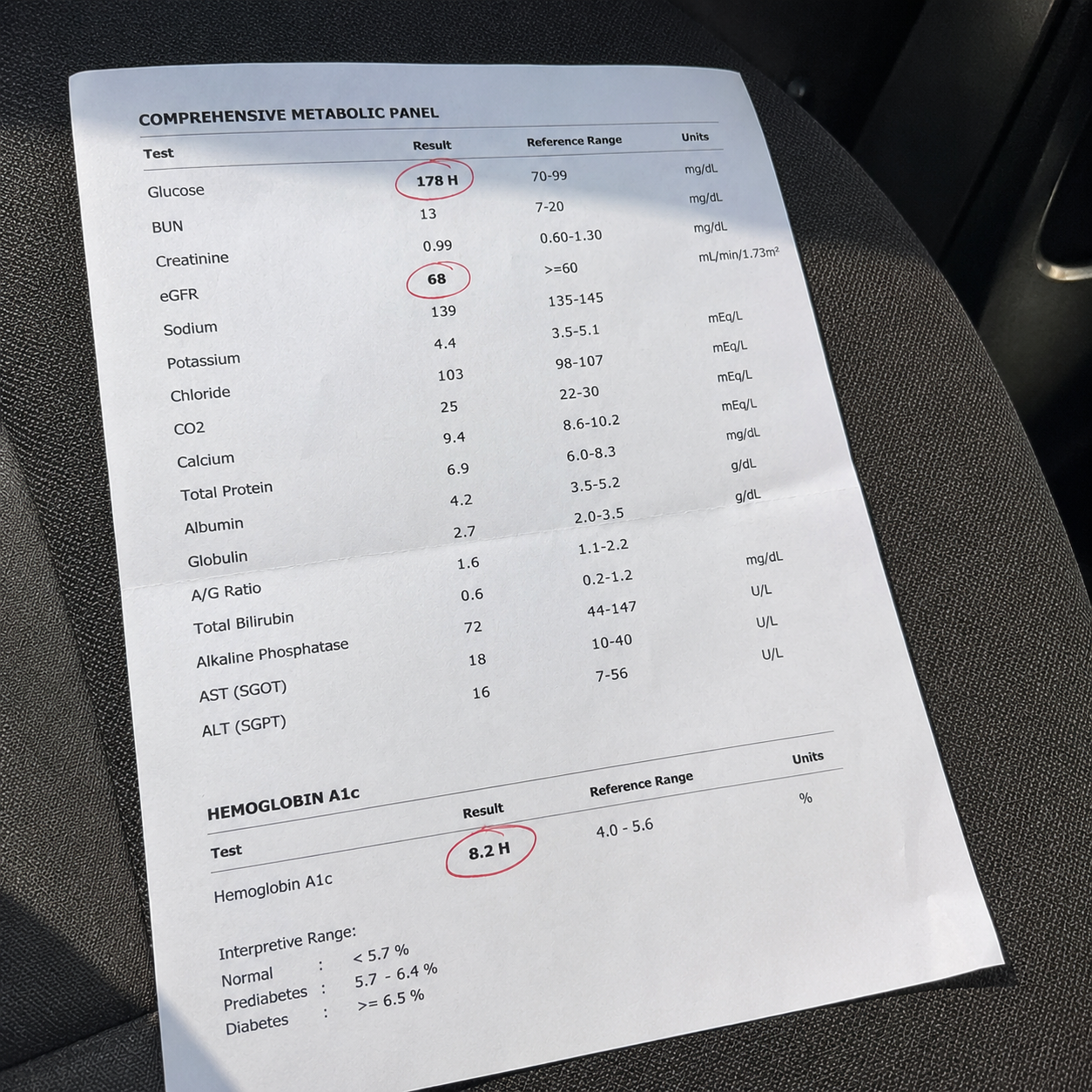
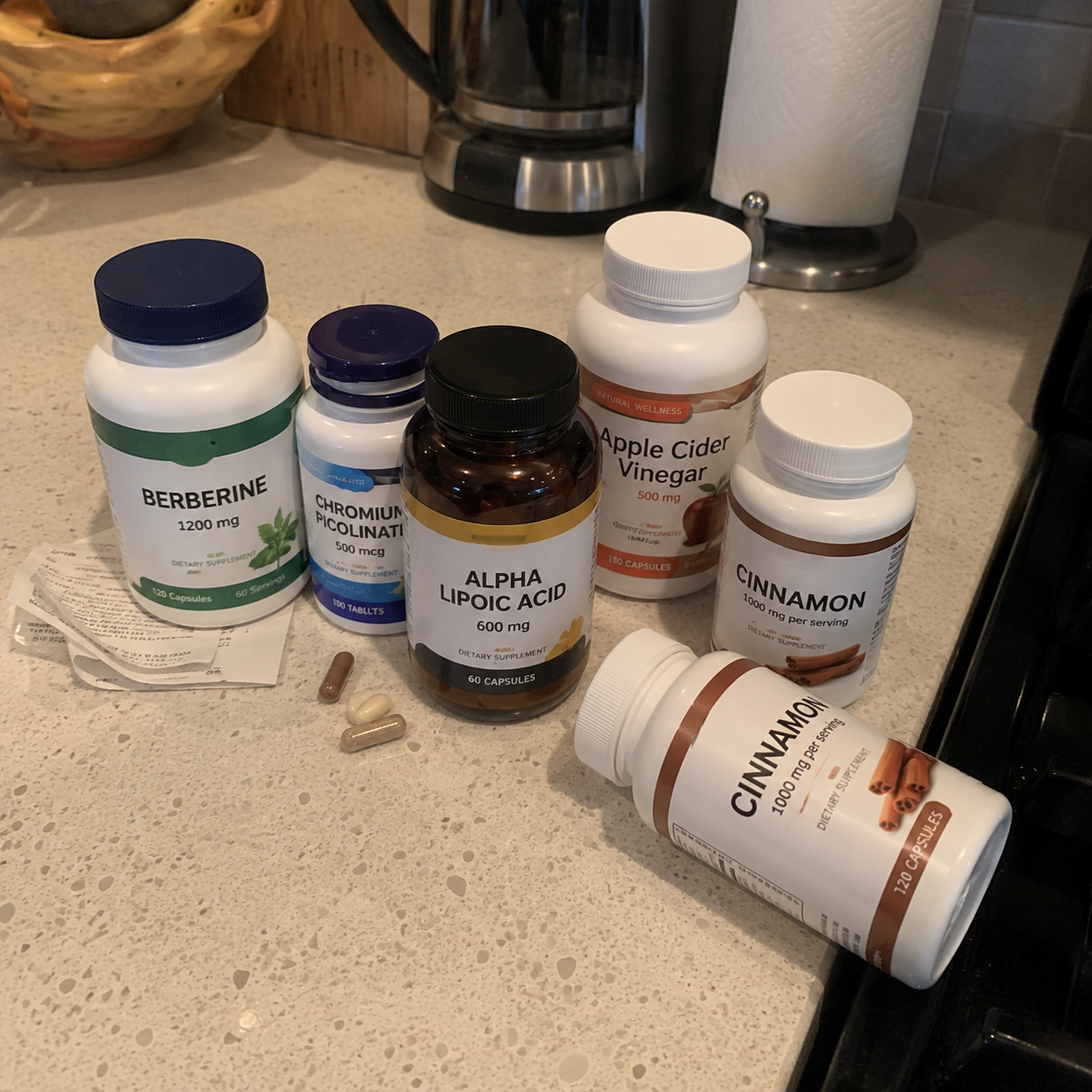
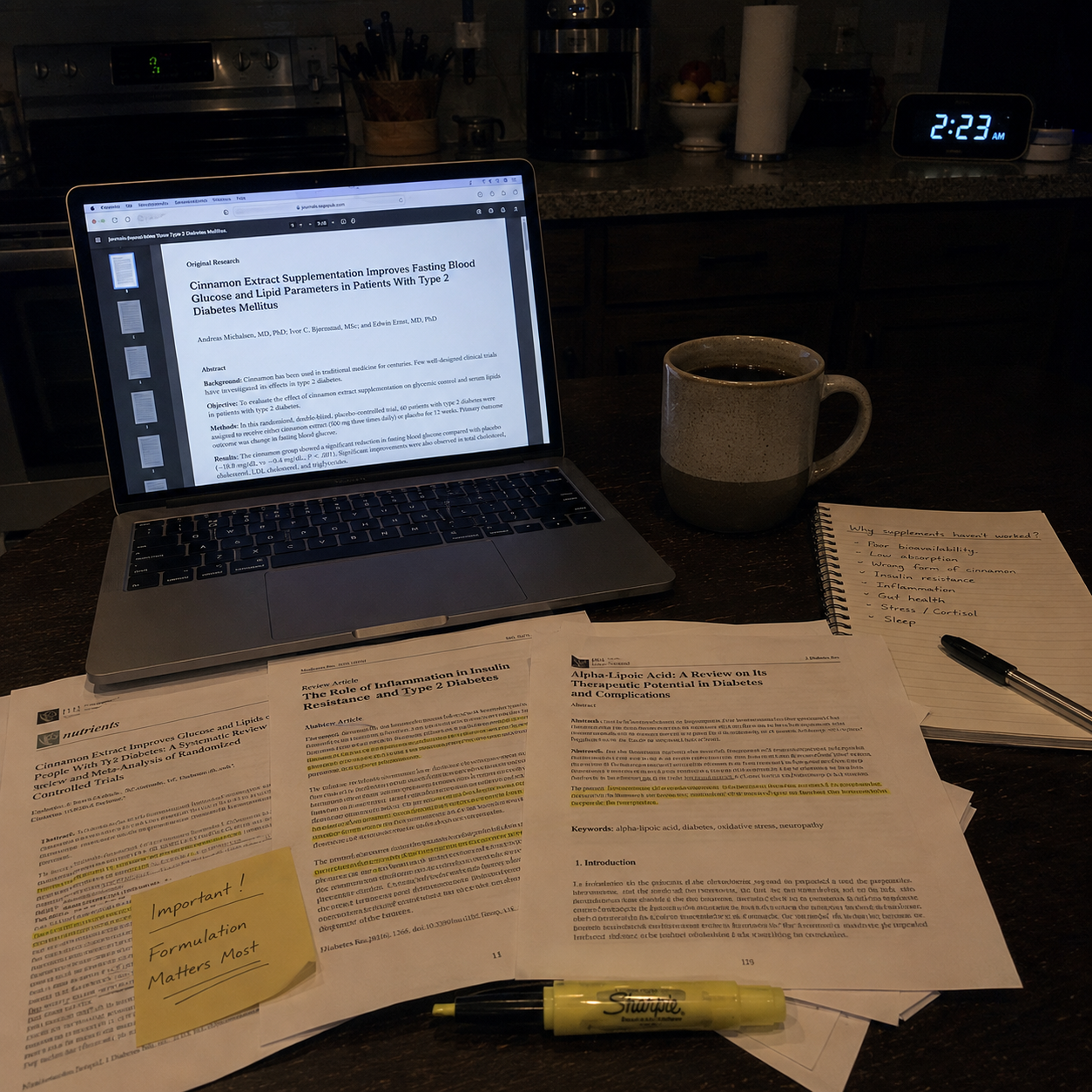
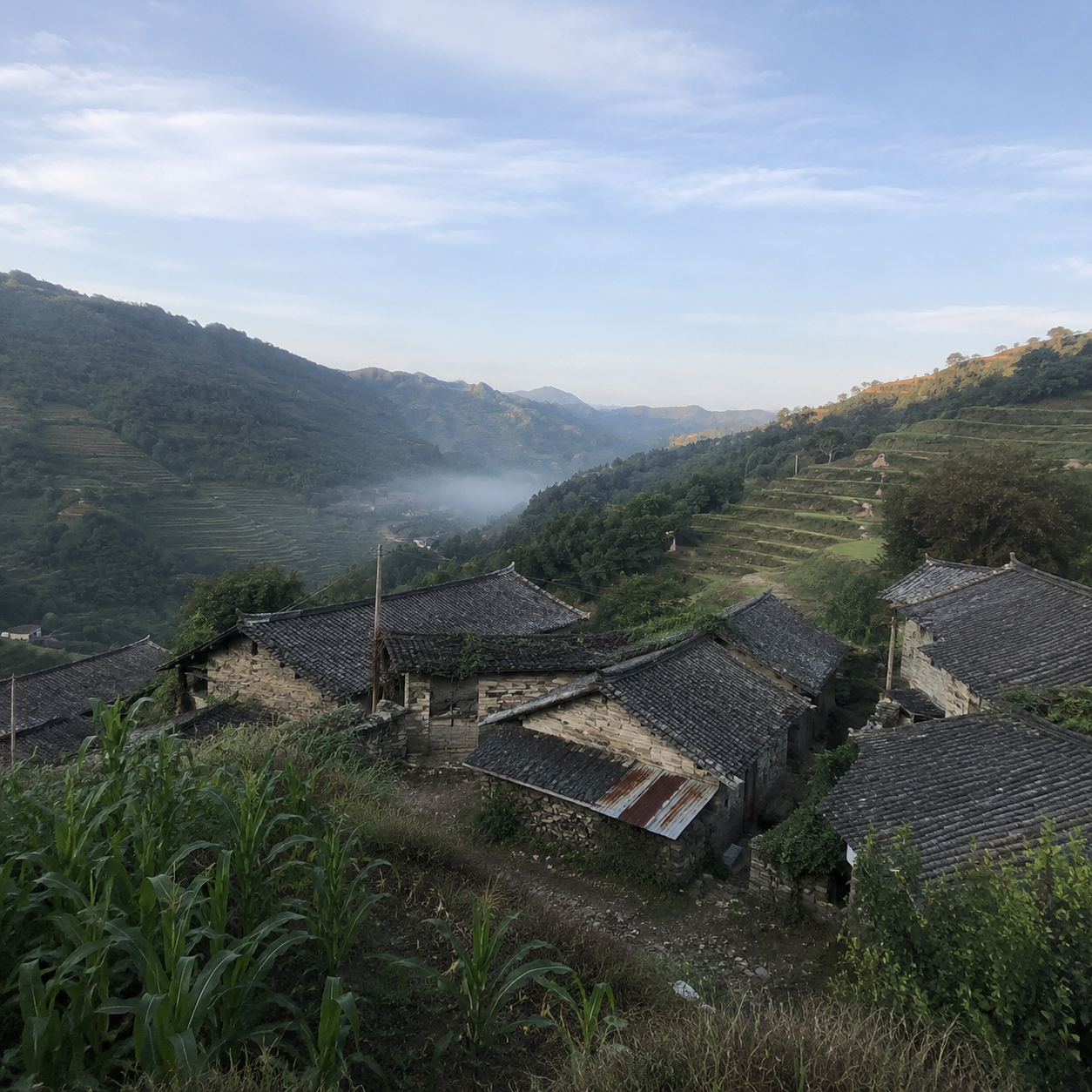
The Chinese eat over 400 pounds of sticky white rice per person per year. Heaped bowls of it at breakfast, lunch, and dinner. The most glutinous, high-glycemic carb on earth. But in Yunnan province, in the mountainous villages of China's rural south, where rice consumption is among the highest in the country, Type 2 diabetes rates are a fraction of the national average and a fraction of America's. Researchers have been fighting about why for 40 years. They blamed the tea. Then the soy. Then the genetics. Then "they just move more." Here's what they missed. I'd heard about the Chinese rice paradox before. The basic idea is that the Chinese eat in a way that should be destroying their blood sugar, and the numbers don't line up. Scientists have been arguing about why for decades. But I never thought much about it until I went to Guangzhou. My college roommate Tom moved there 11 years ago for work. Married a woman named Mei from a village in Yunnan, stayed, built a life. We'd kept in touch but I hadn't seen him in person since 2019. Last November I flew out for a long weekend. We're both 53. I'm a claims adjuster outside of Columbus, Ohio. Married 26 years, two grown kids, a split-level we've had since '04. I walk three miles every morning before work. I haven't had a beer since last Christmas. I eat more salad than any man I know and I've cut carbs so far back that my wife hides the bread when I come home because she doesn't want to hear about it again. When he picked me up at the airport, I almost didn't recognize him. Not because he looked different in some dramatic way. He just looked like a version of himself that time had been kinder to. Lean face, good color, stood up straight, moved like he had energy in reserve. He looked like he did at 40. I caught my reflection in the train window on the ride in and the contrast hit me hard. I looked ten years older than him, easy. Puffy face, gray under the eyes, stiff getting out of my seat, the gut I'd been carrying for five years pushing against my belt. We're the same age. We grew up eating the same dorm food and drinking the same cheap beer. Now we looked like different generations. That first night, Tom and Mei took me to a small restaurant near their apartment. What they ordered would've made my doctor's head explode. Big bowls of sticky white rice. Fried noodles. Dim sum in heavy sauces. Roast duck. Then sweet red bean soup for dessert. I sat there with my jet lag and my stiff knees and watched them eat like this was a normal Tuesday. Because for them, it was. "You eat like this every night?" I asked. Mei smiled. "This is a small dinner. You should see Lunar New Year." I looked around the restaurant. Everyone was doing it. Old couples sharing massive bowls of rice. Businessmen eating plates of noodles. A grandmother at the corner table eating a portion of rice bigger than anything I'd allowed myself in three years. Nobody in there looked like me. I need to be honest about what the last three years have actually looked like. Because from the outside, I was doing everything right. From the inside, my body was falling apart in ways I'd been explaining away one by one. The morning walk used to be three miles. My wife Diane and I did it together for almost 15 years. Same route. Down Millbrook to the creek path, around the reservoir, back up the hill. About three years ago, the hill started getting harder. Not in a dramatic way. I just started slowing down at the same spot every time. Then one morning Diane was 30 yards ahead of me on the hill and she turned around and waited. She didn't say anything. She just waited. That was the first time. Six months later the walk was two miles. Then a mile and a half. Then I started telling her to go ahead without me and I'd do a shorter loop on my own. Then the shorter loop got shorter. The last few months before the trip, I was walking to the end of the block, standing there for a minute, and walking back. Diane stopped asking me to come with her. My knees cracked every single morning when I got out of bed. The sound had become so normal that my daughter heard it during a phone call once and said, "Dad, what was that?" I told her it was the stairs. The tingling in my feet started about two years ago. Just the toes at first. I figured it was the shoes. Bought new ones. Didn't help. By last fall it was both feet, every night, a buzzing that started around 9pm and didn't let up until I fell asleep. I started sleeping with my feet hanging off the end of the bed because the pressure of the sheet made it worse. Diane noticed that. She didn't say anything about that either. But I caught her looking. The brain fog I don't even know when it started because by its nature you don't notice it arriving. My boss made a comment last September about me re-reading the same claims file three times during a meeting. He was joking. I laughed. I went to the bathroom and stood there for a minute because I genuinely could not remember if I'd already reviewed that file or not. I had a cabinet above the stove with seven supplements in it. Turmeric for the joints. Fish oil for inflammation. Glucosamine for the cracking. Magnesium for the tingling. B12 because someone at work told me to. A men's multivitamin because Diane puts it next to my coffee every morning. And a bottle of cinnamon capsules I'd bought off Amazon after reading something online, which I'd been taking for six months and which had done absolutely nothing. Seven bottles. Seven separate problems. None of them getting better. My doctor had put me on a low dose of metformin eight months before the trip. Said it would help with the fasting glucose. It made my stomach feel like a cement mixer for three weeks straight. Cramping, bloating, the kind of bathroom urgency that made me nervous about being more than ten minutes from one. The numbers barely moved. He said give it time. I gave it six months. The stomach calmed down but the glucose sat in the same range it had been in for three years. He said we could increase the dose. I said let me think about it. I didn't want to think about it. I wanted something that actually worked. These grandmothers in Yunnan were eating what I'd been told would kill me and looking 20 years younger doing it. And I was the one who couldn't walk up a hill anymore. Something wasn't adding up. The next morning I brought it up with Tom over coffee and congee. "How is everyone here so healthy?" I asked. "Seriously. Mei's grandmother eats more rice in a day than I've had in three years and she moves better than me." He shrugged. "I asked the same thing when I first moved here. Took me a couple years to figure it out." "And?" "It's not the rice," he said. "That's what we got wrong back home. We spend all our time worrying about what goes in. Cut the carbs, cut the sugar, cut the fat. But that's only half of it." "What's the other half?" "Whether your body can handle what goes in without setting itself on fire." He was quiet for a second. "Think about it like this. Two people eat the same bowl of rice. One person's body processes the glucose smoothly. Cells absorb it, energy stays steady, no damage. The other person's cells don't respond properly. The glucose just sits in the blood, circulating, and every hour it sits there it creates these unstable molecules called free radicals. Those free radicals destroy the cells around them. And when cells are destroyed, your body activates its inflammatory response to try to repair the damage. But the glucose is still sitting there, still creating more free radicals, still destroying more cells. So the inflammation never shuts off. It attacks whatever's closest. Joints, nerves, blood vessels, brain, gut. Doesn't matter. The fire just burns wherever there's tissue." "So it's not about eating less carbs?" "It's about whether your body can process what you eat without the glucose sitting there long enough to trigger the chain reaction. Most of China has the same blood sugar problems the rest of the developed world does. It's these villages up in Yunnan that don't. And it's not genetics. It's not because they eat less. They eat more rice than almost anyone." He picked up a small ceramic jar from the middle of the table. Shook some of it into his congee. "Mei's grandmother puts this in almost everything. The congee, the broth, the tea, the soups. She doesn't know why. Her mother did it. Her grandmother did it. Every old woman in their village does it." "What is it?" "Cinnamon bark. But not the kind most people in China use. A specific kind." He stirred it in. The congee turned slightly golden. "Here's the thing most people don't realize. China grows its own cinnamon. It's everywhere here. Cheap, abundant, in every market. But Mei's grandmother refuses to use it. She always insisted on a different bark. Thinner, lighter, more delicate. There are groves of it in the hills above their village in Yunnan. Wild trees that have been growing there longer than anyone can remember. A different species from the cinnamon that grows across the rest of China. The old women in the village have been harvesting the bark from those groves for generations. When I asked Mei why her grandmother wouldn't just use the cheap stuff from the market, she asked her. The old woman said, 'The market bark is rough. It does nothing. The bark from the groves is the real medicine. Everyone in my generation knows the difference. The young people forgot.'" I sat with that for a while. "Nobody in your wife's family has diabetes?" "Not one. Not her parents. Not her grandparents. Not her aunts, her uncles. Nobody. And they eat rice like you wouldn't believe." "And you think it's the bark? The specific bark from those trees?" "I didn't think anything at first. But after living here for 11 years and watching what Mei's family does in Yunnan versus what even most Chinese families do, yeah. I think the bark from those groves is doing something that nobody is paying attention to. Not here, and definitely not back home." I couldn't stop thinking about that conversation. I sat in the guest room that night making a list in my phone. Not a research list. A list of all the things I'd stopped doing in the last three years. The hill with Diane. Mowing the lawn without needing to sit down halfway through. Staying awake past 9pm. Playing catch with my nephew at Thanksgiving. Wearing the dress shoes Diane bought me because they made the tingling worse. Going to the movies because I'd fall asleep twenty minutes in. Eating a plate of food without bracing for the bloat that would hit me 30 minutes later. Feeling like myself. I'd been treating each of those as a separate problem. Age. Shoes. Diet. Sleep. Stress. Metformin that turned my stomach inside out and didn't move the number. But if Tom was right, all of it traced back to one chain reaction. Glucose sitting in the blood too long. Free radicals forming. Cells being destroyed. Inflammation igniting. And that inflammation attacking everything at once. The puffy face was inflammation trapping fluid in the tissue. The cracking knees was inflammation eating through cartilage. The tingling feet was inflammation grinding through nerve fibers. The brain fog was inflammation in the blood vessels feeding the brain. The afternoon crash was glucose locked outside cells that couldn't absorb it. The belly was insulin overproduction telling the body to store fat because the cells wouldn't take the glucose. Not seven problems. One chain reaction with seven symptoms. And seven bottles above my stove, plus a prescription that wrecked my gut, each treating one symptom and none of them touching the chain. And Mei's grandmother had been quietly interrupting that chain for decades. Not with the market bark that everyone else used. With the bark from the groves in the hills above her village in Yunnan that her mother taught her to harvest. So when I got home, I went deep on the research. I started with the bark. It took me about 30 minutes to find the first problem. There are two completely different plants that the world calls "cinnamon." They're separate species. They look different, taste different, and act completely differently in the body. The first is called Ceylon. It comes from the inner bark of a specific tree species. It's thin, delicate, many layers rolled together. This is the bark that was traded like gold for centuries. Wars were fought over it. It was more valuable than silver. Most of the world's supply grows in Sri Lanka. But small wild reserves exist in pockets of rural Southern China, remnants of ancient trade routes and natural migration. Those groves in the hills above Mei's grandmother's village in Yunnan. Same species. Same bark. The second is called Cassia. It comes from the outer bark of a completely different tree. It grows wild across most of China, Vietnam, and Indonesia. It's thick, rough, one heavy layer. It's cheap and abundant. This is what fills every market stall in Guangzhou. This is what Mei's grandmother refused to use. This is what the "young people forgot" about. When demand for cinnamon exploded in Europe centuries ago, traders realized they couldn't get enough Ceylon. So they turned to Cassia. It was easier to process, cost a fraction of the price, and most people couldn't tell the difference by taste alone. By the time botanists officially classified them as separate species, Cassia had already taken over the world market. Today, 95% of the cinnamon sold in American grocery stores is Cassia. Not Ceylon. A different plant, labeled with the same name. The same bark that Mei's grandmother looked at and said "the market bark is rough. It does nothing." That matters because the compound that actually does the work is called cinnamaldehyde. Ceylon bark is concentrated with it. Cassia has a fraction. And cinnamaldehyde is what helps your cells respond to insulin again. When cells respond, glucose moves out of the blood and into the cells where the body can use it. The glucose stops sitting there. The free radicals stop forming. Cells stop being destroyed. The chain reaction never starts. But that's only half of what Ceylon bark does. The same bark contains one of the highest concentrations of polyphenols ever measured in any natural compound. Polyphenols are antioxidants. They neutralize free radicals directly. So while cinnamaldehyde is stopping the chain reaction at the source by clearing glucose, the polyphenols are putting out the fire that's already burning by neutralizing the free radicals that are already destroying cells. Source and fire. One bark handles both. That's why Mei's grandmother doesn't have diabetes or joint pain or puffy mornings or afternoon crashes. She's been interrupting the chain reaction at both points for her entire life. Every meal. Every cup of tea. She didn't need to know about cinnamaldehyde or polyphenols or free radicals. She just knew which bark worked and which one didn't. Her mother told her. Her grandmother told her mother. Three generations of women harvesting the same groves while the rest of the country walked past them to buy the cheap stuff at the market. Now here's the part that matters if you're reading this from America. Cassia bark, the stuff in every grocery store bottle, has almost none of this. Low cinnamaldehyde. Low polyphenols. And it's loaded with a compound called coumarin. Ceylon contains 250 times less coumarin than Cassia. That matters because coumarin builds up in your liver. Your liver can't break it down fast enough. Over time it becomes toxic to the liver cells themselves. So millions of Americans hear that cinnamon is healthy, go buy the three dollar bottle off the shelf, sprinkle it on their oatmeal every morning, and get the worst of both worlds. Not enough of the active compound to help their blood sugar or inflammation, and a slow accumulation of a compound that's quietly damaging their liver. And Ceylon is the only species that appears in the clinical research showing real metabolic results. Not Cassia. Not generic "cinnamon." The peer-reviewed studies that moved the needle on fasting glucose, the work that showed real changes in how cells respond to insulin, all of it was done with Ceylon. I know because that's exactly what I did. The bottle in my cabinet above the stove. Six months of cinnamon capsules from Amazon. I pulled it out when I got home from Guangzhou and looked at the label for the first time. It didn't say Ceylon anywhere. It just said "cinnamon bark extract, 1200mg." I looked up the brand. Cassia. The exact bark Mei's grandmother refused to touch. So I threw it out and ordered a bottle that specifically said "Ceylon cinnamon." Different brand, capsule form, good reviews. Took it for six weeks. Still nothing. Same cracking. Same tingling. Same fog. Same metformin sitting in the medicine cabinet making my stomach churn every time I looked at it. I went back to the research again. And this time I found the second problem. Cinnamaldehyde is fat-soluble. Your body can't absorb it without a fat carrier. You can swallow all the Ceylon capsules you want. If it's dry powder in a gelatin shell, the compound passes straight through your digestive system and comes out the other end without ever reaching your blood. Mei's grandmother never had this problem. She was cooking the bark from those Yunnan groves into congee and soups and broth made with pork fat and sesame oil. The right bark, with a fat carrier, in every meal. Her kitchen had been solving the absorption problem for 80 years without her knowing there was one. Three attempts. Three failures. Each one for a different reason. First, wrong plant. Cassia instead of Ceylon. Second, right plant, wrong form. Dry powder with no fat carrier. Third, even if the plant and form were right, most brands aren't concentrated enough. The studies that showed real changes in blood sugar and inflammation used concentrated extracts, not raw ground bark. I'd been failing for the same reasons millions of other people fail. Not because cinnamon doesn't work. Because everything available to me was set up wrong. I spent another two weeks searching. Most brands failed at least one of the three requirements. Wrong species, wrong form, or not concentrated enough. Then I found a small company called LivingCore. True Ceylon cinnamon. The same species that grows in those Yunnan groves, sourced from Sri Lanka where the largest and most concentrated reserves grow. Concentrated 12 to 1. Suspended in MCT oil, which is a fat derived from coconut, so the cinnamaldehyde actually absorbs into the bloodstream instead of passing through. Right plant. Right concentration. Right carrier. Before I ordered, I did something I probably should've done three supplement purchases ago. I called my pharmacist. Gary at the Rite Aid on Broad Street, the same one I've been going to for 12 years. I told him what I was looking at, read him the label, asked if there was any reason not to try it alongside my multivitamin and the metformin I was still technically taking. He said he'd look into it and call me back. He called the next day and said he didn't see any issues, that Ceylon cinnamon was generally well-tolerated, and that the MCT oil was just coconut-derived fat. He said, "It's not going to interfere with anything you're taking. Whether it helps is a different question." Then I called Dr. Rosen's office. Left a message with the nurse. She called back and said the doctor had no concerns about adding it, and that if I noticed anything unusual to stop and come in. Exactly the kind of answer I expected. But I needed to hear it before I put anything new in my body. That's just who I am. They had a 90-day money-back guarantee. I figured I'd already wasted more on grocery store cinnamon, Amazon capsules, and a metformin prescription that turned my stomach into a war zone than a three-month supply of this would cost. I ordered three bags. One scoop every morning in my coffee. Same diet, same lifestyle, no other changes. The first two weeks I felt nothing. I want to be honest about that because I almost stopped. Diane asked me on day 11 if the new powder in the coffee was doing anything and I said I didn't think so. She said give it the month. So I gave it the month. Around day 16, I woke up and got out of bed without the knee crack. I stood there for a second, waiting for it. It didn't come. Not gone completely, but noticeably quieter. Like someone had turned the volume down from an 8 to a 4. I didn't say anything to Diane. I didn't want to make a thing of it. Two weeks in, she looked at me across the breakfast table and said, "Your face looks different." I asked her what she meant. She said, "Less puffy. You look like you actually slept." I had slept. The same seven hours I always got. But for the first time in years, I woke up feeling like it counted. Around week three, two things happened on the same day. The tingling in my feet, the one I'd been dealing with for almost two years, was just quieter when I woke up. Not gone. But quieter. Like the buzzing had been turned down. And that afternoon, I made it to 4pm without the fog. No wall at 2pm. No re-reading the same paragraph six times. My brain just kept working. I mentioned it to Diane that night. She said, "I know. You've been more present the last few days. I didn't want to say anything in case it went away." A month in, I had my annual physical with Dr. Rosen. Blood work came back. Fasting glucose had dropped 22 points. First time it had moved in four years. The metformin hadn't budged it in six months. One scoop in my coffee moved it in four weeks. I sat in my car in the parking lot and stared at the number on my phone. Dr. Rosen called the next morning. He said, "Whatever you're doing with your diet, keep doing it. Your numbers look better than they have since I started seeing you." I told him about the Ceylon cinnamon. He paused and said, "I'm not going to tell you that's what did it. But I'm not going to tell you to stop." That's the honest version. I don't know with certainty that LivingCore is responsible for all of this. I was also walking more by week three because my knees hurt less. I was sleeping better which probably helped the fog. I was less bloated which probably helped the energy. There were several things changing at once, and some of them were probably feeding each other. That is the honest version. I would not give you a cleaner one. Anyone offering you a cleaner one is selling you harder than I am. What I do know is this. Seven bottles above my stove and a prescription that wrecked my stomach, and none of it moved anything in three years. One scoop of one thing in my coffee and everything started shifting in the same direction at the same time. I don't think that's a coincidence. But I'm not a doctor. I'm a claims adjuster from Columbus who visited his college roommate in Guangzhou and came home wondering why a 78-year-old grandmother in Yunnan eating rice three times a day could outrun him on a hill. About six weeks in, on a Saturday morning, Diane was lacing up her shoes at the front door for the walk. Same route she'd been doing alone for a year. I came downstairs with my shoes on. She looked at me. She didn't ask if I was coming. She didn't say anything about the hill. She just opened the door wider. We did the full loop. Down Millbrook to the creek path, around the reservoir, up the hill. I slowed down at the same spot I always used to. But I didn't stop. At the top, Diane was next to me. Not 30 yards ahead. Next to me. She squeezed my hand and said, "There you are." That's what I can tell you. I called Tom that weekend. "My numbers moved," I said. He laughed. "Mei's grandmother could've told you that three years ago." "She did. I just needed to take the trip." If you've been cutting carbs for years and your numbers won't budge... If your knees crack every morning and the glucosamine isn't doing anything... If your feet tingle at night and your doctor calls it "just getting older"... If your face looks puffier and grayer than it did five years ago... If the brain fog hits you every afternoon no matter how much coffee you drink... If you've tried cinnamon from the grocery store and it did absolutely nothing... If the metformin your doctor put you on made you miserable and didn't move the needle... If you've got a cabinet full of supplements and none of them are working... I'm not going to make you a big pitch. I'm a man who visited his friend in China and came home asking questions nobody at my doctor's office had thought to ask. I found something that worked for me. It might work for you. It might not. Bodies are different. That's just the truth. 90 days. If you don't feel different, you get your money back. No phone calls, no forms. You just get your money back. That's the kind of guarantee I needed to try it myself, and it's the kind I'd want if I were reading this. P.S. The brand is LivingCore. True Ceylon, the same species that grows wild in those Yunnan groves, sourced from Sri Lanka where the largest reserves produce the highest concentration. Concentrated 12 to 1. Suspended in MCT oil so the cinnamaldehyde absorbs instead of passing through. One scoop in coffee every morning. That's the whole routine. Here's the link: https://www.trylivingcore.com/pages/address-insulin-resistance P.P.S. The 90-day guarantee is real. I checked before I ordered because I'd wasted enough money on supplements that didn't do anything. If it doesn't work, you send it back. That was the only reason I tried it. P.P.P.S. If you're the kind of person who calls their pharmacist before trying something new, do it. I did. It's just coconut-derived fat and Ceylon bark. Nothing exotic, nothing risky. Gary at my Rite Aid spent about 30 seconds on it and said, "I don't see a problem." P.P.P.P.S. Diane does the walk with me every morning again. The full loop. She doesn't wait at the top of the hill anymore. I know that doesn't sound like a supplement claim. It's not. It's just what happened.
Blood Sugar Support That Actually Works—Or You Pay Nothing
Support healthy glucose metabolism with LivingCore Organic Ceylon Cinnamon — pure, organic, and easy to add to your daily routine
LEARN MORELike this ad? Make it yours.
Crush rebuilds this exact creative around your product — your brand, your colors, your offer — in about a minute.