Michelle Carter
Michelle Carter Facebook ad: “I Found My Mother's Wig After She Died”
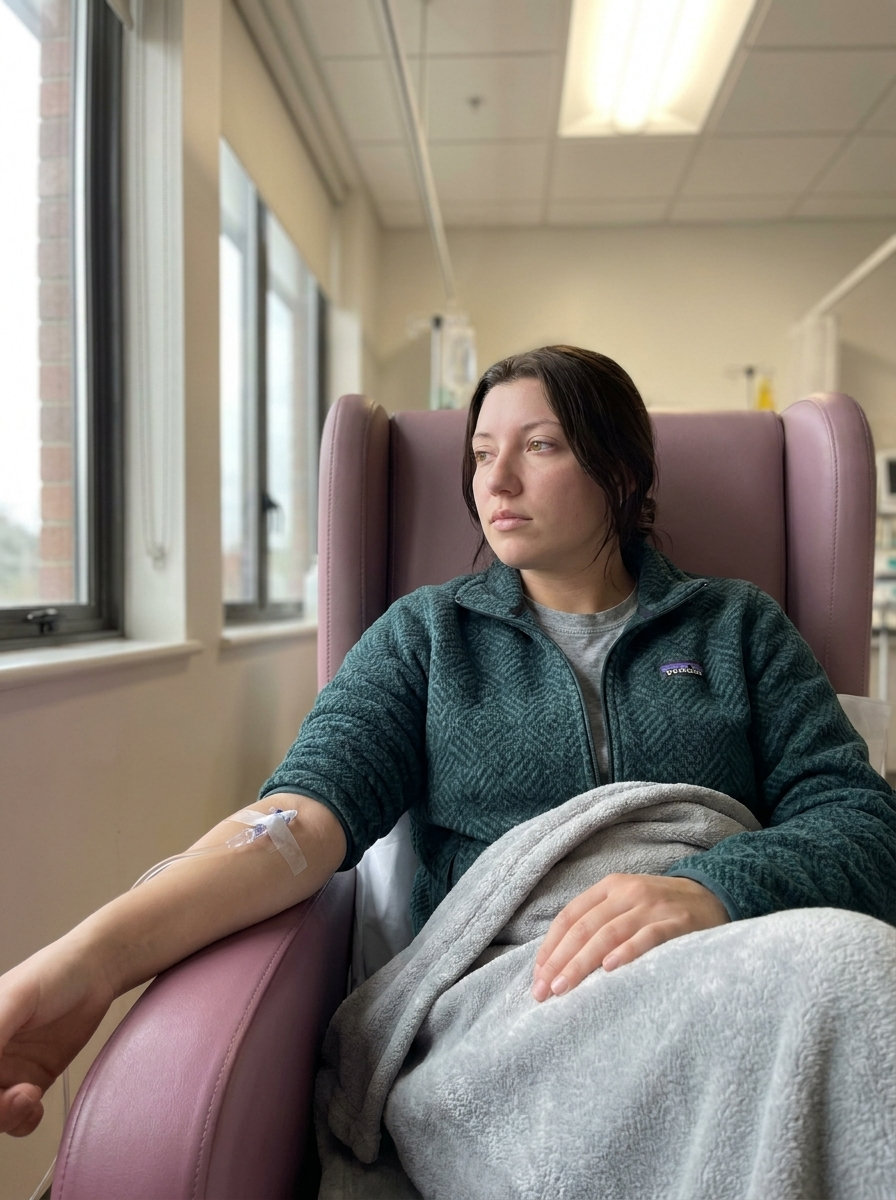
Ran for 13 days, from July 16 to July 29, 2026, the last day Crush saw it.
Run by Michelle Carter on Facebook. Crush is not the advertiser and does not verify its claims. See this ad in Meta's Ad Library(opens in a new tab)
Want an ad like this for your product?
Crush makes new ad images for your product from this ad: your logo, your product photo, your offer.
Trials from $19.95 USD, then $79.95 USD a month. Cancel anytime.
About this ad
- Meta Ad Library ID
- 1344103760586732
- Platforms
- Relaunches
- 1
Ad text
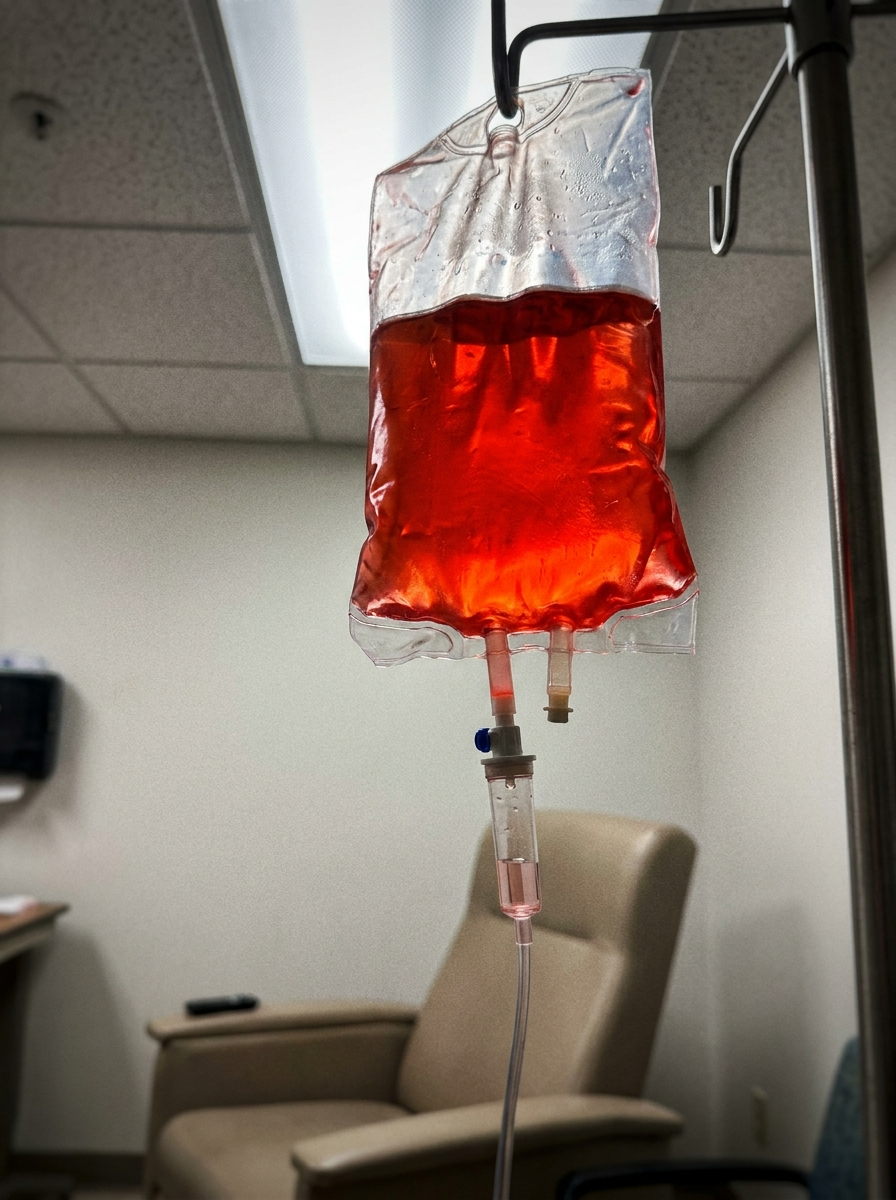
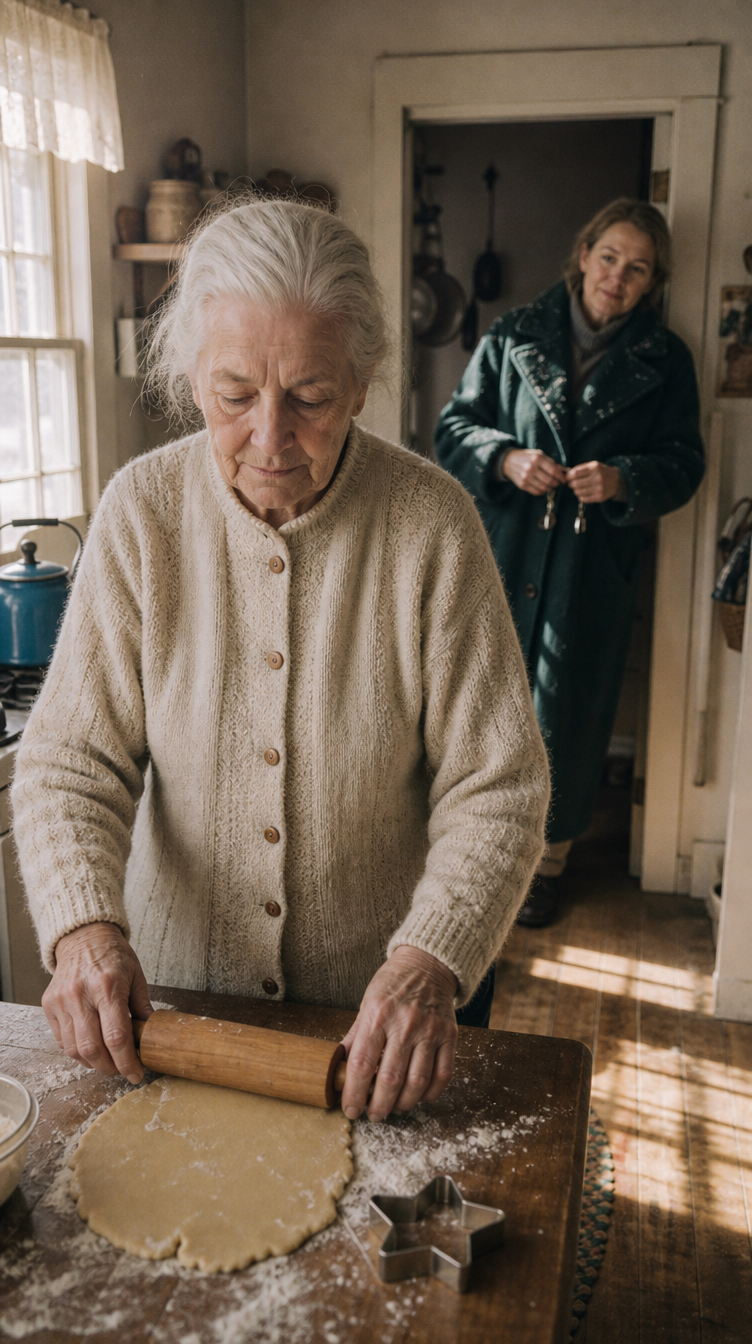
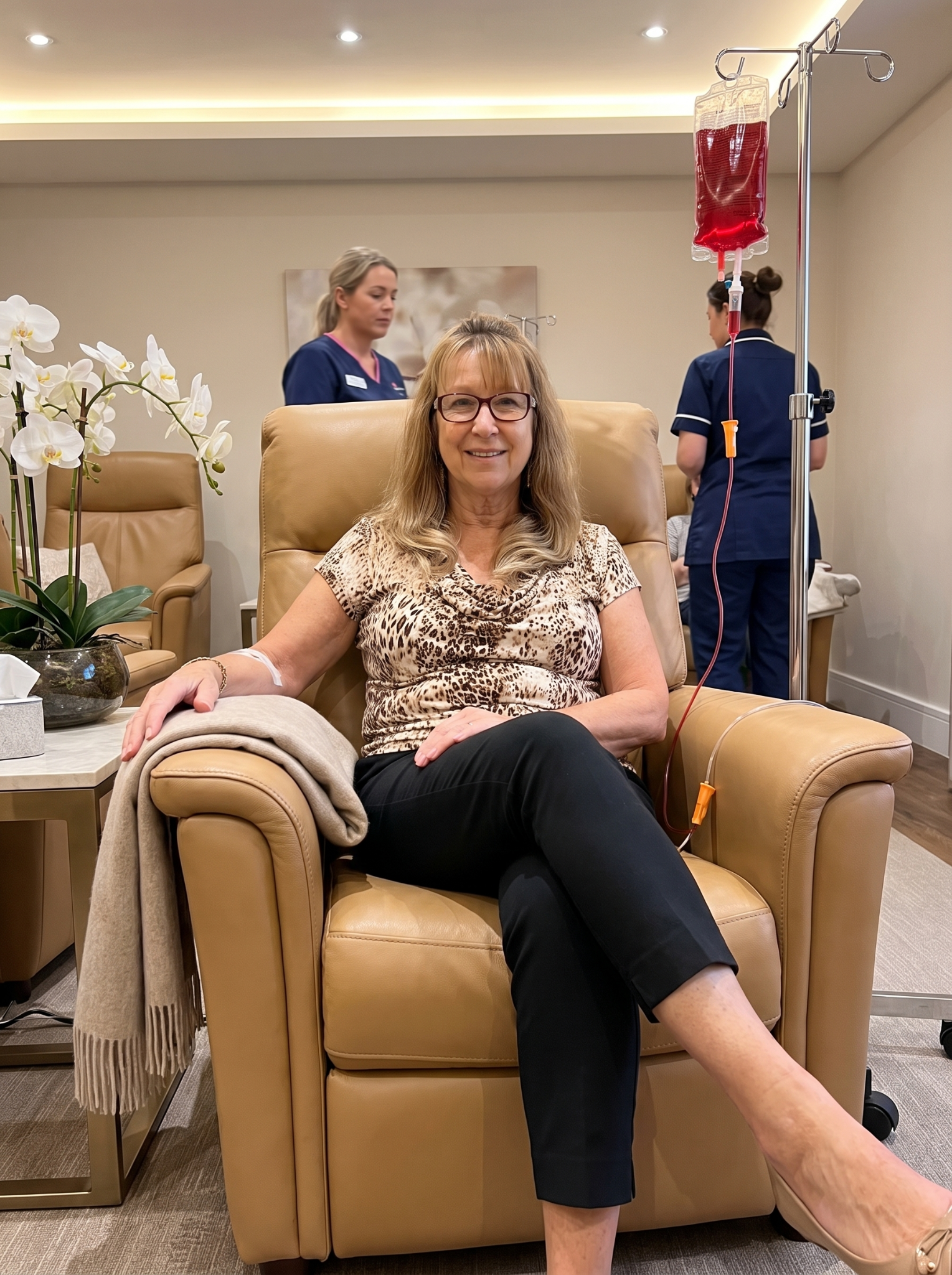
$150,000 in treatment and they sent my mother home to die with a white blood cell count of 1,600. 1,600. A PAPER CUT could have killed her at that number. A cold from a grandchild. Bacteria from a doorknob. SIX rounds of chemo. Her nails fell off. Her feet went numb. She went six DAYS without a bowel movement and I had to take her to the ER for something I won't describe because she would have been mortified. And not a single person in that $150,000 system gave her anything to rebuild her immune system between rounds. Not ONE thing. They destroyed her body. Collected the check. And told us to "keep fighting." F*k that. When I got the same cancer ten months later, I didn't let them leave that gap empty. I found what my mother should have had. And it's the reason I'm still here and she's not. My name is Susan White. I'm 32 years old. Two years ago, I buried my mother. Ten months ago, I was diagnosed with the same thing that killed her. Stage 2 breast cancer. Same side. Same type. The oncologist looked at my family history and nodded like he'd been expecting me. I'm writing this because my father asked me to. He sat me down last Sunday at the kitchen table — Mama's kitchen table, the one with the wobble on the left side that she never let anybody fix because she said it gave it character — and he said something I wasn't ready to hear. "Baby, you need to tell people what you know. Because your mama didn't know it. And that's why she's gone." He's right. And what I'm about to tell you is something I will carry for the rest of my life. I believe I didn't fight hard enough for her. I believe I didn't research enough. I believe that while I was sitting next to her hospital bed thinking I was doing everything I could, there was something I could have done that I didn't know about. Something that would have changed everything. And by the time I found it, it was too late for her. But it wasn't too late for me. Let me go back to the beginning. Mama was diagnosed in March of 2021. She was 54. She'd found the lump herself in the shower. Right breast. She told me about it on the phone and I could hear her voice doing that thing it did when she was scared but didn't want me to know she was scared. "It's probably nothing, baby. You know how these things go." It wasn't nothing. Stage 3. Aggressive. Her oncologist recommended the AC-T protocol. Adriamycin and Cytoxan first, then Taxol. If you've never heard of Adriamycin, let me tell you what the nurses called it. The Red Devil. It's a bright red fluid they push through the IV. The color of it alone makes your stomach turn. And what it does to the body is exactly what the name promises. Mama's first round hit her like a truck she never saw coming. The fatigue wasn't tired. It was a heaviness in her bones that made walking to the bathroom feel like dragging herself through wet concrete. She'd sleep 14 hours and wake up more exhausted than when she laid down. The nausea was constant. Not the kind where you throw up and feel better. The kind that just sits in your stomach like a stone all day long. She couldn't eat. The smell of hot food made her gag from across the room. By round two, the hair started. She woke up one morning and her pillow looked like something had died on it. She reached up and touched her head and hair just came away in her hand. Handfuls. She sat there in the dark holding it. I know because I was in the next room. I heard her crying and I came in and she was sitting on the edge of the bed staring at her own hair in her palms like she didn't recognize it. I shaved her head the next day in the bathroom. We both pretended it was fine. Neither one of us was fine. Then came the part nobody warned us about. Round three. The Red Devil plus Taxol. Her fingernails started lifting from the nail beds. Dark underneath. Painful. She was afraid to touch anything because the pressure sent shooting pain through her hands. Two of them fell off completely by the end of the month. Her feet went numb. Then they burned. Then they went numb again. Peripheral neuropathy, the doctor said. Might be permanent. Might not. We'll see. The Zofran they gave her for nausea caused constipation so severe she didn't go to the bathroom for six days. Six days. I had to take her to the emergency room for an impaction that I am not going to describe here because she would have been mortified if she knew I was even mentioning it. And then came the thing I didn't understand until much later. The thing that I believe killed her. Her white blood cell count. After every round of chemo, the oncologist would check her blood. And every time, the number came back lower. I didn't know what it meant at first. I just saw numbers on a screen. But here's what those numbers meant. Chemo doesn't just go after the cancer. It goes after every fast-dividing cell in the body. Hair follicles. The gut lining. And the bone marrow that produces white blood cells. White blood cells are your immune system's soldiers. They are the only thing standing between you and every infection, every cold, every bacteria that walks through the door. When the count drops below 4,000, you're vulnerable. Below 2,000, you're defenseless. Mama's count after round four was 1,600. The oncologist looked at the number and said they'd give her a Neulasta shot to force the bone marrow to produce more white blood cells. You know what Neulasta does? It forces the marrow to expand rapidly inside the bones. And that expansion causes pain that patients describe as having their skeleton crushed from the inside out. Deep. Grinding. In the hips. The sternum. The long bones of the legs. Pain that ibuprofen doesn't touch. Mama lay in bed that night gripping the sheets with those broken fingernails and I sat next to her and I held her hand and I thought: The treatment is killing her faster than the disease. I thought that thought a lot. But I didn't say it out loud. Because what was the alternative? Stop chemo and let the cancer grow? Nobody gives you that option. The only way out is through. That's what every nurse, every pamphlet, every well-meaning person in the waiting room tells you. So we kept going. Round five. Round six. By round six, Mama weighed 103 pounds. She'd started at 142. She couldn't taste anything. Water tasted thick and metallic. She described it once as "drinking aluminum." She was living on cucumber slices and saltine crackers and tiny sips of Pedialyte because everything else made her gag. Her body had nothing left to fight with. And between rounds, when the chemo stopped temporarily, her immune system was supposed to rebuild itself. It couldn't. There was nothing left to rebuild with. Her bone marrow was burned. Her gut was destroyed. Every supplement I tried to give her — the Vitamin C, the mushroom capsules, the turmeric pills, the soursop drops I'd found on Amazon — she either couldn't keep them down or her body flushed them through without absorbing anything. I watched her try to swallow a capsule one morning. It was the size of my thumb. She got it halfway down and gagged so hard she threw up everything she'd eaten in the last four hours. Which was half a cracker and three sips of water. I tried the soursop drops next. Liquid. I thought: at least she won't have to swallow a pill. The drops were so bitter she spit them out before they hit her throat. Her whole face twisted. She looked at me like I'd betrayed her. "Baby, I can't." Two words. And I heard everything in them. I can't take one more thing that tastes like medicine. I can't fight one more battle with my own stomach. I can't make my body accept one more thing it doesn't want. I'm done. I stopped trying after that. I told myself I'd done everything I could. Mama died on a Tuesday in November. 7:42 in the morning. I was holding her hand. Her fingers were thin and cool and I could feel every bone. The last thing she said to me was the night before. She looked at me and said, "Don't be sad too long, baby. You got too much living to do." I was sad for a very long time. Then ten months ago, I found my own lump. Same side. Same type. The oncologist said the words I already knew he was going to say. Hereditary risk factor. Stage 2. We need to start treatment. I sat in the parking lot after that appointment and I didn't cry. I called my father. He was quiet for a long time. Then he said: "You are not your mother, Susan. You have something she didn't have." "What's that?" "You watched her go through it. You know what went wrong. You know where they failed her." He was right. I knew exactly where they failed her. They failed her between the rounds. Every three weeks, the chemo would stop and her body was supposed to recover. Rebuild the white blood cells. Repair the gut lining. Restore enough immune function to survive the next round. And every three weeks, she went into the next round weaker than the last one. Nobody addressed it. Nobody gave her anything to rebuild with. The oncologist ran the blood panel, saw the number dropping, gave her Neulasta for the bone marrow, and moved on. The nausea was "managed" with drugs that caused constipation so bad she ended up in the ER. The supplement formats all failed. The capsules were too big for a sick stomach. The drops were too bitter for a body that was already rejecting everything. The powders tasted like dirt mixed into water that already tasted like metal. My mother's immune system didn't lose to the cancer alone. It lost to the gap between the rounds that nobody filled. I was not going to let that happen to me. So before I started treatment, I went looking. Not for a cure. I am not crazy and I am not naive. I went looking for the thing that could keep my body standing between rounds. The biological buffer my mother never had. I went back to the soursop research I'd found while she was still alive. The science hadn't changed. The acetogenins in fermented soursop leaves had been studied by the NIH for their effect on immune cell activation. The mechanism was real. The compounds target the energy production system of abnormal cells at Mitochondrial Complex I. They cut off the power supply. The cell starves. At the same time, the fermentation process triggers something called mitohormesis — a controlled stress on healthy cells that forces them to repair and strengthen. Including the bone marrow cells that produce white blood cells. The science was solid. The delivery was the problem. That was why it didn't work for my mother. The Amazon drops I'd given her had zero fermentation records. No acetogenin concentration listed. Probably fruit-based instead of leaf-based. And even if they'd had the right compounds in them, the delivery format was designed to fail in a chemo patient. Bitter liquid drops hit the stomach and trigger the gag reflex in someone already fighting severe nausea. That's not a compliance problem. That's biology. The brain's defense mechanism rejects harsh medicinal tastes when the body is sick. The gag reflex activates before the compounds reach the bloodstream. Capsules are worse. Horse-sized pills that a chemo-burned gut can't break down. They pass through without absorbing. Expensive nothing. Powders dissolve into water that already tastes like aluminum. Nobody finishing round three of AC is drinking dirt-flavored metallic water. Nobody. Every format I tried on my mother was designed to fail in exactly the body that needed it most. I spent two weeks reading everything I could find. And then I found what changed everything. A company had solved the delivery problem. They'd taken the same 365-day fermented soursop extract — Caribbean heritage trees, volcanic soil, leaves not fruit, 2% acetogenin concentration verified by ISO 17025 certified lab — and they'd done something nobody else had done. They removed the acid. The 365-day fermentation that supercharges the acetogenins also produces harsh, volatile plant acids. Healthy people can handle them. A chemo patient with a destroyed gut lining and constant nausea cannot. This company developed a process they call Fractional Isolation. They take the fully fermented extract and carefully strip out 100% of the nausea-inducing plant acids. Then they bind the remaining pure, active acetogenins into a natural fruit-pectin gummy. Same ancient fermented power. Zero of the acid that makes you gag. But they didn't stop there. The pectin itself creates a slow-release matrix. Liquid drops hit the bloodstream in a sudden spike — 30 minutes of elevated acetogenins that the body flushes before lunch. A spike and a crash. That's not a shield. That's a flash. The pectin gummy breaks down slowly in the stomach. The acetogenins release in a continuous, steady drip into the bloodstream. Not 30 minutes. Twelve hours. A full-day cellular shield. And the format itself bypasses the neurological gag reflex entirely. The brain recognizes a fruit-based sour gummy as food. Not medicine. The gag reflex never activates. Five seconds. No water needed. No fighting. When I read that, I sat at my kitchen table — Mama's kitchen table, the one with the wobble — and I put my head down on my arms and I cried. Because this is what she needed. This is what I couldn't find for her. This is the thing that would have filled the gap between the rounds. The thing that could have kept her immune system standing while the chemo tore through everything else. And she never got it. The brand is SimplySours. I ordered it the same night. It arrived in the mail four days before my first round of chemo. I took the first gummy at my kitchen table. Five seconds. It tasted like a sour candy. My stomach didn't flinch. My body didn't fight it. I thought about my mother spitting out those bitter drops and looking at me like I'd betrayed her. And I thought: not this time. I started chemo the following Monday. The Red Devil hit me the way it hit her. The fatigue was crushing. The nausea was a stone in my stomach. My hair started going by round two. But here's what was different. I took a SimplySours gummy every single morning. Five seconds. No nausea. No gagging. No fighting my own body to take the thing that was supposed to help it. After round one, my white blood cell count dropped. Expected. After round two, it dropped further. Expected. But between rounds two and three — the exact window where my mother's count plummeted into the danger zone — mine held. It didn't skyrocket. It didn't bounce back to normal overnight. It held. My oncologist looked at the panel and said, "Your immune recovery between rounds is better than I expected." I didn't tell him about the gummies. Not yet. Round three. The one that broke my mother. My count dipped. Then stabilized. Then started to climb. Not dramatically. Not like a movie. Like a slow, steady line on a chart that was heading in the right direction instead of the wrong one. My nails didn't lift. My neuropathy was manageable. The constipation was bad but not ER bad. I could eat small amounts of cold food without gagging. I was still miserable. I am not going to sit here and tell you chemo was easy because I took a gummy. Chemo was hell. Chemo is always hell. But I survived the rounds. And between the rounds, my body rebuilt. That was the difference. After my last cycle, my oncologist ran the full panel. He sat down across from me and he said something I will never forget. "Susan, your immune recovery is one of the strongest I've seen for someone on this protocol. Your white blood cells are back in healthy range. Your markers are moving in the right direction. Whatever you're doing between rounds, keep doing it." I told him about the gummies. He paused. Then he said: "I can't officially endorse a supplement. But I'm not going to tell you to stop." I finished treatment two months ago. My most recent panel was clean. I sit at my mother's kitchen table every morning now. The one with the wobble. I take a SimplySours gummy with my coffee. Five seconds. Then I go about my day. My father sits across from me sometimes. He drinks his coffee and he watches me take the gummy and he doesn't say much. But last Sunday he said, "Your mama would have taken those." I know she would have. If I had found them in time. If they had existed when she needed them. If I had known then what I know now. I carry that every single day. And my father asked me to write this because somewhere right now there is a daughter sitting next to a hospital bed watching her mother go through what I watched mine go through. Or a wife watching her husband's fingernails turn dark. Or a son driving home from the oncologist's office trying to figure out what else he can do. You are not helpless. The gap between the rounds is where the immune system lives or dies. Your oncologist is not going to fill that gap for you. The standard protocol doesn't include it. You have to fill it yourself. And the format matters as much as the formula. If your person can't swallow horse-sized capsules, don't give them capsules. If bitter drops make them gag, don't give them drops. If powdered dirt in metallic water makes them turn away, stop forcing it. Give them something their body accepts. Something five seconds long. Something that doesn't trigger the reflex that's been making them reject everything you've tried. SimplySours gummies. Same 365-day fermented acetogenins from Caribbean heritage trees. Same 2% concentration. Same ISO 17025 certified lab verification. Delivered in a pectin-bound sour gummy that bypasses the nausea completely and releases a 12-hour shield instead of a 30-minute spike. Get them here: https://simplysours.shop/products/100-pure-organic-soursop-gummies One batch per year. The 365-day fermentation cannot be rushed. The 2025 batch is what exists right now. It sells out every August or September. The 2026 batch won't be ready until December. My mother ran out of time before I found the answer. You still have time. Don't waste it on formats your loved one's body will reject. https://simplysours.shop/products/100-pure-organic-soursop-gummies P.S. I keep my mother's wig in the shoebox at the top of my own closet now. Same box. Same label. Same loopy handwriting. "In case Susan needs this one day." I needed it. I wore it for four months. And I put it back in the box last week because my hair is growing in again. Short and dark and curly in a way it never was before. I look in the mirror and I see her face looking back at me. And I think about the gummy I take every morning and how five seconds is the difference between what happened to her and what's happening to me. If you're sitting where I was sitting, the 90-day supply is here: https://simplysours.shop/products/100-pure-organic-soursop-gummies P.P.S. My daddy asked me one more thing last Sunday. He asked me if I thought Mama would forgive me for not knowing in time. I told him I didn't know. He put his coffee down and he said, "Baby, she left that wig for you. She wasn't angry. She was preparing you." I think about that every morning at her kitchen table. The wobble on the left side. The gummy with my coffee. The chair where she used to sit. If your person is still in that chair, you still have the chance I didn't get. Take it.
Where the ad sends people
simplysours.shop
I Found My Mother's Wig After She Died👆
Her mother died from breast cancer during chemo. Ten months later the daughter was diagnosed with the same thing. What she found between those two moments changed everything.
See details: simplysours.shop(opens in a new tab)