
Active· since Jul 10, 2026
- 65
- days running
- 0
- relaunches
Ad copy
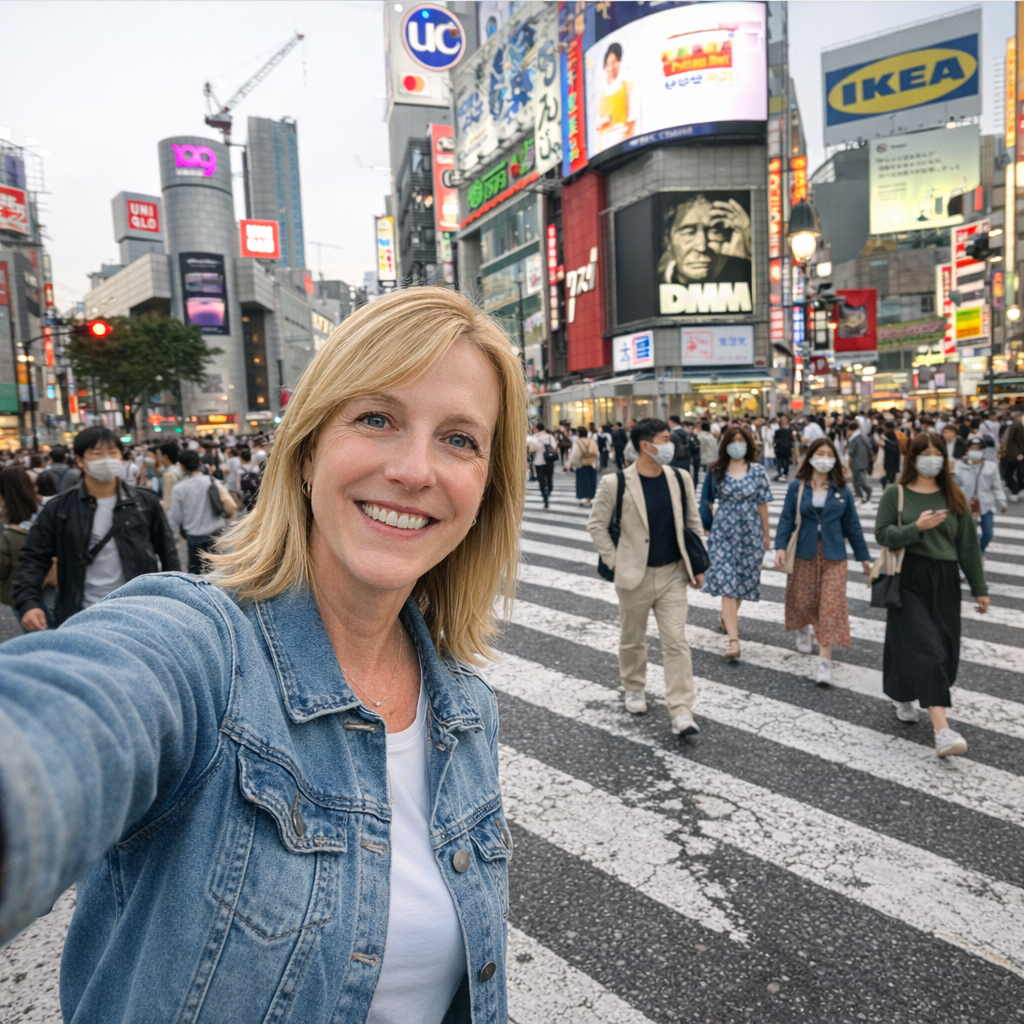
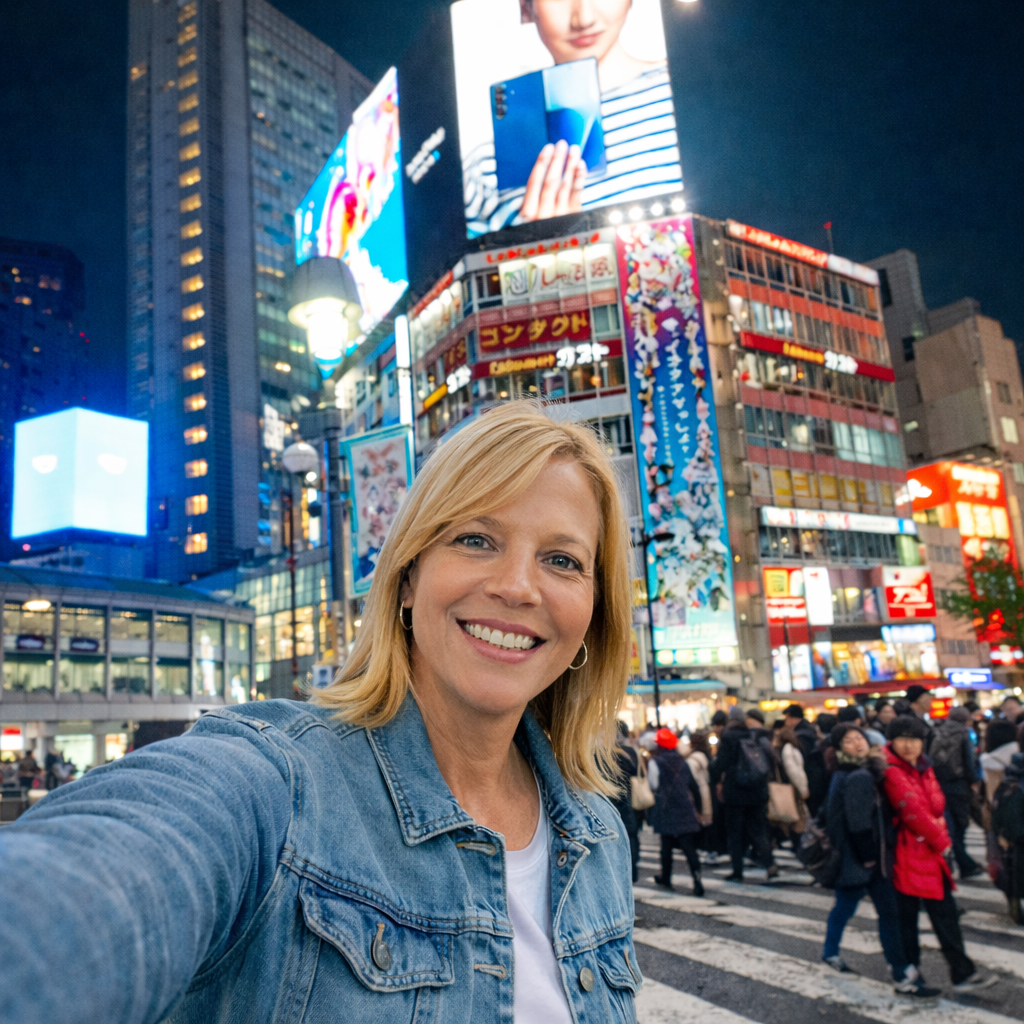
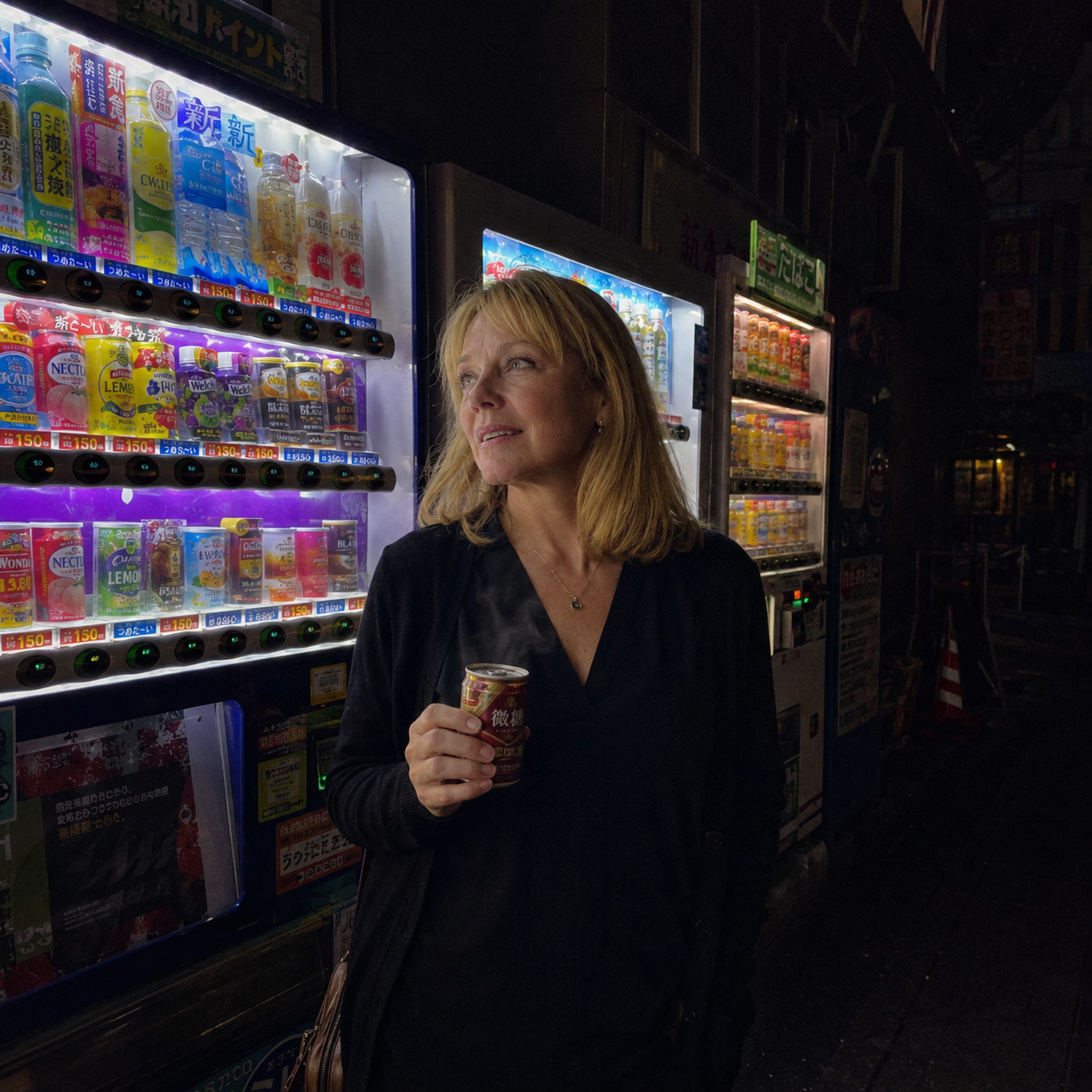
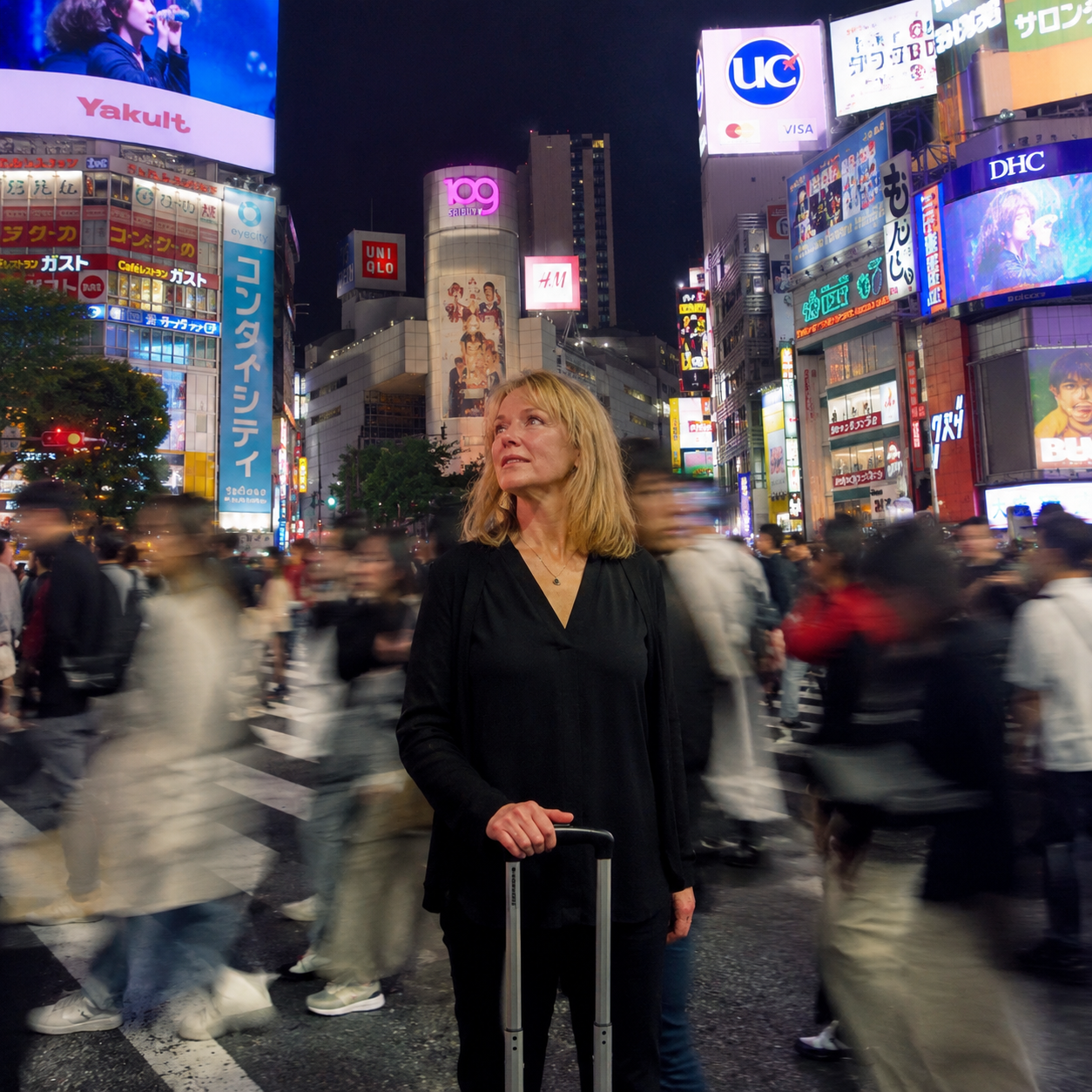
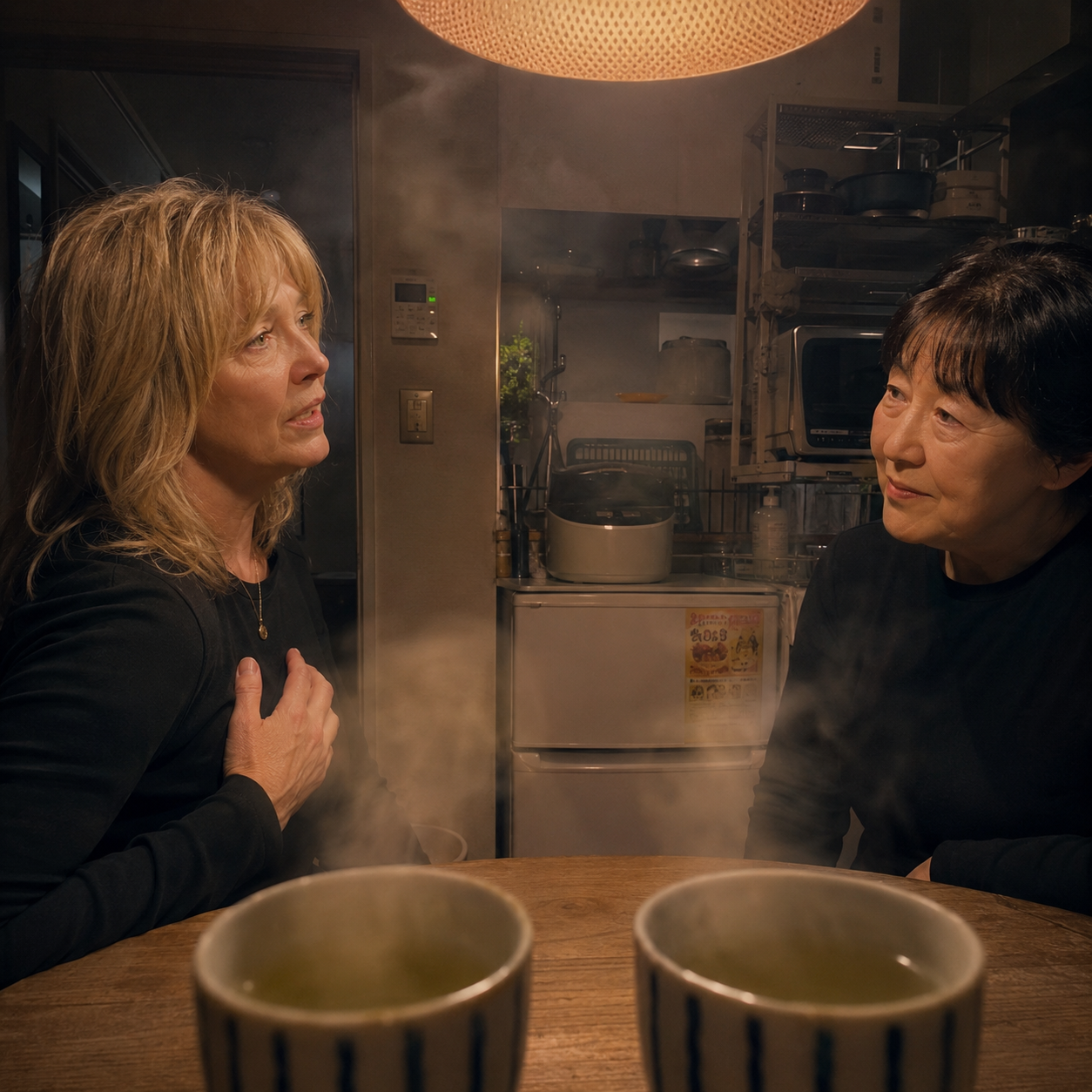
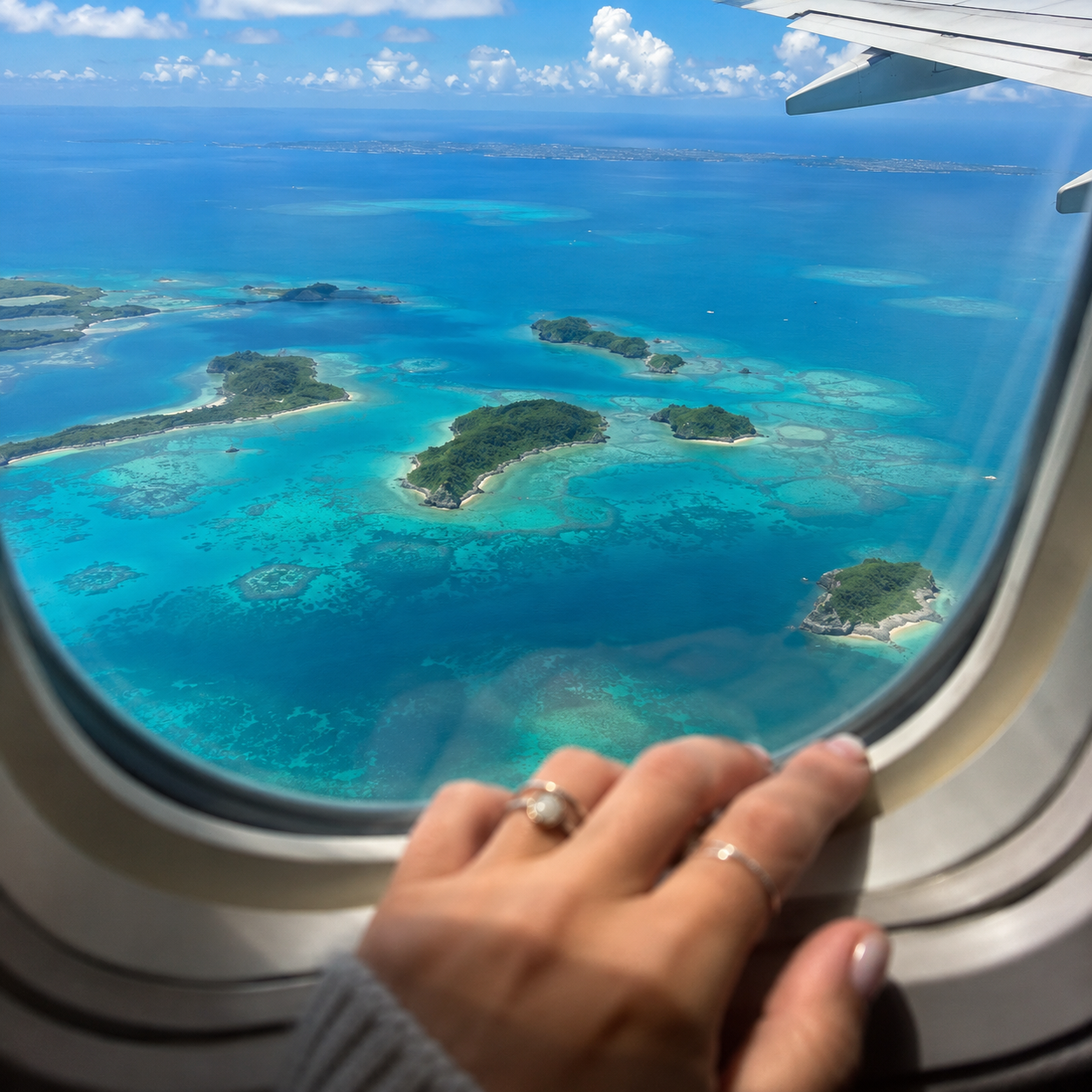
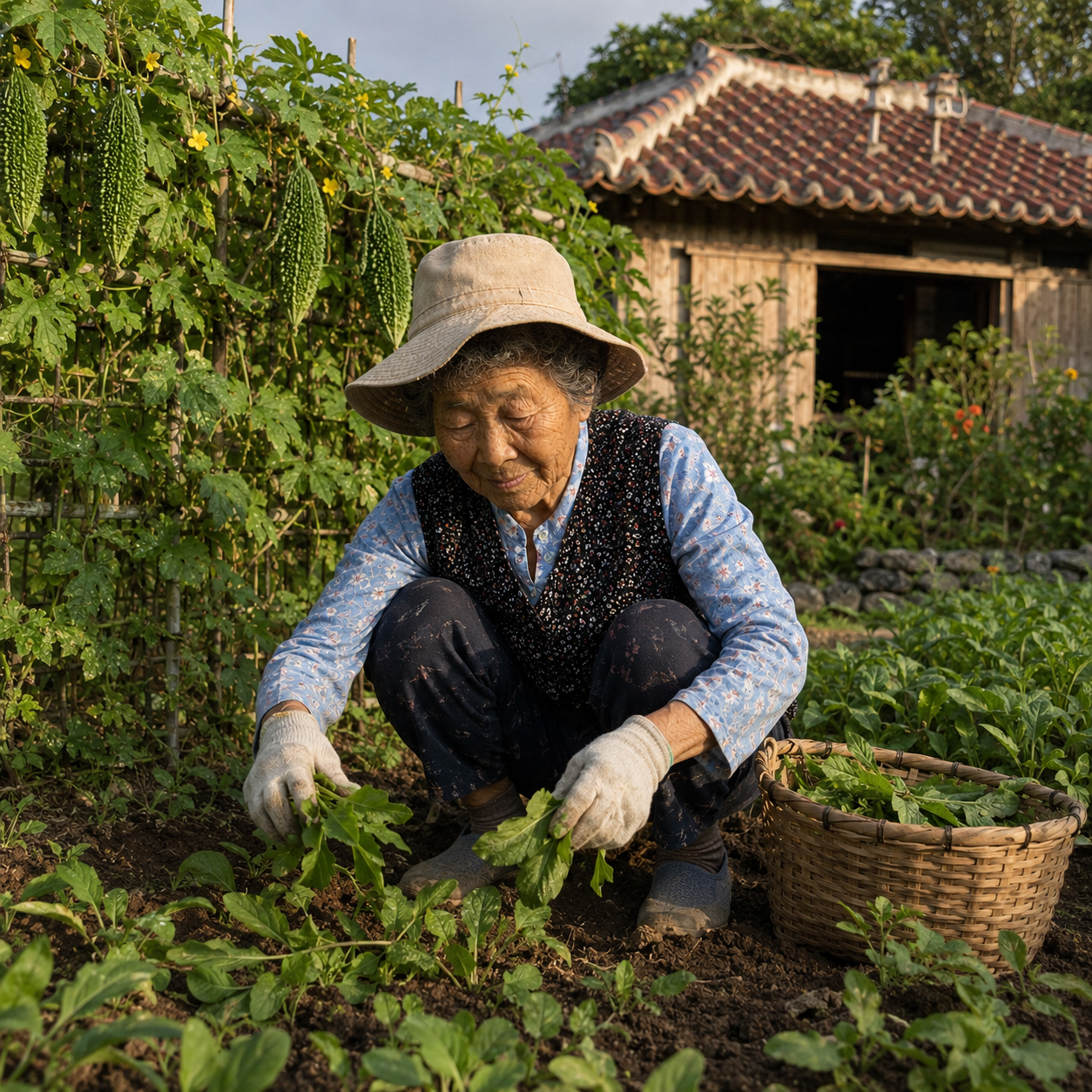
I went on a solo trip to Japan to cross it off my bucket list...because I was afraid my Type 2 diabetes would soon kill me. But that trip saved my life and put my diabetes into remission. Let me explain how. Back in January, I went in to get my A1C checked for the first time in three months. Since I hadn't done one in ages, my doctor also recommended a comprehensive metabolic panel and a urine test while I was there. So peed in a cup and had my blood drawn… But when the results came back, my doctor asked me a sudden question. She asked, "Have you been noticing a foamy texture in your urine recently?" I told her that I had, for a few weeks now. She nodded slowly and said, "Your A1C is sitting at 7.8, which is a problem on its own.” but then she said “That’s not what I’m most concerned about” At this point I was confused, so I asked her what could possibly be more concerning than an A1C that high… She then explained that my urine came back with an albumin-to-creatinine ratio of 340… And my blood test showed an eGFR of 43… And as she broke down what they meant, it slowly dawned on me that my life was in danger. She explained that the urine albumin-creatinine ratio checks whether protein is leaking into your urine… And anything past 30 is a sign the kidneys have started leaking, and at 300 or higher you've crossed into serious damage. Mine was sitting at 340. Which is a problem because healthy kidneys are not supposed to let that happen. Your kidneys are supposed to filter waste out of your blood while keeping important proteins inside your body. But when blood sugar stays too high for too long, it starts damaging the tiny filters inside the kidneys. It burns through them like acid, and without those filters working properly to hold everything in, your proteins start leaking into your urine… Which is why your pee has been foamy lately… It's the protein escaping through those damaged filters and seeping into your urine… And she went further to explain that the worst part is, it doesn't stop at protein leaking into your urine… Because, as more and more of those filters get damaged, your kidneys lose more and more of their ability to filter waste out of your blood. And your body depends on healthy kidneys to clear out waste and toxins. So if enough of those filters fail, the waste has nowhere to go. It starts building up in your blood and poisoning you from the inside. At that point, she said, your only options are a kidney transplant, or dialysis, where you're hooked up to a machine several times a week, for hours at a time, that filters your blood for you because your kidneys no longer can. And she told me that even dialysis can't clean your blood as well as healthy kidneys once did, which is why people on it often end up dying from complications… She was careful to say I wasn't there yet. But she told me that at 340, my kidneys had already crossed from the early warning stage into real damage. And if my blood sugar kept climbing and my numbers kept worsening the way they had been, I could be looking at kidney failure and dialysis down the road. In other words, my diabetes wasn't just about high blood sugar anymore. It was starting to destroy my kidneys from the inside out. To help me manage it, the doctor upped my metformin dose to 1,000 mg twice a day, and she also put me on two new medications, Jardiance and lisinopril. Then she told me to come back in three months for another A1C and urine test to see which direction things were moving… After picking up my prescriptions on my way out, I left the hospital feeling extremely distraught. That night, I sat at the edge of my bed and cried. Because ever since I was diagnosed with Type 2 diabetes five years ago, I'd done everything they told me to do. I cut out soda and sweets. I started taking daily walks. I switched to smaller portions and tried to eat clean. The changes were drastic, but I made them anyway. And yet here I was. Despite all of it, my diabetes had gone from being about a number on a meter to quietly attacking my organs. I laid awake most of that night thinking about my life, and how different it looked from everything I'd once imagined for myself. There I was, divorced at 56 with Type 2 diabetes that was now creeping toward my kidneys and threatening to cut my life short. This was not how I thought things would turn out. And as I laid in bed, feeling all that fear and regret, a single thought cut through everything else. If my time really might be shorter than I'd planned, then I wanted to actually live whatever was left of it. Not just manage numbers and count pills and wait around for bad news. I wanted every day to matter. And that's when a thought I'd buried for years floated back up to the surface. Japan. I'd been a fan of anime and manga since I was a kid. And I'd always been intrigued by Japanese culture. I used to bring it up to my ex-husband all the time, but he was never interested, so I just let the idea go and never pushed it. But now that I was staring down something that could take my life... I figured crossing it off my bucket list was exactly what I needed to do while I still could. So I pulled out my phone and started researching how to make it happen. And that's when I found out that as a US citizen, I didn't need any special visa at all. I could simply book a flight, show up with my passport, and stay in Japan for up to 90 days. I figured I'd spend about two and a half months there and fly back home to Chicago in time for my next checkup. So with a sudden jolt of excitement, I went on Expedia and booked a one-way ticket to Tokyo that same night… And three days later, I was on a plane to Japan with two suitcases and absolutely no plan beyond the Airbnb room I'd booked for about a month. I'd specifically booked a room in someone's apartment rather than a whole place to myself because I didn't want to be completely alone. The flight was long...13 hours from JFK to Narita Airport. But when the plane finally touched down and I stepped into the arrival terminal, it felt like I'd entered a completely different world. It was 9 PM local time, and even though it was late, the airport was buzzing with energy. Everything was so clean, so organized, so efficient. Signs in Japanese and English guided me through customs, and within 30 minutes I was out in the main terminal. I grabbed my luggage and made my way outside to find a taxi. The moment those automatic doors slid open and I stepped into the cool night air, I was hit with this electric feeling I can't quite describe. The roads were lit up with streetlights, cars gliding by silently, and in the distance I could see the faint glow of Tokyo's neon lights against the night sky. I immediately knew I'd made the right decision. I hopped in a taxi, showed the driver the address of my Airbnb on my phone, and we were off. The drive from Narita to Tokyo took about an hour, and I spent the entire ride with my face pressed against the window like a kid. Watching the cityscape gradually transform from quiet suburbs into the glowing, neon-lit streets of Tokyo was like watching a city wake up right before my eyes. Vending machines on every corner lit up in bright colors, convenience stores glowing with fluorescent lights, massive billboards with flashing advertisements in Japanese. It was overwhelming in the best way possible. We finally pulled up to a narrow street in Shibuya, and the driver helped me with my bags. I stood there for a moment looking up at the apartment building tucked between a ramen shop and a 7-Eleven, taking it all in. I climbed three flights of stairs, found the unit number, and knocked on the door. A Japanese woman in her early 60s opened it with a warm smile. "Welcome. You must be Elaine!" she said in English with a slight accent. Her "Welcome" sounded like "Werucome." But I guess that's the Japanese accent shining through! Her name was Yuki, and she was my Airbnb host. She helped me bring my bags inside and immediately offered me tea. As we sat at her small kitchen table sipping green tea, we started talking. Yuki told me she went to college at UCLA and worked in California for a few years before moving back to Japan, which explained why her English was so good… And as we progressed through all that small talk, she suddenly sprung up the question… "So what brings you to Tokyo?"... I hesitated for a second, then figured there was no point in hiding it. "I'm dealing with some... health stuff," I said. "I have Type 2 diabetes, and it's been getting worse. I thought maybe crossing this trip off my bucket list might do me some good before things get any worse." Yuki's expression softened. She set her teacup down and looked at me with this knowing look. "Type 2 diabetes?" she asked quietly. I nodded. "How long?" she asked. "About five years now," I said. "But it got really bad this past year. My A1C keeps climbing, and my last urine test showed my kidneys are going bad…" After telling her all that, I was expecting Yuki to tell me she was sorry I was going through it, or one of those things people say when they feel bad for you… So imagine how shocked I was when she said "I know exactly what you're going through, because I've been there myself." I looked up at her, surprised. She didn't look like someone who was struggling with diabetes. She seemed so healthy, so warm and welcoming. So I immediately asked her if she was diabetic too… But what she said next shocked me even more. She said “not exactly. But I used to be…” "I had Type 2 diabetes for years," she said. "And there was a time it got so bad I thought it was going to be the end of me. But eventually i got better and went into remission” At that point I felt a mixture of shock, confusion and awe all at once. You see, when I first got diagnosed with type 2, my doctor had told me that If i got my blood sugar under control and kept my A1C low enough for long enough, I could eventually reach remission, which would mean that my blood sugar would sit in a normal range without needing diabetes medication anymore But I’d never actually been able to do it… I had so many questions. I asked her "How did you do it? How long did it take you?” Then Yuki smiled, leaned forward, and began to break it all down for me. She said; "Years ago, my diabetes got completely out of control," she said. "I tried every medication my doctor gave me. Nothing worked. My numbers kept climbing. I was exhausted, I could barely take care of myself." "I was failing fast." "And when you get that sick, and you live alone, there's really only one place you want to go." "Home." "So I left Tokyo and went back to my hometown in Okinawa, so my mother could take care of me." "Okinawa is a string of islands in the far south of Japan," she explained. "It's where I was born. And the people there live longer than almost anyone else on earth. Little villages full of women over a hundred years old, still working in their gardens every morning." "When I got home, my mother took one look at me and said “you've been away from home too long. You stopped eating your goya.'" At that point I was confused so I asked Yuki what Goya was. Then with a smile on her face, she explained that Goya is a bumpy green vegetable native to Okinawa but also found in other parts of the world. She explained that “every morning, my mother would go out to the garden, where the goya vines climbed all over the garden fence, and she'd pick it and cook it for me everyday. She insisted I eat it every single day." "In Okinawa, we believe goya makes new blood," she said. "That's the old wisdom. It washes out your old and tired blood and makes the blood fresh and strong again. It's why our people stay young. We've been taking it for thousands of years.” She then went further to say that she used to hate Goya as a child because of its bitter taste, but now that she was back home with diabetes, she took it everyday as her mom insisted. And when she explained the effect that Goya had on her, I was stunned. She said "within a few weeks of taking it, something started to shift. The afternoon crashes that used to knock her flat stopped coming. The tingling in her feet, the pins and needles had begun to fade, and she stopped feeling thirsty all the time” As she broke it all down for me I was stunned… But I was even more stunned at what she said happened within two months of taking Goya. She said "In just over two months, I felt like a brand new person. I could get through a whole afternoon without needing to lie down, I could get a full night's sleep without jolting awake to run to the bathroom, I could eat a meal without feeling tired twenty minutes later — I was back to the old me." "When I reached that point, I felt well enough to return to my regular life in Tokyo, so i thanked my mother and left Okinawa” “A few days after i got back to Tokyo, I went to my doctor to get my labs done, and when the results came back he just stared at them." "My blood sugar was completely normal. My A1C was normal. Everything was normal." "He was shocked, because just months ago everything was spiraling and now I didn’t even look like i had diabetes. So he asked me if I’d done anything in particular and I just looked at him and told him I’d been taking Goya everyday.” “The first thing he asked me was, 'Are you Okinawan?'" "I said yes." "And he nodded slowly and said he'd heard the stories about how we Okinawans use Goya for everything but he never really knew how powerful it was until now after seeing my improvements.” As I listened to her narrate everything, I just sat there wide-eyed and stunned. After all, ever since I was diagnosed with type 2, I'd been on a constant rotation of metformin, glipizide, and Januvia… Even now my doctor had just added lisinopril and Jardiance to the mix… But here I was, halfway across the world, listening to this woman tell me about how taking a vegetable put her diabetes into remission? I didn’t know whether to be happy or angry at the situation. I asked her how long ago she’d overcome her type 2… And she said the last time she went to the doctor to get checked was in 2011 and she's been in remission ever since. She even added that she still has a sweet tooth and indulges every now and then, but she’s perfectly fine. She doesn’t even monitor her blood sugar anymore. I couldn't believe it. Her type 2 was basically gone. And she'd done it with a vegetable her mother grew in the garden. As I sat there processing everything I’d just heard… Yuki then hit me with a major bombshell… She said "You know what, my mother is still there in Okinawa. Why don't you come with me? I go home to visit her every few weeks. Let me take you to Okinawa, and you can try it for yourself." As she said that, I was shook for like the 100th time during our conversation lol. I couldn't believe she was inviting a stranger she'd just met into her family home. But that's the kind of warmth I would come to learn Okinawans are known for. And I wasn't about to say no. So a week later, we flew down together from Tokyo to Naha, the capital of Okinawa. And lemme tell you, the moment I stepped off the plane, it felt like a different country entirely. The air was warm and soft. The pace was slower. Everything was green and lush, framed by turquoise water in every direction. We took a bus north, into the rural part of the island, to a small village called Ogimi. It was tucked between the hills and the sea. And that's where I met Yuki's mother. Her name was Kiyo. She was 86 years old. And I swear to you, she did not look a day over 60. She came out to greet us with a straight back and a spring in her step… She had cooked us a full meal, worked in her garden that morning, and walked to the market and back, all before we'd even arrived. I stood there in complete disbelief. If someone had told me she was Yuki's older sister, I would have believed them. And Yuki's words came floating back to me. “Goya makes new blood. It keeps our people young.” Standing there looking at Kiyo, I thought to myself, so this is what “new blood” looks like lol. Over the next few weeks, I stayed in that house, and I watched Kiyo's life up close. She was up before sunrise every morning, out in the garden tending to her vegetables. The goya vines climbed all over a fence behind the house, heavy with those bumpy green fruits. Every single morning, she'd pick a few, slice them up, and cook them fresh into a stir-fry called goya champuru. And she made sure I ate it every day, just like she'd once done for Yuki. It was bitter, but I choked it down, because I was watching an 86-year-old woman move like she was 50, and I wanted whatever she had. And within the first couple of weeks, I started to feel it. The heavy fog in my head began to lift. My energy stopped crashing in the afternoons. I was sleeping through the night without waking up to pee… And I felt lighter, clearer, more alive than I had in years. And I wasn't just feeling it. I could see it. I'd brought my glucometer with me, the little device I used to prick my finger and check my blood sugar every morning. Back home, my fasting numbers had been stuck up in the 160s and 170s no matter what I did. But a week into eating Kiyo's goya every morning, I checked, and the number had dropped into the 140s. I thought it was a fluke, so I kept checking, every single morning. It wasn't a fluke. Week by week, I watched those numbers fall. The 140s became the 130s. The 130s became the 120s. I would sit there at Kiyo's kitchen table, staring at the little screen, hardly able to believe what I was seeing. For the first time in years, my blood sugar was actually coming down, and I was watching it happen with my own eyes, morning after morning. But feeling this good, and watching those numbers fall, made me curious. I wanted to understand why a bitter vegetable from a garden was doing what a decade of medication never could. So one night, unable to sleep, I sat up in the spare room I was staying in and started reading everything I could find about Goya. And what I found stopped me cold. It turns out Goya is actually bitter melon… And based on what I saw, there was a ton of science surrounding its effects on diabetes. In fact, I read a study that was particularly eye-opening. It showed researchers in Australia and Shanghai had isolated the active compounds in bitter melon, a family of compounds called cucurbitane triterpenoids. And they'd discovered something remarkable about how they work. You see, every time you eat, your body turns that food into sugar that floods into your blood. And normally, insulin is supposed to unlock your cells so that sugar can get inside and be burned for energy. But in Type 2 diabetes, your cells have stopped listening to insulin, so the sugar just keeps piling up in your blood with nowhere to go. But the researchers found that compounds in bitter melon get your cells to open back up and soak up all that sugar sitting in your bloodstream…and they do it in a very unique way. Lemme explain. You see, deep in your muscle and fat cells sit tiny gates called GLUT4 transporters. Their entire job is to pull sugar out of your blood and into your cells. But in a diabetic body, those gates stay shut. Bitter melon's compounds activate an energy switch inside the cells called AMPK, and that switch forces those GLUT4 gates to rise up to the surface and soak up the sugar straight out of your bloodstream. And it does this without needing a single drop of insulin. But draining the sugar out of your blood was only half of what the bitter melon was doing… Because it was also fixing the deeper problem underneath, the very thing that makes you diabetic in the first place. You see, when you have type 2 the real reason your cells stop listening to insulin comes down to two things quietly building up inside them over the years. The first is chronic inflammation. A constant, low-level inflammation builds up inside your cells and interferes with the insulin signal, so your cells can no longer respond to insulin properly. The second is fat. Microscopic droplets of fat accumulate inside your muscle and liver cells and interfere with the same insulin signaling machinery. Together, these two are what break your body's ability to respond to insulin, and they are the root of Type 2 diabetes. But when AMPK switches on, it lowers that inflammation and helps clear those fat droplets out of your cells. And as the inflammation settles and the fat clears, your cells gradually regain their ability to respond to insulin. The insulin your own body makes starts working again. So bitter melon works on two levels at the same time. It clears the sugar already trapped in your blood right now, and it repairs the underlying damage that made you insulin resistant, so your body can start managing your blood sugar on its own again. That, the researchers explained, was why it didn't just lower blood sugar. It went after the root of the disease itself. That was the "new blood" Kiyo and her whole village had believed in for generations. They never knew about GLUT4 or AMPK. They just knew that the bitter fruit from the garden made you well again. The science had simply caught up to what they'd known all along. By the time I'd been there a month, I felt like a completely different woman. One evening, sitting on the porch watching the sun go down over the water, I told Yuki how excited I was to keep taking Goya when I get back to the states and get over my type 2 once and for all… But what she said in response completely killed my excitement… She said, “Yes, you can definitely get Goya when you go to the U.S, but honestly, the best goya in the world comes from right here in Okinawa." "It's because of the land. The soil here is volcanic and full of minerals, and the subtropical sun is strong all year round. That's what makes our goya so much more potent than the bitter melon you'll find anywhere else." "The active compounds, the ones that make new blood, they're far more concentrated in goya grown in this soil, under this sun." "You can grow bitter melon in America, sure. But it won't be the same. It won't have the same strength. Okinawan goya is in a league of its own. That's part of why our people have thrived on it for thousands of years." I understood then that it wasn't just any bitter melon that had healed Yuki and kept Kiyo so young. It was Okinawan Goya specifically. Eventually, my 90 days in Japan were coming to an end, and it was time to go home to Chicago. My tourist visa was set to expire in just a week, and as much as I'd have loved to stay forever, I had to go back. Saying goodbye to Kiyo was harder than I expected. She hugged me tight and pressed a small bag of fresh goya into my hands for the journey… Then I flew back to Tokyo with Yuki to gather the rest of my stuff from the airbnb… And as soon as I did, I flew back home to Chicago. I went home feeling healthier and more alive than I had since before my diagnosis… And a couple days after I got back, I went back to the hospital for my three-month follow up… When I walked into that appointment, I did the same tests as before. They drew my blood for an A1C and a full metabolic panel, and I gave a urine sample so my doctor could see how my kidneys were doing. Then I waited for the results… And when the results finally came… The look on her face was completely different from the last time… She was clearly stunned. She sat down, looked at my chart, and then looked at me like she was trying to make sense of what she was reading. She told me that my A1C had dropped from 7.8 all the way down to 5.9, which was pretty much out of the diabetic rage entirely… Then she told me my albumin-to-creatinine ratio, the kidney number that had been sitting at a dangerous 340, had fallen all the way down to 48. According to her, it was still not perfect but it had clearly gotten much better… She said the rest of my metabolic panel had improved too, and that my kidney function markers were stabilizing instead of sliding… As she said all that, I was overjoyed… I had a feeling that the Goya I was taking in Okinawa was working, especially after watching my fasting blood sugar drop drastically… But to now hear it from my doctor herself… It felt amazing. But just to confirm if everything was good… I asked my doc "Does that mean I'm out of the danger zone with my kidneys?" She looked at my results one more time, then back at me, and went as far as saying that if I maintain my current progress, we could start pulling me off my medications entirely, and I'd be looking at full remission. I left that hospital happier than I'd been in years. But the feeling didn't last. Because that night at home, I looked at the little bag of goya Kiyo had given me, and my stomach dropped. There was maybe a week's worth left. And once it ran out, that was it. I was scared. My doctor had just told me remission was within reach if I kept going, and the one thing that got me there was about to run out. I couldn't let my numbers climb back up. I couldn't let my kidneys slip back into the danger zone after coming this far. So I got online and started looking for a way to get real Okinawan Goya shipped to Chicago, or anything close to it. But I hit the same wall over and over. I found dozens of bitter melon suppliers littered across America… I even found some here in Chicago… But none of them were sourced from Okinawa… The good news is that as I continued to search… I stumbled upon something interesting… There was a company that was sourcing their bitter melon directly from Okinawa, here in America… But it wasn’t sourcing it to make the vegetable available for sale… This company was using their supply of Okinawan Goya to formulate a natural supplement… And what’s interesting is, they concentrated bitter melon into a natural extract, so you could get the active compounds, without the bitter taste… Specifically to help diabetics manage their blood sugar and hopefully enter remission on a long-enough timeline… It was called True Nutra's Blood Sugar Complex. And when I read the label, my heart skipped. Because, it didn't just use real Okinawan bitter melon in concentrated form. It combined that bitter melon with six other ingredients that were designed to help manage every important aspect of diabetes… The ingredients included… Chromium, which helps your cells respond to insulin again. Berberine, which has a huge body of research behind it for protecting diabetics' kidneys. Studies showed it calmed the inflammation wearing down the kidney's filters, and helped protect the tiny filtering cells, called podocytes, that keep protein from spilling into your urine. Ceylon cinnamon, which evens out your blood sugar after meals. Glucomannan, a natural fiber that slows how fast sugar from your food hits your blood. And turmeric and Panax ginseng, two strong antioxidants that clear out the free-radical damage that builds up in your cells after years of high blood sugar. And thanks to all my late-night reading in Okinawa, I understood exactly why the bitter melon mattered so much. Its compounds switch on AMPK, which pulls the GLUT4 transporters in your cells up to the surface to draw sugar out of your blood, even when your own insulin has quit working. Over time, they also calm the inflammation and clear the fat inside your cells that broke your insulin response in the first place, so your body starts handling sugar on its own again. That was the "new blood" Kiyo's village had believed in for generations, finally explained by science. With the concentrated Okinawan extract and the six other ingredients, this wasn't just matching what I'd had in Okinawa. It was coming at the problem from every angle at once. When I checked the reviews, I saw a bunch of people raving about it. I remember seeing one review from a man in his 60s who said that it had helped him reach remission from Type 2 in just four months… As soon as I read that review… I didn't need any more convincing. I ordered a three-month supply on the spot. It arrived a few days later… It was a sublingual liquid, so the instructions said to take a full dropper daily. I could either take it by placing the dropper in water or any drink of my choice. Or I put it directly on my tongue and swallow. So that evening, I took my first dose with lunch. And just like that, I picked up right where Okinawa left off. Here's what happened in the first few weeks of me taking True Nutra’s Blood Sugar Complex… ✅ Week 1: I took it with lunch every night. It didn’t have the bitterness of fresh goya. In fact, it tasted pretty good despite being sugar free and it was immediately effective because I was sleeping like a baby every night and I never felt tired even once after a meal. ✅ Week 2: My energy was holding steady all day every day, like it did in Okinawa, instead of dipping every afternoon like it used to. I also had no sugar cravings whatsoever. ✅ Week 3: I stopped seeing any foam in my urine. The amount of foam in it had been gradually reducing ever since I went to Okinawa, but by this point, there was absolutely no foam in my pee anymore. ✅ Week 4: One morning I noticed the heavy dread that used to sit on my chest was just gone. I felt light. I felt like me again, the same way I had at Kiyo's house. When I checked my fasting sugar, it was lower than it had been in years. I called my daughter and actually laughed on the phone. She said, "Mom, you sound different. In a good way." It's been a few months now since I started the Blood Sugar Complex. I started back in April, and now it's July. When my numbers held steady at my last checkup, my doctor felt confident enough to take me off my diabetes medication entirely. So I’m no longer taking metformin, Jardiance or any drugs anymore. Now she's monitoring my A1C over the next few months to confirm if I’m truly in remission. I think I am but my next check up in September will determine it. In the meantime, I'm finally living again instead of just getting by. I’m even planning another trip to Japan in the fall to visit Yuki and Kiyo. I’ve stayed in touch with both of them and I can’t wait to visit again! Anyway, why am I writing this post? Well, it's because most people over 40 have no idea that Okinawans have used bitter melon to maintain their longevity over thousands of years… And most people don’t know that it's extremely good for blood sugar. And the ones who do know are often taking cheap bitter melon, or bitter melon by itself, without the Okinawan sourcing or the other ingredients that repair the underlying damage. So the problem just keeps coming back. Your A1C keeps driving higher… And you risk other complications like kidney damage. But based on my own personal experience, If you want to bring your blood sugar down safely and turn your diabetes around, you need real Okinawan bitter melon, working from every angle at once. As far as I know, True Nutra's Blood Sugar Complex is the best way to get the full formula at the right dose… And it's pretty cheap too… It's far more affordable than anything big pharma has sold you throughout your journey with type 2… So It’s easy to get started with a supply… Just click here to check it out 👉 https://truenutrahealth.com/products/fb-en-bsc001 The last time I got a supply, they had a 50% discount going on, so check asap to see if it's still active. If it is, I’d suggest you get some quickly… Because they sell out pretty fast and sometimes, they take a while to restock, which makes sense considering they’re sourcing their ingredients from outside the country. And what’s cool is, the supplement comes with a 90-day money-back guarantee, so you can try it for three full months, and if you don't see your A1C drop within that timeframe, they'll refund every penny. So don't wait until you've lost another year to diabetes. Don't wait until you're booking a flight across the world just to make peace with your own body. Check if True Nutra still has stock: https://truenutrahealth.com/products/fb-en-bsc001 If it's in stock, grab a bundle. You'll be glad you did.
Like this ad? Make it yours.
Crush rebuilds this exact creative around your product — your brand, your colors, your offer — in about a minute.