
Inactive· since Aug 12, 2026
- 10
- days it ran
- 0
- relaunches
- 97
- EU reach
Ad copy
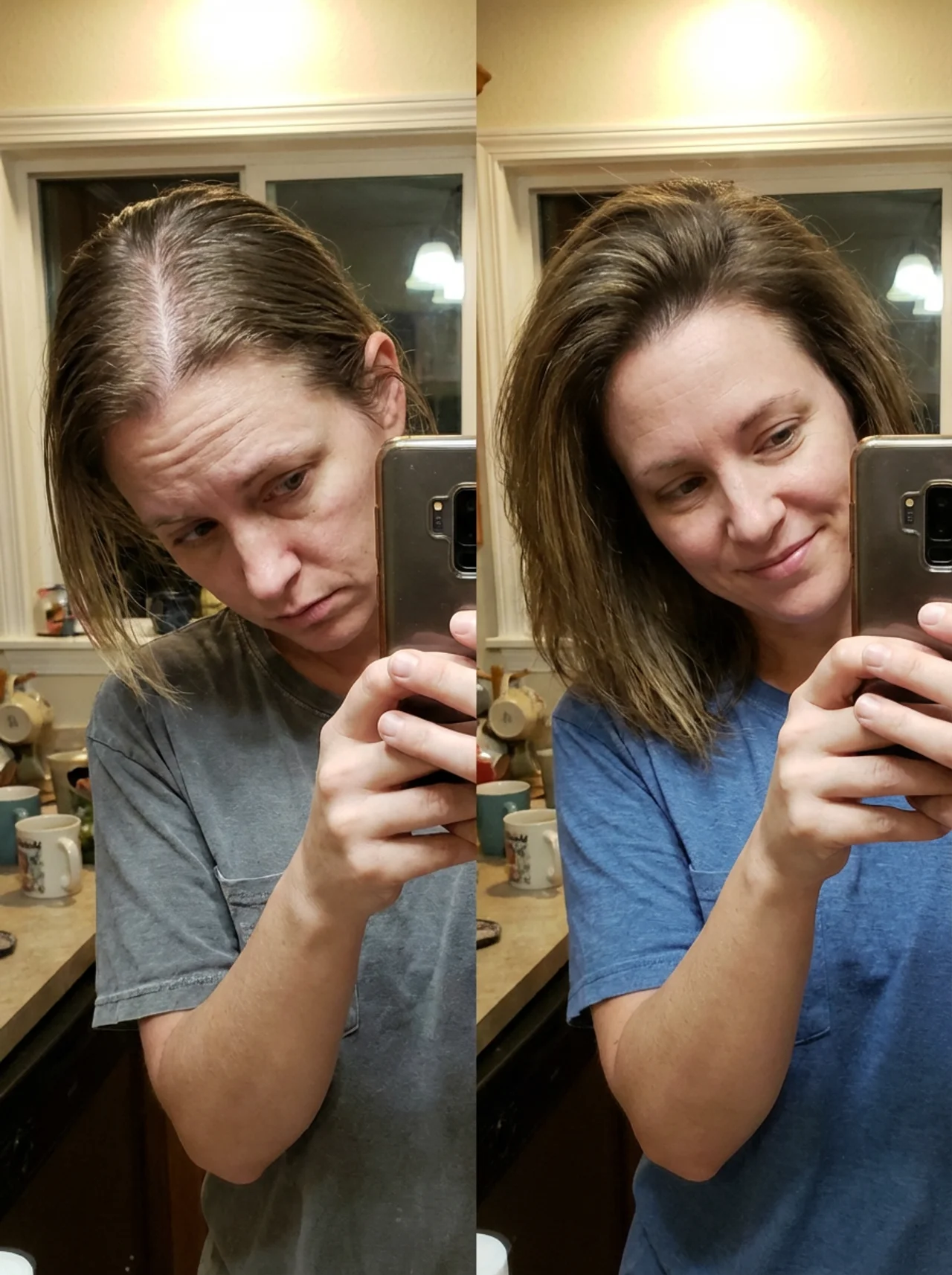
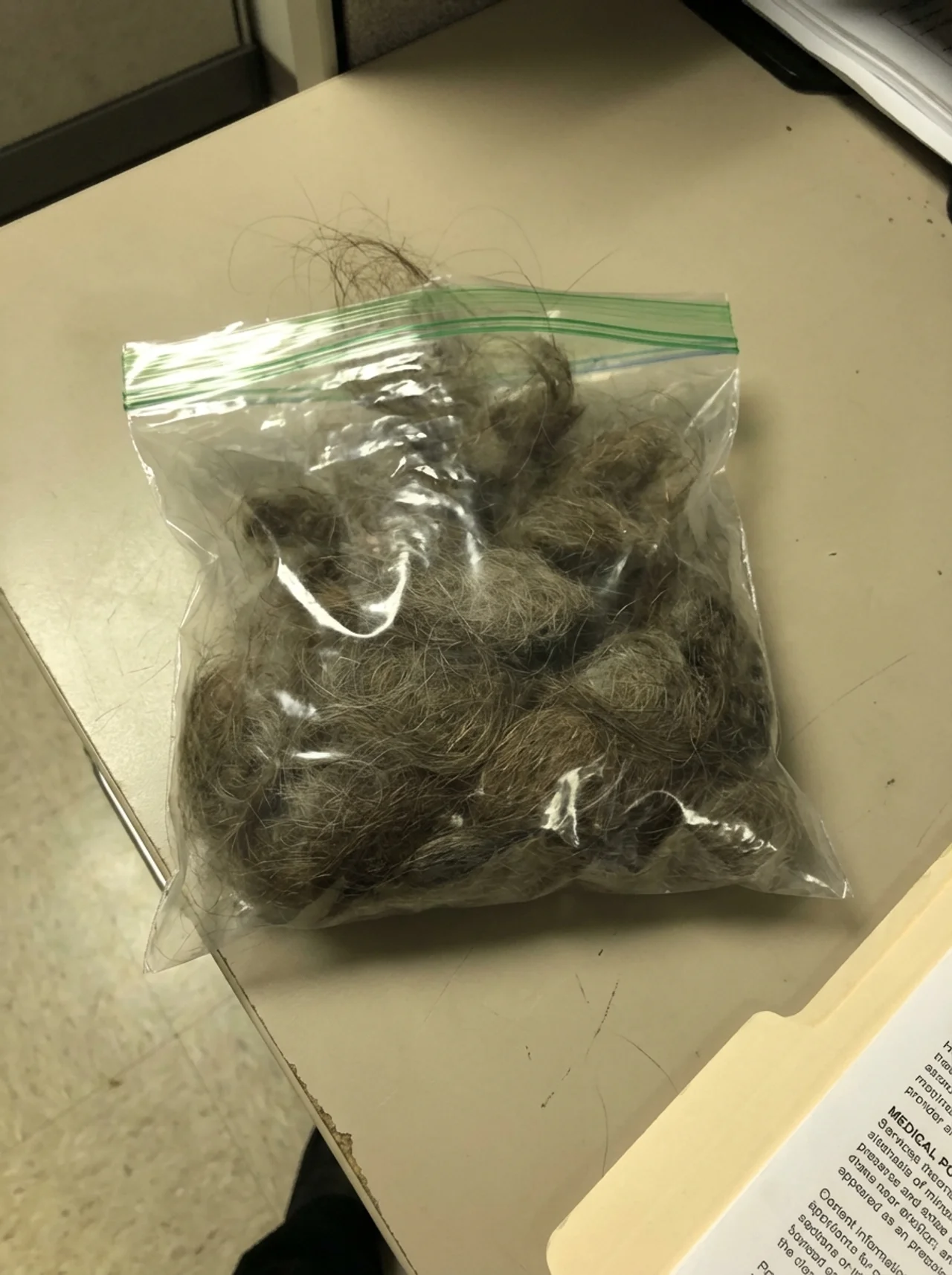
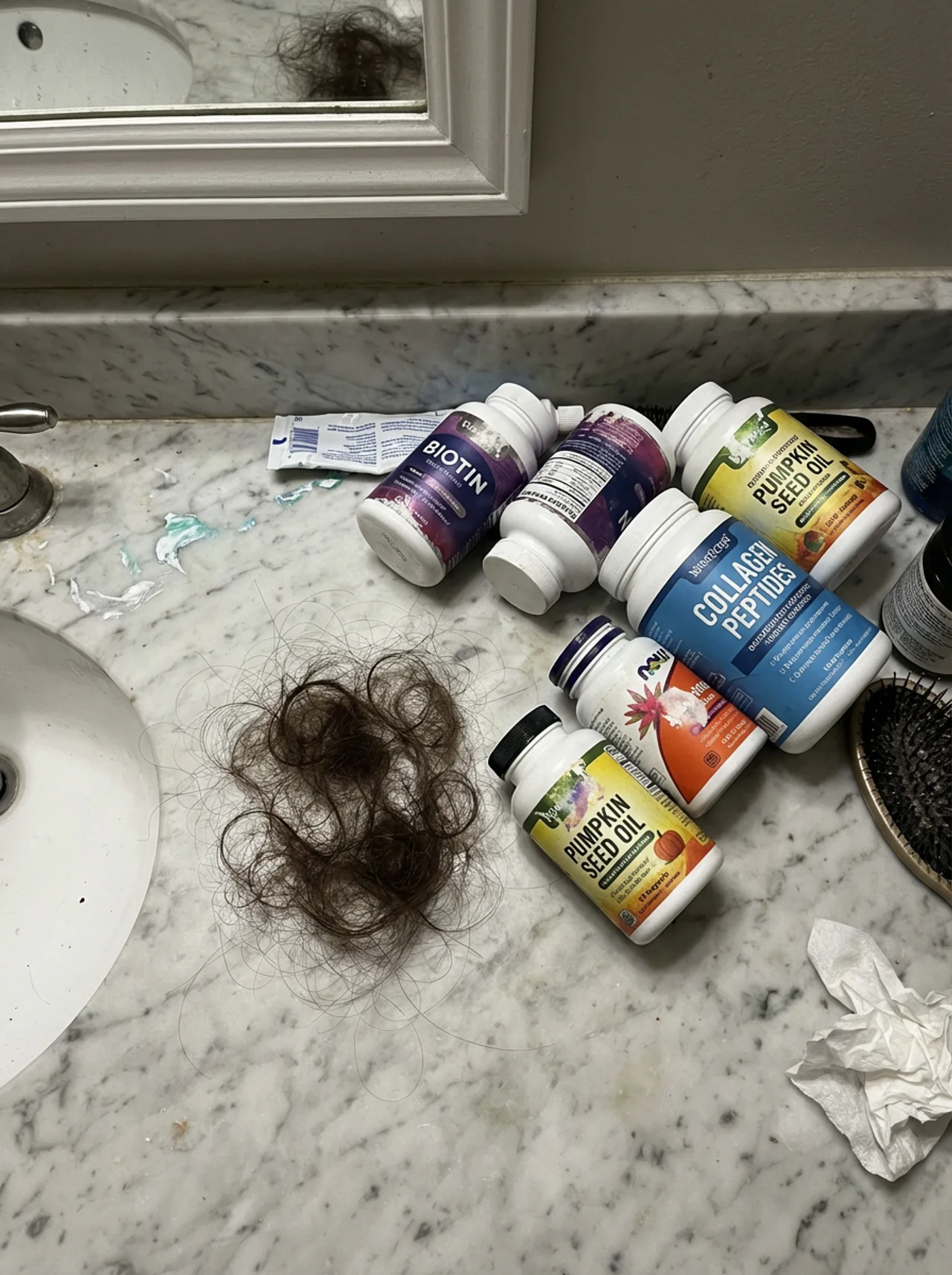
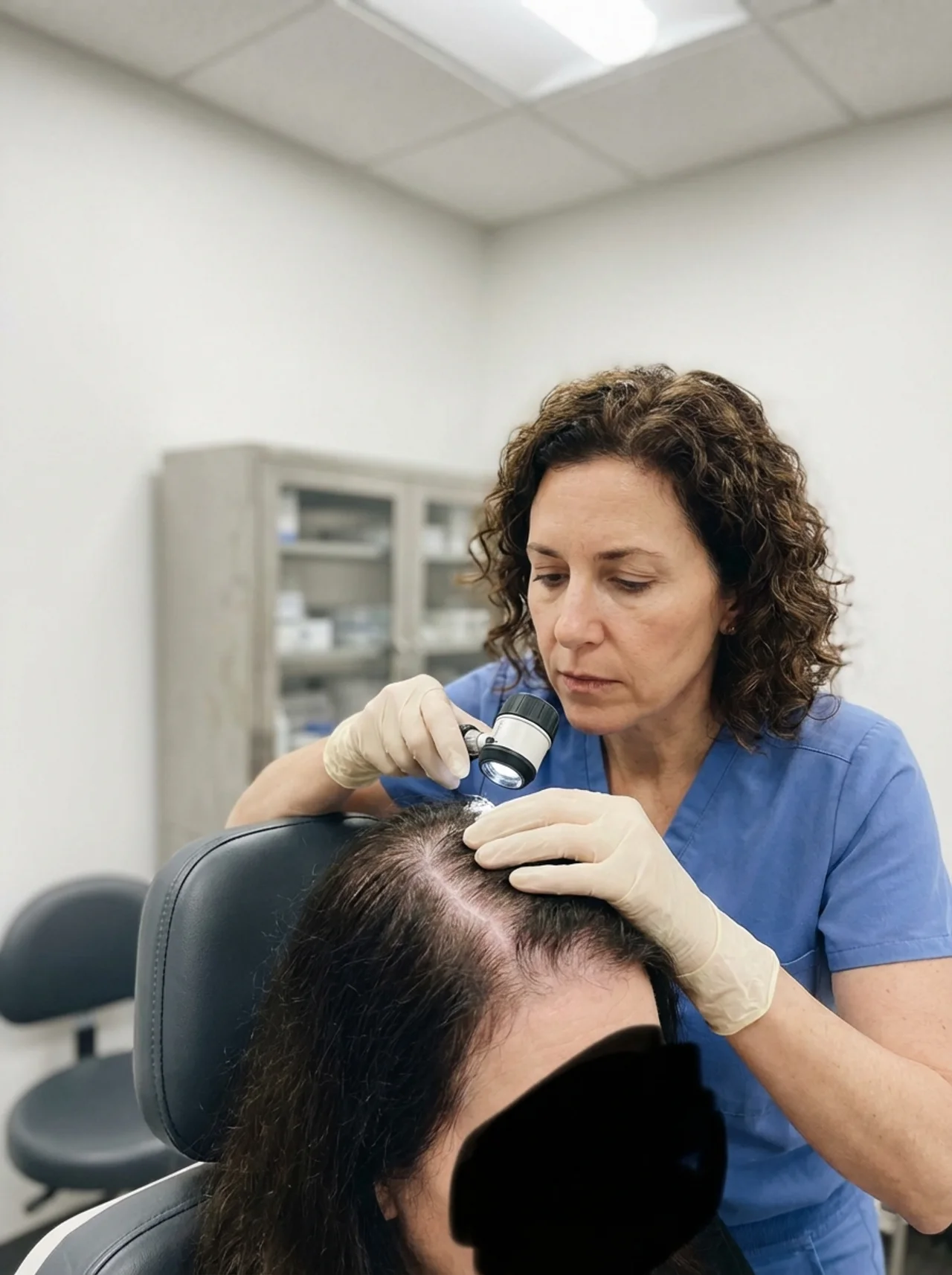
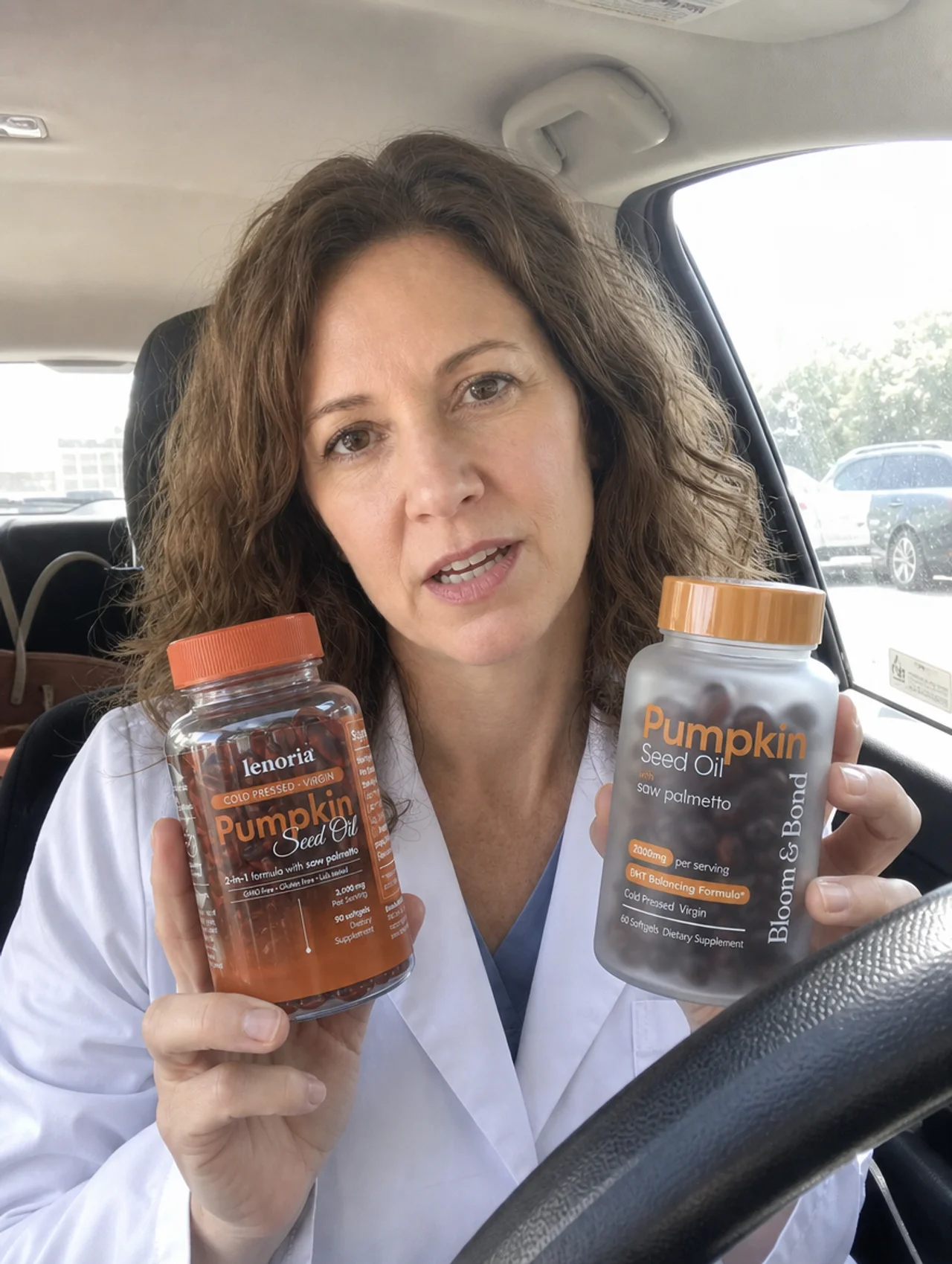
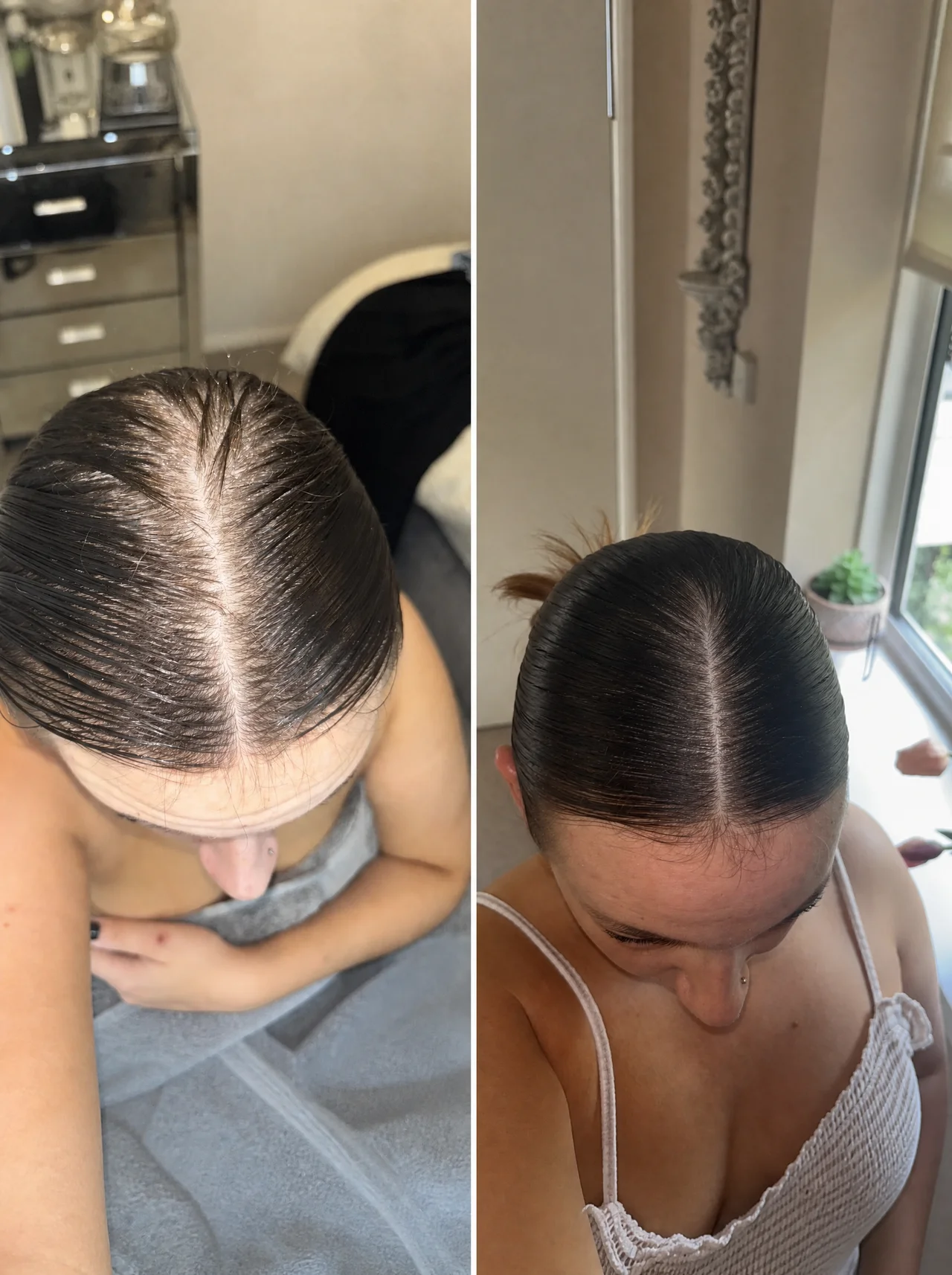
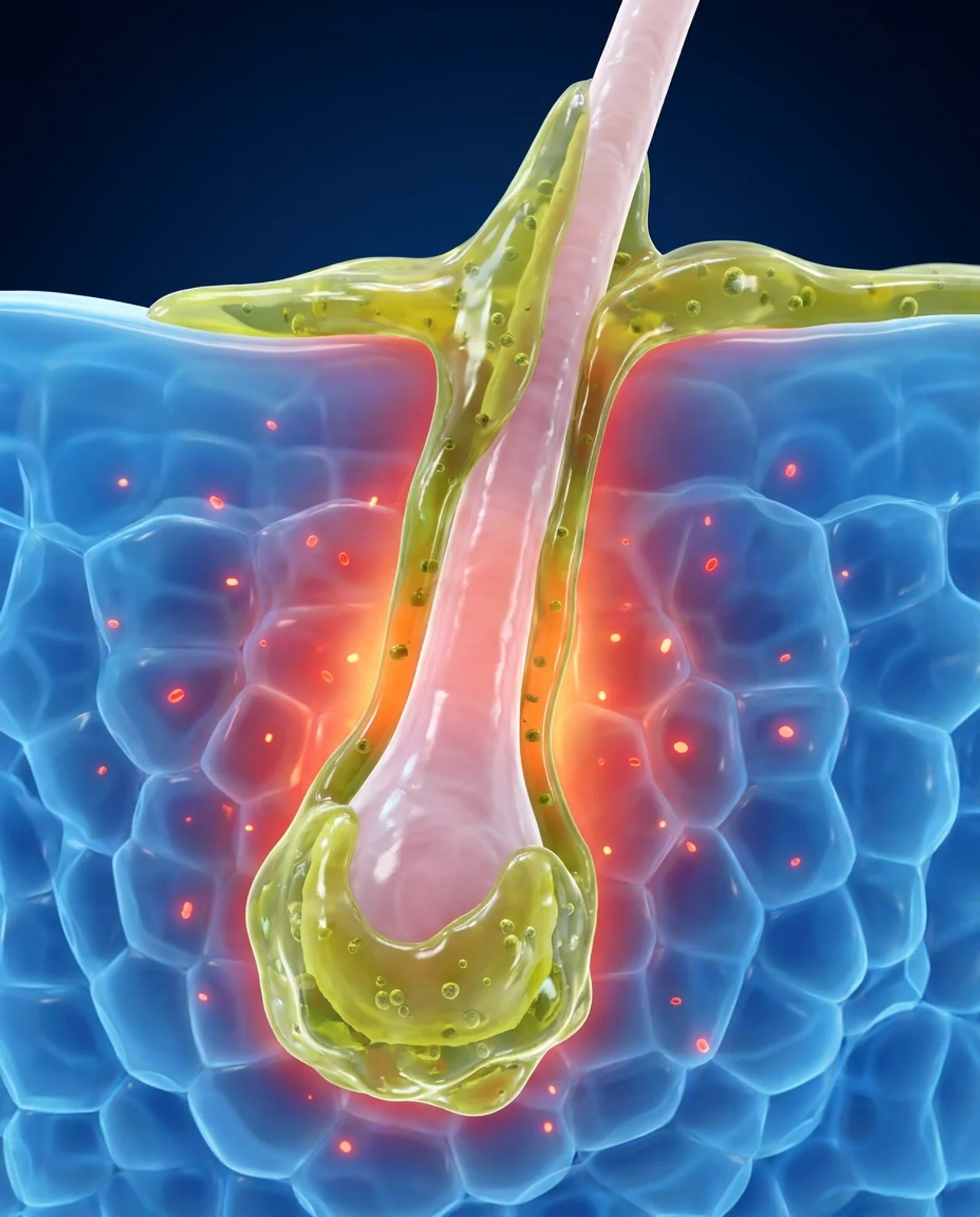
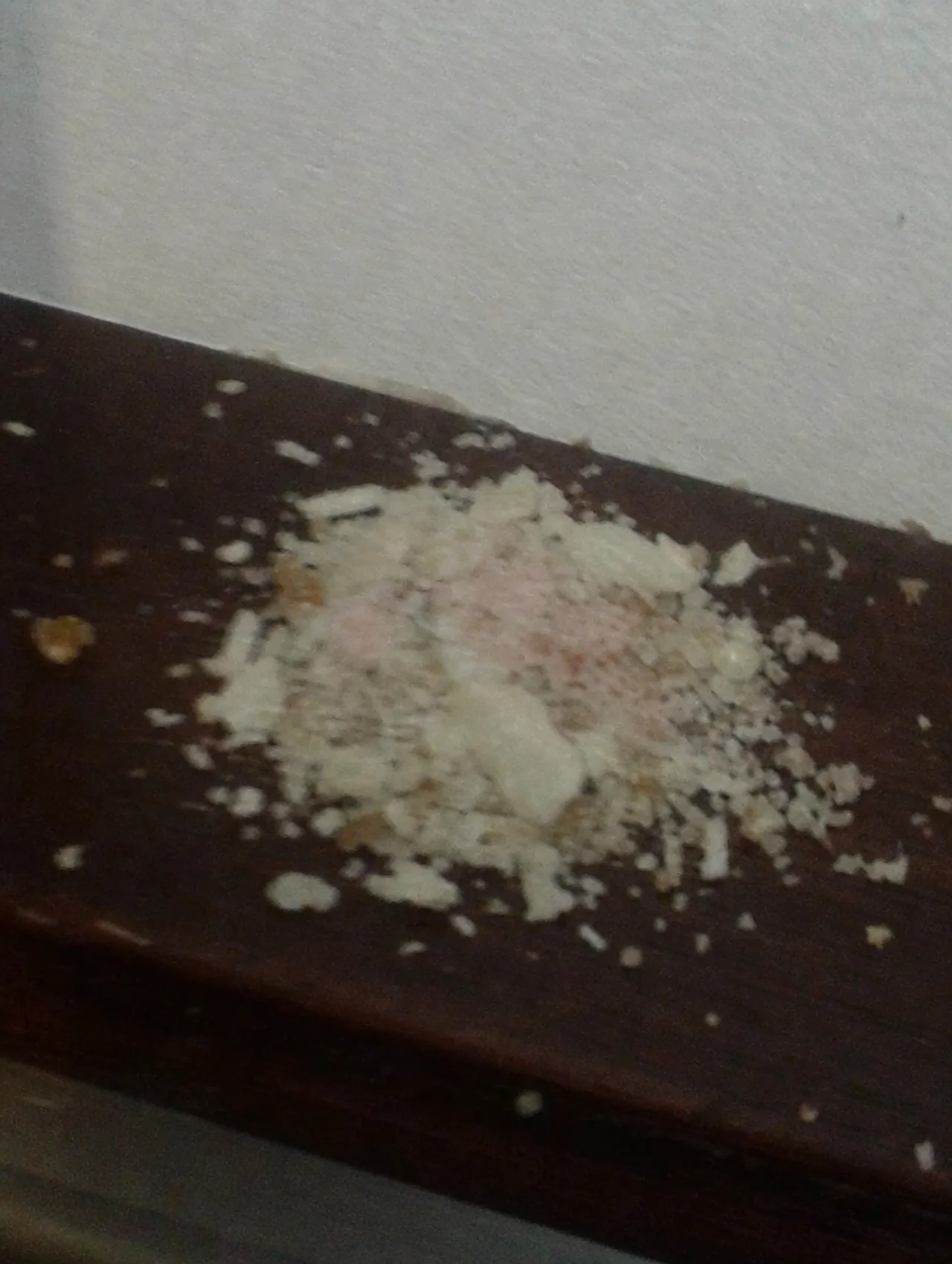
I woke myself up scratching my own scalp at two in the morning, and I am the dermatologist women come to about their scalps. 17 years of it. Women's hair and scalp is the only thing I treat. I lay there in the dark with my fingers still in my hair and I could not tell you what was wrong with my own head. It had been going on about two years by then. It started small. My scalp got greasy faster than it used to. I would wash in the morning and by dinner my roots were flat and slick, like I had not washed at all. Then the itch came with it, and it was not a normal itch It was the kind where you are clawing at it by the end of the day and you can feel where you have made it sore. Dirty, clean, in the shower, dry, wet. It itched anyway. Some evenings it burned. And it was tender, actually tender, so that when I moved my part over I could feel it. There was one more thing, and it is the thing I could never explain to anybody, including myself. I would wash my hair properly, and a few hours later I could run my fingertips along my part and feel a film still sitting there. Not dirty. Not clean. Coated. I want to say something here, because I know how this sounds. I am not a woman who does not wash her hair. I washed it more in those two years than in the twenty before them. Bigger bottles. Longer in the shower. And by the second day it was coated again anyway. That is the part I could not say out loud to my own colleagues, and I am supposed to be the expert in the room. I started planning around it. I would not book anything for a day I had not washed. I checked my collar for flakes before walking into a room. In photographs I moved so the light was not directly above me. So I did exactly what I had been telling women to do I switched shampoos. Then switched again. I bought the clarifying one that strips everything. I bought the scalp scrub with the little grains in it and went at my own head until my fingers ached. Then the medicated one. The dark bottle that smells like a hospital, the one I had written on a pad more times than I could count. That one worked. For about two weeks. Then it quit on me. So I bought a different medicated one. Two weeks. Same ending. I washed more. Then I washed less. Then I washed more again. I bought the tea tree. I bought the rosemary oil, and all it did was make a greasy scalp greasier. Add it up and there were a few hundred dollars of half empty bottles under the sink of a dermatologist. Then I looked it up the way anybody else would. And the advice I kept finding, from women who had been at this far longer than I had, was this. Buy two or three different shampoos and rotate them, so the fungus does not get used to any one of them. I read that and something went cold in me. Nobody rotates something that works. That is not a treatment. That is a schedule for staying disappointed. And I had been handing it out one bottle at a time for seventeen years. The thing I had to sit with. There is a pattern in my work that I had always explained the easy way. A woman comes in with an itching, flaking, tender scalp. I write her the medicated shampoo. I tell her to give it time. She books a follow up. And then a lot of them never come back. I had always told myself they got better, or they gave up, or they were not using it properly. That is the story you tell yourself, and it is a comfortable one. Sitting in my own bathroom with my own shelf of failures, I understood what had actually happened to those women. It had worked for two weeks for them as well. Then it quit on them as well. And they did not come back because I had nothing else to offer, and they could tell. I had not been treating this. I had been sending women back into the same aisle I was now standing in myself. That was the night I decided to go and find out what was actually going on. Not as a patient. As the person whose job this is. I went further into the research than I had gone in years. Here is the whole thing, in the plainest way I know. There are germs living on your scalp right now. On mine too. On everybody's. That is normal, and it is supposed to be there. It has nothing whatsoever to do with being clean or dirty. They sit there quietly for most of your life. Mine sat there quietly until I was about fifty three. Then your hormones shift, and your scalp starts making more oil than it used to. That oil is food to them. So they multiply. And once enough of them are crowded into one spot, they do something clever. They build a film over themselves to hide under. Not on your hair. Down inside the follicle, which is just the little hole your hair grows out of. And you already know exactly what this film is, because you have one in your mouth right now. It is the same thing that grows on your teeth between brushings. The reason your dentist has to scrape it off with a metal tool. Rinsing does nothing to it, because water just runs over the top. That is what is on your scalp. That is the coating I could feel with my fingertips a few hours after washing my hair. It was not dirt I had failed to wash off. It was a roof. And every bottle under my sink finally made sense Think about what a shampoo actually is. It sits on top of your scalp for about sixty seconds, and then it goes down the drain. The film is underneath it. Sealed in, and built to keep things out. So the shampoo cleans the top, which is real, and it does feel good, and it lasts a few days. Then the film builds back up underneath, and you are exactly where you started. That is why the medicated one worked for two weeks and then quit. It was not a bad batch. It was not my scalp getting used to it. It was tidying the top while the real thing built back underneath. Everything I owned worked on the top. The problem was underneath. I had not been unlucky, and I had not been careless. I had been aiming one layer too high for two years, and so had every bottle I bought and every prescription I wrote. Then I noticed something on my own head that I had been refusing to look at. I cleaned out the shower drain one morning and stood there holding it. And I told myself the exact thing I hear from women every week. That I am in my fifties. That this is simply what happens. That it is a completely separate subject from my scalp. Two problems, on two different shelves. One I was ashamed of, and one I had filed under age. So I went back to the research with that specific question, and I found the part I had missed the first time. Those germs, sitting under that film, keep the skin around them irritated. That is your itch. That is the burning. That is the soreness when you move your part. But look at where the follicle is. It is sitting right in the middle of it. And a follicle sitting in constant irritation does two things. It lets go of the hair it is holding earlier than it should. That is what is in the drain, and in the brush, and on the pillow. Then it grows the next one back a little thinner than the last. And the one after that thinner still. So it was never my scalp itching, and separately my hair thinning because I was getting older. It was one colony doing two jobs. Irritating the skin I could feel, and quietly starving the hair I was watching disappear. The itch is not the harmless part of this. The itch is the signal. It is what tells you the follicle is sitting in the middle of it. I have spent 17 years treating the itch and calling the hair a separate conversation. Look back at everything I tried. ❌ A different shampoo does not reach it. ❌ Washing more, or washing less, does not reach it. ❌ The scrub does not reach it. It scrapes the top of something that lives below the top. ❌ Rosemary oil and scalp serums do not reach it. They sit on the surface, and the colony is under it. ❌ Biotin does not reach it. Biotin is a building block for hair, and you cannot build a good hair out of a follicle sitting in the middle of all that. It is like delivering bricks to a house that is on fire. ❌ Minoxidil does not reach it either. It widens the blood vessels near the follicle. It does nothing to the film and nothing to the irritation. None of these are scams, and I want to be clear about that, because I prescribed several of them myself. They are all just aimed at a layer the problem does not live on. So the real question was never which shampoo The question is how you reach something sealed inside a follicle, where nothing on the surface can go. You reach it from the inside. Through your blood. Your blood is the only thing in your body that arrives from underneath. And there is something about that route that mattered to me more than I expected. Nothing goes on your scalp. No patch test behind the ear. No gamble on the one part of your body you cannot hide. By then I was treating my own scalp like lava. I understand exactly why my patients do it. There is one more piece, and it is the one that changed how I think about all of this. Everything I had been doing was trying to take the film off. Removal is why the relief kept running out. You clear the top, it builds back, and you are on the two week cycle again. What actually helps is making it harder for them to build it in the first place. If the film does not go back up, the relief does not run out. What I take now. It is called Bloom & Bond. Two ingredients in a softgel you swallow. Nothing goes on your head. Neither one is new. Both of them have been around a great deal longer than I have, and I came to them through the research rather than the shelf. The first is saw palmetto. It is a short, scrubby palm that grows along the coast of Florida, close enough to the water that you can smell the sea from it. It has been growing there for thousands of years. The Seminole people used its berries as a medicine long before anybody called that place Florida. When American pharmacies first started writing down which plants were worth keeping in stock, saw palmetto made the list, and it stayed on it for decades. For most of that time nobody could tell you why it helped. Then researchers looked at the fatty acids inside the berry, and found something nobody was expecting. Those fatty acids get in the way of the germs building their film. They do not poison anything. They interfere with the construction. The building crew simply cannot get the roof up. That is the reason I take it. Not to scrub the film off. To stop it going back up. The second is pumpkin seed oil, and it comes from one particular place. There is a region in southern Austria called Styria where they have been pressing oil out of pumpkin seeds for roughly three hundred years. Their pumpkins grow a seed with no shell on it, which happened by accident a long time ago and turned out to be worth a fortune. The oil they press from it is so dark green it looks black in the bottle. For a long stretch of its history it was not a food at all. It was kept behind the counter at the apothecary and sold by the spoonful, as a medicine. What it does here is simpler than it sounds. It works on the reason your scalp started making so much more oil than it used to in the first place. Less of that, and there is less on the table for the colony to eat. So one of them takes the food away. The other stops the roof going up. That is why they belong together, and why neither one on its own was ever going to be enough. How it went, honestly… Two softgels in the morning. The first two weeks, nothing dramatic. I want to say that plainly, because I nearly stopped. Somewhere in the third and fourth week, I noticed I was not clawing at my head in the evenings. It was not that the itch stopped on a particular day. It was that at some point I realised I had not thought about it. The coated feeling let go around then too. I would wash my hair, run my fingers along my part a few hours later, and there was simply nothing there. Around the second month, the drain. I realised one morning I had not needed to clean it out in over a week. Around month three there were little hairs along my part. Wispy things, impossible to smooth down, and the best thing I had seen on my own head in two years. By months five and six that growth had something to show for itself, in the same bathroom light I had been checking myself in the whole time. Not everybody moves at the same pace. Some are quicker, some slower. But the order tends to hold. Comfort first. Then less shedding. Then the new growth. I do not wake up at two in the morning anymore I do not check my collar before I walk into a room. I book things on the wrong day now and it does not cross my mind. And the coating, the thing I could not describe to a single colleague without sounding like a woman who does not wash her own hair, is simply gone. My scalp went quiet. That is the only way I have ever been able to put it. For two years I thought I had two choices. Be on a dandruff shampoo for the rest of my life, or accept that this is what my scalp is now and get on with it. Both were wrong. And I had been offering those same two choices to women in my chair since the day I qualified. If any of this sounded like your scalp Picture a year from now with nothing changed. Still in the same aisle, reading the back of a bottle you have already tried a version of. Still on the two week cycle. Still rotating them so the fungus does not get used to them. Still checking which day you washed before you say yes to anything. Still feeling that film under your fingertips a few hours after a shower, and quietly wondering what is wrong with you. Nothing is wrong with you. You have been aiming at the top of something that lives underneath, and so has every bottle you were ever sold. You do not need another shampoo. I wrote the whole thing up. What the film is, why the bottles quit, and what finally worked on mine. 👉 https://trybloomandbond.com/pages/the-slimy-gunk Dr. Patricia Sullivan P.S. They give you ninety days, and if nothing changes you get your money back. I have written thousands of prescriptions in seventeen years and not one of them came with a refund if it did not work. That detail is worth sitting with for a second. P.P.S. If you take one thing from all of this, take the rotation. Nobody rotates something that works. I read that advice as a dermatologist, and it took me another week to admit what it meant.
Like this ad? Make it yours.
Crush rebuilds this exact creative around your product — your brand, your colors, your offer — in about a minute.