
Inactive· since May 26, 2026
- 47
- days it ran
- 4
- relaunches
- 5,595
- EU reach
Ad copy
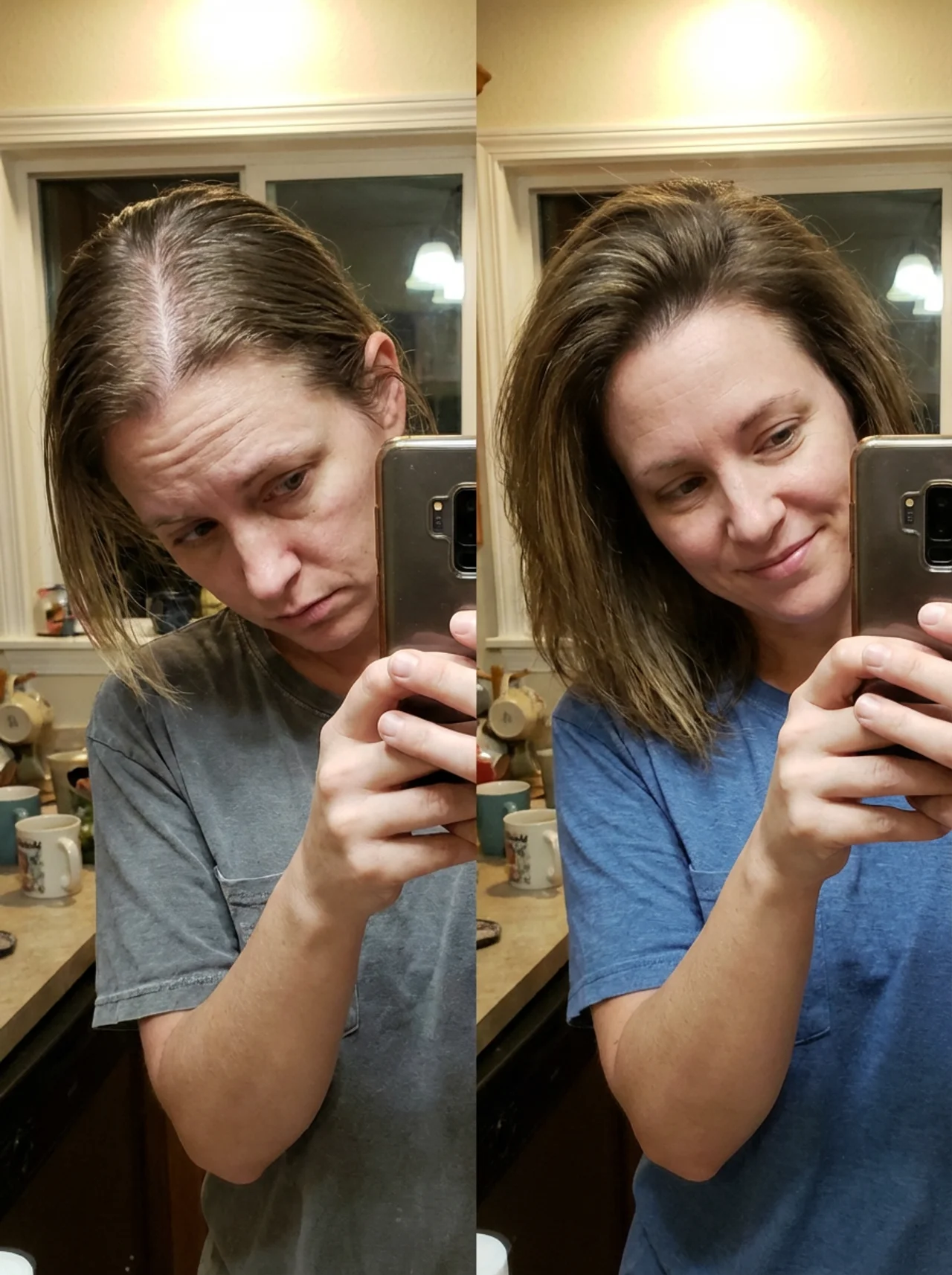
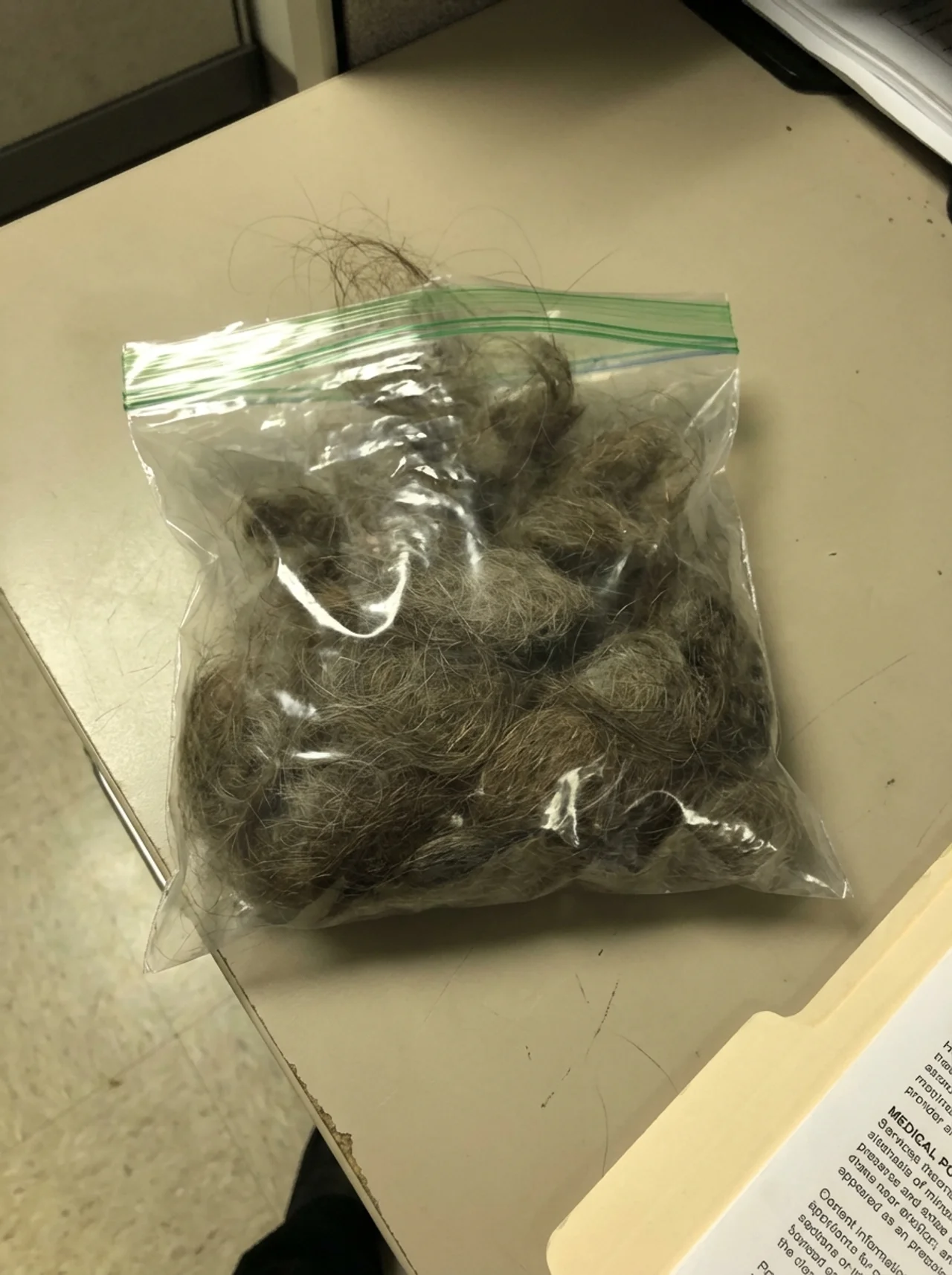
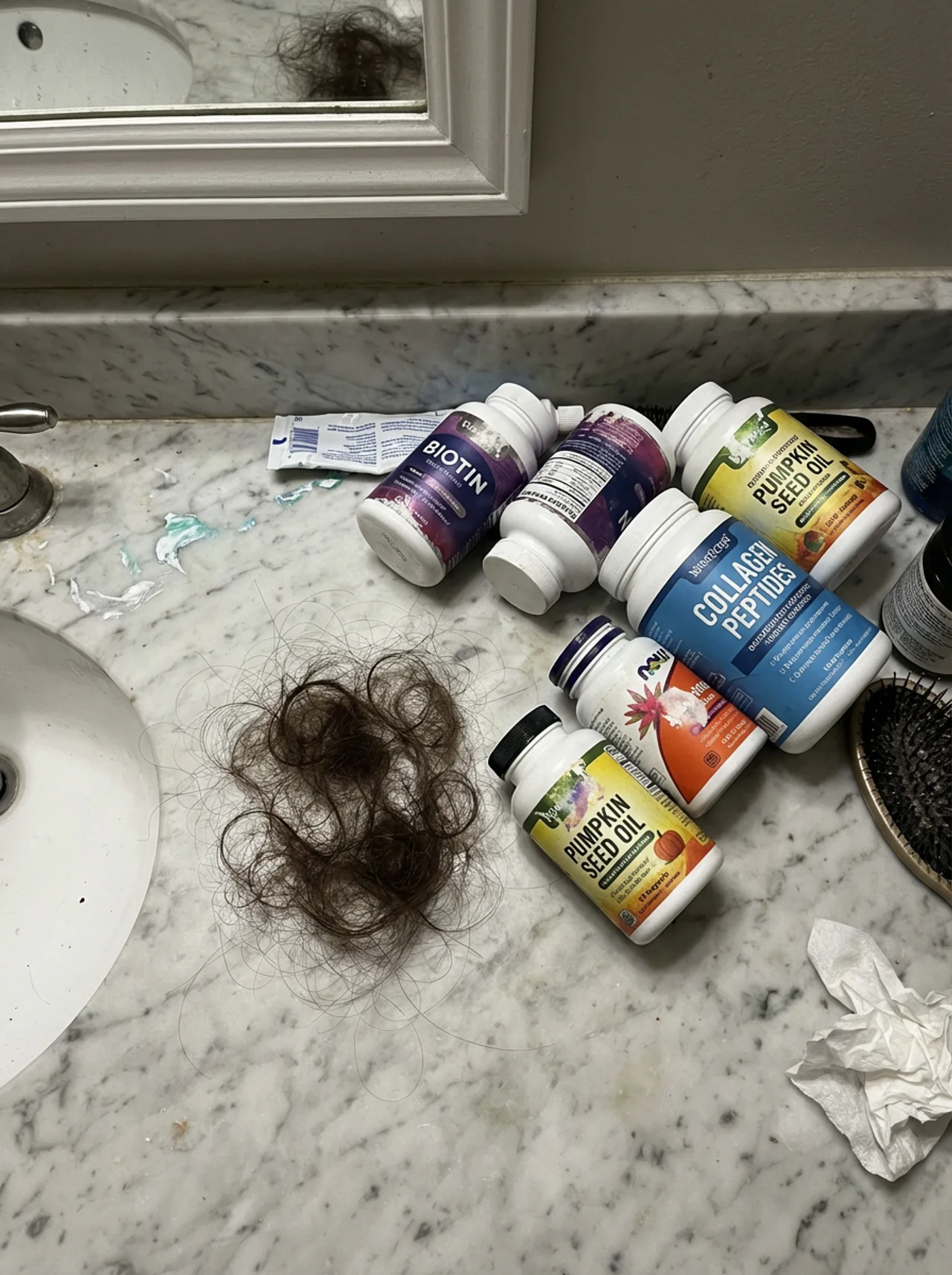
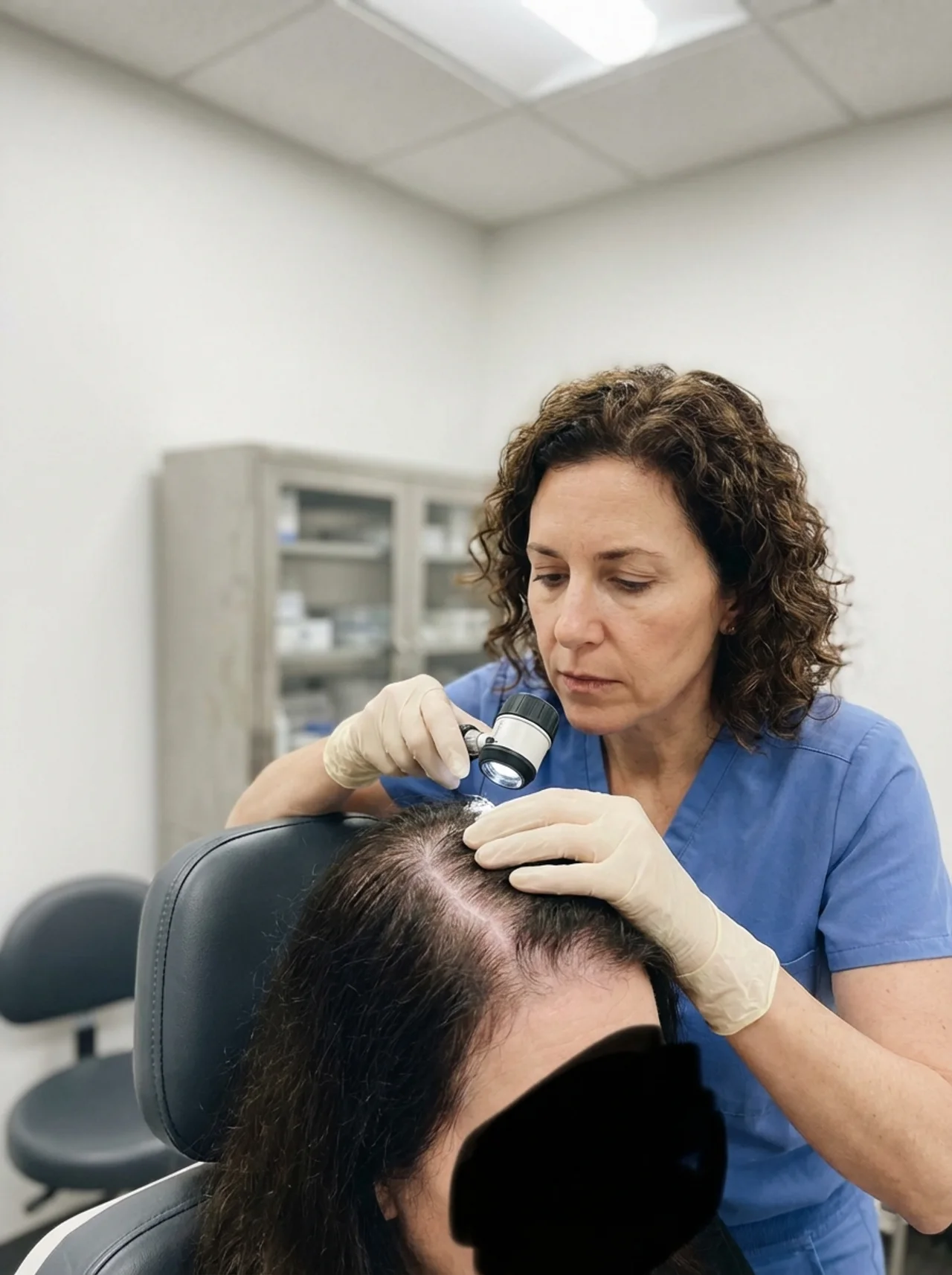
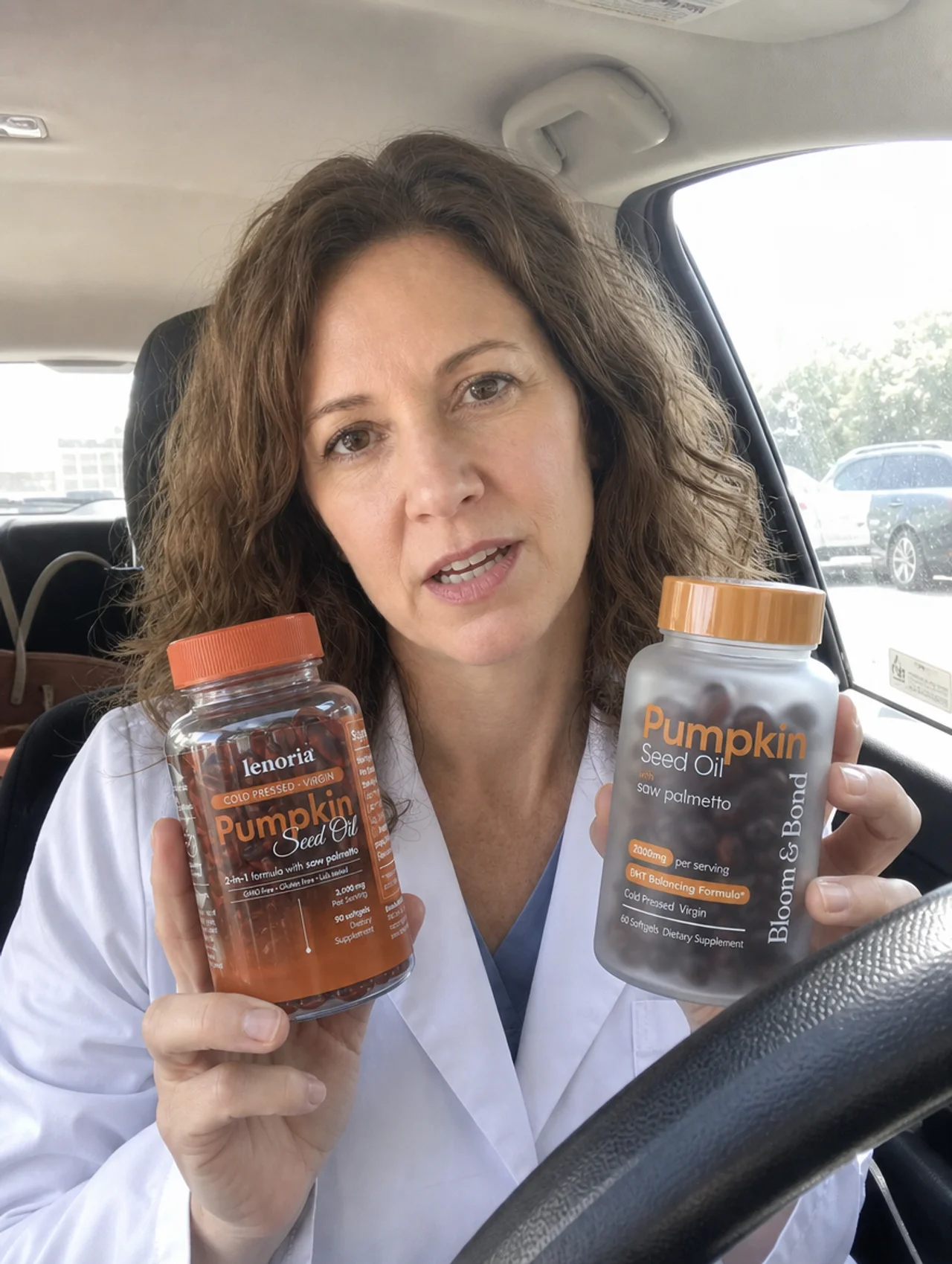
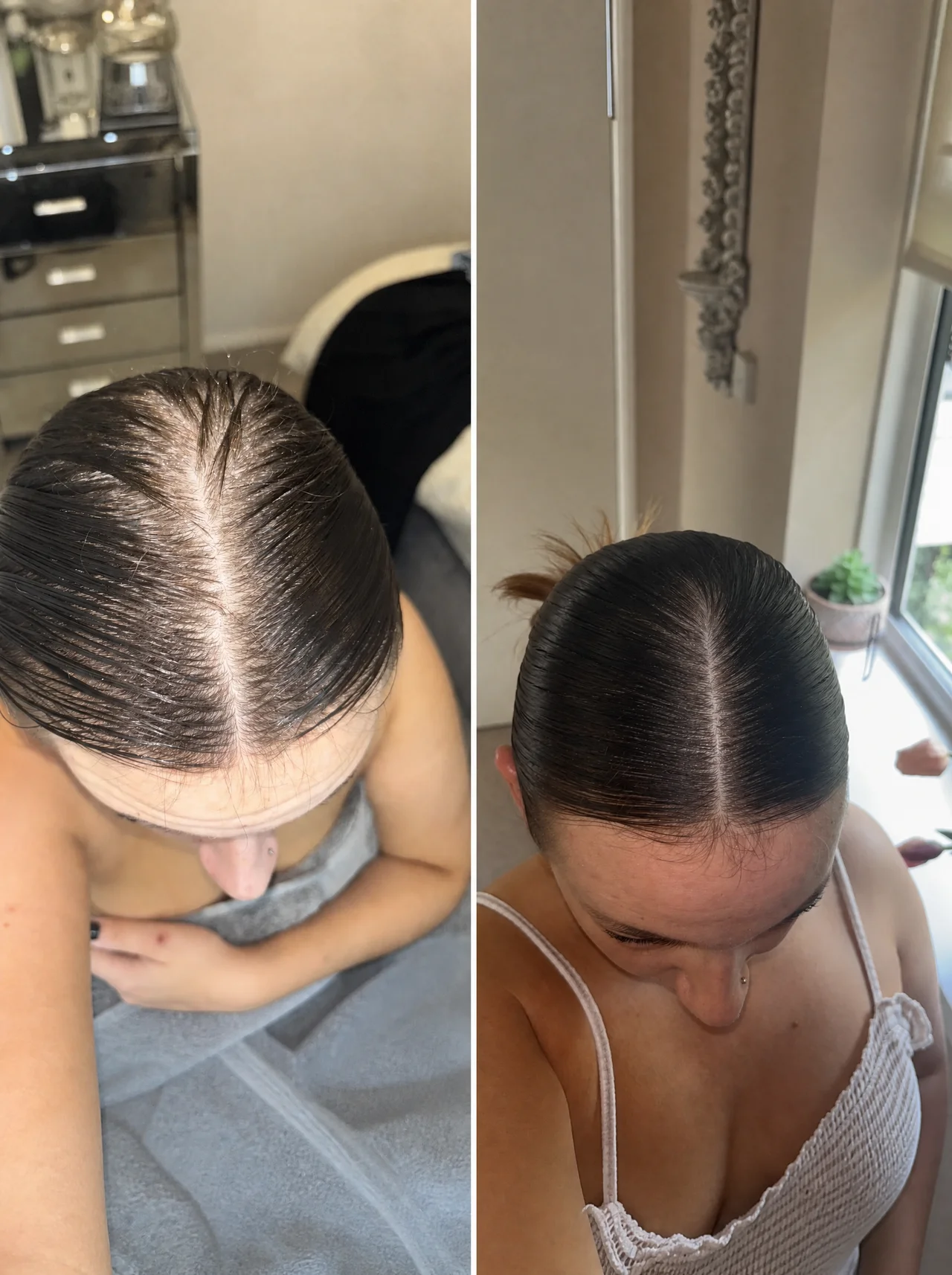
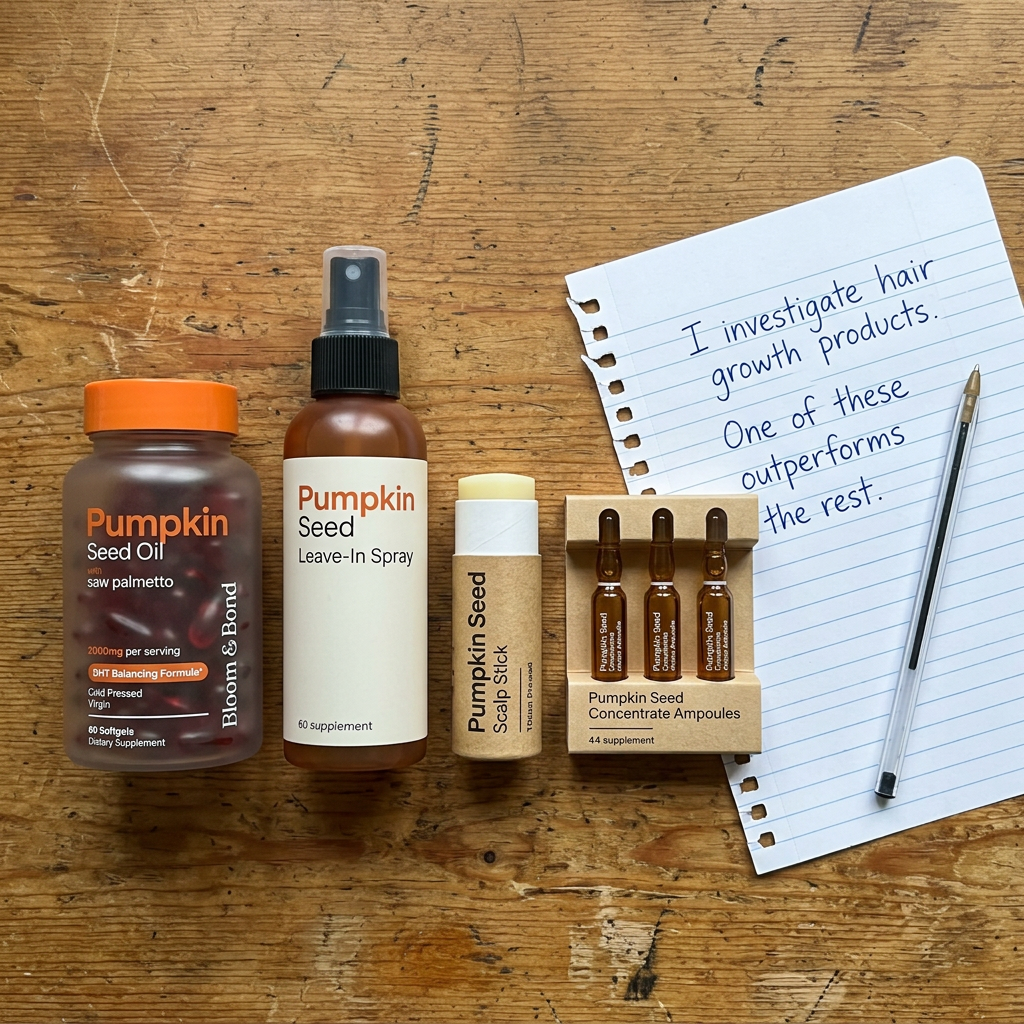
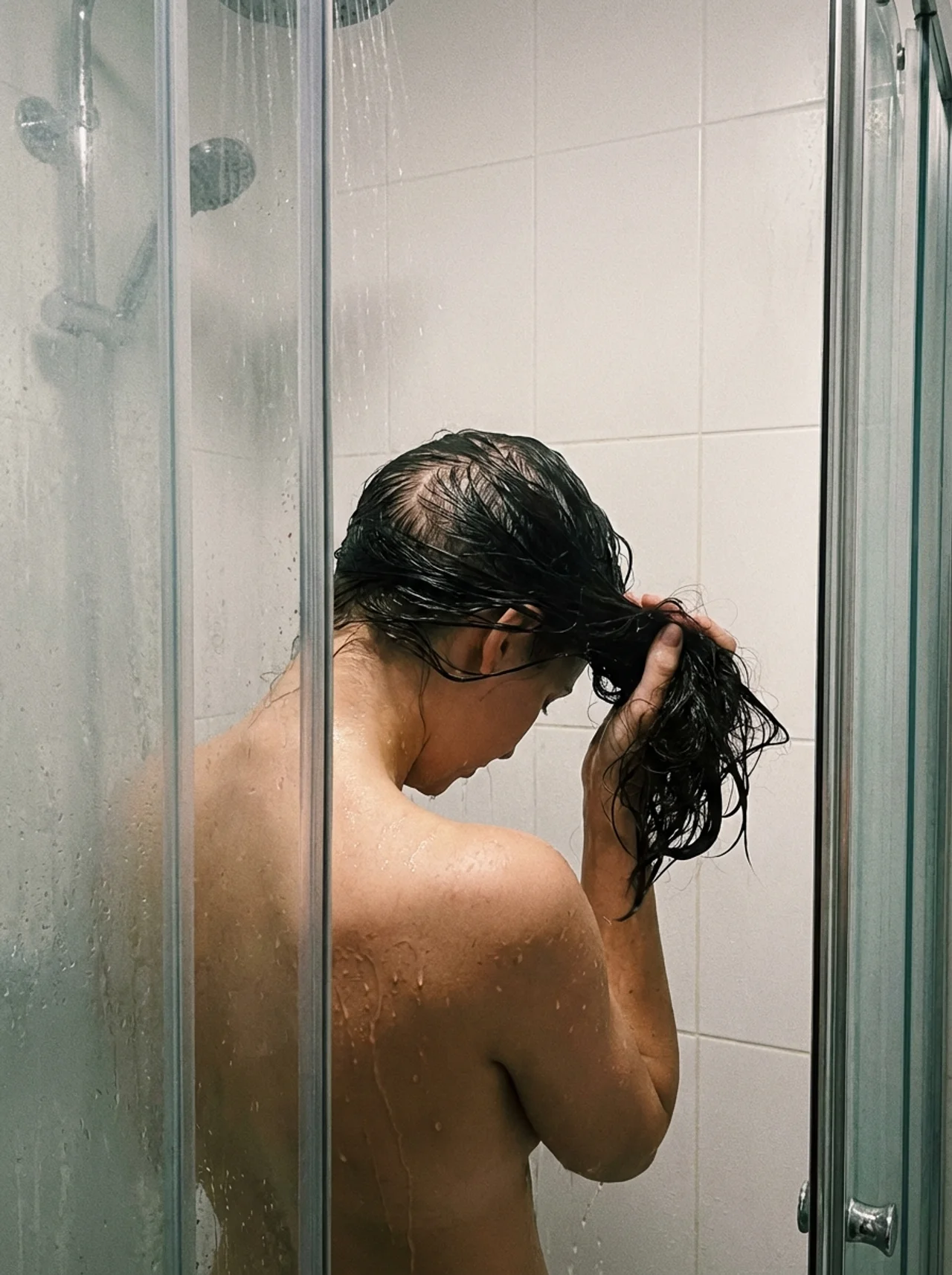
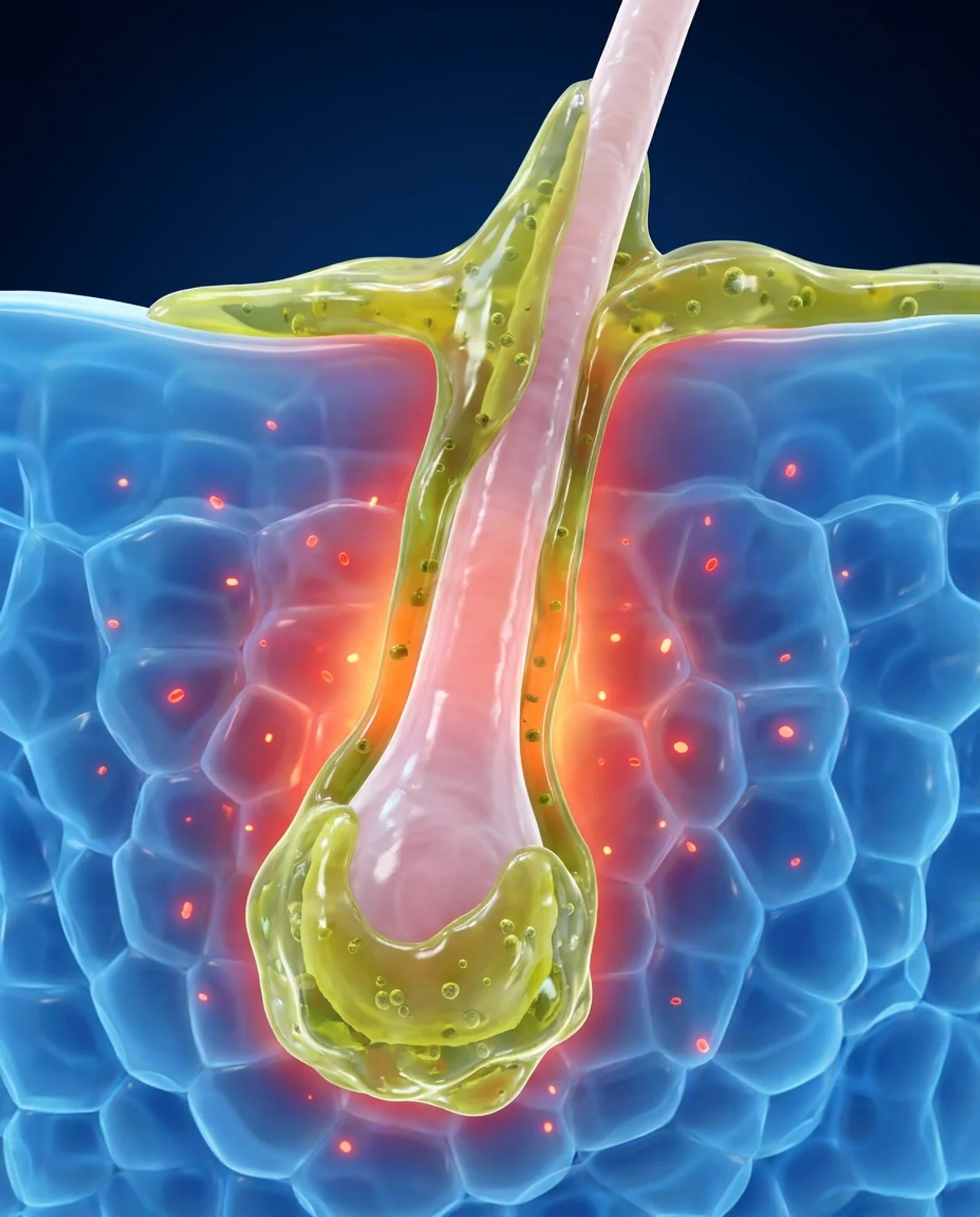
You catch yourself scratching your scalp again, and you're not even sure when it started. At first it's just an itch. Then a burning. Then a soreness when you part your hair a different way. The women who wait the longest are the ones who end up in my office asking if they should just start wearing a wig. My name is Dr. Patricia Sullivan. I've been a dermatologist for 17 years, and I specialize in hormonal hair loss in women. For most of that time, I treated the itchy scalp and the thinning hair as two separate problems. I was wrong. A few years ago, the research finally caught up and explained what I had been looking at the whole time. It has a name. It's called a biofilm. And once you understand what it is, you understand why nothing you've tried has worked. Let me tell you how I got there. For years, when a woman sat down in my chair with an itchy, irritated scalp, I treated the scalp. A medicated shampoo. Something to calm things down. And when she came back later, worried about her part getting wider, I treated that as its own separate conversation. Hormones. Age. The things we always say. Two separate problems. Two separate appointments. And it genuinely did not occur to me to connect them. It took an embarrassingly long time to notice that it was almost always the same women. The itchy scalp and the thinning hair were not showing up separately. They were showing up together, in the same order, over and over. The scalp first. The hair a little later. They were never two problems. They were one problem, and I had been looking at it from two different angles. A patient I'll call Diane is the one who made it impossible to ignore. Diane was 49. She came to me about her hair The part down the middle had been slowly widening, and she had stopped wearing it up because she didn't like the photos taken from behind. But when I asked about her scalp, the real story came out. It had been itching for over a year. Burning some evenings. Tender along the part, to the point where brushing her hair had started to genuinely hurt. She had assumed it was dandruff. And she had done every single thing we are all told to do. She switched shampoos. Then switched again. She bought the medicated one, the one in the dark bottle that smells like a hospital. It worked for about two weeks. Then it stopped. So she tried another. That one worked for a little while too. Then it stopped. She tried washing less. Then washing more. She bought biotin, the big bottle, ten thousand micrograms, the reviews full of glowing before-and-after photos. She was patient. She waited. And her scalp kept burning. And her part kept getting wider. The dermatologist she saw before me gave her about eight minutes. She was told it looked like mild dandruff, plus a little age-related thinning. Two things. Unrelated. Keep using the medicated shampoo and give it time. "Did I do something wrong?" she asked me. She hadn't. She had done everything she was told to do. The advice she got was not exactly wrong. It was just aimed at the wrong place. Every single thing Diane had tried was designed to work on the surface of her scalp. And the problem was never on the surface. So let me tell you what is actually happening up there. Because once you see it, you cannot unsee it, and every shampoo that failed her finally makes sense. You have bacteria and fungi living on your scalp right now. Everyone does. On a healthy scalp they sit there quietly and cause no trouble at all. But something can change them. And in women in their forties and fifties, that something is almost always hormonal. As you move through your forties, your estrogen begins to fluctuate and then decline. As it does, the balance shifts, and a hormone called DHT becomes more active on your scalp. One of the things DHT does is push your scalp to produce more oil. It also changes what that oil is made of. And that oil is food. The bacteria and fungi that were sitting there quietly suddenly have a buffet in front of them. They multiply. And once enough of them are crowded into a single follicle, they do something that, I'll be honest, I find a little chilling. They build a shield. The microbes secrete a sticky, slimy layer around themselves and glue it to the inside of the follicle. Scientists call it a biofilm. And you already know exactly what one looks like, even if you have never heard the word. It is plaque. The same plaque your dentist has to scrape off your teeth. The stuff that brushing and mouthwash slide straight off, the stuff that has to be physically scraped away. That is a biofilm. A community of microbes hiding underneath a shield they built themselves. The same kind of structure is forming inside your hair follicles. This is not a comparison. It is the same biology. And here is why it matters for you specifically. Inside that shield, the microbes are protected. From your immune system. From your shampoo. From everything. And from inside it, they constantly pump out inflammatory chemicals. That inflammation is what you have been feeling this entire time. The itch. The burning. The soreness when you part your hair. That is not dryness. That is not a shampoo you simply haven't found yet. That is your scalp inflamed around follicles that are under siege. And that same inflammation does one more thing. It signals the follicle to cut its growth phase short. To stop growing the hair and shed it early. And the hair that grows back next comes in a little thinner. Then the next one thinner still. So the itch and the shedding were never two problems. They are one colony, doing two things at once. Irritating the surface that you can feel, and starving the follicle that you cannot. f this sounds like a fringe theory, I understand. It is not. Bacterial biofilms have been documented inside human hair follicles in peer-reviewed research. And one long-term clinical study found that nearly 90% of women with ongoing hair shedding were carriers of a particular scalp fungus, compared with fewer than 10% of women who were not shedding. The connection is not subtle. It simply has not reached most exam rooms yet. Now look back at everything Diane tried. Everything you have probably tried. A medicated shampoo is not a bad idea in theory. The problem is purely physical. A shampoo sits on the surface of your scalp for sixty seconds and then rinses down the drain. The biofilm is deeper than that, sealed inside the follicle, behind a shield built specifically to keep things out. The active ingredient cannot get to it. That is why a medicated shampoo works for two weeks and then seems to quit. It was never reaching the colony. It was tidying the surface while the real thing rebuilt underneath. ❌ A different shampoo will not reach it. ❌ Washing more, or washing less, will not reach it. ❌ Biotin will not reach it. ❌ Rosemary oil and scalp serums will not reach it. ❌ Minoxidil will not reach it. Biotin is a building block for hair, but you cannot build a healthy hair out of a follicle that is inflamed and under attack. It is like delivering bricks to a house that is on fire. Rosemary oil and serums sit on top of the scalp. The colony lives below them. And minoxidil simply pushes a little more blood toward the follicle. It does nothing to the biofilm, nothing to the inflammation, nothing to the hormones underneath, which is why for so many women it slowly stops doing anything at all. None of these are scams. They are just all aimed at the wrong layer. They treat the scalp you can see. They never reach the colony you can't. So the real question was never which shampoo. It is this: how do you reach a colony that is sealed inside the follicle, somewhere nothing topical can go? You reach it from the inside. Through the bloodstream. And you have to do two things at once. First, you take away its food. The colony is feeding on the excess oil your hormones triggered. Reduce that oil at the source and you starve the colony. It cannot hold its ground without a food supply. Second, you stop it from building the shield in the first place. If the biofilm cannot be constructed, the microbes have nowhere left to hide, and your body can finally deal with them the way it was always meant to. There are two natural compounds that, taken together, do exactly those two things. The formula I now recommend to my patients for this, the only one I have found that combines both of them at the strength the research actually used, is called Bloom & Bond. Here is what is in it, and why both halves matter. The first is pumpkin seed oil. Pumpkin seed oil contains compounds that calm down the enzyme responsible for producing DHT. Less DHT means less of the excess oil the colony has been feeding on. You are turning the food supply down at the tap. In a peer-reviewed clinical trial, pumpkin seed oil increased hair count by around 40% over 24 weeks. That is not a marketing line. It is a published result. The second is saw palmetto. And saw palmetto does something that most people, including most doctors, have no idea about. The fatty acids inside it, specifically lauric and myristic acid, have been shown in peer-reviewed research to switch off the very genes that microbes use to build their biofilms. It does not poison anything. It quietly stops the construction crew from ever showing up to work. No shield gets built. And on top of that, saw palmetto blocks DHT from locking onto the follicle in the first place. One starves the colony. The other stops the fortress from going up. That is why they belong together, and why neither one on its own has ever been enough. Now, before you go and buy two cheap bottles off the internet, let me save you the months I have watched patients lose doing exactly that. The compounds that actually do this work are fragile. The fatty acids in saw palmetto and the active fraction of pumpkin seed oil are both damaged by heat. Most cheap supplements are made from heat-processed oil or dried seed and berry powder, because that is cheaper to produce. The label still says pumpkin seed oil. It still says saw palmetto. But the part that does the work was destroyed long before it reached the bottle. One analysis of commercial saw palmetto products found that only one in twenty-eight met the basic quality standard. Twenty-seven out of twenty-eight were, in any way that matters, not the thing the studies tested. This is the trap. A woman reads something like this, goes and buys the ingredients herself, picks whatever is cheapest, takes it for three months, sees nothing, and decides that natural approaches simply do not work. They do work. But only in the form the research actually used. Cold-pressed. Concentrated. Undegraded. That is the entire reason I point women to Bloom & Bond instead of telling them to assemble this themselves. It uses 2,000mg of concentrated, cold-pressed pumpkin seed oil, not dried powder, at the strength where it can actually do its job. Alongside it, saw palmetto in the form that keeps those fragile fatty acids intact. Two ingredients. The right form. The right dose. Nothing else padded in to make the label look busy. No biotin filler, no collagen, no synthetic additives. It is, very simply, the two things that reach the biofilm, made the way the studies made them. Here is what I tell my patients to expect, because this is not an overnight fix and I will not pretend that it is. ✅ The first few weeks. The change you notice is comfort. The itch settles. The burning eases. The scalp stops feeling tight and tender when you part your hair. That comes first because the inflammation is the first thing to come down. ✅ Through the second month. The shedding slows. For a lot of women this is the moment they finally exhale. The first time in a long time that washing their hair is not something they have to brace for. ✅ Around two to three months. New growth begins. Fine hairs along the part and at the hairline. They look wispy at first, and that is exactly right. That is a follicle that has been freed up and is getting back to work. ✅ Month three to four. That new growth has something to show for itself. The part looks narrower. The hair holds a style again. The scalp has stopped showing through in the mirror. Not every woman moves at the same pace. Some are quicker, some slower. But the order tends to hold. Comfort first. Then less shedding. Then regrowth. Diane came back to see me a few months after she started. She did not lead with her hair this time. She told me her scalp had gone quiet. That was her word. Quiet. She had stopped noticing it. She had stopped scratching at it without realizing she was doing it. The thing that had been a low hum in the background for over a year was simply gone. And her hair was holding. Her part had not closed all the way. She was 49, and I had never promised her otherwise. But it had stopped widening. There were new hairs at the front. She was wearing it down again. "I spent a year and a half treating the itch," she said. "Nobody ever told me the itch and the hair were the same thing." Nobody had. That is the whole problem. If you have read this far, something here sounded like your scalp. Your itch. Your part. So here is what I need you to understand before you close this page. The itch is not the harmless part of this. The itch is the signal. It is the inflammation, and the inflammation is what is quietly shortening the life of your hair every single day it continues. Every month a biofilm sits there, fed and undisturbed, is another month your follicles spend under siege. And follicles that are pushed too hard for too long eventually do not come back. That is the part the medicated shampoo aisle will never tell you. Not because anyone is lying to you, but because they are treating a scalp, and this was never only a scalp problem. You do not need another shampoo. You need to starve the colony and stop it from rebuilding, from the inside, where it actually lives. That is what Bloom & Bond was built to do. It is what I wish every woman who has ever sat in my chair with an itchy scalp and a widening part had started far earlier. If you have been waiting for it to settle down on its own, I will tell you gently and honestly that it will not. But it can be turned around. And the best time to start was a while ago. The second best time is today. 👉 https://bloomandbonds.com/products/new-pumpkin-seed-oil-softgels
Like this ad? Make it yours.
Crush rebuilds this exact creative around your product — your brand, your colors, your offer — in about a minute.