
Inactive· since May 20, 2026
- 15
- days it ran
- 0
- relaunches
Ad copy
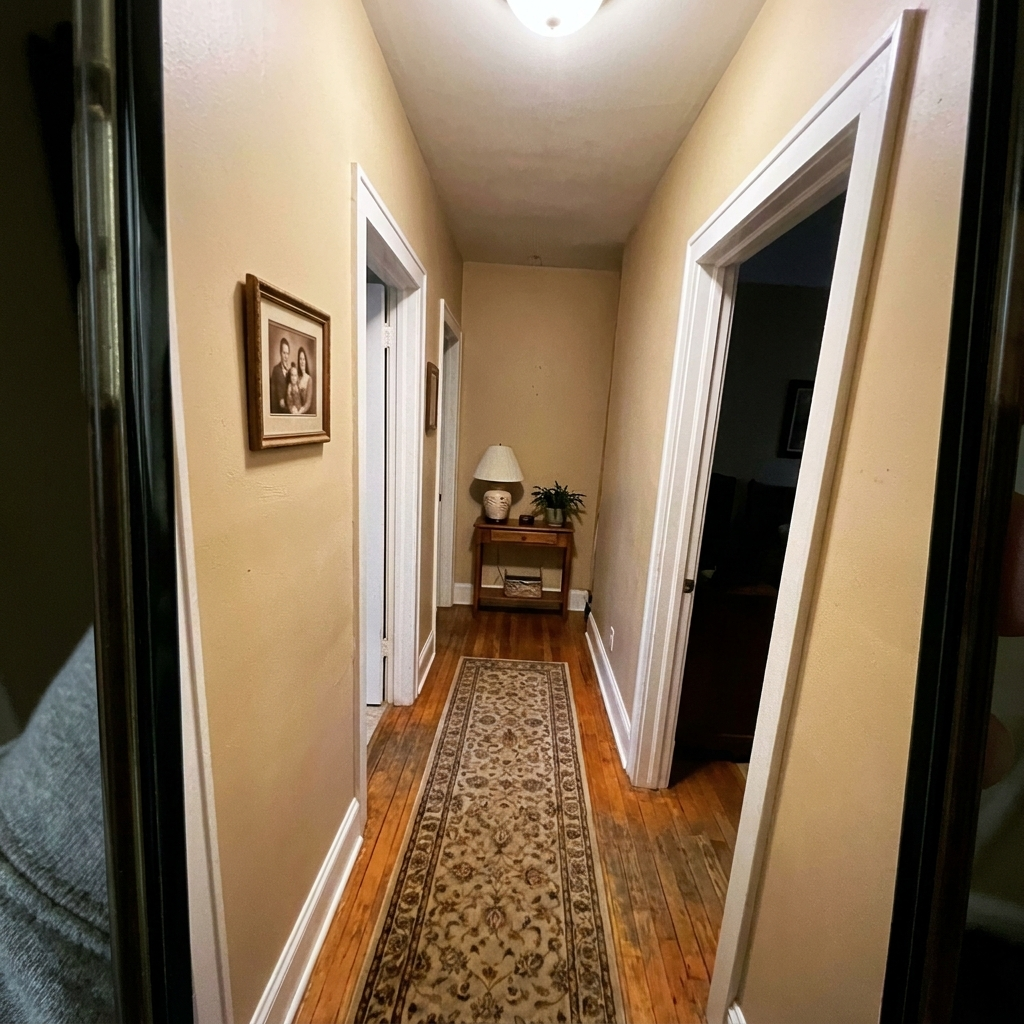
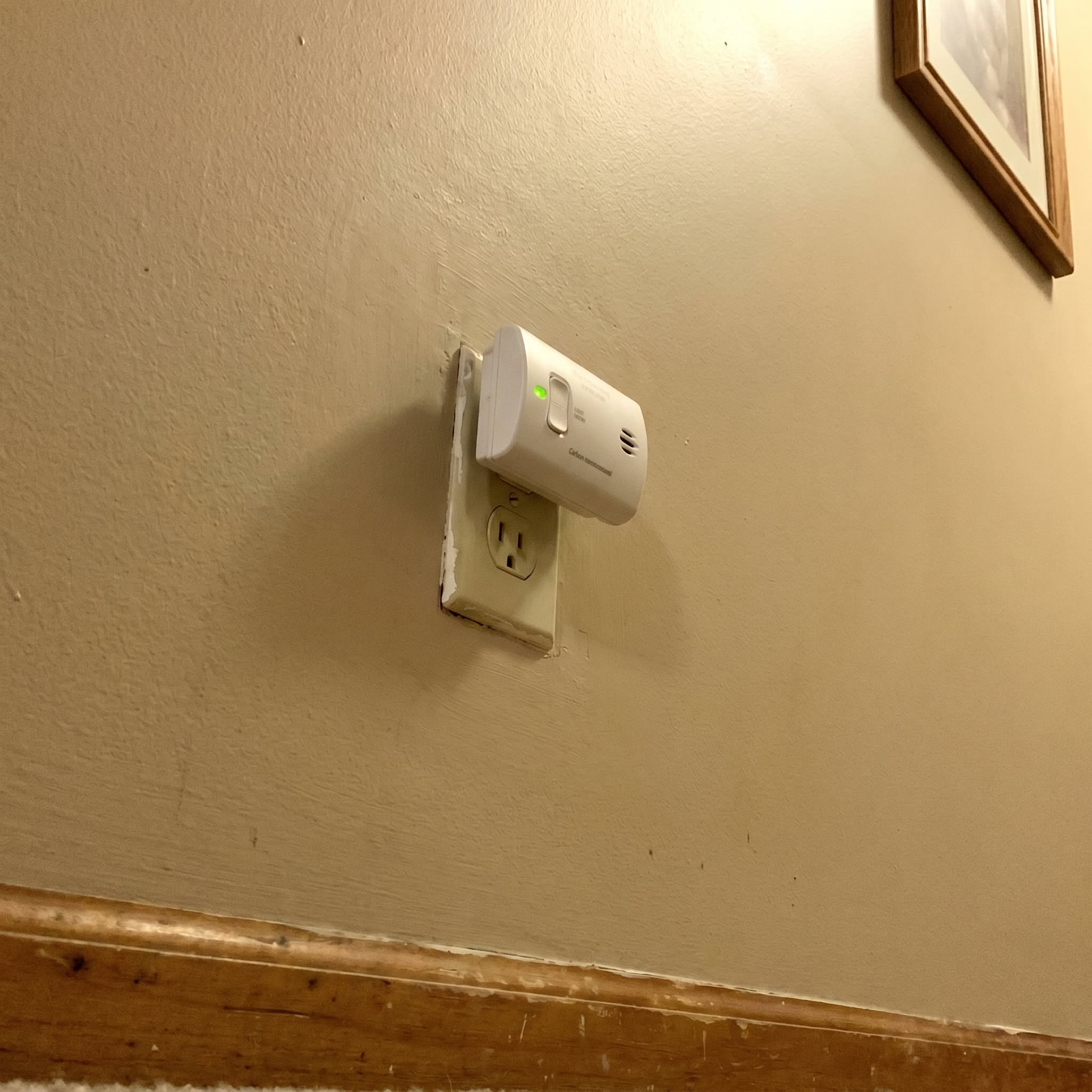
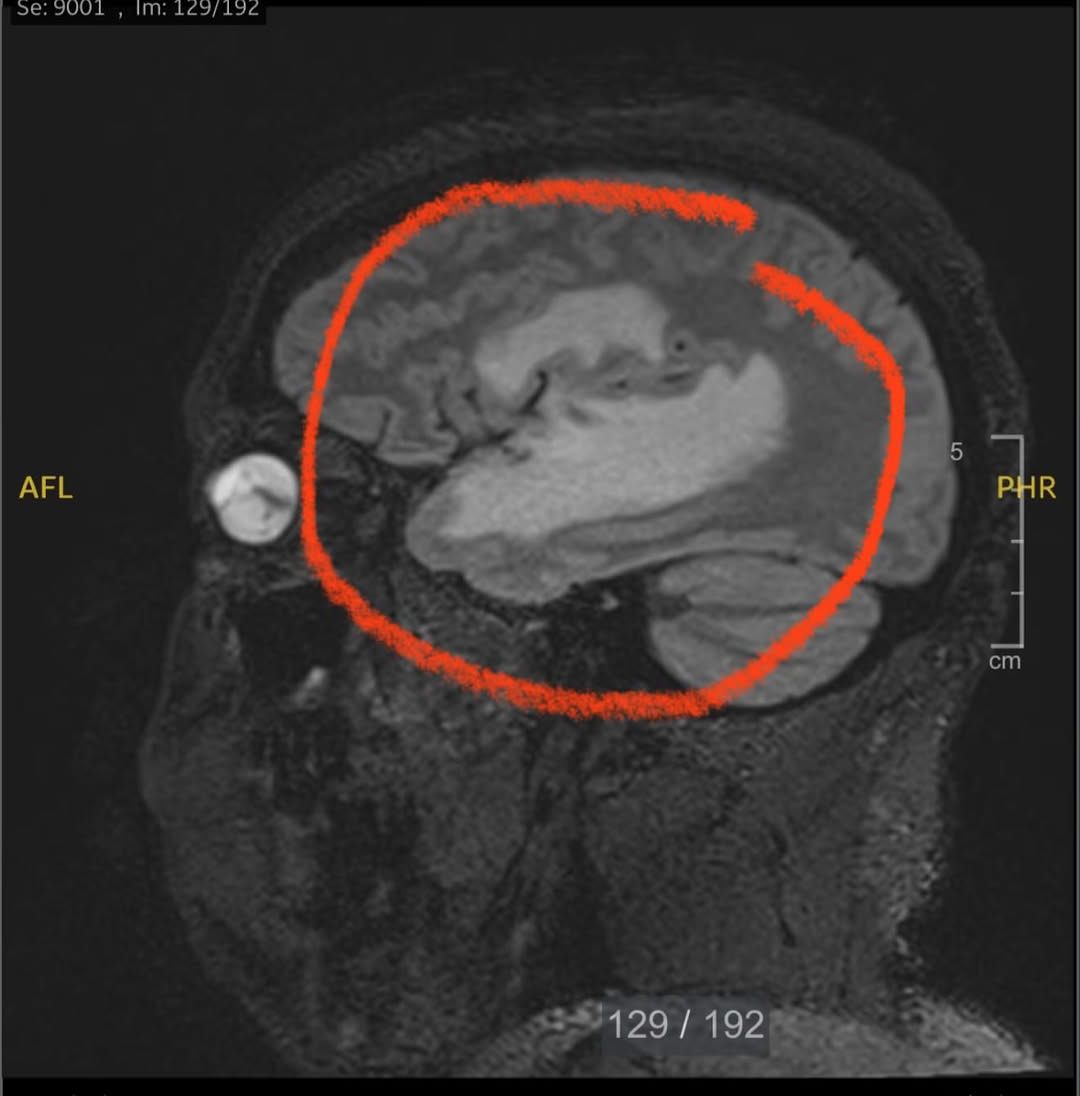
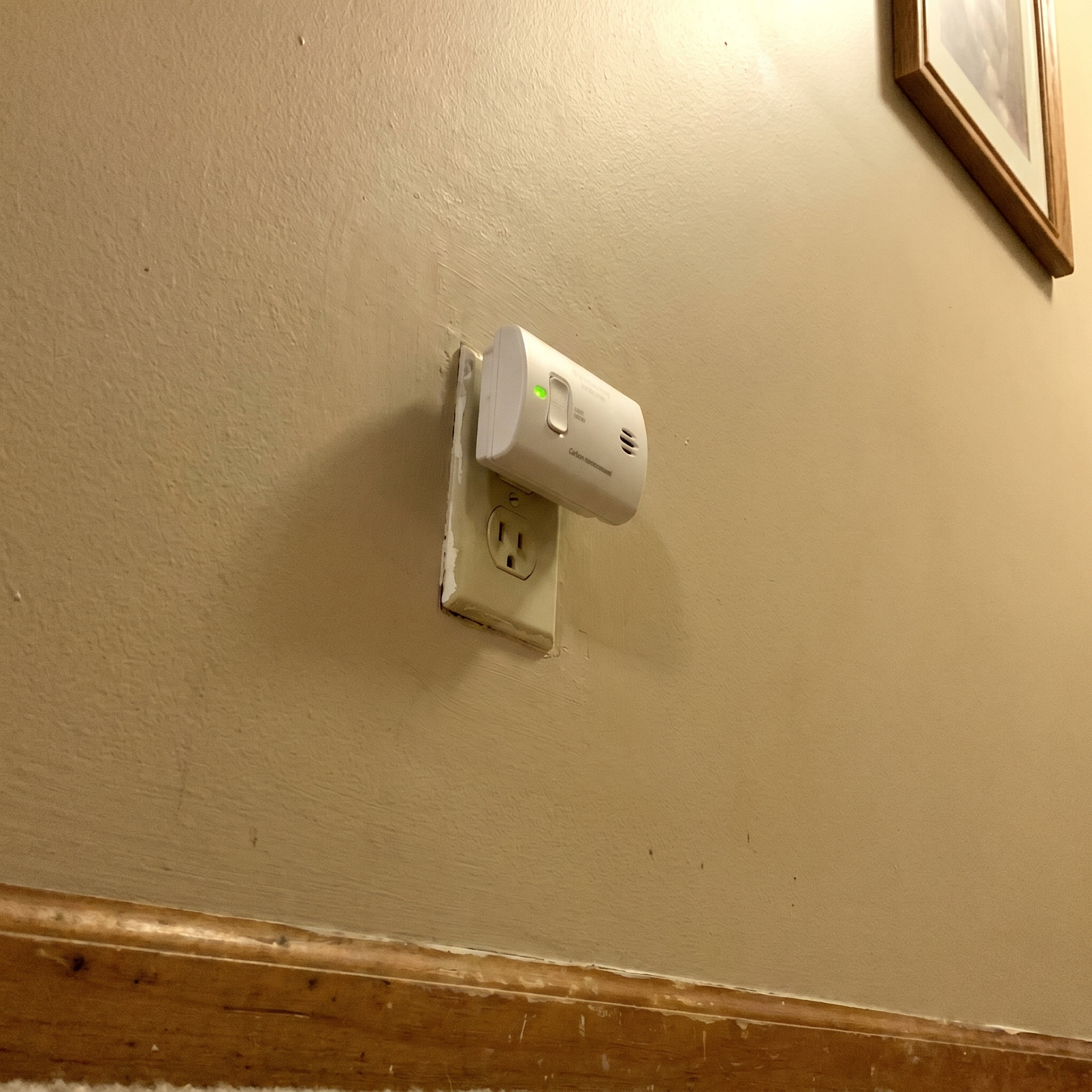
I was weeks from losing my hearing for good. ⠀ If your tinnitus has gotten worse faster than your doctor said it would, please read this before another week passes. ⠀ I need to tell you what I almost found out too late. ⠀ I'm fifty-one years old. I was diagnosed with tinnitus six years ago. ⠀ I caught it early. I did everything right. The hearing aids, the sound therapy, the supplements, the magnesium, the avoiding loud environments, the appointments every six months with an audiologist I trusted. ⠀ For the first five years I managed it. My audiologist said it himself. He told me at every visit that the ringing was stable, that my threshold tests were holding steady, that I should keep doing whatever I was doing. ⠀ I let myself believe him. ⠀ I shouldn't have. ⠀ Then last spring something shifted. ⠀ It was small at first. I started asking my wife to repeat herself across the dinner table. I started turning the TV up two notches, then four, then six. ⠀ I stopped going to the coffee shop I'd been going to for fifteen years because the espresso machine made the ringing unbearable for the rest of the day. ⠀ Eight months later I was a different man. ⠀ Not just worse. Different. ⠀ In the spring the ringing was a steady hum I could push to the background. By summer it had a sharper edge, a kind of metallic whine that pulled my attention away from every conversation I tried to have. ⠀ In the early summer I could still read a book on the couch in the evening. A few weeks later reading made the ringing scream, and I started spending evenings in the basement with white noise turned up so loud my wife could hear it from upstairs. ⠀ I stopped playing piano. I'd played for forty years. I couldn't tolerate the upper register anymore. The notes blended into the ringing and the ringing won every time. ⠀ I stopped sleeping in our bed. I moved to the guest room because the sound machine I needed at night kept my wife awake, and even with it on full volume I was waking up four or five times a night with the ringing piercing through. ⠀ By the fall I couldn't hear my wife clearly when she was standing next to me. My left ear had dropped almost completely. My right was following. ⠀ The gap between the espresso machine bothering me and quiet rooms bothering me was two months. ⠀ The gap between losing my left ear and losing my right was going to be shorter. I could feel it. ⠀ I knew I was running out of months. ⠀ I went to my audiologist three times in those eight months. Each time he used a different word for what was happening. "Atypical." "Accelerated." "Faster than I would have predicted." ⠀ He told me to start preparing for cochlear implants. He said I needed to start thinking about how I was going to communicate when my hearing dropped past the threshold for hearing aids. He told me to prepare myself. ⠀ After that appointment something in me went quiet. I stopped fighting it. I stopped Googling. I stopped looking for new hope. ⠀ I just wanted to enjoy what I had left of hearing my wife laugh, hearing my grandkids on the phone, hearing the rain on the roof at night. ⠀ I'd sit across from my wife at dinner and try to memorize the sound of her voice the way it sounded that night, because I knew I wasn't going to be able to hear her clearly in six months, and I wanted to hold onto every word. ⠀ What I didn't know was that I was about to get my hearing back faster than I ever thought possible. ⠀ A friend of mine, a guy I've known since college, had been telling me for two months that I needed a second opinion. ⠀ His father had severe tinnitus. He knew what fast looked like. He kept saying my decline didn't match what he'd watched his father go through, and that there was an otolaryngologist in a town an hour away who'd helped his family understand things their regular audiologist hadn't. ⠀ I kept putting it off. I didn't have the energy to drive an hour each way for another doctor to tell me what the last three had told me. ⠀ But my wife and my friend made the appointment for me. ⠀ The doctor was in his sixties. Quiet. He didn't fill the silence the way other doctors do. He sat with me for almost an hour before he spoke much at all. ⠀ He asked questions, watched me, ran the full audiogram. He did the standard threshold tests. ⠀ Then he sat down across from me and started talking. ⠀ "Look," he said. "When I see a tinnitus patient declining at the speed you are, the first thing I think about isn't the disease. The first thing I think about is oxygen." ⠀ I asked him what he meant. ⠀ He told me the cochlea, the part of the inner ear that processes sound, is one of the most oxygen-hungry tissues in the entire human body. The hair cells inside it are tiny and delicate and they burn through oxygen at a rate most people don't realize. ⠀ A healthy cochlea can handle a small drop in oxygen supply without anything happening. It has backup. Extra capacity built in for moments when oxygen dips. ⠀ But a cochlea that's already damaged from tinnitus doesn't have that backup anymore. The condition already burned through it. ⠀ Every drop in oxygen, no matter how small, hits damaged hair cells at full strength. And the hair cells that die from oxygen loss don't grow back. Once they're gone, the hearing they were responsible for is gone forever. ⠀ So he said when he sees a patient declining at the speed I was declining, he assumes oxygen is being pulled from the cochlea somewhere, somehow, and it's his job to find out where before it's too late. ⠀ I told him I didn't have a breathing problem. No COPD. No sleep apnea. My lungs were fine. My last pulmonologist appointment had been clean. ⠀ He nodded. He said it didn't have to be my lungs. ⠀ Then he told me about a patient he'd had the year before. Mild tinnitus. Stable for four years. ⠀ The patient went from being able to hold a conversation in a quiet room to needing to read lips in eleven days. ⠀ Eleven days. ⠀ The family thought he'd had a stroke. The scans were clean. There was no stroke. There was no event. There was no explanation that came from inside his body. ⠀ What happened was a hairline crack in the flue of the family's water heater. They'd had it for almost a year and nobody knew. ⠀ The crack had been slowly accelerating his decline for months. Then it widened, and his cochlea couldn't hold the line anymore. ⠀ His healthy wife in the same house was fine. She'd been fine the whole time. But his damaged hair cells couldn't tolerate what hers could. ⠀ The damage was permanent. The patient never recovered. ⠀ That case was the reason he now asked every tinnitus patient about the appliances in their home before he asked about anything else. ⠀ But then, with full confidence, I stopped him and said "we don't have a furnace running, that's not the case for us". ⠀ He took a breath and explained what most people get wrong about carbon monoxide. ⠀ Most people think of CO as a death threat. A furnace fails in the middle of winter, a family doesn't wake up. ⠀ But that wasn't what he was talking about. The CO he was worried about was different. It was low-level CO. ⠀ He told me carbon monoxide leaks at low levels constantly in millions of homes, and almost nobody knows. ⠀ A hairline crack in a water heater flue. ⠀ A gas stove with old burners that don't combust completely. ⠀ A dryer vent that's partially blocked. ⠀ An attached garage where the firewall has gaps. ⠀ Any one of these can put out small amounts of CO every day. And unlike the furnace failures that make the news in January, these leaks happen year-round. A cracked water heater doesn't care what season it is. It leaks 9 PPM. 12 PPM. 18 PPM. Sometimes more. ⠀ Levels that wouldn't trigger any alarm. Levels that wouldn't make a healthy adult feel anything at all. ⠀ But levels that, for hair cells like mine, were killing what was left of my hearing every hour I was in the house. ⠀ He said his healthy patients walk through environments like that every day and feel nothing. ⠀ Their reserve absorbs it. Their bodies compensate. They might get a headache they don't connect to anything. They might sleep poorly for a few nights. But their ears have the spare capacity to recover. ⠀ His tinnitus patients don't. ⠀ Every day of exposure is another set of hair cells the cochlea can't replace. ⠀ Every month past a certain threshold is permanent hearing loss no hearing aid can restore. ⠀ He told me he'd seen patients stable for years lose most of their hearing in a single week, from a crack that suddenly widened and jumped to 30 PPM, while their detector stayed silent. ⠀ That sounded impossible. ⠀ I asked him "Are you sure that even at those levels my CO detector wouldn't go off?" ⠀ And he told me what I think every single person in the US should know… ⠀ The detector I had on my wall, and in general the detectors installed in all US homes, are designed to alarm at 70 PPM. ⠀ That number isn't arbitrary. It's the federal minimum every residential CO detector in America is required to meet. ⠀ The law picked 70 because it's the level that gives a healthy adult a few hours to evacuate before dying of carbon monoxide poisoning. ⠀ That's the entire purpose. Death prevention. Not hearing damage prevention. ⠀ Anything below 70, those detectors will ignore. ⠀ But for hair cells like mine, measurable damage begins MUCH earlier and at MUCH lower levels. ⠀ The World Health Organization (WHO) says that anything above 9 PPM for over 8 hours is harmful. ⠀ And that's for healthy adults. ⠀ Imagine that even at 12 PPM, 20 PPM, 30 PPM, heck even 60 PPM which can permanently kill my hair cells in a few hours, that detector will still be silent! ⠀ My cochlea would absorb the exposure day after day, for months, or even years, and the device I'd been trusting to warn me would never make a sound. ⠀ My hands were shaking when I heard this. ⠀ I asked him "How am I supposed to go home tonight and sleep in a house that might be poisoning me?" ⠀ His voice softened. ⠀ "Take a breath. Your house might be perfectly fine. There might be a different reason for the decline," he said. ⠀ "You just need to make sure you know for certain. Tonight. And that you keep knowing every day after that. Because a clean reading this week from an HVAC inspection doesn't mean a clean reading next month." ⠀ He said the only way to constantly monitor levels as low as 0 PPM continuously for years was using a hospital-grade detector. ⠀ Every hospital in the country had been using these in patient rooms for decades, because they knew what low-level CO does to sensitive bodies, and they don't take the risk. ⠀ The problem is, those detectors had never made it into homes. ⠀ They are bulky. Expensive. Built for clinical settings, not for plugging into a wall in a living room. ⠀ So for decades, only extremely rich people paid for installing them in their homes. ⠀ But then he told me a company called TrueSafety had finally changed that. ⠀ They'd taken hospital-grade detection and made it available for homes with CO-sensitive people like me. ⠀ People with tinnitus. People with COPD. People with heart conditions. ⠀ They'd made it affordable and small enough to plug into a regular outlet. ⠀ He told me to look it up when I got home. He said that's what he recommended to every patient in my situation. ⠀ I ordered it right away from the parking lot of his office before I even started the car. ⠀ The package arrived two days later. ⠀ There were four detectors inside. Two for each level of the house, because the doctor had told me CO doesn't spread evenly. ⠀ I plugged the first one into the upstairs hallway at 4pm. ⠀ By 4:08, the screen read 18. ⠀ 18 PPM in the hallway I walked through every night to get to the bathroom. ⠀ 18 PPM that the doctor had spent an entire afternoon telling me was destroying what was left of my hearing. ⠀ I moved through the house with the rest of them. ⠀ Bedroom: 11 PPM. ⠀ Kitchen, next to the gas stove: 22 PPM. ⠀ Laundry room, next to the water heater: 25 PPM. ⠀ I sat down on the floor of the laundry room and put my head in my hands. ⠀ For eight months I'd watched my hearing slip and blamed my tinnitus. ⠀ For eight months I'd had a CO detector on the wall and trusted it. ⠀ For eight months I'd been sleeping in 11 PPM, walking through 18, eating dinner in 22, doing laundry in 25! ⠀ And the thing I'd been depending on never made a sound. ⠀ I called the doctor from the parking lot. I didn't feel comfortable being in the house. ⠀ He picked up on the second ring. ⠀ I told him the numbers. He didn't sound surprised. ⠀ He told me to call an HVAC tech in the morning, to open every window in the house that night, and to sleep with a fan running and the bedroom door open. ⠀ The HVAC tech came the next morning. He found two sources in two hours. A hairline crack in the water heater flue. ⠀ And two burners on the gas stove that hadn't been combusting completely for years. ⠀ He told me he saw houses like mine all the time. Older appliances, incomplete combustion, small gaps in the connection between the garage and home… ⠀ He told me most people never find out until someone ends up in the hospital, or worse, the levels stay low, and they never figure out their health problems were because of it. ⠀ He fixed two of the sources that day and replaced the water heater the following Monday. ⠀ I plugged the detectors back in the second he left. They still showed about the same levels. But the next day when I woke up, it was down by about 80%. And by the afternoon it went down to 2 PPM and stayed there — the level the doctor had told me was normal for any home with gas appliances. ⠀ For the first time in eight months, my house wasn't poisoning me. ⠀ I didn't know what that was going to mean. I didn't expect much in the first week. ⠀ The doctor had told me the hair cells I'd already lost weren't coming back. Whatever had died over those eight months was gone. ⠀ What he hoped for was that the decline would stop. That I would stabilize. ⠀ I told myself not to expect anything more than that. ⠀ But something started happening I wasn't ready for. ⠀ The first thing was the ringing. For months it had been a steady metallic whine that pulled my attention from every conversation. The Tuesday after the water heater was replaced, I woke up and the whine had dropped. ⠀ It hadn't dropped in five months. ⠀ I sat at the kitchen table and drank my coffee without flinching at the sound of the cup hitting the saucer. ⠀ My wife saw me sitting there. She asked me what was wrong. ⠀ I told her nothing was wrong. I went into the bathroom and I cried for ten minutes and then I came back out and made breakfast. ⠀ A week later I turned the TV down two notches. Two weeks later I sat at the piano for the first time in three months and played through a piece I used to love. ⠀ By the end of the month I was sleeping in our bed again. No more sound machine on full volume. ⠀ At my next appointment, the doctor ran the same hearing tests he'd done four weeks earlier. ⠀ When the tests were done, he sat down across from me and told me my thresholds had moved in a direction he almost never sees in tinnitus patients. ⠀ The decline had stopped. Some of what I'd lost looked like it was coming back. He couldn't promise how much. He couldn't promise it would keep going. ⠀ But the trajectory I'd walked into his office on, the one that was supposed to end with cochlear implants by spring, wasn't the trajectory I was on anymore. ⠀ After I posted what happened to me in a private Facebook group for people with tinnitus, my inbox didn't stop for four days. ⠀ Some people found leaks like I did and watched their hearing come back. Some found nothing — and slept better knowing that for the next ten years, if anything ever changed, they'd know about it the same hour it happened. ⠀ But every one of them said the same thing: ⠀ They wished they'd known sooner. ⠀ I'm writing this because you might be where I was eight months ago. ⠀ Sleeping in a bedroom that's slowly destroying what's left of your hearing. ⠀ Walking through a hallway that's stealing the hair cells you have left. ⠀ Eating dinner in a kitchen that's killing them faster than tinnitus ever would on its own. ⠀ And the detector on your wall, the one you've been trusting all these years, won't make a sound while it happens. ⠀ It wasn't built for you. It was built to keep a healthy family from dying in a major leak. Anything below that, it ignores. ⠀ You're not a healthy adult anymore. Your ears don't have the reserve to wait for the alarm. By the time a standard detector goes off, the hearing is already gone and it isn't coming back. ⠀ There is one thing you have to do tonight. ⠀ Switch the detector on your wall for one that was actually built for you. ⠀ That's it. That's the entire decision. ⠀ If your reading is zero, you sleep tonight knowing for certain. If it's not, you found it with time to spare, the way I did. ⠀ Most people don't get either. Most people find out months or even weeks too late. ⠀ They find out when they can't hear their wife across the dinner table. They find out when the audiologist uses the word "atypical." They find out when the hearing aids stop helping and the only option left is implants. ⠀ You're not going to be one of those people. ⠀ Not because you got lucky. Because you read this and you acted on it. ⠀ You have a window right now. It's open. You don't know how long. ⠀ Plug a TrueSafety detector in tonight. ⠀ That's all that stands between you and what happens next. ⠀ https://truesafety.co/pages/broad-llco-2 ⠀ P.S. ⠀ CO detectors expire after 5 years so you either way probably need to switch yours. ⠀ All you need to do is to switch it to one that actually works when you need it. ⠀ The best part is, TrueDetect actually lasts 10 years, and also has a money back guarantee so if you don't like it you have 365 days to return it for a refund. ⠀ So really, the only choice is between switching it to a detector that won't save you, or switching it to one that will. ⠀ One of them costs you nothing either way. The other one costs you everything if you're wrong.
Like this ad? Make it yours.
Crush rebuilds this exact creative around your product — your brand, your colors, your offer — in about a minute.