
Inactive· since Apr 30, 2026
- 136
- days it ran
- 0
- relaunches
- 756
- EU reach
Ad copy
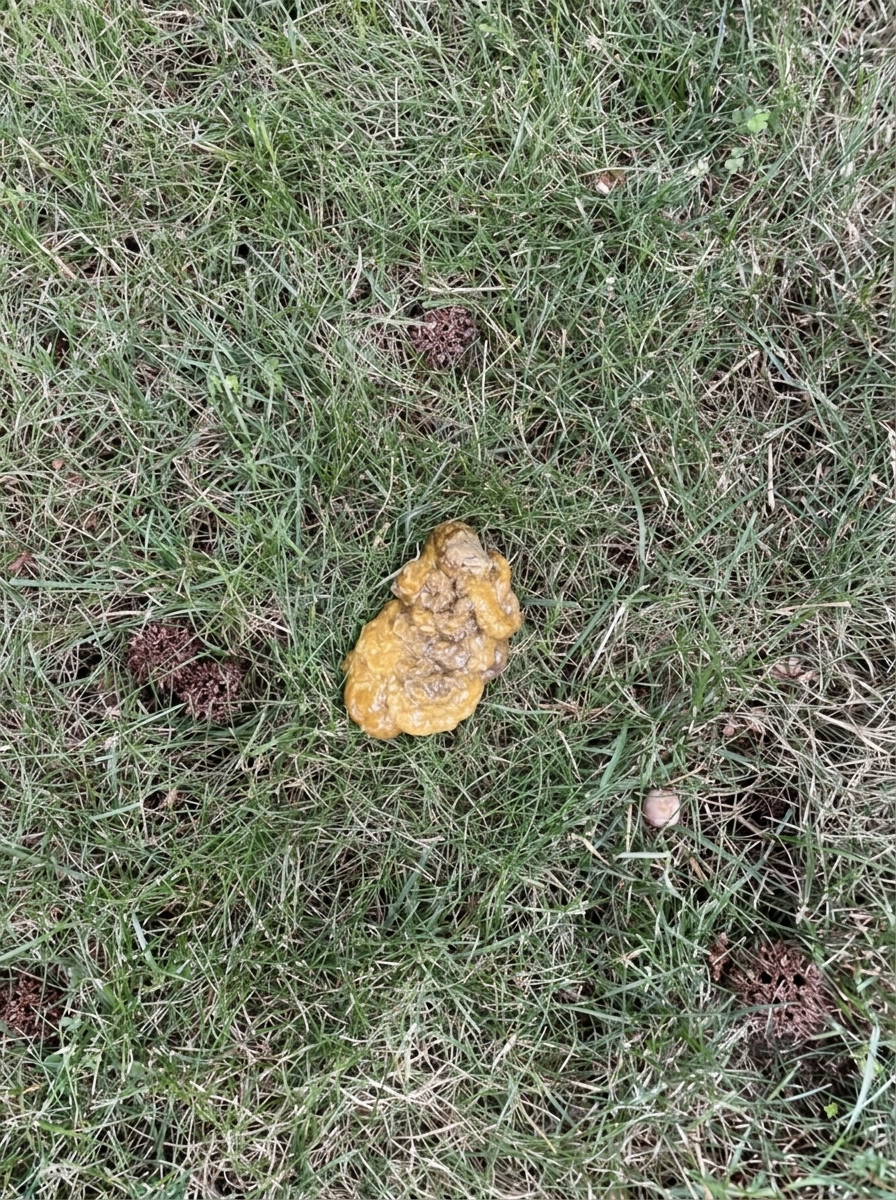
Three dogs last month. Same story. Same outcome: years of diarrhea, thousands spent on prescription food, and owners who were told "some dogs just have sensitive stomachs." Dr. James Carter noticed the pattern first. He pulled me and Dr. Rachel Moore into his office and laid out three files on the desk. "Look at the food history." Every single dog: chronic diarrhea for over a year. Every single dog: tried grain-free, limited ingredient, hydrolyzed protein, prescription Hill's i/d, raw feeding. Every single dog: bloodwork came back "normal" — but the diarrhea never stopped. Dr. Moore looked up. "What if we've been telling owners to fix the wrong thing?" That question led to a six-month investigation that uncovered something the pet food industry has been hiding from veterinarians and dog owners for years. My name is Dr. Patricia Wells, DVM. Along with Dr. James Carter and Dr. Rachel Moore, we've collectively treated over 31,000 dogs at Lakeview Animal Hospital. And here's what we found. It started with a dog named Dexter. His owner, Mark, had spent $5,400 on vet visits, prescription food trials, probiotic supplements, and specialist consultations. Tried every dietary protocol we recommended. Couldn't get Dexter through a single week without accidents in the house and diarrhea on every walk. Everything came back normal. But Dexter kept getting worse. Dexter was a 3-year-old Labrador. Perfect weight. No parasites. No IBD on ultrasound. Fed premium prescription food, given probiotics daily, walked on a strict schedule. But he had diarrhea. Every single morning. Sometimes twice. Mark had tried everything we suggested: grain-free diet, then grain-inclusive. Novel protein — duck, venison, rabbit. Hydrolyzed protein. Raw feeding. Homemade food. Back to prescription Hill's i/d. Nothing worked for more than two weeks. He added pumpkin to every meal. Bone broth. Digestive enzymes. FortiFlora every morning. The FortiFlora helped for about ten days. Then it stopped working entirely. Mark sat in our office six months ago, exhausted. "I've tried every food at the pet store. I've tried everything you've recommended. My vet says his bloodwork is normal. But he has diarrhea every single day. Is this just his life?" That's when Dr. Carter suggested something none of us had done consistently in our combined 38 years of practice. We ran a gut microbiome analysis and intestinal permeability test on Dexter's stored stool sample. The result: severely damaged gut lining. Intestinal permeability index: 9.1 out of 10. Postbiotic metabolite levels: critically depleted. The three of us sat in the break room that night, staring at those numbers. Dr. Moore spoke first. "We've been telling him to change the food. But the gut lining is so damaged it can't absorb any food properly." Because we finally understood what was happening. Here's what they don't teach you in vet school: Over 77% of dogs diagnosed with "sensitive stomachs" or "food allergies" have damaged gut lining and critically low postbiotic metabolite production — not a food intolerance. Not severe enough to show on bloodwork. Not bad enough to appear on standard stool tests. But damaged enough to cause exactly what we were seeing in Dexter: chronic diarrhea that no food change will ever fix. When a dog's gut lining is damaged, the intestinal barrier breaks down. Because the gut lining is supposed to absorb nutrients and block toxins — but a damaged lining does neither properly. Without a healthy gut lining → nutrients pass through unabsorbed → inflammation spreads → intestinal motility disrupts → chronic diarrhea. It's not the protein source. It's not the grain content. It's not a food quality issue. It's a gut lining dysfunction — and changing kibble will never fix damaged tissue. And here's the nightmare part: Standard vet diagnostics don't test gut lining integrity. Most vets never check it. And by the time digestive symptoms appear, your dog's gut has been compromised for months or even years. But it gets worse. Even if your dog is on prescription GI food — even the most expensive hydrolyzed diet — it still might not be working long-term because: Prescription food reduces the digestive load. It doesn't heal the damaged lining that's causing the problem. Hill's i/d and Royal Canin GI are designed to be easy to digest. But a critically damaged gut lining can't properly absorb even the simplest food. Which is why dogs improve slightly, then plateau — or relapse the moment you reintroduce normal food. Probiotics aren't enough. Probiotics are live bacteria. But if your dog's gut lining is already compromised, those bacteria can't colonize properly. That's why FortiFlora worked for ten days and then stopped. The lining was too damaged to support lasting colonization. Pumpkin and bone broth manage symptoms. They don't rebuild tissue. Fiber slows transit time. It doesn't repair intestinal permeability. Which is why pumpkin helps a little — but never actually solves it. Chronic diarrhea destroys gut health further — and dogs with damaged gut linings live in a worsening cycle. Every loose stool causes more inflammation. More inflammation damages the lining further. A more damaged lining absorbs less. Less absorption means more diarrhea. Your dog's diarrhea doesn't start with the food. It starts with the gut lining. And the food changes you've been making — no matter how premium, how "GI-specific," how "vet-formulated" — aren't addressing the root cause. So the lining stays damaged. Which means nutrients keep passing through. Which means the diarrhea continues. Every day. Every walk. Every embarrassing accident. And you blame the food. You try different proteins. You spend hundreds on prescription diets that help slightly but never actually solve it. Because nobody is checking the one thing that actually matters. After Dexter's case, we made a decision as a team. For the next six months, we would test the gut lining integrity of every single dog that came through our clinic with chronic diarrhea, soft stool, or "sensitive stomach" diagnosis. Dr. Carter handled the testing protocols. Dr. Moore compiled the data. I followed up with every case. We tested 84 dogs. 65 had significantly damaged gut lining and critically depleted postbiotic metabolite production. That's 77%. These weren't dogs eating cheap grocery store food. These were dogs on prescription hydrolyzed diets, taking daily probiotics, seeing internal medicine specialists. It didn't matter. Across the board: dogs on long-term prescription GI diets had some of the most damaged gut linings we'd ever seen. Because here's the cruel irony: Prescription GI food reduces symptoms. It doesn't heal the gut lining causing them. You're spending $80-120 per month on food specifically designed to help digestion. But it's not fixing the system that's actually broken. If your dog shows ANY of these signs, they likely have gut lining damage right now: → Diarrhea or soft stool daily or multiple times per week → Mucus in stool regularly → Probiotics that worked briefly then stopped → Prescription food that helps but never fully resolves it → Accidents in the house despite being house-trained for years → Diarrhea immediately when stressed or on walks → Bloodwork "normal" but dog clearly not normal → Changed food multiple times with only temporary improvement → Pumpkin or bone broth helps slightly but never solves it The diarrhea isn't the disease. It's a warning sign that your dog's gut lining is damaged. And if you don't fix the root cause, the damage accumulates. A more damaged lining means worse absorption. Worse absorption means more diarrhea. More diarrhea means more inflammation. The cycle gets worse, not better. After discovering how widespread the gut lining damage was, we thought the hard part was over. Just give probiotics, right? We were wrong. Dr. Moore took the lead. She ordered every gut health supplement available for dogs. Fourteen brands. All claiming to be "science-backed" and "vet-formulated." She sent them all to an independent lab for testing. What came back made all three of us furious. FortiFlora (Most prescribed by vets): Probiotic-only formula. No postbiotic content. Cannot repair gut lining tissue. Explains temporary improvement followed by plateau. Purina Pro Plan Veterinary Probiotic ("Clinically Proven"): Live bacteria only. No postbiotic metabolites. In a dog with damaged gut lining, these bacteria cannot colonize — they pass through. Zero lasting benefit. Zesty Paws Probiotic Bites ("Best Seller on Amazon"): Tested positive for inactive bacterial strains — the probiotics were dead before the bottle was even sealed. We'd been recommending supplements to clients that were either mislabeled, dead on arrival, or missing the one compound that actually heals gut lining tissue. We felt like we'd failed them all over again. Dr. Carter spent two months calling manufacturers, demanding Certificates of Analysis, postbiotic content documentation, gut lining repair research. Most wouldn't return his calls. Then we found CalmAxis. When Dr. Carter called them, something was different. They answered. Immediately. He asked for their Certificate of Analysis. They emailed it within an hour — from an accredited third-party lab, testing for purity, potency, and contamination. He asked about their formulation. They explained: postbiotics, not just probiotics. The actual beneficial metabolites and compounds that healthy gut bacteria produce — including short-chain fatty acids that directly repair intestinal lining tissue, delivered without needing colonization first. He asked for batch testing. They provide it for every single batch. He asked specifically about gut lining repair. They walked him through the mechanism: how postbiotic short-chain fatty acids feed colonocytes — the cells that make up the gut lining — and restore barrier integrity from the inside. They were the only company that could answer every single question. So we ordered a jar and Dr. Moore sent it to the same independent lab. The results: ✅ Postbiotic content matched label claims — over-delivered by 3% ✅ Short-chain fatty acid profile confirmed (butyrate, acetate, propionate) ✅ Zero heavy metal contamination ✅ No fillers, no binders, no artificial ingredients ✅ Pharmaceutical-grade purity We'd finally found it. And here's what happened with Dexter. Mark started him on CalmAxis eight months ago. Week 2: First formed stool in over a year. Week 3: Diarrhea down to once every few days instead of every morning. Week 4: Two consecutive solid walks with no accidents. Week 6: Mark stopped carrying emergency cleaning supplies on walks for the first time in 18 months. Week 8: Mark sent me a message. "Dr. Wells, Dexter hasn't had an accident in the house in three weeks. His stool is completely normal. I took him to the dog park yesterday for the first time since this started. I can't believe it was the gut lining the whole time." His follow-up gut analysis at three months: intestinal permeability index 2.3. Postbiotic metabolites: normal range. The only thing that changed? His gut lining could finally absorb nutrients and maintain barrier integrity properly. We've now put over 760 dogs on this protocol across our three practices. 88% show measurable improvement in stool consistency within 21 days. Amanda's dog Benny, 4-year-old French Bulldog: "Benny had soft stool every single day for two years. Tried four different prescription foods, three probiotics, digestive enzymes. Nothing lasted more than two weeks. Three weeks on CalmAxis, his stool was completely normal. It's been five months. I genuinely couldn't believe it." Thomas's dog Sadie, 7-year-old Golden Retriever: "Vet said 'some dogs just have sensitive stomachs.' She had diarrhea every morning for three years. Started CalmAxis, week two her stool was already firming up. Month two, completely normal. I wish I hadn't spent two years changing her food." These aren't miracles. This is simply what happens when you repair the gut lining — and give the intestinal tissue the postbiotics it needs to rebuild. You don't need to keep changing the food. You don't need another prescription diet. You don't need to carry cleaning supplies on every walk. Postbiotics aren't a drug. They're the beneficial compounds a healthy gut naturally produces to maintain its own lining. You can start today. If your dog has chronic diarrhea or soft stool, their body is already telling you something is wrong. Each loose stool damages the lining further. Each food change treats the symptom without touching the cause. The cycle gets worse, not better. Mark spent $5,400 over 18 months changing food that was never the problem. Because nobody checked Dexter's gut lining until we did. The only brand the three of us trust after testing them all: CalmAxis. Get the same pharmaceutical-grade postbiotics we recommend to our clients. Most dogs show noticeable improvement within 2-3 weeks. 👉 trycanislabs.com/products/calmaxis-chews P.S. If your dog still has diarrhea despite prescription food and probiotics, you're not dealing with a food intolerance. You're dealing with damaged gut lining that food changes were never designed to repair. Every month on prescription food alone, the underlying damage gets worse. The longer you wait, the more lining damage accumulates. P.P.S. None of us get paid by CalmAxis to recommend this. We recommend it because after testing 14 major gut health supplements on the market, they're the only ones with the postbiotic profile that actually repairs gut lining tissue. After our combined 38 years and 31,000+ dogs at Lakeview Animal Hospital, we've finally found something that fixes the root cause. Your dog deserves that.
77% of dogs with "sensitive stomachs" have this gut issue. Three veterinarians discovered what the pet food industry has been hiding from dog owners for years.
It's not the food. It's the gut lining — and changing kibble will never fix it.
ORDER NOWLike this ad? Make it yours.
Crush rebuilds this exact creative around your product — your brand, your colors, your offer — in about a minute.