
Inactive· since Jul 14, 2026
- 60
- days it ran
- 0
- relaunches
Ad copy
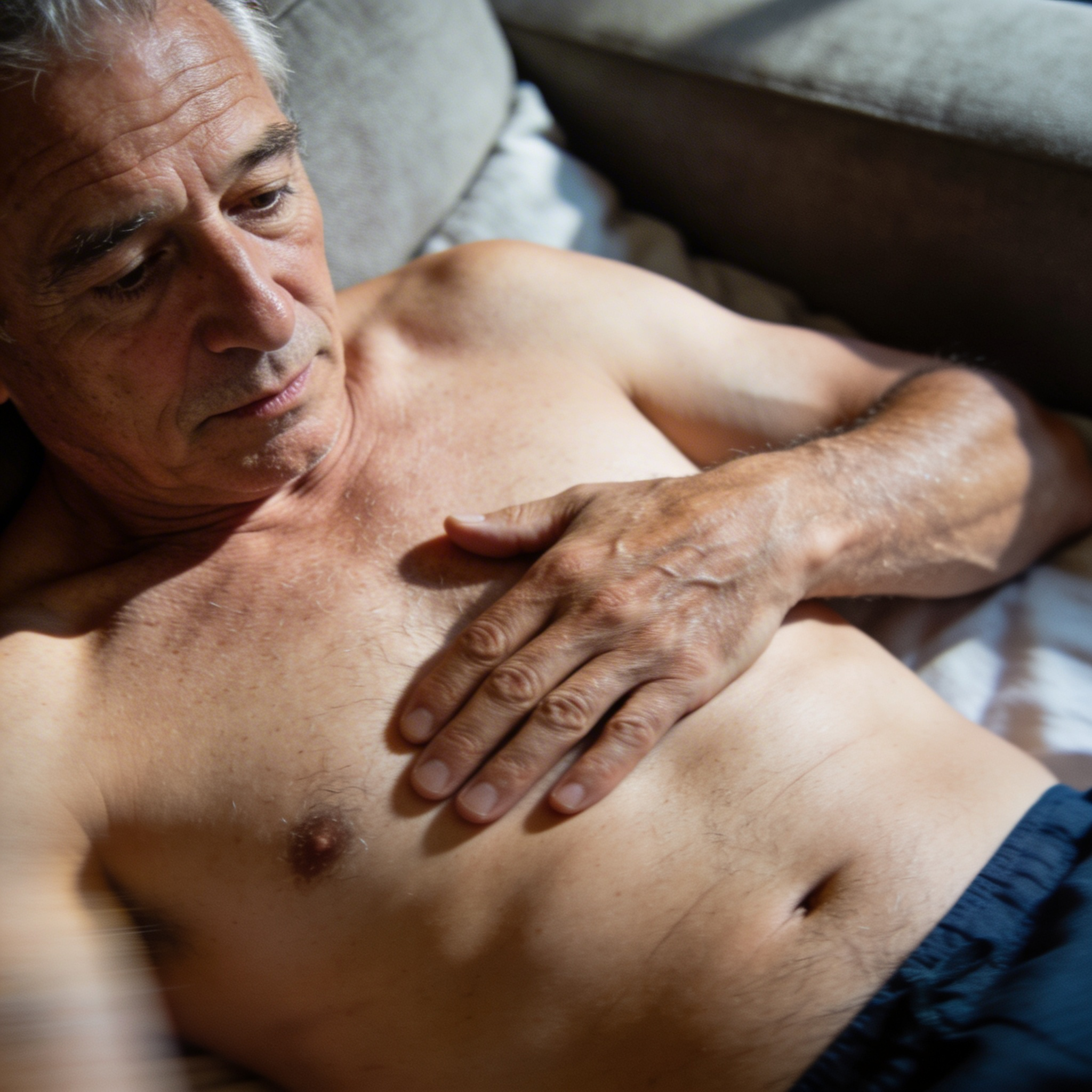
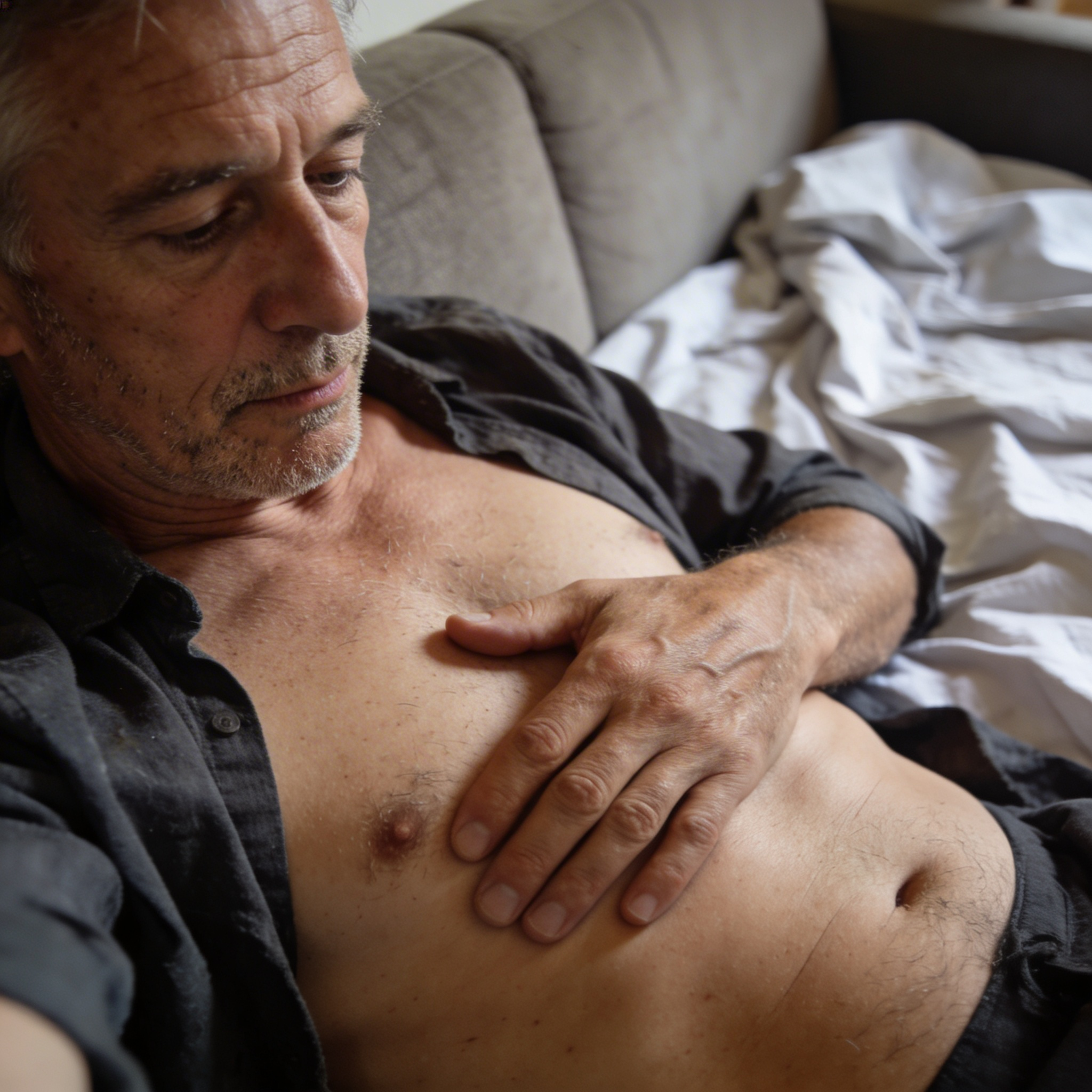
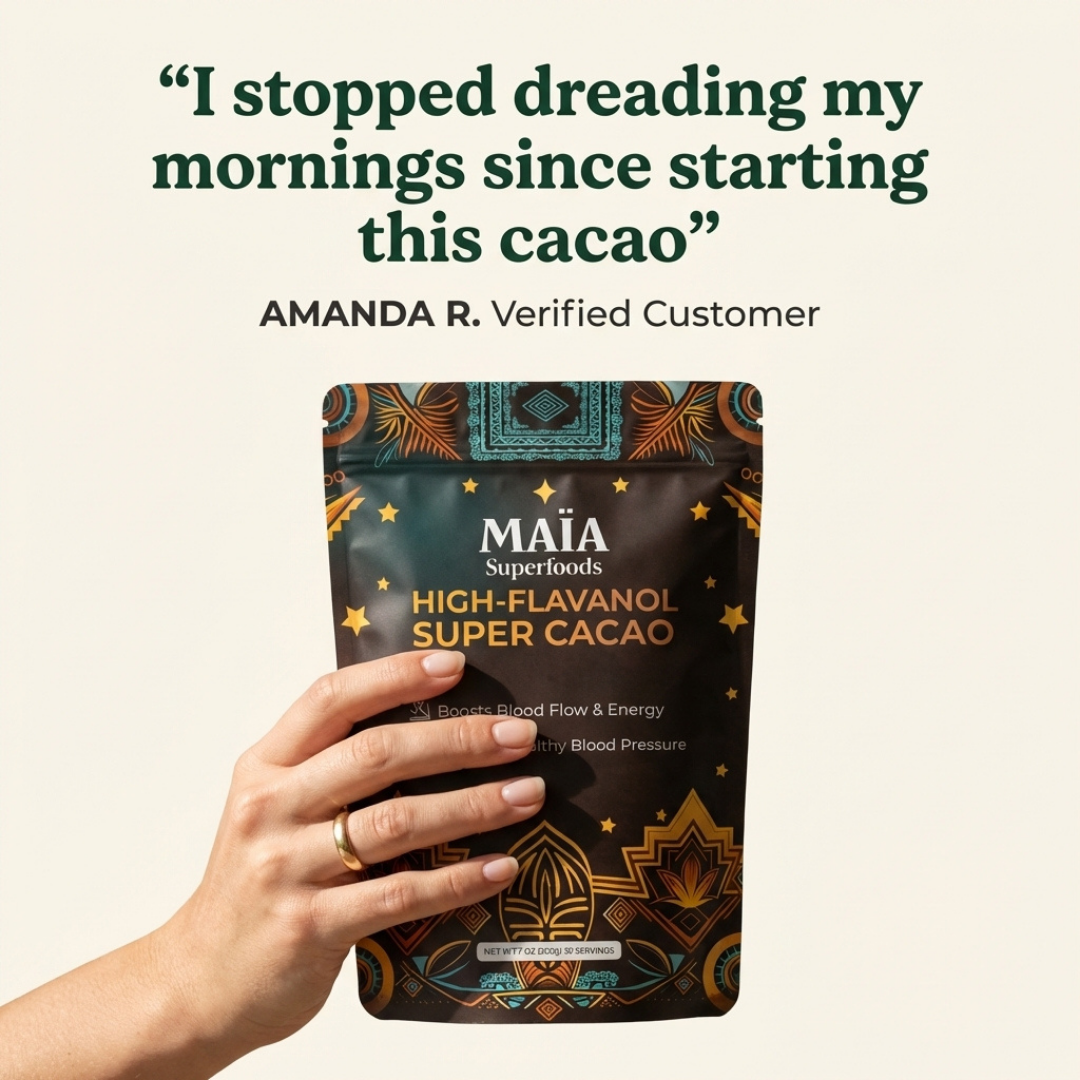
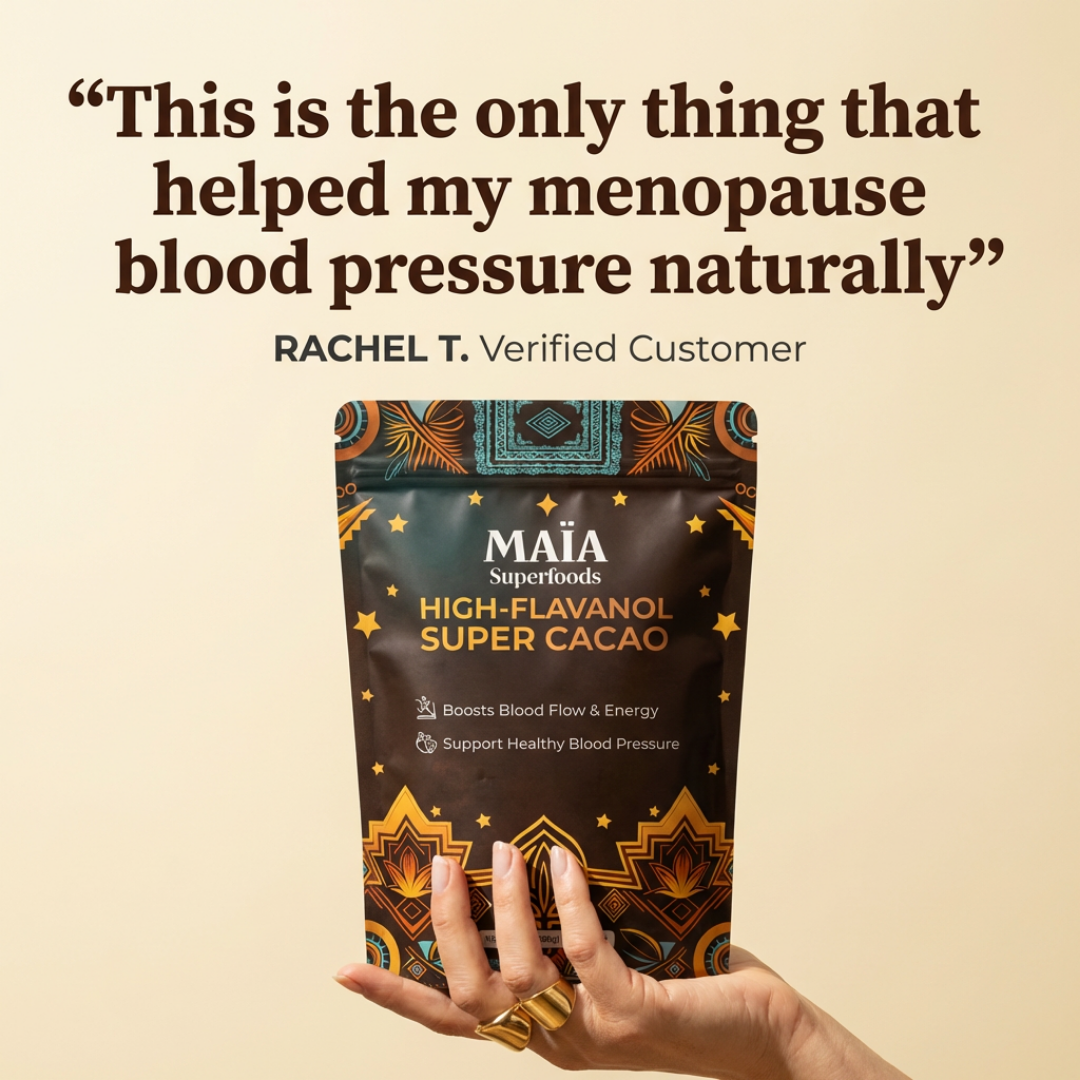
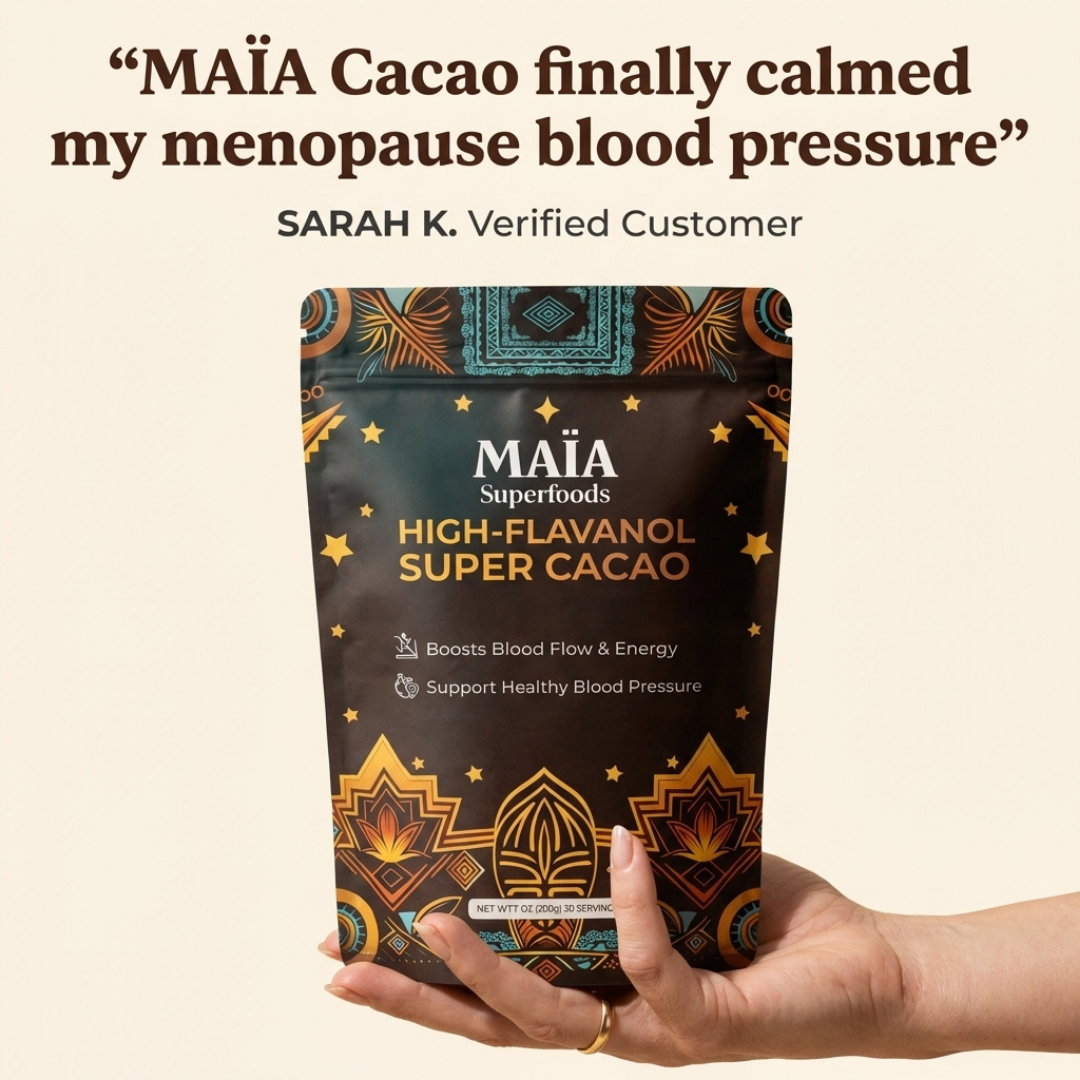
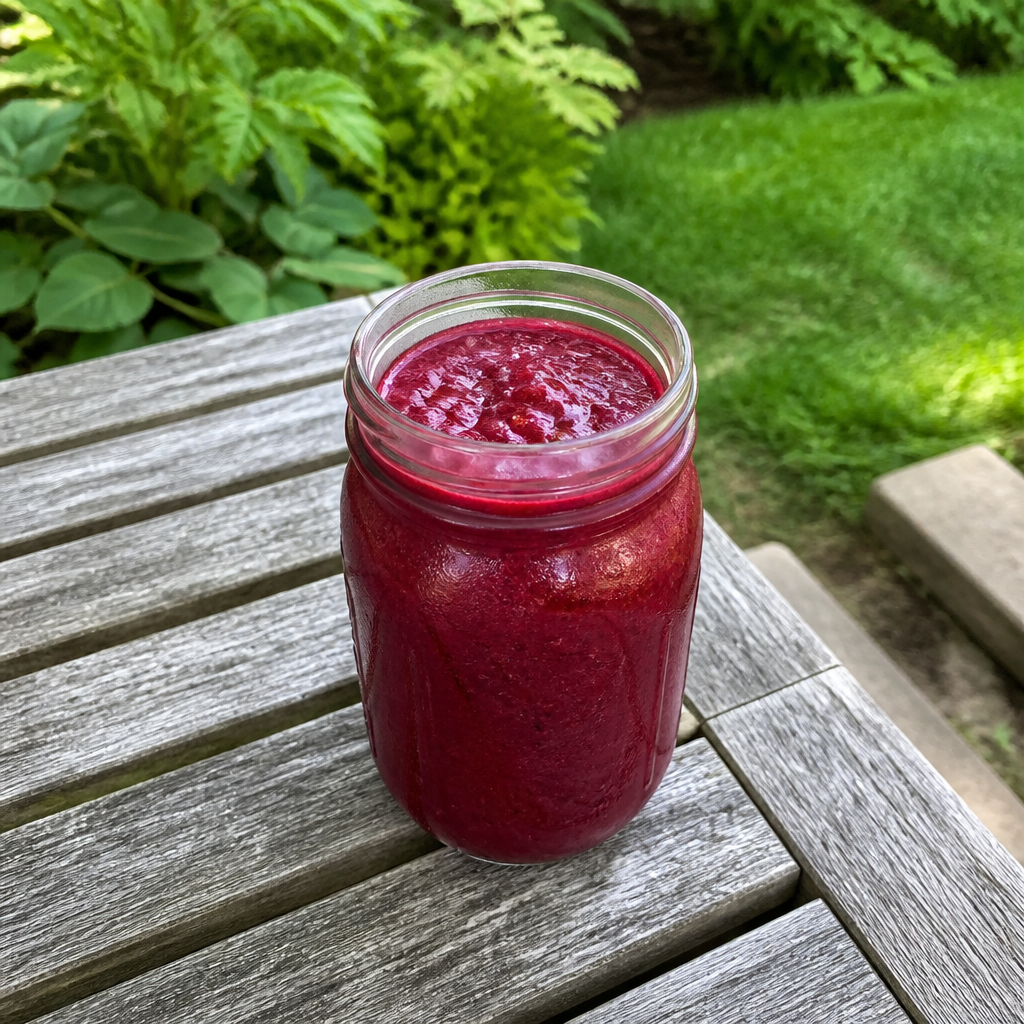
I Drank Beetroot Juice Every Morning for 11 Weeks. My Blood Pressure? Exactly the Same. What I Overheard at the Farmers Market Changed Everything. My name is Chris Miller. I'm 61 years old. I believed in beetroot juice the way some people believe in prayer. Not casually. Not as a "maybe this will help" afterthought. I believed because I'd read the studies. Real ones. Researchers giving subjects beetroot juice and watching systolic pressure drop 8 points in 24 hours. I'd read the nitric oxide research. The vasodilation data. I understood the pathway. Dietary nitrates convert to nitric oxide. Blood vessels relax. Pressure drops. My blood pressure at my last physical: 147/96. My father had an event at 63. My uncle at 58. The science was clear. Beetroot juice was my answer. I was sure of it. My wife Karen found a recipe blog. Two large raw beets, one apple, half a lemon, a thumb of ginger. We bought a $289 juicer. A Costco membership for bulk organic beets. Every single morning. Seven days a week. I peeled, chopped, fed beets through the juicer. Red pulp spraying. Juice spattering. The countertop looked like a crime scene every morning by 6:45. Twenty minutes of prep. Ten minutes of cleanup. Stained fingers that wouldn't wash clean for hours. A kitchen that smelled like wet dirt before the sun was fully up. I drank the juice. Thick, gritty, with that earthy sweetness that coats the back of your throat and lingers no matter how much water you chase it with. Every. Single. Morning. Karen started doing the prep some mornings when I left early for work. She'd text me a photo of the glass waiting in the fridge. A little heart emoji. We were in this together. I bought a home blood pressure monitor. The same one my specialist uses. Week 1: 147/96. No change. "Give it time," Karen said. "The studies said it takes a few weeks." Week 2: 146/95. Within the margin of error. Week 3: 147/94. One point on the bottom number. Maybe. Week 4: 148/97. Higher. I stared at the monitor. Checked the cuff placement. Took it again. 148/97. I sat at the kitchen table. The empty juice glass still had a ring of dark red residue at the bottom. I pushed it away. "It takes longer," Karen said from the doorway. She didn't sound convinced. Week 6: 146/96. Week 8: 147/95. Week 11: 147/96. Eleven weeks. Seventy-seven consecutive mornings. Over forty dollars a week in organic beets. A juicer crusted with red stains no amount of scrubbing could remove. 147/96. The exact same number I'd started with. My follow-up appointment was in three weeks. My specialist had been clear at the last visit: "If these numbers don't come down, we're starting a regimen. Non-negotiable." That night I didn't sleep. I lay in the dark and listened to my own pulse in my ears. Wondering if each thump was the last one before something burst. Wondering if I was becoming my father at 63, gripping the side of his face, sliding off the couch while my mother screamed. Karen rolled over. "You're awake again." "I don't understand. The studies. The research is real. It works. Why doesn't it work for me?" Her hand found mine in the dark. She squeezed it. Didn't answer. Because she didn't know. Neither did I. The next morning was a Saturday. I drove to the farmers market. Not to buy beets. I couldn't even look at a beet without feeling sick. I went for Karen. She wanted heirloom tomatoes. I was standing near a produce booth when I overheard two women talking. "Yeah, I actually work at a nutrition research lab. We run assays on natural products. You'd be amazed how much the active compound content varies." My ears locked in. The woman was in her forties. Glasses. Matter-of-fact voice. "How much does it vary?" the other woman asked. "Batch to batch? Enormously. But here's the thing that most people don't understand. When it comes to blood pressure, beetroot isn't even the compound with the most research behind it anymore. It's a decent nitrate source, but nitrates work for a few hours and then wear off. If your vessel lining is damaged underneath, you're just borrowing nitric oxide from the outside. You're not fixing anything." My stomach dropped. I stepped closer. "Excuse me. Did you say beetroot isn't fixing anything?" The woman with glasses turned. "Oh, it's not that it doesn't do anything. It donates nitrates. Your body converts them to nitric oxide temporarily. Vessels relax for a few hours. Numbers dip a little. But you're only borrowing what your lining should be making on its own. And if the lining is damaged, you can pour in all the nitrates in the world and the effect is short-lived." "So when the studies show beetroot juice lowering blood pressure..." "Those studies use standardized preparations. Controlled nitrate content. Every subject gets the exact same dose. And even then, the effects are short-term. That's the reality nobody talks about. Juice can't guarantee the dose. Homemade juice is even worse. Every beet has a different nitrate content depending on the soil, the season, how long it sat before you juiced it. You're essentially taking a different dose every single day. And even when you get the right dose, the effect wears off in a few hours." "So what actually works?" "There is a plant compound that goes to a completely different mechanism. Not nitrates. Not borrowing. Actually repairing the lining of the blood vessels." I stood there. The farmers market noise, the chatter, the acoustic guitar, it all sounded like it was underwater. "What compound?" "Flavanols. Specifically the kind found in raw cacao." I almost laughed. "Chocolate?" She smiled. She'd clearly gotten that response before. "Not chocolate. Raw cacao. The unprocessed bean. There's a whole body of published research showing cacao flavanols work directly on the inner lining of your blood vessels. That lining, called the endothelium, is one cell thick. When it's healthy, it produces nitric oxide on its own. That's your body's natural signal that tells vessels to relax. When the lining is damaged from years of stress, processed food, sugar spikes, and just getting older, it stops making enough nitric oxide. Vessels stay tight. Pressure climbs." She paused. "Beetroot adds nitric oxide from the outside for a few hours. Cacao flavanols support the lining that produces nitric oxide from the inside on its own. It's the difference between borrowing a battery for the night and actually recharging the one that was in there." Eleven weeks. Seventy-seven mornings. And I might have been borrowing nitric oxide in unreliable doses the whole time. "Is there a specific product?" "Most cacao on the shelf is destroyed by processing. Roasting kills 40 to 60 percent of the flavanols. Dutching with alkali kills another 30 to 50 percent. Sugar, dairy, and fillers dilute what's left. By the time it hits a grocery shelf, 60 to 90 percent of the active compound is gone. You're getting flavor, not function." "So what does work?" "Raw. Cold-processed. Made from an heirloom bean called Criollo. Dosed at clinical levels. Third-party tested. Every batch verified." She pulled out her phone. "There's one small company that hits every one of those criteria. We tested it a few months ago. Actual flavanol content matched the label. That almost never happens in this space. Most of what we test comes in at a fraction of what's claimed. This one was real." "What is it called?" "MAÏA. Super Cacao. Cold-processed Criollo. Clinical-dose flavanols disclosed on the label. Third-party tested every batch. No sugar. No dairy. No fillers. One cup every morning with hot water and a splash of milk." I ordered it on my phone before I left the farmers market. Didn't even walk back to the tomato stand. Texted Karen: Found something. Coming home. The pouch arrived Monday. Small. Dark. Ornate. Gold and teal Aztec pattern on the front. It looked like something ceremonial, not something from a supplement bottle. I made my first cup that evening. Hot water. Stirred in the cacao. Splash of milk. Sat on the back porch with the mug. Skeptical. Eleven weeks of juice had beaten the hope out of me. The taste hit me first. Real chocolate. Earthy. Deep. The way chocolate must have tasted before everyone learned how to ruin it. Nineteen minutes. Something shifted. Like a fog lifting I didn't know was there. The heaviness behind my eyes, the low-grade fatigue that hit every afternoon like clockwork, it wasn't there. I went inside. Pulled out the monitor. 144/93. I blinked. Checked the cuff. Took it again. 144/93. Down from 147/96. In one cup. I didn't tell Karen. Not yet. Didn't want to get her hopes up. Not again. I drank it every morning. Same time. Same ritual. Two minutes to make the cup. Sat at the kitchen table with it while the light came up. Day 4: 143/92. Day 7: 140/89. Karen noticed something before the numbers confirmed it. I was awake at 6 AM on a Sunday. Making coffee before the cacao. Humming. I hadn't hummed in months. "You seem different," she said carefully. "I feel different." Day 10: 138/87. Day 14: 135/84. I showed Karen the log I'd been keeping. Two columns. Date. Reading. Every entry since I'd started. Her eyes tracked down the numbers. The slow, steady descent. Her hand came up to her mouth. "Chris." "I know." "But the juice. We did everything right." "It wasn't the beetroot that was wrong. It was the mechanism. We were borrowing nitric oxide from the outside for a few hours a day. The lining that was supposed to produce it was still damaged the whole time. Cacao flavanols feed the lining. Once the lining starts working again, the body does the rest." Day 21: 131/80. I called my brother Dave that weekend. Dave's blood pressure had been climbing too. Runs in the family. "131 over 80," I told him. "Get out. How?" I explained everything. The mechanism. The damaged lining. Why the juice couldn't fix what wasn't working underneath. The raw cacao. The cold processing. The heirloom bean. "I'm sending you a pouch," I said. "Stop messing around with the juice. It's not the same thing." Day 28: 128/78. Morning of my follow-up, I checked one final time: 126/77. At the specialist's office, the nurse wrapped the cuff. Pumped. Stared at the screen. Did it again. "Huh." A third time. She typed the number into the system and went to get my specialist. He walked in. Pulled up my chart. Looked at the screen. Looked at me. "126 over 77." "Yes." "Your last reading was 147 over 96." "Yes." "What changed?" I told him. The juice, and why it failed. The damaged lining. The cacao flavanols. The one small company doing it right. He listened. Took notes. Nodded slowly. "I'll be honest. The research on cacao flavanols and vascular function is strong. If you're getting a verified clinical dose in a form that preserves the flavanols, the mechanism is sound." He closed his laptop. "No regimen. Keep doing exactly what you're doing. I want to see you again in twelve weeks." No regimen. I sat in my car. Hands on the steering wheel. Chest tight. But not from blood pressure. I called Karen. "126 over 77. No regimen." I heard her gasp. Then silence. Then a sound that might have been a laugh or might have been a sob. "You did it," she whispered. "We did it. We just needed the right mechanism." That was nine weeks ago. My blood pressure this morning: 123/76. Healthy. Normal. No regimen. No side effects. No more crime-scene kitchen. No more drinking dirt at sunrise. One cup. Two minutes. Done. Last weekend, Karen and I hiked Breakneck Ridge. Four miles. 1,200 feet of elevation gain. Scrambled over boulders. Reached the summit overlooking the Hudson Valley. Karen took a photo of me at the top. Arms spread wide. Grinning. She posted it with one caption: "This is 61." My sister commented: "What happened to the guy who couldn't walk up stairs without getting winded?" I laughed. Because I remembered that guy. That was four months ago. That guy was drinking beetroot juice and wondering why his body was betraying him. That guy didn't know the problem was never the beetroot. It was the lining. If you're reading this, you see yourself in my story. You believe in the science. You've done the research. You've been juicing beets, taking beetroot powder, mixing greens into smoothies. Doing all the things the internet said would work. But your numbers aren't moving. Or they barely moved. And your next appointment is getting closer. Here's what I want you to know: I spent eleven weeks juicing beets every single morning. Forty dollars a week. Red-stained hands. A kitchen that smelled like a garden. And my blood pressure didn't move. I thought beetroot didn't work for me. I thought my genetics were too strong. I thought I was destined for a regimen just like my father before his event. I was wrong. The beetroot was borrowing something my body should have been making on its own. As long as the lining that produces nitric oxide was damaged, I was going to keep needing an outside donor. And the outside donor was going to wear off every few hours. Forever. Cacao flavanols work on the lining itself. If you're juicing and your numbers aren't moving, don't give up on the vessels. Give up on borrowing. Feed the lining. Track your numbers. Give it an honest trial. Your kitchen will thank you. Your blood pressure will too. Here's why MAÏA worked when everything else didn't: It Feeds the Lining Instead of Borrowing Around It Every juice, powder, and nitrate I tried was borrowing nitric oxide from the outside. Effect wore off in hours. Every night the lining went back to producing almost none of its own. MAÏA's cacao flavanols support the lining directly. They help the endothelium recover its ability to produce nitric oxide on its own. Support healthy vascular flexibility. Support healthy circulation. Support healthy blood pressure levels already within the normal range. I stopped borrowing and started restoring. Cold-Processed, Not Heat-Destroyed Almost all the cacao on shelves is roasted at high temperatures, then dutched with alkali. Between the two, 60 to 90 percent of the flavanols are gone before it reaches you. MAÏA is raw. Never roasted. Never dutched. Cold-processed to preserve the active compounds. The flavanols survive processing. They reach your bloodstream. They work. I felt the difference in 19 minutes. Third-Party Tested Every Batch (With Real Numbers on the Label) Beetroot juice has no standardized testing. No Certificate of Analysis. No verification of what's actually in your glass. MAÏA publishes flavanol content right on the label. Third-party verified. Every batch. Full transparency. I could see exactly what I was getting. No guessing. No hoping. Just data. Two Minutes vs. Thirty Minutes Juice takes 20 minutes of prep, 10 minutes of cleanup, stains everything it touches, and tastes like drinking a garden. MAÏA is one cup with hot water and a splash of milk. Two minutes. No juicer. No mess. Tastes like real chocolate, not medicine. I haven't missed a single day in nine weeks. I missed plenty of juice mornings when life got busy. Consistency is results. MAÏA makes consistency effortless. Try MAÏA for up to 90 days. Track your blood pressure weekly. If you're not satisfied for ANY reason. If your numbers don't improve. If you don't feel the energy shift. If you don't believe this is what you've been looking for. Full refund. No questions asked. You risk nothing. You're at a fork in the road right now. One path: Keep juicing. Keep borrowing. Keep hoping today's batch of beets has enough nitrates to actually matter. Keep watching your numbers stay flat while your next appointment gets closer. Keep walking toward a regimen because the mechanism of your solution was wrong, not the science. Another path: Do what I did. Switch to raw, cold-processed cacao with clinical-dose flavanols. Feed the lining instead of borrowing around it. Track your numbers. Stop guessing and start measuring. I switched. My blood pressure dropped 21 points in four weeks. My specialist cancelled the regimen conversation entirely. The science was never wrong. The mechanism was. "Eleven weeks of juicing. Eleven weeks of red-stained countertops and dirt-flavored mornings and numbers that didn't budge. I almost gave up on a natural path entirely. Almost accepted that a regimen was inevitable. Almost accepted I was following my father's road. I was wrong. Beetroot was never the problem. Borrowing was. Juice can't feed the lining. It can only borrow around it. MAÏA feeds the lining that produces nitric oxide on its own. Every morning. Real chocolate taste. Two minutes. Done. https://shop.trymaia.co/shocking-discovery-bp My blood pressure went from 147/96 to 123/76. My specialist said no regimen. My wife says I look ten years younger. If you're juicing and it's not working, it's not you. It's the mechanism." Chris Miller P.S. I felt the shift within 19 minutes of my first cup. Saw measurable blood pressure improvement by Day 7. Reached healthy range by Day 28. Avoided a regimen entirely. My juicer is in the garage now collecting dust. Your timeline might be different. But you won't know unless you try. P.P.S. Every morning you spend juicing is another morning of borrowing something your body should be making on its own. Every borrowed dose is another day the lining keeps decaying underneath. Stop borrowing. Start restoring. The link is below. https://shop.trymaia.co/shocking-discovery-bp
The #1 Cacao for Heart Health
LEARN MORELike this ad? Make it yours.
Crush rebuilds this exact creative around your product — your brand, your colors, your offer — in about a minute.