
Active· since Jul 6, 2026
- 59
- days running
- 5
- relaunches
Ad copy
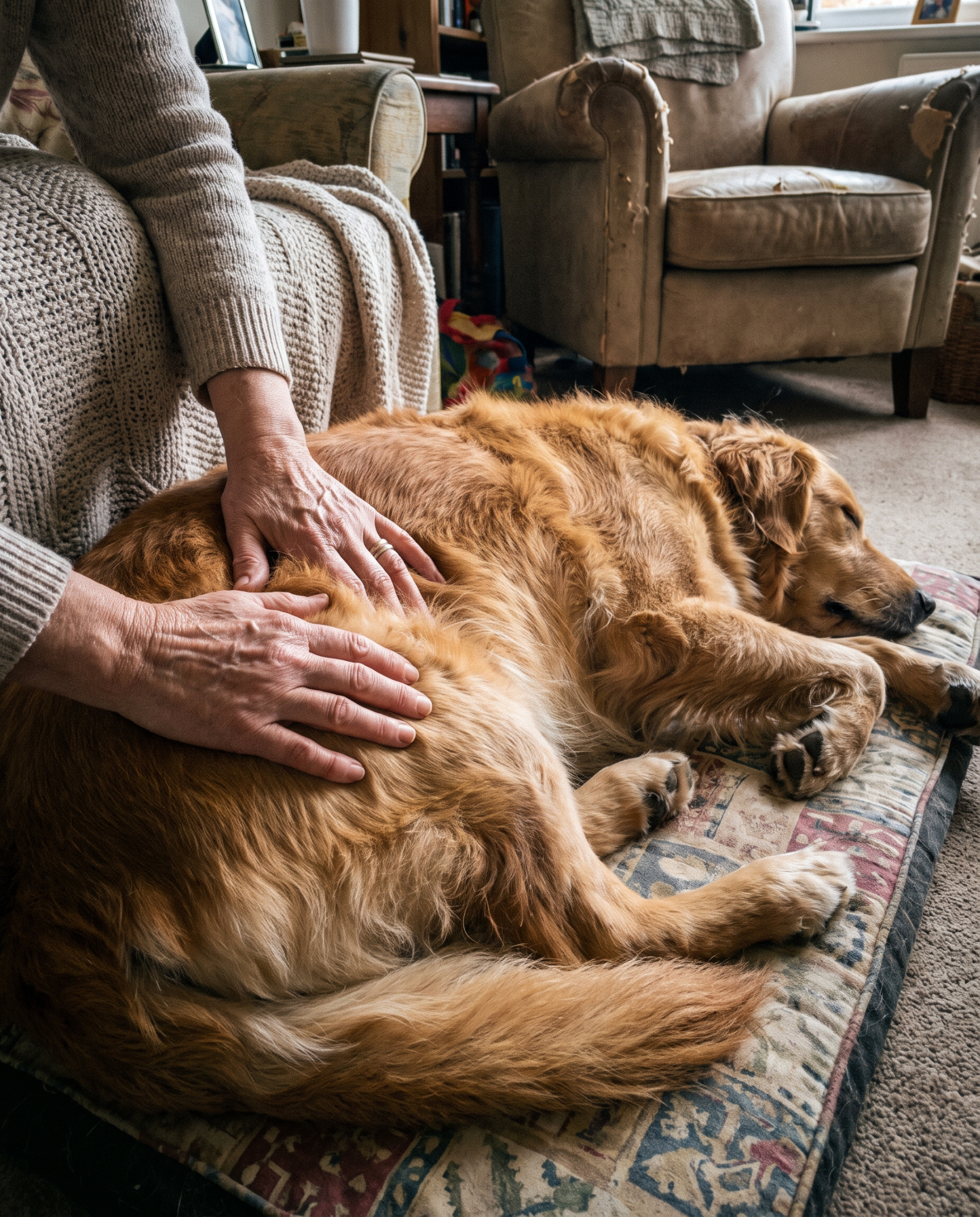
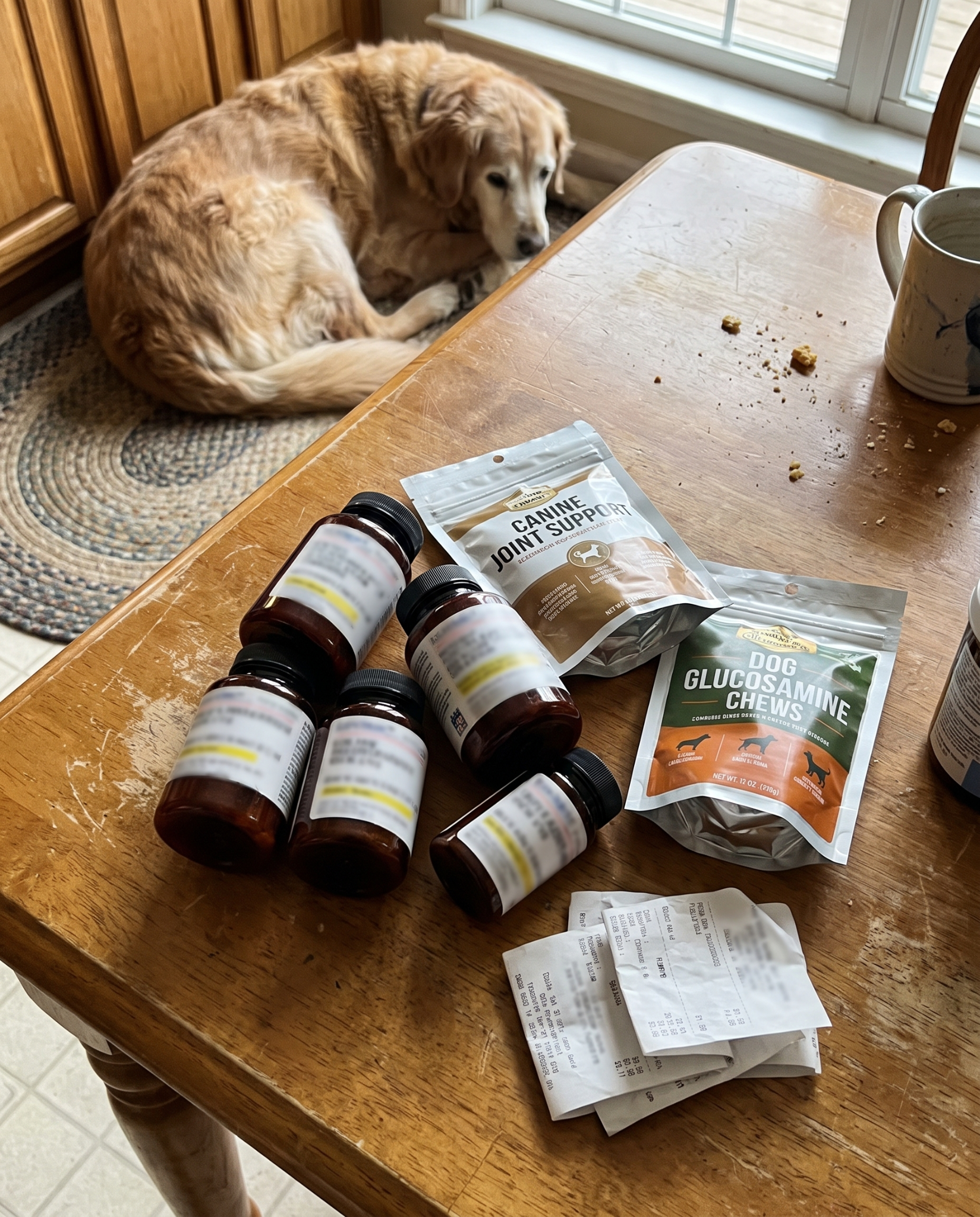
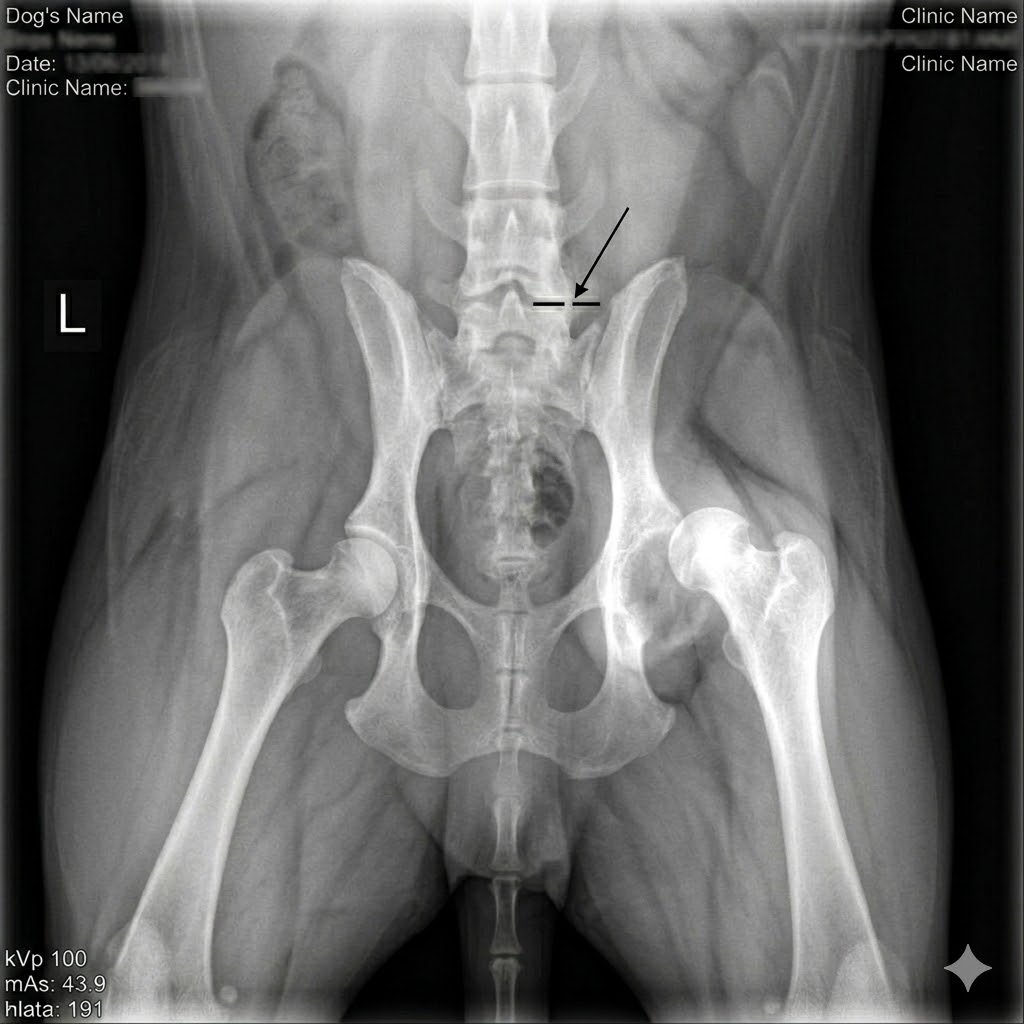
If your dog is on Carprofen, Galliprant, Adequan, or any other joint pain medication — and your vet is talking about increasing the dose or scheduling surgery — stop and read this before you fill the next prescription. I'm not the type of person to put something like this online. I'm a 56-year-old guy with calluses on his hands who runs a small sheep operation in rural PA. Worked the same job 31 years before I retired. I don't go for hokey crap. I think most of what's online is garbage. But I almost lost my second dog to the same joint pain protocol that killed my first one. And nobody warned me either time. So if you're sitting in front of a vet right now hearing words like "let's bump up the dose" or "hip consult" or "surgical referral" — and your gut is telling you something doesn't add up — read this before you sign anything. I'd seen a statistic the week before my last vet visit that made me sick. Dogs with joint pain are 17 times more likely to be euthanized early than a normal dog the same age. Not twice as likely. Not 5 times. 17. I didn't believe it when I first read it. I'd owned dogs my whole life and not one vet had ever mentioned it. But here's the truth nobody had told me. Your vet looks at your dog's joints. Your vet looks at your dog's bloodwork. The cartilage that's actually wearing down? Nobody is paid to look there. That's why most of us never hear this. That's why my last dog never heard it either. His name was Buddy. A German Shepherd. We had him for 11 years. The best dog of my life. And he was part of that statistic. For FOUR YEARS Buddy was on the exact same protocol your vet is probably pushing you into right now. Started with Carprofen. His vet called it "the standard." Said he'd be on it for the rest of his life, but that was fine because his joint pain would stay managed. His pain seemed managed. Everything else fell apart anyway. Within the first year he gained 8 pounds without us changing anything he ate. Vet said it was his metabolism slowing with age. By year two he was 14 pounds heavier and couldn't take the stairs without stopping halfway. His energy? Gone. This was a dog who used to drag me down the street on our walks. By year three he was lying down halfway through a 20-minute walk. His face got puffy. He started panting in his sleep. The water bowl needed to be filled twice a day instead of once. And every time we brought it up, his vet said the same thing. "His bloodwork is okay, Buddy's just getting older. The Carprofen is doing what it can. Keep him comfortable. Don't push him too hard." I was already not pushing him. Walking less wasn't the problem. My wife said it was like watching him disappear one walk at a time. They had him on that medication for FOUR YEARS. Four years of the scale going up. Four years of him slowly becoming a different dog. Four years of appointments where they'd check his bloodwork or add another pill... but never once... not ONE TIME... did anyone say, "Maybe something is wrong that this medication isn't fixing." And then it killed him anyway. 11 years old. He couldn't get up Sunday morning to come outside with me. We made the call that afternoon. He'd been the best dog of my life. At the visit afterward my wife said something I'll never forget. "For four years they told us he was fine, just getting old. They were wrong the whole time." So when my current dog Cooper started slowing down at 8, I'd already promised myself I wasn't going to repeat it. I'd tried glucosamine. Chondroitin. Green-lipped mussel. Two months on a "joint formula" food. CBD oil for 6 weeks. He was still slowing down faster than any dog I'd ever had at 8. I take him to his annual physical. Vet weighs him. 91 lbs. Up six from last year. Watches him walk across the exam room. Runs the lameness assessment. Vet pulls up his chart. Looks at me. "Tom, his joint pain is progressing faster than I'd like. His bloodwork shows the Carprofen would start to affect his liver enzymes. We need to put him on 75 milligrams a day. And I'd like to refer you to the surgical specialist about a hip consult." My chest tightened. Carprofen prescription. Surgical consult. Four years of watching Buddy shuffle around the house because he was too tired to play. Four years of him not making it down the porch stairs without sitting down halfway. Four years of his bloodwork being "fine" right up to the day we made the call. And then joint pain took him anyway. "No," I said. She blinked. "Excuse me?" "I'm not doing it. My last dog was on Carprofen for four years. I watched what it did to him. And I watched joint pain take him anyway at 11." She gave me that look. "Tom, we need to manage Cooper's pain. The Carprofen…" "What's the point of more pills if they didn't save Buddy?" She didn't have an answer. I told her to give me three months. She wasn't happy. Wrote something in his chart. I didn't care. For three months I did everything right. Cut Cooper's walks down to gentle ones. Added fish oil. Switched to a senior food formula. Bought him orthopedic memory foam beds for every room. Three months later we went back. 90 lbs. Down one. Joint pain rating about the same. Vet pulled out her prescription pad again. "Tom, it's time." "Give me three more months." "Tom—" "Three more months." She sighed. I didn't care what she wrote. That night I couldn't sleep. I kept thinking about Buddy. Same symptoms. Same medication. Same bloodwork coming back "fine" right up to the morning he couldn't get up. At 2 AM I gave up. Went downstairs. Opened my laptop. I started searching. What actually causes dog joint pain to progress. Why the medication never touches the underlying cause. Why some dogs get worse and worse even when their bloodwork looks fine. Every site said the same thing. Give the prescription medication. Keep them lean. Limit high-impact exercise. Add glucosamine. I'd done all of it. So I kept digging. Looking for owners who'd actually solved this. Not managed it. Solved it. That's when I found the thread. A Reddit post with over 6,000 comments. The title... "Why do working sheepdogs work into their teens?" I almost scrolled past. But something made me click. Rural Pennsylvania. Working sheep farms. Border collies and shepherds herding sheep at 12, 13, even 14 years old. Owner after owner posting pictures of senior working dogs going up and down hills, jumping fences, running circles around younger dogs. The same question kept coming up. Why don't these dogs have joint problems? Person after person in the comments. Stories. Pictures of working dogs in their senior years, lean, energetic, working sunup to sundown. Someone posted a Google Maps link. A working sheep farm in Lancaster County. I looked at the clock. 2:47 AM. By 6 AM I was in my car. By noon I was in Pennsylvania. I didn't have an address. Just drove until I saw farmland. Turned down a dirt road when I spotted a hand-painted sign. "Working Border Collie Pups Available." First farm I came to, there was an old woman on the porch. Had to be pushing 80. Small. Lean. Hair pulled back under a wool cap. She was training a young border collie. The dog was watching her hands like its life depended on it. I parked and walked up to the porch. By the time I reached the steps I'd worked up the courage to speak. "Excuse me," I said. "I don't want to bother you. But how old are your dogs?" She looked up with sharp, clear eyes. The dog at her feet was old. Gray muzzle. But standing. Alert. Watching me. "This one's 14," she said, putting her hand on the gray dog's head. "Still works the sheep most mornings." I stood there. My last dog was 11 when we had to make the call. Couldn't get up. Couldn't walk. And this woman's dog was 14, still working a herd. "I lost my dog last year," I said. "He was 11. Couldn't get up anymore. Had been on Carprofen for four years. My vet says my current dog is on the same path." She set the lead down. Looked at me for a long moment. "You came here for a reason," she said. "Come inside. I'll show you something." Her kitchen smelled like coffee and bread. She poured me a cup without asking. Pulled out a chair. "Your dog's medication," she said. "It's treating the wrong thing." I didn't understand. "There are two parts to dog joint care. Pain management. And cartilage rebuilding. Your medicine — the Carprofen, the Adequan, the glucosamine — only handles the first part. It blocks the pain signal. Your dog still feels relief." She folded her hands on the table. "But the cartilage is still wearing down underneath. Every step is still grinding it away. The pain medication doesn't slow it. The pills don't slow it. The cartilage just keeps disappearing while you think your dog is doing better." She tapped the side of her hip. "That rebuilding... putting new cartilage back into the joint... doesn't happen from a pill. It happens when the body gets specific proteins it needs to do the work. Collagen. Elastin. Hyaluronic acid. The body uses those to repair joint cartilage. The medications don't deliver those proteins. Glucosamine doesn't either. Chondroitin doesn't either. None of the standard treatments do." I stared at her. "Years of joint pain is like years of grinding metal. The cartilage gives out. But the joint can rebuild itself — if you give it the materials. Most dogs never get the chance. Their owners are managing the pain while the joint finishes its slide. That's why so many of them end up where your last dog did." She shook her head slowly. "17 times more likely to be euthanized early. Their owners did everything they were told. Their vets watched them slide. And nobody knew there was another road." She looked me straight in the eye. "And here's the part that will make you angry. No medication on earth can put new cartilage into your dog's joints. Not Carprofen. Not a higher dose. Not Adequan. Not surgery. The only road to joint repair runs through bioactive proteins delivered from a natural source. If those proteins aren't being delivered, no pill, no shot, no procedure will fix what's actually breaking down." She leaned back. "That's why your dog's joint pain test comes back as 'managed.' The medication is doing what it does. But the cartilage is still grinding away. And one morning your dog can't get up. And the vet says it's time." My eyes started to burn. "That's why nothing you've tried has worked. That's why the supplements didn't move the needle. That's why the meds don't slow the progression. Because none of those things give the joint what it needs to repair." She reached across the table and tapped her finger once. "That is what killed Buddy. Not arthritis. Not the medication. A joint that couldn't repair itself because nothing was delivering the building blocks. Four years of grinding. And eventually he couldn't get up." I asked her how she knew. She smiled. A small smile. "My grandmother trained working dogs. Her mother before her. We've known this for three hundred years. Our dogs work into their teens because we never let the cartilage slide get started. We give them what their joints need from the time they're young." Eggshell membrane. I'd seen it at the pet store. She must have read my face. "That's not what you think it is," she said. "What's at the pet store is dust." She stood up. Walked to a cupboard. Pulled down a jar. Inside was an off-white powder. "Real eggshell membrane has to be cold-processed. Slow. Carefully. So the proteins stay alive." She held up the jar. "The factories dry it with heat because it's cheap and fast. Heat kills the proteins. Then they grind it with filler to stretch it. Put it in a chew. Put it on a shelf. The owners who buy it get nothing. Their dogs' cartilage stays starving. Their joints keep grinding. And eventually their owners are at the kitchen table making the same call you made." She set the jar down. "And once the cartilage starts repairing, your dog's joint needs four more things to finish the job. Hyaluronic acid. Boswellia. Collagen. Omega-3s. Has to be the right form. Has to be the right dose. Has to come together in the right order." She looked at me. "Cold-process the eggshell membrane. Feed it the right supporting nutrients. In the right form. In the right order. That's it. That's all of it." I asked her if anyone sold it the way she was describing. She nodded. "My nephew works with one company. Only one. Took them years to get it right. Cold-extracted NEM eggshell membrane. Clinical strength. The supporting nutrients already blended in. Two soft chews a day." She wrote the name on a piece of paper and handed it to me. Zoomies. I ordered it from her kitchen table. Bottle arrived two days later. I gave Cooper his first chew at dinner. He took it like a treat. Walked off with it. Chewed it slowly. Day one was a soft chew with dinner. That was it. Day two he ate his without thinking. Day three he was waiting for it before I even reached for the jar. By day four I started watching him for any sign of change. Cooper getting up from his bed in the morning. The pause before the back steps. The way he sat down halfway through a walk. By day five he stood up from his bed without the long pause. Just stood up. I almost missed it. Day seven was the morning that got me. I came downstairs to make coffee. Cooper was already at the back door, tail thumping. Looking at me like "let's go." Not lying down. Not struggling. Just standing there waiting. I went outside and we walked for 25 minutes. He didn't stop once. He didn't sit down halfway through. He didn't look up at me asking to go home. Week two. Cooper was meeting me at the door when I came home for the first time in over a year. Tail up. Week three. He chased a squirrel up a tree at the park. He hadn't done that in years. Week four. I took him on a real hike. With hills. He kept up the whole time. I went back to the vet at week six. Same vet. The one who'd wanted Cooper on the Carprofen and the surgical referral. She was looking at his chart when we walked in. Didn't look up. "Alright, let me have a look at how Cooper's doing today before we get the surgical referral started—" Then she looked up. And she just stopped. She watched Cooper walk across the exam room. Tail up. No limp. No hesitation. Cooper trotted to the corner, sniffed the chair, and trotted back to me like he was 4 years old again. The vet didn't say anything. She stood up. Walked around the exam table. Knelt down next to Cooper. Started running her hands along his hips. Flexed his back legs one at a time. Watched his face for any sign of a flinch. Nothing. She stood back up and just looked at him. For a long moment. Like she was trying to figure out if this was even the same dog. "How long has he been moving like this?" I told her. About six weeks. She shook her head slowly. Looked at his chart. Looked back at Cooper. "I'm not going to lie to you. This is not what I expected to see today. I had the surgical referral paperwork on my desk this morning." She sat back down on her stool. Looked at me. "What did you change?" I told her. The Pennsylvania farm. The NEM eggshell membrane. The cold processing. The clinical dose. I told her about the study on PubMed — randomized, double-blind, placebo-controlled — the one showing 20% better movement and 19% less pain in 7 days. 47.9% more cartilage protection at 6 weeks. She nodded slowly. "I'll be honest with you. I haven't kept up with the eggshell membrane research as closely as I probably should have. I want to look into that study." Then she sat back. "Whatever you're doing, keep doing it. We're going to hold off on the surgical consult. If he keeps doing this, we may not need to do the procedure at all." Hold off on the surgical consult. Three months earlier this woman was telling me Cooper was on his way to a $20,000 hip replacement. Now she was telling me to keep doing what I'm doing. So here's what I want you to know. If your dog is on Carprofen, Galliprant, Adequan, or any other joint pain medication — and your vet is talking about increasing the dose or scheduling surgery — the missing piece is probably not another drug. It's not a higher dose. It's not the surgical specialist. What your dog's joints actually need to stop wearing down is bioactive protein delivery. Cold-processed NEM eggshell membrane at clinical strength. Plus hyaluronic acid. Plus boswellia. Plus collagen. Plus omega-3s. In the right form. At the right dose. In the right order. That's it. If you've tried eggshell membrane and seen nothing — you're not crazy and it's not snake oil. You almost certainly bought the cheap heat-processed version. The proteins were destroyed before your dog ever swallowed the chew. The right form, at the right dose, is a completely different ingredient. If you've tried glucosamine, chondroitin, green-lipped mussel, joint formula food — and your dog kept slowing down — none of those deliver what cartilage needs to actually rebuild. They were never going to fix it. I wish someone had told me this when Buddy was 8. He'd be 16 now. Still working the backyard. Still meeting me at the door. I'm sharing this because nobody told me. I'm just a dog owner who almost lost his second best friend the same way he lost his first. Hope this helps someone else avoid what I went through. EDIT: I cannot believe I forgot to put the brand of the joint chew. It's called Zoomies. Here's the link: https://zoomiespethealth.com
I Wasted a Year Of My Dogs Life (and $300)
“I trusted my vet for 4 years. We did Carprofen, then Adequan injections twice a week, then prednisone for the bad days. His pain was 'managed' the whole time. Then one morning he couldn't get up. The drugs never fixed anything — they just hid it while everything else fell apart.” — Robert T...
SEE DETAILSLike this ad? Make it yours.
Crush rebuilds this exact creative around your product — your brand, your colors, your offer — in about a minute.