
Inactive· since Aug 29, 2026
- 9
- days it ran
- 0
- relaunches
Ad copy
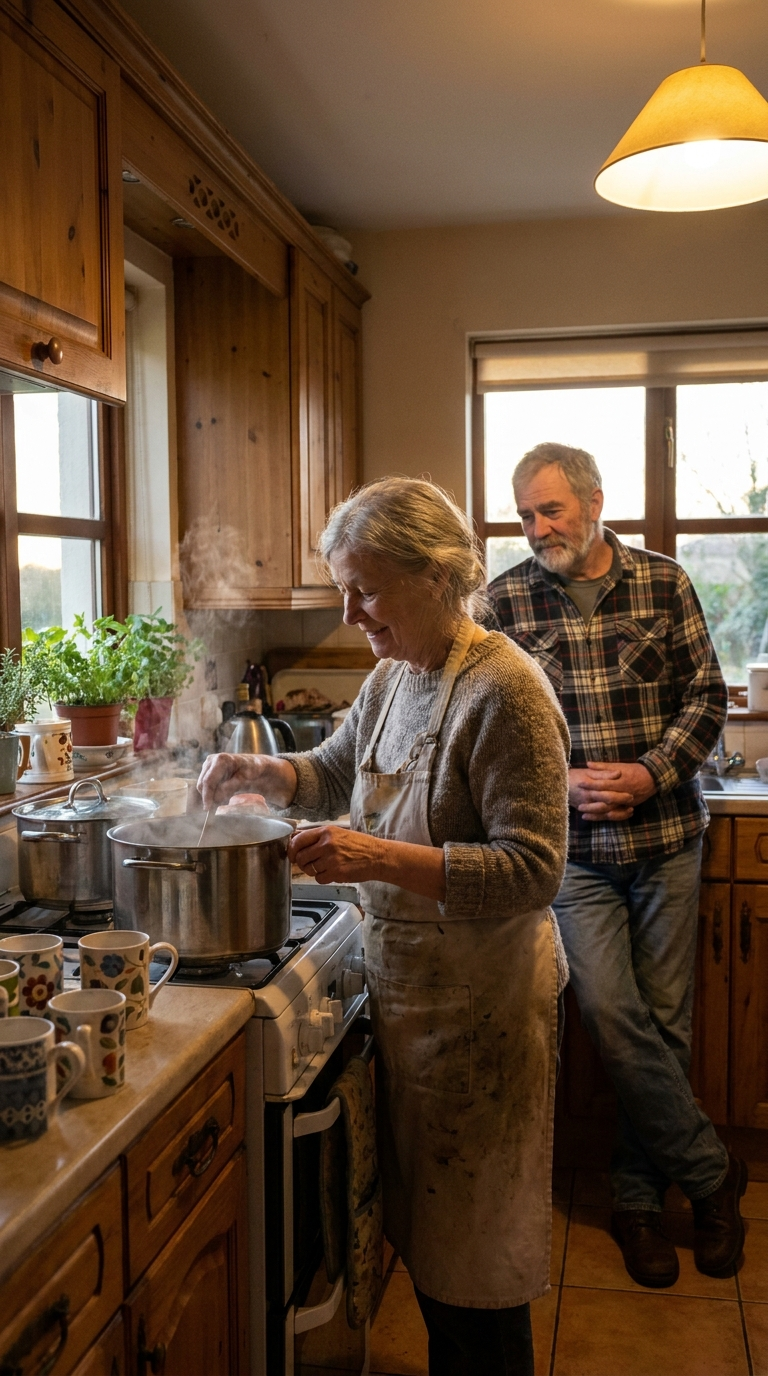
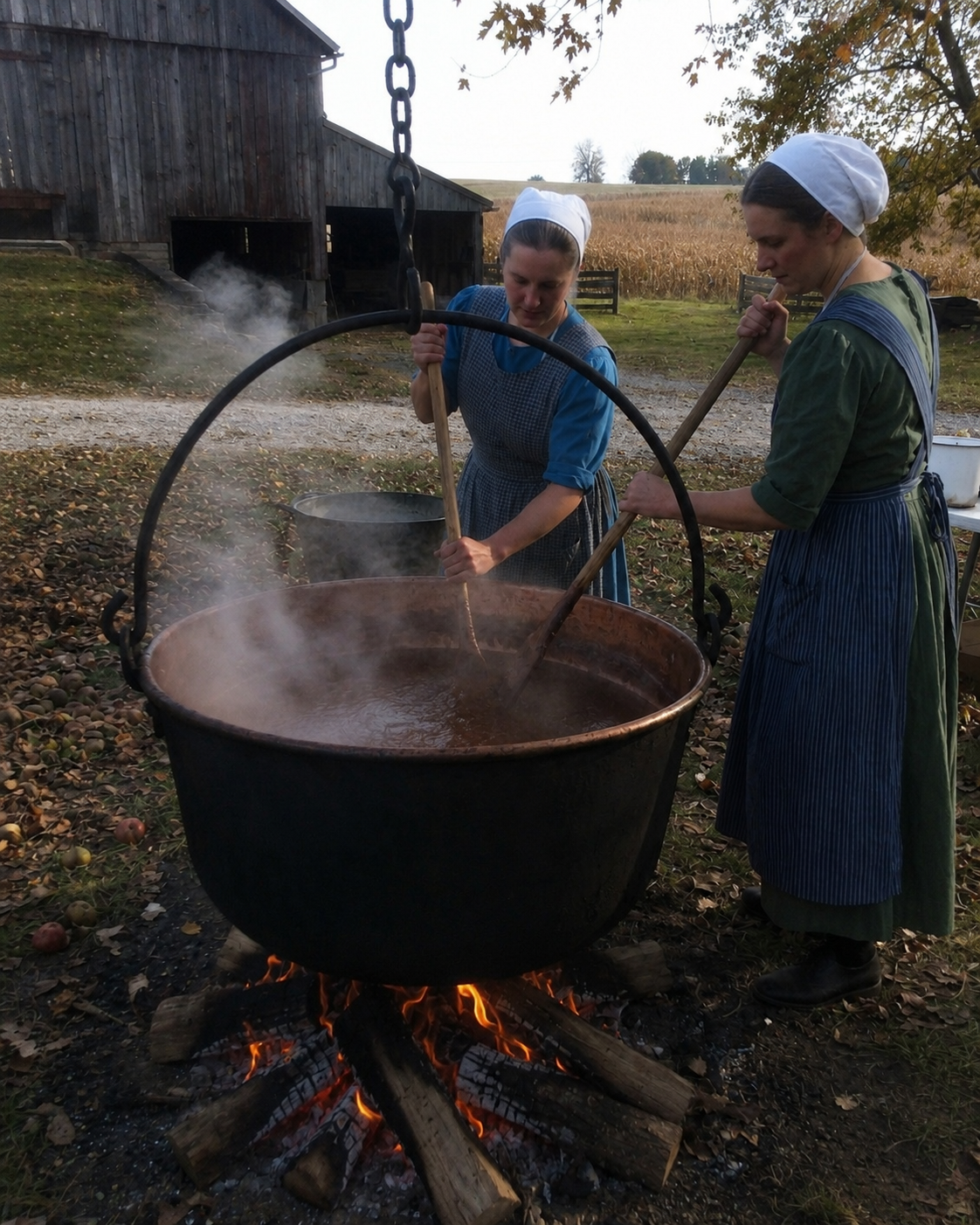
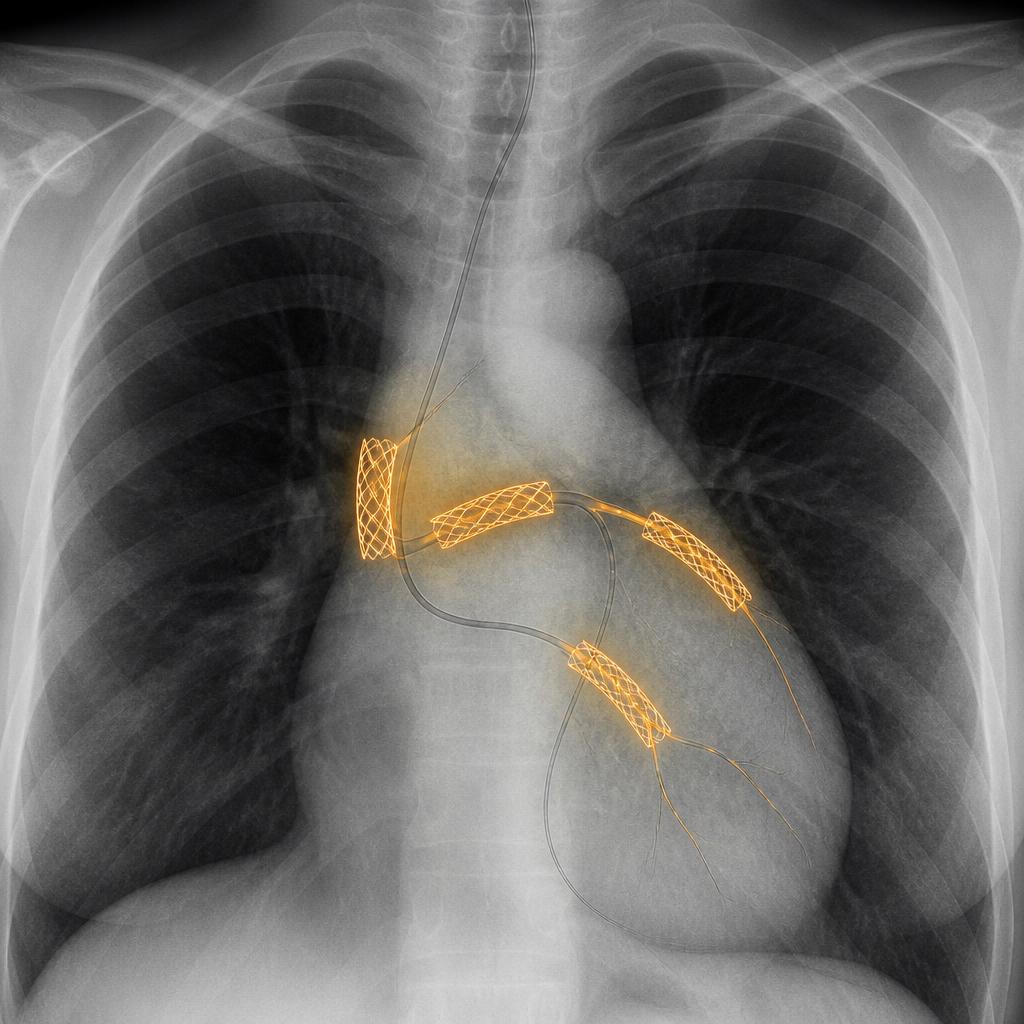
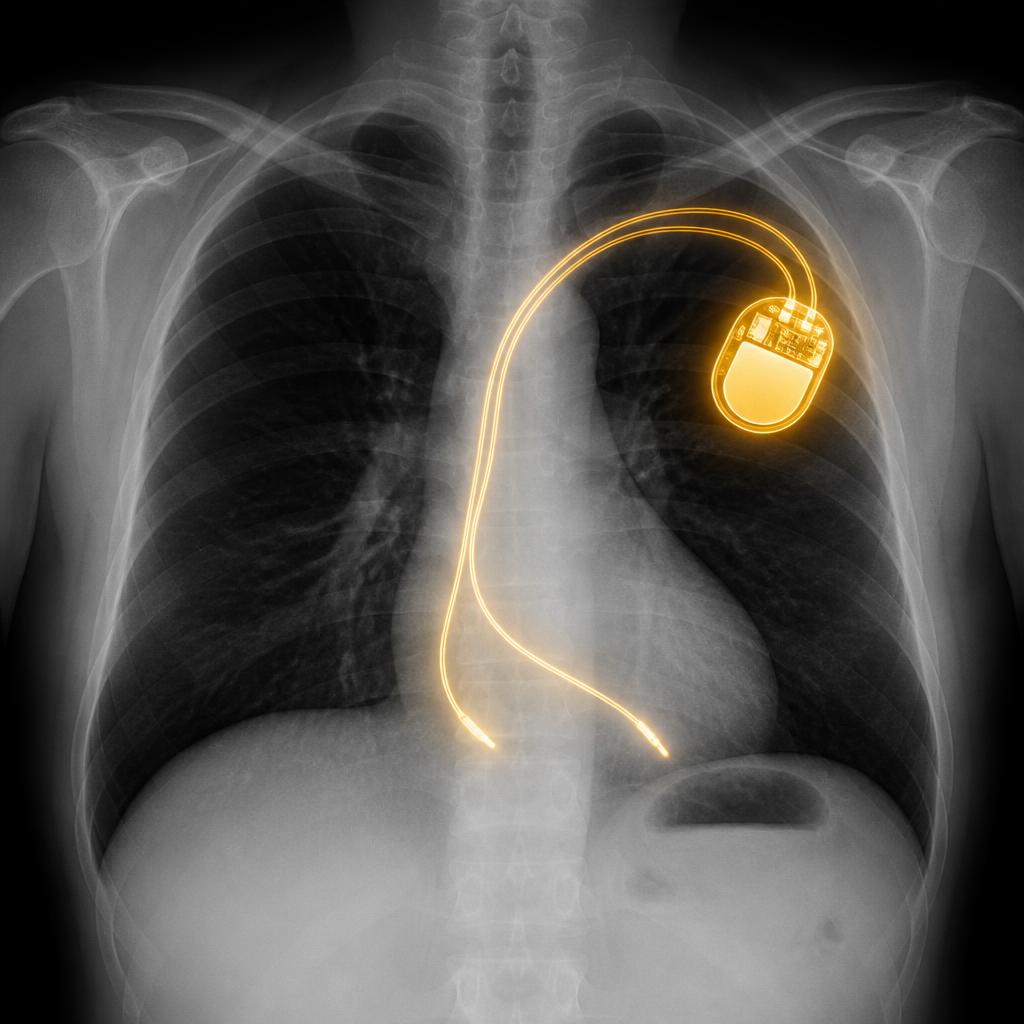
My coronary calcium score went from 16 to 814 in eight years. I was on Atorvastatin the entire time. My LDL was 94. My blood pressure was controlled. Every number on my chart said managed. Then I coded on a cath lab table at 3:12 AM while a fellow I had trained placed two stents in my left anterior descending artery. I am a board-certified interventional cardiologist. Twenty-two years of practice. 1,347 stents placed before that morning. The hospital bill was $68,000. Cardiac rehab was another $8,400. They will let me operate again. My hospital privileges are intact. But I will never place a stent again without remembering that I was on that same table with someone I had trained running a wire into my own artery because everything I was taught to prescribe had not saved me. I am writing this because I know exactly what my colleagues will say when they see it. I do not care. If you are over 50 and your cholesterol is elevated, or your blood pressure is creeping, or someone you love is on a statin or being told they need one — please read the entire thing. I know it is long. I know you are scrolling. I know you have things to do. Fourteen months ago I would have given anything for someone with my credential to sit me down and tell me what I am about to tell you. Nobody did. I was first told my cholesterol was elevated eight years ago at 50. LDL of 154. Total cholesterol 231. The diagnosis did not surprise me. My father had died of a myocardial infarction at 63. He had been on Atorvastatin and Lisinopril for nine years. His numbers had been controlled the entire time. I had watched the pattern in my own family and I had built my entire career on treating cardiac events in patients who looked exactly like my father. I did what any cardiologist would prescribe for herself. My internist — a colleague at my own hospital — started me on Atorvastatin. She added Lisinopril two years later when my blood pressure crept to 136 over 86. She added low-dose aspirin the year after that. Standard cardiac protocol. The same three medications I had personally prescribed to hundreds of my own patients. I walked four miles a day. I stopped drinking. I lost sixteen pounds in the first year and kept it off. I ate the Mediterranean protocol I recommend to every patient after a stent placement. I ordered a coronary calcium scan on myself the year my cholesterol was first flagged. Score of 16. I checked every box on my own cardiac protocol. By last August, my LDL was 94. My blood pressure was 126 over 78. My resting heart rate was 68. By the standard of the guidelines I had helped write for our hospital's cardiology group, I was managed. Managed. That word. I ordered a second coronary calcium scan on myself last August, eight years after the first one. I did it because a feeling would not leave me alone. I have called patients over the phone with scores half of what mine came back and used the sentence, we need to talk today, not tomorrow. My coronary arteries had been deteriorating for eight straight years behind every managed number on my chart. No drug I was taking had slowed it. No protocol I was following had interrupted it. Something was destroying the walls of my arteries from the inside while every measurement my colleagues were tracking said I was fine. Fine is what you call it when the decline is slow enough to rename. I called my interventionalist partner and asked her to schedule a CT angiogram for me. She did. I did not go. I want to tell you why. Because sitting in my office at 7 PM staring at my own calcium score on my own screen, I recognized something I had spent my entire career refusing to see. I was doing exactly what my father had done. He had been managed for nine years before the heart attack that killed him. He had been on Atorvastatin and Lisinopril. His LDL had been in range. His blood pressure had been controlled. His cardiologist had used the word managed at every annual follow-up for nine years. And he had died at 63 in the emergency room of the hospital where I did my cardiology fellowship. I did not go to my own CT angiogram because I already knew what it would show. I did not want to see it on film. I told myself I had time. Eighteen days later I woke my husband at 3 AM. The pain started in my chest at 2:58 AM. I remember the time because I looked at my bedside clock and thought, this is not indigestion. It was not. It was the pressure I had described to a thousand patients in follow-up appointments. Central. Substernal. Radiating into my left jaw. David — an orthopedic surgeon — sat up before I could finish the sentence. He is not a cardiac clinician. But he has heard me describe this exact presentation at our dinner table for twenty years. He drove me. We went to a competing hospital, not my own. Because I did not want the fellows I had trained to see me on that gurney. They saw me anyway. The interventionalist on call was a woman I had trained through her fellowship in 2020. She walked into the room, saw me on the gurney, and her face changed. She said my name. "I need a cath," I told her. "LAD occlusion. Ninety percent or better. Get me in the lab." "Yes, ma'am," she said. They wheeled me down the corridor I had walked down a thousand times going the other direction. I looked at the ceiling tiles and counted them because I did not want to look at the fellow who was about to run a wire into my heart. My rhythm went ventricular fibrillation thirty-two seconds after they got me on the table. Then flatline. Nine seconds of nothing before they shocked me back. Two stents in the left anterior descending. Both placed in the same eighteen-minute window I had performed for other patients hundreds of times. I was in the ICU for three days. Cardiac step-down for four. I came home on October 2nd with my husband, a cane, two stents in my chest, and a shopping bag of prescriptions I had personally recommended to hundreds of patients over twenty-two years. The full workup my colleagues ran before discharge showed what I already suspected. My nephrology colleague pulled my last four creatinine readings up on her screen. They had been climbing quietly for three years. My eGFR was 72 and had been 91 four years earlier. She used the phrase early stage 2 nephropathy. Nobody had flagged it because my chart had read managed. The retinal specialist found small hemorrhages in both eyes. Early background retinopathy. I had been squinting to read echocardiogram reports for six months. I had blamed my reading glasses. The hepatologist found elevated liver enzymes. My ALT had been sitting at 44 for two years. Nobody was tracking it. The neurologist documented measurable cognitive processing delays. I had been searching for words in the middle of patient consultations for eight months. I had blamed stress. I had blamed sleep. Every one of my organs was showing the same pattern I had watched in hundreds of my own cardiac patients after a first event. Not five separate problems. One problem. In five organs. Something had been damaging the tissue of my arteries, my kidneys, my eyes, my liver, and my brain — simultaneously, continuously, for years — while every measurement my colleagues were tracking said I was fine. I sat in my office on October 18th with all five reports in front of me and I understood something I had never let myself understand before. Every drug in my protocol had been treating a downstream measurement. Atorvastatin was suppressing my cholesterol production. But it had never stopped whatever was corrupting the cholesterol I did have into the form that actually builds plaque. My LDL was 94. Controlled. And the arterial walls behind that controlled number were calcifying at a rate I would have called a patient about. Lisinopril was managing the force pushing blood through arteries that were stiffening from the inside. It did not repair the wall. It did not stop the stiffening. It managed the pressure while the wall behind it continued to fail. The aspirin was thinning my blood to prevent clots from forming on arterial surfaces that were being destroyed. It did not stop the destruction. It managed the risk of a clot while the surface underneath kept deteriorating. Three medications. Three downstream measurements. And the thing that was actually destroying every organ in my body — the thing behind all three measurements — none of them touched it. I am a cardiologist. I am supposed to be the person who prevents this. I had prescribed the exact three-drug protocol I was on to hundreds of patients who looked like my father. Every one of those prescriptions had followed the guidelines. Every one had passed peer review. And it had failed me at 58 the same way it had failed him at 63. I sat at my desk that night at 11 PM after David had gone to bed and I did something I had not done since medical school. I opened PubMed and I searched for the actual mechanism. Not the management guidelines. Not the drug interaction studies. The mechanism. What was destroying my arterial walls behind every managed number. The research was not hidden. It was sitting in journals I had had access to for twenty-two years. Circulation. The New England Journal. Free Radical Biology and Medicine. I had read those journals every month for the interventional trials. I had never read them for the mechanism papers because my training had told me the mechanism was managed and the treatment was to manage the downstream measurements. My training was wrong. The research pointed to one process. Not how much cholesterol you have. What happens to it. Free radicals — the most destructive molecules the human body produces — attack LDL particles and oxidize them. Corrupt them. Turn them from healthy transport molecules into something sticky and rancid. That oxidized cholesterol burrows into the arterial wall, packs in, layer over layer, hardens into plaque. And one day a piece of that plaque tears loose and the artery jams shut. That is the heart attack. Not the cholesterol you have. The cholesterol that has turned. I read for four hours that night. I followed the citations. Study after study, journal after journal, the same mechanism described from different angles. The number on my chart — the LDL my colleagues tracked, the number my statin was built to lower — said nothing about how much of my cholesterol had already turned. You can have a beautiful number and rusting arteries in the same body. My father had. I had. And then, around 3 AM, I found something else. A body of research I had never encountered. Studies on a specific class of plant pigments — deep red, naturally occurring, found in the highest concentrations in a single family of root vegetables. Betalains. Published in journals I recognized — Free Radical Biology and Medicine, the Journal of Agricultural and Food Chemistry, Phytomedicine. Research institutions in the US and Europe documenting a mechanism of action unlike any pharmaceutical antioxidant I had been trained on. These pigments did not carpet-bomb every free radical in the body the way vitamin C or vitamin E does. They targeted selectively — only the destructive oxidation reaction, only the turning. And they reached inside the LDL particle itself, where the damage begins, where nothing in my medicine cabinet had ever gone. I stared at my screen. I had been a board-certified interventional cardiologist for twenty-two years. I had placed 1,347 stents. I had written protocols for my hospital's cardiology group. And I had never been trained on this. I closed my laptop at 3:47 AM. I told myself the research was interesting but preliminary. I told myself I needed pharmaceutical-grade evidence, not mechanism papers. I told myself I would look into it further when I had time. I did not look into it further. I went back to work. I went back to placing stents and writing the same prescriptions I had always written. Three weeks later I saw a patient in follow-up who should not have been in the numbers she was in. Her name was Ruth. Sixty-one years old. She had been my patient for four years after transferring to me following a stent placement. Her LDL at intake four years earlier had been 178. Blood pressure 142 over 88. She had been on Atorvastatin and Lisinopril. I pulled her chart before she came in expecting to increase her statin dose. Her LDL was 86. Her blood pressure was 116 over 72. She had come off Lisinopril fourteen months earlier at her own insistence and her numbers had not climbed back. I looked at her across the exam room and asked her what she was doing. She was quiet for a moment. Then she said, "Doctor, my husband Henry was a plant biochemist at Penn State for thirty years before he retired. He studied the pigments in root vegetables — beets, specifically. He has been telling me to take something for years. I finally listened fourteen months ago. I did not bring it up because I did not think you would take it seriously." I sat very still. Plant pigments. Beets. The research I had found at 3 AM three weeks earlier. I asked if I could meet her husband. She looked at me for a long moment. Then she smiled. "He has been waiting four years for one of my doctors to ask." That Saturday I drove forty minutes to a neighborhood I had never been to. I did not tell David where I was going. I did not tell my practice partner. I did not tell anyone in my institution that a board-certified interventional cardiologist was driving to a patient's house on a Saturday morning because everything her medical education and her board certification and her twenty-two years of practice had taught her about how to protect the heart had not protected her own. I pulled into the driveway of a small colonial at 10:15 AM. The yard was well-kept in a careful, unhurried way — the kind of upkeep that belongs to someone with nowhere else to be and the patience to do it right. Ruth opened the door. Behind her I could see a hallway lined with framed photographs. She brought me to a room at the back of the house. It was a study. Small. Warm light from a desk lamp. Bookshelves floor to ceiling — journals in English, some in German. I recognized Circulation. Free Radical Biology and Medicine. The same journals I had been reading on PubMed at 3 AM. On one shelf, between the journals, a framed photograph of a younger man in a white coat standing in front of a laboratory sign at Penn State. On the opposite wall, a different kind of photograph entirely — a man in work boots standing at the edge of a cultivated field, rows of green stretching behind him into a flat Lancaster County morning. Henry Brenner stood up from behind his desk. A man in his early seventies. Lean. Reading glasses pushed up on his forehead. He had the unhurried precision of someone who had spent decades measuring things that mattered. He shook my hand and looked at me with steady, quiet eyes. "Dr. Harwell. Ruth told me about your event. I am sorry." He paused. "I wanted to say something sooner. After her first appointment with you four years ago, she came home and told me what you prescribed. The Atorvastatin. The Lisinopril. The same protocol. I recognized it immediately." He looked at the floor. "But I have learned that American cardiologists are not ready to hear what I have to tell you. Not until something breaks. I am sorry it had to break in your own chest." He gestured toward the kitchen. "Please. Sit." His kitchen smelled like coffee and something faintly earthy I could not place. He poured coffee without asking. He sat across from me at the table and said, "Tell me what your reports showed." I told him. All five. The kidneys. The eyes. The liver. The cognitive delays. The arteries. He nodded slowly. "Same process," he said. "In every one." He stood and took an apple from a bowl on the counter. Pulled a knife from a drawer. Cut the apple in half and set one half on the table, cut-side up, between us. "Watch this while we talk," he said. "You will see the answer." He sat back down. "Your Atorvastatin manages how much cholesterol your liver produces. But the cholesterol you still have — the cholesterol your body needs, your brain needs, your hormones depend on — that cholesterol is being attacked. Turned. Changed into the form that sticks to arterial walls and builds the plaques you have been placing stents through for twenty-two years." He tapped the table. "Your Lisinopril manages the force. But the arterial wall is stiffening because the inner lining is being damaged from inside. The wall loses flexibility. Your heart pushes harder. The drug manages the pressure. It does not repair the wall. It cannot. It was never designed to." He looked at me. "The aspirin thins the blood. Good. Prevents clots on damaged surfaces. But it does not stop the surfaces from being damaged. It manages the consequence of a wall that is failing while the wall continues to fail." "I know," I said. "I read the mechanism papers three weeks ago." "Then you know what is doing this." I nodded. "Oxidized LDL," I said. "Free radical damage to the cholesterol particles themselves." He held up a hand. "Say it once and forget it. Your patients do not need those words. What they need to know is this: the cholesterol in their blood is turning. Rusting. The same reaction that browns an apple, that rusts iron left in the weather. Nothing was added to it. Nothing was taken away. The air got at it and it turned, and turned cholesterol is not cholesterol anymore. It is something sticky and rancid that packs into arterial walls the way scale builds in a pipe." He pointed at the apple half on the table. It had been sitting between us for less than ten minutes. The white flesh was turning brown. "That," he said. "Right there. That browning. The same chemical reaction that is happening inside your arteries right now. Inside every organ whose report you are carrying. The same reaction." I stared at the apple. "No drug in your protocol stops that reaction," he said. "Not the statin. Not the blood pressure medication. Not the aspirin. Not the fish oil. Not the turmeric. Not the CoQ10 supplements." He paused. "And it gets worse. When your cholesterol turns, your body reads that damage as an injury — so it produces more cholesterol to patch it. Which gives the turning more material to work with. Which the body reads as more damage. So it makes more still. A wheel. The turning drives overproduction, and the more you make, the more there is to turn, and round it goes." He drew a circle on the table with his finger. "That is the loop your statin can never break. Because the statin only chops at the amount — how much cholesterol your liver produces. It never touches the turning that is spinning the wheel. It bails water as fast as it can and never once finds the hole." My phone buzzed on the table. I glanced down. A text from David. How's the errands going? I put the phone face down. "There is a second failure nobody connects," Henry said. He pulled a small notepad from beside the coffee maker and drew a quick sketch. An engine with a spark plug. "You have a lawn mower in your garage. Fuel is full. Filter is clean. It will not start. You check everything. Finally someone says: look at the spark plug. You pull it out. Corroded. Dead. Replace it and the engine fires immediately. Not because the fuel was wrong. Because the ignition was broken." He tapped the spark plug in his drawing. "The production line your statin shuts down in the liver — the one it clamps to force your cholesterol number down — does not only make cholesterol. It also makes something called CoQ10. Say it once and forget the name. Call it the spark. It is the ignition mechanism every muscle in your body fires on. Your heart. Your legs. Your hands. Your brain." He set the pen down. "Shut that production line down to force the number lower, and you throttle the spark at the same time. Same switch. You cannot shut off one without killing the other." He held his hand out flat. "The tiredness that sleep never touches. The grip going soft. The fog that eats the back half of your own sentences. That is not your cholesterol — high cholesterol is silent, it has no symptoms at all. And it is not your age. It is the pill, draining the spark out of every muscle you have. They call it a side effect. It is not. It is the drug doing exactly what it is built to do." I thought about eight years of Atorvastatin. The word-searching in patient consultations. The squinting at echocardiogram reports. The naps in my office between consults. Eight years of blaming stress and sleep and age for what the pill was doing to me with every dose. I had placed 1,347 stents. And the one pair of hands I never thought to examine was my own. "So the pill fails twice," Henry said. "It never stops the turning that is actually destroying your arteries. And it drains the spark that keeps you standing. What you need — what every patient who has ever sat in your exam room needs — is the opposite of that pill. Something that does two things at once. Stops the turning. And leaves the spark alone." "And you found it," I said. "I spent thirty years studying it." He picked up his coffee. "It was not a drug. It was not a supplement in a bottle on a shelf at a pharmacy. It was a pigment." He looked toward the photograph on the wall — the one of him in the Lancaster County field. "You know the deep red that stains everything when you cut a beet open? The color that will not scrub off your cutting board, your fingers, your countertop? That color has a name. Betalains. I spent my career studying that pigment, and it does two things nothing else I have ever measured can do." He drew a fresh circle on the notepad. "First. Most antioxidants are a carpet bomb. Vitamin C, vitamin E, turmeric — they attack every free radical in the body without discrimination. Sounds good until you understand that your body uses some of those free radicals on purpose. Your immune system needs them for signaling and defense. A carpet bomb destroys the ones doing damage and the ones keeping you alive. Same blast radius. No targeting." He drew a small arrow touching only one spot on the circle. "Betalains are not a carpet bomb. They are a smart missile. They target only the specific reaction that turns your cholesterol — the oxidation that makes LDL sticky and rancid. They leave every beneficial free radical untouched. Thirty years of research, same finding: selective. Nothing else I have studied does this." "Second." He drew a smaller circle inside the larger one. "Most antioxidants work in the gut or the bloodstream. On the surface. But the turning does not happen on the surface. It happens inside the LDL particle itself. Inside the structure. And the pigment — the betalain — is carried into the bloodstream folded inside that particle, right to the place where the damage starts. It reaches the fire. Vitamin C cannot get there. Vitamin E cannot get there. Turmeric cannot get there. They circulate on the outside and never reach the place where your cholesterol is actually being destroyed." He let that sit. I looked at the browning apple. Then at the photograph of him in the Lancaster County field. Then at the bookshelves full of journals. "Stop the turning," he said. "Leave the spark. That is the specification. That is what the opposite of your pill looks like." He paused. "But here is where it goes wrong for most people, and it is where I have watched good intention lead to harm." He stood and walked to a cabinet. Came back with two things — a small white saucer and a single capsule, dark red, almost violet through the casing. "When people hear the word beet, they go to Amazon. They buy the first beetroot supplement that has a thousand reviews and a low price. They take it for two weeks. They feel a slight lift — a little more energy, a little less fog — and they believe it is working. They believe the turning has stopped. It has not. The lift they feel is blood moving slightly easier. The beet is a vasodilator — it opens blood vessels a fraction. That feeling is real. But it is not the turning stopping. It is a shadow of the real thing, and it fools people into sitting still while their arteries continue to rust." He twisted the capsule open over the white saucer. A deep crimson powder fell out. Not red. Not pink. Crimson — almost violet, the color of communion wine, of a fresh cut before it dries. He placed a single drop of water on the powder. It spread across the white saucer like a stain — the kind of stain that does not come off. The kind of color you recognize if you have ever sliced a real beet and watched your fingers stay purple for a day. "That," he said. "That is what live betalains look like. That color is the medicine." He reached behind him into the cabinet again and set a second capsule on the table. A different brand. He twisted it open over the other side of the saucer. A dull, brick-brown powder. Dry. Lifeless. "And that," he said, "is what you get from Amazon. That is what ninety-five percent of the beetroot supplements on the market look like inside the capsule. Brown dust. Dead." He pointed at the brown side of the saucer. "Four things kill it before it ever reaches you. The first is the strain. The grocery store beet — the beet in every commercial supplement — has been bred for sugar for over a hundred years. Bred to be sweet. Bred to be big. Bred to be pale-hearted. It is a candy beet. The pigment that used to be medicine was bred out of it three generations ago because nobody was buying it for the pigment. They were buying it for the sweetness. What is left has a fraction of the betalain concentration of the old root." "The second is heat. Betalains are destroyed by heat. Most commercial beetroot powders are spray-dried at high temperatures to scale production and lower cost. By the time the powder reaches the capsule, the pigment is dead. The color tells you. Brown is dead. Crimson is alive." "The third is dose." He pointed at the brown powder. "The clinical research on betalains and cardiovascular oxidation uses a specific concentration. Thirteen hundred milligrams of intact betalains per dose. Most commercial brands put two hundred, three hundred milligrams inside a capsule and hide the rest behind a word called proprietary blend. A blend is where the truth goes to hide." "The fourth is proof." He walked to his study and came back with a single sheet of paper. "This is a certificate of analysis. From an independent laboratory. Run on the actual batch, not a sample from two years ago. Published where you can read it. Anyone can buy five-star reviews on the internet. Nobody can buy the number on a lab sheet." He set the paper on the table next to the saucer. "Four for four," he said. "The right strain. Shade-dried, never heated. Thirteen hundred milligrams per capsule, printed plain. And the lab paper from an outside lab, published where you can check it." I looked at the crimson side of the saucer. Looked at the brown side. Looked at the certificate. "Where does this come from?" I asked. His expression changed. Softened. He sat back down. "That is the part of the story I should have started with." He looked at the photograph on the wall — the field, the rows, the Lancaster County morning. "In 1997 I was cataloging betalain concentrations across commercial beet cultivars for a USDA grant. Routine work. Every commercial sample fell within the same predictable range. Low. Consistent. Unremarkable." He paused. "Then a colleague in our extension office sent me a batch of roots from a family in Lancaster County. An Amish family. They had been growing a seed line for over a hundred and fifty years — handed down through the women, grandmother to granddaughter, never crossed with the commercial sugar beet. They called it Blutwurzel. Blood root." He looked at me. "Dr. Harwell, when I ran those roots through our assay, the betalain concentration was so far outside the range of anything I had measured in commercial cultivation that I assumed the instrument had malfunctioned. I recalibrated. Ran it again. Same result. I ran a third time with a fresh sample. Same." "The old seed," he said. "Never bred for sugar. Never crossed. Never commercialized. A hundred and fifty years of hand-selection for the thing nobody in industrial agriculture was selecting for — the pigment. The red." "I spent the next three years working with those families. Drove to Lancaster County twice a month. They are Plain people — no electricity, no internet, no interest in academic journals. But they had been watching for generations, the way people who live close to the soil watch. They knew what the red did even if they had never named the molecule. They harvested after the first frost, when the plant pulls everything down into the root and the color runs deepest. They dried in the shade — weeks, not hours — because they knew heat killed whatever was inside it. They had been doing this since before my university existed." "I published. Nobody in cardiology read it." He was quiet for a moment. Then he said something I was not expecting. "My first wife, Helen, died of a massive stroke at sixty-one. She had been on Atorvastatin for seven years. Her LDL was in range. Her blood pressure was managed. The word on her chart was the same word that was on yours." He looked at the apple between us. It was fully brown now. "Managed." "I had been studying the pigment for a decade by then. I had published the concentration data. I had run the assays. I had the evidence in my own laboratory. And I had not given it to the person sleeping next to me because I did not think she would take it seriously, and I did not want to be the husband who pushes supplements on his wife." He looked at me and his eyes were clear and hard. "She died with a managed chart and a rusting brain, and I had the answer on my own bookshelf. I will carry that until I die." "When I married Ruth eleven years ago, I did not make the same mistake. I started her on the real beet — the Blutwurzel, from the same Lancaster County families — the first week. Her numbers reflect eleven years of the genuine article. That is the chart you have been looking at across your exam room for four years." He pushed the crimson capsule toward me. "The company is called Rosabella. They work directly with the Amish families who grow the seed line. Same harvest protocol — after the first frost. Same shade-drying process. Same strain my lab measured in 1997. Thirteen hundred milligrams of intact betalains per capsule, third-party tested, certificate of analysis published on their site." He looked at me. "Two capsules. One glass of water. Every morning." I looked at the saucer. The crimson side still glistening where the water had spread it. The brown side sitting dry and dead. After twenty-two years of training. After 1,347 stents. After a $68,000 hospital bill. After nine seconds of flatline. "Two capsules," he said again. "And the spark stays yours." Henry led me to their back porch. Ruth was already there, sitting in a wicker chair with a book. She looked up and smiled at me — a quiet, knowing smile. The smile of someone who had been waiting for this moment. We sat. Twenty minutes. That is when I felt it. A warmth moving down my arms and into my hands. Then a clearing — the heaviness that had been sitting behind my eyes for months, the low-grade static I had stopped noticing because it had been there so long, it thinned out. Like someone had opened a window in a room I had forgotten was closed. It was not a jolt. Not a caffeine rush. A quiet shift. I looked at my hands. The hands that had placed 1,347 stents. The hands that had been searching for words and dropping pens and blaming stress for eight years. Henry saw me looking. "That is not the cholesterol," he said. "The turning takes weeks to slow, and it shows up on bloodwork, not on a porch. What you are feeling right now is simpler. Blood moving easier. Oxygen reaching tissue it has not reached properly in a long time. The pigment is alive and in your blood. That is all that feeling means." He looked at me. "The feeling is not the proof. The lab sheet is the proof." I sat on that porch for a long time. Ruth — my patient, four years, the woman whose chart I had been tracking, whose statin dose I had been adjusting, whose numbers I had been trying to manage — she had been carrying the answer in her own home the entire time. When I left, Henry handed me a bottle of Rosabella and a folder of his published research papers. Some were from Penn State. Some were from the USDA collaboration. Some had his name alongside the Amish families' county extension agent. I read every one that night. Week one. My afternoon energy returned. I had been napping in my office between consults since the heart attack. On day five I read through a stack of journals I had let pile up for seven weeks. Read all four without dozing off. I recognized I felt present for the first time in months. Week two. The word-searching that had been humiliating me in patient consultations began to quiet. Not gone. Quieting. I described a mitral valve prolapse to a patient's wife without pausing to search for the phrase. I had stumbled over that same description three weeks earlier and covered it by pretending to check my notes. Week three. I ran a home blood pressure cuff twice a day. My readings had been sitting at 130 over 82 since discharge. That week they moved to 120 over 74. I had not changed my Lisinopril dose. The arterial stiffening I had been charting in my own body for eight years was easing without any pharmaceutical adjustment. Week four. I ordered my own lipid panel through my hospital's outpatient lab. LDL 81. Down from 94 at discharge — and I had not increased my statin. Triglycerides down 58 points. I ran the panel twice because I did not believe the first one. Both runs matched. Week six. I ordered a comprehensive panel. Blood pressure holding at 116 over 72. Liver enzymes dropping back toward normal range. Creatinine improving. The kidney function my nephrologist had flagged was reversing without any renal intervention. Week eight. Full metabolic panel plus lipids plus renal plus cardiac markers. LDL 74. Triglycerides down 71 points from discharge. Blood pressure 114 over 70. Creatinine back to 0.88. eGFR climbed from 72 to 85. Liver enzymes back in normal range. I called my nephrologist colleague and asked her to repeat the renal panel independently. She did. Same numbers. Week twelve. Complete workup. Everything. LDL 68. Blood pressure sitting at 112 over 68 without any medication change. Creatinine 0.84. eGFR 88. Liver enzymes normal. The cognitive processing delays the neurologist had documented at discharge — I asked for a retest. The delays were gone. I sat in my office at 6 PM staring at my own labs on my screen and I understood that I was looking at something I had not seen in a cardiology chart in twenty-two years. Every marker that tracks arterial health, organ function, and cardiac risk had moved in the same direction at the same time. Not because I had added another drug. Not because I had changed my diet or my exercise. Because the process that had been turning every particle of cholesterol in my body into something rancid and sticky for eight years — the process behind all five reports on my desk — had finally been addressed. Not managed. Addressed. I brought the labs to my practice partner. Another interventional cardiologist. Seventeen years of practice. Someone I had mentored. I put my discharge panel next to the twelve-week panel on her desk and I did not say anything. She read them. She looked at me. "Catherine. What did you do." I told her. The calcium score. The five reports. The PubMed papers at 3 AM. Ruth's impossible numbers. The Saturday morning I drove to a patient's house and sat at a kitchen table with a retired plant biochemist while an apple turned brown between us. The turning. The spark. The pigment. The saucer with the crimson on one side and the brown dust on the other. All of it. She listened for forty minutes without interrupting. When I finished she was quiet for a long time. Then she said, "I have not been trained on this. But I want to see this in my own patients. Tell me the name of the product." I gave it to her. She has been using it with eleven of her post-stent patients for the last three months. She called me last week. Seven of them have shown measurable improvement in lipid markers. Four have had blood pressure reductions significant enough for their internists to discuss reducing medication. Two have had follow-up calcium scores that showed no progression for the first time in years. Improving. Not managed. Improving. I am still on the two stents. I am still on Atorvastatin at a reduced dose. My Lisinopril was discontinued at week fourteen by my internist. My last blood pressure reading two weeks ago was 110 over 66. I came within nine seconds on the table of dying at 58. I am writing this because I still have my practice. I still have my husband. And I have watched every marker in my body that tracks arterial health and organ function reverse direction. I am also writing this because I know the truth about what my profession is doing. I did not drive to a patient's house on a Saturday morning because I wanted to. I did it because everything my medical school and my board certification and my twenty-two years of practice had taught me about how to protect the heart had failed me at 58 the same way it had failed my father at 63. I placed 1,347 stents before someone placed one in me. Every one of those stents was in a patient walking the same trajectory I was walking. Every one of them left my cath lab with the same three-drug protocol I was on. Every one of them was told they were managed. Managed is what your chart says while the turning works. My father's chart said it for nine years. Mine said it for eight. I do not know how long yours has been saying it. But the turning does not read charts. It does not wait for your next appointment. It does not care what your LDL number is. My father never sat across from a man like Henry. He never saw an apple turn brown on a kitchen table. He never held a crimson capsule in his hand. His chart said managed for nine years, and then one morning it said nothing at all. I sat across from Henry at fifty-eight. My father died at sixty-three. Five years. That is the distance between the woman who read the research and the man who trusted the number. You are reading this right now. Your chart says what it says. The word is probably managed, and your doctor probably shakes your hand on the way out. This is not a letter I am writing to a stranger. This is the letter I am writing to my father, fourteen years too late, because nobody with my credential sat him down and told him what the number does not count. You are holding it now. What you do with it is the part he never got to. The beet is called Rosabella. Two capsules, one glass of water, every morning. The same seed line from the same Lancaster County families, harvested after the first frost, dried in the shade because heat kills what is inside it. The link is below. 👉 https://track.tryrosabella.com/cdc16426-3e48-40a7-9fad-21098084f6cf P.S. — The capsules Henry gave me are Rosabella. The seed line is called Blutwurzel — blood root — kept by a handful of Amish families in Lancaster County, Pennsylvania, for over 150 years and never crossed with the sugar-bred commercial beet. Hand-harvested after the first frost, when the plant pulls everything down into the root and the red runs deepest. Shade-dried slow and cool — weeks, not hours — because heat kills the betalains that are the entire point. 1,300 milligrams of intact betalains per capsule, with a certificate of analysis from an independent lab posted on their site, batch by batch. I checked it against the research Henry showed me. Ruth checked it against eleven years of her own bloodwork. Rosabella has a 90-day money-back guarantee — if your numbers do not improve, full refund. In twenty-two years of cardiology I have never seen a pharmaceutical company offer to return your money if their drug did not work. 👉 https://track.tryrosabella.com/cdc16426-3e48-40a7-9fad-21098084f6cf P.P.S. — You will feel it within twenty minutes of your first dose. Not the cholesterol benefit — that takes weeks to show up on bloodwork. But the warmth moving down your arms. The heaviness behind your eyes clearing. That is the pigment reaching tissue your statin has never reached and never will. If you have taken supplements before and felt nothing, that is because they were dead before they reached you — brown dust in a capsule, the betalains destroyed by heat or bred out of the strain a hundred years ago. This is different. The feeling is not the proof. The lab sheet is the proof. But the feeling will tell you the red is alive and in your blood. P.P.P.S. — I am still on Atorvastatin at a reduced dose. I did not stop it on my own. My internist reviewed my twelve-week panels, reviewed my calcium score trend, and reduced it under her supervision with monthly monitoring. If you are on a statin, do not quit cold and do not quit alone. Start the beet. Take this letter and your bottle to your doctor. Let them watch your bloodwork while you find out what your body does with the turning addressed instead of ignored. That is what my follow-ups are now — a woman and her doctor, both looking at the same numbers, neither one guessing. Henry never asked me to stop anything. Neither am I. P.P.P.P.S. — I know this was written by a woman about her own heart. If your husband is the one with the numbers — if he is the one your doctor is pushing toward medication or he is already on it and you are watching him fade and calling it age the way I called it stress — this works the same way in his body. The turning does not care about gender. The pigment does not care about gender. The damage is the same. The solution is the same. Show him this. Or order it and hand him a glass of water tomorrow morning and say, take this. For me. Five words. They work on us. Ruth would tell you not to wait to be asked. P.P.P.P.P.S. — Rosabella is one heirloom seed line, grown by a handful of Plain families in one county, harvested once a year after the first frost, and shade-dried on a schedule that cannot be rushed because rushing kills it. You cannot scale a 150-year-old seed line the way you scale a commercial crop. When a season's batch is gone, it is gone until the next harvest. They run a buy-3-get-3-free right now — three months for you, three for whoever you have been thinking about for the last ten minutes. If your bloodwork is coming up in the next 30 to 60 days and you want your body to have a real shot at better numbers before that draw, check availability now. Every week the turning keeps working is another week closer to the prescription your doctor is already planning to write — or the event that nobody plans for. The 90-day guarantee carries the risk either way. 👉 https://track.tryrosabella.com/cdc16426-3e48-40a7-9fad-21098084f6cf
Support stamina and heart health every day
LEARN MORELike this ad? Make it yours.
Crush rebuilds this exact creative around your product — your brand, your colors, your offer — in about a minute.