
Inactive· since Jul 6, 2026
- 53
- days it ran
- 0
- relaunches
Ad copy
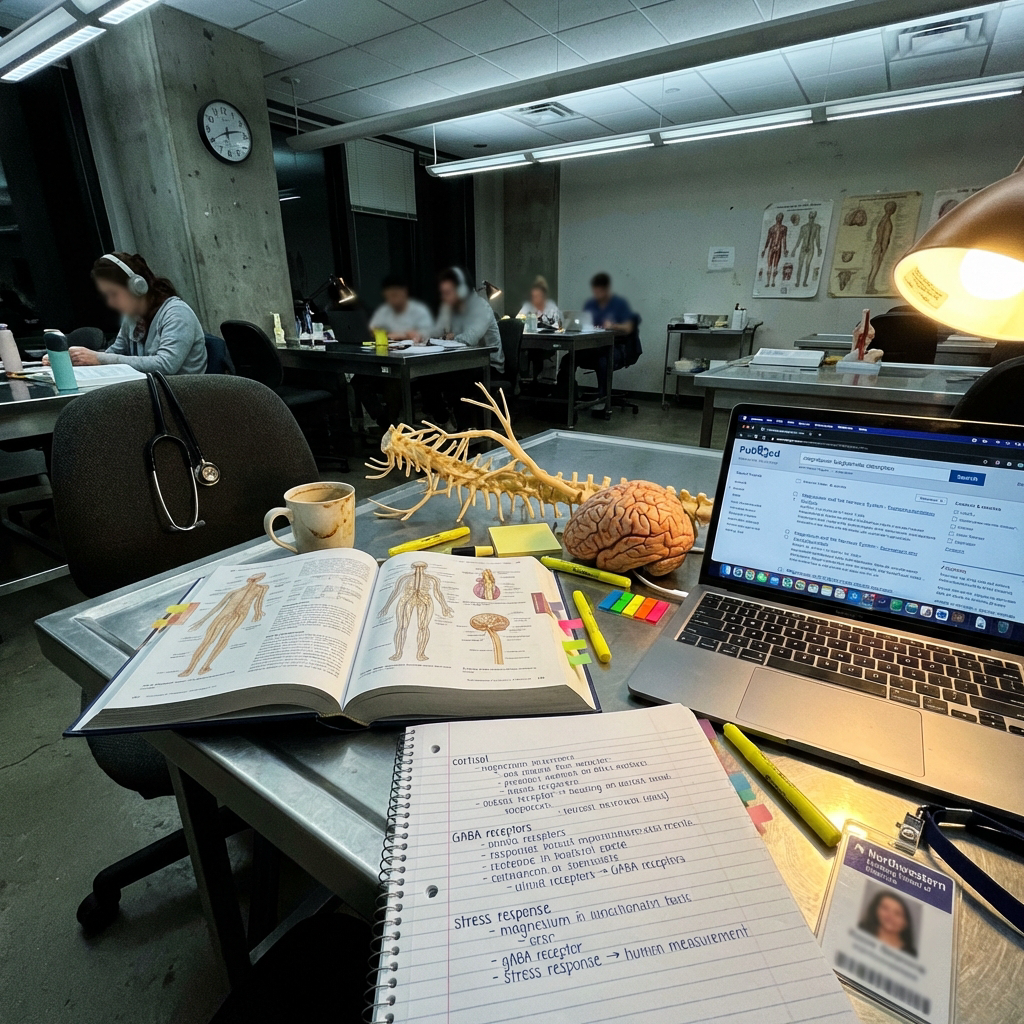
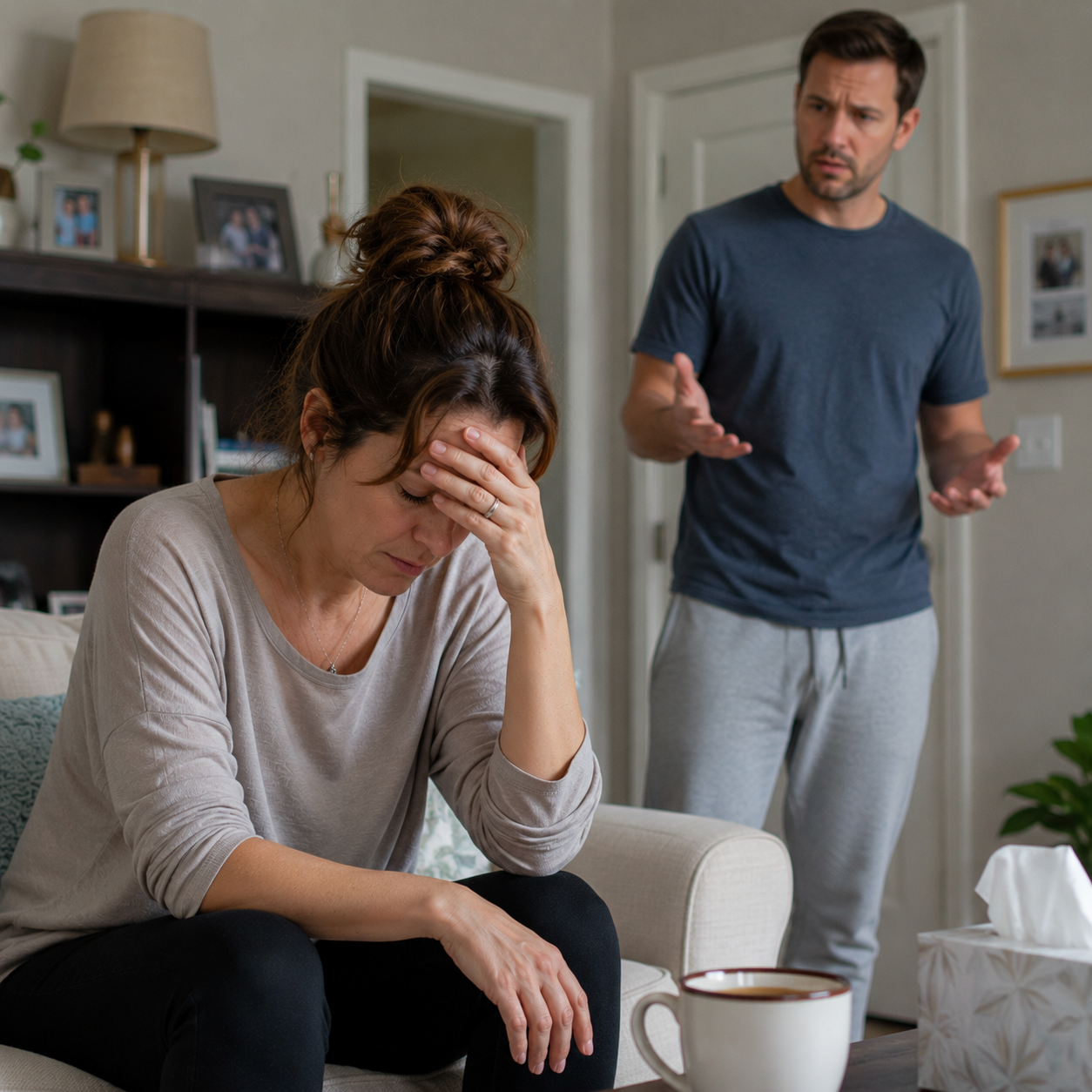
My wife began taking her GLP-1 medication at age 52. Six weeks later, the woman who used to drift off the second she closed her eyes was staring at the ceiling at 3 AM, wide awake. I am not making this up. Sarah had struggled with her weight since her early forties. Fifteen years of counting every calorie. Weight Watchers twice. Keto for eight months. Three separate attempts at Whole30. A gym membership she actually used for almost a year. Nothing lasted. Nothing stuck. When her doctor prescribed a GLP-1 medication, it felt like everything changed. The constant thoughts about food went quiet. The number on the scale started dropping. She was genuinely happy for the first time in years. Then the sleep problems started. At first she was just waking up once or twice. She brushed it off. "My body is probably just getting used to it." Then it was every single night. She started taking melatonin gummies. Then she was waking at 2 AM, 3 AM, 4 AM. She added chamomile tea, drugstore magnesium, a sound machine on her nightstand. Then the leg cramps showed up. I found her perched on the edge of the bed at 2:47 AM on a Tuesday, massaging her calf muscle, tears streaming down her face. "I cannot keep doing this," she said quietly. "My mind will not stop racing. My legs keep cramping up. I am so exhausted I want to cry but I cannot fall asleep." That was the moment I stopped believing what we had been told. I went with her to see her doctor the following week. Dr. Patterson had been her physician for twelve years. Competent and thorough. But when Sarah described what was happening, his response made something tighten in my chest. "Sleep issues are a fairly common side effect with GLP-1 medications," he said, eyes on his computer screen. "How is your sleep hygiene?" "She has blackout curtains, no phone after 9 PM, and she is in bed by 10 every single night," I said. "What about stress? Are you managing that?" "She meditates every morning. She does yoga three times a week. The anxiety is actually worse now than before she started the medication." He nodded slowly. "Some patients find that the changes in appetite can interfere with sleep patterns. You might try taking your dose in the morning instead of at night." Sarah looked at him. "I already take it in the morning." "Give it more time," he said. "Most patients adjust eventually." "It has been three months," I said. He gave me that calm, practiced look that doctors use when a spouse starts getting involved. "The medication is clearly working. She has lost twenty-four pounds. We need to stay the course here." He wrote something on his notepad. "If things get really bad, we can discuss a sleep medication. But I would prefer not to add another prescription to the mix." We walked out of that office with absolutely nothing. Sarah did not say a word the entire drive home. "He did not even ask about the leg cramps," she finally said, looking out the window. I kept my hands on the wheel and stayed quiet. Because she was absolutely right. I could not sleep that night either. I sat in our living room with my laptop open and started searching. Not the online forums. Not the Facebook groups where everyone suggests melatonin and sleep hygiene. I wanted to understand what was actually going on inside her body. I typed: "why does GLP-1 cause insomnia" and "GLP-1 medications anxiety leg cramps why." Most of the results were the same recycled advice. Practice better sleep hygiene. Try melatonin. Manage your stress. Everything she had already been doing. Then I found a piece written by a functional medicine practitioner that explained something nobody had told us. It had nothing to do with sleep hygiene. It had nothing to do with stress management. It was about magnesium. He explained that your nervous system cannot simply calm itself down on its own. It requires a specific mineral to switch off. That mineral is magnesium. He described it like a thermostat. Your nervous system relies on magnesium to regulate cortisol the same way a thermostat regulates temperature. Under normal circumstances, cortisol drops in the evening and your body winds down naturally. Without adequate magnesium, cortisol keeps surging. At 10 PM when she is trying to relax. At midnight when she has finally fallen asleep. At 3 AM when she suddenly jolts awake with her heart pounding. I stopped scrolling. Read that paragraph again. Then he explained the part that made me want to put my fist through the screen. GLP-1 medications interfere with cortisol rhythm. This is not widely discussed. But the research supports it. When cortisol spikes at the wrong times, the body burns through magnesium at almost three times the normal rate. The body is using magnesium trying to calm itself down. Like running an air conditioner on full blast while every window in the house is wide open. When the magnesium runs out, the nervous system cannot turn off. And then it spirals. Lower magnesium means higher cortisol. Higher cortisol burns through more magnesium. Less magnesium means an even more activated nervous system. Every night the cycle gets tighter and tighter. That is why Sarah's symptoms were getting WORSE as time went on. Not better. The cycle could not break itself because the medication kept the original cortisol disruption locked in place. I sat there in the dark feeling my jaw clench. Because suddenly every failed attempt made perfect sense. Melatonin does not fix this problem. Melatonin helps you fall asleep initially. But if your nervous system is stuck in cortisol overdrive, it cannot KEEP you asleep. The hormone that jerks you awake at 3 AM is completely unaffected by melatonin. Sleep hygiene does not fix this problem. Blackout curtains and white noise machines do not give your body the mineral it needs to calm down. You can have the perfect sleep environment and still lie there wide awake because your nervous system physically cannot switch off. Regular magnesium does not fix this problem. The cheap stuff from the pharmacy uses a form that barely absorbs at all, especially with the slowed digestion from a GLP-1. It never makes it to the nervous system. It passes straight through, often causing stomach issues along the way. Every single thing Sarah had tried was aimed at the wrong target. I looked toward the bedroom door. She was in there, probably awake, probably exhausted, probably wondering if she would have to quit the medication that had finally silenced the food noise. And I thought: someone has to be making a form of magnesium that actually reaches the nervous system. Because that was what she needed. Not more melatonin. Not more sleep hygiene tips. Not more magnesium that goes right through her. She needed magnesium her body could actually use. I kept reading. I found study after study showing that magnesium bisglycinate absorbs at dramatically higher rates than the standard form. Up to 22 times more actually makes it into your cells. Bisglycinate does not sit around waiting for your body to convert it. It delivers magnesium directly to the nervous system. Like putting fresh batteries in a thermostat instead of waiting for the power to come back on. Then I found another study. A controlled trial. People taking magnesium bisglycinate showed measurably improved sleep quality and lower cortisol levels. A third study showed that the glycine molecule bonded to bisglycinate has its own calming properties. It supports the brain in producing the neurotransmitters that quiet racing thoughts. And then the piece that tied everything together. GLP-1 medications compromise nutrient absorption in the gut. Hard capsules often pass right through without breaking down properly. The same delayed digestion that suppresses appetite also prevents supplements from absorbing the way they should. A gummy format absorbs through a completely different pathway. The body processes it as food, not as a foreign pill trying to survive a compromised digestive system. I leaned back and stared at the screen. The immediate problem: her nervous system was starving for magnesium. Bisglycinate delivers it in a form that actually absorbs. The longer term problem: her gut could not absorb regular supplements properly. A gummy bypasses that barrier entirely. Both problems. One approach. Magnesium delivered now. Nervous system restored over time. I woke Sarah up. "I found something," I said. She looked at me with that tired, hollowed out expression I had been seeing for months. "David," she said. "Please. I cannot handle another thing that does not work." "This is different. Everything you have tried was aimed at the wrong problem. Your nervous system is depleted of the one mineral it needs to calm down. And there is a specific form that actually delivers it." She did not respond for a long moment. Then: "What do we have to lose at this point?" The next morning I started researching products. I needed something that combined pure magnesium bisglycinate in a gummy format without all the added sugar that would spike her blood sugar right before bed. Not just a basic magnesium capsule. Not just any gummy off the shelf. Most magnesium supplements marketed for sleep are worthless. Standard magnesium uses a form that barely absorbs at all, especially with the slowed digestion from a GLP-1. The magnesium sits in the gut for hours and never reaches the nervous system. Capsules do not break down properly. With delayed stomach emptying, pills can pass right through completely intact. Cheap gummies are packed with sugar. That spikes blood sugar at bedtime and disrupts the very sleep you are trying to improve. I found one company that combined everything correctly. Pure magnesium bisglycinate with no cheap fillers. Gummy format that absorbs like food. Sugar free formula that would not spike blood sugar. Full 400mg dose in just two gummies. Third party tested for purity and potency. The company was SPNutrition. I almost scrolled right past it. The website did not look like the big name supplement brands. But the formulation matched exactly what the research said her nervous system needed. I ordered a bag. I did not tell Sarah. I did not want to get her hopes up again. When it arrived three days later, I waited until evening. She was lying on the couch, exhausted but unable to rest, looking completely miserable. She had already taken melatonin an hour earlier and her mind was still going a hundred miles an hour. "Try these," I said, handing her the bag. She looked at me. Then at the bag. "What is it?" "Magnesium bisglycinate gummies. The form that actually absorbs. Made for people whose bodies struggle to process regular supplements." That tired, skeptical look appeared on her face. The one that said: We have already been through this. "Two gummies," I said. "That is all. If nothing changes in two weeks, we stop." She took two gummies. Chewed them. Her expression shifted to something like pleasant surprise. Then she went back to lying on the couch. I did not expect anything dramatic that night. The first three days, nothing obvious happened. Day four, Sarah said something at breakfast that made me look up from my coffee. "I only woke up one time last night." "What do you mean?" "I do not know. I fell asleep around 10:30 and I woke up at 5. One time. That was it." Day five, she slept until her alarm went off. Not dramatic. Not a miracle. Just normal. The way sleep used to be before all this started. She came out of the bedroom and looked at me. "That is the first time in three months I did not wake up before 4 AM," she said. I did not respond. Too early to draw conclusions. Could be coincidence. Day six. Same thing. Fell asleep easily. Slept through the night. Day seven. No leg cramps. I was paying close attention now. By the end of the second week, the change was impossible to ignore. Sarah was sleeping seven hours straight. No more 3 AM wake ups. No more lying awake with her mind racing through tomorrow's problems. The leg cramps that had been waking her up every other night were gone. Her calves were not seizing anymore. Her legs felt still and relaxed at night. But the thing that really got to me was what she said on Thursday evening. We were watching television. She turned to look at me. "I forgot what this felt like." "What do you mean?" "Being calm. Not anxious. I went through the whole day and I did not feel that tightness in my chest. I did not have racing thoughts about nothing in particular. I just existed. Normally." She paused. "I cannot remember the last time that happened." A month in, Sarah woke me up on a Saturday morning. "Let us go get brunch," she said. "I actually slept last night. I have energy. I want to go do something." We had not done that in four months. We spent the whole morning together. She ordered food without worrying about how it might affect her sleep. She laughed at something I said. A real laugh, not the tired half smile I had been getting for months. Walking home, she slipped her arm through mine. "I feel like myself again," she said. Then, more quietly: "I did not realize how bad it had gotten until it stopped." I did not say anything. I just held her arm a little tighter. Sarah had a routine follow up appointment with Dr. Patterson six weeks after she started taking the gummies. I went with her. When the nurse asked about her sleep, Sarah said it had improved dramatically. Dr. Patterson pulled up her chart. "How are the sleep issues?" "Gone," Sarah said. "I sleep through the night now. No more 3 AM wake ups. No more anxiety." He looked up from his screen. "Gone?" "I have been taking a specific form of magnesium. Bisglycinate in a gummy. My husband found research about how GLP-1 medications can deplete magnesium and disrupt cortisol." Dr. Patterson looked at his notes. Then back at Sarah. "Well," he said. "Your weight loss is continuing. You are tolerating the medication well. And the sleep issues have resolved." A pause. "I am not personally familiar with that particular mechanism. But your results speak for themselves. Keep doing what you are doing." That was the best we were going to get. And honestly, it was enough. After Sarah's results, I told three women from her yoga studio who were dealing with the exact same problems. Two of them tried generic magnesium they found on Amazon. Nothing changed. I was not surprised. Most magnesium does NOT work for people taking GLP-1 medications. The slowed digestion means capsules sit in the stomach for hours without breaking down. The magnesium never reaches the nervous system. You are swallowing pills that pass right through you. And even the products that might absorb are typically using a form that only absorbs at about 4 percent anyway. You would have to take a handful of pills to get what one properly formulated gummy delivers. SPNutrition uses pure bisglycinate that absorbs at up to 90 percent. In a gummy format that your body treats as food, not a pill that has to survive your compromised gut. That is why it works. And that is why the cheap alternatives do not. If your wife or partner or someone you love is taking a GLP-1 medication, I need you to think about this. Is she waking up at 3 AM almost every night, heart pounding, unable to fall back asleep? Is she exhausted all day but wired at night? That tired but cannot sleep feeling? Is she getting leg cramps that wake her up, or restless legs that will not settle down? Has she tried melatonin and sleep hygiene and meditation and none of it actually worked? Is she talking about stopping the medication even though it is working for her weight? If you said yes to even one of those questions, it is not "just adjusting." It is what happens when a GLP-1 medication disrupts cortisol rhythm and drains the mineral her nervous system needs to calm down. Every remedy she has tried is targeting the wrong problem. Melatonin helps you fall asleep but does not stop the 3 AM cortisol spike. Sleep hygiene is useless if her body is running on empty. Cheap magnesium never reaches her nervous system. Her body needs magnesium it can actually absorb. Delivered directly. That is what SPNutrition does. The company is called SPNutrition. They make a magnesium bisglycinate gummy specifically designed for people whose bodies struggle to absorb regular supplements. Pure bisglycinate, no cheap fillers, sugar free, full 400mg dose. Third party tested. They have a 30 day money back guarantee. If it does not work, you are out nothing. But if it does work. If she starts sleeping through the night. If the 3 AM wake ups stop. If the leg cramps disappear. If she stops feeling anxious for no reason. If she stops talking about quitting the medication that is changing her life. You will wish you had found this months ago. I know what it is like to watch someone you love suffer. To sit across from a doctor who says "give it time" while your partner is lying awake at 3 AM for the hundredth night in a row. To feel completely helpless. The GLP-1 medication gave Sarah her confidence back. It silenced the food noise. It let her wear clothes she had not fit into in years. But it was stealing her sleep. And every night she lay awake, I watched a little more of her fade away. SPNutrition gave her sleep back. And I got my wife back. If you want to understand exactly how GLP-1 medications deplete magnesium and why most supplements do not work, this is what helped us figure it all out. David M. P.S. We saw consistent improvement by day four. By week two, she was sleeping through the night. By week four, Sarah said she felt like herself again. Your timeline might be different. But this is worth reading if nothing else has worked. P.P.S. Sarah's friend Janet waited three weeks to try it because she "wanted to think about it." During those three weeks, the exhaustion got so severe she rear ended someone at a red light because she was too tired to react in time. She called Sarah from the side of the road and said, "I should have tried it when you told me." Do not wait until something happens. If you are on a GLP-1 and you cannot sleep, this cycle does NOT fix itself. It gets worse. Every night your body burns more magnesium. Every night the cortisol spikes harder. Your nervous system will not reset on its own while the medication keeps the disruption locked in place. https://spnutrition-us.com/pages/glp-1-listicle
Like this ad? Make it yours.
Crush rebuilds this exact creative around your product — your brand, your colors, your offer — in about a minute.