
Inactive· since Aug 4, 2026
- 25
- days it ran
- 1
- relaunches
Ad copy
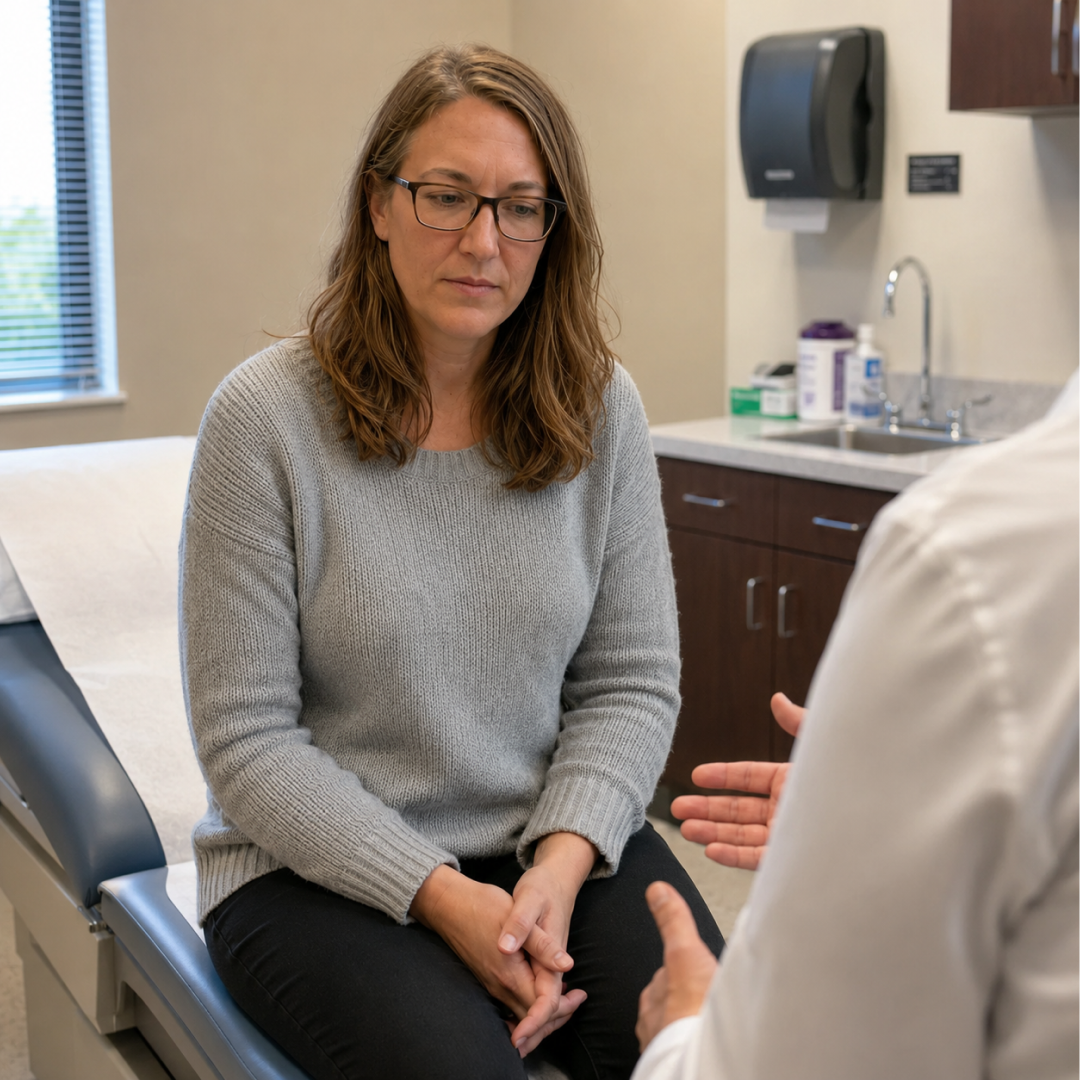
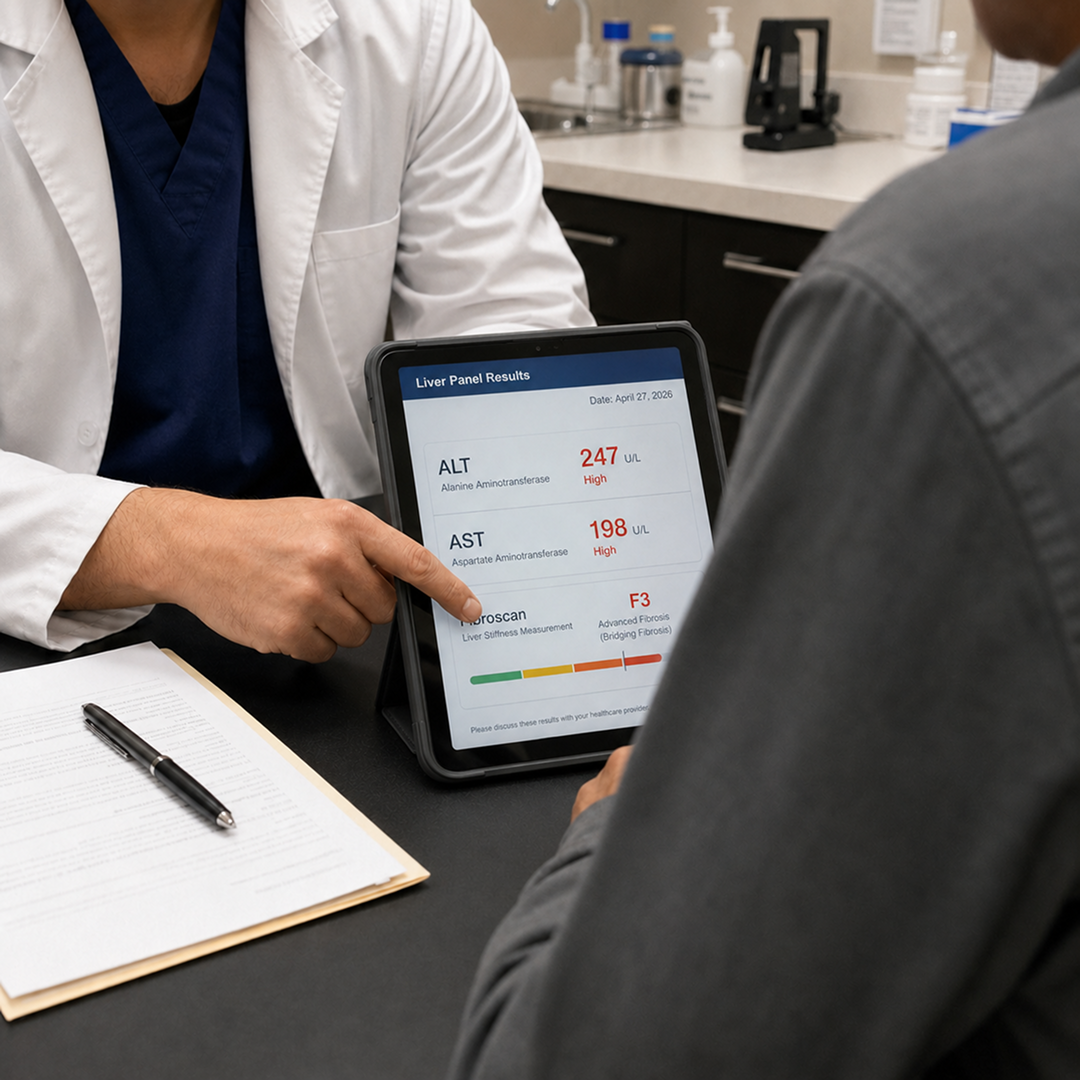
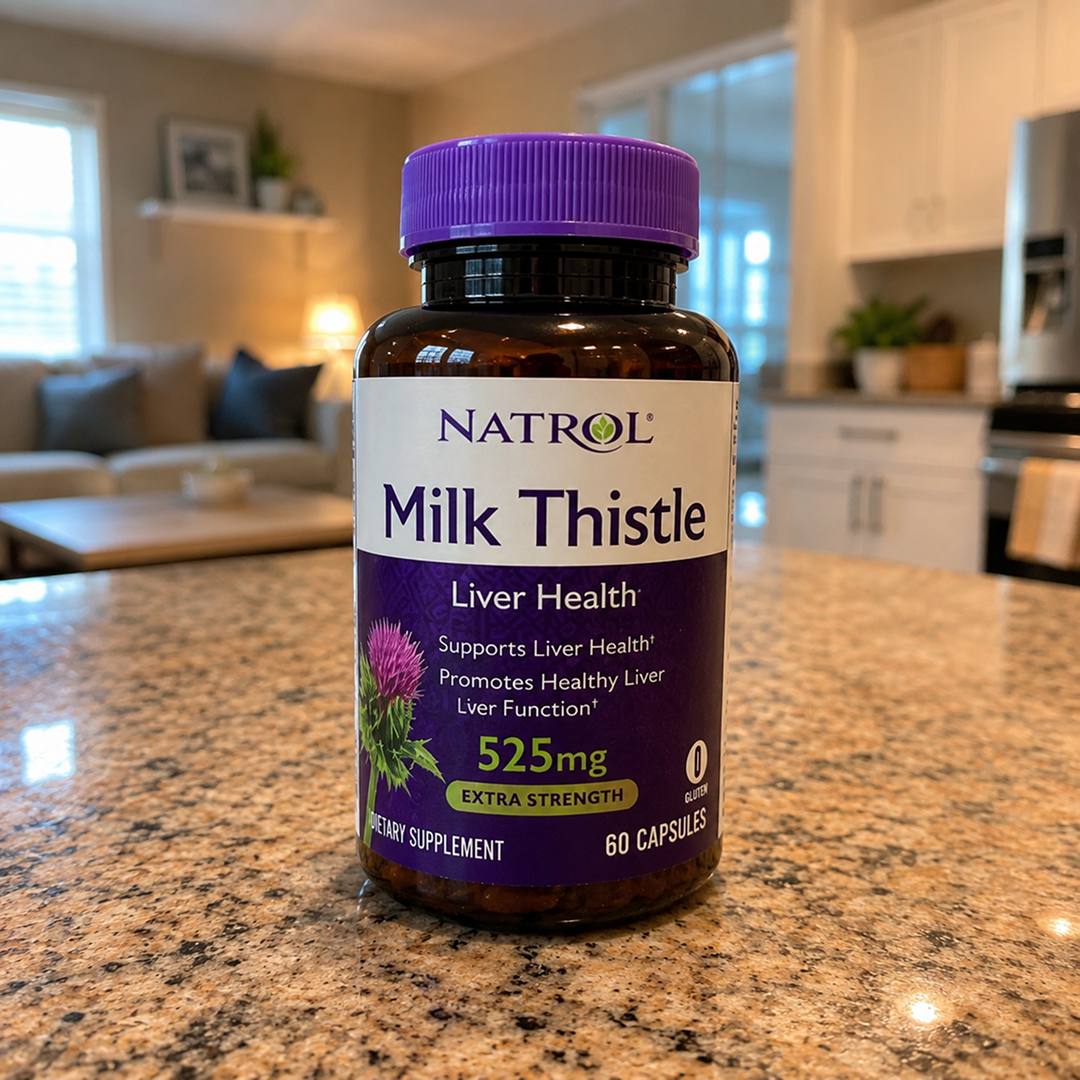
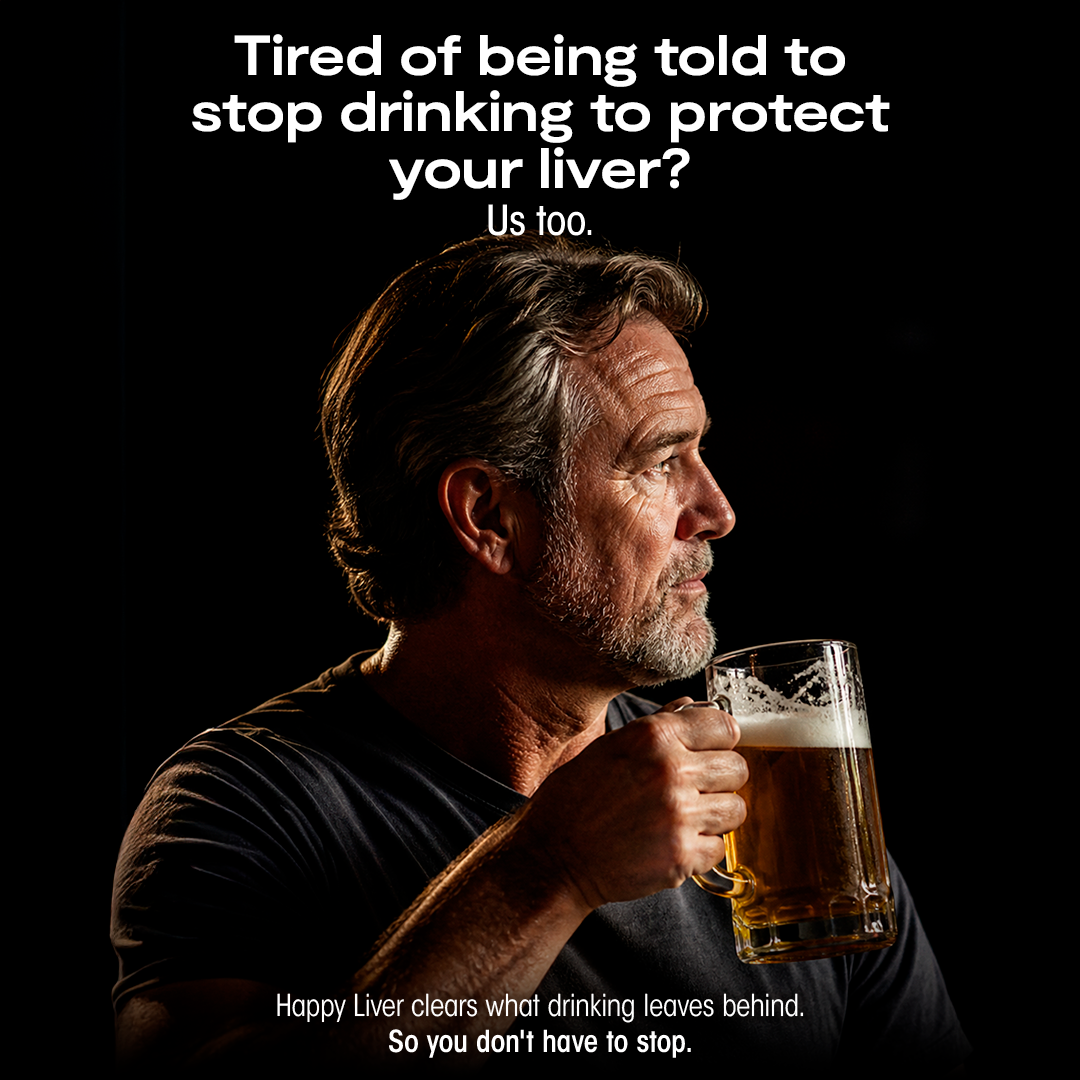
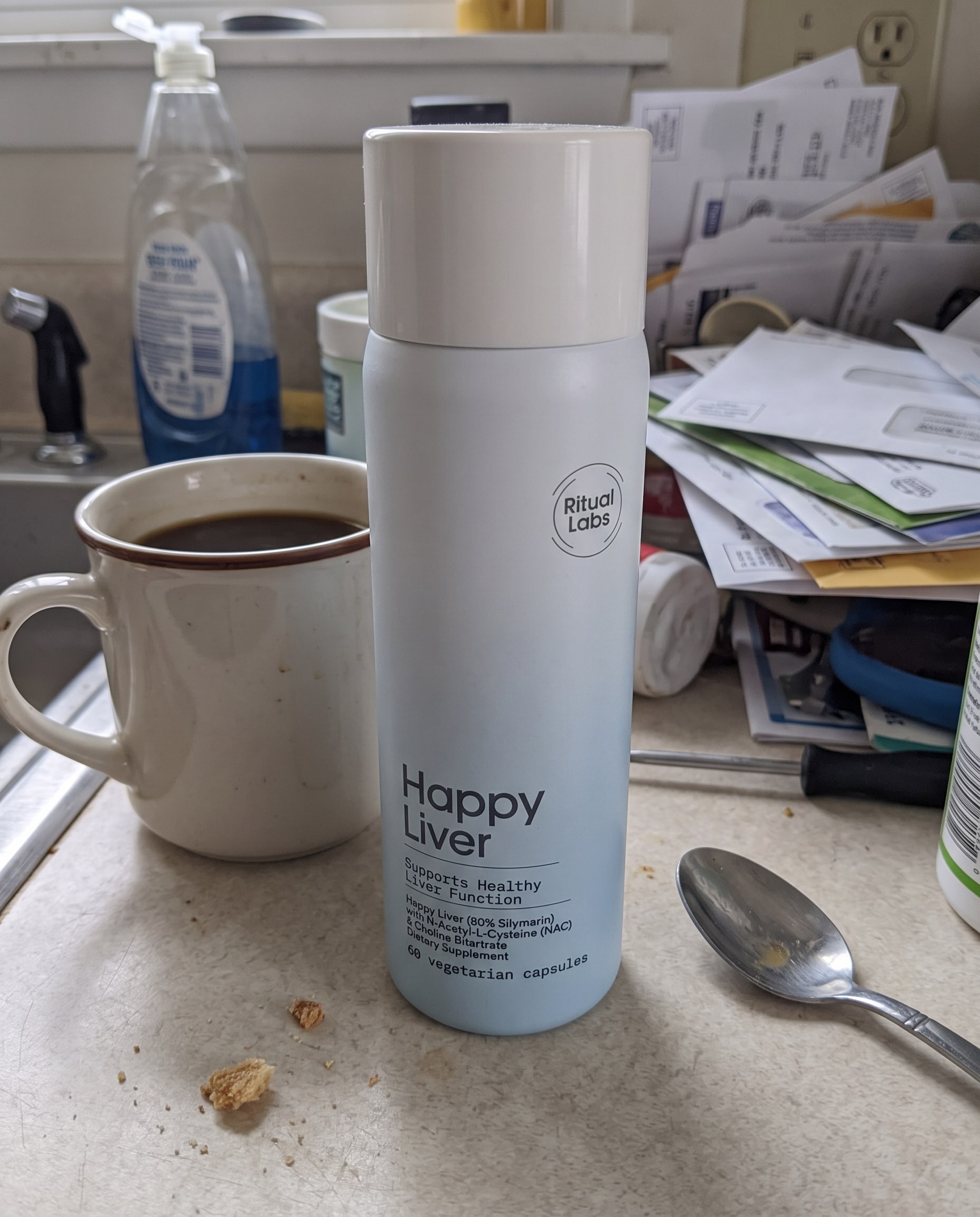
It wasn't even my appointment. My wife went in for something completely routine, the kind of scan you get in your fifties because a doctor wants to tick a box, and I sat in the waiting room doing emails on my phone. When she came out she was quiet in the car, and after a couple of miles she said, almost like she was testing the words, "They said my liver looks a little fatty. Nothing urgent. Just mention it at my next visit." And that was it. No alarm, no big conversation. The technician had said it the way you'd tell someone their tire looked a bit low. But it landed on me strangely, and I couldn't shake it for days. Because here is the thing about my wife. She is the healthy one. She's the reason there are vegetables in the house. She barely drinks, a glass of wine at a wedding and even that mostly sits there. If you had asked me to list the people least likely to be told anything about a fatty liver, she would have been at the top. So I did what I always do when something doesn't add up. I started reading. Quietly, at night, after she'd gone to bed. And what I found genuinely rearranged how I think about all of this, so I want to share it, because I suspect a lot of you have the same wrong picture in your head that I had. I always assumed a fatty liver was a drinking thing. Full stop. Something that happened to people who really overdid it, for years. That is not the picture anymore. The kind that gets talked about now even has a newer name, MASLD, and the striking part, the part that stopped me, is how common and how ordinary it is. A huge number of the people who hear those words barely drink or don't drink at all. Regular people. Busy people. People who eat what they think is a normal diet and are just living normal, modern lives. My wife wasn't some strange exception. She was, apparently, extremely typical. The other thing I hadn't understood is that it's usually silent. It doesn't announce itself. Most people who have a bit of extra fat in the liver feel completely fine and have no idea, which is exactly why it tends to turn up as an offhand remark during a scan for something else, the way it did for us. You don't feel your liver. It just quietly gets on with things. Now, I want to be careful and honest here, because this is a subject where a lot of nonsense gets sold, and I'm an engineer by trade, so vague hand-waving actually irritates me. I am not a doctor. Fatty liver is something a doctor diagnoses with proper tests, not something you figure out from how you feel after dinner. If your body is doing something that worries you, or something a doctor has flagged, that is a conversation to have with them, and to keep having. Nothing I'm about to say is a substitute for that. My wife's plan is her doctor's to make, and she's following it. But somewhere in all that late-night reading, the fear turned into something more useful. Curiosity. And then a decision. Because if this quiet, ordinary thing is that common, then I, sitting right there next to her, with my takeout lunches and my desk job and my own fifty-something body, had absolutely no business ignoring my own liver. If hers deserved a bit of attention, so did mine. And I'd frankly never given it a single thought in my life. So let me tell you what I actually learned about this organ, because this is the part that changed how I see my own body, and I'm going to take my time with it. Your liver is one of the hardest working parts of you, and one of the most overlooked. It's involved in nutrient metabolism. It produces the bile your body uses to help digest the fats in your food. It plays a central role in energy storage, tucking fuel away and releasing it when you need it. It's part of your body's antioxidant defenses. And it's deeply involved in how your body processes and transports fats, not just from one meal, but as an ongoing part of how you run. It does all of that continuously, in the background, without ever once tapping you on the shoulder. We think about our hearts. We think about our knees and our weight and our blood pressure. Almost nobody spares a thought for the quiet organ doing this enormous amount of metabolic work every hour of every day. That reframe was worth the whole sleepless week for me. I stopped thinking about my body as a number on a scale and started thinking about it as a system, with this patient, uncomplaining organ right at the center of how it handles everything I eat and drink. And here's the reassuring part, the part I kept coming back to. Supporting a liver isn't some dramatic rescue mission. The things that genuinely matter are boring, and they're mostly in your own hands. Eating a bit better, more often. Moving your body. Managing your weight where that's appropriate. Going easy on alcohol. And keeping up with your doctor. That's the real foundation. It does the actual work, it comes first, and no capsule replaces any of it. I want to be dead clear about that, because it's the truest thing in this whole post. That's where my wife and I actually started, honestly. More real food, fewer takeout containers on the counter. A walk after dinner most nights, which we now genuinely look forward to. Not a punishment. Just two people in their fifties deciding to be a little kinder to the bodies that have carried them this far. But alongside the basics, my reading kept circling back to a few specific nutrients that people interested in normal liver function tend to look into. And since I was starting from zero, all of it was new to me. Three kept coming up. The first is milk thistle. It's the one nearly everyone has heard of, and the part that actually gets studied for liver health is a compound called silymarin. In plain terms, it's known for supporting the liver's own cells while they go about their everyday work. What I didn't know, and what the engineer in me latched onto, is that products vary enormously in how much standardized silymarin they actually contain. A big number on the front of a bottle tells you very little. So the single most useful habit I picked up was to turn the bottle over and check how much standardized silymarin it truly provides. The second is NAC. This one was completely new to me, so stay with me, because it's genuinely satisfying once it clicks. Your liver relies on an antioxidant called glutathione as part of keeping itself running smoothly. NAC is a precursor your body uses to help replenish that glutathione. So you're not adding something foreign. You're helping the body top up something the liver already leans on. The third is the one that honestly made the whole picture click for me. Choline. Here's the piece nobody had ever told me. Choline is an essential nutrient the body uses to package and move fat along as part of normal fat metabolism. It's a real, everyday job. And the quietly frustrating detail is that a lot of people take in less choline than the recommended amount from food. Not because they're doing anything wrong. It's just not in much of what lands on the average plate. When I read that, something in me went, oh. Of course. So there it was. Three ingredients, each with its own clear, ordinary role in normal liver biology. One known for supporting the liver's cells. One that helps the body replenish an antioxidant the liver relies on. And one essential nutrient the body uses in normal fat metabolism. Not a magic combination. Just three things with complementary roles, and I liked that it wasn't some twelve-ingredient formula I couldn't pronounce. I did the math on buying them as three separate bottles, and it got annoying fast, so I was glad to find them together in one place. It's called Happy Liver, by a brand called Ritual Labs. It's those three, and not much else. Standardized milk thistle, NAC, and choline. Third-party tested, no fillers, no proprietary blend hiding the amounts, which for a man who reads spec sheets for fun was genuinely the selling point. Two capsules a day. That's the whole routine. Simple enough that I actually keep it up, which for me is the only test that has ever mattered with anything. I'll tell you honestly how my own first sixty days went, and I want to be clear that this is just my experience, one man's morning and nothing more, not a promise about yours. The first couple of weeks, I didn't notice anything in particular. I just took my two with breakfast and got on with my day. By a few weeks in, the only real change was that it had folded into my morning, right next to the coffee, alongside the after-dinner walk I mentioned. I'd stopped having to remember it. By the time I finished the first bottle, it had simply become part of the routine my wife and I were building together, which was really the point. Two people paying a bit of attention, on purpose, before anyone had to. And at sixty days I looked back and decided it had earned a permanent spot on the shelf. That's genuinely all I can tell you. Everyone is different, and my mornings aren't a forecast for yours. What I keep coming back to is that afternoon in the car. That offhand remark could have just rattled around as a low background worry for both of us, the way these things do. Instead it turned into the moment two people in their fifties finally started paying attention to an organ they'd both ignored their whole lives. Not out of fear. Out of something closer to respect. So if you've had a moment like ours, where a doctor or a technician mentions the liver almost in passing and then just leaves you with it, here's the reassuring version I wish someone had handed me that week. You're probably not some rare exception. This is common and usually quiet. It is not a verdict. Take anything a doctor flags seriously and follow their lead, get the boring basics right because they matter most, and if, on top of all that, you'd like a bit of nutritional support for a normal, healthy liver, the one my wife and I use is Happy Liver by Ritual Labs. Take care of the quiet one. It's been carrying you this whole time without once asking for anything. https://rituallabs.shop/products/happy-liver13 P.S. The one habit worth keeping from all my late-night reading: when you look at any liver supplement, ours or anyone's, turn the bottle over. Check how much standardized silymarin it actually provides, and whether it includes NAC and choline at all, because a great many of them include none of that. P.P.S. Happy Liver is a dietary supplement meant to support normal liver function alongside healthy habits and medical care, never to replace them. Ritual Labs offers a 60-day money-back guarantee subject to its terms. Please talk to your own doctor about what's right for you, especially if you take medication, are pregnant or breastfeeding, or have a medical condition, and take anything a doctor has flagged seriously.
Like this ad? Make it yours.
Crush rebuilds this exact creative around your product — your brand, your colors, your offer — in about a minute.