
Inactive· since Aug 13, 2026
- 10
- days it ran
- 1
- relaunches
Ad copy
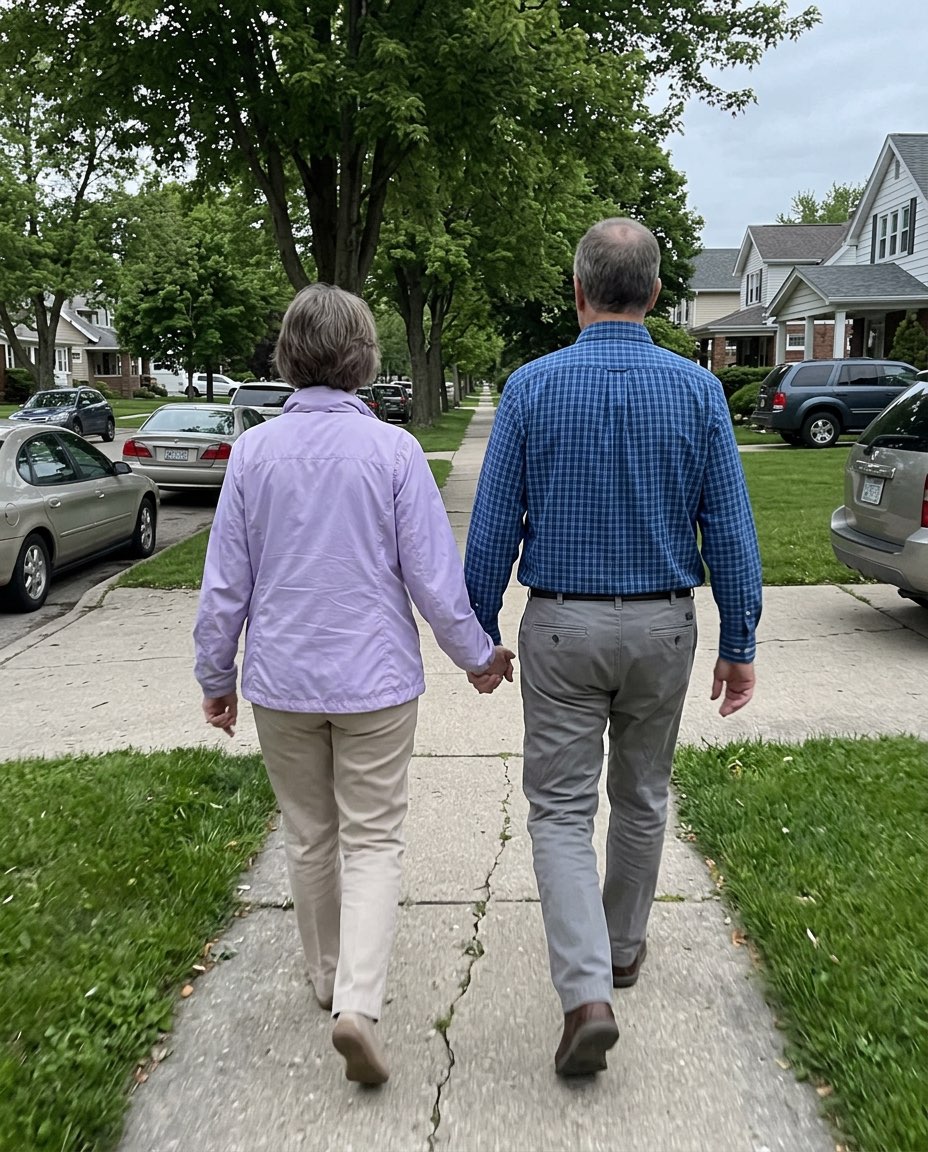
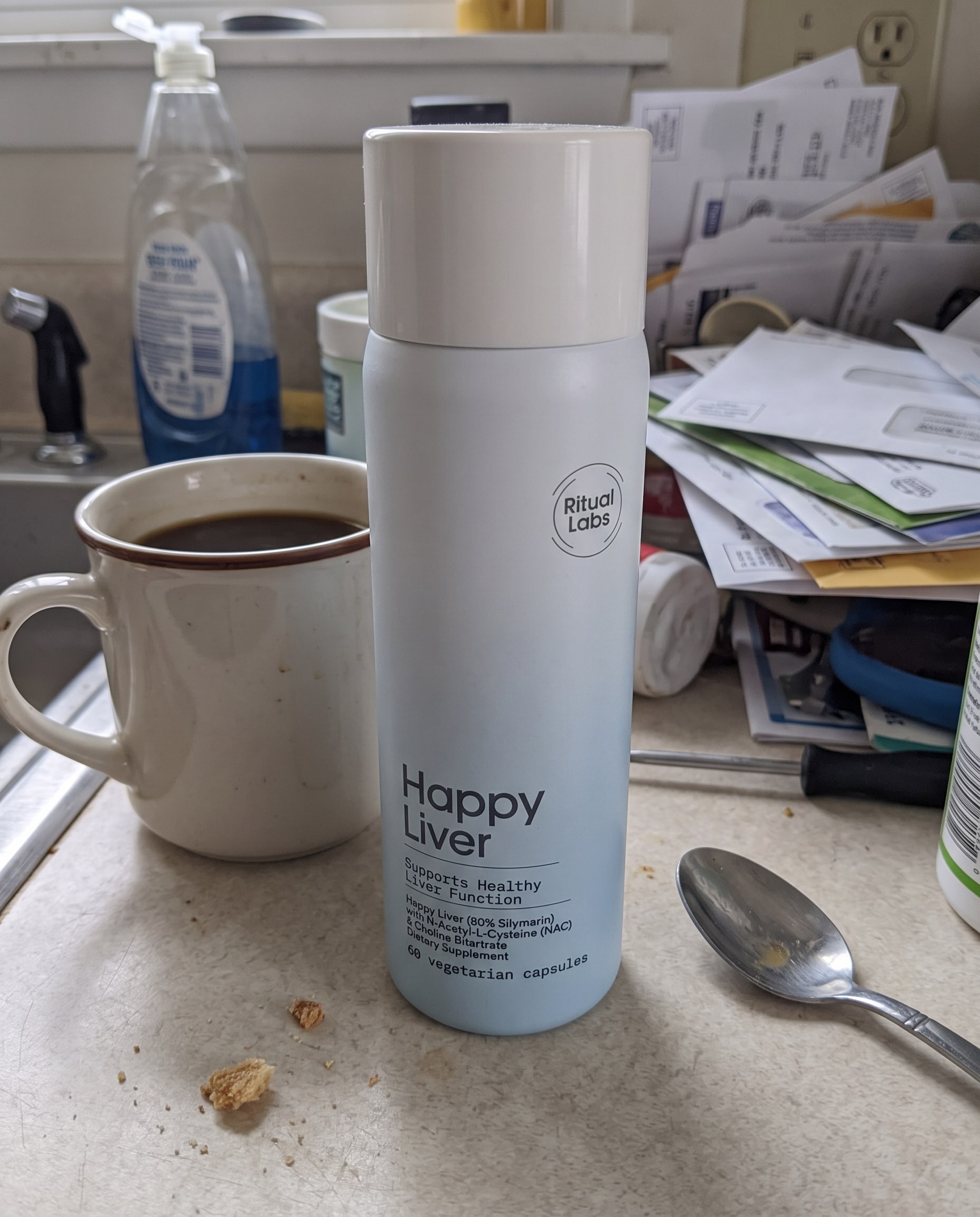
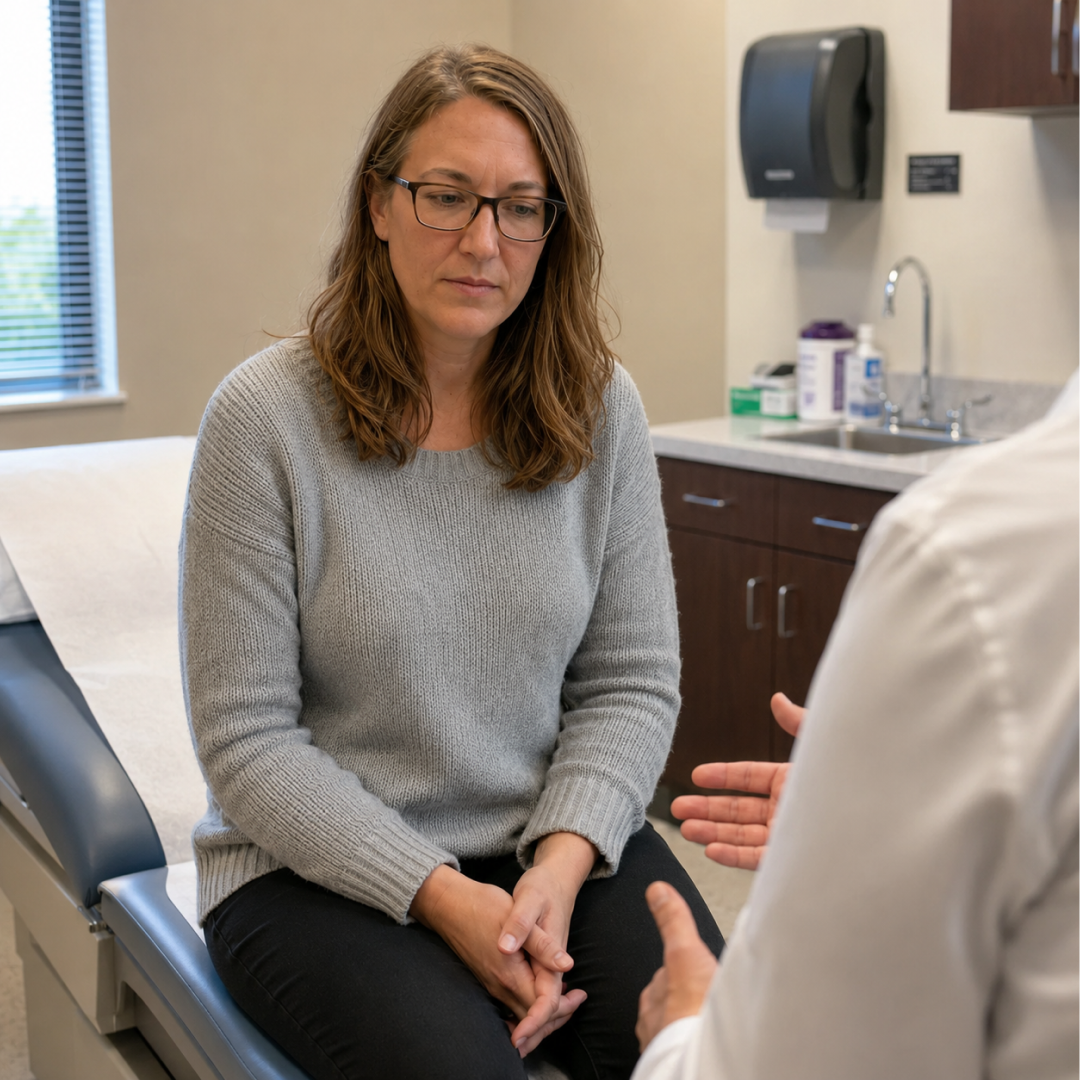
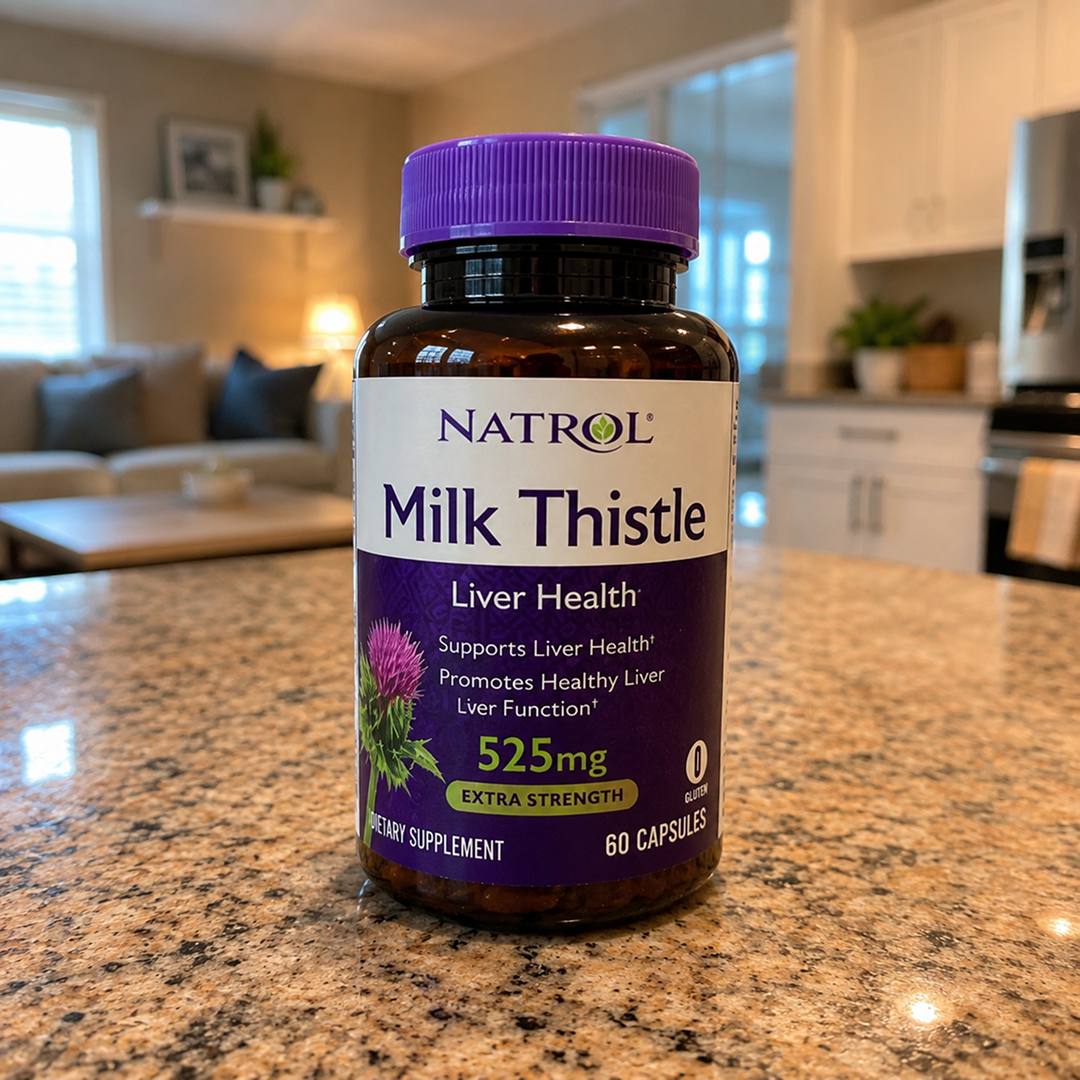
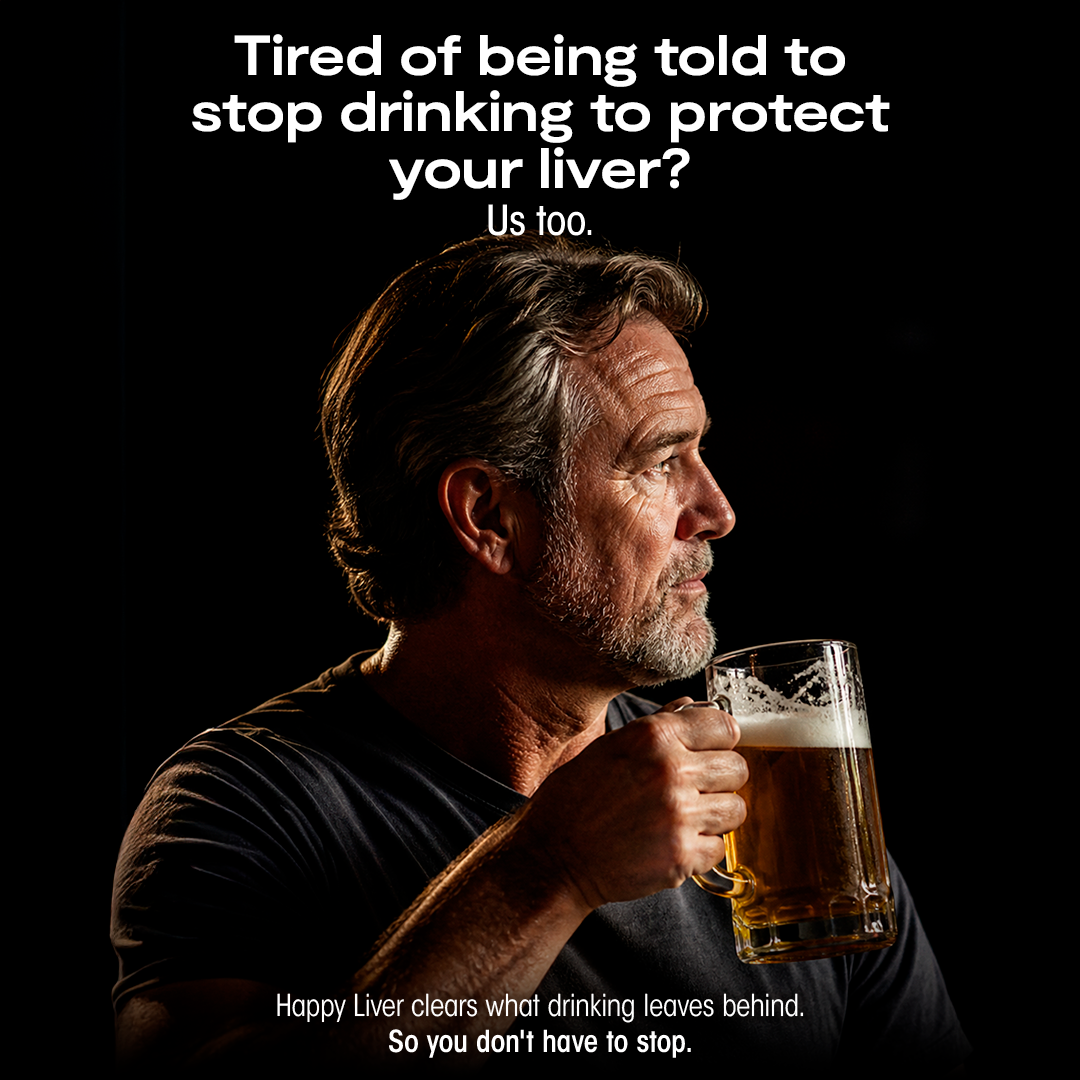
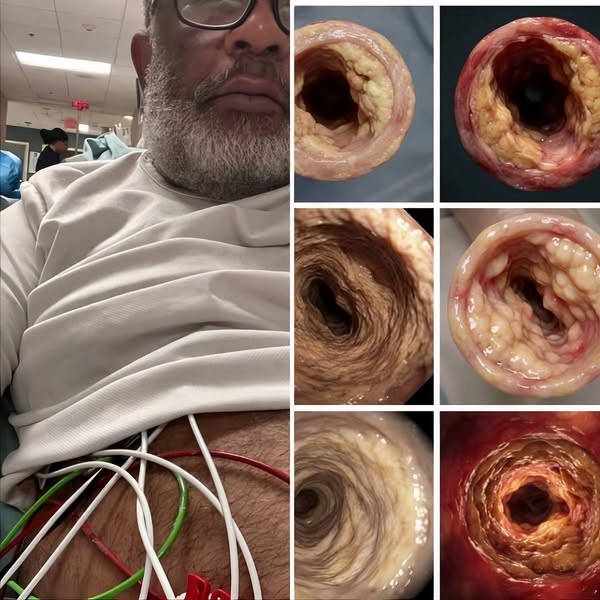
I retired as a county coroner six weeks ago. 31 years. Over 6,000 bodies. And I'm about to say something publicly that would have gotten me fired any time in the last three decades. I almost didn't say it. My wife told me to leave it alone. My former colleagues would call me a disgrace. The county medical examiner's office could still pull my pension review. But I'm 63 years old. I've been carrying this for 31 years. And I watched too many people die while I kept my mouth shut. So here it is. Almost every body I opened in the last two decades had the same thing inside it. And I was never allowed to put it on a single death certificate. Livers I could barely recognize. Small. Hard. Nodular. Yellowed with fat that had been packed into the tissue for so many years the organ looked like something that had been dried out and shrunk. Some of them looked like they belonged to a body ten years older than the one on my table. Bloated bellies from ascites. Bleeding varices. Skin yellowed from the bilirubin the liver could no longer clear. Damage that had been building for years. Sometimes decades. And every certificate I signed said the same thing. Cirrhosis of the liver. Complications of chronic liver disease. Natural causes. Never what I actually found in their charts. Never the truth. I want to tell you about the one time I tried to tell the truth. And what happened when I did. It was 2013. Twenty years into the job. I was experienced enough to know what I was looking at and still naive enough to think honesty mattered. His name was Michael. Michael was 49. Youth football coach. Married 22 years. Three kids, two in high school, one just started college. The kind of man who showed up early to set up the equipment and stayed late to break it down. His wife told the ER he'd been complaining about the same things for years. Bloating after every meal. Exhaustion that didn't make sense for someone his age. Brain fog that was getting worse. A dull ache under his right ribs he blamed on how he was sleeping. Waking up at 3 in the morning drenched in sweat. His doctor said stress. Then IBS. Then "you're pushing 50, your body changes." He'd had elevated liver enzymes on his annual bloodwork for eleven years running. His chart, over eleven years, had the same note on repeat. Borderline ALT. Recommend weight loss. Come back in six months. Never a referral. Never an ultrasound. Never a FibroScan. Never a conversation about what the elevated numbers actually meant. Michael died on a Sunday morning. Vomited blood at the kitchen table while his youngest son was pouring cereal. His son was 14. He watched it happen. Cause of death on the ER report: hepatic decompensation of undetermined origin. He came to my table on Tuesday. I made the incision. Opened him up. His liver was less than half the size it should have been. Hard as a piece of dried wood. Nodular across every surface. Yellowed through and through with fat that had been trapped inside the cells for so many years the tissue had scarred over completely. His esophageal veins were ruptured from the pressure of blood that could no longer flow through what was left of the liver. His belly was full of fluid the liver had stopped filtering years ago. Michael didn't die of "hepatic decompensation of undetermined origin." He died because his fatty liver had been progressing to cirrhosis for over a decade while his doctor told him to lose ten pounds and come back in six months. I stood there looking at him. A 49-year-old football coach. Three kids. A son who watched his father bleed out at the breakfast table. And I decided, for the first and only time in my career, to write the truth. I documented everything. The eleven years of dismissed labs. The progression that was visible on the tissue itself. The absence of any referral in the chart. The standard-of-care advice that had failed him for over a decade. I wrote it all into the official autopsy report. Cause of death: hepatic decompensation and variceal hemorrhage secondary to end-stage cirrhosis, developed over a decade of untreated and dismissed fatty liver disease. I filed it on a Wednesday. By Friday, I was in the chief medical examiner's office. He didn't yell. That would have been easier. He was calm. Professional. Almost gentle about it. "This report is going to create problems." "It's what I found." "I don't doubt what you found. I doubt the wisdom of documenting it this way." He laid it out for me. Michael had been a patient in the county hospital system for over a decade. He'd seen three different primary care doctors. Every one of them followed the standard of care. Every one of them ordered the same annual liver panel and told him the same thing when it came back elevated. Every one of them recommended weight loss and monitoring. "If this report stands the way you wrote it, his wife will sue. The hospital will face an investigation. Three doctors' licenses will be reviewed. Malpractice premiums for the entire system will increase. And you will be telling a jury that the standard of care in this country for fatty liver failed a 49-year-old man for eleven years." "That's what happened." He looked at me for a long time. "You are correct about what happened. You are wrong about your role in documenting it. Our role is to establish the proximate cause of death. Hepatic decompensation from cirrhosis. That is accurate. The eleven years of dismissed labs are context that was never a formal diagnosis during the patient's lifetime. That's not our department. That's a civil matter." I sat there. "And if this happens again?" "You document the proximate cause of death. Like everyone else in this office. Like everyone in every coroner's office in this country. We do not perform retroactive diagnoses that create liability for the living." He stood up. Meeting over. "You're a good coroner. Don't make this a pattern." That was the sentence. The one I heard under the professional language. Do this again and you're done. I went back to my office. Amended Michael's report. Changed the cause of death to hepatic decompensation, complications of cirrhosis. Removed every mention of the eleven years of dismissed labs. Every reference to the failed standard of care. Michael's wife got the same answer every family gets. Cirrhosis. We don't know exactly why it progressed the way it did. We're sorry. I saw her once after that. In the grocery store. She was buying frozen dinners for three. Her eyes were red. She didn't see me. I went home and sat in my car in the driveway for 20 minutes. And then I kept signing death certificates for 16 more years. That's the thing people don't understand about a system like this. They imagine some dramatic cover-up. Men in suits. Shredded documents. Secret meetings. It's not like that. It's one conversation in an office. One sentence. "Don't make this a pattern." And you understand. You adjust. You write cirrhosis of the liver. You go home. Nobody orders you to lie. They just make it clear what happens if you tell the truth. And so you stop telling it. After Michael, I never documented the chart-note history in an autopsy report again. Not once in 16 years. But I never stopped finding the same story. Every week. Body after body. The same shrunken, hard, yellowed livers. The same charts full of elevated ALT going back a decade. The same "recommend weight loss." The same "we'll monitor." The same wife or husband sitting across from my desk asking what killed their spouse. Men. Women. 40s. 50s. 60s. Some younger. Every one of them with years of dismissed labs in their charts. Every one of them told their numbers were just borderline. Every one of them told to lose ten pounds and come back. Every one of them with a liver that had been quietly dying under those chart notes the entire time. I'd open them up, see the damage, take my notes, photograph everything for my own records, and write cirrhosis of the liver. Complications. Natural causes. Then I'd go home. I kept a private log. Off the record. Just dates, ages, and what I actually found in their charts before I saw what their livers had become. By the time I retired six weeks ago, that log had over 2,400 entries. 2,400 people whose families were told "complications" when I knew exactly what had been ignored for a decade. That's what I carried for 31 years. Here's the part where it stopped being something I carried and became something I couldn't ignore. My wife, Susan. We've been married 35 years. She's 59. Retired teacher. Walks three miles every morning. Healthiest person in any room she walks into. About two years ago, she started with the bloating. Not bad at first. Just enough that she'd unbutton her pants after dinner. She joked about it. "Getting old." I didn't joke back. Then the fatigue. Susan has never been a nap person. Suddenly she was falling asleep at 4pm in her reading chair. Every day. Couldn't stay awake. Then the 3am wake-ups. Like clockwork. She'd lie there in the dark. I'd feel her turn over. Turn back. Stare at the ceiling. Then the ache under her right ribs. She'd rub it while doing the dishes. Said it felt like she'd slept wrong. Then the brain fog. She's the sharpest person I know. She started losing words. Forgetting appointments. She called our daughter by our granddaughter's name three times in one week and laughed it off. I wasn't laughing. I'd read those symptoms in charts. Thousands of charts. They were the same every time. Bloating. Fatigue. 3am wake-ups. The dull ache under the right ribs everyone called reflux. Brain fog. And they all ended the same way. On my table. Susan went to her doctor. Full blood panel. The standard workup. Her ALT came back at 62. Borderline. Her doctor said, "It's mildly elevated but nothing to worry about. We'll do an ultrasound to be safe, but it's probably just menopause. Try to lose ten pounds and cut back on wine." The ultrasound came back with mild hepatic steatosis. Fatty liver. Her doctor said, "It's mild. Very common at your age. Come back in six months and we'll check it again." I sat in our living room that night watching Susan struggle to remember the name of a movie we'd watched the week before. And I felt the full weight of 31 years of silence. I knew what was inside her. I'd been looking at it in bodies my entire career. I'd documented it 2,400 times in a private log that nobody would ever read. And I'd never said a word. To anyone. Because one conversation in 2013 taught me what happens when you do. But this was Susan. I was not going to write cirrhosis on my wife's death certificate. I tried the doctor's plan first. Cut her wine intake to almost nothing. Helped her lose eight pounds over three months. Her ALT stayed at 62. The next ultrasound came back with the same reading. Mild hepatic steatosis. Come back in six months. I tried milk thistle from Amazon. Three months. Not one number moved. Same story I'd been reading in charts for 31 years. Cutting alcohol, losing weight, taking milk thistle. Every single-step approach my patients tried. Every one of them failed. I was out of ideas. That's when I called Rachel. Rachel Henderson. She'd been a coroner in the next county over for 38 years before she retired. Old school. The kind of woman who said exactly what she thought regardless of consequence. Rachel was the only coroner I'd ever known who talked openly about what we find in livers. Not publicly, but between us, privately. She'd bring it up over coffee. "Another one this week. 51 years old. Liver looked like a raisin. Chart said borderline for a decade. Wrote cirrhosis." She'd shake her head. Take a sip. Move on. I called her and told her about Susan. Told her what I'd tried. Told her none of it was moving her labs. She was quiet. Then: "You've been looking at this wrong for 31 years." "What do you mean?" "You keep thinking fatty liver is about the food. About the weight. About the alcohol. It's not. It's about what's already trapped inside the liver cells. And no diet on earth is going to reach it." "So what does?" She walked me through it. You cannot burn off a clogged liver. Losing weight reduces new fat coming in, but the fat that's already packed inside the cells has been there for years, and it doesn't leave on its own. The liver has to build tiny transport carriers to physically ship it out through the bile. Trucks, essentially. Small trucks that haul the trapped fat out one cell at a time. "To build those trucks, the liver needs a specific raw material called choline. Without choline, even fat that's been broken down has nowhere to go. It just stays trapped inside the cells. Layer on layer. Year on year. Until the tissue scars, and then you and I are the ones looking at it on a table." I waited. "That's why milk thistle alone doesn't work. Milk thistle protects the liver cells while they recover, but if there are no trucks to move the trapped fat out, the protection is just holding a static situation. The warehouse is full and nothing is being moved. Silymarin without the other two compounds is why every case I've documented for 38 years still ended up on my table." "Then what actually works?" "Three compounds together. Silymarin for the protection, at pharmaceutical grade, not the underdosed powder they sell you at the grocery store. NAC to refill the glutathione the cells need to break the trapped fat down at the cellular level. And choline to build the trucks that physically ship it out through the bile. Silymarin protects. NAC breaks it down. Choline hauls it out. All three together. Take one without the others, nothing moves." She paused. "European doctors have been using this combination for sixty years. German pharmacies dispense it as a standard prescription for anyone with elevated liver enzymes. American medicine won't touch it because you cannot patent it. And when you cannot patent it, you cannot bill for it. So the 45-minute conversation about the liver's clearing mechanism never happens. The prescription for 'lose ten pounds and come back' does. And people like Michael end up on my table." "Rachel. How long have you been doing this?" "Ten years. My husband too. He's 76 and his last ultrasound came back cleaner than most 40-year-olds I've autopsied." "And you never told me." "You never asked. And honestly? I figured you'd think I was crazy. A retired coroner telling people to take three capsules every morning. Nobody wants to hear that from the woman who cuts open dead people for a living." She was right. If she'd told me five years ago, I would have laughed. But I wasn't laughing now. My wife had the same borderline labs I'd been reading in charts for 31 years. Her ultrasound looked like the beginning of every autopsy I'd ever performed. And every conventional approach had failed. I went to the store that night. Bought generic milk thistle capsules. Bought NAC in bulk. Bought choline powder online. Mixed everything together the best I could. It was a disaster. The dosing was wrong. The milk thistle from the health food store was labeled 1000mg but the actual standardized silymarin was 30%, less than half of what the European trials use. The NAC on an empty stomach gave Susan nausea. The choline powder tasted like fish. She couldn't get it down. There was no system to it. Just random supplements at random strengths thrown together by someone who cuts open bodies, not someone who formulates medicine. She tried for two weeks. Her labs did not move. Third week, Susan said, "I know you're trying to help. But I'm not taking that anymore." I called Rachel the next morning. She laughed before I finished the sentence. "Yeah. Everyone tries the DIY version first. You cannot approximate a European pharmaceutical grade formulation from an Amazon order." "So what do you use?" "There's a small American company that puts all three compounds in a single capsule at the doses the German trials actually used. European pharmaceutical grade silymarin, standardized to 80%, HPLC verified. Clinical dose NAC. Choline at the amount the liver actually needs to build the trucks. All three together in one capsule. My husband's been using theirs for eight years." She gave me the name. Ritual Labs. The product is called Happy Liver. I ordered it that day. When it arrived, I understood immediately why the random supplements from the health food store had failed. This was built for what Rachel described. Three compounds. Calibrated doses. No proprietary blends. Every milligram disclosed on the label. Third party tested every batch. Susan took three capsules with water that first morning. Drove me to my last day at the office. Week one. Nothing dramatic. A little more energy toward the end of the afternoon. Not enough to be sure. Week two. The bloating that had been part of her life for two years started going down. The pressure under her right ribs was quieter in the mornings. She stopped rubbing that spot while doing the dishes. Week three. She slept through the night for the first time in probably a year. I woke up at 3am out of habit and looked over at her. Sound asleep. Breathing steady. Still. I can't describe what that felt like. After months of lying next to her feeling her toss and turn. Knowing what those wake-ups meant. Knowing what I'd seen in 2,400 bodies that started the same way. Silence at 3am. It was the most beautiful sound I'd ever heard. Week four. Susan's sister came over for dinner. Halfway through the meal she stopped and stared at Susan. "What's different about you? You look ten years younger. Have you been sleeping better?" Susan smiled and looked at me. I couldn't say anything. I was thinking about every family I'd sat across from at my desk. Every husband. Every wife. Every teenager. All the ones whose person had the same symptoms Susan had. The same dismissals. The same borderline labs. The same six-month follow-ups. The same progression. The only difference was I knew what to look for. And I found it in time. Week six. Brain fog gone. Energy back. Susan walked four miles that morning and came home and reorganized her closet. The woman who was falling asleep in her chair at 4pm six months ago was reorganizing closets at noon and asking me if I wanted to go for a walk. The sugar cravings disappeared. The joint stiffness she'd developed faded. She said she felt like herself for the first time in two years. Because she was herself. She'd just been carrying something inside her that was quietly stealing everything one day at a time. We went back to her doctor at week 11 for the follow-up ultrasound. Her ALT was down to 31. Her ultrasound came back showing significant improvement in the hepatic steatosis. Not fully clear yet, but moving, and moving fast. Her doctor ran the labs three times because she did not believe them. I started taking the three capsules myself the following week. Same results. The low-grade fatigue I'd chalked up to 31 years of autopsies, gone. The brain fog I blamed on retirement adjustment, gone. I sleep through the night. I have energy I haven't felt since my 40s. I'm 63 years old and I feel better than I did at 45. We both take the three capsules every morning now. Maintenance. Making sure nothing rebuilds. I've been retired for six weeks. I don't open bodies anymore. I don't sign certificates. I don't sit across from husbands and wives and tell them I don't know when I do know. But I think about it every day. I think about Michael. His son watching him bleed out at the breakfast table. His wife buying frozen dinners for three at the grocery store. The report I wrote and then erased because one conversation in an office taught me to keep my mouth shut. I think about the 2,400 entries in my private log. The families who never got the truth. The husbands and wives who sat across from my desk and heard "complications of cirrhosis" when the answer was right there in eleven years of dismissed lab reports. I think about Susan. How close she came. How her symptoms were identical to the people in my log. How her labs came back "borderline" just like theirs did. How her doctor said the same things their doctors said. The only difference is I knew what to look for. Most people don't. That's why I'm saying this now. Because I can. Because there's no chief medical examiner to call me into his office. No pension to threaten. No career to end. I'm retired. And I'm done being quiet. The bloating. The fatigue. The 3am wake-ups. The dull ache under your right ribs everyone keeps calling reflux. The brain fog that makes you feel like you're losing your mind. The stubborn weight that won't move no matter what you cut. Those aren't separate problems. Those are warnings. Something is trapped inside your liver. Cells swelling. Blocking clearance. Leaking enzymes into your bloodstream every day. Damage building silently under a chart note that says "borderline, come back in six months." And the longer you wait, the deeper it packs in. Your ALT will come back "just slightly elevated." Your doctor will say lose ten pounds. Or cut back on wine. Or come back in six months. Your ultrasound will show mild steatosis. Your doctor will say it's common at your age. I've read those exact words in the charts of people I've opened up on my table. Thousands of them. People whose livers were destroyed by fat that got trapped inside the cells while their doctor watched their numbers drift for a decade. The system is designed to wait until you're sick enough to justify a real intervention. By then it's too late. Rezdiffra was approved in 2024. Wegovy for fatty liver in 2025. Both drugs. Both prescribed only for advanced fibrosis. Both requiring you to be sick enough to qualify. Both continuing until you stop them, at which point the trapped fat comes back. Because neither of them builds the trucks. Neither of them refills the choline your body ran out of decades ago. The only protocol that actually reverses the mechanism is three compounds working together. Silymarin at pharmaceutical grade to protect the cells. NAC to refill the glutathione that breaks the trapped fat down. Choline to build the trucks that physically ship it out through the bile. Protect. Break down. Ship out. All three together, at the doses European research actually uses. That's what Ritual Labs makes. Happy Liver. Three compounds in one capsule, at the doses the German clinical trials use, HPLC verified, USP grade, every milligram disclosed on the label. No proprietary blends. Third party tested every batch. Three capsules every morning. No harsh reactions. No cramping. Gentle enough to take with your first coffee and go about your day. 60 day money back guarantee. If your ALT doesn't move in two months, you send it back. Every dollar refunded. American pharmaceutical companies do not offer refunds when their drugs don't work. This company does. That should tell you something. But they're a small company producing in small batches to preserve the standardization of the silymarin, and Happy Liver sells out constantly. If they're out of stock when you click through, sign up for the restock notification. It's worth the wait. Every day you wait is another day the fat stays trapped. Another day the cells stay stressed. Another day the enzymes keep leaking. Another day your ALT stays elevated no matter what you cut from your plate. I spent 31 years watching what happens when people wait. I documented it 2,400 times in a log nobody was ever supposed to see. I'm not carrying that anymore. I'm 63. I'm retired. And for the first time in 31 years, I'm telling the truth. The bloating won't go away on its own. The fatigue won't lift. The ache under your ribs won't stop. The 3am wake-ups won't stop. Not until you protect the cells, break down what's trapped inside them, and ship it out of your body. Stop watching a liver that's quietly dying under a chart note that calls it borderline. Almost forgot the link. Here it is: 👉 https://rituallabs.shop/products/happy-liver
Like this ad? Make it yours.
Crush rebuilds this exact creative around your product — your brand, your colors, your offer — in about a minute.