
Active· since Jun 28, 2026
- 80
- days running
- 0
- relaunches
Ad copy
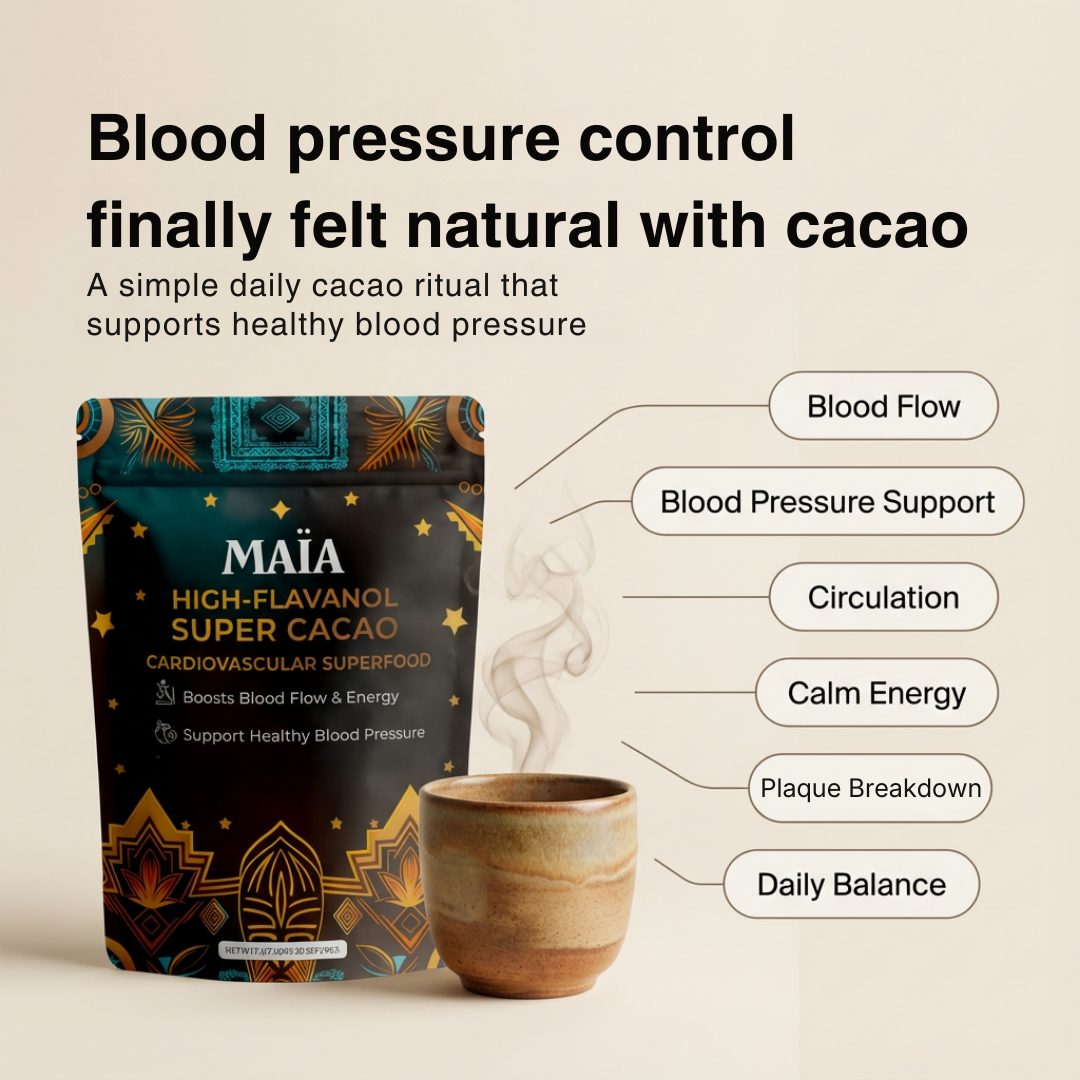
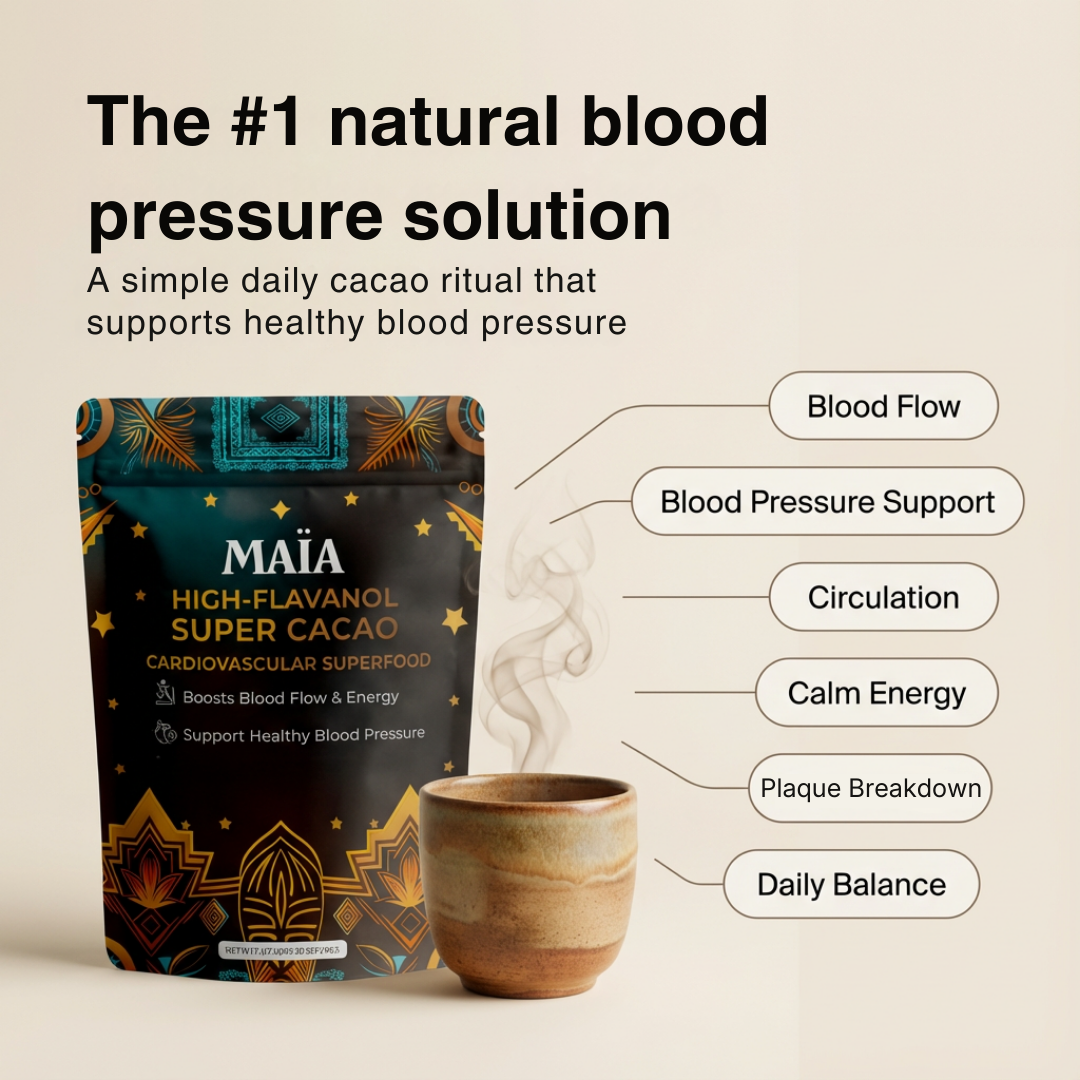
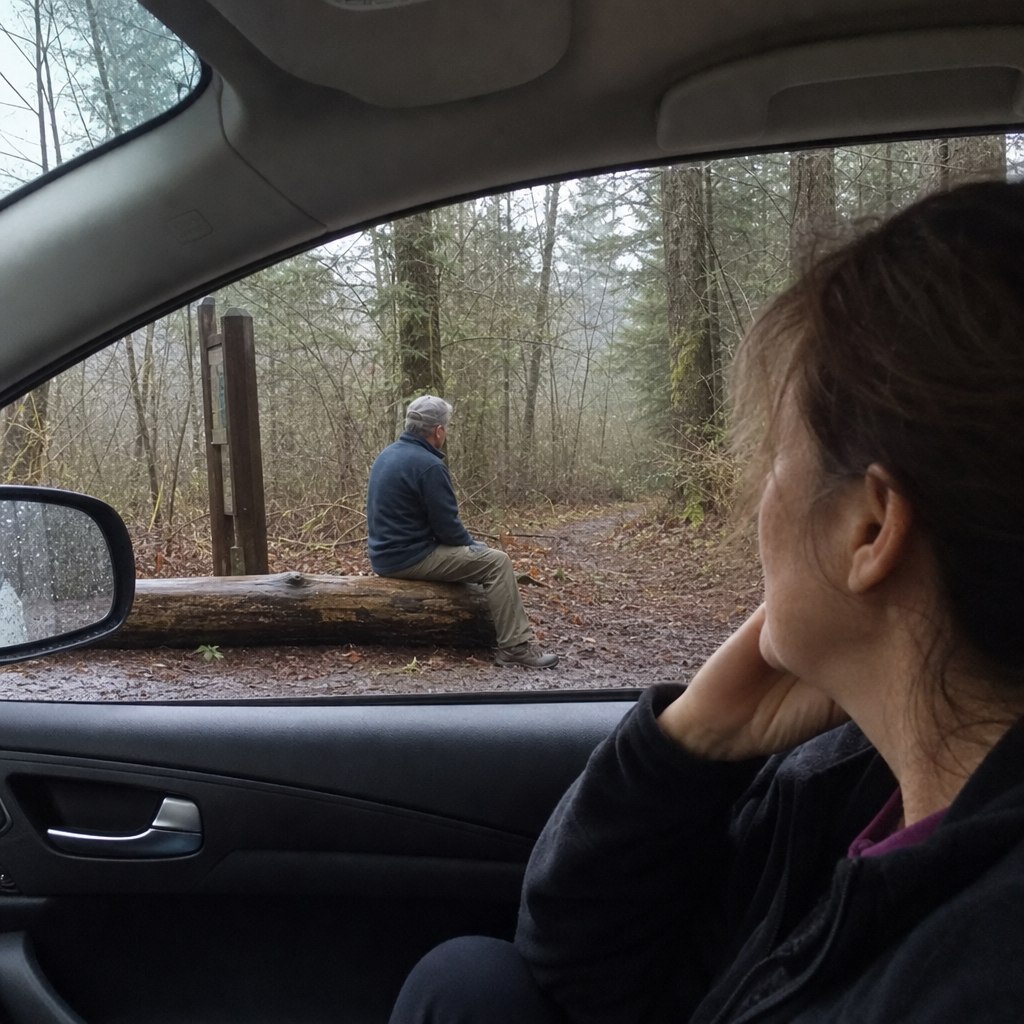
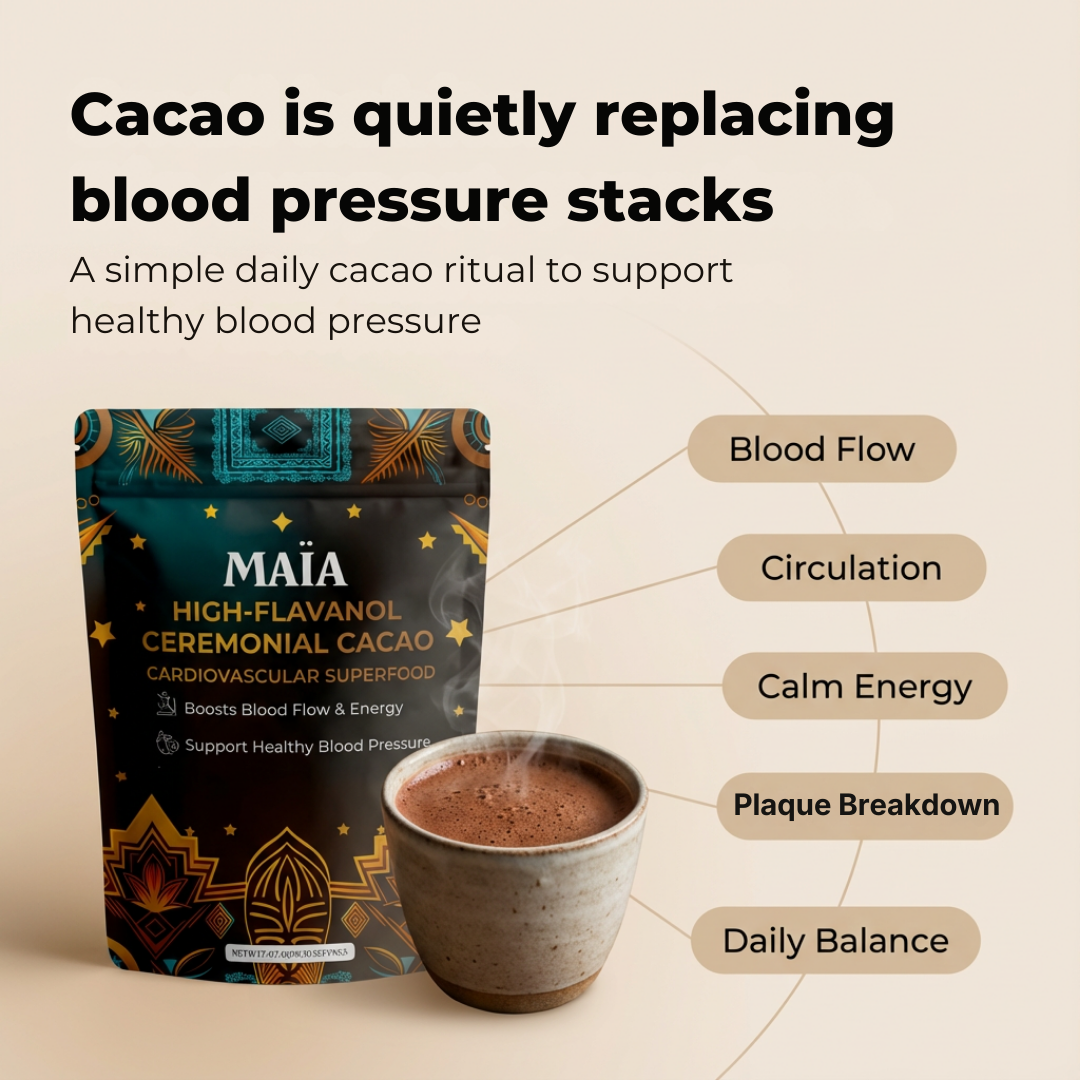
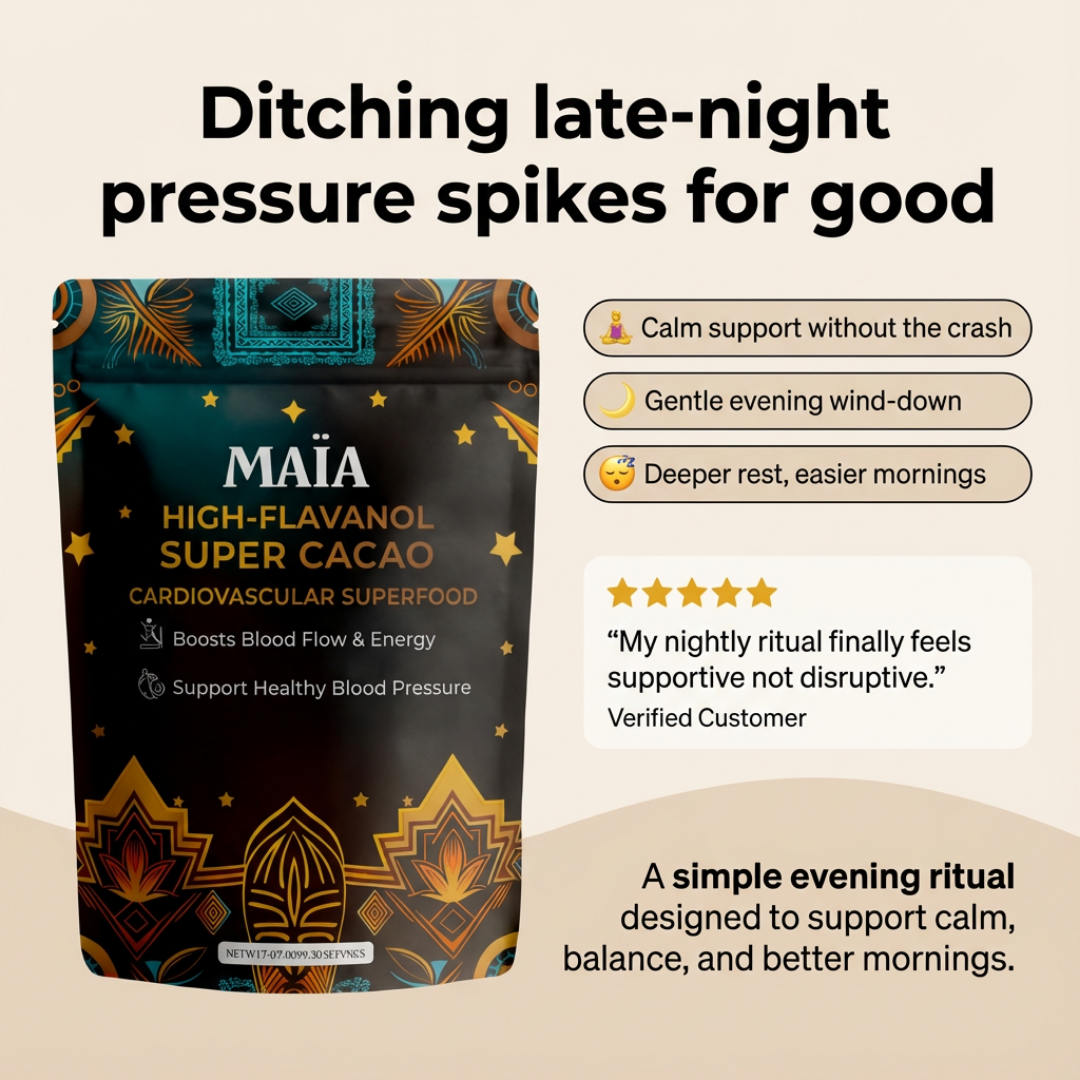
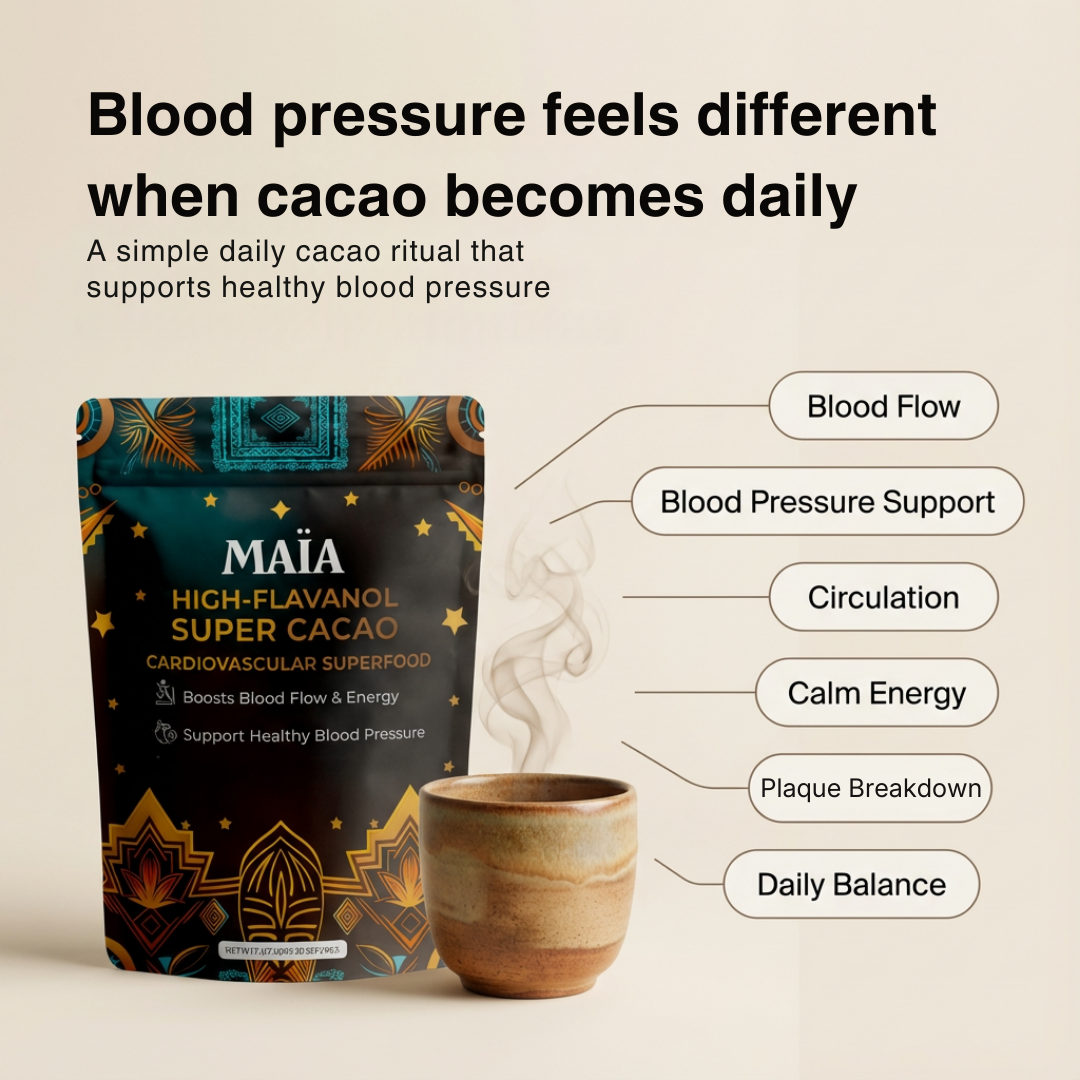
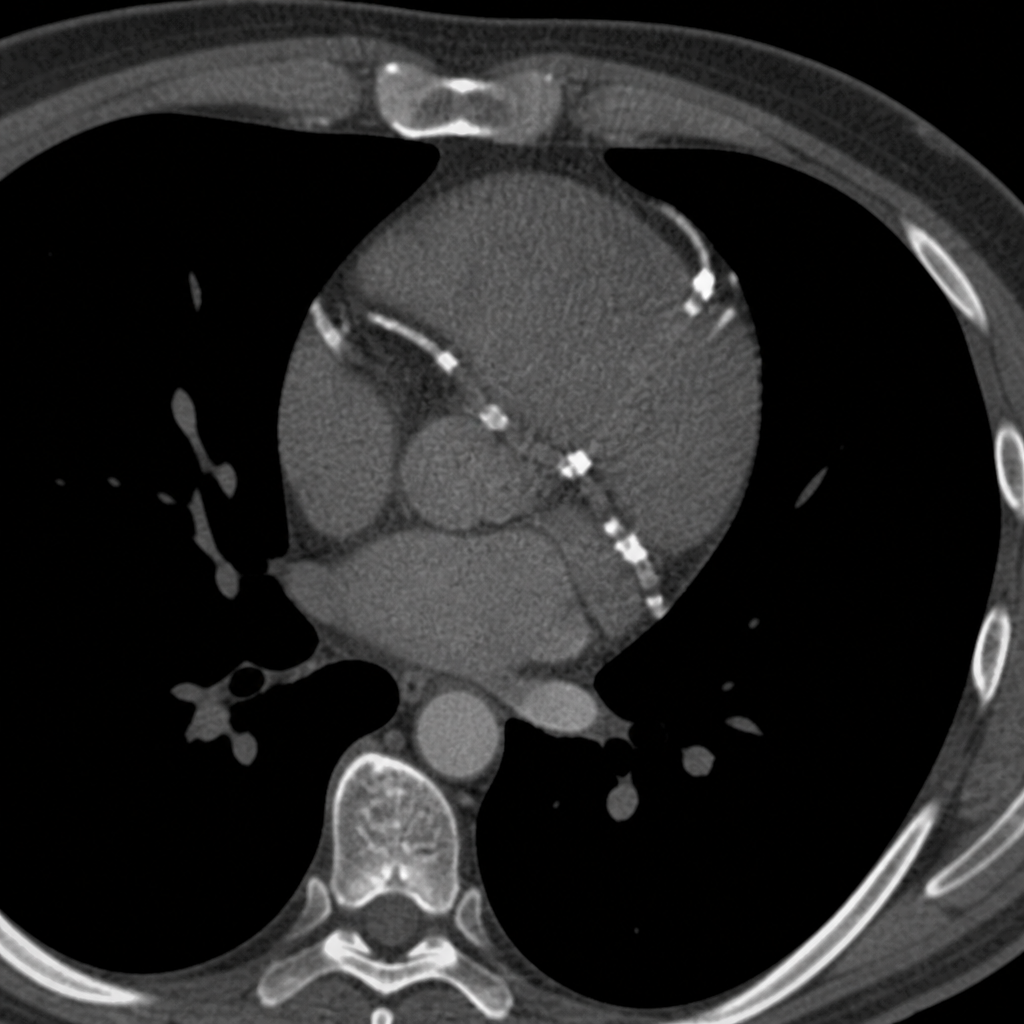
I worked as a housekeeper for a wealthy family in Greenwich for 14 years. The man of the house was 71 years old when I started. The number on his last lab panel before I left was better than mine. I'm 58 years old. My name is Maria. I grew up in a small town in Honduras. I came to the States in 1998. I have been cleaning houses for 27 years. In 2010, I started working for a family in Greenwich, Connecticut. The husband was a retired investment banker. I will not use his real name. I will call him Mr. Whitfield. He was 71 when I started. He was 85 when I left last spring. In all 14 of those years, he never had a cardiovascular event. He never had a procedure. He never lost a step. He climbed the stairs of his three-story home every morning to his study without holding the rail. He walked the property with the dog twice a day. He drove himself everywhere until the year I left. His mind was as sharp at 85 as it had been at 71. I am the one who cleaned his bathroom every Tuesday and Friday for 14 years. I am the one who emptied his trash. I am the one who put away his vitamins and supplements. I am the one who organized his pantry, his medicine cabinet, his desk drawers, his closet. I knew everything that man took. I knew everything he ate. I knew everything he did. And there was one thing he did every single morning, without fail, for 14 years, that almost nobody in this country knows about. Every morning at 6:30am, he came down to the kitchen in his robe. He pulled a small tin out of the second shelf of the pantry. He measured out one heaping teaspoon of dark powder. He poured hot water from the kettle over it. He added a splash of whole milk. He stirred it slowly with a small silver spoon. He drank it standing at the kitchen island while reading the paper. Then he went to his study to work. I asked him about it one morning during my second year at the house. I had been wiping down the counter. He had been at the island with his cup. I said, "Sir. May I ask you about the powder you drink every morning." He looked up at me over his reading glasses. He smiled. He said, "Maria. This is the most important thing I do every day." He told me what it was. It was raw, cold-processed cacao. Not the chocolate I had grown up with in Honduras. Not the cocoa powder you buy at the supermarket. Real, raw, unprocessed cacao. From a specific kind of bean. A heirloom variety called Criollo. Cold-pressed. Never roasted. Never dutched. Never mixed with sugar or dairy. Pure flavanol content disclosed on the label. Third-party tested. He pulled a journal article out of a drawer in the kitchen island. He handed it to me. He said, "Maria. Read this when you have time. This is why I am still here." I took the article home that night. I read it three times. It was about a class of plant compounds called flavanols. The kind found in raw cacao. Cacao flavanols have been studied in dozens of clinical trials for their effect on the lining of blood vessels. That lining is called the endothelium. It is one cell thick. A healthy endothelium produces a molecule called nitric oxide. Nitric oxide keeps the arteries flexible. It keeps the inner wall smooth. It keeps the blood flowing without resistance. When the endothelium is healthy, plaque cannot easily attach. When the endothelium is damaged, the body sends cholesterol, calcium, and inflammatory cells to seal the injury. Those patches harden. Over decades, they become plaque. The cacao flavanols feed the endothelium. They support nitric oxide production directly. They support healthy vascular flexibility. They support healthy arterial function. They may help maintain healthy blood flow. After 50, your body's natural ability to produce nitric oxide drops by as much as 50 percent. By 60, it can be down 60 percent or more. Mr. Whitfield had read this when he was 64. He had been drinking the cacao every morning since. I started watching him more carefully after that. His hands were warm. He never complained of being cold. He had no swelling in his ankles. He climbed the stairs to his study without breathing hard. He played 18 holes of golf every Wednesday with a man from his old firm until he was 82. He drove himself to the country club. He walked the course. He carried his own clubs from the cart to the green at every hole. I asked him once. "Sir. May I ask. What does this cacao cost you." He paused. He set down his cup. He said, "Maria. It costs me 280 dollars a month." I almost dropped the cloth I was holding. 280 dollars a month. For a powder. He had been spending that for seven years by the time he told me. He saw my face. He said, "Maria. I have a man who sources it for me directly from a small farm in Ecuador. It is the only place I have found that produces it the way the research describes. Cold-processed. Criollo beans. Third-party tested. No sugar. No dairy. No fillers. The man who arranges the import takes a fee. The farm is small. The shipping is expensive. But I have looked everywhere. I cannot find what I need on any store shelf in America." He paused. He said, "If anyone could make this affordable for ordinary people, Maria, it would be the most important thing they could do." I never forgot what he said. In my fourteen years working for that family, I cleaned a lot of homes for friends of theirs on weekends. I saw a lot of older men. Men in their 60s and 70s. Men who lived in houses three times the size of Mr. Whitfield's. Men who took twelve different supplements every morning. Men who had calcium scores in the hundreds. Men who had procedures scheduled. Men whose wives whispered to me in the kitchen about how tired their husbands were. None of them were Mr. Whitfield. He was the only one in that entire social circle who did the cacao. He was also the only one whose lab numbers and scans were better at 85 than they had been at 71. The other men did not believe him when he talked about it. They thought it was an eccentricity. They thought it was something a rich man did because he had nothing better to spend his money on. They went on with their regimens and their stacks of pills. They had their procedures. They lost their stamina. A few of them did not make it home from trips they were taking. Mr. Whitfield kept drinking his cup at 6:30am. Last spring, the family told me they were moving to be closer to their daughter in California. I had to start looking for a new family. I was 57 years old. My own husband, Roberto, is 60. He has been a landscaper for 34 years. He has high cholesterol. He has been on a regimen for nine years. His hands have been cold for the last four winters. He had stopped helping our grandchildren play in the yard because he got winded too fast. I had watched him slowly turn into the men whose houses I cleaned on weekends. I had watched my husband slowly become not Mr. Whitfield. The week before I left the Greenwich house, I went up to Mr. Whitfield in the kitchen. I said, "Sir. Can I ask you a favor." He said, "Maria. Anything." I said, "Can you write down for me the name of the powder you drink. I want to find it for my husband." He paused for a long moment. He said, "Maria. I do not want you spending 280 dollars a month. Sit down." I sat at the kitchen island. He sat across from me. He said, "Last year I found out about a small company. An American company. They started doing exactly what my farm in Ecuador does. Raw cacao. Cold-processed. Criollo beans. The actual flavanol content disclosed on the label. Third-party tested. No sugar. No dairy. No fillers. The same standards I have been paying 280 a month for." He pulled out a small pouch from the cabinet. It was a beautiful pouch. He set it on the island. He said, "It is called MAÏA." I looked at it. He said, "Maria. I have been buying this for the last six months alongside what I get from Ecuador. I tested both. The MAÏA pouch is the same. The same clinical-dose flavanols. The same standards. The same effect on my body." He pushed the pouch toward me. He said, "Take this home tonight. Give it to Roberto. A cup every morning. Hot water and a splash of milk. Tell him to drink it for eight weeks before he decides if it is working." I started to say I would pay him back. He held up his hand. He said, "Maria. You have been in my home for 14 years. You have kept me healthy in ways you do not know. Take it home. And then order more for yourself." I drove home that night. I sat at our kitchen table. I told Roberto everything. He listened. When I was done, he picked up the pouch. He read the label. He said, "Maria. We can afford this." The next morning at 6:30am, my husband stood at our kitchen counter and drank his first cup. By week three, his hands were warm at the breakfast table. By week four, he climbed the back porch steps two at a time the way he used to when I first met him in 1989. By week six, our 5-year-old grandson came over. Roberto picked him up over his head the way he had not in three years. The boy laughed so hard he started hiccuping. By month four, Roberto had a follow-up panel. His LDL had dropped 38 points. His HDL was up 11. His triglycerides were down 47. His specialist asked him what he had been doing. He told her. She wrote it down. I started ordering MAÏA for my sisters. For my mother in Honduras. For my husband's three brothers. For two of the families I clean for now, when I noticed the husbands struggling. I have been telling the story of Mr. Whitfield for almost a year. I want to tell it to whoever is reading this now. There is a small American company doing what a man in Greenwich, Connecticut, was paying 280 dollars a month to import from a private farm in Ecuador. The same cacao. The same Criollo beans. The same cold-processing. The same disclosed flavanol content on the label. The same third-party testing. For a fraction of the price. MAÏA. The name of the small company that made what was once a rich man's secret available to ordinary people like me and my husband. If you have a husband whose hands have been cold for years. If you have a father who is slowly losing his stamina. If you have a brother whose lab panel keeps getting worse no matter what he takes. If you have been telling yourself there must be something the wealthy know that ordinary people do not. There is. It is a cup of raw, cold-processed Criollo cacao every morning at 6:30am. The same cup a 71-year-old man in Greenwich, Connecticut, drank every morning for 14 years while the men around him lost their stamina and their independence and their lives. MAÏA offers a 30-day money-back guarantee. That was the only reason Roberto was willing to try it after spending nine years on a regimen that had not helped him. If it doesn't work, they refund every dollar. They are a small company. They sell out. Last time I reordered, my shipment was delayed by eight days, and I divided the bottom of the pouch into smaller scoops than the directions called for. If you click below and they are out of stock, the wait will not be long. But if they have it, get it. Drink the cup at 6:30am tomorrow. See what your hands feel like in six weeks. See what your stairs feel like in eight. See what your lab panel looks like in three months. You do not have to be Mr. Whitfield to live the way Mr. Whitfield lives. You just have to know what he knew. Now you know. The link is below. https://shop.trymaia.co/shocking-discovery-plaque — Maria
The #1 Cacao for Heart Health
LEARN MORELike this ad? Make it yours.
Crush rebuilds this exact creative around your product — your brand, your colors, your offer — in about a minute.