David Reed
David Reed Facebook ad: “I almost didn't talk to the woman who saved my husband”
Running for 15 days since September 15, 2026. Crush last saw it on September 30, 2026.
Run by David Reed on Facebook. Crush is not the advertiser and does not verify its claims. See this ad in Meta's Ad Library(opens in a new tab)
Want an ad like this for your product?
Crush makes new ad images for your product from this ad: your logo, your product photo, your offer.
Trials from $19.95 USD, then $79.95 USD a month. Cancel anytime.
About this ad
- Meta Ad Library ID
- 1377513647433940
- Platforms
- Facebook, Instagram, Audience Network and Threads
- Relaunches
- 0
Ad text
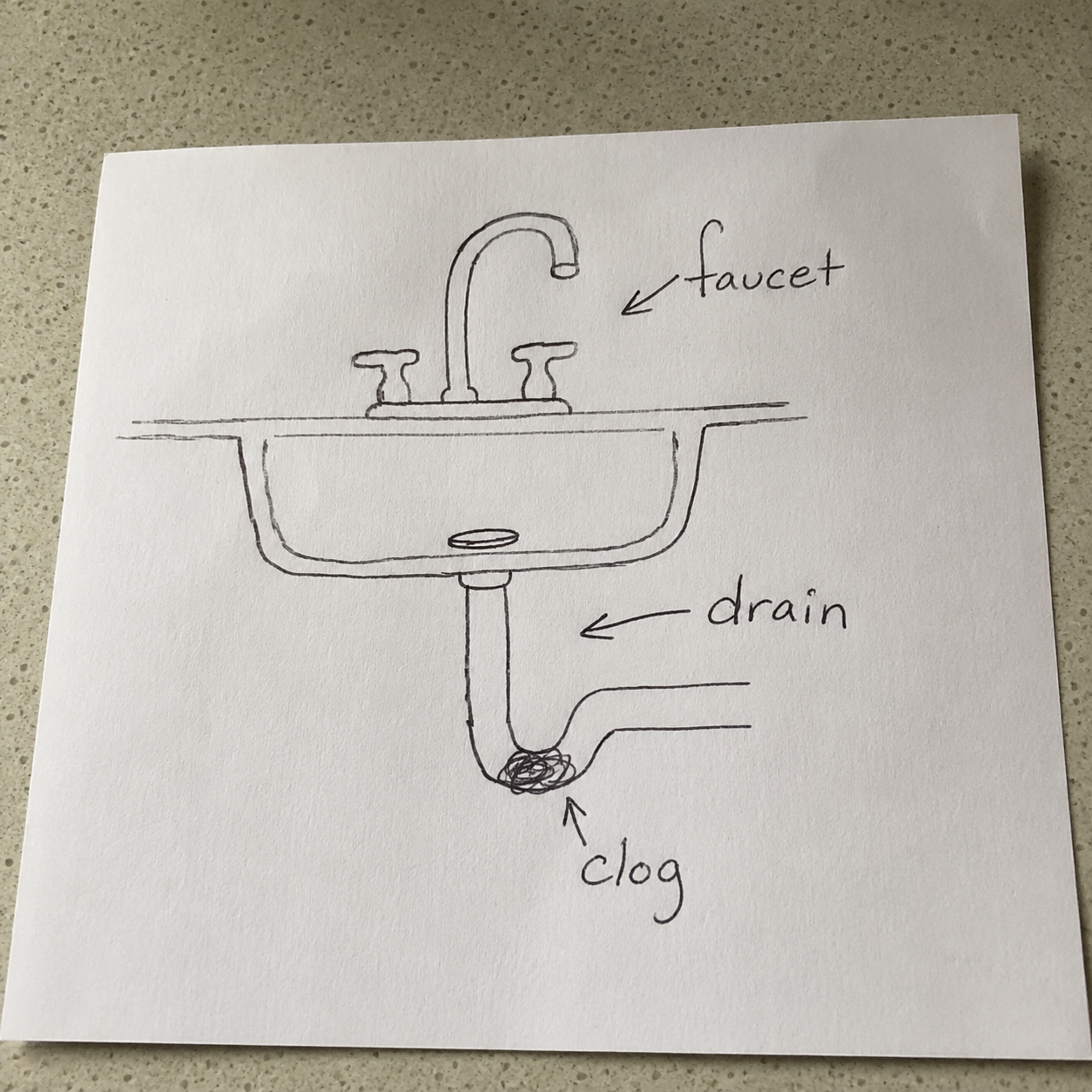
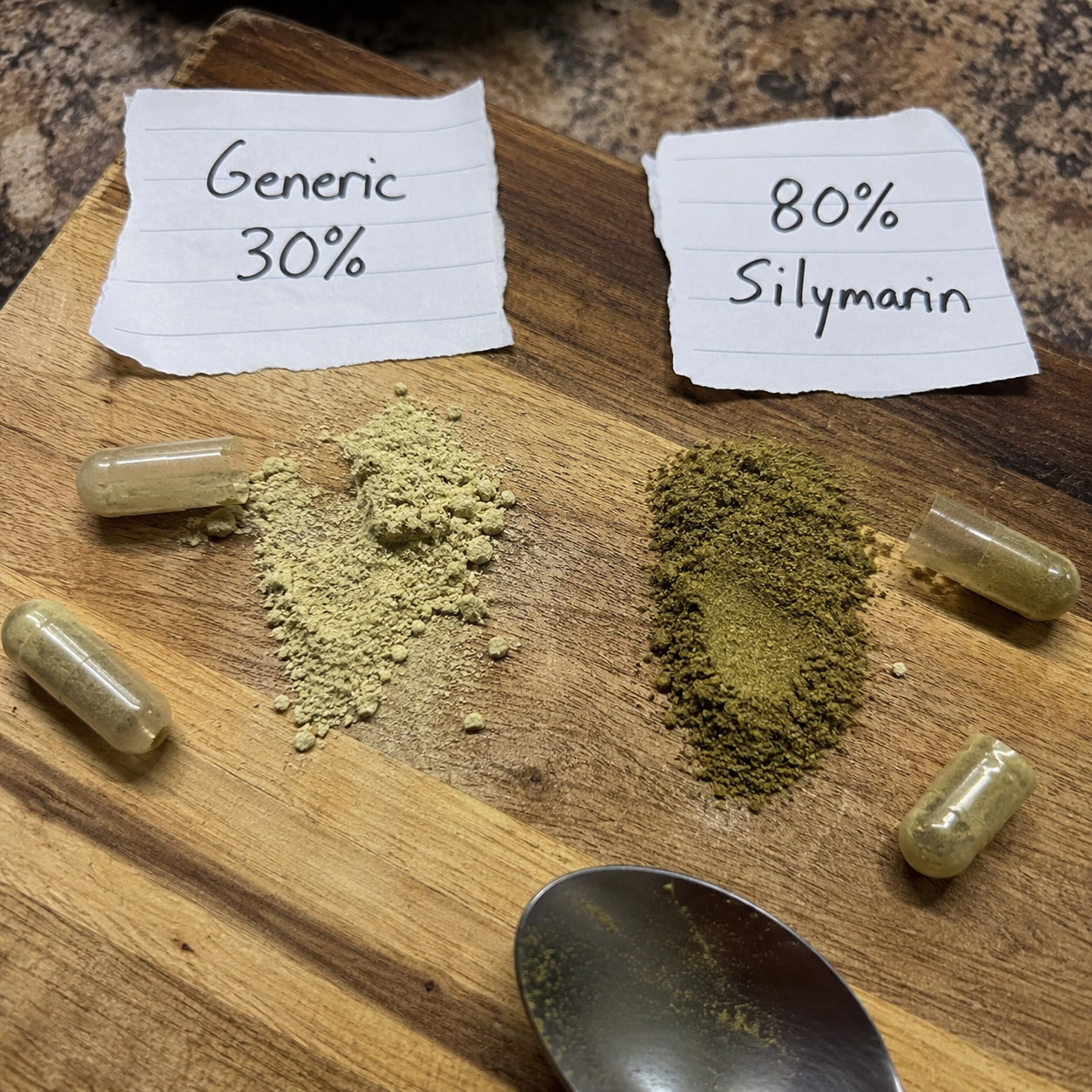
I almost looked past the woman who saved my husband's life. She was sitting alone at the booth next to ours at the diner on Route 4. A glass of water in front of her. She wasn't eating. If I'd known, the night I leaned over and asked her to join us, that she was the only reason my husband would still be walking into his workshop at 66, I would've asked her to stay longer. Looked at her a little harder. Paid closer attention. But I didn't know. I just slid over and pulled out the chair across from Frank and waved her toward us. Her name is Helen. She's 74 now. She was an ICU nurse for 28 years before she retired. She still folds her napkin in thirds the way nurses fold things. She calls me "honey" and she calls Frank "Mr. Dalton" even though he's told her a dozen times to call him Frank. She says she can't. She says once a nurse, always a nurse. Her husband had been dead 9 months by the time I met her. Frank and I had been having Wednesday lunch at the diner on Route 4 for 11 years. After every quarterly checkup with his doctor, we'd drive there straight from the office. We'd sit across from each other and not talk about the numbers. We'd just order the same thing and look out the window at the parking lot. That Wednesday in March, I'd been watching the woman at the next table for almost a full minute. She wasn't eating. She was turning a glass of water with both hands, slowly, the way someone turns something when they have nowhere else to be and no one waiting for them. I'd seen her in there before. I almost said nothing. I leaned over anyway. I'm going to tell you why I asked, because the answer matters. It wasn't because I was being kind. I'd like to tell you it was. It wasn't. Frank and I had been married 39 years. The last 14 months had been the quietest of them. He'd come home from the workshop earlier and earlier until he just stopped going. By Wednesday at the diner he'd order, eat half his plate, and stare past me toward the door like he was trying to remember something he couldn't quite reach. Some quiet takes longer than you think to do anything about. I was 64 by then. Frank was 66. I knew something was sliding away from us and I didn't know what to do about it. I had a hole in my chest the size of my husband. Helen had a hole in hers the size of the man who died beside her last spring. That was the whole reason. We needed each other. That's all. Helen asked what Frank did. I told her he'd been a finish carpenter for 41 years. Custom cabinets, built-ins, furniture. He still kept a workshop in the garage. Had been building a rocking chair for our granddaughter Ellie's 4th birthday. Helen nodded. The way she nodded was the way a nurse nods when she's filing something away to look at later. "My Dale was a welder. Forty years at the shipyard. Built me a garden arch for our 25th anniversary out of scrap steel. It's still standing in the backyard." She set her glass down. There was a small spiral notebook on the table next to her purse. The kind a nurse carries. Worn at the corners. Two pens clipped to the spiral. I didn't know it then, but that notebook had 28 years of patient notes in it. The last section was about Dale. Frank shook her hand at the end of lunch. He doesn't usually do that. He told her if she ever wanted company on a Wednesday, we ate there every week at noon. She came the next Wednesday. And the Wednesday after that. The first few months weren't easy for her. She'd grip her purse on her lap the whole meal. She ordered water instead of coffee for 6 weeks because she said caffeine made her think about things she wasn't ready to think about yet. She didn't talk about Dale until July. July was when Frank asked her what kind of welding Dale did and she pulled a photograph out of her wallet. Dale standing next to the garden arch, holding a welding mask, grinning. Something about Frank knowing what the welds meant, something about a man who recognized the work of another man's hands, broke through. She started coming to our house for Wednesday dinner 2 weeks later. She started calling me "honey" the night I served meatloaf. She said, "Honey, this is the first home-cooked meal I've had since Dale died," and I nearly dropped the serving spoon. By October she was bringing us a jar of fig preserves every Wednesday. She'd set it on the counter without saying anything. Just put it there and walk past. That was the kind of friend she was. Frank is 66 years old. He's been a carpenter since he was 24. 41 years with a chisel in his hand. He ran a small custom cabinet shop until he retired at 63. His best pieces are in houses all over the county. He built our kitchen table. He built the bookshelves in our living room. He was building a rocking chair for Ellie, our granddaughter, for her 4th birthday. Cherry wood. Hand-cut joints. The kind of thing you pass down. He's also been on statins for 11 years and a blood pressure medication for the last 7. His body isn't cooperating the way it used to. The fatigue doesn't lift. By 2 in the afternoon he's done. His ankles swell so much by evening he can't get his work boots off without help. The belly that showed up 3 years ago hasn't gone anywhere despite eating less than he ever has. His face looks puffy in the morning and he's started avoiding the mirror. He falls asleep in his recliner after lunch most days. I turn the TV down and let him sleep. He's stopped going out to the workshop. The rocking chair has been sitting on the bench under a cloth for 13 months. The cherry wood is still beautiful. The joints he started aren't tight anymore because his hands shake when he holds the chisel and his eyes can't track the pencil line on the wood the way they used to. He told our grandson the chair was "almost done" when he came over last month. It wasn't. He couldn't finish the dovetail on the armrest. He'd tried 3 times and the gap kept getting wider. I know. 10 months into our Wednesday lunches with Helen, Frank came home from his quarterly checkup and didn't speak for 2 hours. That night he told me he wanted to put the workshop tools on Facebook Marketplace. His doctor had told him his cholesterol was "well-managed." Same thing he says every time. The statin was doing its job. The number was where they wanted it. Then he asked if Frank had thought about talking to someone. He said the fatigue and the low mood sometimes have a mental health component. Frank had nodded, shaken his hand, and driven home. He sat at our kitchen table and told me he'd built cabinets with his hands for 41 years and now his hands couldn't hold a chisel steady enough to cut a straight joint. He didn't cry. Frank doesn't cry. He just looked at his coffee for a long time. Helen was at our Wednesday lunch the next week when I broke down at the table. I hadn't meant to. I'd been holding it together for months. She'd poured me coffee and asked how Frank was doing and my eyes filled before I could stop them. Helen set her coffee down. "Honey. I've been waiting 7 months for you to tell me what I've been seeing." She reached into her purse. Pulled out the spiral notebook. Tore out a page. Wrote two words on it in pencil. Slid it across the table. The page said: Bile. Silymarin. I read it twice. Put it in my purse. "I'll explain everything. But not here. Come to my apartment Thursday afternoon. Bring Frank if he'll come. Just promise me you'll hear me out before you tell me I'm crazy." "I promise." She finished her coffee like nothing had happened. Thursday came. I drove. Frank sat in the passenger seat staring out the window the way he did at everything now. Helen met us at the door in a clean blouse. She had the notebook under her arm. She hugged Frank for a long time. He looked surprised. He hugged her back. We had coffee. She had shortbread on a plate. Frank had 3 pieces and apologized. She told him to have more. Helen sat down across from us. Folded her hands. Looked at Frank. "Mr. Dalton. Margaret. I almost didn't bring this notebook out. I held it on my counter for 30 minutes before you got here." "I'm an ICU nurse. I'm not a cardiologist. I might be wrong about all of this." Before she could go further I pulled a CVS bottle out of my bag and set it on the table. "Helen. I went to CVS last week. I bought Milk Thistle because that's what you wrote. I've been taking it for 5 days. Nothing's happened." She looked at the bottle. Then she looked at me with a quiet expression that wasn't quite a smile. "Margaret. That's not what I meant by Milk Thistle." She picked up the bottle. Read the back. Set it down. "This is 300 milligrams of extract. It doesn't say what percentage is Silymarin. That's the compound that actually does the work. Most of what you find on the shelf at CVS or Walgreens is 30, maybe 40 percent Silymarin. The research that showed results, the studies that actually measured liver cell support, they used 80 percent or higher. Below that, you're paying for a label." She moved the CVS bottle to the edge of the table. Not unkindly. Just setting it aside. "You need the real thing. I'll get there. But I need to start at the beginning." She opened the notebook. She didn't start with Frank. She started with Dale. "I have to tell you about my husband. I don't talk about him because it still hurts and because I should've known better. But I've been carrying this for 9 months and I should've told you sooner." She laid out the lab printouts first. The folded pages from the notebook's inside cover. Dale had been on statins for 14 years. His cholesterol was managed. Every checkup, his doctor said the number was right where they wanted it. He was a welder. A strong man. A man who built a garden arch out of scrap steel. "I want to tell you who Dale was before I tell you what happened. Because I need you to understand he was a man, not just a chart." Dale had built her a jewelry box from walnut for their 30th anniversary. It was still on her dresser. She opened it every morning. This was the first time I'd heard any of it. "3 years in, the fatigue started," Helen said. "His doctor wrote 'likely deconditioning, counseled on activity.' Year 4, his belly got bigger even though he was eating less. Doctor wrote 'metabolic, maintain current meds.' Year 5 he couldn't stand at the welding bench for more than an hour. Year 6, brain fog. Forgetting conversations. Falling asleep watching the news at 7pm." She pulled out another printout. "Year 7. His doctor looked at the chart and said, 'Mr. Hennessy, your cholesterol is exactly where we want it. You're doing great.' That was 14 months before Dale had a heart attack in our driveway on a Saturday morning." She set the printout down. "His number was fine. His liver wasn't. And not one person in 14 years of quarterly checkups ever looked at the liver." She looked at Frank. "Mr. Dalton. You're on the same medications. Same symptoms now that Dale had 2 years before I lost him. Same thing your doctor is telling you, that everything is managed, that maybe you should talk to someone about the fatigue." She paused. "I lost my husband last spring. I'm not losing the friend who knows what a hand-cut dovetail looks like to the same thing if I can help it." She turned to another section of the notebook. Pages with words she'd looked up. Definitions written in pencil in the margins. "I know how this sounds," she said. "I'm a retired nurse telling you that a doctor with 20 years of practice is watching the wrong thing. I understand how that sounds." "After Dale died, I couldn't stop thinking about it. His number was fine. Everything the doctor was watching was fine. So what happened? I went to the library and I read until I understood. I might still be wrong. But please hear me out." "The statins do one thing. They lower the amount of cholesterol your liver produces. That's all they do. Your doctor watches that number. When it goes down, he says it's working." "But here's what nobody told Dale. And what nobody's told Frank." "The liver doesn't just make cholesterol. It's also the only exit cholesterol has out of your body. The liver packs old cholesterol into something called bile, and bile carries it out. That's the drain." "When the drain runs clean, cholesterol leaves the way it's supposed to. When it doesn't, when the liver has been overworked for decades from everything it processes, the drain narrows. Cholesterol backs up. Not in the number the doctor tests. In the places the test doesn't see." "Think of it like a sink. The statin turns down the faucet. But the drain is clogged. So the water level still rises. Just slower. And the doctor looks at the faucet and says, 'see, it's working.' But nobody checks the drain." "Every medication Dale was on was managing the faucet. His drain was clogged for 14 years and not one doctor ever checked it." "The fatigue. The brain fog. The belly. The swelling. The falling asleep by 2 in the afternoon. That's what happens when the liver falls behind. It can't process what it needs to. And it's been so overworked for so long that it can't keep up, and the symptoms pile up, and the chart says 'managed' and the body says 'I'm drowning.'" She looked at Frank. "Mr. Dalton. Your doctor is watching the faucet. Your liver is the drain. And nobody is looking at it." I stared at the printouts on the table. At the handwritten notes. I thought about Frank staring past me at the diner. For 10 months. And his doctor suggesting an antidepressant. I couldn't speak. Helen smiled. For the first time in the conversation. "After Dale, I started looking for anything that could support the liver. Anything that could help open the drain. That's when I found Silymarin." "Silymarin is the active compound in Milk Thistle. It's been studied for decades specifically for liver support. But here's the part that matters." She picked up the CVS bottle from the edge of the table. "This is 30, maybe 40 percent Silymarin. At that concentration, it doesn't reach the liver cells in meaningful amounts. It passes through. That's why people buy it, take it for 3 weeks, feel nothing, and throw it away. The threshold where the research actually shows results is 80 percent. Below that, you're just swallowing filler." "I found one company that meets it. They source their Milk Thistle from New Zealand, where the volcanic soil grows the highest-Silymarin seed in the world, under standards strict enough to hold it at pharmaceutical grade. The formula includes Wormwood to help get bile physically moving again, and Turmeric to calm the inflammation in tissue that's been backed up for years. One capsule. Morning. That's it." "That's the slower, more expensive way to make a supplement. And it tells you something about who's running the operation." She closed the notebook. "That was the missing piece. The thing Dale's liver had been needing for 14 years while his doctor watched a number that didn't tell the whole story." She reached into a drawer and pulled out a bottle. Pushed it across the table to Frank. "Mr. Dalton. I bought this for you 3 weeks ago. It's been sitting in my kitchen cabinet waiting for me to find the nerve to put it on this table." "You're the only man besides Dale who ever knew what a hand-cut dovetail joint was supposed to look like. You shook my hand the first night I sat with you at the diner and asked me back the next Wednesday." "I'm asking you to take this. One capsule a day. For me. Please." Frank didn't say anything for a long moment. He looked at the bottle. He looked at Helen. He looked at the lab printout on top of the stack, the one from Dale's last good checkup, the one where the doctor wrote "cholesterol well-managed." He picked up the bottle. "Helen. At this point I'd swallow sawdust if you told me it'd help. I'll take it tonight." We drove home with the bottle on the seat between us. That night Frank took one capsule with water at the kitchen counter. He stood there for a minute looking out the window at the garage. Then he went to bed. The first week, nothing dramatic. I'm telling you that honestly. His bathroom trips changed and that was about it. But around day 8 or 9, something small happened. He set down his coffee after breakfast and said, "Margaret. I think I'm going to go out to the garage for a few minutes." I didn't say anything. I couldn't. He went out to the workshop at 9 in the morning. I heard him take the cloth off the rocking chair. He stayed out there for 45 minutes. Week 2. Frank swung his legs out of bed and stood up without grabbing the headboard first. I'd been awake already, watching him the way I'd been watching him for a year, holding my breath every morning waiting to see how bad it would be. He sat up. Stood up. Walked to the bathroom. No pause. No groan. Just stood up like a man who trusts his legs to hold him. I lay there staring at the ceiling. I didn't tell him I saw it. By week 3 I noticed something at dinner. He'd gone the whole meal without getting up. He used to leave the table twice at least. That Sunday he slept the whole night through. He woke up Sunday morning and said, "Margaret, did I get up at all last night?" I told him no. He sat on the edge of the bed thinking about it for a minute. Week 4, Frank came in from the workshop holding a piece of cherry wood. He held it up to the light from the kitchen window. The dovetail on the armrest. The one he'd tried 3 times and couldn't get right. It was tight. Not a gap in it. "Margaret. Look at that joint." I looked at it. I looked at his hands. They were steady. Week 6, Frank asked if I wanted to take a walk around the block before dinner. We hadn't taken an evening walk in over a year. I put on my shoes so fast I almost tripped on the laces. Halfway around the block I looked down at his ankles. The skin wasn't tight and shiny anymore. His boots fit the way boots are supposed to fit. He walked the whole loop without stopping. Week 8, our grandson came over and Frank sat at the kitchen table with him for 2 hours explaining how to use a hand plane. He sharpened the blade, set the depth, and ran it across a piece of scrap until the shaving curled off in one long ribbon. He didn't lose his train of thought once. Every morning. One capsule. Glass of water. Week 11, Frank's appointment with his doctor. He'd had blood drawn 3 days before the visit. We knew the number. We just hadn't told anyone. His doctor walked into the exam room. Pulled up the chart. Looked at it. Looked at it again. "Mr. Dalton. Your cholesterol is the best it's been in 3 years. What have you been doing?" Frank told him everything. The Wednesday lunches. Helen. The notebook. The Silymarin. The 80 percent threshold. The liver connection. His doctor listened. When Frank finished, he was quiet for a minute. Then he said, "Mr. Dalton. Three months ago I suggested an antidepressant. I'm not going to suggest that today. Whatever you're doing, keep doing it. I want to see you in 3 months." Frank called me from the parking lot. He didn't say anything at first. Just breathed. Then he said, "Margaret. I don't have to sell the tools." I was standing in our kitchen. I slid down against the counter until I was sitting on the floor. I cried the kind of cry you cry when something you were sure was gone comes back. 3 months after Helen slid the notebook page across the table at the diner, I drove to her apartment on a Saturday afternoon. Frank was already there. He'd driven over that morning with something in the back of his truck. I walked in and he was sitting at Helen's kitchen table with a sanding block in his hand. In front of him was the rocking chair. Finished. Every joint tight. Sanded smooth. Ready for the first coat of oil. He'd brought it to show Helen before anyone else. Helen was sitting across from him with her hands folded. She was looking at the chair the way a woman looks at something she thought she'd never see again. I sat down. I didn't say anything. I thought about Dale. A man I never met. A man who died last spring on the same medications Frank was on, 12 months before I sat down across from his widow at a diner. A man whose widow carried his lab results in her purse for 9 months because a nurse who'd spent 28 years taking care of dying patients didn't know how to stop being one. Dale didn't die for nothing. Dale saved Frank. From the same slide. From a notebook at his widow's kitchen table. I walked over and put my hand on Helen's shoulder while Frank sanded. I drove home that night and thought about how close everything came to going different. If Helen hadn't been at the diner the Wednesday I happened to look up. If I'd let her sit alone the way I almost did. If she hadn't carried Dale's labs in her purse for 9 months waiting for someone to ask. If I hadn't broken down at the table. If she hadn't reached for the notebook. Every one of those was a hinge. A place where Frank would be sitting at home right now, his tools sold, the rocking chair unfinished, an antidepressant in our medicine cabinet, his doctor calling it managed while the drain stayed clogged. I'm telling you this because I think you might be where I was 14 months ago. Watching someone you love slip away in small pieces. Watching his doctor call the numbers "managed" while the person you married disappears into a recliner. If your husband's on statins and his energy won't come back. If his ankles are swollen by evening. If he's stopped doing the thing he loves. If his doctor says "we'll keep monitoring" while everything clearly isn't fine, the number on the chart might not be the whole story. It wasn't Frank's. It wasn't Dale's. The doctor has been watching the faucet. You've been watching the man. You're closer to the truth than the chart is. One capsule. Morning. Glass of water. The 80% Silymarin supports what the liver actually needs to open the drain, the one thing statins were never designed to do. 👉 https://tryuvola.com/pages/liver-detox EDIT: so many people asking what the actual product is. It's called Uvola. Here's the link again: https://tryuvola.com/pages/liver-detox They're the only company I found that sources pharmaceutical-grade Milk Thistle at the 80% Silymarin threshold, from New Zealand. One capsule. Morning. No protocol, no stack. Frank is still on his statins. His doctor is still monitoring him. He's just also supporting his liver now, and for the first time in years, the numbers actually moved. P.S. If you're the wife reading this and your husband has been on statins or blood pressure medication and something in him has been dimming for months, you're not imagining it. You're not being dramatic. You've been watching something real. Trust what your eyes have been seeing. P.P.S. Helen has now given that notebook page to 3 other women at the diner. Two of them came back to tell her. One, a woman named Linda whose husband had been on statins for 9 years, told Helen last Wednesday that his doctor looked at his latest bloodwork and said "I don't know what changed but keep doing it." Her husband went back out to the garden last weekend for the first time since last summer. That's what she told Helen. Dale's widow. P.P.P.S. One capsule. In the morning. With water. That's it. No powder. No protocol. No 7-bottle stack. If your husband won't take 15 supplements he'll take one. Frank did. P.P.P.P.S. Uvola has a 30-day money-back guarantee. If he's not satisfied, for any reason, full refund. No questions asked. The statins Frank's been on for 11 years didn't come with a money-back guarantee. Neither did the ones Dale was on for 14 years. Think about what that tells you about who's confident in their product. P.P.P.P.P.S. If your husband's next checkup is in 30 to 90 days and you want him to walk into that appointment with a real change instead of the same conversation, check the link now. Not next week. Every day on statins alone is another day of managing the faucet while the drain stays clogged. Frank almost sold his tools. Dale's number was fine the same year he died. Don't wait for your almost. 👉 https://tryuvola.com/pages/liver-detox
Where the ad sends people
tryuvola.com
I almost didn't talk to the woman who saved my husband
Your liver has been under years of load from drinking and processed food. This natural formula helps support liver function and helps clear the backlog.
Learn more: tryuvola.com(opens in a new tab)