David Reed
David Reed Facebook ad: “The French Eat More Butter Than Anyone. They Have 40% Less…”
Ran for 6 days, from April 18 to April 24, 2026, the last day Crush saw it.
Run by David Reed on Facebook. Crush is not the advertiser and does not verify its claims. See this ad in Meta's Ad Library(opens in a new tab)
Want an ad like this for your product?
Crush makes new ad images for your product from this ad: your logo, your product photo, your offer.
Trials from $19.95 USD, then $79.95 USD a month. Cancel anytime.
About this ad
- Meta Ad Library ID
- 1596648808767178
- Platforms
- Facebook, Audience Network and Messenger
- Relaunches
- 2
- EU reach
- 23,414
Ad text
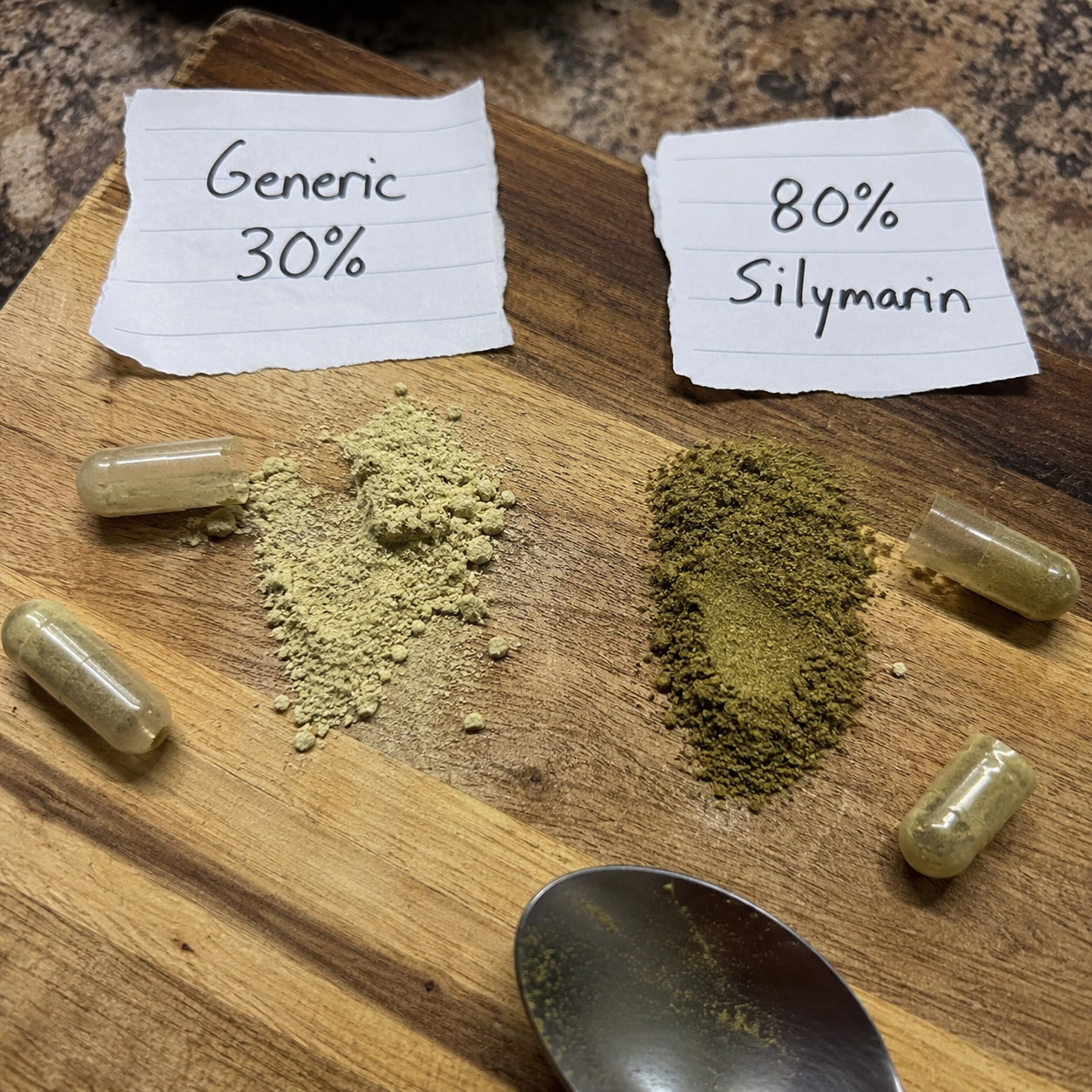
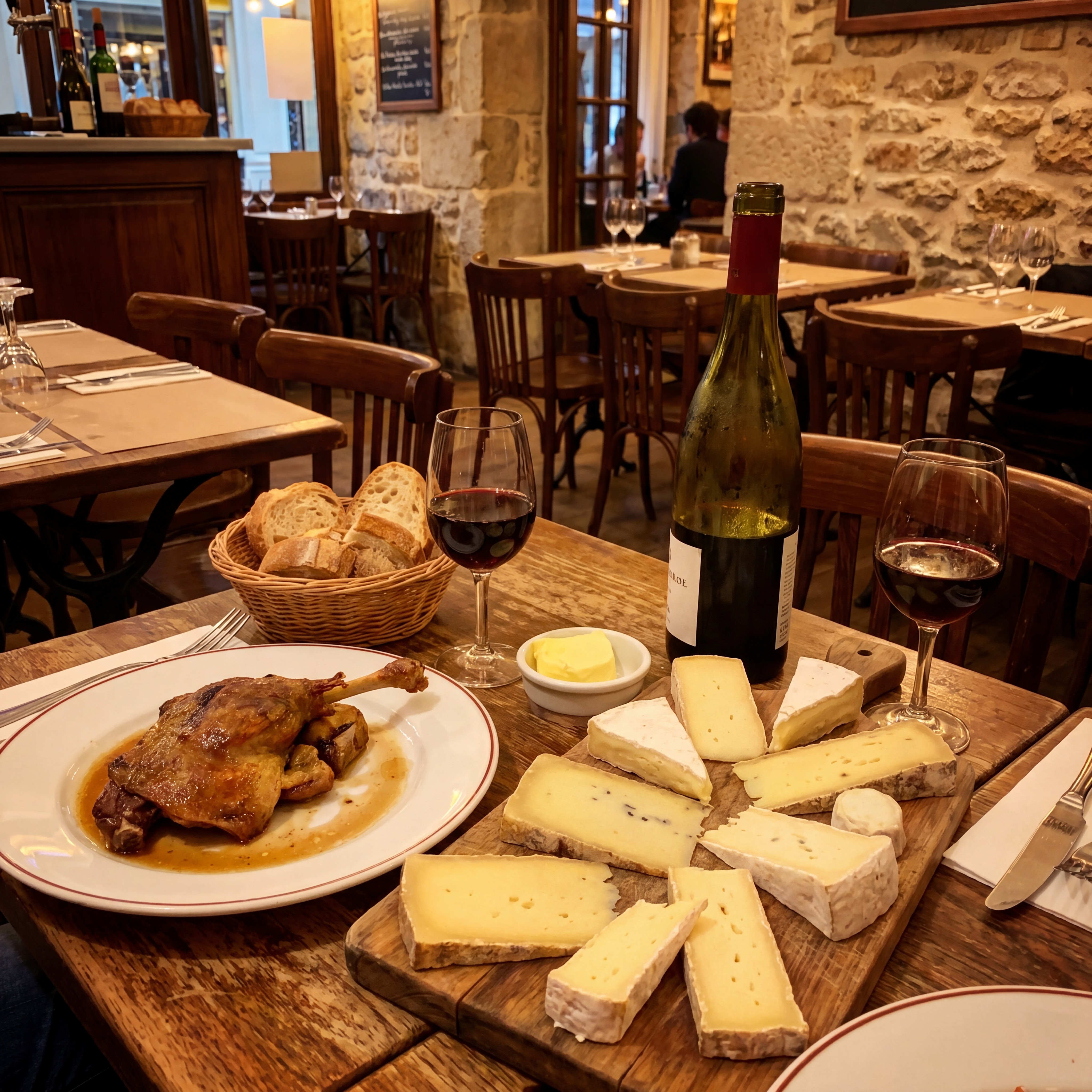
The French eat more saturated fat than Americans — butter, cheese, pâté, cream sauces, red meat — and have 40% less heart disease. Researchers have been trying to explain this for over 30 years. They said it was the red wine. Then the olive oil. Then the smaller portions. Then genetics. None of it held up. Here's what they missed. I'd heard about the French Paradox before — most people have. It was on 60 Minutes back in 1991. The basic idea: French people eat a diet that should be killing them, and somehow they're healthier than us. Scientists have been arguing about why ever since. But I never thought much about it until I actually went to France. My college roommate Mike moved to Lyon about 12 years ago for work. Married a French woman, stayed, built a life there. We'd kept in touch but I hadn't seen him in person since maybe 2018. Last fall I flew out for a long weekend to visit him. We're the same age — both 52. When he picked me up at the airport, I almost didn't recognize him. Not because he looked different in some dramatic way, but because he looked like a version of himself that time had been kinder to. Leaner face, good color, stood up straight, moved with energy. He looked like he did at 40. I caught my reflection in the car window and the contrast hit me hard. I looked ten years older than him, easy. Puffy. Gray around the edges. The gut I've been carrying for five years pushing against my seatbelt. We're the same age — grew up on the same campus eating the same dining hall food — and now we looked like we belonged to different generations. That first night, Mike and his wife Camille took me to a restaurant near their apartment. What they ordered would've made my cardiologist pass out. Duck confit. A cheese plate with three different kinds — each basically a block of saturated fat. Bread with butter. Wine. Then more cheese. Then a digestif — some herbal liqueur Camille poured from a bottle that looked like it belonged in a monastery. I sat there with my jet lag and my gut and watched them eat like this was a normal Tuesday. Because for them, it was. "You eat like this every night?" I asked. Camille laughed. "This is light. On weekends we cook heavier." I looked around the restaurant. Everyone was eating the same way — bread, butter, cheese, wine, rich sauces. And nobody in that restaurant looked like me. The men in their 50s and 60s were lean, sharp, dressed well, animated. Not bloated, not gray, not slumped over fighting to stay awake after a heavy meal. I'd spent the last three years cutting fat because my doctor told me my cholesterol was creeping up. Swapped butter for olive oil. Replaced red meat with chicken and fish. Took fish oil capsules every morning. Walked four miles a day. My cholesterol barely moved — and honestly, I felt worse than before. Less energy, more bloated, brain fog that made afternoons almost impossible to get through. These French people were eating everything my doctor told me to avoid and looking 15 years younger doing it. Something wasn't adding up. — The next morning I brought it up with Mike over coffee and croissants — which yes, are basically butter in pastry form. "How is everyone here so healthy?" I asked. "Seriously. You eat more fat than I've touched in three years and you look better than me." He shrugged. "I asked the same thing when I first moved here. Took me a couple years to figure it out." "And?" "It's not about the food," he said. "That's what we always got wrong back home. We spend all this time worrying about what goes in — cut the fat, cut the carbs, count the calories. But that's only half the equation." "What's the other half?" "Whether your body can actually handle what goes in." He tapped the side of his coffee cup, thinking about how to explain it. "It's like — okay, think about it like an oil filter on a car.” “You can put the best oil in the world into the engine, but if the filter is clogged, the engine still runs like shit. Dirty oil circulating through the whole system. Doesn't matter what you pour in if the thing that's supposed to process it is broken." "Okay..." "The French don't have better oil. In fact, they probably eat worse than us. They just have a cleaner filter. Their bodies process the fat, the wine, the cheese — all of it — because the organ that processes it all — the liver — actually works the way it's supposed to." "Think about it," he said. "The liver handles everything. Fat, alcohol, cholesterol, sugar, chemicals — everything you eat or drink goes through it. When it works, your body handles rich food no problem. But when it's clogged up from years of processed food, alcohol, medication, chemicals in the water, pesticides — all the shady stuff we have back home — it doesn't matter how clean you eat. Your body can't do its job. " He took a bite of his croissant and shrugged. "The food was never the problem. The filter is." I didn't say anything for a second. I was thinking about three years of cutting fat. Fish oil every morning. Four miles a day. And my cholesterol barely moving. My doctor adjusting things, suggesting new supplements, talking about medication. What if the fat was never my problem either? What if my filter was just broken — and no amount of clean eating could fix what was happening inside? I sat with that for a minute, turning it over. Then something obvious hit me. “So what’s different here? Why are their filters in better shape than ours?” "Honestly? I think it's a bunch of things. Less processed food. Way fewer chemicals — the EU bans stuff that's still in American food. And there's all the herbal stuff after meals — the digestifs, the bitters, the tisanes. Camille's mother drinks some kind of herbal thing every night after dinner. I don't even know what's in it. But this whole culture has these little habits built in that support digestion and the liver without anyone really thinking about it as a health strategy." He took another bite of his croissant. "Back home we have Tums. That's about it." Then he said something I kept replaying in my head for the rest of the trip. "Honestly man — in America we treat our livers like they're maintenance-free. We put garbage from all these toxins we eat, drink and breathe through the filter for 30 years and then act surprised when everything breaks down. The French Paradox isn’t even a paradox. They just take care of their shit and we don't." — I couldn't stop thinking about that conversation. Not because Mike's some kind of expert — he's a project manager who moved to France for a job. But the logic was so simple it was hard to argue with. And it explained everything I'd been dealing with for years in a way that nothing else had. I'd spent three years cutting fat and my cholesterol barely moved. I was bloated after every meal, even a “healthy” one. Brain fog every afternoon — losing track of conversations, rereading emails, forgetting why I walked into a room. The gut kept growing even though I was eating less. Tired all the time, even after a full night of sleep. I'd been treating these as separate problems. Cholesterol? Fish oil, less fat. Bloating? Probiotics. Brain fog? More coffee. Weight? Fewer carbs. Fatigue? Better sleep. None of it worked. But if Mike was right — if the issue wasn't what I was eating but whether my body could process what I was eating — then all of it traced back to one place. The liver. So when I got home, I started researching. — The first thing I looked up was the liver's role in cholesterol, because that's the number my doctor had been watching for years. What I found kind of floored me. It changed everything I knew about cholesterol — and how the French were able to eat the way they did without any problem. So I’m gonna put it simply: The liver produces something called BILE. And bile is a digestive fluid that BREAKS DOWN fat. Now, what happens when your body can’t break down fat? You’ll see in a sec. Because you probably didn’t know this, but BILE is actually made FROM cholesterol. That’s how the body flushes out nearly 50% of cholesterol from your system. So what happens when your liver can’t do this properly? When all those years of chemical, pesticide, and junk damage from the U.S. throw it off? The liver CAN’T convert cholesterol into bile properly. And when the liver can’t convert cholesterol into bile properly? Cholesterol accumulates in your blood. — And that’s when everything clicked. It wasn’t the fat causing my buildup. In fact, I cut it for years and it still didn’t fix anything. My liver was clogged from all these years of junk food, chemicals, and pesticides — and couldn’t convert cholesterol into bile fast enough. I'd been changing the oil over and over while the filter was clogged the whole time. And suddenly everything else made sense too. The gut that kept growing even though I was eating less? Clogged filter — food getting stored as fat instead of burned as energy. The brain fog at 2 PM where I can't finish a sentence in a meeting? Clogged filter — waste building up in the blood and reaching the brain. The bloating after every meal, even after a grilled chicken salad? Clogged filter — not enough bile to break food down properly. The exhaustion that eight hours of sleep couldn't fix? Clogged filter — my whole body running on dirty fuel. Five things I'd been treating as separate problems for years. But they were never separate. They were all coming from the same place. And Mike was right. The whole oil filter thing finally made sense. — Now I had the problem figured out, but I still needed to know WHAT to actually do about it. I started researching liver repair — not the trendy juice-cleanse bullshit, but actual cellular repair. What does the science say about reversing years of accumulated damage to liver cells? One compound kept coming up in study after study: Silymarin — the active molecule in milk thistle. But there was a catch. And I’ll touch that in a second. It's been studied for decades, going back to the Romans. Pliny the Elder wrote about using milk thistle for liver protection in 79 AD. What caught my attention was HOW it works. Most supplements just provide antioxidants or "support" in some vague way. Silymarin actually repairs the machinery. It boosts your body's production of “glutathione” — the molecule your liver needs to neutralize toxins from years of buildup and flush them out. It regenerates damaged liver cells, the actual “hepatocytes” that produce bile and regulate blood sugar and filter your blood. And it actually strengthens their membranes so they're harder to damage going forward. It doesn't just protect the liver. It rebuilds it. The more I read, the more it made sense. Mike's liver had been functioning well for 12 years in France — less processed food, less chemical exposure, the herbal digestif culture supporting liver function without him even realizing it. My liver had been getting hammered for 30 years on a standard American diet and lifestyle. The difference wasn't genetics or discipline. His filter worked. Mine didn't. So I went to CVS and grabbed a bottle of milk thistle off the shelf. Took it for three weeks. Felt absolutely nothing. Went back to the research and found what I'd missed. The studies that showed real results — actual liver cell regeneration, restored bile production, improved cholesterol metabolism — all used silymarin at 80% concentration or higher. That's the threshold where the compound is concentrated enough to penetrate liver cells and trigger repair. The CVS bottle? "Milk thistle extract, 300mg." No silymarin percentage anywhere on the label. I looked it up — independent testing showed most drugstore brands sit around 30-40% silymarin. Less than half the clinical threshold. I searched Amazon. Same story everywhere. 30-50% at best. Most brands don't even list a percentage. Turns out, US regulations are the bottleneck. Anything above 40% silymarin concentration essentially requires drug-level approval — millions of dollars, years of paperwork. So every American milk thistle product is legally stuck below the concentration that actually works. Which is probably why most people "try milk thistle" and give up — they were taking a dose too weak to do anything meaningful. New Zealand has different regulations. Their government allows pharmaceutical-grade supplement concentrations with strict manufacturing oversight — WITHOUT the same approval barriers. I found a company called Uvora operating out of New Zealand. 80% silymarin — pharmaceutical grade, third-party tested, exact concentration on the label. They also include dandelion root and digestive enzymes for absorption, which changes everything. Silymarin is fat-soluble and your body can't use it properly — unless digested fully. Which is another reason the cheap brands failed me — even the ones with decent silymarin content. No absorption support means most of it gets pissed straight out of your system. I had a feeling this was exactly what I’d been looking for. They offered a 90-day money-back guarantee, so I figured why not? Screw it. I’d wasted more money on fish oil that never moved my cholesterol than decades of this clinically backed supplement ever would. I ordered a 3-month supply. — It started with one capsule every morning. Same diet, didn’t change anything dramatically — just popped one pill with every breakfast. The first week was mostly just more bathroom trips than usual and darker urine. At first, it scared the crap out of me (literally). But then I remember seeing that this was a sign it was working — years of toxic buildup finally flushing out. Around day 10, my wife and I went out for Italian. I ordered pasta with a cream sauce — something I would've avoided six months ago because the bloating afterward was always miserable. An hour later I realized nothing had happened. No pressure, no heaviness, my body just handled it the way it was supposed to. Week 2, the afternoon fog started clearing. I made it through a full workday without the 2 PM wall where my brain would just shut down. My wife said I seemed more present — less distracted, less irritable in the evenings. The belt moved one notch, and not from dieting. I felt like my body was actually metabolizing the food instead of just storing it. Week 3, I had routine bloodwork done. My doctor pulled up the previous results and compared them side by side. Total cholesterol dropped 22 points. LDL came down 18. "What did you change?" he asked. I told him I started supporting my liver. He looked at the numbers, looked at the old numbers, and said "whatever you're doing, keep doing it." Week 4, my wife said I looked "less puffy." A colleague at work asked if I'd been on vacation — I hadn't. I just didn't look gray and exhausted for the first time in years. The gut is still there, yes. But definitely smaller. I'm not going to tell you I feel 25 because I don't. But there's a real difference between a body with a functioning filter and one running on 30 years of toxic buildup — and you feel it in everything. Sleep. Digestion. Clarity. Energy. The way your face looks in the mirror in the morning. — I called Mike a few weeks ago and told him what happened. He laughed. "I told you. It's the filter." "Yeah, well, you could've been more specific." "I'm not a doctor, man. I just live here. I eat what they eat, drink what they drink, and apparently it works. You had to go do the homework yourself." And he was right. — Here's what I keep coming back to. The French Paradox has been studied for over 30 years. Hundreds of papers. Thousands of scientists. They analyzed the wine, the olive oil, the cheese, the walking, the portions, the genetics — almost everything the French put IN their bodies. But almost nobody asked WHY their bodies were so much better at PROCESSING it. The liver was hiding in plain sight the whole time. The French don't have a secret diet. They don't have magic genetics. They just haven't destroyed the organ that runs their metabolism, their digestion, and their cholesterol regulation. And their culture — whether they realize it or not — has little habits built in that keep that organ functioning. We don't. We've been hammering our livers with processed food, chemicals, and air pollutants for decades — and blaming the butter for what the liver can't handle anymore. I didn't move to France. I didn't adopt a French lifestyle. I just started giving my liver what it needed to repair itself and do the job it was built to do. And all I did was one capsule a day. I still had the same diet. Still lived the same lifestyle. Just now with a filter that works again. You have 90 days to see if you feel different. If not, you get your money back. The French Paradox was never a paradox. They just take care of their filters and we don’t. Now you know what’s missing. — EDIT: A lot of you keep asking me where I get the only 80% pure silymarin milk thistle. Here's the link: https://getuvora.com/pages/liver-detox
Where the ad sends people
getuvora.com
The French Eat More Butter Than Anyone. They Have 40% Less Heart Disease. Here's Why
Your liver is clogged after years of drinking and junk food. This natural formula helps you recover and clear out the junk.
Learn more: getuvora.com(opens in a new tab)