
Inactive· since Jan 20, 2026
- 40
- days it ran
- 0
- relaunches
Ad copy
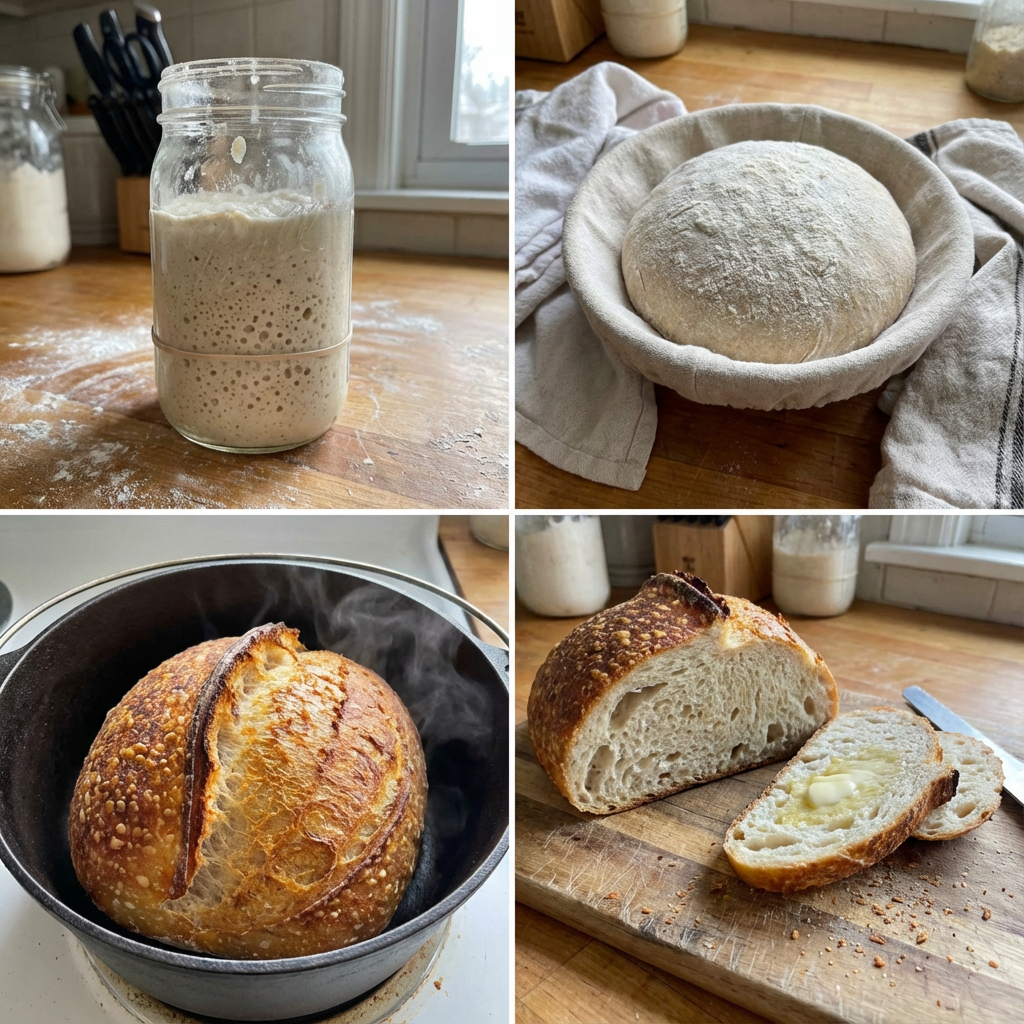
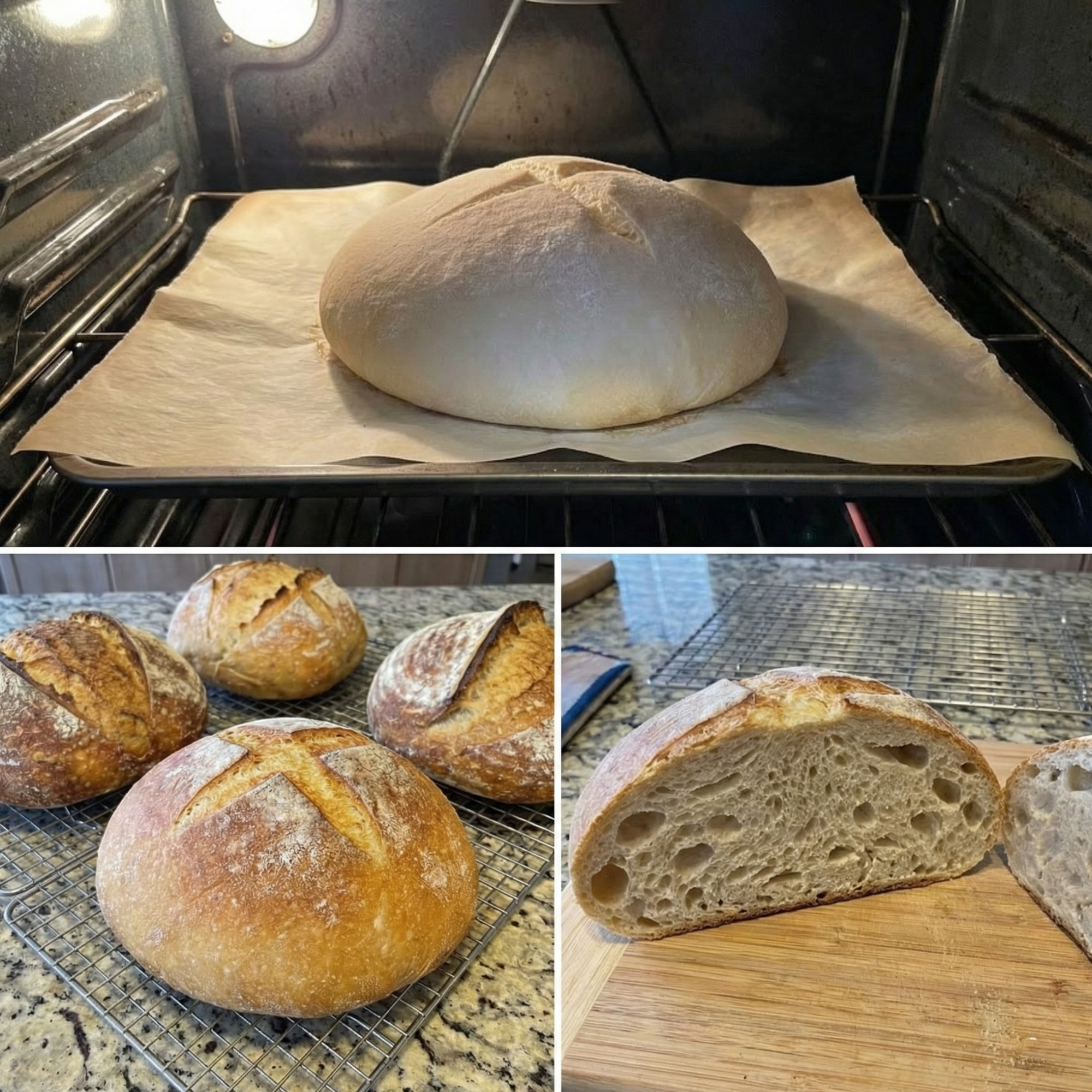
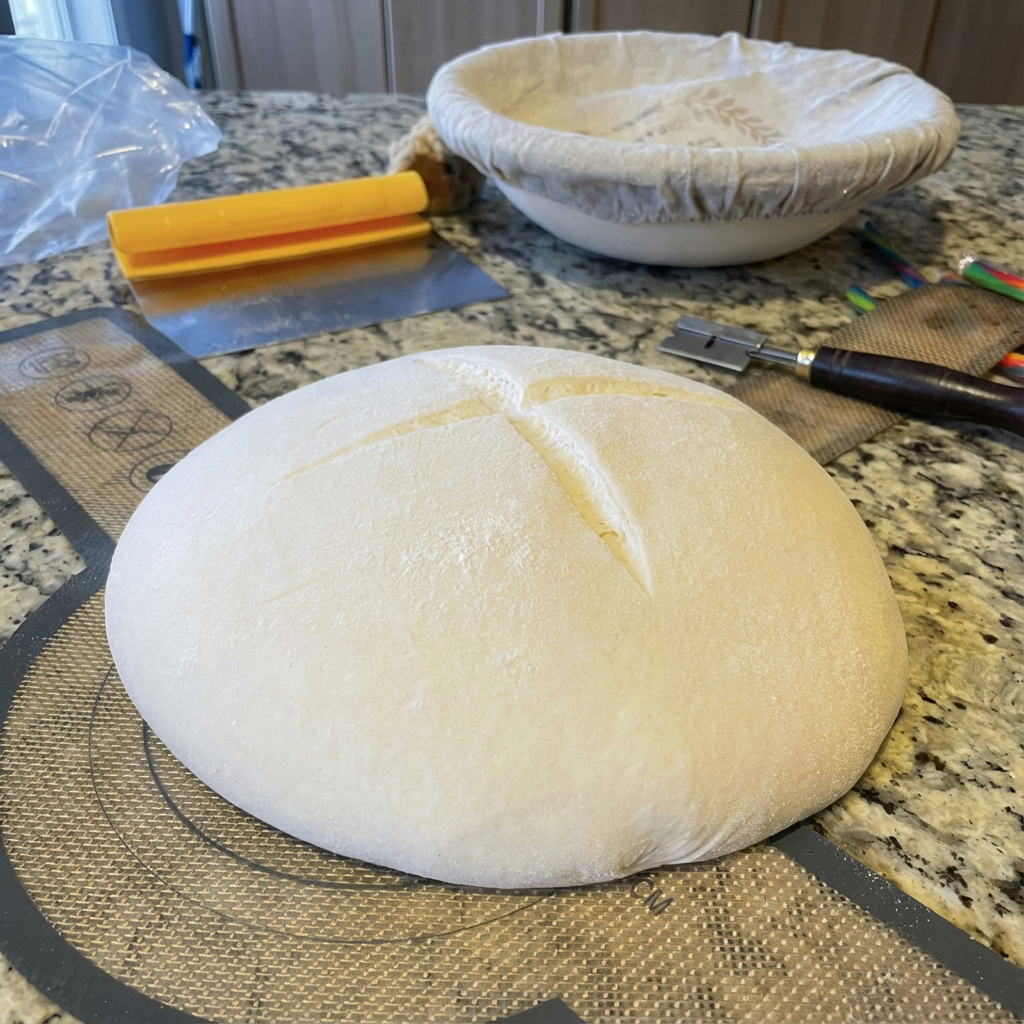
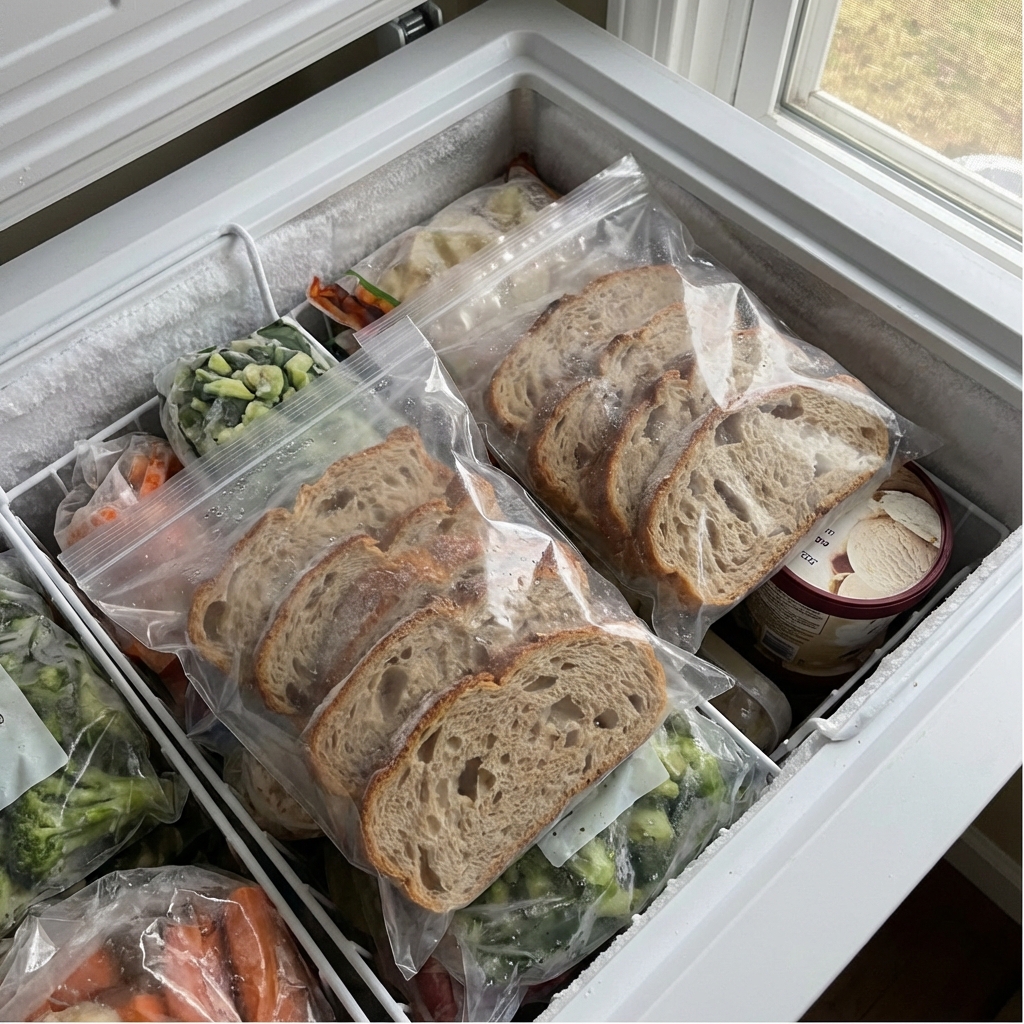
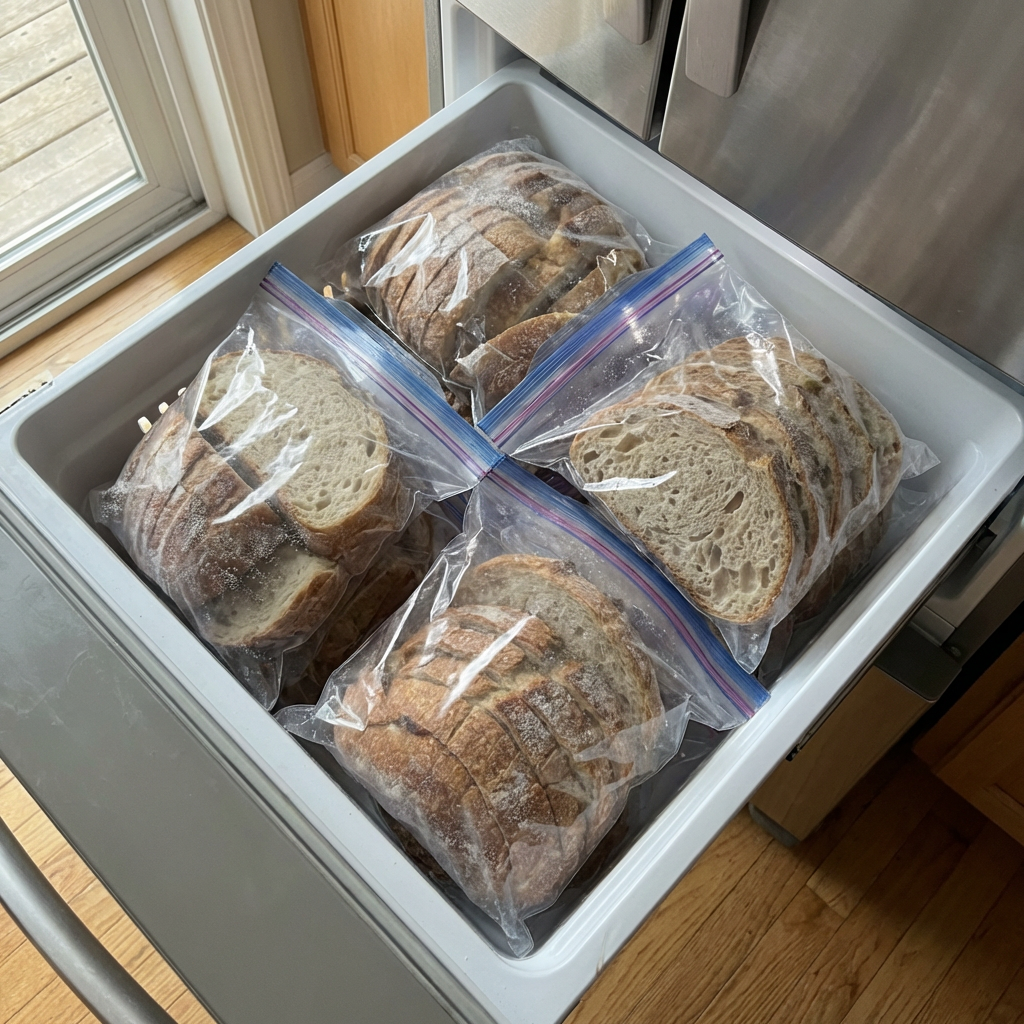
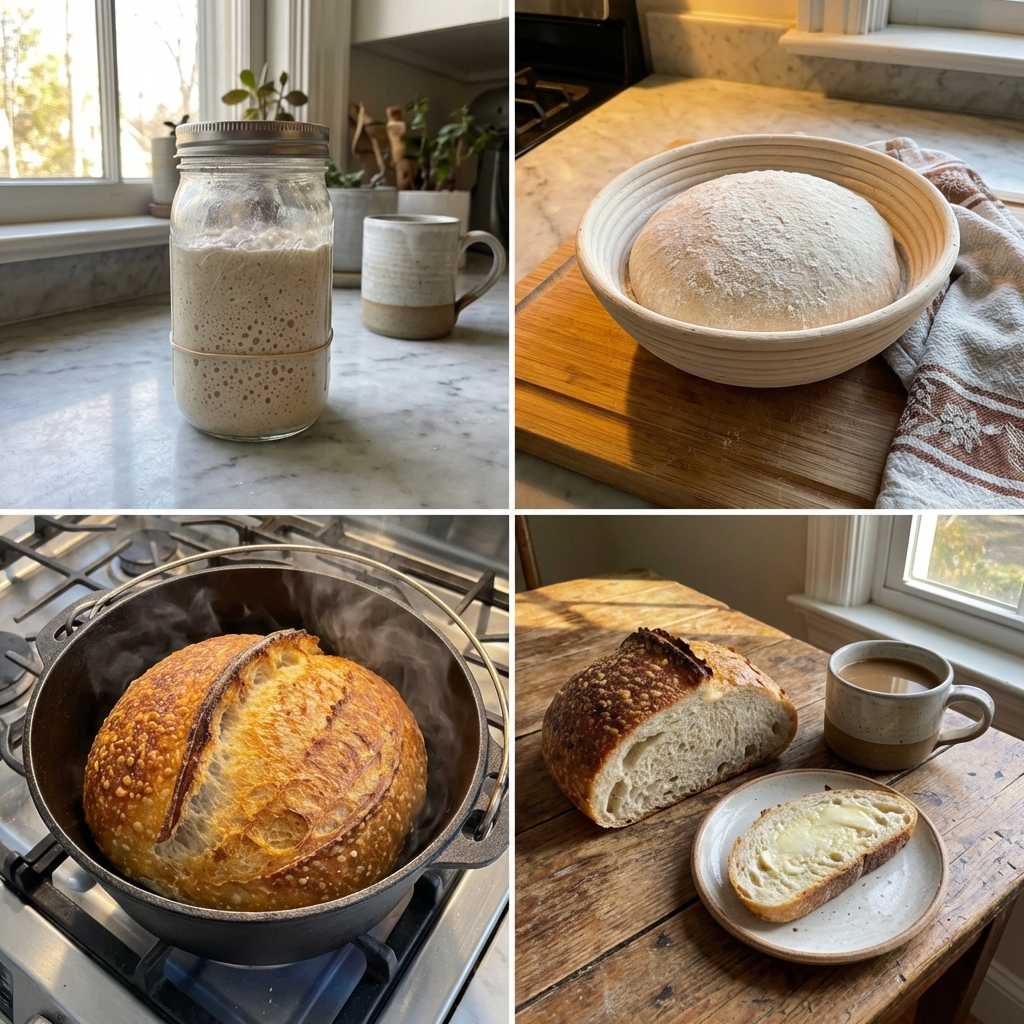
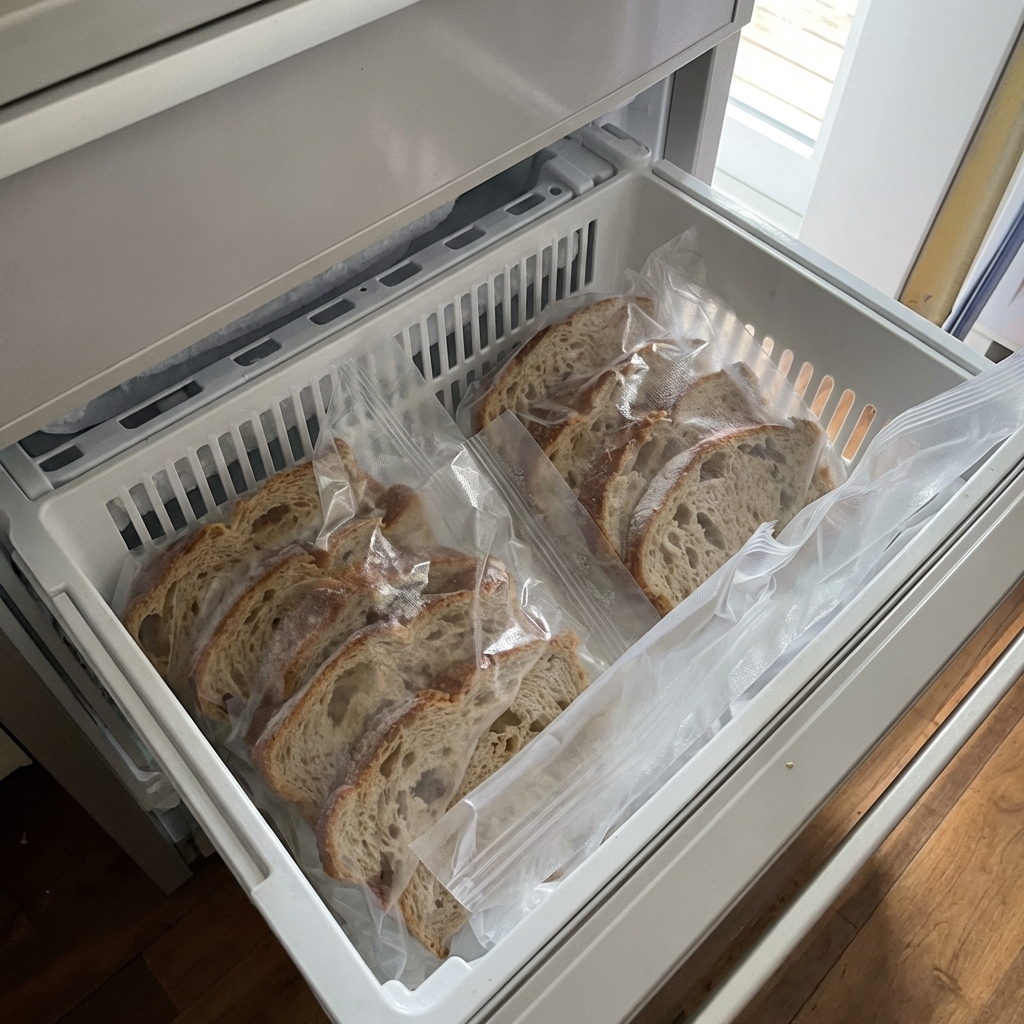
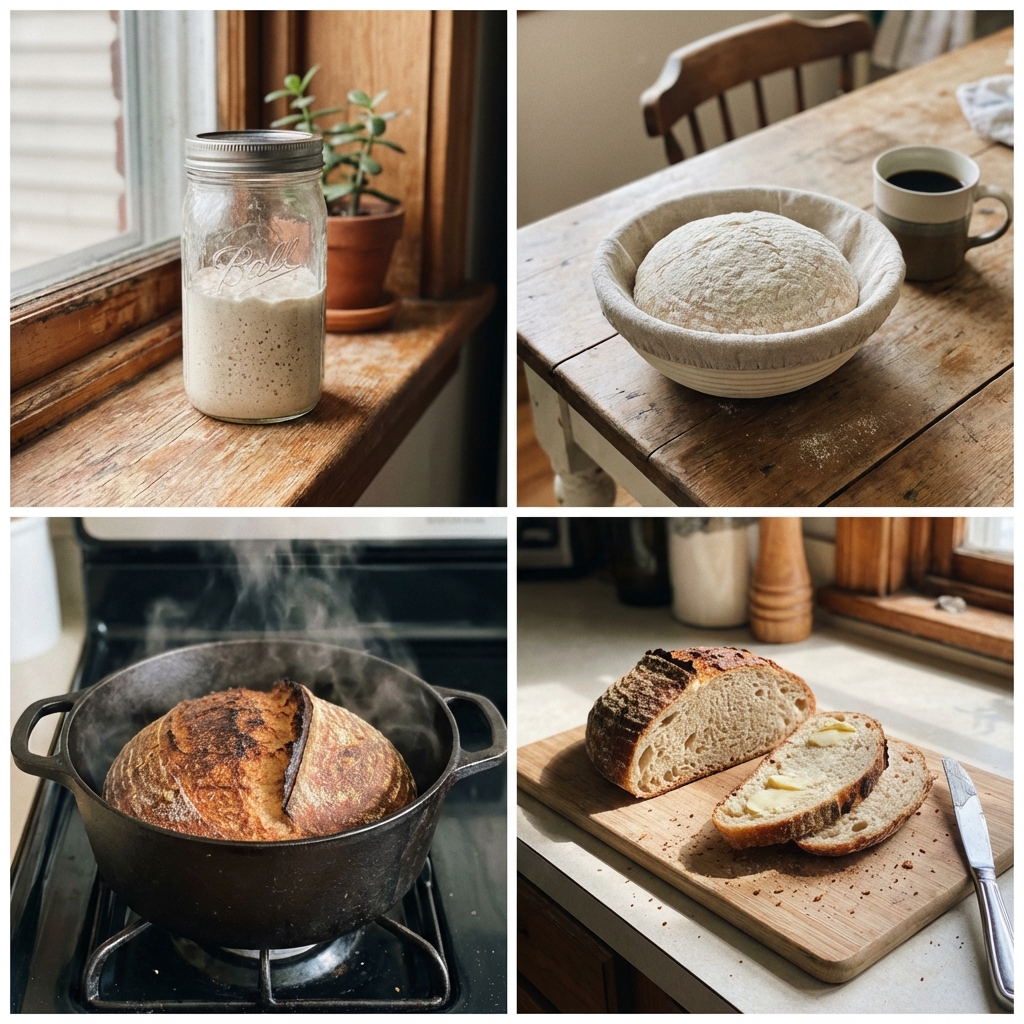
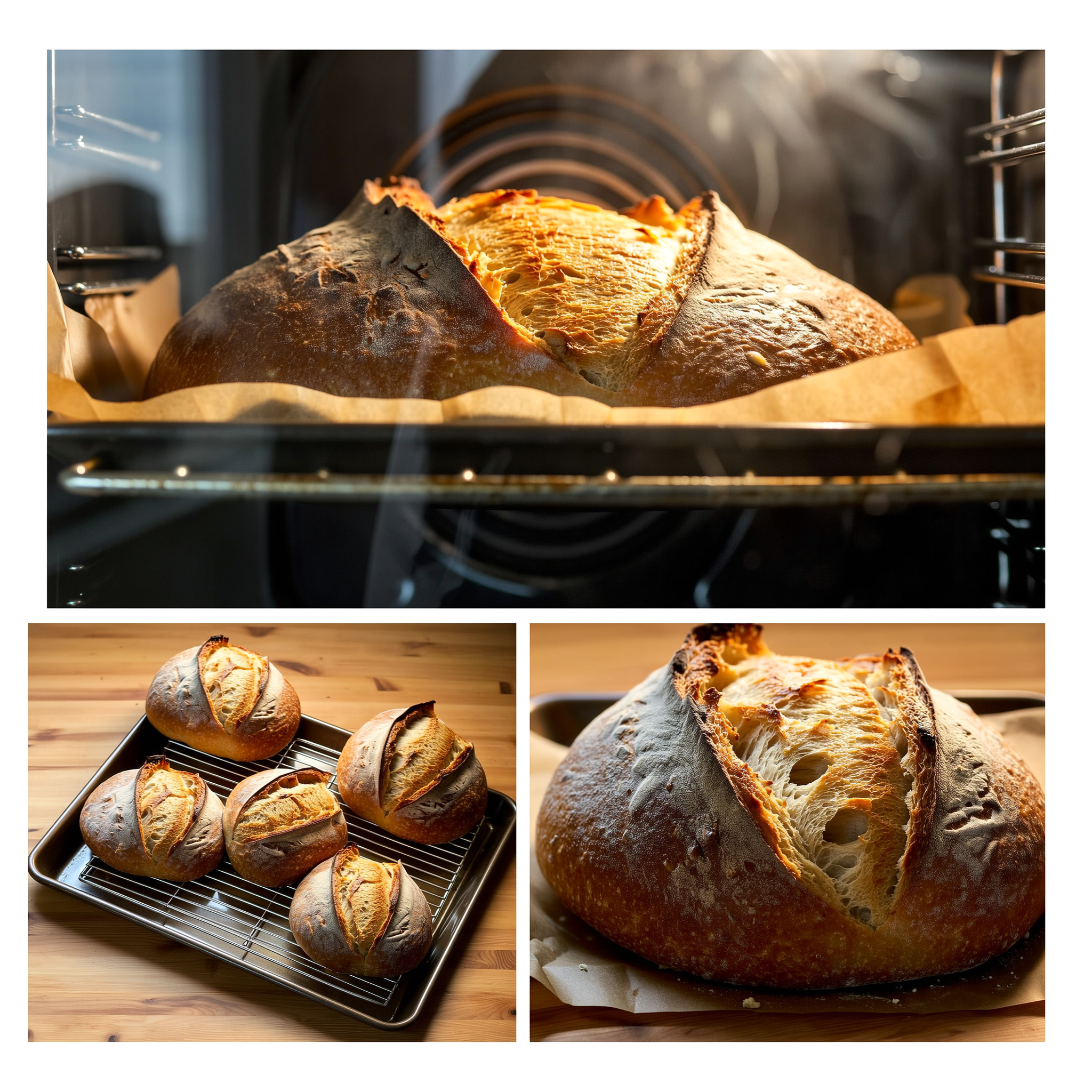
A European baker told me the real reason American home bakers waste hundreds on premium ingredients every year, and it had nothing to do with how much we bake or how fast we eat. I met her at a farmers market last October. She was selling pastries from a small table near the entrance. We started talking about flour, as bakers do, and I mentioned I'd been frustrated with how expensive everything had gotten. She asked what I spent per loaf. I told her. About $6-7 on average. More when I used the heritage wheat from the farm I'd been ordering from. Less for a basic country loaf, but I rarely made basic anymore. She nodded. Then she asked a question that sat with me for weeks. How much of that actually gets eaten? I want to be clear about something. I take baking seriously. I maintain a starter I've had for four years. I own a grain mill. I've taken two bread courses and read more books on fermentation than I'd admit to anyone outside a baking group. I source flour from three different suppliers depending on what I'm making. I keep a notebook with hydration percentages and timing notes for every loaf. I'm not someone who throws money around carelessly. I meal plan. I budget. I think about value. But I'd never once calculated how much of my bread investment was actually feeding my family versus feeding my trash can. So I did the math. And then I wished I hadn't. Here's what I found when I actually tracked it for a month. Week one. A seeded whole wheat loaf. About $8 in ingredients including the specialty seeds. We ate maybe 60 percent of it. The rest went hard by day four, then moldy by day six. Into the trash. $3.20 wasted. Week two. A standard sourdough boule. $5 in ingredients. We were traveling for the weekend. Came back to mold. Entire loaf gone. $5 wasted. Week three. High-extraction flour from Vermont, heritage grain, $11 per loaf when you factored in shipping. Beautiful crumb. Perfect ear. By day five, the crust had gone leathery and the crumb was drying from the edges inward. We ate about half. $5.50 wasted. Week four. Two loaves because we had family visiting. $12 total in ingredients. One loaf eaten entirely. The other went stale before we could finish it because everyone left early. $4 wasted. One month. $17.70 in premium ingredients directly into the garbage. That's $212 per year. At minimum. And that was a conservative month. I wasn't counting the heels nobody wants to eat. I wasn't counting the slices that got too hard and I turned into breadcrumbs I'll never actually use. I wasn't counting the half loaves I've given away not out of generosity but because I knew we wouldn't finish them in time. If I was honest, the number was probably closer to $300 per year. Maybe more. Three years of baking. Nearly a thousand dollars in high-quality ingredients I'd carefully sourced and then thrown away without a second thought. I'd driven 40 minutes to a local mill to buy fresh flour because I could taste the difference. Then I'd let half that flour end up in the trash because my bread went bad before we could eat it. I'd paid $14 per pound for heritage wheat shipped from a farm in Washington because I wanted to support small grain producers. Then I'd scraped a quarter of every loaf into the garbage. I'd spent hours researching which organic flour had the best protein content for open crumb. Then I'd wasted 30 to 40 percent of that flour every single week. The irony was almost too painful to look at. The more I cared about ingredients, the more money I was wasting. The premium baker's tax. Pay more per loaf, lose more per loaf. Someone who bought cheap flour and didn't care about quality was throwing away less money than I was. Because we were both losing the same percentage, but my percentage cost more. I brought this up to the European baker the next time I saw her. Told her I'd run the numbers. Asked her if this was just the price of baking real bread without preservatives. She looked at me like I'd asked if water was supposed to be wet. She said her grandmother baked once a week. The bread lasted until the next bake. No waste. No trash. No mental calculation about whether they could finish it in time. The bread was just there, staying good, until it was gone. I asked how. Better flour? Different recipe? Some old technique I hadn't learned? She said the recipe was the same. The flour was the same. The storage was different. European bakers have been storing bread in beeswax cloth for centuries. The wax creates a semi-permeable barrier. It lets moisture escape slowly, at the rate bread naturally releases it. But it doesn't let it escape too fast like paper or linen. And it doesn't trap it completely like plastic. The bread stays in balance. Crust stays crisp. Crumb stays soft. No mold. No accelerated staling. A loaf lasts a week without any of the texture degradation I'd accepted as normal. She said Americans never learned this because the tradition didn't cross the Atlantic. We went straight from bread boxes to plastic bags to freezers. Every method has a penalty. The European grandmothers had a method that didn't. I went home and researched beeswax bread bags that night. What I found was frustrating. Dozens of products on Amazon. All claiming to be natural, organic, beeswax, eco-friendly. Most of them are worthless. Here's what I learned after digging into reviews and testing forums: US labeling regulations allow a product to be marketed as beeswax even if it's primarily plastic with a thin wax coating. The wax flakes off after a few washes. The plastic underneath traps moisture exactly like a Ziploc bag. Your bread molds. You assume the whole concept is a gimmick. The concept works. The cheap plastic imitations don't. I spent two weeks finding a company that made real ones. A small operation started by a fourth-generation baker from Lyon whose family has been storing bread this way for over a hundred years. Organic cotton. Multiple layers of actual beeswax infused with tree resin and plant oils. Saturated into the fabric by hand. It cost $35. I'd thrown away more than that in bread ingredients in the past two months alone. It arrived simply packaged. A thick cloth bag with noticeable weight. You could tell immediately this wasn't the flimsy stuff I'd seen in the Amazon photos. That Sunday I baked my usual loaf. High-quality flour, organic whole wheat, filtered water. About $7 in ingredients. Let it cool completely. Put it in the bag. Left it on the counter. Day two. Fine. Day three. Fine. Day four. This was usually when the decline started. When I'd begin calculating whether we could finish it before it went bad. The crust still had texture. The crumb was soft. I made a sandwich without thinking twice. Day five. Day six. Day seven. I finished that loaf on the seventh day. Every slice. No waste. $7 in ingredients. $7 consumed. I've been tracking for four months now. My waste rate dropped from roughly 35 percent to under 5 percent. That 5 percent is crumbs and the occasional heel, not half loaves going moldy. At my previous rate, I was losing about $250 per year in ingredients. At my current rate, maybe $30. The bag paid for itself in five weeks. I still buy the good flour. I still order from the heritage grain farm. I still drive to the local mill. But now those investments actually become food that gets eaten by my family instead of decomposing in my trash can. The European baker was right. The waste isn't about how much we bake or how fast we eat. It's about storage. It's been about storage the entire time. I think about all those years I was meticulous about sourcing and careless about storage. How I'd research flour for hours but shove the finished bread into a plastic bag without a second thought. How I was investing on one end and hemorrhaging on the other. The math was always there. I just never wanted to do it. If you've been investing in quality ingredients and watching too much of it end up in the trash, the problem probably isn't your appetite or your baking schedule. I left a link below. Same company I found. Might be worth running your own numbers first.
Like this ad? Make it yours.
Crush rebuilds this exact creative around your product — your brand, your colors, your offer — in about a minute.