
Inactive· since May 3, 2026
- 10
- days it ran
- 0
- relaunches
Ad copy
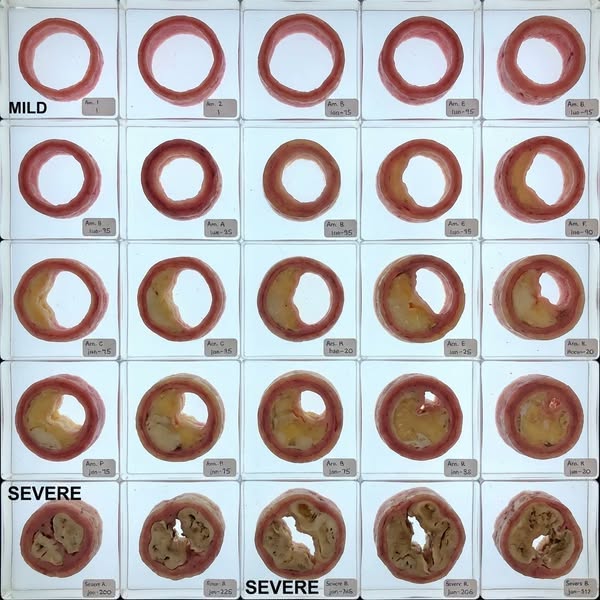
The number one thing fit people do when their cholesterol comes back high is NOT what worked for me. More exercise. Tighter diet. Cut out the remaining saturated fat. Add more fiber. Trust the process — you are healthy, your numbers will follow. I run marathons. I have run 14 of them. I run five days a week. I weigh what I weighed at 35. I have not eaten red meat in six years. My diet is cleaner than most people's I know. My blood pressure is 118 over 72. My resting heart rate is 52. My LDL is 184. Was 184. I will get to that. I am 57. My doctor looked at my lab results and my physical condition at the same time and said the combination was unusual — a man in my shape with numbers like these. He suggested statins. I asked him why my cholesterol was high if I was doing everything right. He said genetics played a significant role and the dietary and exercise factors I was already doing well on were not always sufficient. Genetics. I had been running 40 miles a week for twenty years and it was genetics. I did not fill the prescription. Not because I distrusted him. Because I had spent twenty years learning to understand what my body was doing and why, and I was not ready to accept "genetics" as the complete explanation for something that felt like it had a more specific cause. I spent two weeks reading research while I ran. I listen to audiobooks and podcasts on long runs — I switched to research papers read aloud through a text-to-speech app. Seven miles on a Thursday morning listening to endocrinology literature is not what most runners do. It was what I needed. What I found explained my numbers without using the word genetics once. Adiponectin. The metabolic hormone that regulates liver cholesterol production. My running had kept my cardiovascular system in excellent condition. My running had not addressed the age-related decline in adiponectin that was causing my liver to overproduce cholesterol regardless of how clean my diet was or how many miles I logged. Exercise supports adiponectin production. It does not fully compensate for the antioxidant depletion and oxidative stress that drive adiponectin decline with age. I was running 40 miles a week and still in a deficit because the antioxidant compounds my body needed to maintain adiponectin production were not coming from my diet in sufficient concentration. The specific compounds: EGCG, theaflavins, catechins, polyphenols in their complete natural form. Found in highest therapeutic concentration in high-altitude, whole-leaf, traditionally processed oolong tea. Not supplements. Not isolated extracts. The complete matrix the way it exists in the plant. I tried the grocery store brand for five weeks while training for my next race. LDL moved three points. Then found the processing issue — industrial methods destroy most of the active compounds. The clinical studies used whole-leaf tea grown above 4,500 feet, hand-picked, traditionally processed. Nutricas Oolong Tea. Certificate of Analysis matching the clinical study specifications. Week two: walk-in lab. LDL 163. Down from 184. Week four: LDL 144. I ran a 22-mile training run that Saturday. Felt better in mile 19 than I usually feel in mile 15. I noted it. Week seven: LDL 126. Week ten: LDL 109. My doctor ran his own panel at twelve weeks. LDL 106. He looked at 184. Then 106. Then at my current training log, which I had brought because I track everything. "You're running the same volume as before." "Same volume. Better recovery." He looked at the numbers. "No statin." "No statin." He made notes. "Quarterly monitoring. Continue what you're doing." I ran my fifteenth marathon last month. Three hours and fifty-one minutes. My best time in four years. I crossed the finish line and my legs felt like they had run a hard race, not like they had spent the last six miles negotiating with a body that was running out of something. The diet was never the answer. The exercise was never going to be enough. The answer was in what my body was missing at the hormonal level — the adiponectin my running supported but could not fully replace. Nutricas Oolong Tea. 90-day money-back guarantee. One cup every morning. Three hours and fifty-one minutes. My best time in four years. https://nutricas.com/products/not P.S. The recovery improvement came before the bloodwork moved. Week four. If you are an athlete tracking performance, watch your recovery times alongside your cholesterol numbers. They are connected through the same mechanism. P.P.S. Exercise supports adiponectin production but does not fully compensate for antioxidant depletion. If you are doing everything right and your numbers are not following, the missing variable might be the polyphenol compounds, not the exercise or the diet. P.P.P.S. 90-day money-back guarantee. 20 years of clean living came with no such offer for the cholesterol numbers. This does. https://nutricas.com/products/not
Like this ad? Make it yours.
Crush rebuilds this exact creative around your product — your brand, your colors, your offer — in about a minute.