
Inactive· since Jun 15, 2026
- 44
- days it ran
- 0
- relaunches
Ad copy
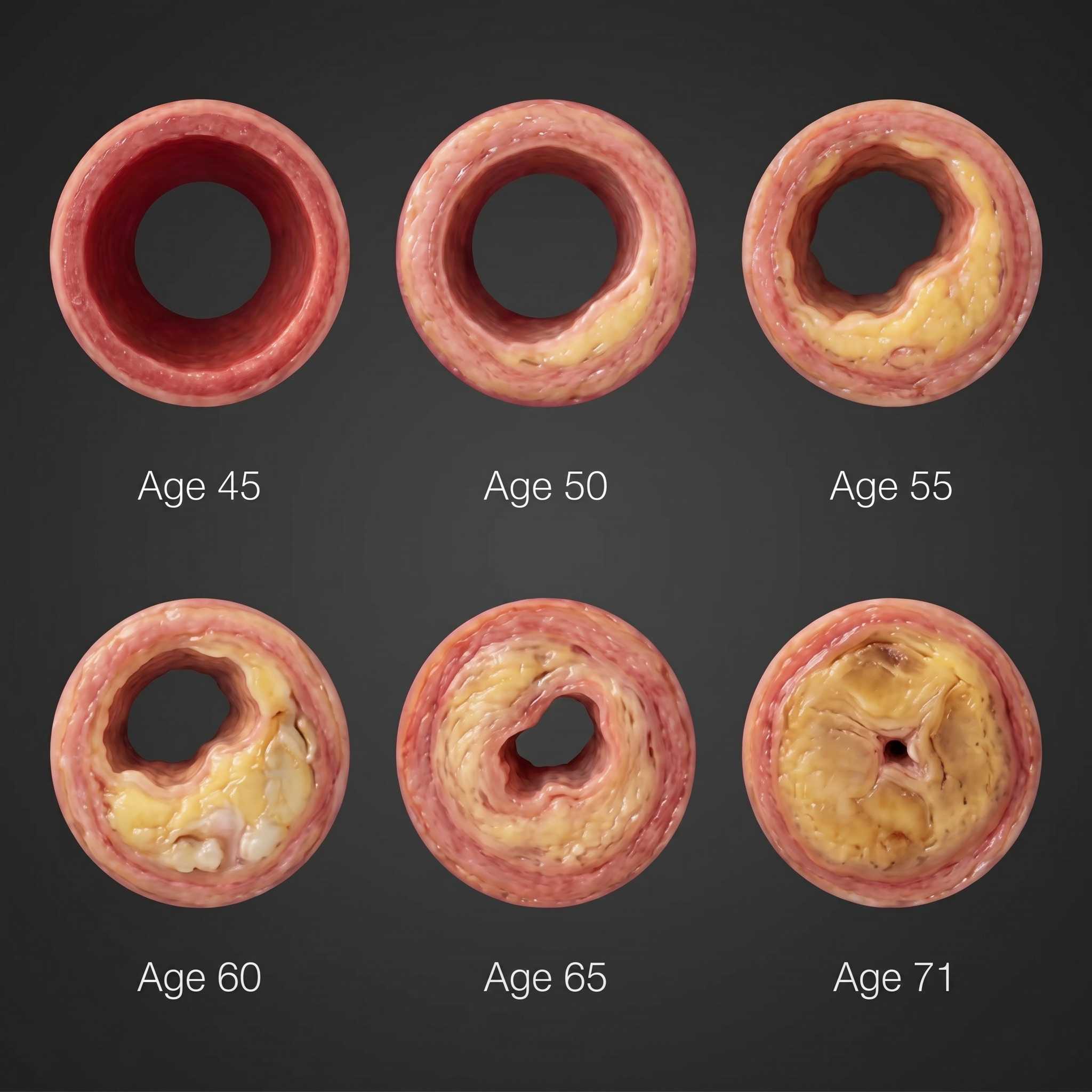
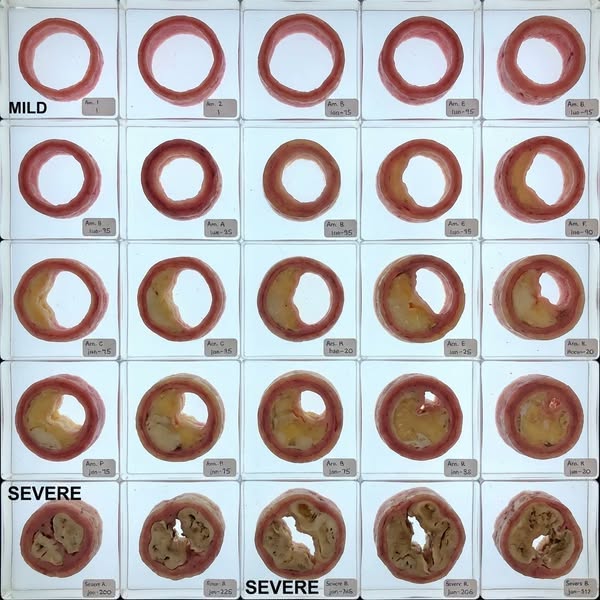
My doctor said that if I refused Atorvastatin, she would document it in my chart as “non-compliance against medical advice.” I had eleven minutes with her. She had never met me before. I’m a nurse. I spent 28 years in emergency medicine. I have seen what a non-compliance flag can do to a patient’s chart. I knew exactly what she was threatening. Dr. Henfield’s retirement letter came on a Tuesday. It was a standard form letter: “After 37 years of practice, I’m stepping away effective October 1st. Your care will be transferred to Dr. Olivia Moss.” I sat at the kitchen table staring at it. Twenty-eight years. I had been seeing Dr. Henfield for twenty-eight years. He knew my history. He knew about my father’s reaction to statins. He knew my fear of medication — which, for a nurse, is saying something. Twenty-five years of dispensing medications to other people, and I still could not bring myself to take one casually. Dr. Henfield had always worked with me. “Let’s keep monitoring it, Lisa. We’ll try the lifestyle approach first. You’re doing the right things.” Now he was gone. My first appointment with Dr. Moss was October 17th. Routine physical. Transfer of records. Meet the new doctor. I sat in the same exam room I had sat in for decades. Same posters about cholesterol and heart disease. Same paper-covered exam table. Different doctor. Dr. Moss walked in. Young. Maybe 38. Laptop in hand. “Ms. Jacky.” Firm handshake. All business. “I’ve been going through your file.” She sat down, pulled up my records, and started scrolling. Then her expression changed. “Your cholesterol history.” She turned the screen toward me. “2021: LDL 148. 2022: LDL 158. 2023: LDL 167. 2024: LDL 178. Today: LDL 192. Total cholesterol 267.” She looked at me. “Five years of progressively worsening hyperlipidemia. LDL above 160 for the last two years. No statin prescribed.” “Dr. Henfield and I had a plan,” I said. “Lifestyle changes. Diet. Exercise. He was monitoring—” “For five years?” Her voice sharpened. “Ms. Jackie, your LDL has been in the high-risk category for two years without treatment. I don’t know what your previous doctor was thinking, but this should have been addressed aggressively years ago.” My stomach dropped. “Dr. Henfield knew my history. My father’s CK levels climbed every quarter on Atorvastatin. I watched it happen.” “Your father’s history does not change your cholesterol numbers,” she said. “LDL 192. You could have a heart attack. Stroke. Peripheral artery disease.” She was already typing. “We’re starting Atorvastatin. 40 milligrams daily.” “I’d rather—” “This isn’t a discussion.” She did not look up. “Your cholesterol is dangerous. If you refuse treatment, I’m required to document it in your chart as non-compliance against medical advice.” The printer hummed. She handed me the prescription. “Follow up in twelve weeks. We’ll do a full lipid panel and assess your response.” Then she stood up and left the room. The whole appointment took eleven minutes. I sat there holding the prescription, my hands shaking. Against medical advice. Non-compliance. Two words that can follow a patient for years. In the parking lot, I called my husband, Brian. “How was the new doctor?” he asked. “She says Dr. Henfield should have put me on a statin years ago. She wants me on Atorvastatin immediately.” Silence. “What?” “She said five years without medication was irresponsible.” “But Dr. Henfield always said you were—” “I know what he said. She doesn’t care. I either take the medication, or it goes in my record that I refused.” That night, I could not sleep. I lay in bed staring at the ceiling while Brian breathed steadily beside me. Dr. Henfield had respected my concerns. We had worked together for almost three decades. Dietary changes. Exercise. Oat fiber. Omega-3s. Regular bloodwork every six months. My cholesterol had climbed, yes. But gradually. No sudden spikes. No symptoms. No emergencies. Was he wrong to be patient? Was I walking around with arteries closing and did not even know it? At 3 AM, I went downstairs and opened my laptop at the kitchen table. I pulled up PubMed first. Then the ACC risk calculator. I ran my own numbers — age, sex, total cholesterol, HDL, systolic blood pressure. My ten-year ASCVD risk came back moderate, not high. Not the emergency Dr. Moss made it sound like. Then I started reading the statin literature with fresh eyes. NNT for primary prevention in women my age. Absolute risk reduction versus relative risk reduction. Numbers I had seen on ward posters for years, but never applied to myself. Every guideline said treat. But the effect sizes for primary prevention were smaller than I remembered. Maybe Dr. Moss was right. Maybe I had been reckless. Then I searched: atorvastatin side effects long term Muscle pain. Chronic fatigue. Memory problems. Liver enzyme changes. Increased diabetes risk. And my father’s face flashed in my mind. He had been on cholesterol medication for twelve years. He started with Atorvastatin — the same medication sitting on my kitchen counter. The muscle pain came within six weeks. I recognized it immediately: statin myopathy. His CK levels were climbing. His doctor called them “within acceptable range.” I knew better. This was not soreness from exercise. It was a deep, constant ache in his legs and shoulders that never let up. It woke him at night. It made him wince getting out of a chair. It made him grip the handrail on every staircase. They switched him to Rosuvastatin. The muscle pain eased slightly. Then the fog rolled in. He started forgetting things. Small things at first — where he had put his keys, what he had gone to the store for. Then bigger things. Names of people he had known for years. The punch line of a story he had told a hundred times. And the fatigue. That was the worst part. This was a man who coached my baseball team. Built our back deck with his own hands. Fixed the car in the driveway on weekends. By 62, he was napping twice a day. He could not follow a conversation without losing the thread. He lost interest in everything he used to love. He was just… existing. Going through the motions of a life that did not feel like his anymore. My mother said it felt like watching him disappear. He died at 68. Heart attack. While taking the medication that was supposed to protect his heart. Twelve years of side effects. Twelve years of feeling like a shadow of himself. And in the end, it did not save him. I closed the laptop and rubbed my face. What do I do? The prescription sat on the counter. Mocking me. I did not fill it. One week passed. Then two. Dr. Moss’s office called. “Ms. Jackie, our records show you haven’t filled your prescription. Dr. Okafor wants to confirm you’re taking your medication as directed.” “I need more time to think about it.” “Ma’am, Dr. Moss noted this as urgent. She strongly recommends—” “I said I need more time.” I hung up. Brian found me in the kitchen that evening. “Lisa. Talk to me.” “I’m looking for options.” “Options? The doctor said your cholesterol is dangerous.” “She said Dr. Henfield was wrong for not putting me on a statin. But Dr. Henfield knew me for twenty-eight years. He knew my father’s history. He saw what those medications did to him. He was being careful with me.” “But what if she’s right?” His voice broke. “What if you— I can’t lose you.” “You won’t,” I said. “I just need to find another way.” “What other way?” I did not have an answer. That weekend, I searched everything. Red yeast rice. Fish oil. Plant sterols. Niacin. Every natural cholesterol supplement with actual research behind it. I tried the top-rated red yeast rice on Amazon. Six weeks. Every morning without fail. LDL: 189. Basically unchanged. Then I switched to high-dose fish oil. Pharmaceutical grade. Eight weeks. Nothing. Then I tried a full lipid support stack from a specialty supplement store. Red yeast rice. Plant sterols. Niacin. Fish oil. The most expensive thing they had. LDL: 186. Three points. Maybe four. Noise. I was running out of time and running out of ideas. Three weeks before my appointment, I was back at my laptop at 2 AM. Not Googling this time. I was on PubMed, pulling abstracts, cross-referencing mechanism studies, reading full-text PDFs the way I used to read drug interaction charts on night shift — methodically, looking for the thing everyone else had missed. Then I changed the search. I stopped searching for supplements. I started searching for the mechanism. Why does cholesterol rise with age? And I found something I had not seen before. Not on a supplement website. In a published research summary from a university metabolic research lab. The answer was not what I expected. Most people — and many doctors — blame high cholesterol on diet, genetics, and lack of exercise. Treatable factors. Things you manage. But underneath all of it, there is a hormonal story almost nobody talks about. Your liver produces a major share of your body’s cholesterol. Not your diet. Your liver. And that production is influenced by metabolic signals, including a hormone called adiponectin — a signal involved in fat metabolism, inflammation, and how efficiently your body handles cholesterol. Healthy signaling supports healthier regulation. Poor signaling makes everything harder. I had spent 28 years in medicine, and nobody had ever mentioned adiponectin to me in the context of cholesterol management. Not once. Not in nursing school. Not in continuing education. Not in a single ward conversation. As you age, your body’s antioxidant defenses and metabolic resilience can decline. Specific plant compounds — EGCG, theaflavins, catechins — have been studied for their role in supporting inflammation balance, oxidative stress, and adiponectin activity. Without the right support, adiponectin may decline. And when adiponectin declines, the liver’s regulation can become less efficient. The system loses part of its signal. And when the signal weakens, cholesterol can keep rising. Regardless of how carefully you eat. Regardless of how much you exercise. Regardless of how much fiber and omega-3s you add. It felt like fighting a furnace with no thermostat. You can open every window in the house. The furnace does not care. I sat back in my chair. That was the piece nobody had explained to me. And I had spent a career inside the system that should have been explaining it. I kept reading. I searched for anything that supported adiponectin production directly. What provides the specific polyphenol compounds your body needs? I found study after study on individual antioxidants. Green tea extract. Grape seed. Resveratrol. All showed modest effects in isolation. But they all had the same problem: they deliver single compounds extracted from their natural matrix. Your body does not rebuild a complex metabolic signal from isolated ingredients alone. It needs the complete polyphenol spectrum — EGCG, theaflavins, catechins, and flavonoids — working together the way they exist in nature. A single extract is a note. Your body needs the chord. Then I found a paper published in a metabolic health journal. A research team was studying the polyphenol composition of traditionally processed oolong tea. I had heard of oolong tea. I had never thought of it as anything more than tea. But properly grown and processed oolong contains a rich natural spectrum of polyphenols — EGCG, theaflavins, catechins, and flavonoids — in their complete, bioavailable form. Not isolated extracts. Not synthetic concentrates. The full matrix. The way your body evolved to absorb it. That caught my attention. But what stopped me was this: The researchers found that these compounds, together in their natural form, supported adiponectin activity and healthier lipid metabolism. Not by forcing the body. Not by blocking one pathway. But by supporting the regulatory signal that helps the liver do its job. The thermostat. Supported at the source. The study showed meaningful improvements in lipid markers over time. LDL improved. Adiponectin activity increased. Markers connected to liver fat metabolism moved in the right direction. I read it three times. Then I searched for more. A 2019 randomized controlled trial. A 2022 meta-analysis. Multiple research teams pointing toward the same idea. This was not just wellness noise. This was peer-reviewed research sitting in nutrition and metabolic journals that most people in a standard clinical visit would never hear about. But there was a catch. And it was a big one. Most commercial oolong teas are not made for this. Machine-harvested. High-heat processed. Filled with tea dust — the broken bits and scraps left over from industrial processing. By the time those teas reach your cup, much of the natural polyphenol content may already be degraded. You could drink cup after cup and still not get the compound profile the research was talking about. At 4 AM, I searched: oolong tea cholesterol adiponectin whole leaf One brand kept coming up in research-oriented forums. Not wellness blogs. People citing studies. Posting lipid panels. Tracking results month by month. Nutricas Tea. Whole-leaf oolong. Organic. Grown above 4,500 feet in Pu’er, Yunnan Province — a region known for high-quality tea cultivation. Hand-picked at peak harvest. Traditionally processed at low temperatures to preserve the full polyphenol matrix. No tea dust. No fillers. No pesticides. Third-party tested. I ordered it immediately. The package arrived three days later. Hot water. Steep three minutes. Drink it. I had my first cup after breakfast. I did not expect much. I had already been wrong three times. I could not check my cholesterol that night. You need a blood test for that. But by the end of the first week, I noticed something. The 2 PM crash — the one I had accepted as normal — did not come. I made it to dinner without feeling like I was running on fumes. I slept through the night without waking at 3 AM. Could it have been placebo? Maybe. Could it have been noise? Maybe. I was not counting it yet. Week two, I woke up on a Saturday and my knees did not ache. I stood up from the couch without that low groan I had stopped noticing because I had been making it for so long. My joints felt looser. My thinking felt sharper. Brian noticed it first. “You seem less… heavy,” he said. “Like something lifted.” He was right. I did not have a word for it until he said it. Week four, I drove to a walk-in lab and ordered my own lipid panel. I sat in the waiting room like I was waiting for a verdict. The results came back the next morning. LDL: 168. Down from 192. I stared at the number. Read the report twice. Checked the date. Checked my name. Twenty-four points in four weeks. Without medication. Week seven, I went back. Same lab. Same panel. LDL: 149. Total cholesterol: 228. Below 160. Below the threshold that had put the prescription in my hand in the first place. I sat in my car in the parking lot and just breathed for a while. Two days before my appointment with Dr. Moss, I had my pre-visit labs drawn. Standard bloodwork. The results would be in my chart before she walked in. At the appointment, I sat in the same exam room. Same posters about cholesterol and heart disease. Different feeling. Dr. Moss walked in, opened my chart, and stopped. “LDL 141. Total cholesterol 216.” “Yes.” She looked at 192. Then 141. “You started the Atorvastatin?” “No.” She looked up. “No?” “Oolong tea,” I said. “There is research around adiponectin, polyphenols, and lipid metabolism. EGCG, theaflavins, catechins — in their complete bioavailable form. The idea is that supporting the liver’s metabolic signaling can help cholesterol regulation improve. I can send you the 2019 RCT.” Long pause. “Where did you read this?” “Metabolic health journals. There’s also a 2022 meta-analysis. Different research teams, similar findings.” She looked at my chart again. Then at me. “What specifically are you taking?” “Nutricas Tea. Whole-leaf oolong. Organic. Grown above 4,500 feet. Traditionally processed. Third-party tested.” She typed it in. She read for a long time. Looked at the sourcing. Looked at the testing documentation. Then she said: “Continue what you’re doing. Back in twelve weeks. If it holds below 160, quarterly monitoring. No statin for now.” I walked out of that office and sat in my car for ten minutes. Then I called Brian. “LDL 141.” He went quiet. Then he asked, “No medication?” “No medication. Quarterly monitoring if it holds.” He did not say anything for a moment. When he finally spoke, his voice was tight. “I knew you’d figure it out.” That was four months ago. Last week, I got my quarterly panel. LDL: 124. Total cholesterol: 196. Both below the thresholds that mattered for my case. Stable. No medication. No compliance flag in my chart. Just results. If you are reading this, maybe you are where I was. Cornered. Pressured. Feeling like a statin is the only option your doctor will accept. Here is what I learned after failed supplements, sleepless nights, and research I wish I had done years earlier: Most cholesterol supplements try to work from the outside. Block absorption here. Slow production there. Nudge one number in one direction. But if the body’s metabolic signaling is not supported, you may still be fighting the wrong battle. Nutricas Tea was the first thing I tried that made sense to me mechanistically. The complete polyphenol matrix — EGCG, theaflavins, catechins, and flavonoids — supports adiponectin activity, liver metabolism, and healthier cholesterol regulation. My LDL dropped from 192 to 124. My doctor monitors me quarterly. No lectures. No compliance documentation. Just numbers she could not ignore. If you feel cornered, give it 90 days. Talk to your healthcare provider. Get your own lipid panel at a walk-in lab at week four. Then again at week eight. Track it yourself. Walk into your next appointment with data. Because numbers are the only thing that changes a doctor’s mind. https://nutricas.com/products/not — Sofia Andres, RN (ret.) P.S. I noticed changes in energy and joint comfort by week two. My LDL dropped 24 points by week four and moved below the high-risk threshold by week seven. Your timeline may vary, but 90 days is a real window to track your response. Nutricas Tea also offers a 90-day money-back guarantee. P.P.S. The research exists. The mechanism is worth understanding. I did the looking. Now you have the starting point. https://nutricas.com/products/not
Natural Relief in Weeks
Struggling with high cholesterol that won't respond to diet changes? Here's why adding Nutricas Oolong Tea to your routine can make a real difference, without statins or harsh side effects.
LEARN MORELike this ad? Make it yours.
Crush rebuilds this exact creative around your product — your brand, your colors, your offer — in about a minute.