
Active· since Jul 8, 2026
- 68
- days running
- 0
- relaunches
Ad copy
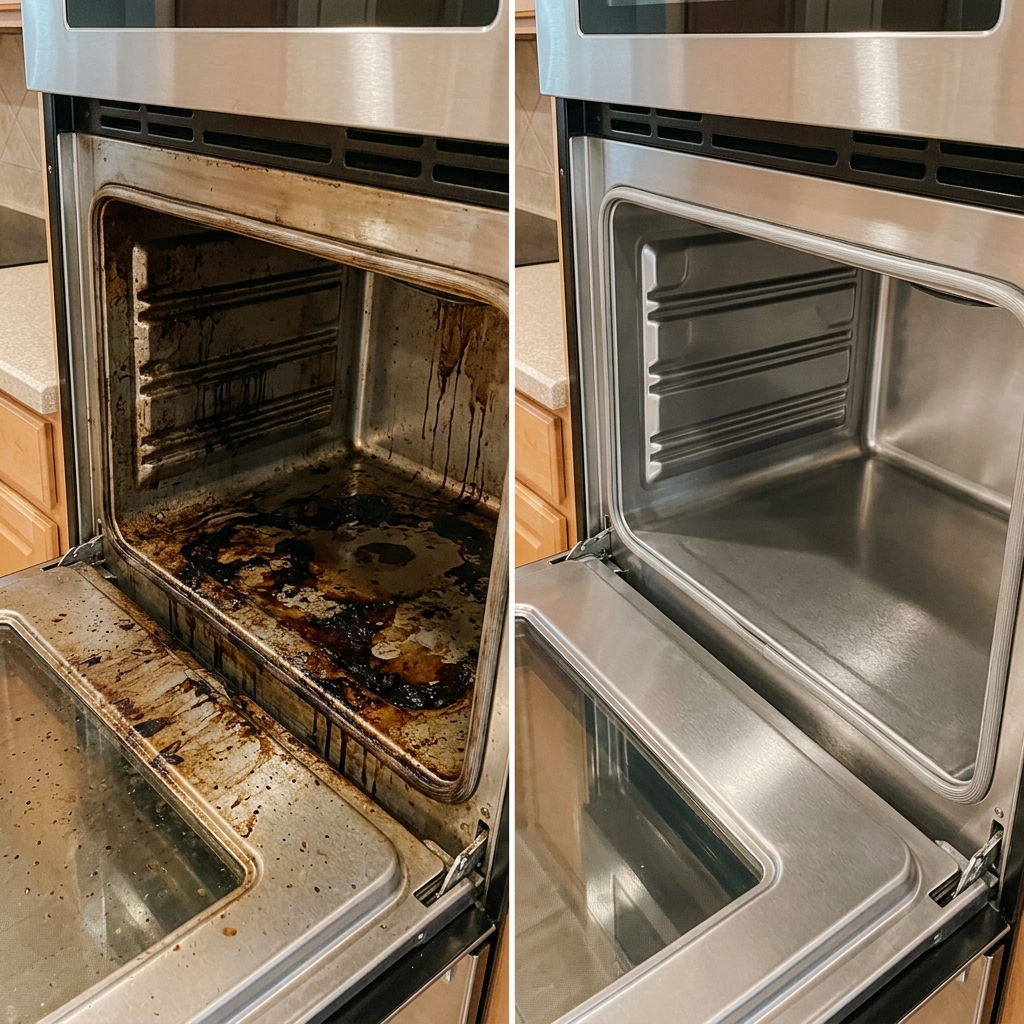
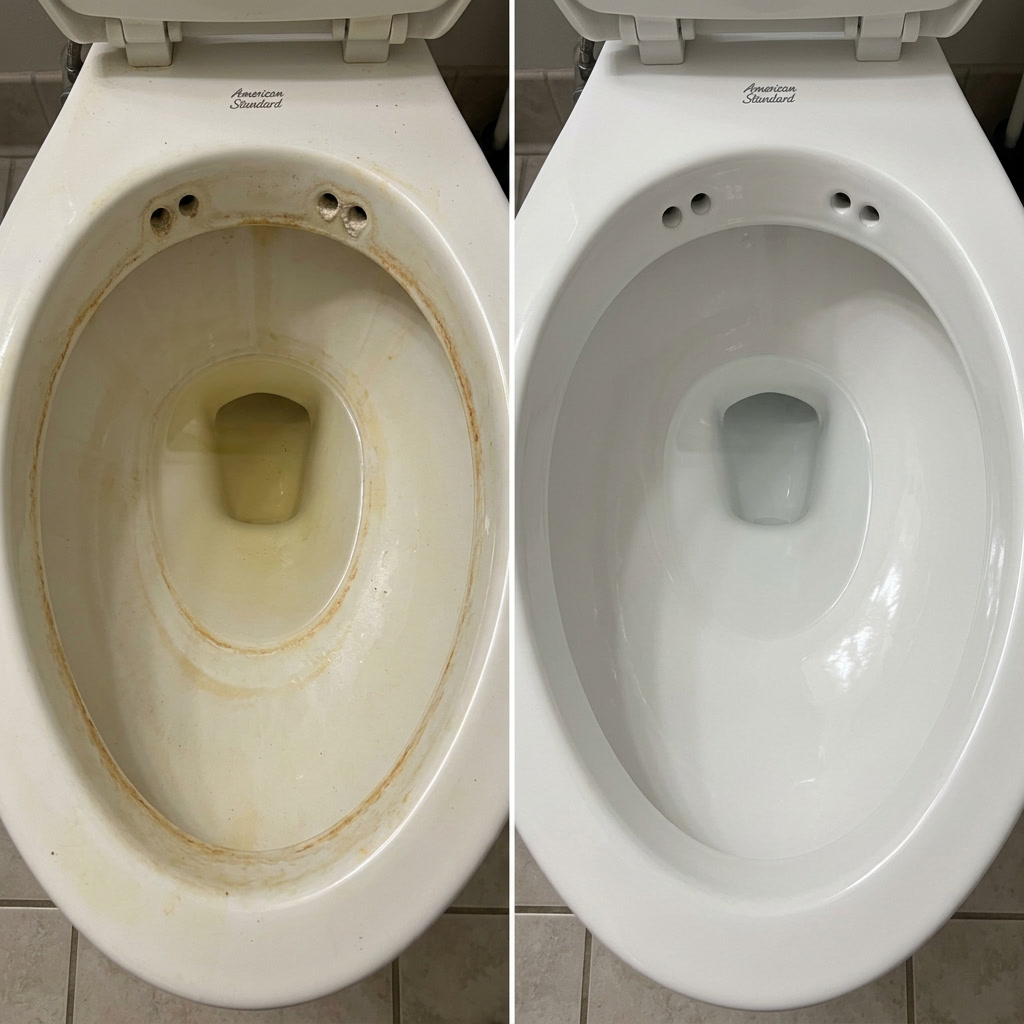
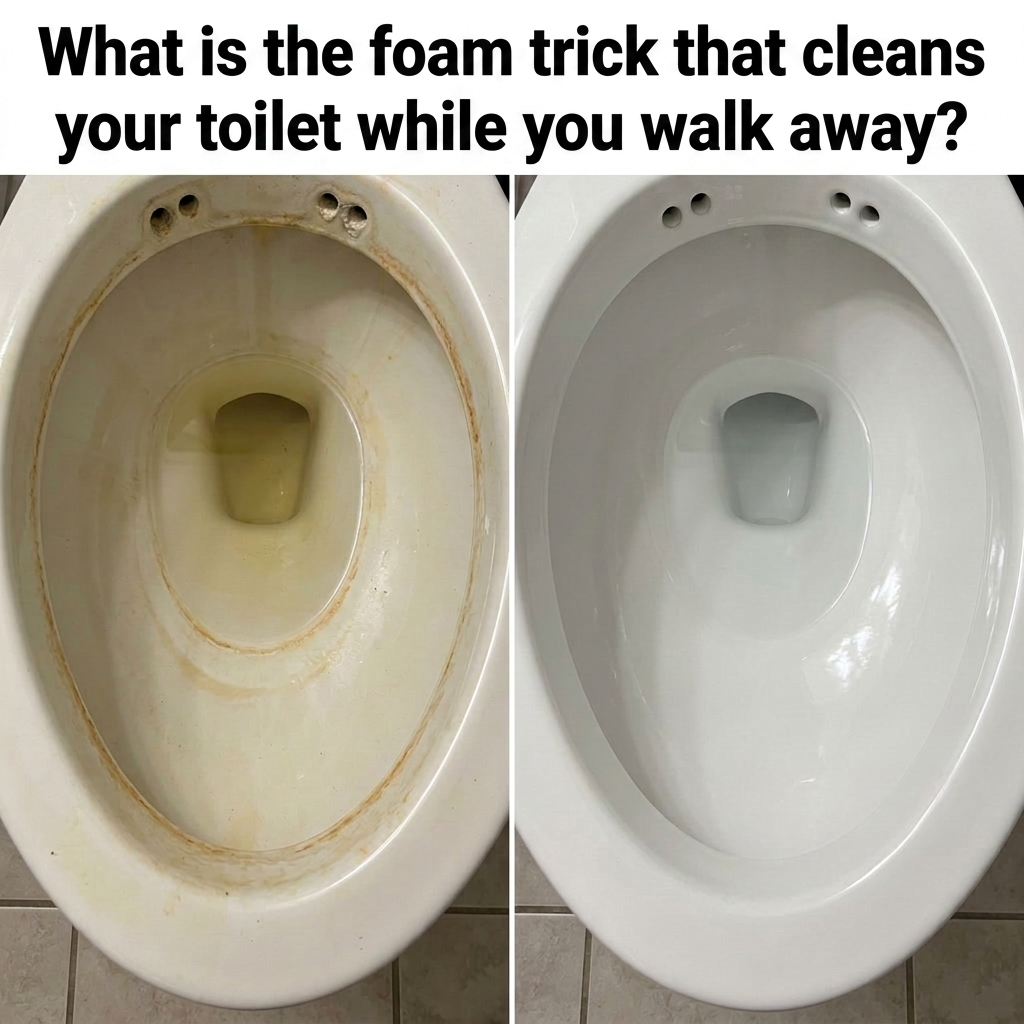
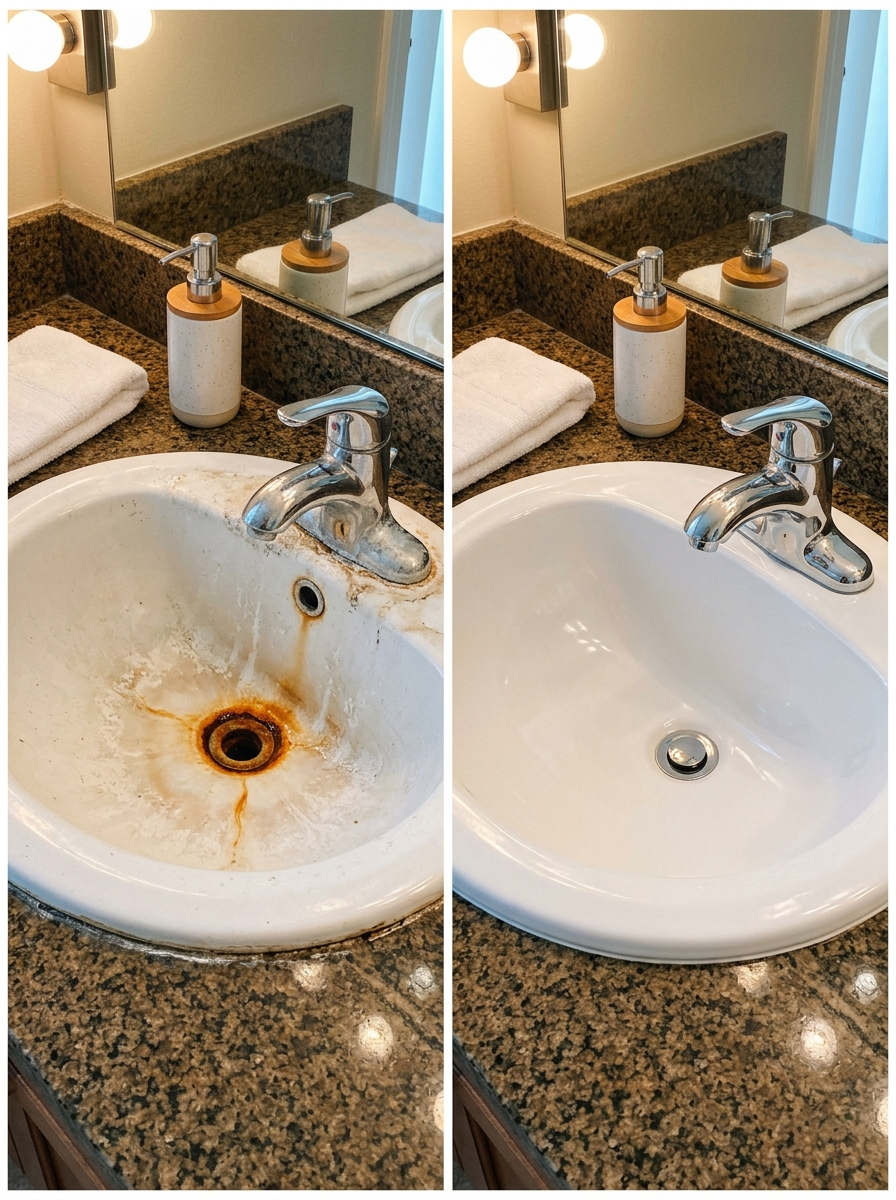
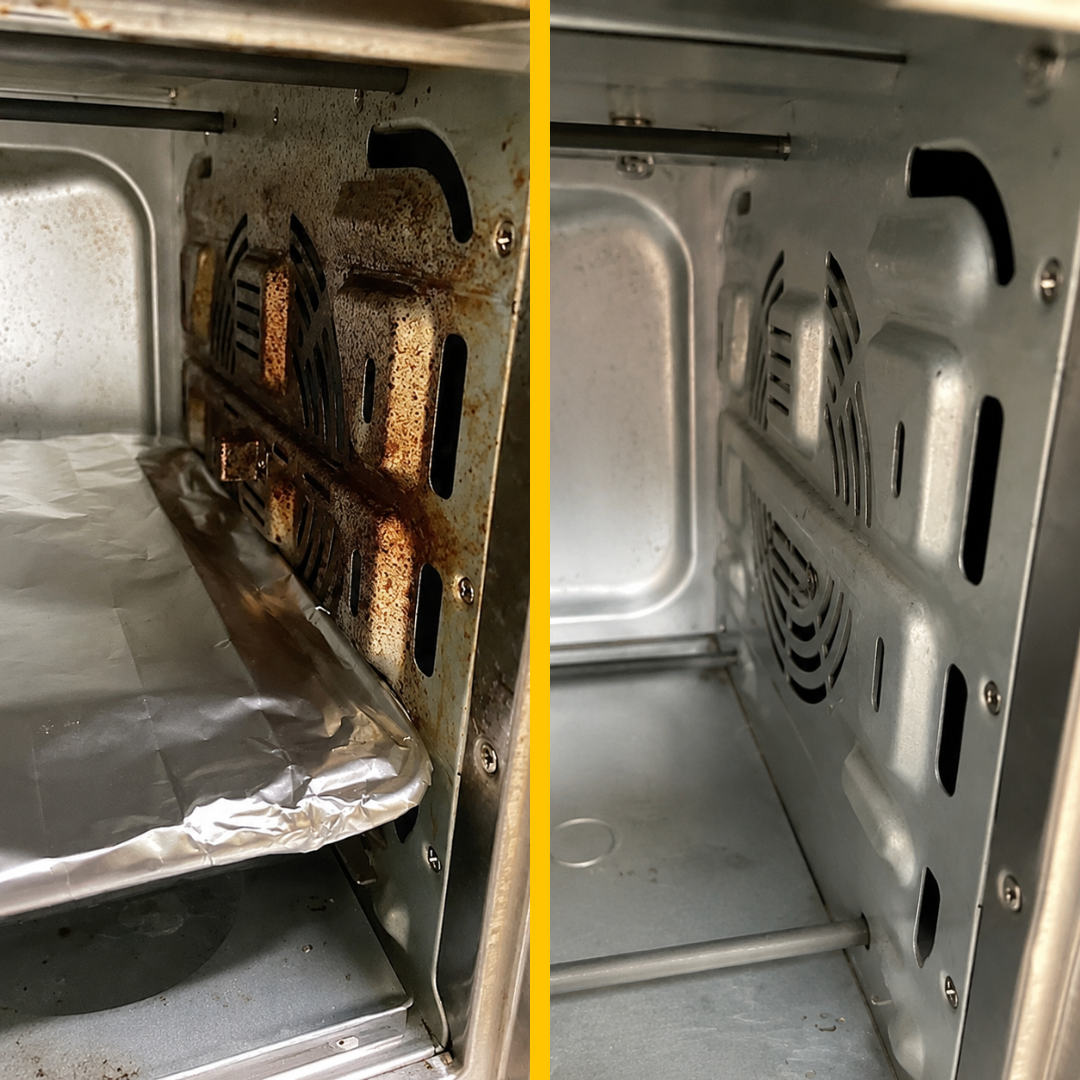
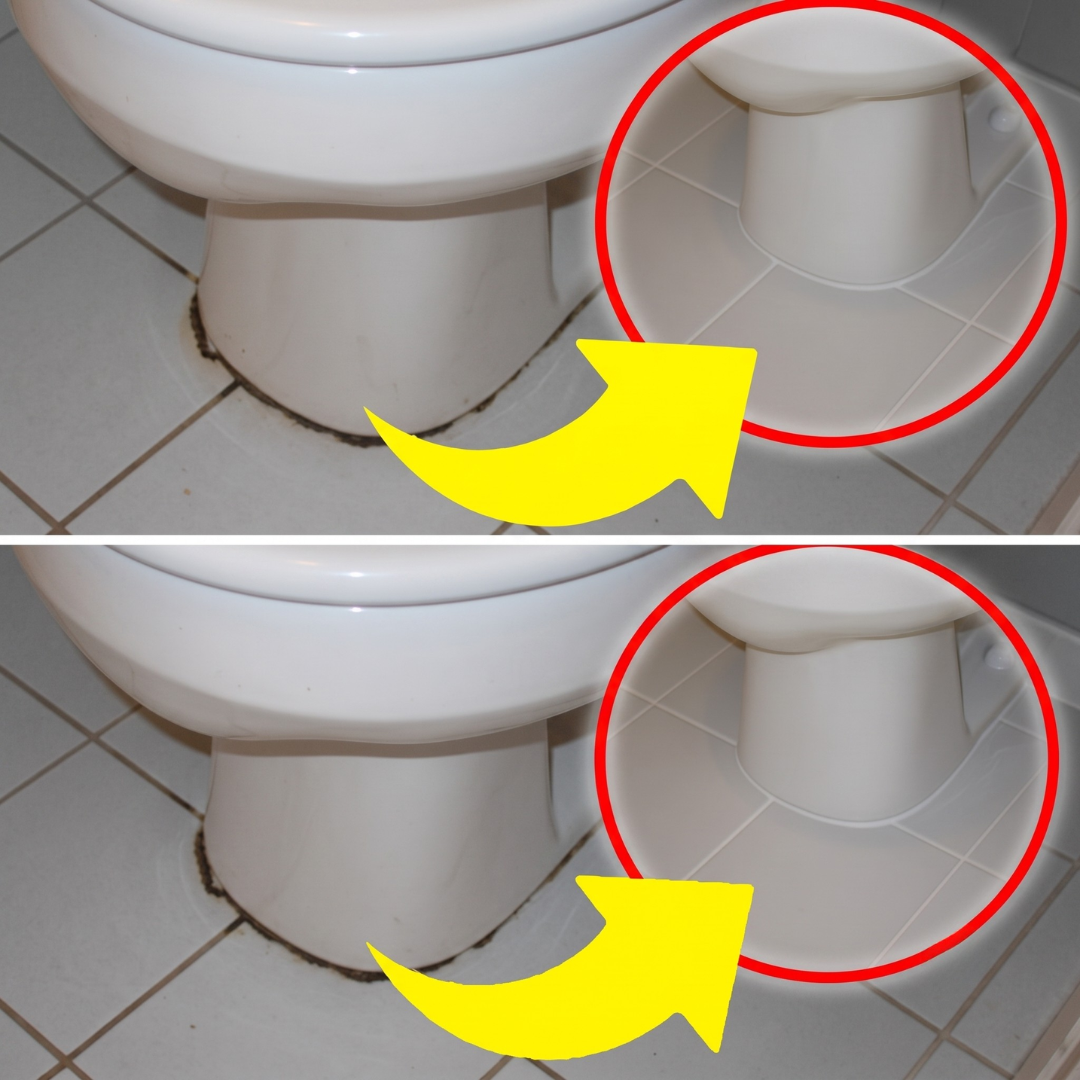
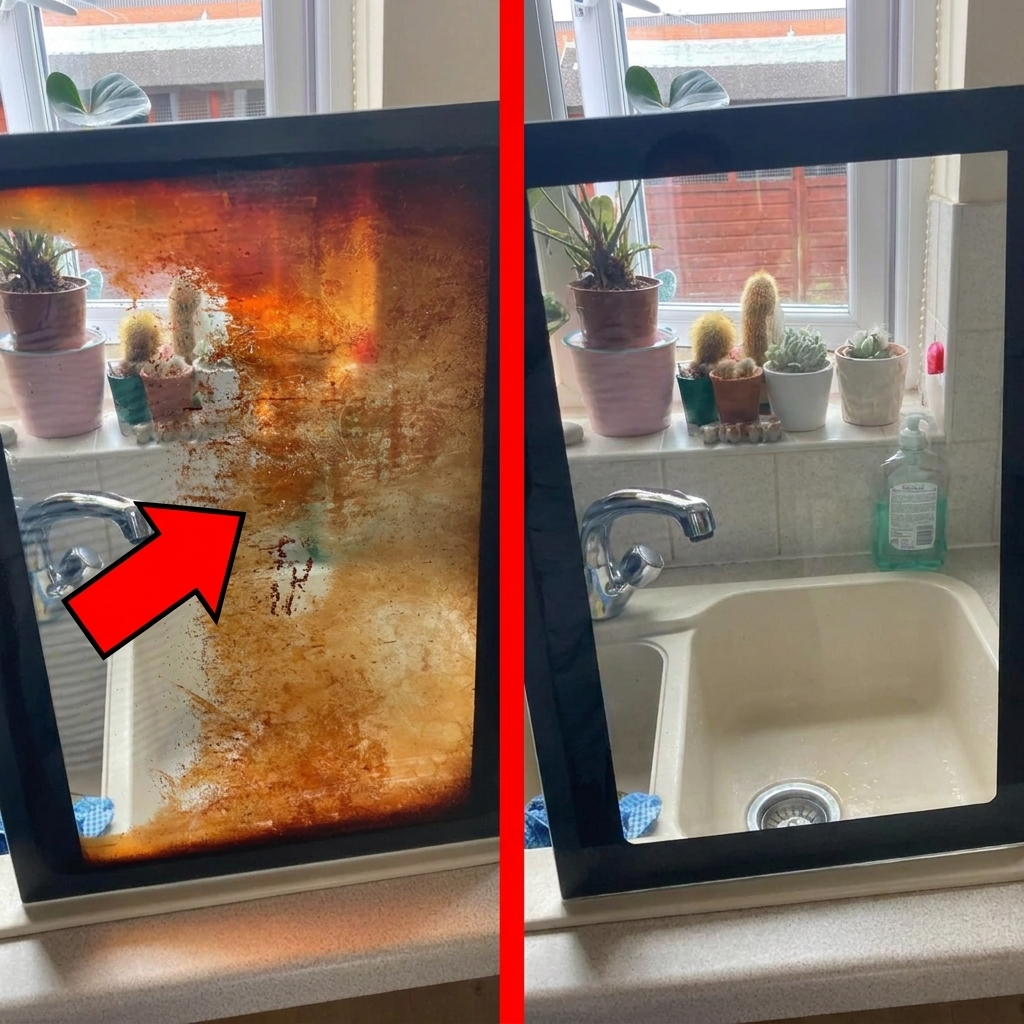
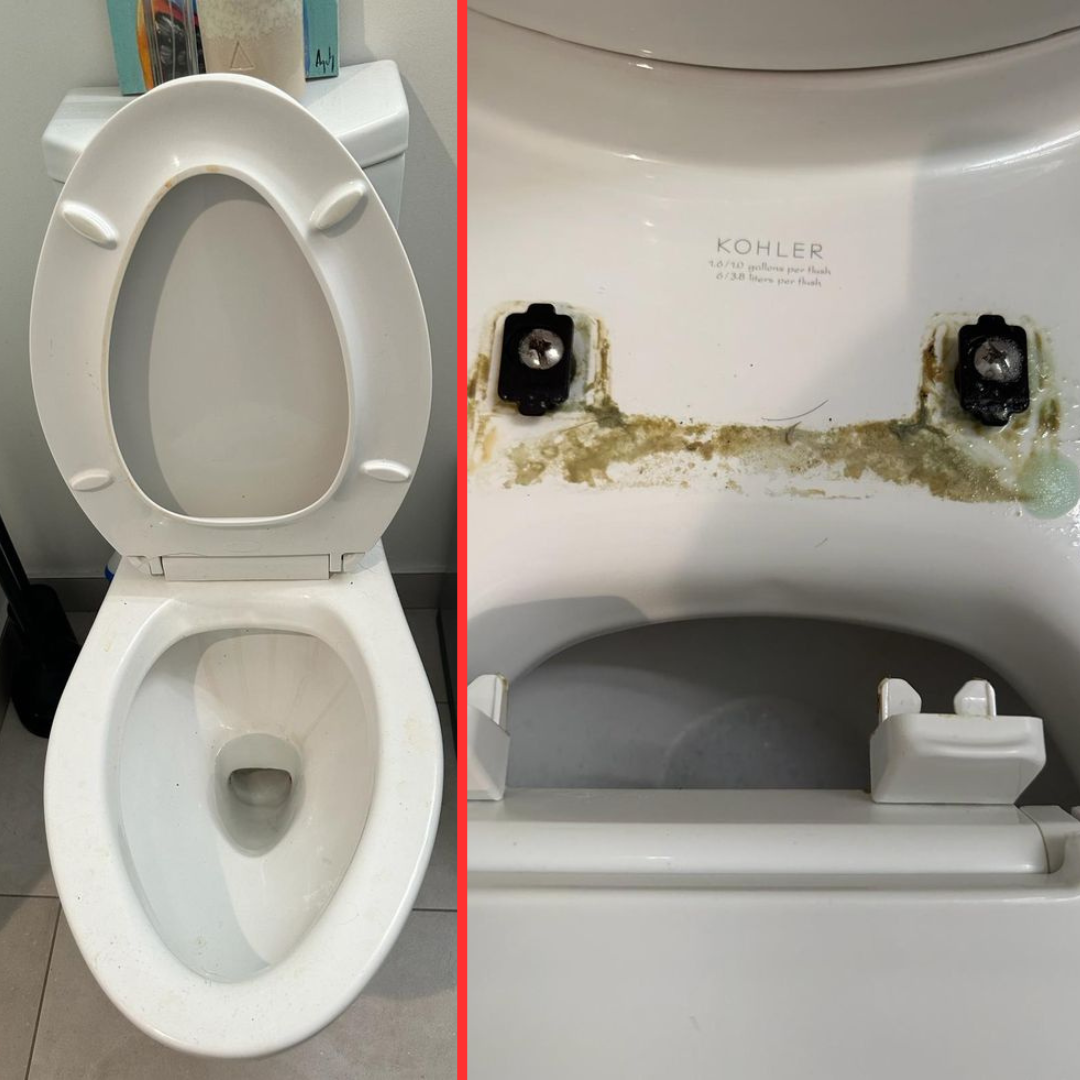
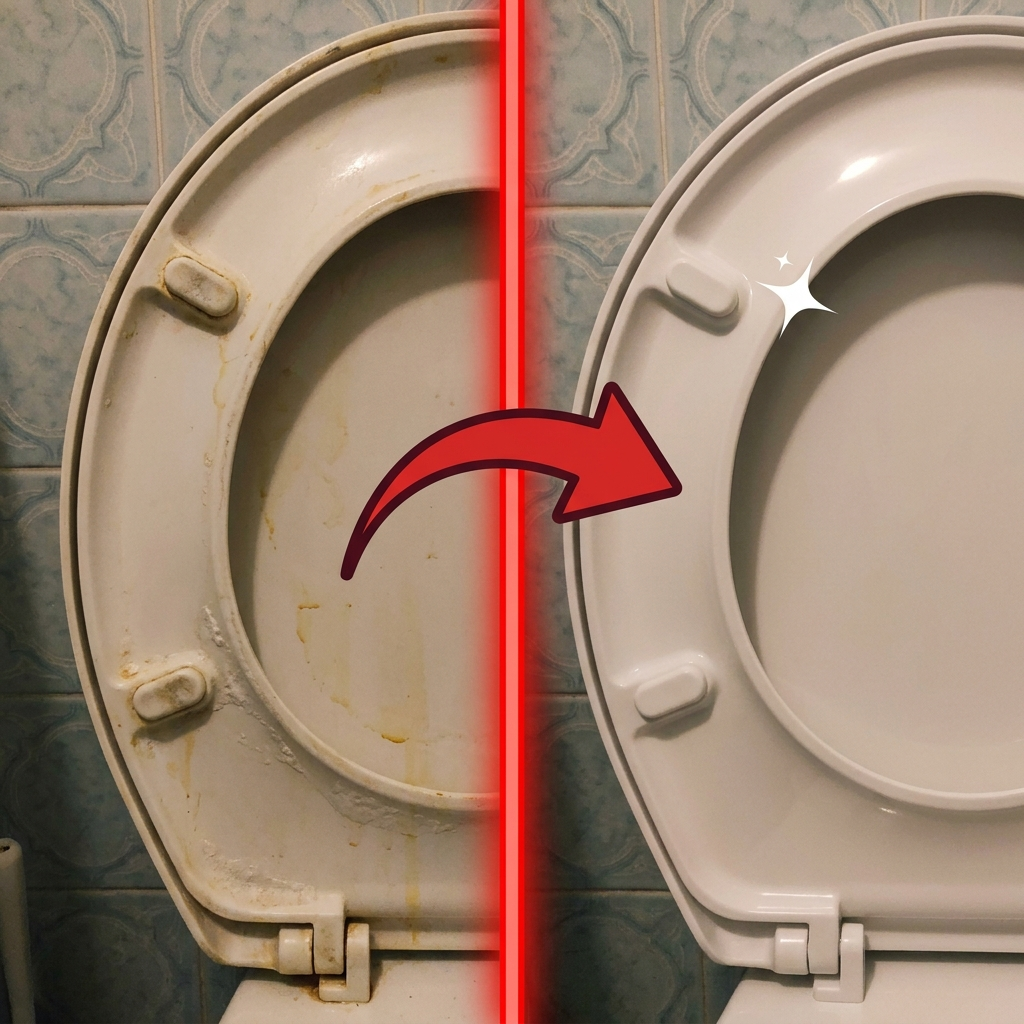
😳 In 1996, on her first day cleaning houses, my housekeeper was told she was never to let a client see the label on her bottle. Twenty-eight years later, I finally got her to. Her name is Maria. She has been coming to my house every other Thursday for six years. She is fifty-eight years old. She has a waiting list of eleven families who want her, including two who have offered her more money to leave us. 😳 I had never thought about what was in her cleaning caddy. I assumed it was whatever I myself used, only stronger. The pretty bottles from the grocery store. Method. Mrs. Meyer's. Whatever Target was selling that week. I was wrong about that for six years. I noticed it on a Thursday in March. I was working from home and I walked past the master bathroom while she was in there. She was cleaning the bathtub. The bathtub I had been losing a war with since we installed it in 2016. The one with a permanent brown stain across the bottom and a tide line up the sides. The one I had paid $400 to have professionally refinished two years ago, only to watch the staining come back within four months. I watched her spray something on it. She waited thirty seconds. She wiped it once with a microfiber cloth. She moved on to the sink. I walked over to that tub after my call ended like a person walking up to a magic trick. The bottom was white. Not "cleaner." White. The way it looked the day the installer left. 🤯 I had spent nine years scrubbing that tub with three different bathroom cleaners and it had never looked like that. She had done it in four minutes with one bottle. I went to her caddy. I picked up the bottle. It had no label. It was a small glass bottle with a clear liquid inside it and a plain spray top, and there was nothing on it indicating what brand it was, where it had come from, or what was in it. I asked her what it was. She smiled at me the way you smile at a friend who has finally noticed something obvious. She said, "I cannot tell you. I am sorry." I thought she was joking. She was not. 😳 She told me that on her first day cleaning houses in 1996, her boss had sat her down and given her two rules. Never tell a client what you are paid by another client. Never let a client see the label on your bottle. Her boss was an older woman named Rosa who had cleaned houses for some of the wealthiest families in the country since the early 1970s. Rosa had learned the same two rules from her own mother, who had cleaned houses in the 1950s. The bottle was what kept them in business. If every client knew what was in it, half of them would buy it themselves and stop hiring her. Maria said the rule had been passed down through three generations of working women and she had never broken it. Not once. Not for any client. I asked her what she would charge me to break it. She laughed. I was not laughing. I told her I would pay her $200 in cash, right then, to show me what was in the bottle and where she got it. She looked at me for a long moment. Then she said okay. She walked out to her car and came back with the small unlabeled glass bottle and a foil pouch. The pouch had a tablet inside it. She showed me how she did it. Bottle. Water. One tablet dropped in. Sixty seconds. Done. Then she told me what it was. 🫧 It is a fatty acid called undecylenic acid. It comes from castor oil. Before 1946 it was the standard antimicrobial cleaning agent in every American household. After World War Two, the petroleum industry replaced it with synthetic detergents because synthetics could be patented and a natural fatty acid could not. The chemical companies that built their fortunes on Tide and Cascade had no interest in keeping the old molecule alive. It quietly disappeared from supermarket shelves. It survived in two places. Pharmacy textbooks, where it remained the medical-grade treatment for fungal infections. And the hands of working women who cleaned houses for a living and could not afford to use products that did not actually work. Maria told me that professional cleaners have a network. They share what works and they protect it. She said the women cleaning the penthouses in Manhattan and the houses in Bel Air and the historic homes in Charleston are not using Method. They are not using Mrs. Meyer's. They are not using whatever is on the shelf at Target. They are using what their grandmothers' bosses used. She said the wealthier the client, the more delicate the surfaces, and the less margin there is for a cleaner that fails. 😳 Marble. Polished brass. Antique wood. Travertine. Hand-painted tile. You cannot use bleach on those surfaces. You cannot use vinegar. You cannot use whatever the chemical companies are putting in the pretty bottles this year. What you use is the molecule that worked for a hundred years before any of those companies existed. I asked her why the rule still existed in 2024. She said three things. The first is that nobody asks. Most clients have never paid attention to what is in their cleaner's bottle. They assume it is whatever they themselves use, only stronger. The second is that the women who clean houses for a living are not in the business of educating their clients about the cleaning industry. They are in the business of getting the job done and going home. The third is that the molecule is not patented. Nobody has spent millions of dollars putting it on television. There is no celebrity endorsement. There are no Instagram ads with palm leaves on the bottle. It exists in a quiet network that has been kept alive by working women for eighty years and you will not stumble across it in a normal store. 🫶 The brand name on the foil pouch she handed me was X-All. She told me she orders it directly from the company in bulk. She also told me that there is now a public website where anyone can buy it, which is a relatively recent development, and that some of the older housekeepers in her network are not happy about it. The rule from 1996 is becoming harder to keep. That was eight months ago. The tub is still white. I have used the same bottle for the bathrooms, the shower glass, the kitchen, the stovetop, the inside of the oven, and the antique brass fixtures my husband's mother left us. It has replaced four cleaners under my sink. And every time my friends come over and ask why my bathroom looks the way it does, I tell them what Maria told me. You have been buying the wrong product your entire adult life. The professionals have been using something else the entire time. Now you know. 👉 X-All is 60% off for new customers right now and stock goes fast. Link is in the post. I gave Maria the $200 anyway. I told her she should be charging her clients $400. 🫶
Offered my cleaner $200 for what's in her bottle 😳
Most people would agree that today’s housing market is nuts. Which meant, if we really wanted to buy a home, we had to consider homes we would normally pass on.
SEE DETAILSLike this ad? Make it yours.
Crush rebuilds this exact creative around your product — your brand, your colors, your offer — in about a minute.