
Inactive· since Apr 29, 2026
- 122
- days it ran
- 0
- relaunches
Ad copy
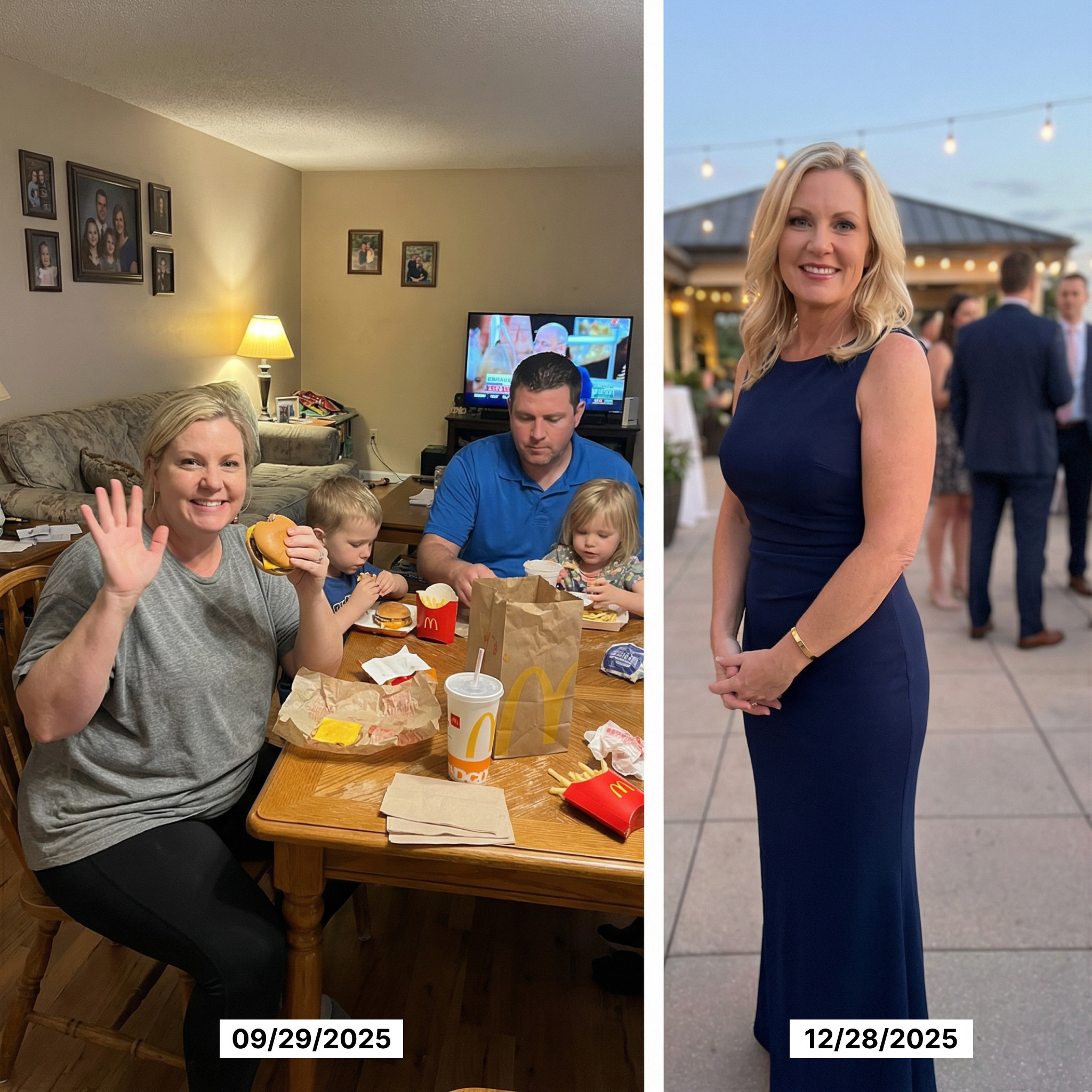
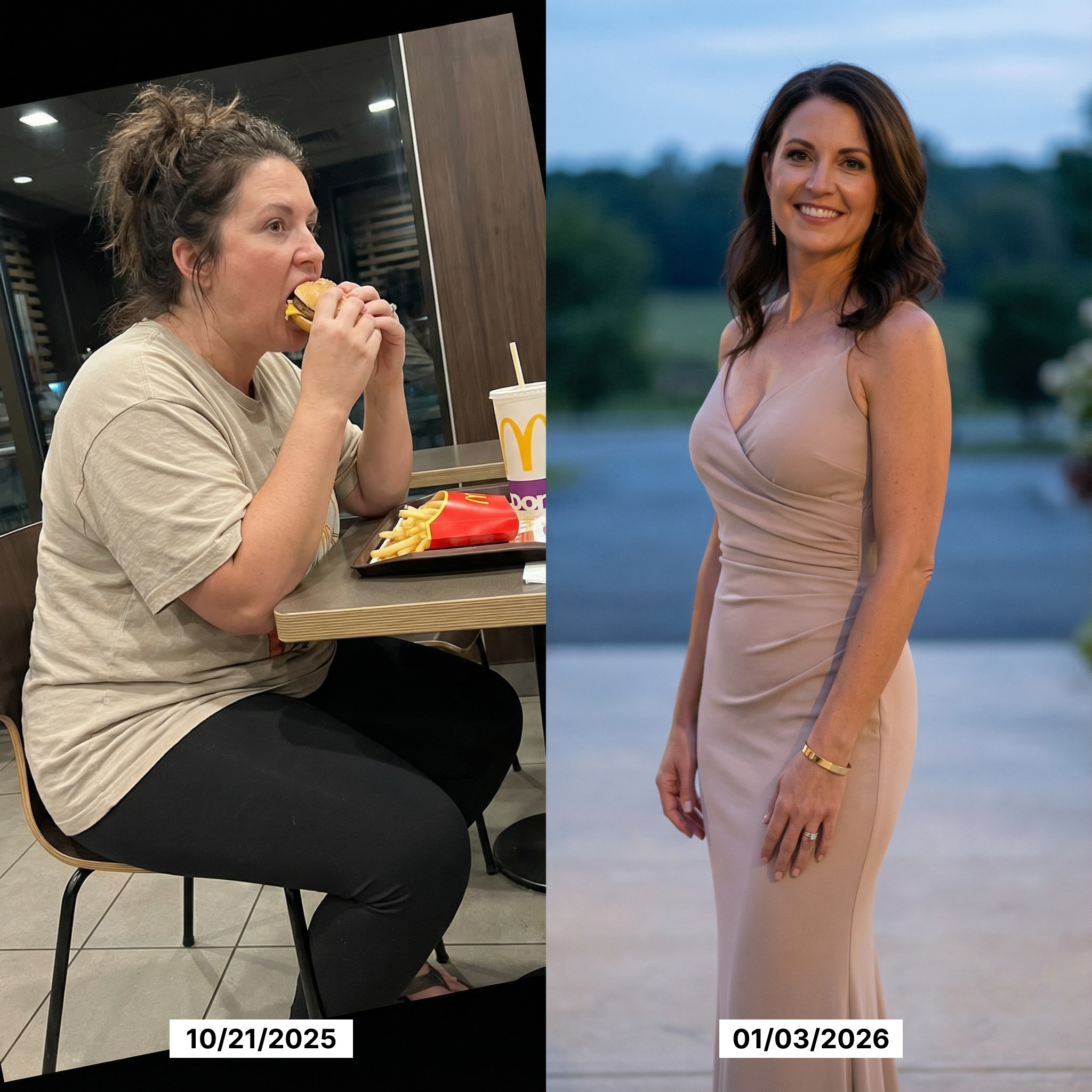
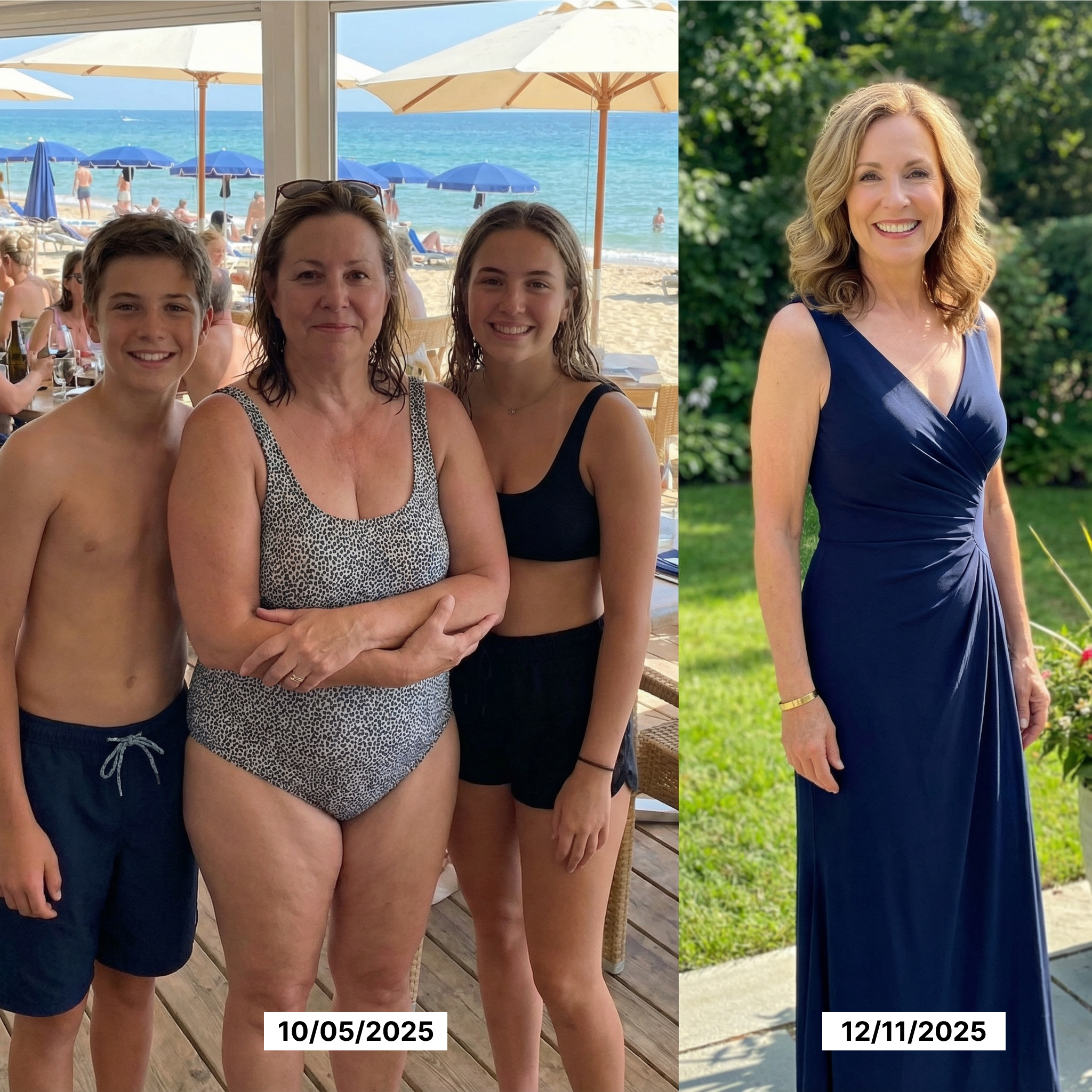
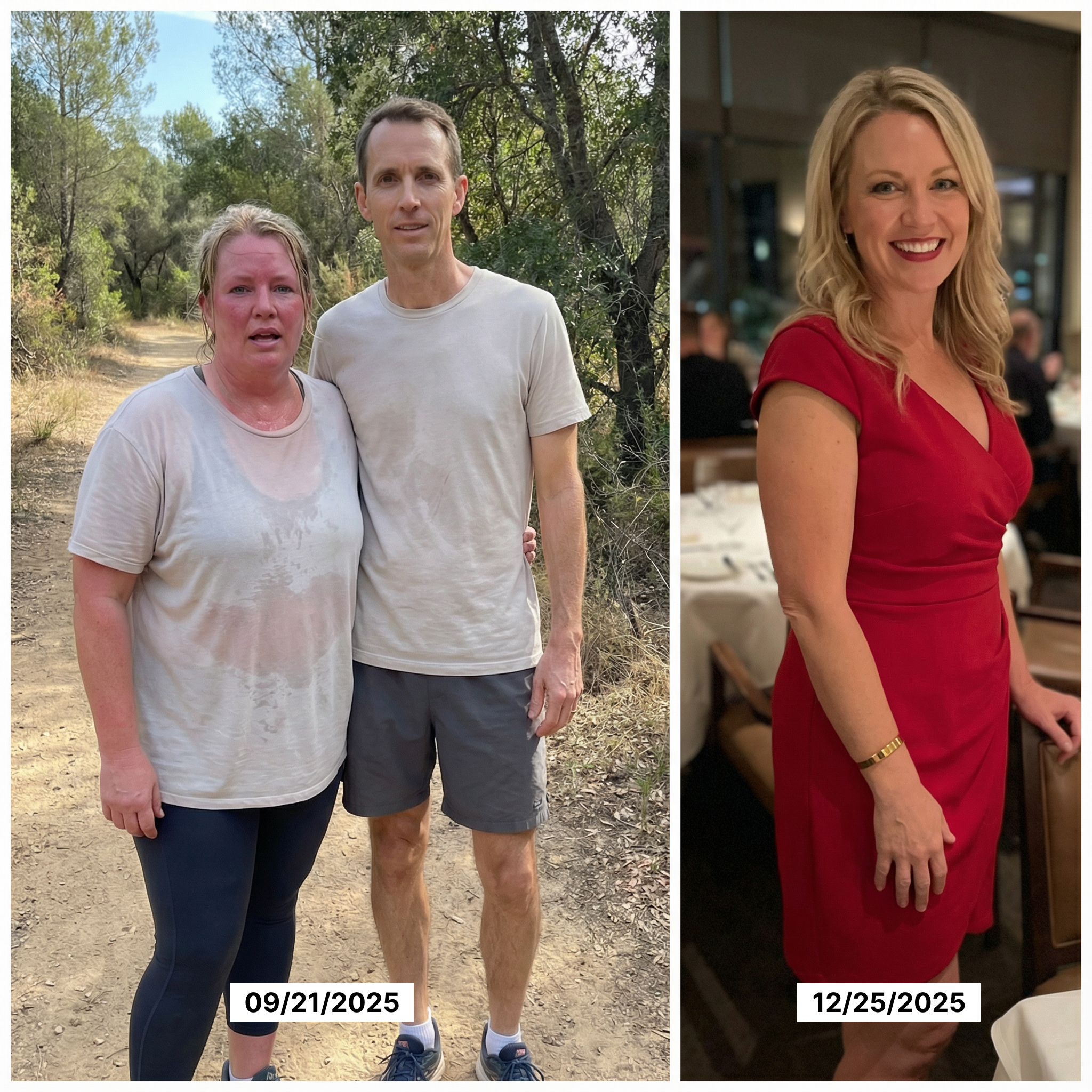
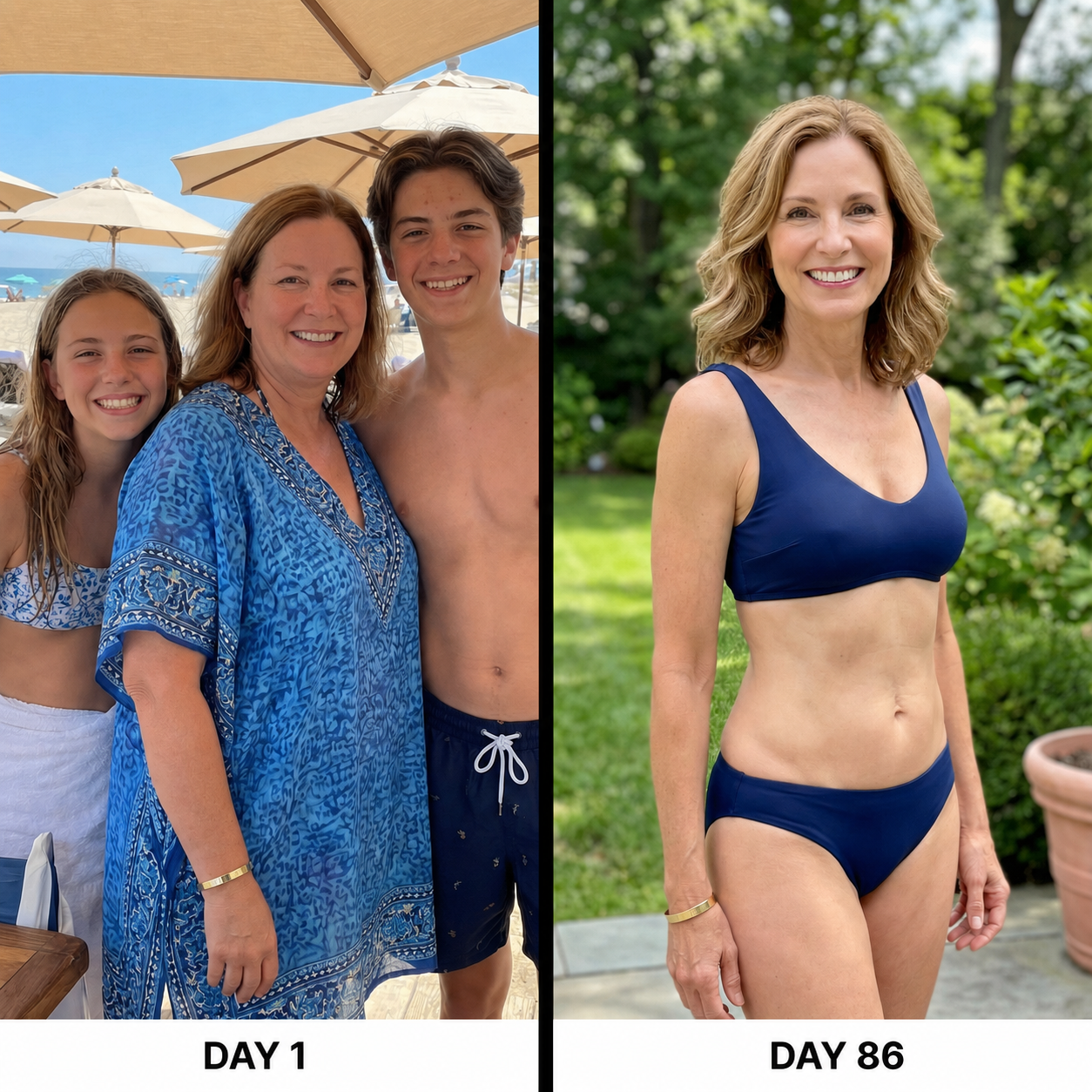
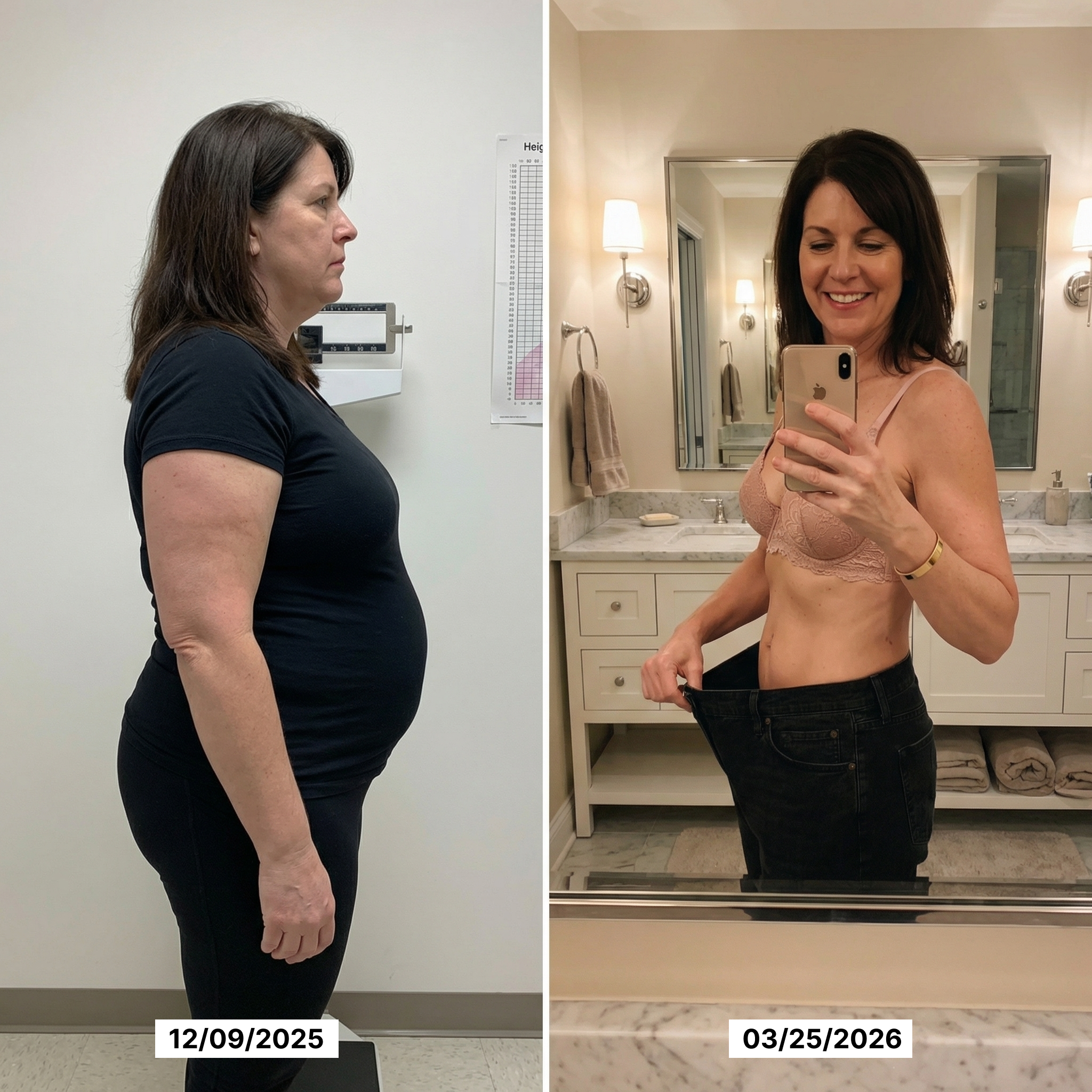
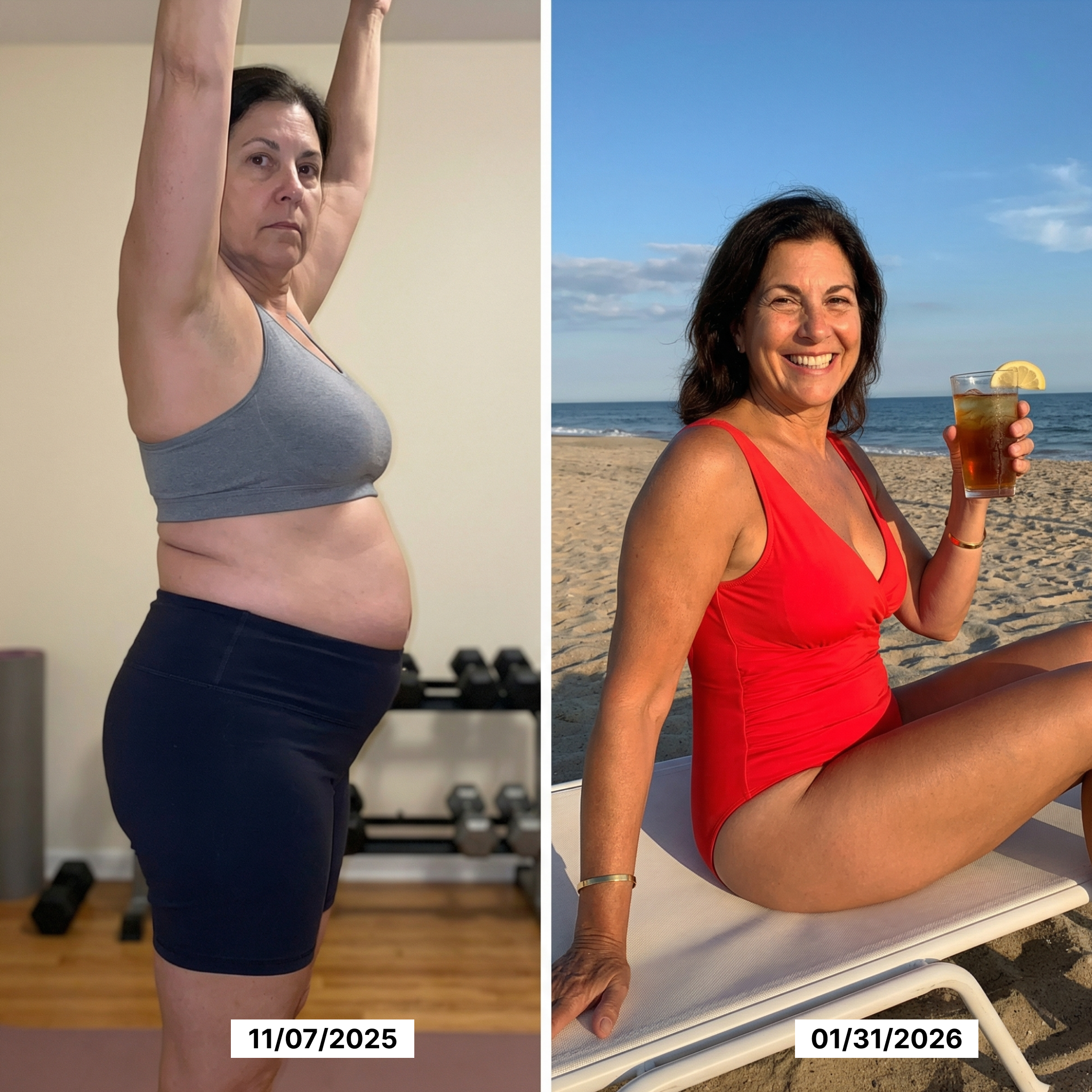
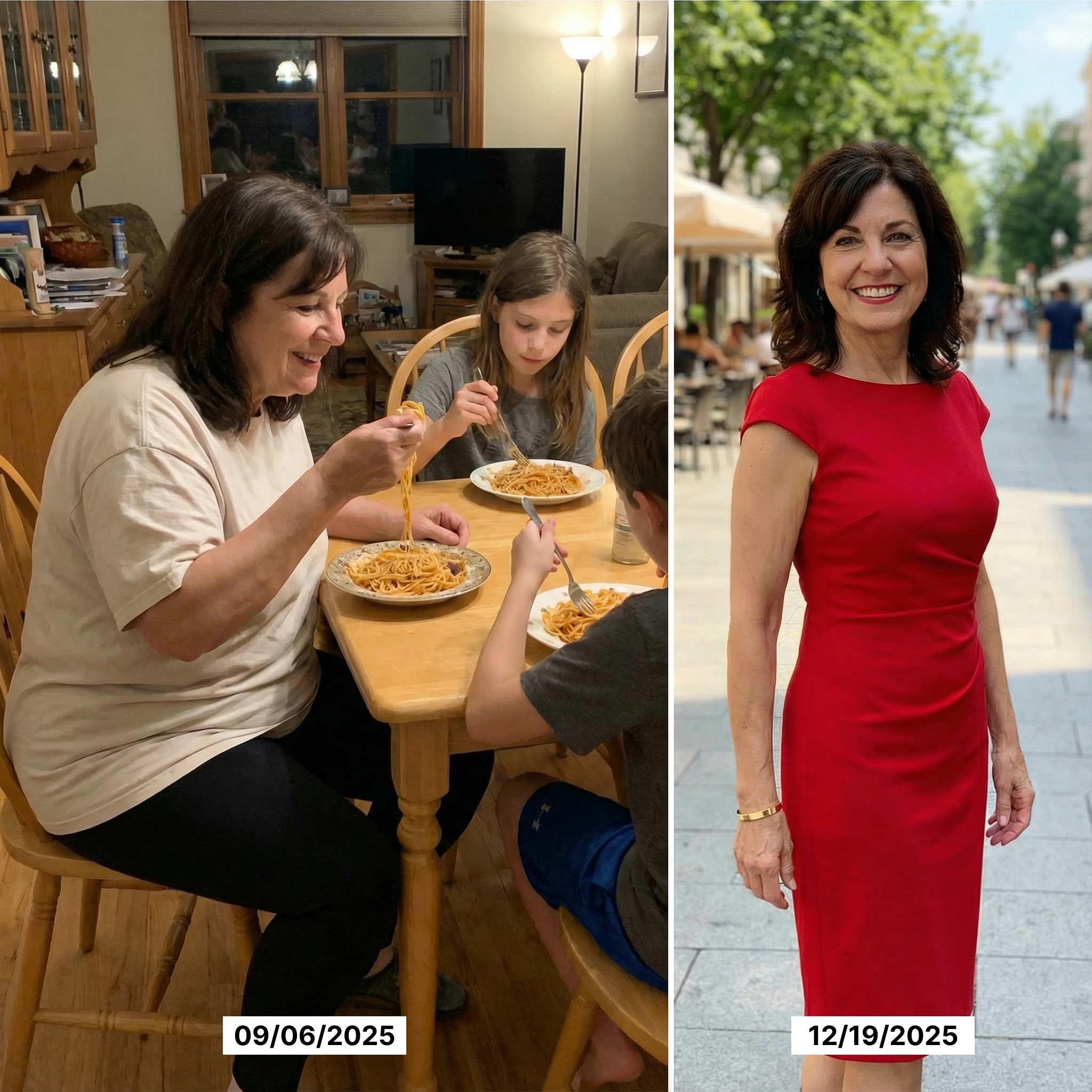
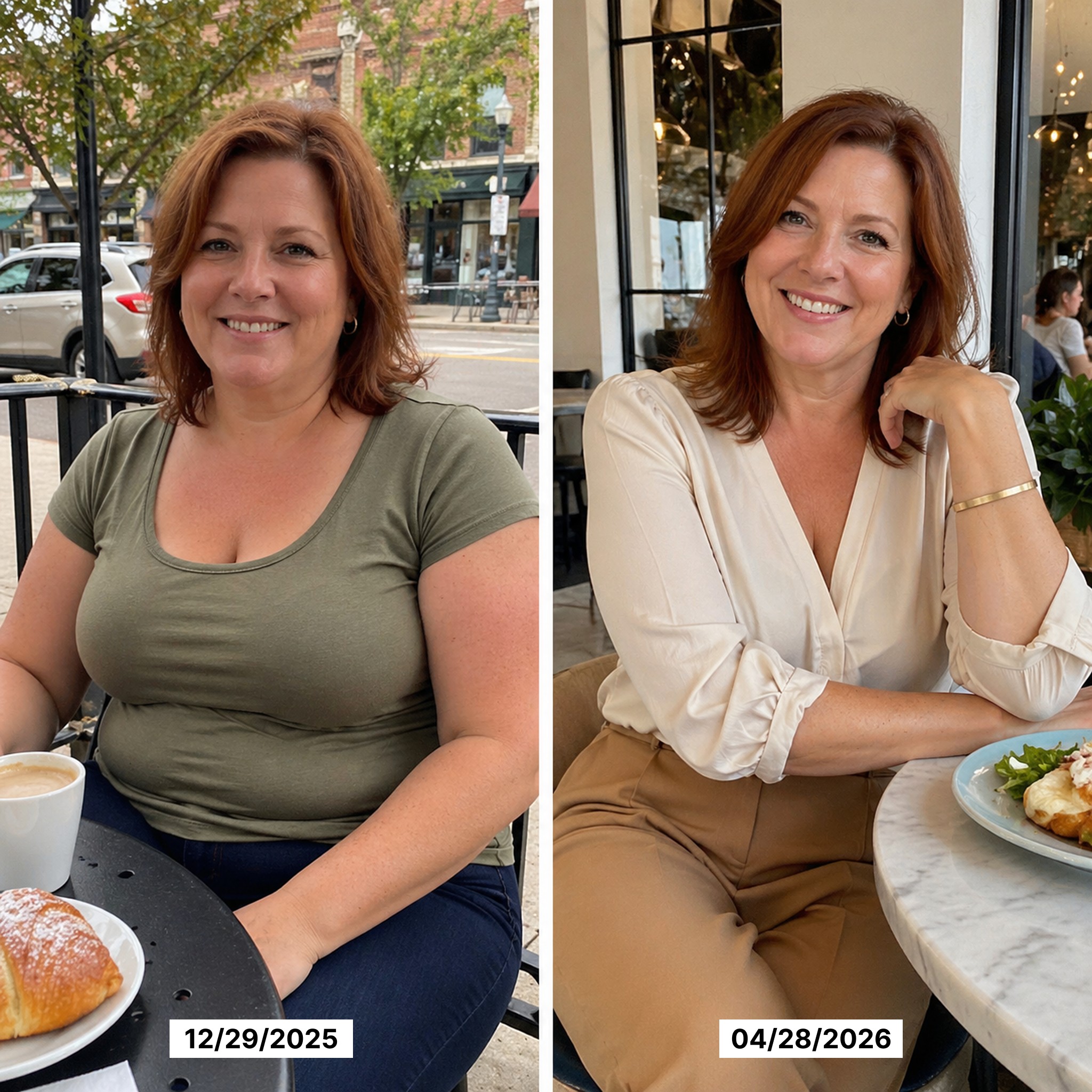
"My oncologist asked me to sign a waiver before she'd approve my bloodwork. I'm 53. She thought I was using black market hormones." I'm an oncology nurse. I've worked in cancer treatment for 19 years. Dr Okafor has been managing my care since a breast cancer scare at 49. She monitors me closely. Annual mammograms. Bloodwork every six months. At my follow-up, she pulled up my labs on her screen. Stared at them. Looked at me. Back at the screen. Then she looked at my midsection. "Angela, your weight dropped 33 pounds. Your waist is down 8.5 inches. Your estradiol and cortisol shifted dramatically." She paused. "Are you using compounded bioidentical hormones? Peptides? Because with your history, undisclosed hormone use is a serious medical concern." The Body That Betrayed Me Twice : Here's what they don't tell you about being an oncology nurse with a cancer history during menopause: You spend your days managing chemotherapy. You hold the hands of women losing their hair. You know what estrogen does to cancer cells. And you can't touch the one treatment that might fix your menopause symptoms because your history makes it too dangerous. From 49 to 53, I gained 33 pounds. All midsection. My waist went from 28 inches to 38 inches. Every oncologist I asked said the same thing: no HRT. Not with your history. So I watched my belly grow while other menopausal women had options I couldn't use. I administered chemo in the morning and stared at my expanding midsection at night, knowing the very hormones that might help me could also wake up something I'd fought to survive. The professional isolation was crushing. At least you're alive, they'd say. And they were right. But alive and trapped in a body you don't recognize is its own kind of suffering. The Numbers That Scared My Oncologist : My labs before everything changed: Cortisol AM: 25.6 mcg/dL (chronically elevated) Fasting glucose: 119 (prediabetic) CRP: 5.4 mg/L (elevated — concerning with my history) Waist: 38 inches Weight: 179 pounds (from 146 four years ago) My mother was diagnosed with breast cancer at 57. Same body type I was developing. Dr Okafor was blunt: "Visceral fat produces estrogen. With your history, excess visceral fat is a risk factor for recurrence. We need to get this weight off. But I can't give you hormones to do it." Trapped. Too much belly fat was dangerous. The treatment for belly fat was dangerous. The $4,400 I Spent With No Hormonal Options : I tried everything a cancer survivor is allowed to try: Oncology-approved exercise program ($1,100 for 16 weeks). Lost 4 pounds. Belly unchanged. Anti-inflammatory nutrition protocol ($1,350 for 6 months) specializing in cancer survivorship. CRP improved slightly. Waist unchanged. Prescription metformin off-label ($480 over 8 months). Glucose went from 119 to 114. Belly didn't move. Mindfulness-based stress reduction ($1,470 for 12 weeks) at the cancer center. Felt calmer during sessions. Cortisol still elevated. My waist went from 38 to 37 inches. And I still couldn't use hormones. What a Chemo Patient Taught Me : Then Mrs. Whitfield changed everything. 69 years old. Breast cancer survivor, five years in remission. I'd managed her treatment from diagnosis through final infusion. She came in for her survivorship visit. I hadn't seen her in eight months. Her belly was gone. Her face was defined. "Mrs. Whitfield, what happened?" She showed me her wrist. A bracelet. "My daughter is an acupuncturist in Savannah. She said my nervous system never recovered from treatment. Cortisol everywhere. And cortisol was producing the visceral fat that was producing the estrogen my oncologist worried about. This calms the nervous system. When cortisol dropped, the belly released. My risk profile actually improved." As an oncology nurse, the mechanism hit me. Visceral fat is an endocrine organ. It produces estrogen. Reducing visceral fat reduces risk. But you can't use hormones to reduce it. You need to address the cortisol. "How much?" "$65." I ordered it that night. My 15-Week Transformation : As an oncology nurse, I documented everything: Week 1-4: Sleep deeper than since before my scare. Night sweats reduced. Morning bloating decreasing. Waist: 36 inches. Week 5-8: Belly softening. Appetite normalized. No more cortisol-driven cravings. Lost 11 pounds. Waist: 34 inches. Week 9-12: Waist definition returning. Belly visibly flatter. Lost 12 more pounds. Waist: 31 inches. Week 13-15: Abdomen flat. Could see my ribs again. Lost 10 more pounds. Waist: 29.5 inches. Total: 33 pounds lost. 8.5 inches off waist. That's when Dr Okafor asked me to sign the waiver. The Follow-Up That Proved Everything : When I showed Dr Okafor the bracelet, she pulled out her measuring tape. "Walk me through the mechanism." I explained: "Chronic stress keeps cortisol elevated. Cortisol drives visceral fat. Visceral fat produces estrogen. For a cancer survivor, that's a dual risk. When you regulate the nervous system through vagal stimulation, cortisol normalizes. Visceral fat releases. Estrogen exposure drops." She measured my waist herself. 29.5 inches. Her chart from eleven months ago read 38 inches. "This is published science," she said, pulling up research on cortisol and visceral adiposity in cancer survivors. She noted it in my chart. Updated my risk assessment. Six Weeks Later : Dr Okafor now mentions nervous system regulation to cancer survivors struggling with post-treatment weight. Three survivors have seen significant waist reduction and inflammatory improvement in 12-16 weeks. I've recommended it to eight colleagues who can't use hormones. Six are seeing results. Last week, a new patient asked: "Is there anything that works if you can't take hormones?" For the first time in my career, I had an honest answer. The Professional Truth : Here's what 19 years in oncology taught me: You can't hormone your way out of a meno belly when your history makes hormones dangerous. You can't diet away visceral fat driven by cortisol. But you can't ignore it either. Visceral fat isn't just cosmetic for cancer survivors. It's an active risk factor. For me and my patients, reducing that risk started with a $65 bracelet that did what no approved treatment had: calmed the nervous system driving the fat that was driving the risk. I'm still an oncology nurse. I still manage treatment every day. But now I understand: you can't out-medicate a stress-driven belly. Especially when medication isn't even an option. 👉 If your meno belly won't budge and hormones aren't an option, if you want to address the cortisol driving visceral fat... Click below to discover the Kalm Bracelet. Just $64.90 at the official store. Wear it consistently and measure your waist every 2 weeks for 15 weeks. https://mykalm.co/original-bracelet
Reduces menopause symptoms naturally
Don't miss out! Get TWO original Kalm Ring for the price of ONE. These are our largest discounts of the year. and supplies are running low. Secure yours now while they last!
LEARN MORELike this ad? Make it yours.
Crush rebuilds this exact creative around your product — your brand, your colors, your offer — in about a minute.