Leslie Hosmer
 Facebook ad: “Support stamina and heart health every day”
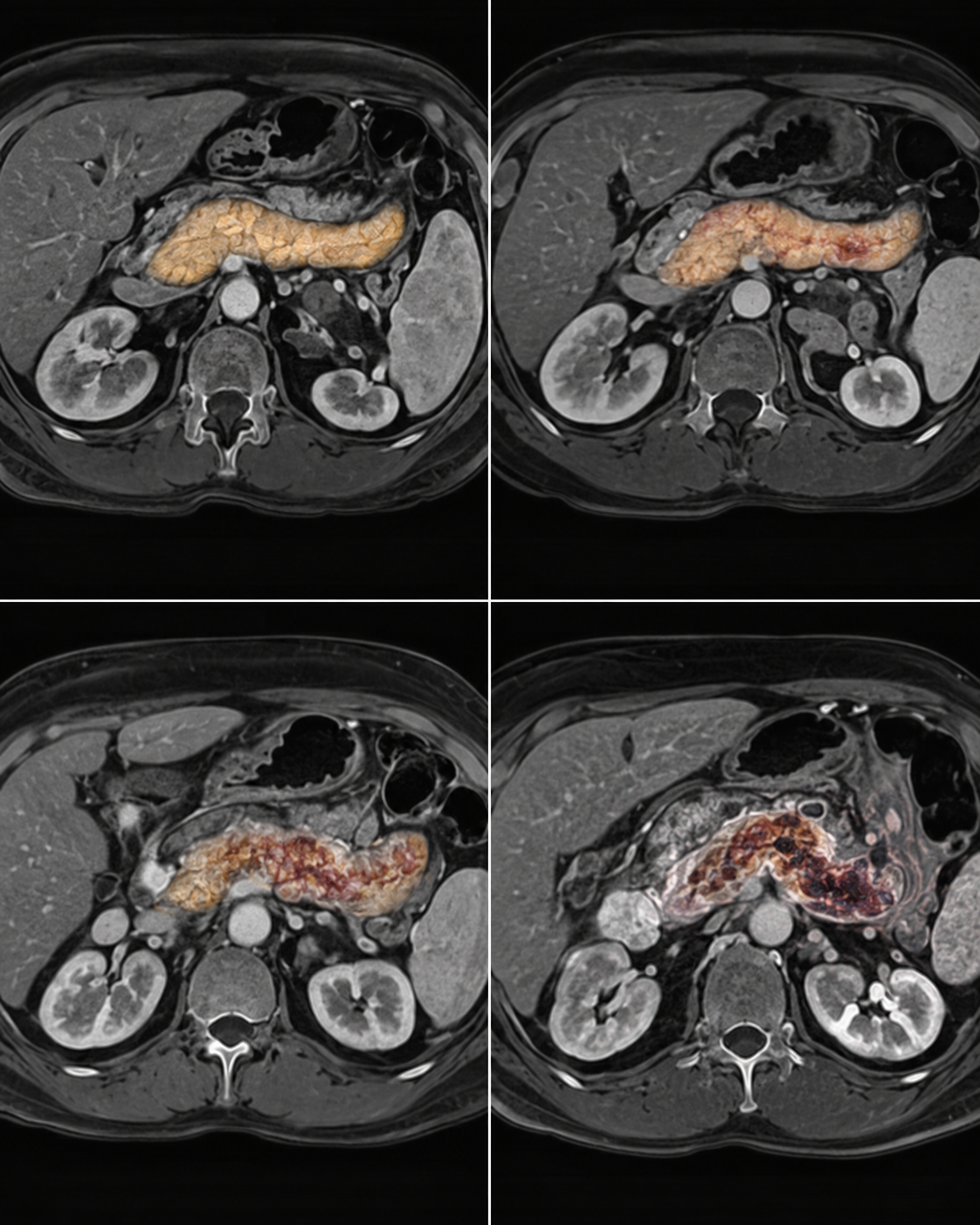
Ran for 11 days, from September 26 to October 7, 2026, the last day Crush saw it.
Run by Leslie Hosmer on Facebook. Crush is not the advertiser and does not verify its claims. See this ad in Meta's Ad Library(opens in a new tab)
Make your own version of this ad
Crush makes it, launches it in your own Meta ad account, scales the winners and pauses the losers.
About this ad
- Meta Ad Library ID
- 1384321293407031
- Platforms
- Facebook, Instagram, Audience Network and Threads
- Relaunches
- 1
- Niche
- Sports & Training
Ad text
My husband started taking metformin in September 2024. He gave up beer. He gave up bread. He walked every morning before I was out of bed. He did everything the doctor told him. 6 months later, I found blood on the bath mat from a sore on his foot he never felt. If he'd kept taking his doctor's advice, he would have lost that foot. I know, because for 24 years I was a diabetic wound care nurse. When a sore on a diabetic's foot wouldn't heal, his doctor sent him to me. And when the surgeon took the foot, I was the one who bandaged what he left behind. I'm retired now. Nobody's career is on the line anymore — not mine, not the doctors', not the clinic's. But I'm 58 years old, and I watched too many people lose a toe, then the foot, then the leg, knowing the truth and saying nothing. So here it is. When you unwrap a foot, you don’t just see it. You feel it. You lift the dressing off, you clean the sore out, you measure it with a paper ruler, you photograph it for the chart, and you wrap it back up. By the time you’re done you know that foot better than the man it belongs to. You feel the difference between a foot that is healing and a foot that had been starving from the inside while its owner was still walking around, still going to work, still telling his wife his numbers looked great. And in 24 years, in foot after foot that came across my table, I found the same thing. Sores the size of a pencil eraser that measured the same every Thursday for 9 months. Edges pale as candle wax. Cold to the touch. Skin that did not bleed when I cleaned it, because the blood was not getting there anymore. Feet that had been going without for years underneath a chart that said everything was fine. I found it in men who walked 3 miles every morning. I found it in women who gave up bread. I found it in the ones who’d been on their metformin for a decade and the ones who’d never been offered it. I found it in the golfers and the church deacons and the grandfathers whose grandchildren were still in car seats. I found it in people whose families stood in my hallway and told me, “but his A1C was fine. His doctor said the numbers looked great. He was doing everything right.” Everything right. I want to tell you about the first 2 times I almost said something. And why I didn’t. It was my 3rd year at the clinic. A man named Vernon. 58 years old. He drove a bread route. His wife brought him in on a Monday with a sore on the ball of his left foot he never felt forming. Vernon had been sitting in his doctor’s office a year earlier looking at bloodwork that had come back with his A1C up. His doctor told him what doctors told men back then — lose the weight, cut the sugar, walk every day. Vernon did it. He lost 26 pounds. He walked 2 miles every morning before his route. He hadn’t touched a soda since Easter. His follow-up A1C had come down to 6.4. His doctor told him he was doing everything right. When I unwrapped him, the sore on the ball of his foot was the size of a dime. Pale. Cold. It did not bleed when I cleaned it. I measured it every Thursday for 7 months and it did not change by a millimeter. The nerve underneath it had been dying for years underneath a number that had just come down. The surgeon took the foot that October. Vernon died 14 months later. His wife stopped me in the parking lot 3 days after the surgery and asked me, quietly, if I had any idea why a man who’d lost the weight and walked every morning for a year had just lost his foot at 58. And I almost told her what I’d seen. The sore that never changed. The foot that was cold in my hands. The nerve that had been going for years underneath a chart the doctor was calling a success. But I didn’t have an explanation that fit on a chart, and it wasn’t my place to offer one. I was 37. I had 2 kids and a mortgage and a job at a small clinic where the doctors sent me my work. I’d been told — not in writing, never in writing, just understood — that a wound nurse’s job is to dress the wound, not to second-guess the treatment that led to it. So I told Vernon’s wife I was sorry. And I dressed what was left as ordered and carried a question I couldn’t shake. I went home that night and started a notebook. Not for anyone. Not for the clinic. Just for me, because I couldn’t carry it in my head anymore. Every patient. The date. The age. What the chart said. What the foot said. What the man had been told to do. 12 years later, I unwrapped a foot that made me want to walk out of the room. His name was Harold. 63 years old. Retired from the Harley plant, ran the concession stand at his grandson’s ball games. His wife brought him in on a Friday with a blister on his heel he had walked on for 2 weeks without knowing it was there. Harold was not Vernon. Harold had been on his metformin for 6 years. His A1C had come down from 7.4 to 6.2. His doctor had shown him the printout at his last appointment and told him — his wife told me this in my hallway, still holding the printout in her purse — that his numbers were “the kind of numbers we like to see.” He was going to be fine. When I unwrapped his foot, his heel was worse than Vernon’s had been. Not a little worse. The sore was deeper. The edges were paler. The skin around it was colder. And when I pressed on the edge of it with my thumb, he did not flinch, because the nerve was not there anymore to tell him I was pressing. I stood at that table for a long time. Because the chart had changed. The medication had changed. The number on Harold’s printout looked better than Vernon’s ever had. And the foot — the foot was the same. It was worse. 6 years of the profession’s best answer, and the man in my chair was in worse shape than a man who’d never gotten the answer at all. That was the moment I understood the pill had never been aimed at what was actually taking the foot. The number came down. The damage kept building. And nobody was watching for the damage. They were all watching the number. The surgeon took 2 toes that December. The foot the next fall. Harold was gone within 2 years. I added a new column to the notebook that night. Whether he’d been on the metformin. And what his last A1C had said. By the time I retired, that notebook had 1,140 entries. 1,140 families who shook my hand in the hallway and thanked me for taking such good care of him and never once heard what I was really thinking. That’s what I carried for 24 years. Here’s where it stopped being something I carried and became something I could not live with. My husband. Dale. We’ve been married 36 years. Steadiest man I’ve ever known. Raised 3 kids, ran the youth football league for 20 years, never sick a day he’d admit to. 2 years ago, Dale went for his annual physical and his A1C came back at 6.8. Not dangerous. Not the kind of number that would have made me flinch when I was reading a chart at work. But his doctor said it was “creeping” and recommended he start on metformin. 500 milligrams, twice a day, with breakfast and supper. Dale asked me what I thought. I looked at the number. I thought about the 2 rows in my notebook that had numbers just like his. I thought about Vernon’s A1C coming down to 6.4. I thought about Harold’s coming down to 6.2. I told him to take it. I want you to sit with that. Because it is the single decision in 24 years of this work that I would give anything to have back. I had 1,140 entries in a drawer telling me the number wasn’t the disease. And when my own husband was standing in the kitchen asking me what to do, I told him to trust the number. He took it faithfully. Twice a day with his meals. 6 months in, it started. He started saying his feet buzzed when he got into bed. He’d lie there rubbing one foot against the other under the covers. He’d never done that. He’d fallen asleep in 4 minutes flat every night of our marriage. Then the socks. Dale has slept in socks for 36 years, because his feet run cold and I don’t like them on me. One night he pulled them off and threw them on the floor. Said his feet were hot. He never wore them to bed again. Neither of us said anything. Then the cut. I found a spot of blood on the bath mat one morning and a nick on the outside of his left big toe. He didn’t know it was there. He said it was the deck boards. I put a bandage on it and I did not let myself think about it. Then the parking lot. Dale used to carry 4 grocery bags in each hand from the car. He started stopping halfway across the Giant lot with 1 hand on the cart, waiting for his legs to come back. He was 59 years old. Then the tiredness. Dale has never sat still in his life. Suddenly he was asleep in his chair by 8, and waking up like he hadn’t slept at all. Then the nights. I’d feel the bed shift. Twice a night, sometimes 3 times, he’d get up for the bathroom. Night after night. I knew what I was looking at. God help me, I knew. I knew because everything Dale was showing me was the front end of what I’d been unwrapping for 24 years. The feet that buzzed, and then burned, and then went quiet. The cuts nobody felt. The legs that stopped halfway. Wives told me, in my hallway, when they finally could, “he’d been so tired the last few months.” “He stopped wearing socks to bed.” “He’d been getting up 3 times a night and not saying why.” Dale was starting the story. I’d only ever seen the end of it. Dale went back to his doctor. Bloodwork. A foot exam. The doctor walked him through the results in his office and told him the numbers looked “great.” His A1C had come down to 6.3 on the metformin. The doctor told him he was doing everything right. He told him the buzzing in his feet was probably neuropathy, common in diabetics, and gave him a sample of a nerve pill. He told him the tiredness was probably his age. He told him the nights were probably the coffee. Of course he did. I’d measured 1,140 feet on people whose last A1C had looked “great.” Here’s what no one tells you: the A1C only measures 1 thing. How much sugar has been floating in the blood, on average, over 3 months. It cannot see what the sugar that sits there is doing to the wall of the vessel, and it cannot see the nerve at the end of that vessel going quiet. That’s the damage that takes the foot. And the test was never built to find it. I sat across from my husband that night while he rubbed one foot against the other under the kitchen table, and I felt 24 years of silence sitting on my chest. I was not going to watch my own husband handed the same “keep taking your metformin, see you at your next physical” for the rest of his life. Not Dale. Not after everything I’d seen. Not after I was the one who told him to start the pill in the first place. I did what any wife would do when her husband was disappearing in front of her. I tried the things I’d heard of. Berberine, because half the women at church take it. If it did some of what the pill did without the pill, I figured it was a reasonable place to start. 8 weeks. His fasting number on the meter went from 138 to 131. Cinnamon capsules, because every diabetic in my clinic had a bottle in her purse. 6 weeks. Nothing. Chromium, because the label said blood sugar. Nothing. A tablespoon of vinegar in water before every meal, because a nurse I worked with swore by it. It gave him heartburn. The meter did not move. Dale took every one of them faithfully, alongside the metformin he was still on. He trusted me. I told him I was figuring it out. 5 months. His feet still buzzed at night. He still slept with his socks off. His A1C came down another tenth of a point and he still stopped halfway across the parking lot with his hand on the cart. I sat at the kitchen table one morning with those 4 bottles on the windowsill above the sink and I understood I was guessing. I had spent 24 years cleaning out the exact damage those 4 bottles were supposed to prevent, and I had no idea if any of them was capable of reaching it. I was the right woman to catch this. I was not the right woman to fix it. I needed help. Then I called the one man in the profession who’d understand. His name was Gene. He’d been the vascular surgeon at our hospital for 30 years. The one who took the toes I dressed. Old school. The only surgeon I’d ever known who would sit in the break room after a case and actually talk about what we saw — not the patients, but the patterns. The way certain feet kept showing up wearing the same shape. I told him about Dale. The numbers. The feet. The socks. The parking lot. The 4 bottles on my windowsill. The 5 months that hadn’t moved a thing. He was quiet for a long moment. Then he said, “You’ve been thinking about this wrong your whole career.” “Come on, Gene.” “I’m serious. You keep looking at the number. You of all people know the number isn’t the disease. You’ve had your hands on the disease. You’ve been cleaning it out of feet for 24 years.” “So what am I missing?” “Everything the pill was never built to reach. Grab a pen.” I grabbed a pen. “Sugar isn’t the enemy, Peg. It never was. Your body runs on it. Every cell you have burns it for fuel. Your brain, your muscles, your heart. Take it away and you die. It was never the villain.” “Then what is.” “When it sits.” I stopped writing. “Say that again.” “Sits. After a meal, sugar floods the blood. That’s normal. A healthy body clears it — moves it out of the blood and into the muscle, where it burns. In a diabetic body the clearing slows down, and the sugar sits in the blood after every meal. And sugar that sits throws off sparks.” “Sparks.” “Free radicals. Little fires. In volumes the body was never built to handle. They burn the lining of the blood vessel. Meal after meal, year after year. The wall scorches. It stiffens. It loses the give it needs to open. And the burn destroys the 1 signal the wall runs on — the instruction the body sends that tells the vessel to relax and let the blood through. Nitric oxide. It’s the switch that opens the drain. The fire burns the switch out.” The pen was still in my hand and I wasn’t writing. “Gene.” “What.” “The pale sores.” “Yeah.” “The cold ones. The ones that don’t bleed when I clean them.” “Yeah.” “That’s the fire.” “That’s the fire. The smallest vessels go first. The ones feeding the nerves in the feet. The ones at the back of the eye. The filters in the kidneys. The vessel burns shut, the blood stops getting there, the nerve at the end of it starves and goes quiet. And a foot with no blood and no feeling can’t heal a blister. That’s what you’ve been measuring for 24 years, Peg. Not sugar. Fire.” I sat back in my chair. “Then what the hell is the A1C measuring?” “How much sugar is in the blood. The average. Not what the sugar that sits has already burned. So you and your husband and every doctor in this country have been staring at a number that answers a completely different question than the one his feet depend on.” “That’s why Harold…” “Say more.” “Harold. On his metformin 6 years. A1C down from 7.4 to 6.2. His doctor showed him a printout. And when I unwrapped him his foot was worse than Vernon’s — Vernon who never got the pill. I stood at that table for a long time and I couldn’t explain it.” “You can now.” “The number came down. The fire never stopped.” “The fire never stopped.” I was quiet for a while. Gene let me be quiet. That’s how you know a man is a peer. “Gene. Then how has this pill been the first thing every doctor reaches for, for 30 years.” “Because the pill does exactly what it was built to do. Think of the sugar in the blood as a bathtub. The tap is your liver, putting sugar in. The drain is your muscle, taking it out. Metformin turns the tap down. Less sugar going in, the water level drops, the number comes down. It is very good at that 1 job. It has never once touched the drain, and it has never once touched the fire.” “Go.” “And here’s the part I need you to sit with, because I sat with it for 2 years before I accepted it. Metformin lowers how much B12 your body takes in. It’s in the insert. It’s documented. Almost nobody checks it. And B12 is what a nerve needs to repair itself. So the fire is burning the nerve in the foot. And the pill is draining what the nerve needs to heal. 2 attacks on the same foot, from 2 directions. Neither one on the chart.” I stopped writing again. “Gene.” “I know.” “His socks. The cut on his toe.” “I know. I saw it in my father. That’s how I found this.” I sat with the phone in my hand and thought about every foot I’d unwrapped on a man who’d been on the pill for a decade. The nerve gone before the blister ever formed. The sore that never bled. I had been dressing the wounds and never once connecting what the pill couldn’t reach to what I was seeing. “Gene. The berberine I’ve been giving him.” He laughed, but it wasn’t a cruel laugh. “Berberine works the tap. It does a little of what metformin does, so it moved the number a little. It doesn’t go near the fire. Cinnamon, chromium, the vinegar — same thing. They’re all chasing the number. Not 1 of them gets into the wall of the vessel where the burning is.” “So what does reach it? And don’t tell me another capsule.” “I’m not telling you another capsule. I’m telling you what took me 2 years to accept, and I want you to hear me out before you laugh, because I know how it sounds.” “Gene. My husband is upstairs rubbing his feet together under the covers. I’m not laughing at anything.” “Alright. The answer is 2 things, at the same time, from 1 source. Every one of those bottles on your windowsill fails because it does 1 thing or nothing, and in the wrong place. First thing you need: something that puts out the fire. Not the broad-spectrum kind — vitamin C, vitamin E, turmeric — that scatters through the body like buckshot and knocks out sparks your immune system needs. A targeted one that goes after the specific sparks scorching the vessel wall, and gets into the wall itself, where the damage is happening.” “How does a supplement get into the wall of a blood vessel.” “That’s the whole question, Peg. Most of them don’t. That’s why they don’t work. The one class that does gets absorbed intact and has been measured inside the lining of the vessel. Betalains.” “Betalains.” “The pigment that makes a beet bleed that deep red onto a cutting board.” I did not say anything. “I told you I knew how it sounded.” “You told me the fix for what’s been taking my patients’ feet for 24 years is a beet.” “A specific one. And it does the second thing too — the same root carries nitrates. The body turns them into nitric oxide. The exact signal the fire burned out. The switch that tells the vessel to open. Put the fire out and turn the switch back on, and the blood gets back where it’s supposed to go. The drain opens on its own. Not because a pill forced the tap down. Because the thing that burned it shut is gone.” “2 variables. 1 root.” “2 variables. 1 root. From the inside.” “Gene. Is any of this in a journal.” “The Dutch have been publishing it for over a decade. The Japanese longer. It’s not in the American diabetes textbook because the American diabetes textbook was written around a pill.” “How long have you been on this.” “9 years. My father too. He’s 84. The only thing his doctor does at his checkup is look at his feet and send him home.” “You never told me.” “Would you have listened? 5 years ago, if I’d walked into your clinic and told you the fix for what was taking your patients’ feet was a fistful of beets, what would you have said?” He was right. 5 years ago I’d have laughed him out of the room. I wasn’t laughing. My husband was upstairs sleeping with his socks off and every symptom he had lined up with what Gene had just told me, and for the first time in 5 months I was looking at something that connected. I got off the phone with Gene and I did the obvious thing. I drove to CVS. I went to the same aisle I’d stood in 5 months earlier. This time I knew what I was looking for. Beetroot. Betalains. Nitrates. 2 variables in 1 root. There were 4 brands of beetroot capsules on the shelf. I stood there and read every label. I picked the 2 that looked the most serious — a bigger dose, a “high-potency” claim, an organic seal — and I brought them home. Dale was skeptical this time. He had been swallowing bottles for 5 months and his feet still buzzed at night. I told him Gene had explained how it worked and this was different. 6 weeks. Nothing changed. His feet still buzzed. He still slept with his socks off. He was still stopping halfway across the parking lot with his hand on the cart. I called Gene back. “You bought commercial beet, didn’t you.” “I bought the 2 most serious-looking bottles on the shelf.” “Doesn’t matter. Serious-looking doesn’t mean live.” He said if I was going to give Dale a beet that actually did the 2 jobs, 4 things had to be true, and almost nothing on an American supplement shelf hits all of them. One. It had to be the right strain. The beet in the grocery aisle and on almost every supplement shelf has been bred for 100 years for sugar and shelf life. They bred the betalains down on purpose because the pigment tastes earthy and the market wants sweet. What most bottles contain is a modern sugar-beet cousin with a fraction of the pigment the studies were built on. The label says beetroot. The medicine is gone. Two. It had to be a heritage strain — one of the older European lines that were never crossbred with the sugar variety. Small. Dense. So dark red it stains everything it touches. The pigment in those lines is many times higher than in the commercial beet, and the nitrates higher still. That’s the actual root the Dutch were measuring. Not the one at CVS. Three. It had to be harvested after the first frost. Cold pulls the compounds down into the root and concentrates them. A summer-harvested beet, no matter the strain, is a fraction of what it could be. Four. It had to be shade-dried, never heated. Betalains are fragile. Heat destroys them. Almost every beetroot supplement on the shelf is dried fast and hot because it’s cheaper, which cooks the pigment out before the capsule is ever sealed. Live betalains are deep crimson, almost violet. Dead ones are dull brown. If the powder in the capsule is brown, the medicine is gone. “So how do I find one that hits all 4?” “There’s a company that does. Only one I’ve found. My father’s been on theirs for 8 of his 9 years. And you’re going to laugh again, because the families that grow it for them are 20 minutes from your clinic.” He told me the name. Rosabella. I ordered it that afternoon. When it arrived a week later I opened the bottle and twisted a capsule apart over a white saucer. Deep crimson. Almost violet. I read the paperwork that came with it. A heritage strain called Blutwurzel — blood root — grown by a handful of Amish families in Lancaster County from seed their families brought over from Germany and have hand-saved for over 150 years. Never crossed with the sugar beet. Harvested after the first frost. Shade-dried for weeks instead of hours. 1,300 milligrams per capsule. 2 capsules a day, morning, with water. I had driven past those fields on my way to the clinic for 24 years. Before Dale went to bed that night I called Gene one more time and asked him how long it took to know. “Give it 8 to 12 weeks,” he said. “The feet usually turn first — a few weeks in. The bloodwork moves next. If you don’t see meaningful changes by 12 weeks, something else is going on.” I put the 2 capsules on Dale’s placemat the next morning next to his coffee, and I told him what Gene had told me. All of it. The fire. The switch. The pill. The B12. The 4 things a real beet had to be. The 8 to 12 weeks. He looked at me for a long moment. Then he picked up the 2 capsules and swallowed them with his coffee. Dale took Rosabella the way you’re supposed to. 2 capsules every morning with his coffee, alongside the metformin, and gave it the full 12 weeks. Week 3: He got into bed one Tuesday night and his feet didn’t buzz. He lay there waiting for it out of habit and then reached down to the floor for his socks and put them on. He didn’t say anything about it. I noticed because he was asleep in 4 minutes. Week 5: The garage. He walked out in his bare feet to get something out of the truck and stopped on the concrete and looked down. “Did you feel that?” “Feel what?” “The floor. It’s cold.” He hadn’t felt the floor under his feet in a year and a half. I set my coffee down. Week 6: He stepped on a pebble in the hallway in his bare feet and said a word I won’t print here. I laughed until I cried. A year earlier he’d walked around on a cut toe for a week and never knew it was there. Week 8: The nights had stopped. Clean through till 6. I’d wake at 2 out of 36 years of habit and look over and he’d just be sleeping. Breathing slow. Still. I cannot describe to you what that silence meant after the 2 years we’d had. That same week his doctor ran his A1C. 5.7. Down from 6.3 on the metformin alone — a number he had never seen on the pill, the berberine, or any of the bottles on my windowsill combined. His fasting number on the meter had gone from 138 to 101. The doctor asked him what he’d changed. Dale told him he’d added a beetroot supplement a surgeon had recommended. The doctor cut his metformin dose in half and scheduled a recheck in 8 weeks to see whether the numbers held. Week 12: Our daughter came by, stopped in the doorway when Dale came in from the car carrying 4 grocery bags in each hand, and said, “Dad. What have you done? You look 10 years younger.” Dale just smiled at me. The tiredness lifted. The energy came back. The buzzing in his feet that had been keeping him up at night was gone. He told me he felt like himself for the first time in 2 years. Because he was himself. He’d just been carrying 2 things that had been quietly taking him apart at the same time — a fire the pill was never built to reach, and a pill that was draining what his nerves needed to repair it. I take it now too. I sleep like I did at 40. We both check in with Gene every few months. Keeping it that way. I don’t unwrap feet anymore. I don’t measure sores. I don’t stand in a hallway and tell a wife “I’m sorry, ma’am” and keep what I saw to myself. But I think about Vernon. And Harold. And their wives standing in my hallway with the same question and me giving them the same silence. The notebook in my desk drawer with 1,140 names in it. The families I sent home without ever telling them what I’d seen, because I was told that was my place. And I think about Dale. How close he came to entry 1,141. How his symptoms lined up, line for line, with what I’d been finding on my table for 24 years. How his numbers came back “great” while feet I loved were quietly being taken apart from 2 different directions at the same time. The only difference was that I finally spoke up. To Gene. And then to Dale. And then to his doctor through him. That’s why I’m telling you now. Because I finally can. The buzzing in your feet when you get into bed. The socks you stopped wearing. The cut you found and never felt. The tiredness after lunch no nap touches. The 3 trips to the bathroom a night. The parking lot you stop halfway across with your hand on the cart. Those aren’t separate problems. They’re connected — and I spent 24 years wishing someone had connected them sooner. Your feet are being starved. And the nerves inside them are being burned by the exact damage the pill was supposed to prevent. Your tests will come back normal. Your doctor will say your numbers look great. I spent 24 years around people whose charts said exactly that. The A1C was never built to measure the fire. It counts the sugar in your blood. It cannot see what the sugar that sits has already burned in the wall of the vessel. That’s the damage that takes the foot. And the pill lowering your number is draining the vitamin your nerves need to repair it. 2 variables. Neither one on the chart. Both of them, right now, inside you. What reaches it is 1 root. Not one supplement layered on top of another the way I did it. Not a capsule that chases the number and never goes near the wall. Not a beet bred for sugar and shelf life and cooked down to brown dust before it hit the shelf. I know that because I tried every wrong version of it before Gene finally walked me to the right one. The right one is a heritage strain. A handful of Amish families in Lancaster County have been growing it from seed their families brought over from Germany more than 150 years ago. Never crossbred with the modern sugar beet. Small. Dense. So dark red it stains everything it touches. They harvest it after the first frost, because the cold pulls the compounds down into the root and concentrates them. They dry it in the shade for weeks instead of blasting it with heat, because heat destroys the pigment the whole thing depends on. When you open the bottle the powder is deep crimson, almost violet. Live. I did the color test on my kitchen counter the day it arrived. The pigment is what goes after the fire in the wall of your vessels. The nitrates in the same root are what turn the switch back on that the fire burned out. 2 variables. 1 root. From the inside. That is exactly what Gene told me a real beet had to do and it is the only formula I could find that does all of it. The name is Rosabella. Gene’s been on it 9 years. His father 8. Dale since the day it arrived. I started the week after his first bloodwork moved. 2 capsules a day in the morning. If your numbers don’t move and your symptoms don’t lift in 90 days, you send the bottles back — empty or full — and every penny comes back with them. They’re a small company. The harvest is limited to what those Amish families can grow in a season, and when a batch runs out it’s out until the next one. If you click the link and they’re between harvests, sign up for the restock. It’s worth the wait. Every day you wait is another day the fire keeps burning. Another day the pill keeps draining what your nerves need. Another day your doctor looks at a number that was never the disease and tells you you’re doing everything right. I spent 24 years around people who were told they were doing everything right. I wrote 1,140 of them down in a notebook nobody was ever meant to read. I’m not carrying it anymore. The buzzing won’t quiet on its own. The parking lot won’t get shorter. The nights won’t stop. Not until you reach what the pill was never built to touch, and give back what it’s been draining out of you. Stop measuring the wrong number. Stop starving the feet that carry you. There is a drawer in my desk with a notebook in it. 1,140 names. I am not adding another one. He is the reason I broke 24 years of silence. You are the reason I am not stopping now. https://track.tryrosabella.com/cdc16426-3e48-40a7-9fad-21098084f6cf — Peg, retired wound care nurse, 24 years on the job P.S. I need to say this as plainly as I can, because Dale’s dose came down in this story and I do not want you cutting yours on your own. His dose came down because his doctor looked at his bloodwork at week 8 — a 5.7 he had never seen on the metformin alone — and made that call himself, with a recheck 8 weeks out. That is the only version of changing a diabetes medication I would ever defend. If you’re on metformin now, buy a $15 meter at any drugstore, check your fasting number every morning, and when it moves on Rosabella, bring the log to your doctor and let your doctor decide. The point is not to fight your doctor. The point is to put the thing on the table that the prescription pad wasn’t allowed to. P.P.S. Do not quit early on this. The first few weeks are quiet. What Rosabella does in those weeks happens in the wall of the vessel, where you can’t feel anything — the fire getting put out before it burns another inch. Gene told me at the start what to expect and it landed exactly the way he said it would. The feet usually turn first, a few weeks in — the buzzing quiets, the socks go back on, the floor gets cold again. The bloodwork moves next. The wall itself takes the longest, because a blood vessel is some of the slowest-healing tissue in the body. Give it the full 12 weeks. That is exactly what the guarantee window covers. P.P.P.S. The guarantee is the part I keep coming back to. A small company selling a heritage-strain beetroot will bet its own money that this helps you. If your numbers don’t move and your symptoms don’t lift in 90 days, you send the bottles back — empty or full — and every penny comes back with them. The metformin Harold took every morning for 6 years never came with a promise like that. Nobody ever offered his wife a refund on the pill that was draining what his nerves needed while the fire took his foot. You can decide for yourself what that tells you. I’ve decided what it tells me. P.P.P.P.S. Rosabella is not on Amazon. It’s not in stores. The heritage Blutwurzel supply is limited to what a handful of Amish families in Lancaster County can grow and process each season, which is why the company sells it direct from the site and nowhere else. If you see a “Rosabella” listing on Amazon or eBay, it is not the real product. The strain is the whole point. The link below is the only place the actual product is available. https://track.tryrosabella.com/cdc16426-3e48-40a7-9fad-21098084f6cf
Where the ad sends people
get.tryrosabella.com
Support stamina and heart health every day
Learn more: track.tryrosabella.com(opens in a new tab)