
Inactive· since Jan 19, 2026
- 4
- days it ran
- 0
- relaunches
Ad copy
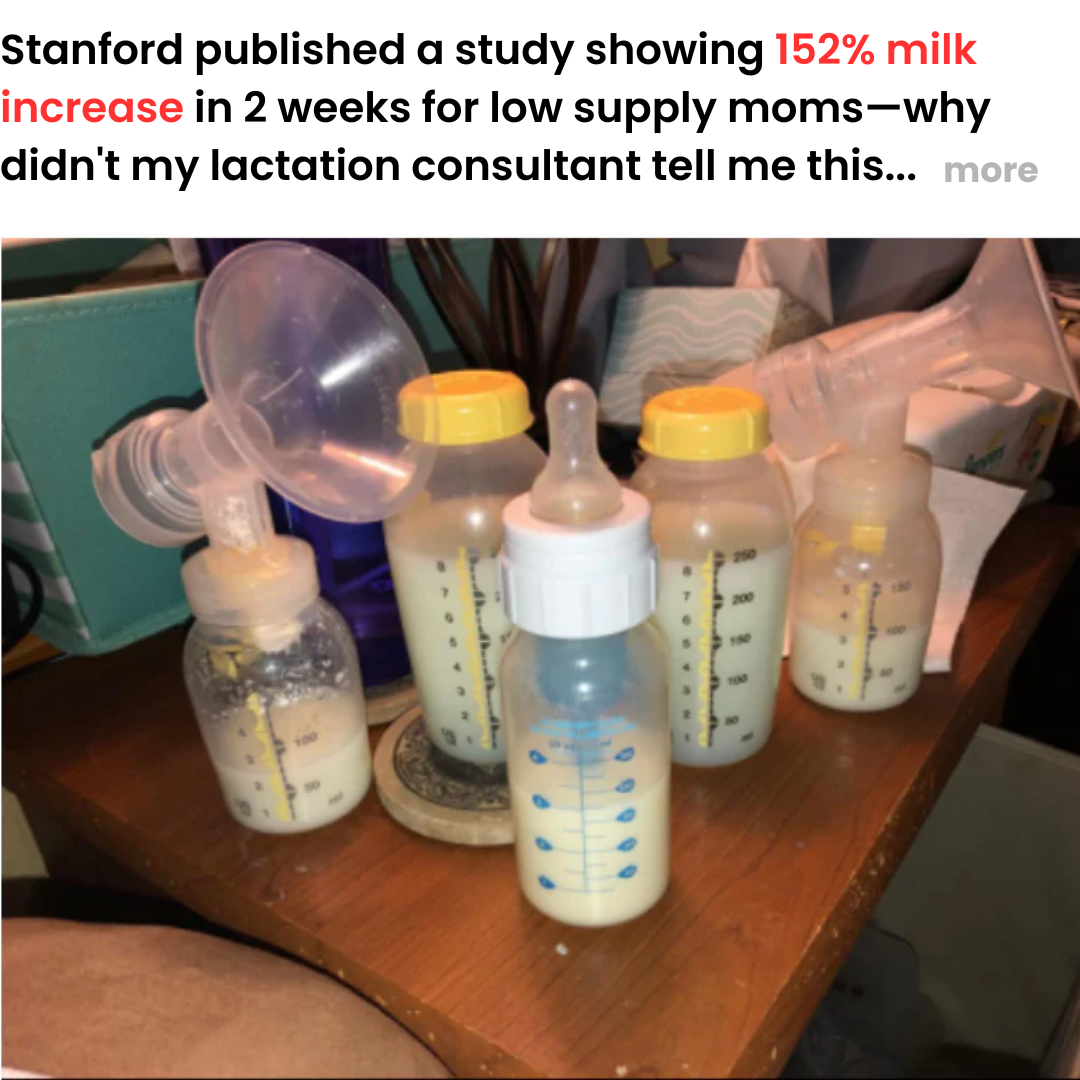
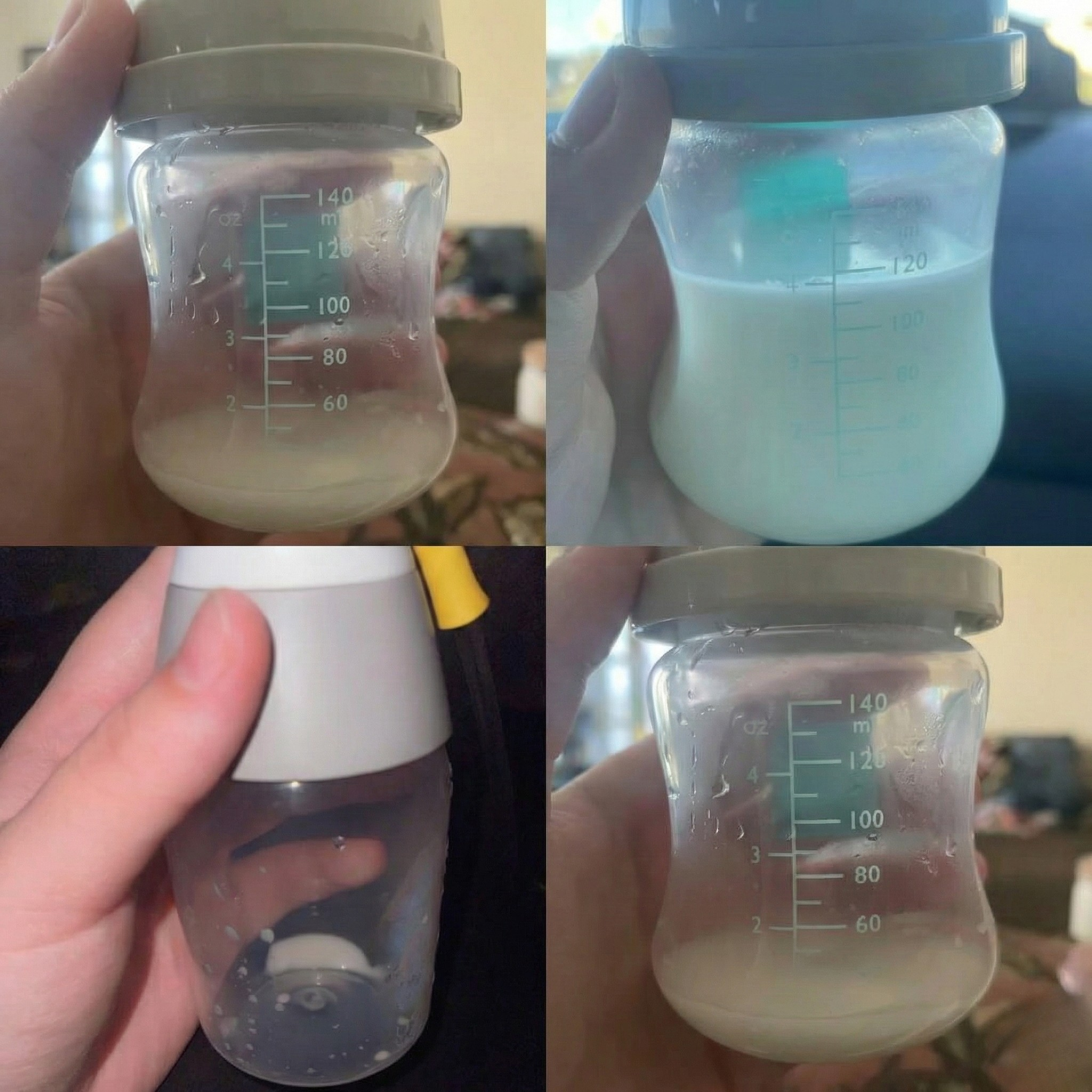
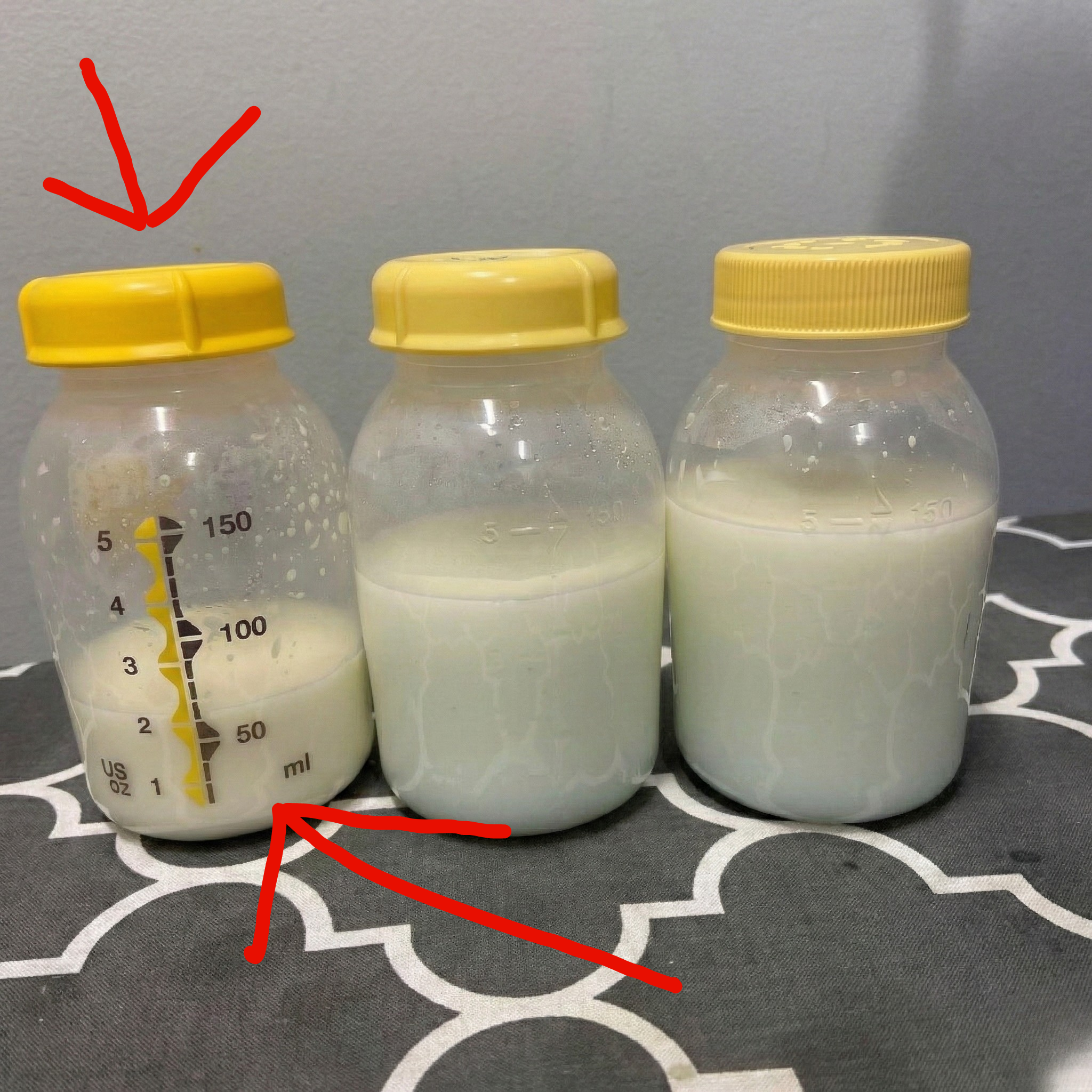
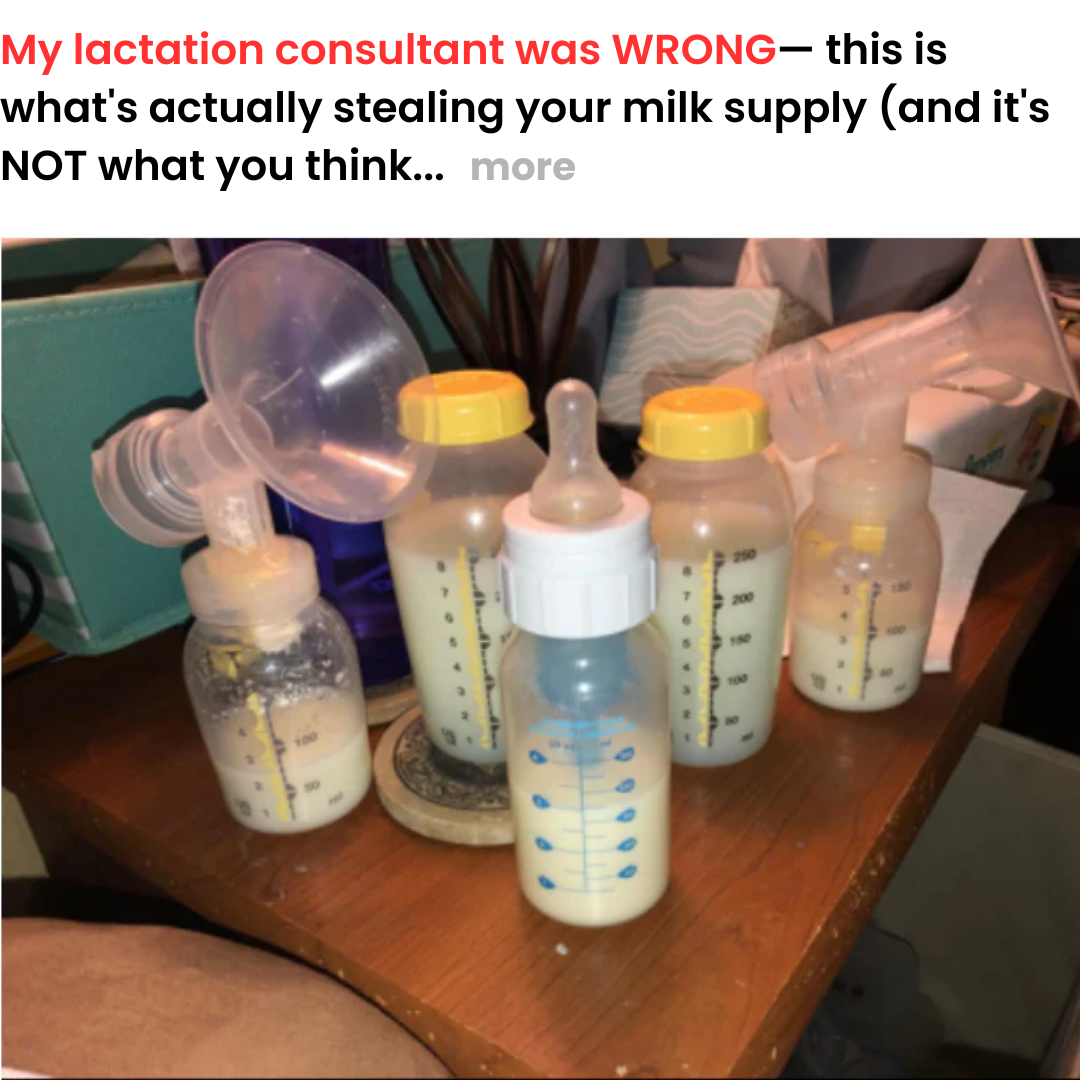
Please STOP buying lactation supplements. I know that sounds crazy, but every time you take fenugreek, drink Mother's Milk tea, or eat those overpriced cookies, you're actually ignoring what's REALLY depleting your supply. Let me explain. The pediatrician looked at my son's weight chart and said the words that made my stomach drop: "He's falling off his growth curve." It was 2:47 AM three nights later when I finally broke. I was on the bathroom floor. Pump running. Again. After 20 minutes of pumping, there was maybe an ounce in the bottle. Maybe. Noah was screaming in his bassinet. That hungry cry that goes straight through your chest. My husband was walking him in circles, bouncing, shushing, trying anything. And I was sitting there staring at that pathetic amount of milk thinking: my body can't even feed my own baby. I'd been pumping every two hours for five weeks straight. Every. Two. Hours. Even at night. Especially at night. I drank so much water I felt like I was drowning. I ate oatmeal until I wanted to throw up just looking at it. I took fenugreek capsules that made me smell like IHOP. I spent $87 on lactation cookies from that fancy brand everyone swears by. I drank the Mother's Milk tea that tasted like black licorice mixed with dirt. I tried power pumping. Warm compresses. Massage. Skin to skin for hours. Nothing changed. I was making maybe 10 ounces a day. Total. Noah needed 25. We were giving him formula after every feeding. Watching him gulp it down desperately because he was still starving after nursing. My freezer was completely empty except for frozen pizza and ice cream. Meanwhile the mom groups on Facebook were full of women complaining about oversupply. About having too much milk. About freezers so full they had to give milk away. I stopped looking at Instagram because every other post was someone's overflowing freezer stash. My mother-in-law kept asking if I was "eating enough" in this tone that made it clear she thought I was doing something wrong. The pediatrician had started every appointment with "so how's breastfeeding going?" in a way that felt like a test I was failing. My own mom said "well I couldn't breastfeed either, maybe you just can't." Like it was genetic. Like my body was just defective. I started believing her. Started thinking maybe I was one of those women who just can't make enough milk. That I should stop torturing myself and just switch to formula completely. But I didn't want to stop. I wanted this so badly it physically hurt. So there I was at 2:47 AM, sitting on cold bathroom tile, connected to a pump, crying so hard I could barely see. My phone was next to me. I'd googled "why can't I produce enough breast milk" so many times the search bar auto-filled it. I clicked on a link I'd probably seen before but ignored. Some study from a hospital in Manila. Medical jargon. Charts I didn't understand. I almost closed it. Then I saw one sentence in the results section: "Lactating mothers supplemented with Moringa oleifera demonstrated mean increase in milk volume of 152% compared to control group, with statistically significant results observable within 5 days." I read it again. 152% increase. Within 5 days. I'd never heard the word moringa in my life. It wasn't in any of the lactation cookie recipes I'd tried. Not in any of the mom groups. My lactation consultant never mentioned it. I clicked another link. Then another. Study after study. From the Philippines. India. Nigeria. Senegal. All showing the same results. Significant increase in milk production. Within days. With moringa. My hands were shaking as I kept reading. One study had a whole section on why low supply happens. And it wasn't what anyone had told me. It wasn't about stress. Or not drinking enough water. Or bad technique. Or not pumping enough. It was about severe nutritional depletion. The study explained it in a way that actually made sense: Your body needs massive amounts of specific nutrients to make breast milk. Iron. Calcium. Vitamin A. B vitamins. Magnesium. Zinc. Pregnancy depletes your stores of these nutrients. Birth depletes them even more. Then you're supposed to produce 25-30 ounces of nutrient-dense milk every single day. From nothing. From a body that's already running on empty. The study said over 60% of postpartum women are severely deficient in at least three of the key nutrients required for lactation. I sat there on the bathroom floor and everything suddenly made sense. The bone-deep exhaustion that felt different than just being tired from night wakings. The dizziness every single time I stood up too fast. The brain fog so bad I'd forget what I was saying mid-sentence. My hair falling out in clumps every time I showered. The weird rash on my hands that wouldn't go away. I wasn't just sleep-deprived. I was completely, utterly depleted. And I'd been trying to make milk for another human while my own body had nothing left. That's why the lactation cookies weren't working. They had some oats and brewer's yeast but nowhere near the nutrient density my body was screaming for. That's why the fenugreek wasn't working. It was trying to stimulate production but there was nothing there to stimulate. Like pressing the gas pedal on a car with an empty tank. I kept reading about moringa. It wasn't a galactagogue like fenugreek or blessed thistle. It wasn't trying to force my body to make more milk. It was giving my body the actual raw materials needed to make milk. The studies showed moringa has more iron than spinach. More calcium than milk. More Vitamin A than carrots. Seven times more Vitamin C than oranges. More protein than yogurt. And it's been used for thousands of years by nursing mothers in countries that actually understand postpartum nutrition. All those countries where extended breastfeeding is normal. Where low supply is rare. They'd known about this the whole time. I wasn't broken. I was just empty. I ordered moringa capsules at 3:14 AM while Noah was finally sleeping and my husband was passed out on the couch. I paid extra for overnight shipping because I couldn't wait another week. The next afternoon when the package arrived, my hands were actually shaking as I opened it. I didn't expect anything to happen fast. The studies said 3-5 days for results. But that night something happened that hadn't happened since the hospital. I woke up at 4 AM completely soaked. My shirt was wet. The sheets were wet. My nursing pads were saturated. I was leaking everywhere. I hadn't leaked once since my milk supposedly "came in" six weeks ago. Not a single time. The lactation consultant said some women just don't leak. But now I know the truth. You can't leak what you're not making. I grabbed my pump with shaking hands. I got 4 ounces. Four full ounces in one session. Then I pumped again two hours later and got 5 ounces. I sat there staring at the bottles in the early morning light and started laughing and crying at the same time. My husband came in and found me like that, holding up the bottles, tears streaming down my face. "Look," I whispered. "Look how much." By day three I was getting 6-7 ounces every pump session. My bottles were actually full for the first time ever. I could see the cream line at the top where the fat separated. By day five Noah nursed for 20 minutes and pulled off on his own. No rooting around desperately for more. No frustrated crying. No frantic feeding like he was starving. He just unlatched, milk drunk, with milk running down his chin, and fell asleep. I sobbed holding him. By the end of week two I had to buy freezer bags because I was making more milk than Noah could drink. I started filling bags. Labeling them with dates. Stacking them in the freezer. Those neat rows of frozen milk I'd seen in other moms' photos were finally in MY freezer. But it wasn't just the milk. I had energy. Real energy. Not jittery coffee energy but actual human energy. I could think clearly again. The brain fog lifted. I stopped feeling dizzy when I stood up. My hair stopped falling out in the shower. The rash on my hands disappeared. I felt like myself for the first time since giving birth. And Noah was thriving. Growing. Happy. His cheeks filled out. His little thighs got chunky. At his next weight check the pediatrician looked at the chart and then at me. "Whatever you're doing, keep doing it. He's back on his curve." No more formula top-offs. No more anxiety watching the ounces in each bottle and calculating if I'd have enough for the next feeding. No more feeling like a failure every time my baby cried. I got to have the breastfeeding relationship I'd dreamed about when I was pregnant. Those quiet early morning nursing sessions when we're both half asleep and the house is silent. The way Noah reaches up and grabs my finger while he eats. How he looks up at me with those big eyes and I can see that he's satisfied. Full. Content. Knowing my body can give him exactly what he needs. I almost lost that. I almost gave up at week six because I thought something was wrong with me. Because I spent six weeks believing my body was broken. And what makes me angry now is that nobody told me the truth. Not my OB. Not the pediatrician. Not the hospital lactation consultant. Not any of the baby books I read. Nobody mentioned that postpartum nutritional depletion is one of the leading causes of low milk supply. They just kept telling me to pump more. Drink more water. Eat more oatmeal. Try power pumping. Take fenugreek. Drink the tea. Buy the cookies. But you can't make something from nothing. And all those supplements I bought - the fenugreek, the blessed thistle, the brewer's yeast - they were trying to force production without giving my body the actual nutrients it needed to produce. Like yelling at an empty printer to make copies instead of adding paper and ink. Or whipping a starving horse to run faster instead of feeding it. I think about myself on that bathroom floor at 2:47 AM. Crying. Broken. Believing I was defective. I wish I could go back and tell her: You're not broken. You're not failing. You're depleted. And there's a solution. I'm sharing this because I know someone is reading this right now from their own bathroom floor. Crying at 2 AM connected to a pump that's barely producing anything. Exhausted from trying everything. Feeling like a failure. Ready to give up on something they desperately wanted. Your body is not broken. You don't have a low supply gene. You don't have insufficient glandular tissue. You don't have bad breast anatomy. You're just empty. Completely depleted of the nutrients your body needs to make milk. And everyone keeps telling you to try harder instead of telling you to refuel. Moringa gave me back my breastfeeding relationship with Noah. It gave me back those precious moments I almost lost. The quiet nursing sessions. The satisfaction on his face. The knowledge that my body can provide for him. The freezer stash I never thought I'd have. The confidence that came from finally understanding what was actually wrong. I almost gave all of that up because nobody told me what was really happening. So I'm telling you now. If you've tried everything and nothing's working, it's not you. There's a reason your supply is low. And there's hope. You don't have to feel like this anymore.
Like this ad? Make it yours.
Crush rebuilds this exact creative around your product — your brand, your colors, your offer — in about a minute.