
Active· since Jan 26, 2026
- 230
- days running
- 1
- relaunches
Ad copy
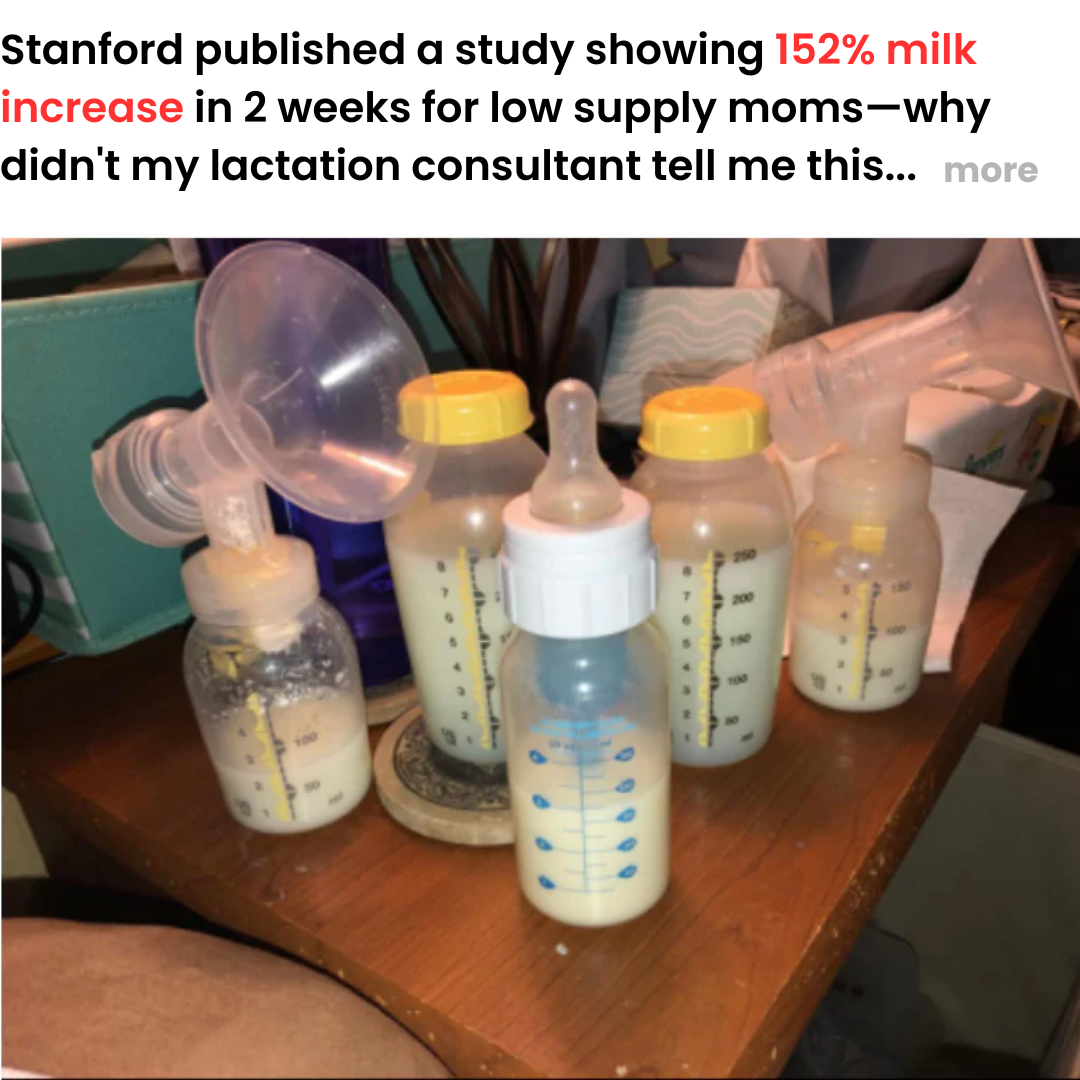
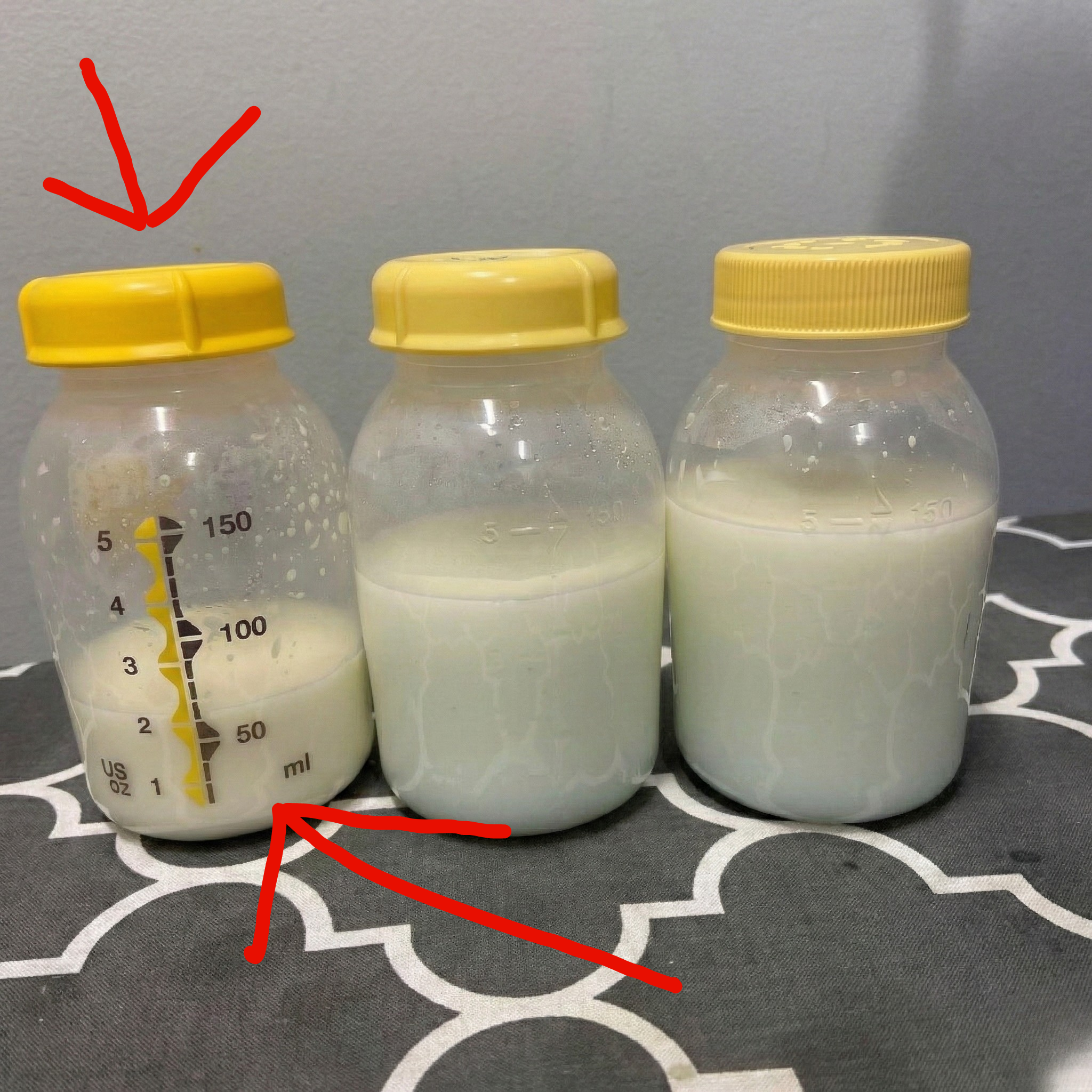
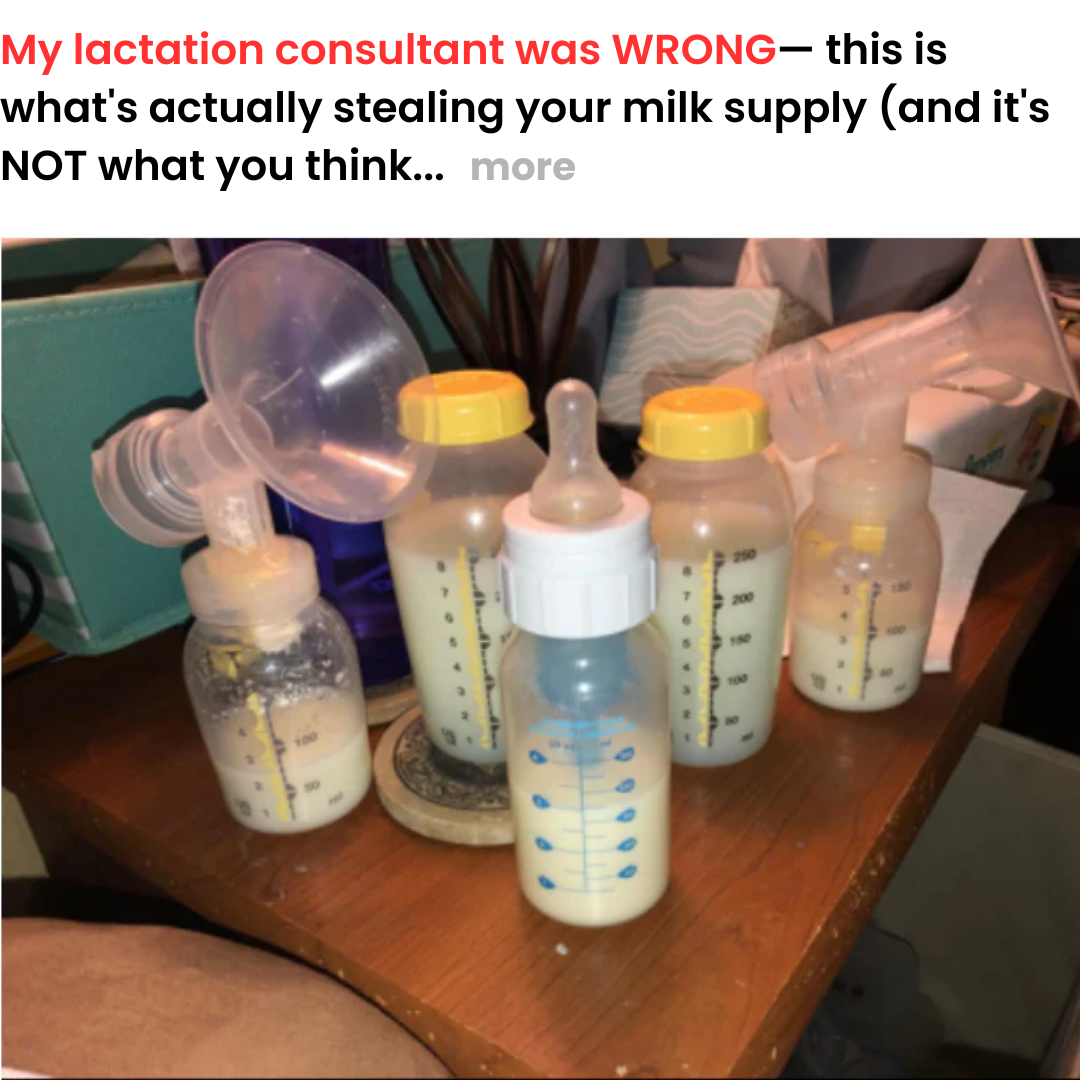
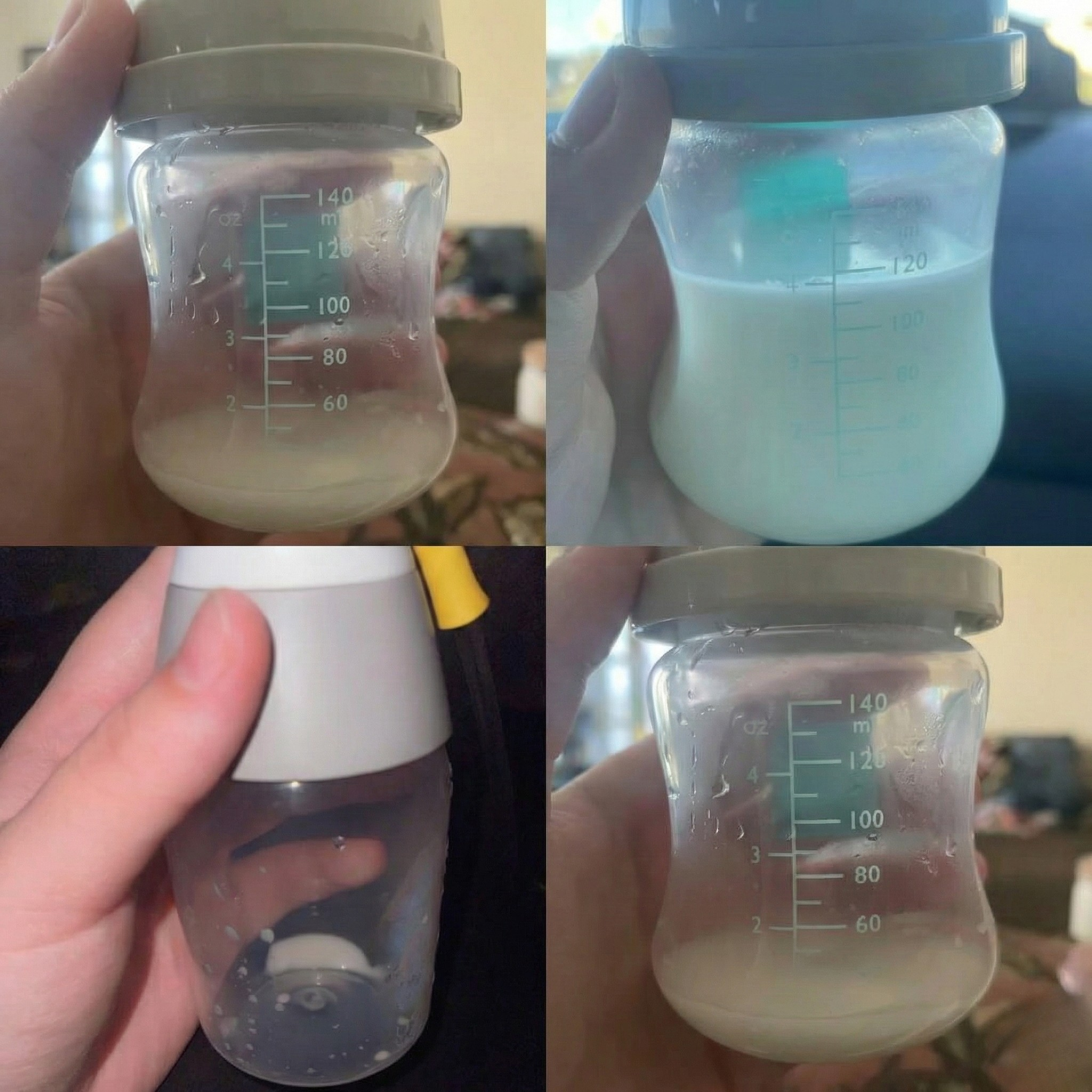
The little hormone that's draining your milk supply (and why pumping more won't fix it). For the first six weeks postpartum, I was a milk-making machine. I'm not bragging. I was genuinely proud of it. Every pump session: 10-12 ounces. Sometimes 15. I was making 60 ounces a day. Easy. Maya only needed about 25. My freezer was packed. I had three full shelves of frozen milk bags, neatly labeled and dated. I donated 200 ounces to a milk bank. Other moms in my Facebook groups talked about low supply, and I felt guilty even participating in those conversations because my "problem" was the opposite. I had oversupply. Not a humble brag. It came with its own issues—engorgement, leaking through shirts, clogged ducts. But at least I never worried about having enough. Until week seven. That's when everything changed. My period came back. I wasn't expecting it. I was exclusively breastfeeding. Everything I'd read said you don't get your period back while exclusively breastfeeding. But there it was. And within three days, I noticed something. My morning pump—which usually gave me 12-15 ounces—gave me 10. I didn't think much of it. Bodies fluctuate. Maybe I was dehydrated. I drank more water. The next day: 8 ounces. The day after: 7 ounces. By the end of the week, my total daily output had dropped from 60 ounces to 45. I told myself it was fine. I was still making plenty. Maya only needed 25. But it kept dropping. Week eight: 38 ounces a day. Week nine: 30 ounces. I started pumping more often to compensate. I added an extra session in the middle of the night. Another one in the afternoon. I was pumping eight times a day instead of six. But my output kept falling. By week ten, I was pumping nine times a day and barely making 22 ounces. I watched my freezer stash start to disappear. Those neat rows of frozen milk I'd been so proud of? I was using two bags a day to make up the difference. I did the math. At this rate, my freezer stash would be gone in six weeks. And my supply was still dropping. I was terrified. What if I went to zero? What if after all those weeks of oversupply, I ended up with nothing? I started obsessively tracking every pump session in a spreadsheet. Morning: 4 ounces (used to be 15) Mid-morning: 3 ounces (used to be 8) Afternoon: 2 ounces (used to be 10) The numbers didn't lie. I was in freefall. I tried everything. I drank a gallon of water a day. Maybe more. I ate oatmeal at every meal. I bought lactation cookies. Took fenugreek. Drank the terrible-tasting tea. I power-pumped after every regular session—pumping for 10 extra minutes to "tell my body to make more." I was pumping 10 times a day. My whole life revolved around the pump. But my supply kept dropping. By week twelve, I was making 16 ounces a day. Sixteen. Down from sixty. I'd lost 44 ounces of daily production in five weeks. And I had no idea why. I was doing everything right. More than right—I was pumping MORE than I had been when I was making 60 ounces. How was I pumping MORE and getting LESS? It didn't make sense. I posted in my mom group: "Has anyone else lost their supply after their period came back?" The responses flooded in. "YES! Mine tanked." "Same thing happened to me. Went from 50 ounces to 20 in two weeks." "My LC said it's hormonal. Some women just lose it when their period returns." That phrase sat with me: "Some women just lose it." So this was normal? Just bad luck? There was nothing I could do? I wasn't ready to accept that. I kept researching. That's when I found a forum post that changed everything. A mom explaining the actual mechanism of what happens when your period returns. She wrote: "Your period coming back means estrogen is back. Estrogen SUPPRESSES prolactin—the hormone that tells your body to make milk. So even if you're pumping constantly and doing everything right, if your estrogen is high, your prolactin can't do its job. You're basically fighting against your own hormones." I read it three times. Estrogen suppresses prolactin. That's why pumping more wasn't working. I wasn't dealing with a supply-and-demand problem. I was dealing with a hormonal interference problem. Pumping sends the signal to make milk. But if the hormone that RECEIVES that signal is being blocked by estrogen, the signal doesn't matter. It's like turning up the volume on a radio when the antenna is broken. The signal is there. But it can't get through. I sat there at my kitchen table, looking at my pump log, and felt a wave of relief mixed with frustration. Relief because: I wasn't doing anything wrong. Frustration because: How was I supposed to fight my own hormones? I kept reading that forum thread. The same mom mentioned that her lactation consultant told her some mothers can maintain supply through hormonal changes if their bodies have enough nutrient support to keep prolactin production high even when estrogen is present. She said most postpartum women are so depleted that when the additional stress of estrogen suppression hits, their bodies just can't keep up. But if you replenish the specific nutrients needed for prolactin production, your body can compensate. She mentioned moringa. I'd heard of moringa before—someone in another thread had mentioned it for general low supply. But I didn't realize it specifically helped with hormonal interference. I started digging into research. That's when I found studies from the Philippines about postpartum women experiencing supply drops after hormonal changes. One study specifically looked at mothers whose supply had decreased after their period returned or after starting birth control. They gave half the mothers standard lactation support—more pumping, hydration, galactagogues. They gave the other half moringa. The results were dramatic. The mothers taking moringa saw their supply stabilize within days and begin recovering within a week. The control group continued to decline. The study explained that moringa contains compounds that support prolactin production even in the presence of elevated estrogen. It doesn't block estrogen. But it gives the body the resources to maintain prolactin levels despite the interference. I found another study from India with similar results. Women experiencing supply loss due to hormonal changes—stress, returning period, birth control—saw supply stabilization and recovery with moringa supplementation. Not just maintaining what they had. Actually recovering what they'd lost. I looked at my pump log. Week twelve: 16 ounces a day. At this rate, I'd be completely dry in a month. I had nothing to lose. I found PureRoot Moringa—organic, lab-tested, specifically formulated for breastfeeding mothers. The reviews were full of women with stories like mine. "Lost my supply when my period came back. Moringa brought it back in less than two weeks." "Went from 60 ounces to 18 ounces. Started taking this and I'm back up to 45 ounces." "I thought once it dropped, it was gone for good. This proved me wrong." It was 10 PM. Maya was asleep. My pump was sitting on the counter, mocking me. I ordered it. Two days later it arrived. I took two capsules with dinner. I didn't expect miracles. The studies said it took 3-7 days to see changes. But the next morning, something different happened. My first pump session—which had been giving me 3-4 ounces—gave me 5 ounces. I stared at the bottles. Was it a fluke? I pumped again at my usual time, three hours later. Four ounces. Not the 2 I'd been getting. By day three, my daily total was 20 ounces instead of 16. By day five, I hit 24 ounces. By the end of week one, I was consistently making 28-30 ounces a day. Not quite back to my original 60. But more than enough for Maya. And the number stopped falling. For the first time in five weeks, my supply wasn't in freefall. It had stabilized. By week two, I was back up to 35 ounces a day. I stopped dipping into my freezer stash. By week three, I was making 40 ounces a day and starting to rebuild my freezer supply. My period came and went the next month. I braced myself for another drop. It didn't come. My supply dipped slightly for two days—down to 36 ounces—then bounced right back to 40. For the first time since my period returned, I felt like I had control again. I wasn't fighting a losing battle against my hormones. My body had what it needed to maintain prolactin production even when estrogen tried to suppress it. At Maya's four-month checkup, the pediatrician asked if I was still breastfeeding. "Exclusively," I said. She smiled. "That's wonderful. Keep it up." I didn't tell her about the five weeks I'd spent watching my supply disappear. About the terror of thinking I'd go from oversupply to nothing. About the 44 ounces I'd lost and didn't know if I could get back. But I thought about all the other moms out there right now experiencing the same thing. Moms who had great supply and watched it disappear after their period came back. Moms who are pumping MORE and getting LESS and can't figure out why. Moms being told "some women just lose it" like it's inevitable. Nobody tells you that hormonal changes can destroy your supply. That estrogen suppresses prolactin. That you can do everything right—pump constantly, drink water, eat oatmeal, take all the supplements—and still lose your supply if the hormonal interference is blocking the signal. And nobody tells you there's a solution. That you can support prolactin production even when estrogen is present. That the supply you lost can come back. I was lucky. I found out before my freezer stash ran out. Before I hit zero and gave up completely. If you're reading this and your supply has tanked since your period came back... If you had great supply and suddenly you're barely making enough... If you're pumping more than ever and getting less than ever... It's not you. It's your hormones. You can't pump your way out of hormonal interference. Pumping sends the signal. But if estrogen is blocking prolactin, the signal can't get through. You need to support your body's ability to produce prolactin despite the estrogen. That's why pumping more wasn't working. That's why water and oatmeal and fenugreek weren't working. They don't address hormonal interference. That's why moringa worked when nothing else did. It gave my body the nutrients to maintain prolactin production even when my hormones were working against me. The same plant nursing mothers have used for thousands of years in countries where extended breastfeeding through multiple menstrual cycles is normal. I'm not selling anything. I'm just a mom who went from 60 ounces to 16 ounces in five weeks. Who thought "some women just lose it" and I was one of them. Who found out there's a biological reason and a biological solution. You don't have to watch your supply disappear. You don't have to drain your freezer stash. You don't have to accept that once it's gone, it's gone. You just need to give your body what it needs to fight the hormonal interference. Not more pumping. Hormonal support. I left a link below to where I got mine if you want to try it. They still have that 90-day guarantee, so there's no risk. You have nothing to lose and everything to get back.
Like this ad? Make it yours.
Crush rebuilds this exact creative around your product — your brand, your colors, your offer — in about a minute.