
Inactive· since Aug 18, 2026
- 20
- days it ran
- 0
- relaunches
Ad copy
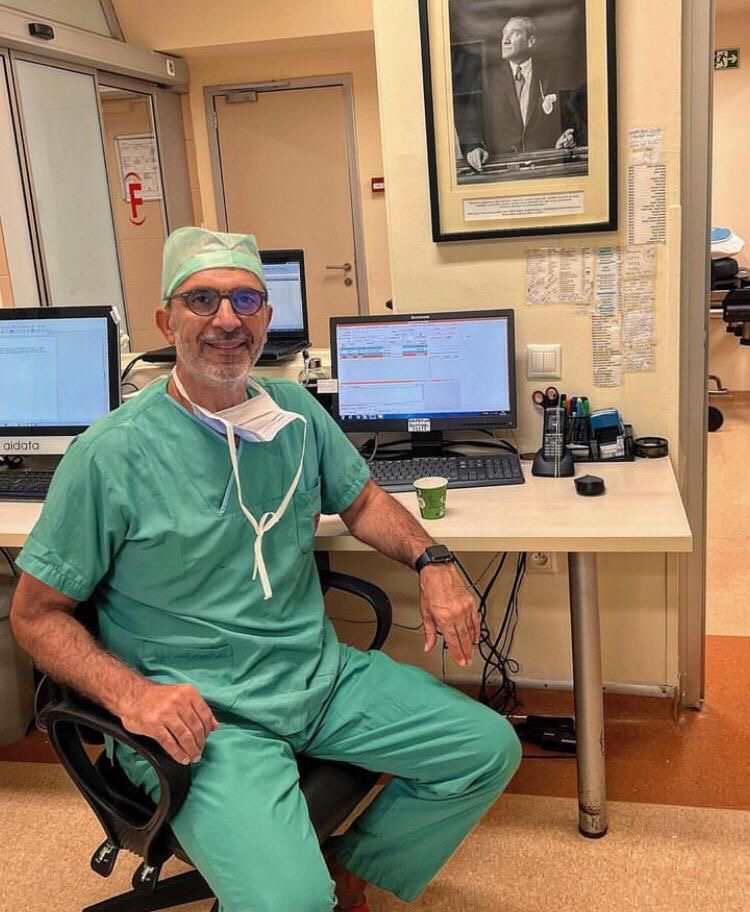
I'm a cardiologist. And I don't care how many miles you're walking. I don't care that the salt shaker came off your table two years ago. I don't care that your last reading was one twenty-eight over eighty-two on the pill. If you are on a blood pressure medication — and especially if the dose has been raised, or a second one added — walking is not going to give one vessel wall its give back. I have watched too many patients do everything right and get handed a third prescription anyway. That's why I ask every new patient the same two questions before I look at a single number. Question 1. Do you have a dry cough that never brings anything up? Question 2. Have your ankles been swelling — or has your ring stopped coming off? If you can answer yes to either one, I need you to read this before your next appointment. Most patients have to think about the cough. Some blame the shop, the season, allergies. Some have had it two years and seen an ENT. When they say yes, I know which drug is in their cabinet before I open the chart. Most patients answer yes to the ankles faster. Somebody already noticed. Cut the salt. Elevate your legs at night. Water pill prescribed. When I hear that, I know two things. The swelling has been dismissed as salt or circulation for years. And the water pill has been masking the sign while the cause kept running. Both answers say the same thing, and it isn't that you're sensitive to a medication. It's that your vessels have to be forced now. A vessel that has to be pried open is a vessel that stopped opening on its own. And that didn't start the day the prescription did. Here is what almost nobody on a blood pressure medication has been told. Your reading is one measurement of force. One artery, one arm, one morning. That is all it measures. It does not see how much give is left in that artery's wall. It does not see the small vessels threading through your brain, your kidneys, the backs of your eyes. It does not see how much of the signal you have left to make. It reads how hard your vessels are clenched. Not what the clenching has already taken. Your blood vessels are muscle. They squeeze and they release, and the release happens on a signal, the way every muscle waits to be told. The signal is a molecule called nitric oxide. Your body makes it in the lining on the inside of the vessel — a layer thinner than tissue paper. After forty, you make about ten percent less of it every year. By fifty-five you're running on about half of what you had at thirty. Without enough of it the vessel does the only thing left to it. It clenches. It narrows. It hardens. Like a fist that forgot how to open. And your heart shoves to move the same blood through a pipe that stopped giving. The shoving is what your cuff reads. It doesn't come by days. It comes by years — and a thing that takes a little off you every year for fifteen doesn't feel like anything while it's taking it. That cough is not a side effect you're putting up with. It is evidence of how much force it now takes to hold your vessels open. The swelling is not a salt problem. It is a stiffness problem. And here is what I want you to understand about the walking. Exercise does raise the signal. Blood moving fast across that lining is one of the things that tells it to release. But it raises it only in the vessels feeding the muscle you're using, and only for as long as you're using it. You sit down in the truck afterward and it's gone inside the hour. The making itself — the production falling off since you were forty — is exactly where it was when you laced up. You can walk your five miles a day and your vessels are still clenched twenty hours out of twenty-four. Every heartbeat. Every night. Cutting sodium flattens the day's spikes. It does not return one degree of give to a vessel wall. I have watched this pattern for nineteen years. Patients come in controlled on paper. They walk. They swim. The shaker went in a drawer years ago. And the dose goes up anyway. The second drug gets added anyway. Their ankles swell anyway. Because none of it is aimed at what is actually happening. Now think about your medications. Lisinopril blocks the line that tightens the vessel, so what's left of the pipe sits looser than it would. It does not make one molecule of the signal — there is none in it to give. And that same line has business in your lungs. One valve, two flows. That's your cough, and it was never the dust. Amlodipine doesn't block. It pries. It holds the gate open with a bar, and a gate held open with a bar does stand open — I won't argue that. And the frame weeps. That's your ankles. That's your ring in a dish on the windowsill. The water pill takes fluid out so there's less volume to push. It gives the wall nothing, and it hides the one sign you had. And if they've added something to slow your heart down, that manages the shove. It doesn't touch what you're shoving against. It's also why you're tired. All of it is sandbagging a flood. The sandbags hold, the gauge reads fine, and the water behind them keeps rising. One managed number. Four prescriptions. Not one of them puts a single molecule of the signal back. I had a patient last year who proved this to me in the worst possible way. Hypertensive eleven years. Lisinopril, raised twice. Switched to amlodipine when the cough wouldn't quit. A water pill for the ankles. She walked four miles a day. No salt in her kitchen since 2019. Last spring she was one fifty-eight over ninety-six on two medications, with her ankles swollen enough that her shoes had stopped fitting. I told her what I always tell patients at that point. Cut the sodium further. Elevate the legs. We may need a third agent. She nodded. She left. Three months later she came back. One thirty-two over eighty-four — on one less prescription than the last time I saw her. She'd asked me at eight weeks to come off the amlodipine when the swelling went down, and I'd agreed to try it, fully expecting to put her back on it. My nurse took that reading three times before she wrote it down. Twice on the left arm, once on the right. Now understand me. One thirty-two over eighty-four is not a remarkable number — I have a hundred patients with better ones. What was remarkable is that she got there on one less prescription. And her shoes fit. I looked at her chart. Looked at her. What did you change? She reached into her purse and set a bottle on my desk. Heirloom beetroot. Thirteen hundred milligrams a capsule. Called Rosabella. I picked it up the way I pick up anything a patient brings me. Skeptically. Read the label. Set it down. Told her I was glad her numbers had improved and that we would keep watching. That night I could not stop thinking about the diastolic. The top number moves for a dozen reasons. The bottom number tracks the wall. And diastolic does not drop twelve points — not while a calcium channel blocker is coming out of the regimen, and not in a woman who had been escalating six years. At 11:30 PM I started reading. And here is what stopped me cold, sitting in my home office with nineteen years of cardiology behind me. The research on nitric oxide and dietary nitrate exists. Published for years, peer-reviewed, sitting in the cardiology literature that stacks up unopened on my own table — because a fifteen-minute appointment leaves no time to read it. There are two things in that root that nothing in your medicine cabinet does. Your body has two roads to the signal, not one. The road it makes itself, in that lining — and that one drains about ten percent a year after forty. Every man. It doesn't ask how you've lived. And a second road entirely: dietary nitrate, which your body converts into the same molecule by a route that doesn't run through the machinery that's failing. That road doesn't care how old you are. It only cares whether you walk it. The second thing is where it lands. Not the stomach. Not the blood in general. It converts at the inner lining of the vessel wall itself — the exact tissue where the making fell off. The pills work on the door. This works on the hinge. The walking cannot do this. The salt restriction cannot do this. The four prescriptions cannot do this. But there is a reason the beetroot powder in your cupboard and the beetroot capsules on Amazon do nothing either. There are three failure points on almost every beetroot supplement sold. Most fail on all three at once. Seed. Nearly every bottle is the modern grocery beet, bred for a hundred years to be bigger, sweeter, easier to ship. Every year they bred it sweeter, they bred the working part down. The beet that used to be medicine became candy. Drying. The active compound is tender. Commercial powders are spray-dried in hot air because slow costs money, and heat destroys it. Twist a capsule open over a saucer. If it's brown, it's dead. Dose. The research runs on thirteen hundred milligrams standardized. Most bottles hold five hundred milligrams of dust, and the ones that don't want you doing the arithmetic call themselves blends. Wrong seed. Wrong drying. Wrong dose. Three failure points at once. Rosabella is the heirloom Blutwurzel line — an uncrossed seed kept by hand by Plain families in Lancaster County for a hundred and fifty years, never bred toward sugar. Harvested after first frost. Shade-dried cool and slow, weeks instead of hours, never heat. Thirteen hundred milligrams a capsule, printed plain, no blend. An independent lab's certificate of analysis, published batch by batch. One capsule with water in the morning. That is the whole protocol. I have been recommending it to my patients for eight months. The pattern I see now is consistent enough that I have stopped being surprised. The first morning, about seventeen minutes in, most of them feel something. Warmth into the hands. A quiet under the chest. Day five, mornings change — the twenty minutes on the edge of the bed goes away, then the afternoon wall softens. Weeks four to six, the cuff moves. Theirs at the kitchen table first. Mine after. Weeks eight to twelve, the reading goes in the chart. One twenty-four over seventy-eight, in a man who was one forty-seven over ninety-two in June. Then the part that has to happen in this order. When the number comes down and holds, I reduce the dose, and sometimes I take the drug out. It is only then — after the drug comes out, not before — that the cough everybody blamed on the dust stops, the boots go on, and the ring comes off the windowsill. I have taken patients off amlodipine because there was no swelling left to treat. I have cut lisinopril doses in half and watched the cough leave with the dose. Every one of those reductions happened in my office, with readings written down. Nobody came off a blood pressure medication on their own, and you shouldn't either — stopping one without supervision can put you higher than where you started. Every one of them was on the same medication you are on. Every one was doing exactly what their doctor told them. And none of it was aimed at what was actually happening. I am not anti-medication. If your treatment is working, and the thing underneath it is actually improving instead of just being held down, keep taking it. But if you are on a blood pressure pill, and you're on the second one because the first gave you a cough, and your ankles have been swelling, and your reading is managed while everything underneath it keeps getting a little smaller — you deserve to know that the thing driving all of it had been declining for years, right where nobody was looking. The signal has to come back. Nothing else lets a vessel go. Buy three, get three free. Ninety-day money-back guarantee. If your mornings don't change, if your own cuff doesn't move, if you aren't sitting across from your doctor in ninety days talking about lowering a dose — send back what's left and get every dollar back. One capsule with water in the morning. Most patients feel something inside twenty minutes — and understand what that is: blood moving easier, not your pressure fixed by lunch. The wall comes back over weeks, and it shows up on a cuff. Give it ninety days. See what your mornings do. See what the cuff does. See what your doctor says about your dose. The stiffening you stop this year is the Tuesday morning you don't spend in a stroke unit. Every day the signal stays down, there's a little less give in the wall than the day before. Every day another morning reading a shade higher than the last. Every day another dose raised, another drug added, another thing your body used to do by itself handed to chemistry. If your ankles are swollen right now, your vessels are being forced right now. Walking will not stop it. The signal will. ~ Dr. Alan Rennick, MD, Cardiology, 19 years https://track.tryrosabella.com/cdc16426-3e48-40a7-9fad-21098084f6cf
Support stamina and heart health every day
LEARN MORELike this ad? Make it yours.
Crush rebuilds this exact creative around your product — your brand, your colors, your offer — in about a minute.