Dr. Yolanda Holmes
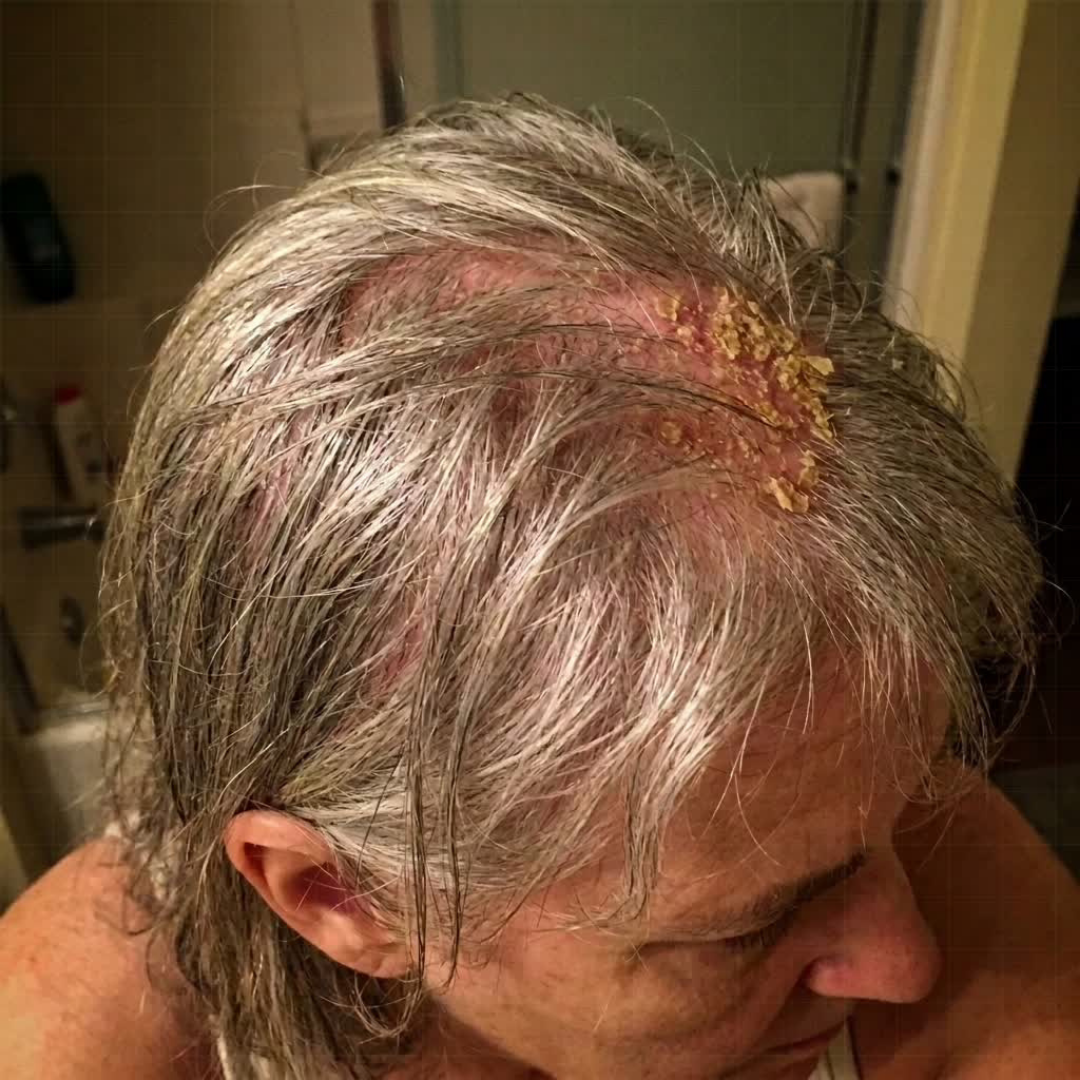
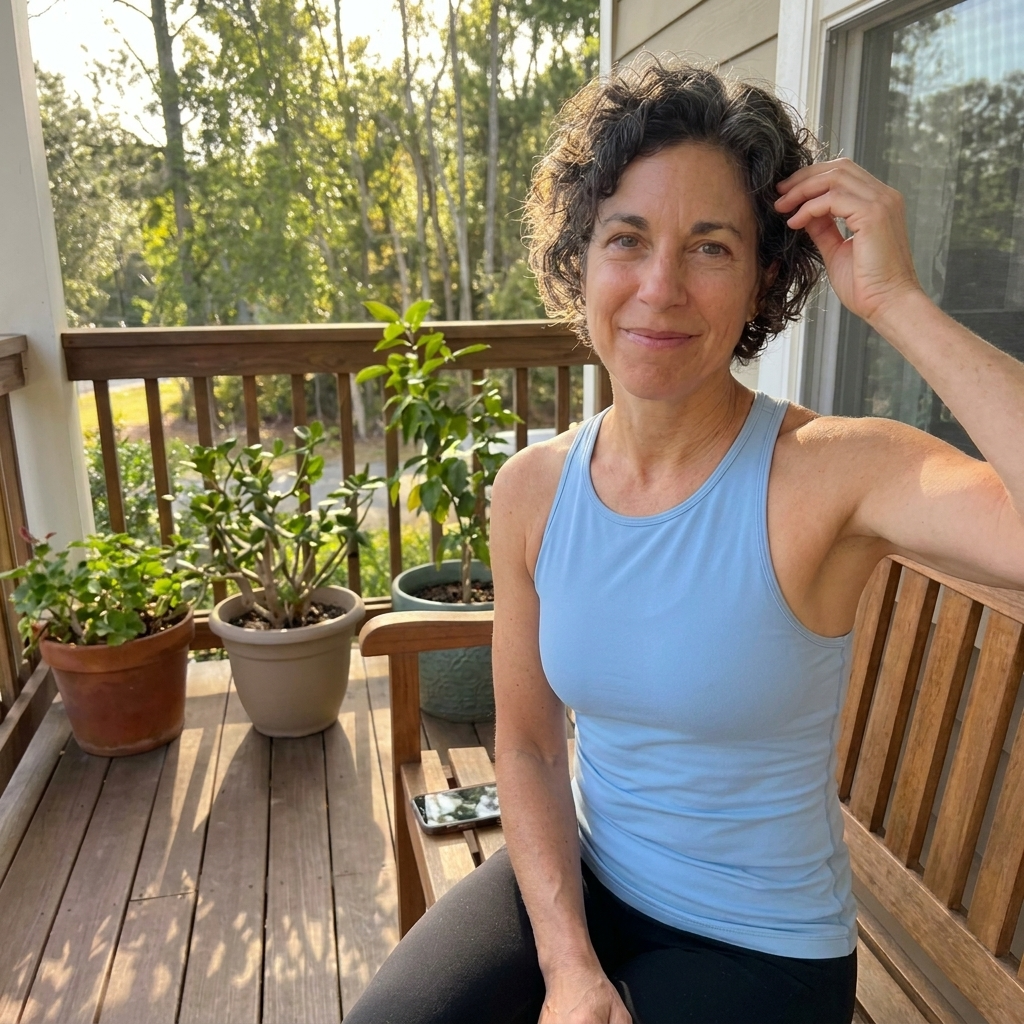
Dr. Yolanda Holmes Facebook ad: “Doc said it’s just menopause. She was WRONG.”
Ran for 4 days, from August 15 to August 19, 2026, the last day Crush saw it.
Run by Dr. Yolanda Holmes on Facebook. Crush is not the advertiser and does not verify its claims. See this ad in Meta's Ad Library(opens in a new tab)
Want an ad like this for your product?
Crush makes new ad images for your product from this ad: your logo, your product photo, your offer.
Trials from $19.95 USD, then $79.95 USD a month. Cancel anytime.
About this ad
- Meta Ad Library ID
- 1405555884975853
- Platforms
- Facebook, Instagram, Audience Network, Messenger and Threads
- Relaunches
- 0
- Niche
- Hair Care
Ad text
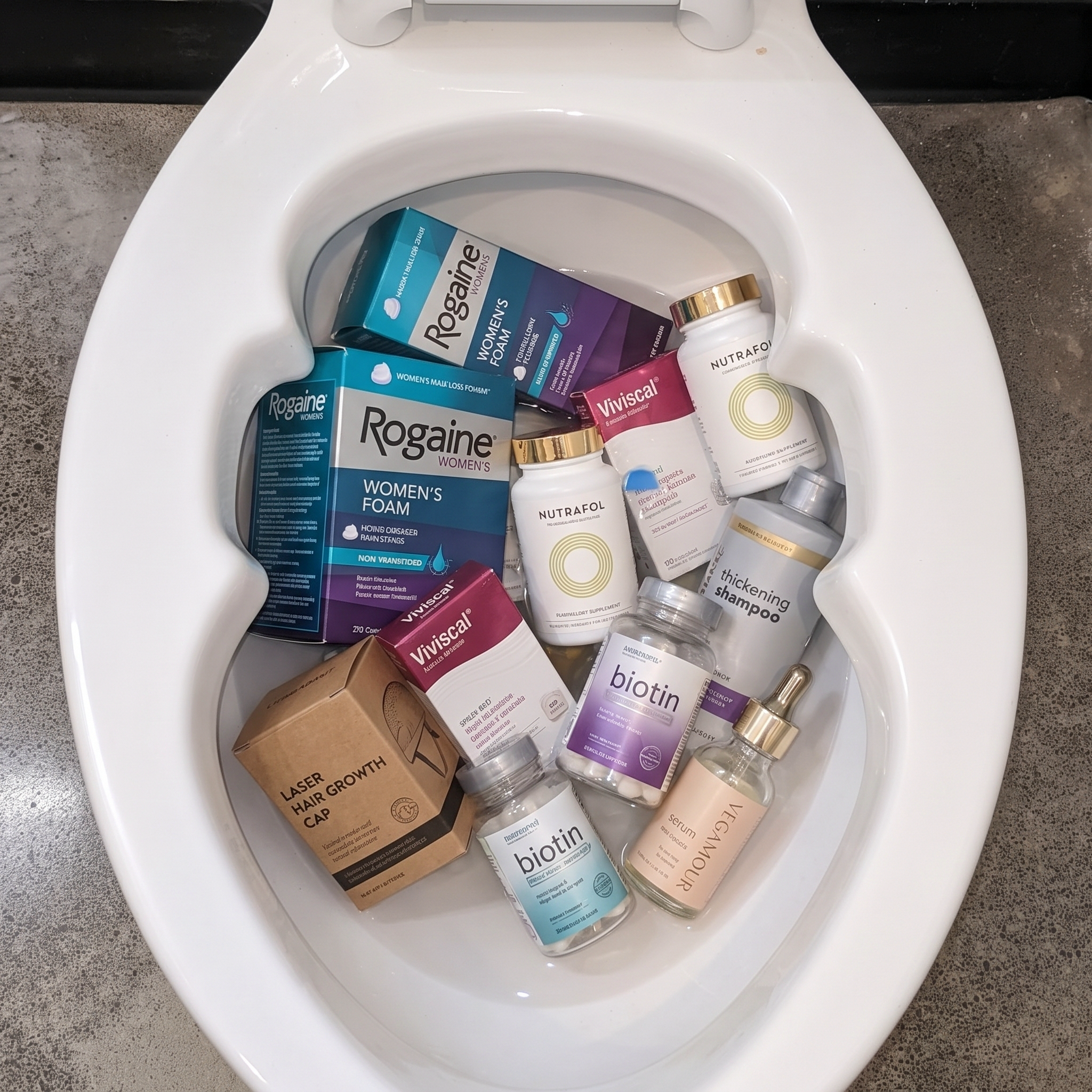
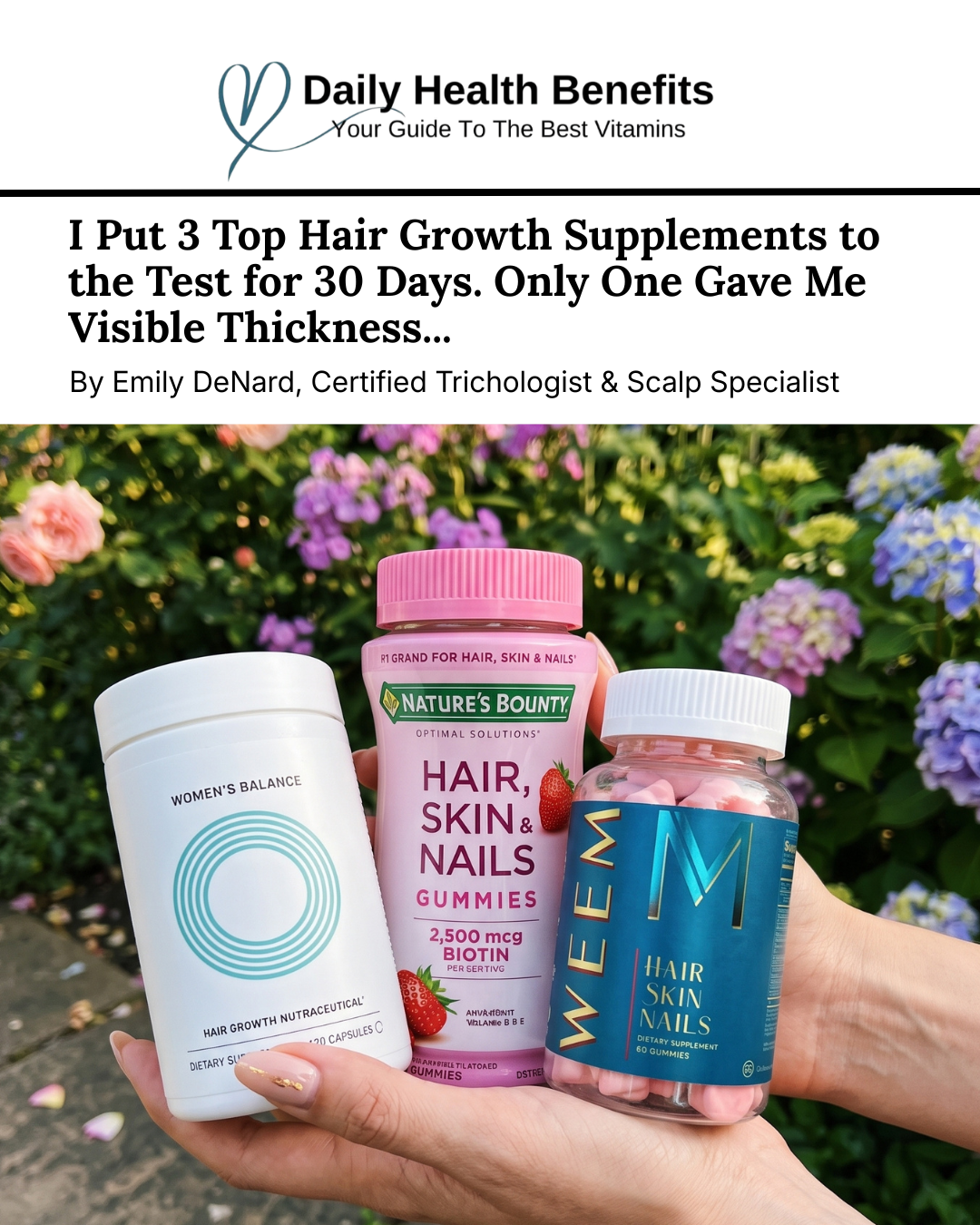
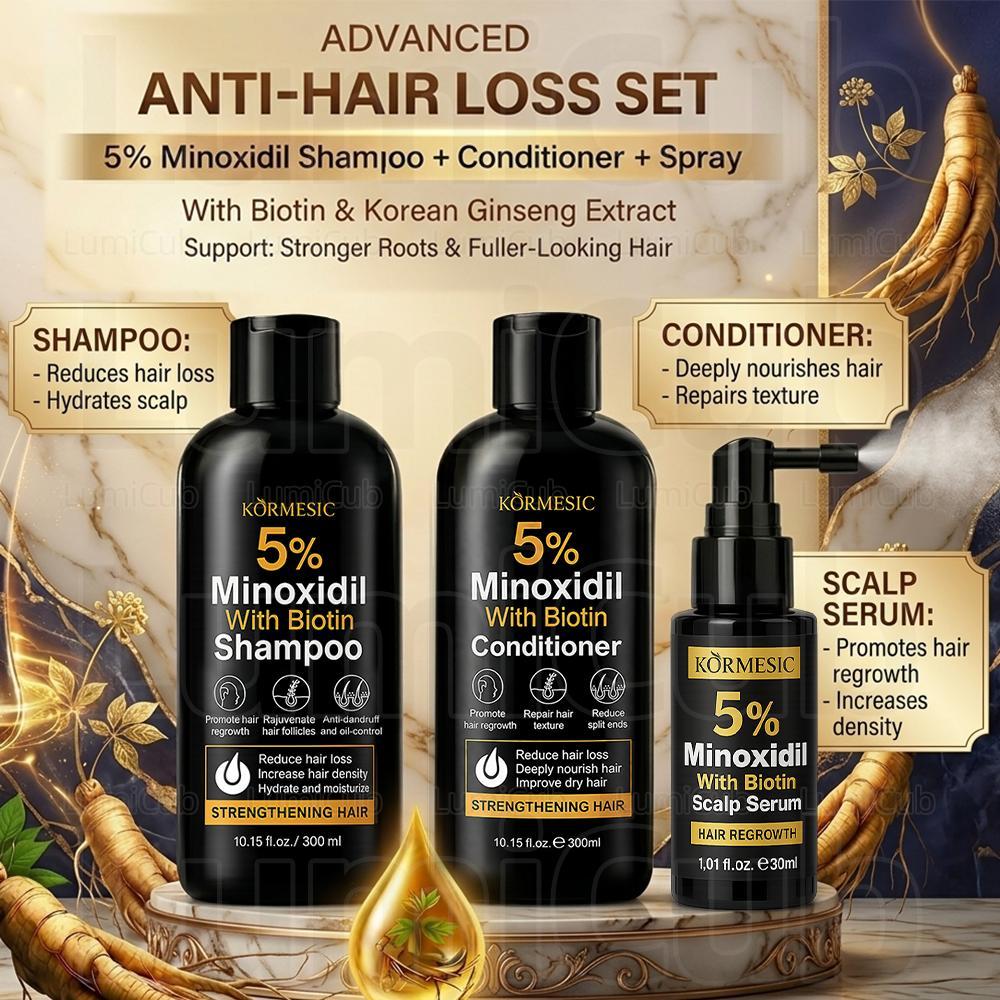
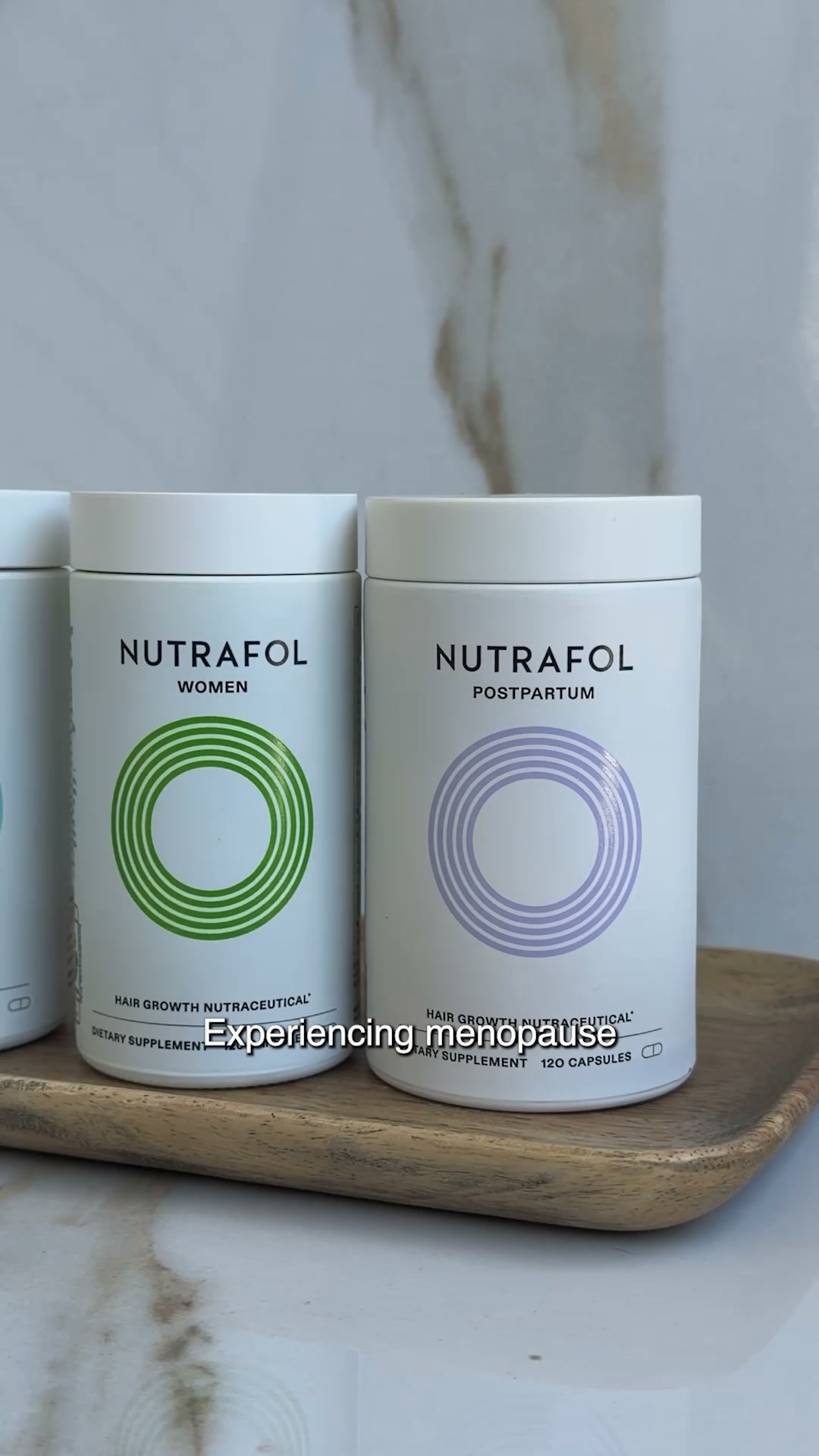
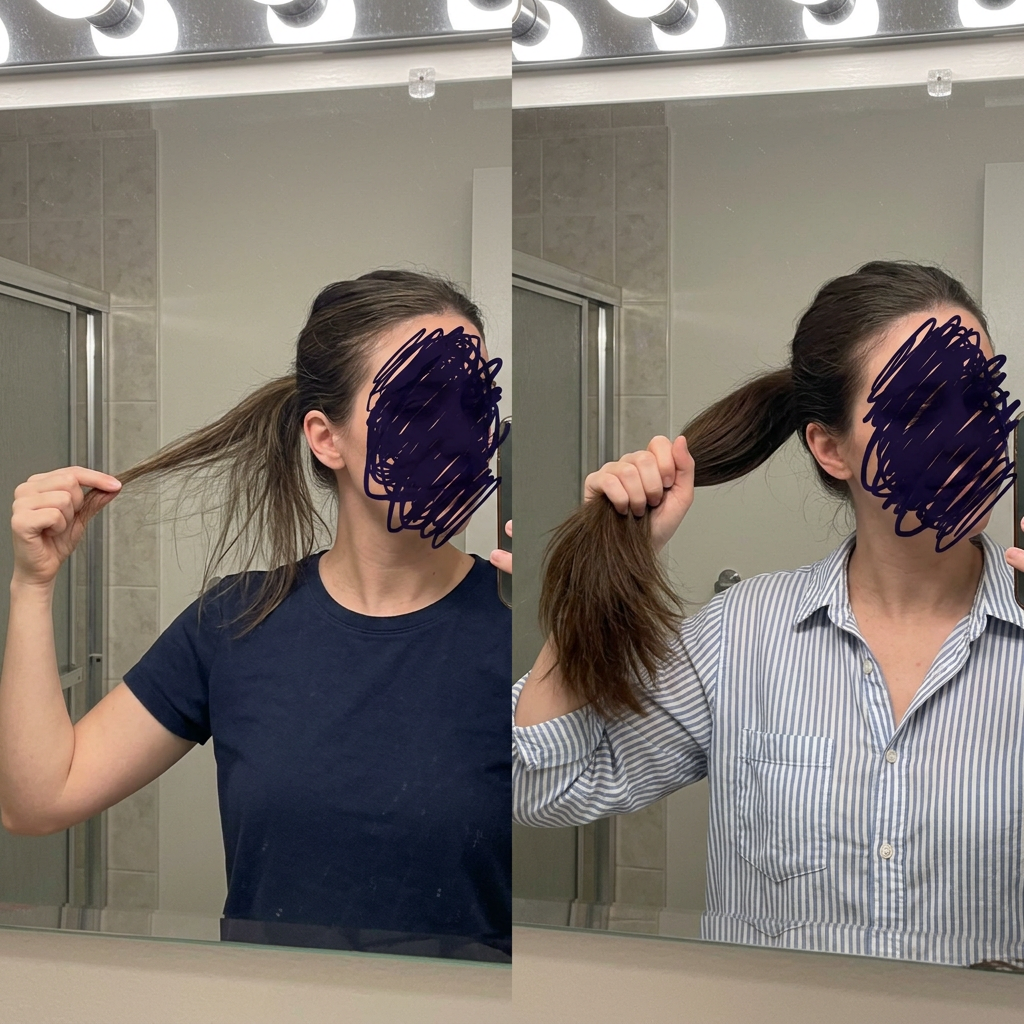
I can predict where menopausal thinning will strike before a client sits down. After 33 years owning a salon, I stopped selling profitable volume add-ons because this isn’t bad luck or menopause itself, it’s the unwarned hormonal shift afterward, and a natural nightly scalp shield may help restore the density that makes a woman recognize herself again. Hi, I’m Lisa Renner, and I’ve spent 33 years behind the chair watching what happens to women’s hair before they’re ready to talk about it. I’ve seen hundreds of clients go through the same quiet change, especially during their forties, fifties, and sixties. At first, it’s a little more hair around my fingers while I shampoo them. Then their part starts looking brighter under the salon lights. The hair near the temples becomes harder to style, and the crown stops holding the volume it used to. I can usually see the pattern before they say a word. Still, most women sit down and ask for layers, highlights, or a new way to hide the thin spots. They’ll laugh and tell me their hair is “just being difficult lately.” But I can see them watching the mirror while I work. They notice every time my comb passes over the wider part. They watch how carefully I move the hair around their crown. They’re waiting to find out if I’ll say the thing they’re already afraid is true. Sometimes they finally whisper, “Lisa, am I losing my hair?” That question still gets me after all these years. Because I know it usually didn’t start in the salon. It started with more hair in the shower drain. It started when the hairband wrapped around the ponytail one more time than it used to. It started with a photo taken outside where the sunlight made the scalp impossible to ignore. Then the checking begins. She checks her part before leaving the house. She touches the hair near her temples without even realizing she’s doing it. She compares today’s pictures with selfies from two or three years ago. She changes where she stands in family photos because she doesn’t want the light directly above her. She starts styling for coverage instead of styling for herself. And every wash day becomes a decision about how much hair she can emotionally handle seeing in her hands. That might sound dramatic to someone who has never experienced it. But women who have lived through it know exactly what I mean. You can be grateful for your health, your family, and your life while still feeling crushed by what’s happening to your hair. You can know that you’re loved and still miss the woman you used to recognize in the mirror. This isn’t about wanting perfect hair. It’s about wanting to sit under bright lights without wondering who can see your scalp. It’s about wanting your hairdresser to talk about color and style instead of camouflage. It’s about wanting your partner to notice how good you look without hearing, “It’s only hair.” And it’s about the fear that today’s wider part is only the beginning. I’ve watched women who are confident everywhere else become small in my chair. These are teachers, nurses, business owners, mothers, and grandmothers who spend their lives holding things together for everyone else. Yet with their hair, they feel completely out of control. They also blame themselves far more than they should. They wonder whether they colored it too often, wore it up too tightly, or failed to take the right vitamin soon enough. Then they start buying everything that promises thicker hair. First it’s biotin from the drugstore. Then it’s an expensive monthly supplement with a long ingredient list. Then comes the thickening shampoo, scalp massager, rosemary oil, laser cap, or minoxidil foam. I’ve had clients spend hundreds or even thousands of dollars while their ponytails kept getting smaller. Some saw no meaningful difference at all. Others tried minoxidil and became terrified when the shedding increased at the beginning. A few stopped because their scalps felt irritated or because they didn’t want a routine they believed they could never leave. By the time they talked to me, they weren’t gullible or looking for a miracle. They were exhausted. They wanted one honest explanation for why so many things had failed. For years, I thought my job was to help them hide the evidence. I used root sprays, powders, strategic layers, and every volume trick I knew. Those add-ons were profitable, and some helped a woman feel better for a day. But the relief disappeared the moment she washed her hair. I was selling the appearance of volume without addressing why the same areas kept looking thinner. I knew there had to be a better answer than another temporary cover-up. I also noticed something styling products couldn’t explain. The thinning followed a remarkably similar pattern after the hormonal changes of menopause. It showed up around the part, crown, and temples, even in women who were healthy and taking good care of themselves. That was the clue I couldn’t stop thinking about. I’m a hairdresser, not a physician, so I don’t diagnose hormones or promise medical outcomes. But I started listening closely to dermatologists who specialize in menopausal hair loss, including board-certified dermatologist Dr. Yolanda Holmes. What I learned finally made the pattern I had watched for decades make sense. Menopause itself isn’t a single moment that simply makes hair disappear. The important change can happen afterward, when lower estrogen levels leave the scalp and follicles with less of the support they once had. As that hormonal balance shifts, follicles may become more vulnerable to three overlapping pressures: DHT sensitivity, oxidative stress, and inflammation. DHT sensitivity can contribute to follicle miniaturization, oxidative stress can strain the environment around the follicle, and inflammation can make the scalp less comfortable and supportive of healthy-looking growth. That helps explain why the change so often appears in the same places, and why covering those places with volume products never solves what’s happening underneath. Think of the scalp like soil around a plant. Expensive seeds won’t do much when the soil itself has become hostile. Minoxidil isn’t useless, and supplements aren’t automatically bad. They can help some people for the right reasons. But a pill may support the body generally, and a styling product may make the hair look thicker temporarily, while neither necessarily provides broad, targeted support right where the follicle lives. That’s why another supplement or volume spray can feel like more of the same. And it’s why women who thought they were “too far gone” may simply have been using tools that didn’t match the full environment around their follicles after the hormonal shift. I need to admit something here. I was part of the problem because I kept offering camouflage when my clients were asking me for a way to feel like themselves again. That realization is why I stopped pushing profitable volume add-ons as if they were a real answer. I’ll still help a woman style the hair she has, but I won’t pretend a powder or root spray is anything more than temporary coverage. It’s also why I began telling women about Trybello Hair Helper Spray. Hair Helper isn’t a pill, a prescription, or another product meant to sit on top of the hair and fake volume. I think of it as a natural nightly scalp shield: a lightweight spray designed to place complementary botanical and supportive ingredients directly across the crown, part line, and temples, the areas where post-menopausal thinning commonly becomes visible. The word “shield” doesn’t mean it can block every cause of hair loss or guarantee regrowth. It means the formula is designed to support the scalp against several of the pressures that can leave hormone-stressed follicles vulnerable. You apply four to six pumps once a day, which takes about ten seconds. There’s no rinsing, and the formula is designed to absorb without leaving hair greasy, stiff, or weighed down. Let me walk you through why the formula caught my attention. Topical caffeine helps support the growth phase and gives hormone-stressed follicles targeted support right at the scalp. Sophora flavescens is a botanical root studied for its ability to support healthy follicle activity and help defend against effects associated with DHT. Oryza sativa, or rice extract, adds antioxidant support while helping create a healthier environment around thinning areas. Angelica polymorpha sinensis root extract helps soothe and support the scalp, which matters when irritation and inflammation are part of the problem. Biotin supports the keratin structure that gives each strand its strength, so the hair you keep can feel more substantial and resilient. The formula also includes ginger extract and Saccharomyces ferment lysate filtrate to support a balanced, comfortable scalp environment. The point isn’t that one trendy ingredient performs a miracle by itself. The point is that Hair Helper brings several complementary ingredients together to support the different parts of that post-menopausal scalp environment, then delivers them directly where thinning is showing. That’s what makes the nightly scalp-shield approach different from swallowing another handful of capsules and hoping enough reaches the hair follicles. It’s also different from forcing temporary volume with powders, fibers, or heavy styling products. Hair Helper requires no prescription and isn’t designed around the same forced-growth approach that makes many women nervous about minoxidil. According to the brand, there’s no expected dread-shed phase, no minoxidil-style dependency, and no punishing rebound shed if you decide to stop. I know the first question many women will ask because I hear it constantly. “What happens if I stop using it?” Hair Helper is not positioned as something your follicles become dependent on, so stopping isn’t supposed to trigger the kind of rebound experience women fear after minoxidil. Of course, hair changes can have many causes, and anyone with sudden, severe, patchy, or unexplained loss should speak with a qualified healthcare professional. But if your thinning followed the familiar midlife pattern around your part, temples, and crown, this gives you a practical way to support the scalp after the hormonal shift without committing to another prescription routine. Maybe you already tried biotin for three months. Maybe you paid for Nutrafol, Vegamour, minoxidil foam, laser treatments, thickening shampoos, and scalp oils. Maybe every new bottle made you hopeful for a week and disappointed for another three months. None of that means you failed. It means you kept being handed products that may not have matched what was happening to your scalp and follicles after estrogen declined. Hair Helper has earned a 4.85-star rating across more than 60,000 reviews, and customer data reports that 73% of users noticed less shedding within 30 days. Individual results and timelines naturally vary, and real density changes take patience because hair grows in cycles. Some women first notice fewer hairs in the drain or brush, while fuller-looking areas and new baby hairs may take longer. That honest timeline is another reason I’m comfortable sharing it. Trybello also backs Hair Helper with a 120-day empty-bottle money-back guarantee. That means you have time to use it consistently and watch for changes without carrying all the financial risk yourself. Right now, Hair Helper is available for 66% off, bringing the cost to about $1 per day. If you’re tired of hiding your part, monitoring the shower drain, and wondering whether your hair will ever feel like yours again, this may be the simple nightly step you’ve been looking for. P.S. Hair thinning rarely feels more urgent while it’s happening quietly, but every month you wait is another month your follicles spend without targeted support. Click below to try Trybello Hair Helper Spray and give your scalp targeted nightly support to help you feel comfortable, feminine, and recognizable to yourself again. https://start.trybello.com/tb-a249-adv
Where the ad sends people
start.trybello.com
Doc said “it’s just menopause.” She was WRONG.
Reduce Shedding With All Natural Ingredients!
Learn more: start.trybello.com(opens in a new tab)