Olivia Smith
Olivia Smith Facebook ad: “MY NANNY WAS RIGHT”
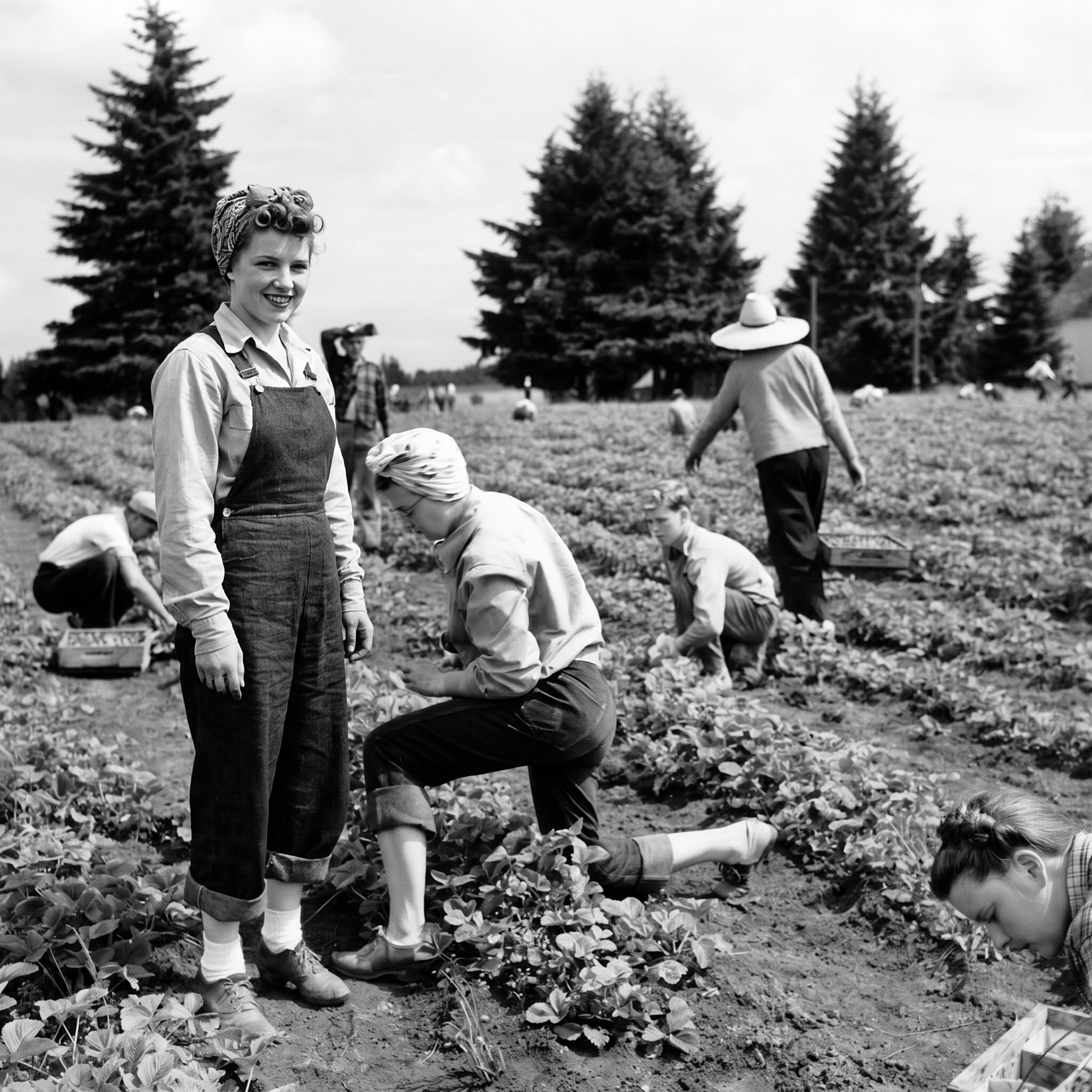
Running for 26 days since September 3, 2026. Crush last saw it on September 29, 2026.
Run by Olivia Smith on Facebook. Crush is not the advertiser and does not verify its claims. See this ad in Meta's Ad Library(opens in a new tab)
Want an ad like this for your product?
Crush makes new ad images for your product from this ad: your logo, your product photo, your offer.
Trials from $19.95 USD, then $79.95 USD a month. Cancel anytime.
About this ad
- Meta Ad Library ID
- 1405943647609209
- Platforms
- Facebook, Instagram, Audience Network, Messenger, WhatsApp and Threads
- Relaunches
- 0
- Niche
- Food & Beverage
Ad text
My mother kept a Dig for Victory garden through the war. She kept it going for sixty years after. And what she told me when I was seven years old is the reason I'm writing this right now. I asked her why she still grew so much food when the supermarket was right down the road. She didn't look up. She kept her hands in the soil. And then she said something that didn't make sense to me until I was standing in a half-empty supermarket aisle fifty years later. She said — because once you've seen the shelves go empty, love, you don't ever quite trust them to be full again. I was seven. I didn't understand. The shops were always full. That was like telling me the sky might turn green. But she knew something I didn't. Something that took me thirty-four years of teaching British history to fully understand. And something that may matter to you more than almost anything else you'll read this week. Here's what she knew. Britain's food supply has been placed under enormous pressure several times in the last hundred years. And every single time, the families who were already growing at least some of their own food had something most other families didn't. A little independence. Not after the shortages started. Before. The first warning came during the First World War. By 1917, Britain's food supply was under severe pressure. German U-boats were attacking the ships Britain depended on for imported food. Shortages appeared. Queues formed outside shops. Butter. Meat. Potatoes. Sugar. The government began telling British families to conserve food, waste nothing and become more self-sufficient wherever they could. By 1918, rationing had arrived. Britain learned a lesson it would never forget: An island that depends heavily on food arriving from somewhere else is vulnerable when those supply lines are disrupted. Then came 1939. World War Two. And this time Britain didn't wait. The government launched one of the most famous food campaigns in British history: DIG FOR VICTORY. Lawns became vegetable patches. Playing fields became allotments. Gardens became food. Ordinary people were encouraged to grow potatoes, carrots, onions, cabbages, beans and anything else that could put another meal on the table. The Ministry of Agriculture produced advice. Land was opened for cultivation. Posters went up across the country. Families who had never considered themselves gardeners started putting seeds into the soil. And it worked. By 1943, more than a million tonnes of fruit and vegetables were being grown in gardens and allotments across Britain. Think about that. Not huge industrial farms. Ordinary gardens. Allotments. Back gardens. Small pieces of land behind ordinary British homes. My mother's was one of them. And when the war ended, she didn't stop. Everyone else saw the supermarket shelves filling back up. She saw something different. She saw dependence returning. So she kept planting. Year after year. Then came 2020. And this is where the story stops being something that happened to your grandparents. Because you saw this one yourself. Supermarket shelves were stripped. Pasta disappeared. Flour disappeared. Tinned food became harder to find. People queued outside supermarkets before opening. Purchase limits appeared on everyday products. For perhaps the first time in their lives, millions of British families walked into a supermarket with money in their pocket… …and discovered that money didn't matter if the product simply wasn't there. People looked at each other with that look. The one that says something is wrong and nobody quite knows how bad it's going to get. And something else happened. Britain suddenly remembered gardening. Families went online looking for vegetable seeds. Demand exploded. Seed companies were overwhelmed. Some sellers had to restrict orders. Others temporarily closed their websites because they simply couldn't process the volume. The Seed Co-operative reported orders running at several times normal levels. Across Britain, people who had never thought seriously about growing their own food suddenly wanted seeds. And many discovered the same problem at exactly the same time: When everybody decides they need something at once… you're already late. That's the lesson my mother understood. You don't prepare when everyone else is preparing. You prepare while nobody thinks preparation is necessary. And now, in 2026, something uncomfortable is happening again. Britain is entering a very different world. Defence spending is rising rapidly. The UK Government has announced plans involving almost £300 billion of defence investment over the next four years. Europe is rebuilding military capacity. Governments are talking openly about resilience, supply chains, strategic industries and national preparedness in language we haven't heard for decades. Does that mean Britain's supermarket shelves are about to go empty? Nobody can honestly tell you that. But that's not really the point. My mother never grew food because she knew exactly when the next crisis would arrive. She grew food because she'd already learned what happened when one did. And here's the question: If something disrupted the food system again… would you be any better prepared today than you were in March 2020? Be honest with yourself about that. Because there's another thing most new gardeners don't realise. Even if you went out tomorrow and bought vegetable seeds… not every seed is equally useful if your goal is long-term self-reliance. Walk into a garden centre and you'll see packets marked: F1 HYBRID. There's nothing inherently wrong with F1 hybrid seeds. In fact, hybrids can be excellent. They can be vigorous, productive and disease resistant. But there's one important difference. Save seed from an F1 hybrid and plant it the following year, and the next generation usually won't grow true to the original plant. You might get different sizes. Different flavours. Different yields. Different characteristics. The carefully selected combination you bought in that original packet doesn't reliably reproduce itself. Which means if you want that exact variety again… you generally buy new seed again. And again. And again. That's why generations before us relied so heavily on another kind of seed. Open-pollinated varieties. Heritage varieties. Seeds you can grow… harvest… save… store… and plant again. When properly isolated and saved, open-pollinated varieties can reproduce true to type generation after generation. Your grandmother understood this without needing a genetics textbook. She'd grow tomatoes. Choose fruit from healthy plants. Save the seed. Dry it. Store it. And plant it next season. Beans. Peas. Lettuce. Tomatoes. Peppers. One harvest could provide the beginning of the next. That's not nostalgia. That's resilience. And somewhere along the way, most of us stopped learning how to do it. Our grandparents kept jars of seeds. We keep supermarket loyalty cards. They knew which month potatoes went into the soil. We know which aisle they're in. They knew how to save beans for next year. We know how to add them to an online basket. And everything works perfectly… until it doesn't. There's a reason governments and scientists around the world spend enormous amounts of effort protecting crop diversity. Deep inside a mountain in the Arctic sits the Svalbard Global Seed Vault. More than a million seed samples are stored there as a backup for the world's crop diversity. Traditional landraces. Crop varieties. Breeding material. Seeds from gene banks around the world. Why? Because genetic diversity matters. Because the ability to grow food tomorrow depends partly on preserving the seeds we have today. Governments understand that. Scientists understand that. Farmers understand that. Our grandparents understood it instinctively. But most ordinary families have completely lost touch with it. Let me be very clear about where that leaves us. Our food system is extraordinarily convenient. And most of the time, it works remarkably well. But convenience and independence are not the same thing. If every vegetable you eat has to arrive on a lorry… from a warehouse… through a distribution network… into a supermarket… before it reaches your table… then you don't control very much of that process. Your great-grandmother didn't control the entire food system either. But she controlled one small piece of it. Her garden. And sometimes one small piece is enough to matter. My mother understood this for sixty years after the war. She saved seeds because she understood one thing most people today have forgotten: A person with seeds, soil and knowledge has options. A person without them is completely dependent on what arrives on the shelf. Which one are you right now? That's why we created **The Home Harvest**. A collection built around the same principle generations of British gardeners understood: Grow food. Save seed. Grow again. Inside you'll find **16,000+ seeds across 35 varieties**, selected around the idea of building a productive home garden rather than planting something once and forgetting about it. Non-GMO. Non-hybrid. Open-pollinated. The kind of varieties that give you the opportunity to learn one of the most valuable gardening skills there is: Saving your own seed. Instead of treating your garden like something that starts with another trip to the shop every spring… you can begin learning how one season creates the next. Tomatoes become next year's tomatoes. Beans become next year's beans. Peas become next year's peas. One garden becomes experience. Experience becomes knowledge. And knowledge becomes something nobody can take away when a shelf happens to be empty. You don't need an allotment. You don't need acres of land. And you certainly don't need to have grown up gardening. That's why The Home Harvest also includes a Beginner's Planting Guide designed to walk you through the process step by step. What to plant. When to plant it. How to get started. How to harvest. And how to begin saving seed for another season. There's also a Garden Planner to help you keep track of sowing dates, growing periods, harvest windows and your seed-saving plans. Because buying seeds is easy. Knowing what to do with them is what actually matters. And once you've learned that skill, you keep it. Maybe nothing dramatic happens next year. I hope nothing does. Maybe Britain's supermarkets remain completely stocked. Maybe supply chains run perfectly. Maybe you never once need your garden for anything other than the pleasure of walking outside and picking a tomato you grew yourself. Wonderful. What exactly have you lost? You'll have fresh vegetables. You'll spend time outside. You'll understand where your food comes from. Your children or grandchildren might learn something their generation almost never gets taught anymore. And you'll taste the difference between a tomato that travelled hundreds of miles… and one that travelled ten steps from your garden to your kitchen. But if another disruption ever does happen… you won't be standing at the beginning. You'll already know how to grow. You'll already have seeds. You'll already have experience. And perhaps most importantly… you won't be learning while everybody else is panicking. That's the part people get backwards. You don't buy a fire extinguisher after the kitchen catches fire. You don't learn where the torch is after the electricity goes out. And you don't learn how to grow food after everyone suddenly decides they need vegetable seeds. 2020 showed Britain how quickly demand can overwhelm supply. History showed us the same lesson long before that. My mother never forgot it. She kept her Dig for Victory garden going for sixty years. Not because she lived in fear. Quite the opposite. She grew because growing gave her confidence. She knew that whatever happened beyond her garden gate… something was growing behind it. And when I think back to her kneeling there with her hands in the soil, I finally understand what she was trying to teach me when I was seven years old. She wasn't really talking about supermarkets. She was talking about independence. Because once you've watched something you depend on disappear… you begin to understand the value of having another option. I would rather have the seeds. I would rather know how to grow them. And I would rather learn while I don't desperately need to. That's what The Home Harvest is about. Not predicting the end of the world. Not panic. Not fear. Just restoring a little bit of the independence our grandparents considered completely normal. A garden. A collection of seeds. And the knowledge to turn one season into another. If you've been thinking about growing your own food, don't wait until you feel completely ready. Your grandparents weren't professional gardeners either. They learned by planting. You can too. **The Home Harvest is currently 50% off 👇** https://thehomeharvest.uk/ Plant them. Learn with them. Save seed from suitable open-pollinated varieties. And start building the kind of garden that gets more valuable the longer you keep it. Because the best time to learn how to grow your own food isn't during a shortage. It's when the shelves are still full. https://thehomeharvest.uk/ P.S. — My mother kept her Dig for Victory garden going for sixty years after the war because she never completely trusted the shelves again. In 2020, I finally understood why. Britain saw extraordinary demand for vegetable seeds, with suppliers overwhelmed just as thousands of people decided they wanted to start growing. The Home Harvest is built around open-pollinated, non-hybrid varieties that can teach you something an F1 packet generally can't: how to save seed and continue growing from one generation to the next. Start while it's still simply a garden — not something you desperately need. https://thehomeharvest.uk/ P.P.S. — If you're still reading this, ask yourself one question. If you discovered tomorrow that you couldn't buy vegetable seeds for the next six months… would anything be growing in your garden? You don't have to predict a crisis to see the value of changing that answer. Plant before you need to. Learn before you need to. Save seed before you need to. And become the family with something growing outside the back door. 👇 https://thehomeharvest.uk/
Where the ad sends people
thehomeharvest.uk
MY NANNY WAS RIGHT
Learn more: thehomeharvest.uk(opens in a new tab)